
Thank you for your feedback!
We will contact you shortly

Free consultation
Enter your phone number and we will call you back for a consultation on any moving and storage services

Texas
Texas Long-Distance Moving Company
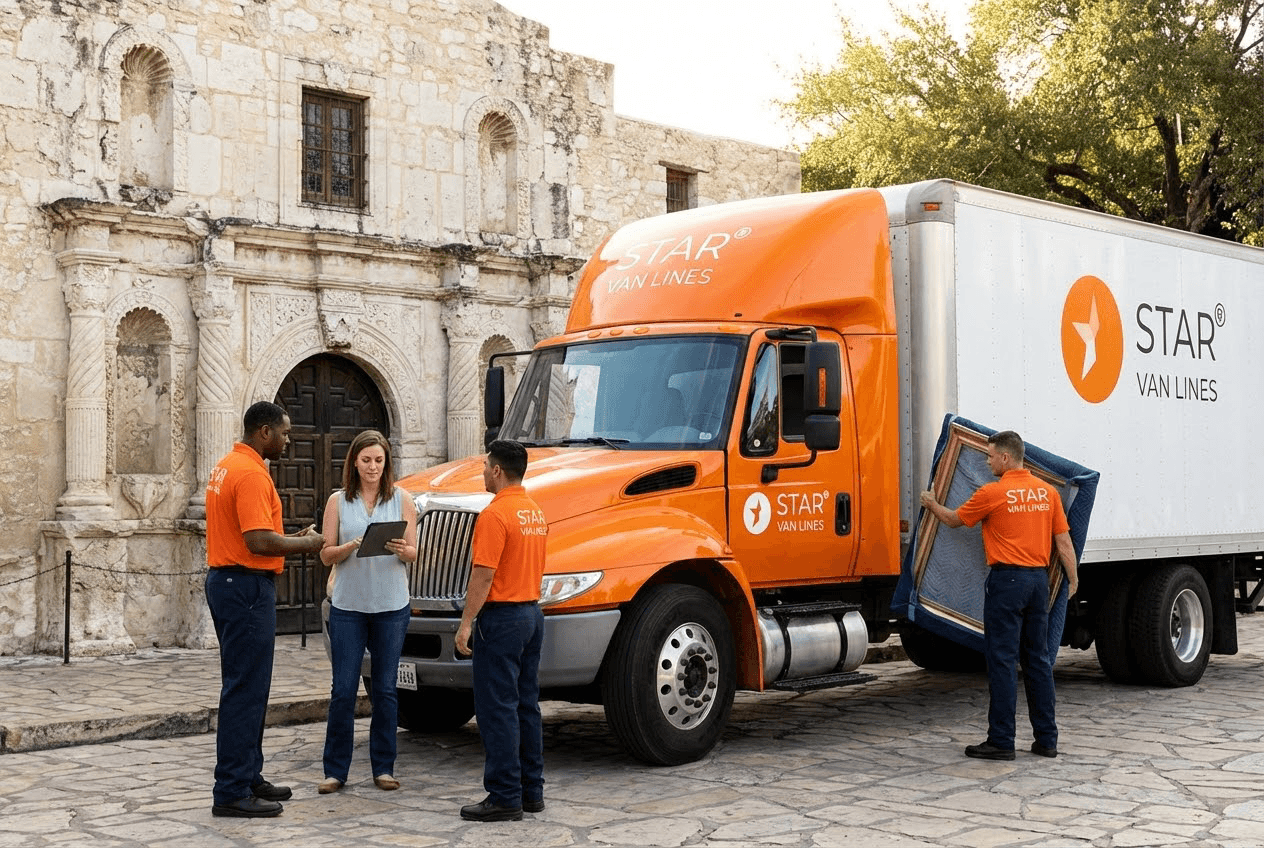
Texas is where America moves. Between July 2024 and July 2025 the state added 391,243 residents, the largest numeric gain of any state in the country, and it led the nation in net migration as 234,774 more people arrived than left. Star Van Lines is a USDOT-licensed interstate carrier (USDOT #4176875, MC #1607491) that runs local and long-distance moves across all of Texas, from the Dallas-Fort Worth Metroplex to the Houston suburbs and the Hill Country around Austin and San Antonio. Because the state pulls newcomers from California, Florida, and New York and sends thousands of households back out each year, we have worked both ends of that flow since 2016.
Our Texas moving services cover packing, loading, transport, delivery, and short-term storage at warehouse locations nationwide. A move from Austin to Houston covers about 163 miles east via US-290. A move from Houston to New York runs about 1,629 miles up the eastern seaboard. We handle both with the same coordinator and the same written estimate, and in Texas the variable that bites is usually the heat, since a July load-out in triple-digit afternoons asks more of a crew than the mileage ever does.
Want a price for your Texas move? Call (855) 822-2722 or use our online quote calculator. You'll get an estimate that breaks down every line item, so there aren't any surprises on moving day. We're rated 4.0 on Trustpilot, 4.5 on Google, and 4.75 on Facebook across 240+ reviews.

Dennis has 15+ years of experience in interstate moving and has coordinated over 1,000 relocations across the United States.


Allen

Amarillo
Arlington
Austin
Baytown

Beaumont

Bedford
Brownsville

Bryan

Burleson
Carrollton
Cedar Hill
Cedar Park

Cleburne
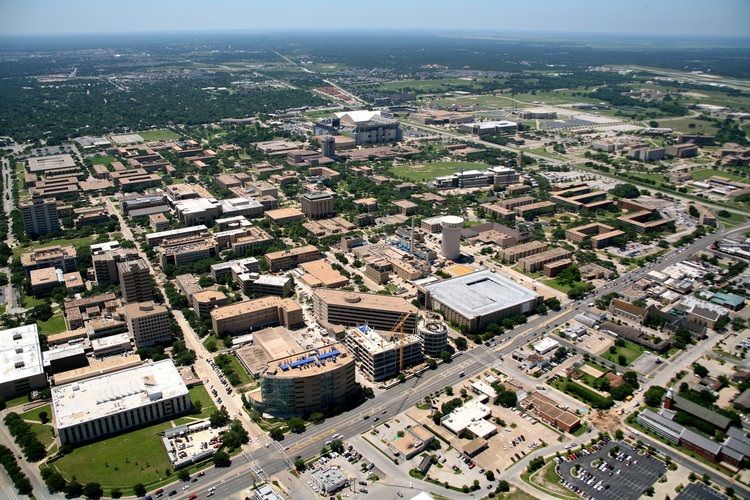
College Station
Conroe

Coppell
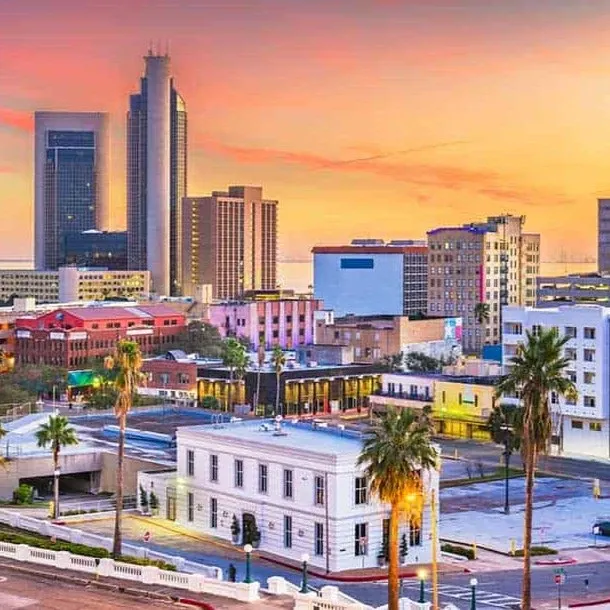
Corpus Christi

Dallas
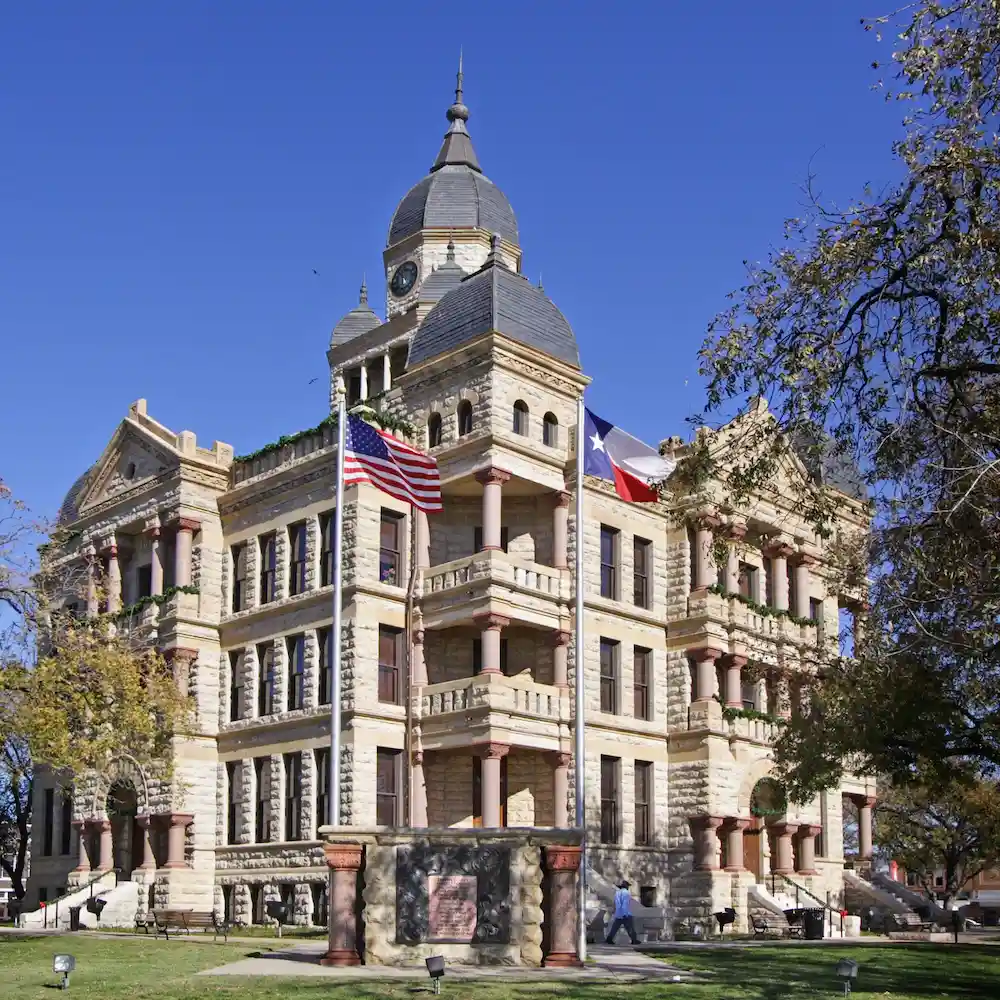
Denton
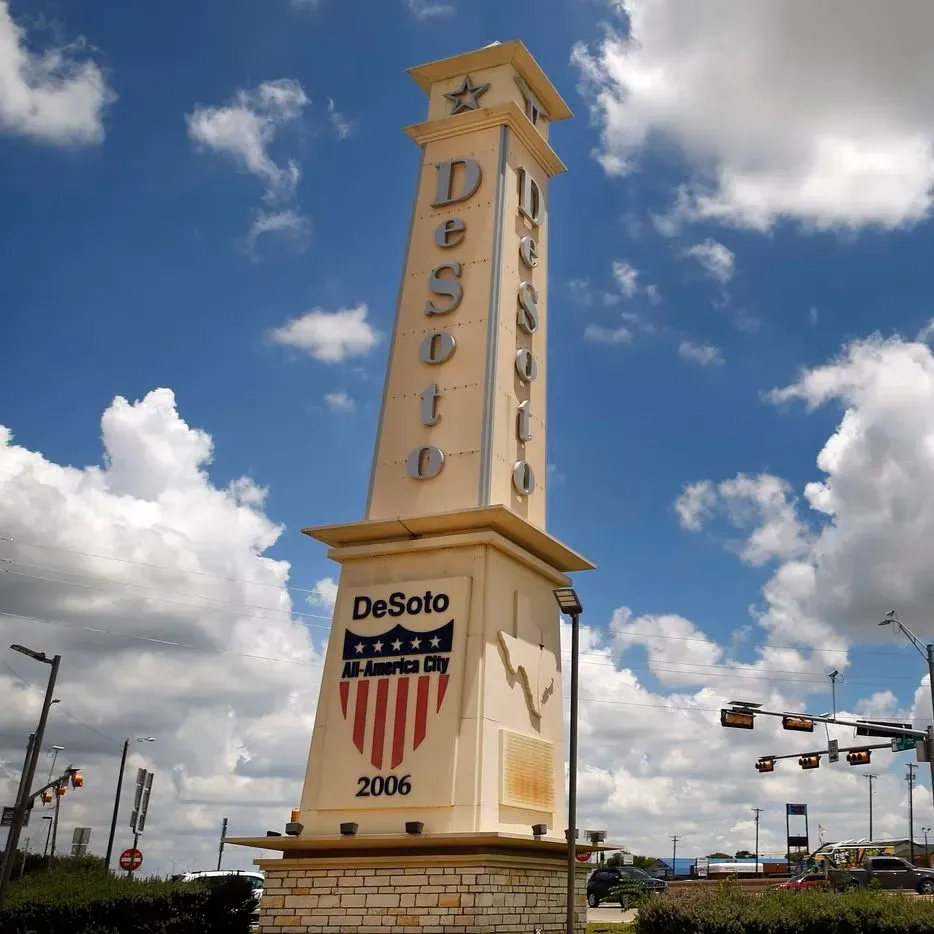
Desoto

El Paso

Euless

Flower Mound

Fort Worth

Friendswood

Frisco, TX
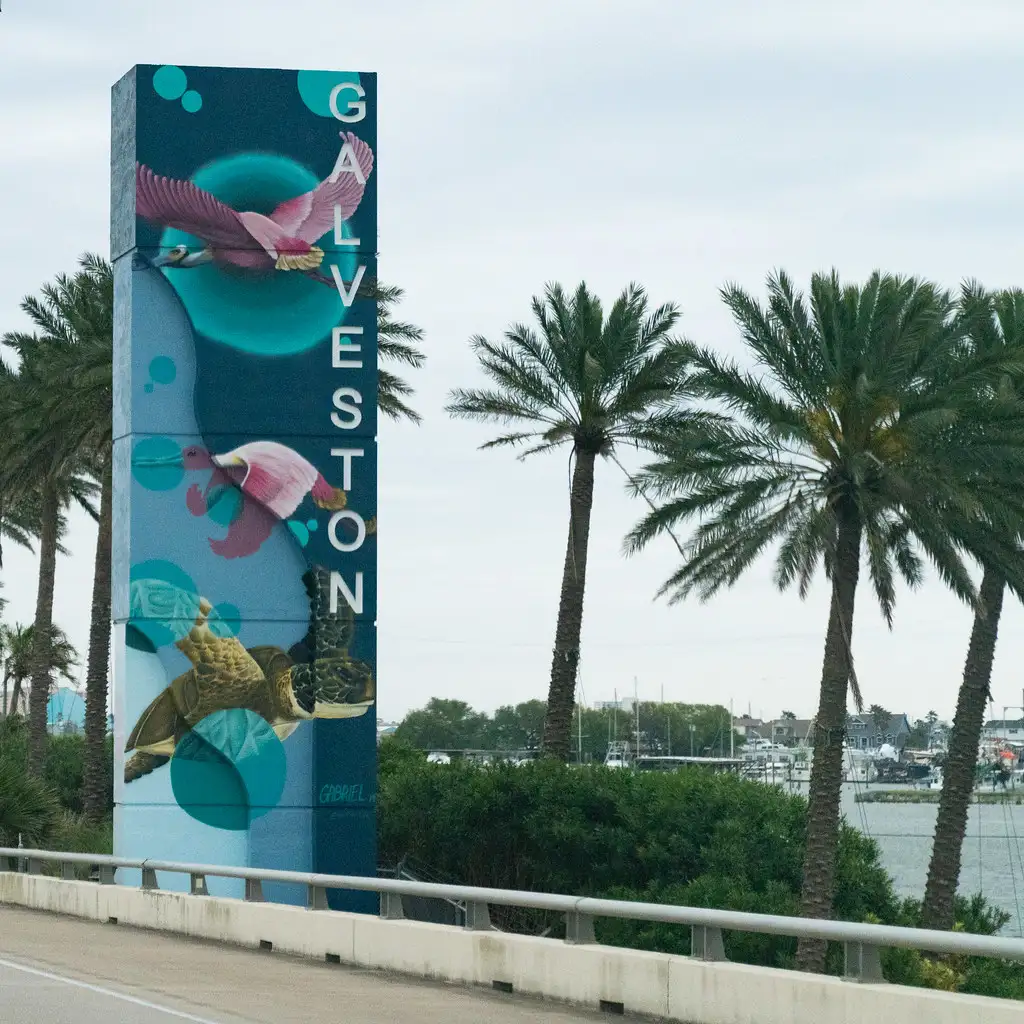
Galveston
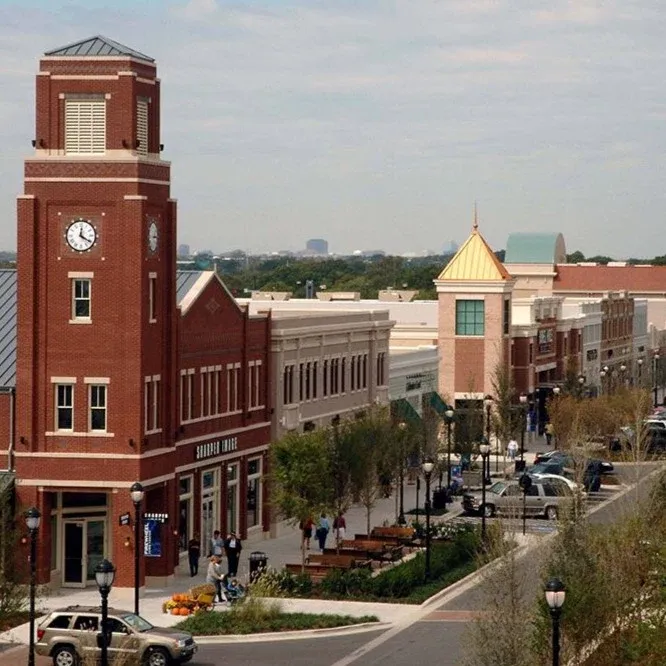
Garland
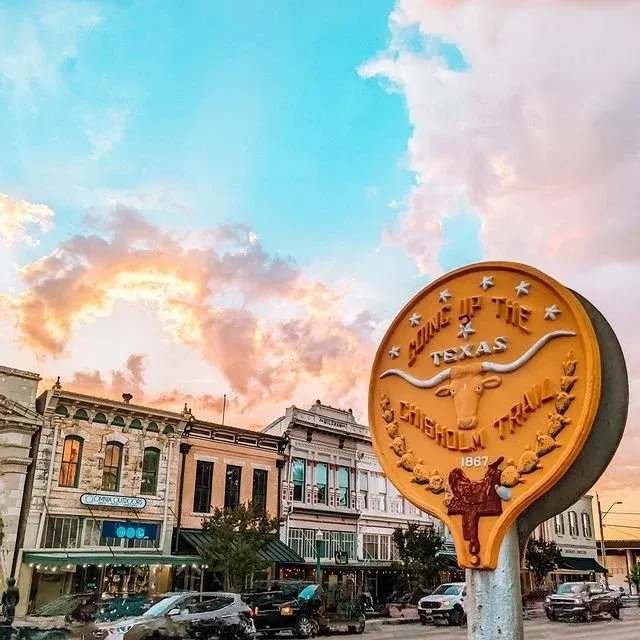
Georgetown
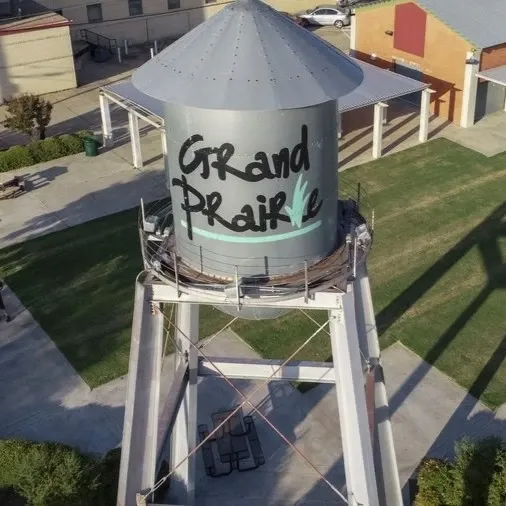
Grand Prairie

Grapevine

Houston
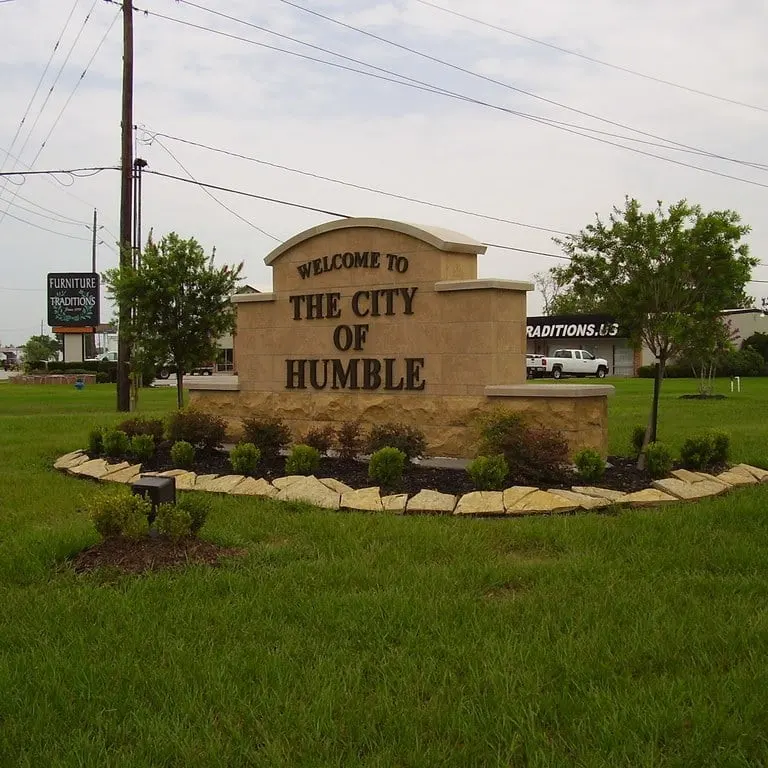
Humble
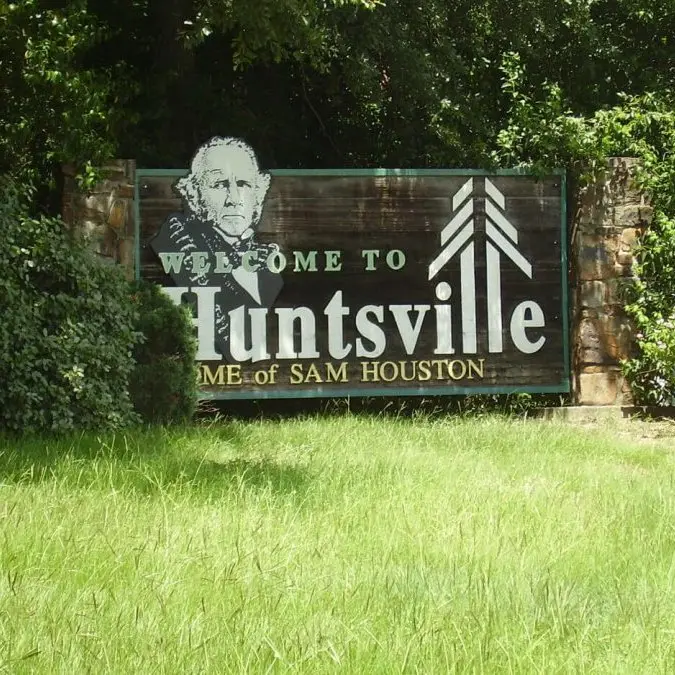
Huntsville
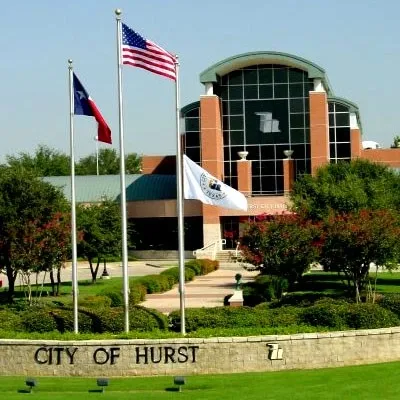
Hurst
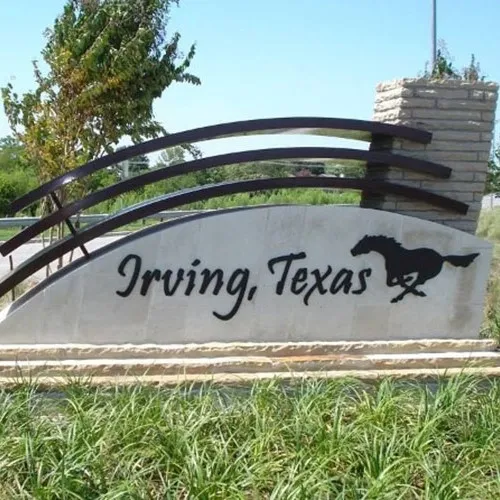
Irving

Katy
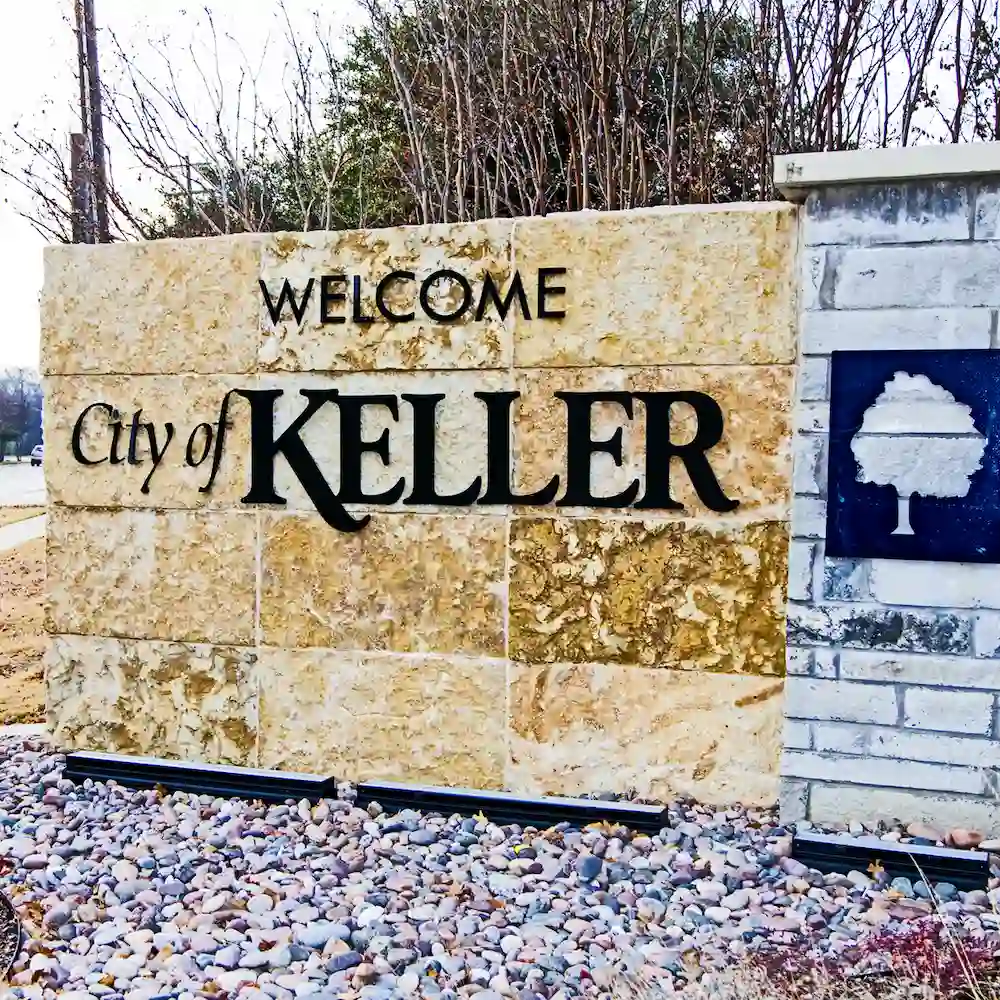
Keller

Killeen
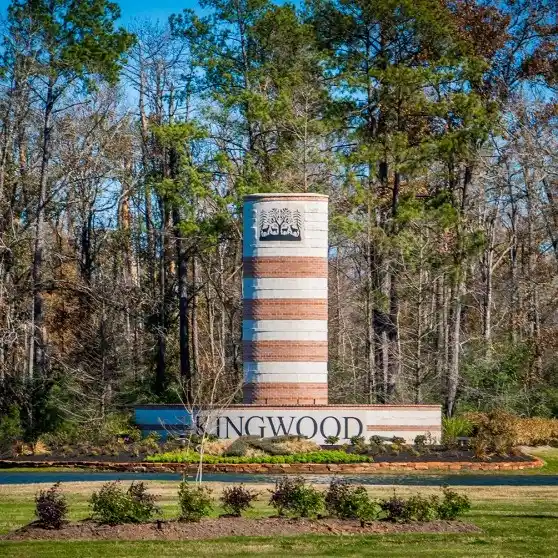
Kingwood
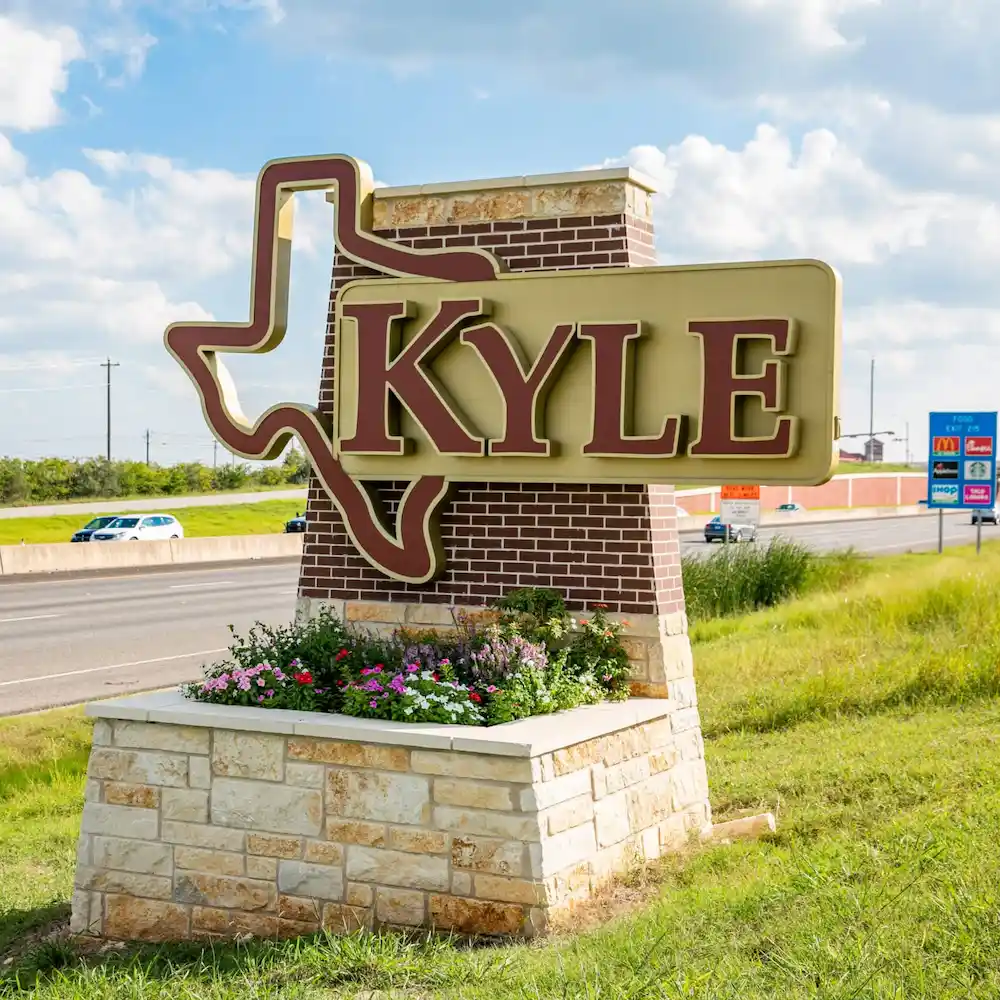
Kyle
Laredo
League City
Lubbock
McAllen

McKinney
Mesquite

Midland

Odessa
Pasadena
Pearland

Plano

Richardson
Round Rock
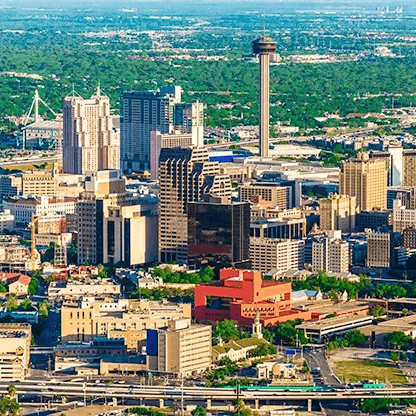
San Antonio

Sugar Land

Tyler

Waco
Amarillo
Austin
Baytown
Beaumont
Bedford
Bryan
Burleson
Carrollton
Cedar Hill
Cedar Park
Cleburne
San Antonio
Conroe
Coppell
Corpus Christi
Dallas
Denton
Desoto
El Paso
Euless
Flower Mound
Fort Worth
Friendswood
Frisco, TX
Galveston
Garland
Allen
Georgetown
Grand Prairie
Grapevine
Houston
Humble
Huntsville
Hurst
Irving
Katy
Keller
Killeen
Kingwood
Kyle
Plano
Laredo
Lubbock
Arlington
McKinney
Waco
McAllen
Brownsville
Mesquite
Pasadena
Richardson
Round Rock
Pearland
Sugar Land
League City
Tyler
College Station
Midland
Odessa
Allen
Amarillo
Arlington
Austin
Baytown
Beaumont
Bedford
Brownsville
Bryan
Burleson
Carrollton
Cedar Hill
Cedar Park
Cleburne
College Station
Conroe
Coppell
Corpus Christi
Dallas
Denton
Desoto
El Paso
Euless
Flower Mound
Fort Worth
Friendswood
Frisco, TX
Galveston
Garland
Georgetown
Grand Prairie
Grapevine
Houston
Humble
Huntsville
Hurst
Irving
Katy
Keller
Killeen
Kingwood
Kyle
Laredo
League City
Lubbock
McAllen
McKinney
Mesquite
Midland
Odessa
Pasadena
Pearland
Plano
Richardson
Round Rock
San Antonio
Sugar Land
Tyler
Waco
Moving services in Texas
Star Van Lines provides local, long-distance, and interstate moving services across Texas. We handle packing, loading, transport, and delivery for residential and commercial moves. Texas sets two very different jobs in front of a crew, because a downtown Austin high-rise move and a new-build move in a Collin County subdivision share almost nothing in how the day actually runs. Every move includes a single coordinator, a trained crew, and a written estimate.
Local moving in Texas
Local moves in Texas cluster on the four big metros and the suburbs filling in around them. A two-person crew runs $218-$299 per hour; three movers run $328-$448. We serve Houston and Fort Bend County, the Dallas-Fort Worth Metroplex out through Collin and Denton counties, the Austin metro into Williamson County, and San Antonio. But the metros and the collar counties work differently, because Houston, Dallas, and Austin high-rise moves need a building certificate of insurance, a reserved freight elevator, and a tight loading window, while a new-build move in a gated suburb can mean a long approach and HOA rules about truck access. And the heat changes the plan all summer, since crews load early and hydrate hard when the afternoon high sits near 96.
Long-distance moving from Texas
Long-distance demand out of Texas is spread across all four metros. The busiest lanes run east to New York from both Houston (about 1,629 miles) and Austin (about 1,744 miles), west to Los Angeles from Dallas (about 1,438 miles), and across the state on the short Houston-to-Dallas (about 239 miles) and Austin-to-Houston (about 163 miles) hauls. We run these corridors on I-35, I-10, I-45, and I-20 as full interstate relocations. Because Texas is so large, an in-state move can rival an interstate one, so your coordinator stages long-haul equipment even for a Houston-to-El-Paso job.
Packing and storage
We offer full-service packing, partial packing, and self-pack options. Full-service means our crew brings every box and material and packs each room; partial lets you choose which rooms we handle; self-pack is the lowest-cost option. We have 43 warehouse locations nationwide for short-term and long-term storage. But in Texas the heat and humidity make climate-controlled storage the safer choice for wood furniture, electronics, art, and documents, since Houston mornings often sit above 90 percent humidity and summer highs near 95 can warp and crack goods held in a standard unit between a move-out and a later move-in.
Auto transport and specialty items
We ship vehicles by open or enclosed carrier, and households relocating two or three cars on a long Texas lane often ship them rather than drive each one. We also move pianos, antiques, gun safes, and fine art with specialty crating. Texas ended its annual safety inspection for non-commercial vehicles on January 1, 2025 under House Bill 3297, and new residents register a vehicle within 30 days, so we time door-to-door auto transport to a customer's registration window. Seventeen counties around Dallas-Fort Worth, Houston, Austin, and El Paso still require an emissions test. And Bexar County around San Antonio joins them on November 1, 2026.
How much does moving in Texas cost?
Moving costs in Texas depend on whether you're crossing town or crossing the country. Local moves typically run $218-$299 per hour for a two-person crew with a truck. Long-distance moves start at $747 for a studio and reach $7,935 for a large four-plus-bedroom home, depending on distance, weight, and access at both ends.
Local moving rates
| Crew size | Hourly rate |
|---|---|
| 2 movers + truck | $218-$299 / hour |
| 3 movers + truck | $328-$448 / hour |
| 4 movers + truck | $437-$598 / hour |
Long-distance rates from Texas
| Move size | Estimated price range |
|---|---|
| Studio / 1 Bedroom | $747 - $1,955 |
| 2-3 Bedrooms | $1,380 - $4,370 |
| 4+ Bedrooms | $2,300 - $7,935 |
Popular routes and pricing from Texas
| Route | Distance | Avg cost (2-3 BR) |
|---|---|---|
| Austin to Houston | 163 mi | $1,380 - $1,667 |
| Houston to Dallas | 239 mi | $1,552 - $1,897 |
| Dallas to Los Angeles | 1,438 mi | $3,392 - $4,198 |
| Houston to New York | 1,629 mi | $3,392 - $4,140 |
| Austin to New York | 1,744 mi | $3,565 - $4,370 |
Pricing reflects market averages for moves in and from Texas as of June 2026. Your final price depends on inventory weight, packing level, access at pickup and delivery, and scheduling flexibility. Call (855) 822-2722 or use our free quote calculator for an exact estimate.
What affects your moving price
- Shipment weight and volume are the biggest factors on any long-distance move from Texas.
- Distance drives the base price. Austin to Houston is 163 miles; Austin to New York is 1,744.
- Access at both ends matters. Freight-elevator windows in Houston and Austin high-rises, gated-community and HOA truck rules in the suburbs, or a long rural Hill Country approach can all add time or call for a shuttle.
- How much packing you want us to do. Full-service runs more than partial, and self-pack is the lowest option.
- When you move. Summer is peak demand, and the June-to-November Gulf hurricane season can disrupt coastal scheduling.
- Add-on services like auto transport, climate-controlled storage, and specialty handling for pianos, gun safes, or artwork carry their own pricing.
Moving routes from Texas
Moving to Texas: what you should know
A move to Texas involves more than logistics. The state runs on four metro economies spread across a vast interior, so the same budget buys a high-rise condo in Austin or a five-bedroom new build in a Houston suburb, and the drive between two Texas cities can rival a haul to another state. Below is a quick guide covering cost of living, access and logistics, climate and timing, and the residency rules that affect your move.
What it costs to move to Texas
Texas's cost of living index is 97.1 (US average = 100, BEA RPP 2024), just below the national figure, which is part of the draw. Local moving labor runs $218-$299 per hour for a two-person crew, with the big metros at the higher end. Median home value is $283,800 (Census ACS 2020-2024) and median monthly rent is $1,403, while median household income is $78,476. But the line that surprises newcomers is the tax mix, because Texas charges no individual income tax and yet carries one of the highest effective property-tax rates in the country at about 1.40 percent of home value.
Access and logistics
Texas has a dense interstate spine built around the Texas Triangle. I-35 runs north and south from Laredo through San Antonio, Austin, and Waco to Dallas-Fort Worth, while I-10 crosses east and west from El Paso through San Antonio and Houston to the Louisiana line. I-45 links Dallas, Houston, and Galveston, I-20 cuts across West Texas through the Metroplex, and I-30 connects Fort Worth to Texarkana. In downtown Houston, Dallas, and Austin, the hard part is the building, since tower moves need a certificate of insurance, a reserved freight elevator, and a tight street-loading window. Out in the collar counties and the Hill Country, the challenge flips to distance and access, because a single in-state leg can run several hundred miles and a gated subdivision may restrict truck size.
Climate and timing
Texas summers are long and hot, with Dallas July and August highs near 96 and roughly 20 days a year at or above 100, and winters are mild with January lows around 36. Dallas-Fort Worth gets about 37 inches of rain and only 1.6 inches of snow a year, though rare ice storms can briefly close North Texas highways. The headline risks are seasonal: extreme summer heat statewide, Gulf-coast hurricanes and tropical storms from June into November around Houston and the coast, and severe thunderstorms, hail, and tornadoes in North Texas, which sits in Tornado Alley. The best window for a move is October through April, when temperatures are mild and the hurricane season has passed. But avoid June through August, when the heat peaks and demand is highest, and plan summer load-outs for early morning.
Residency and regulations
Texas splits driver licensing and vehicle registration between two agencies: the Department of Public Safety (DPS) issues driver licenses, and the Department of Motor Vehicles (TxDMV) handles registration and title. New residents may drive on a valid out-of-state license for up to 90 days, but you must register your vehicle within 30 days. Apply through the TxDMV (txdmv.gov) once you are settled. Texas eliminated the annual safety inspection for non-commercial vehicles on January 1, 2025 under House Bill 3297, replacing it with a small inspection program replacement fee at registration. Seventeen counties around Dallas-Fort Worth, Houston, Austin, and El Paso still require an emissions test, with Bexar County around San Antonio joining on November 1, 2026.
What to know before moving to Texas
Benefits of moving to Texas
0,709,821
Population
$0,476
Median household income
0.1 (US = 100, BEA RPP 2024)
Cost of living index
0 clear days/year (approximate)
Days of sunshine
0%
State income tax
+0.8%
Population change 2020-2025
Texas is home to nearly 31.7 million people, and it grew 8.8 percent between 2020 and 2025, far faster than the country as a whole. The economy is anchored by energy, with ExxonMobil, Chevron, and Phillips 66 tied to the Permian Basin, alongside a deep technology and telecom base in AT&T, Texas Instruments, and Dell, plus aviation, healthcare, and finance. Median household income is $78,476. The migration story runs strongly inbound: between July 2024 and July 2025 Texas added 391,243 residents, the largest numeric gain of any state, and led the nation in total net migration at 234,774, drawing the most newcomers from California, Florida, and New York. And the 0 percent tax on income is a real draw for high earners leaving income-tax states.
Is Texas a good place to live?
Texas offers a broad, fast-growing job market, no state income tax, and a cost of living just below the national average. But the trade-offs are real: property taxes are among the highest in the country, summers are long and punishingly hot, and the Gulf Coast carries real hurricane risk. Whether it's a good fit depends on how much you value the paycheck math and the job market against high property-tax bills and months of triple-digit heat.
Tax environment
Texas has no individual income tax, which is the headline draw for relocating workers and retirees, and the state ranks first in the nation on the Tax Foundation's individual-income-tax component. The trade-off is property tax, because local school districts, counties, and cities fund their budgets without an income tax, so the effective rate averages about 1.40 percent of home value, among the highest nationally. The average combined state and local sales tax is about 8.19 percent, with a statutory maximum of 8.25 percent, and there is no estate or inheritance tax. Texas also runs a gross-receipts Franchise Tax in place of a traditional corporate income tax, and state and local tax collections come to about $5,737 per capita.
Housing market
Median home value in Texas is $283,800 (Census ACS 2020-2024), well below coastal markets, and median monthly rent is $1,403. Prices vary sharply by metro, from the premium close-in neighborhoods of Austin to far more affordable homes in the collar counties and smaller cities, where the same budget buys much more house. An owner-occupancy rate of 62.6 percent reflects a market where new construction keeps ownership within reach for many families. Because so much growth lands in booming suburbs like Collin, Denton, Fort Bend, and Williamson counties, where you land in the metro matters as much as what you buy.
Job market and economy
Texas runs the second-largest state economy in the country, led by energy. Oil and gas production centered on the Permian Basin anchors ExxonMobil, Chevron, and Phillips 66, while technology and telecom run deep through Texas Instruments, Dell, and AT&T, and the Austin area has drawn major Samsung and Tesla operations. Dallas-Fort Worth adds aviation and finance with American Airlines and a dense corporate base. And San Antonio anchors finance and the military with USAA and several large bases. Because the sector mix spans energy, tech, healthcare, and defense, the job market holds up across cycles, which is a big part of why so many people keep moving in.
Safety and natural risks
Texas faces a wide hazard mix and leads the nation in federal disaster declarations, with NOAA counting 190 billion-dollar weather and climate disasters affecting the state from 1980 to 2024. The Gulf Coast around Houston, Galveston, and Corpus Christi sits in the path of hurricanes and tropical storms, North Texas takes severe thunderstorms, hail, and tornadoes, and the whole state has seen flooding, wildfire, drought, and the 2021 winter freeze. If you are buying near the coast or a floodplain, it is worth lining up flood and windstorm coverage early, since standard homeowner policies often exclude both.
Who thrives in Texas?
Corporate-relocation transferees
Energy, tech, healthcare, and finance employers move staff into Houston, Dallas-Fort Worth, Austin, and San Antonio on tight start-date timelines. They tend to need full-service packing and a guaranteed delivery window, and many arrive from California or New York along the busy Houston-to-New-York and Dallas-to-Los-Angeles lanes, so a single coordinated move matters more than a bargain rate.
Austin tech and startup arrivals
Engineers, founders, and venture talent keep landing in the Austin metro and its fast-growing suburbs, and Georgetown shows the heaviest city-level search demand in our Texas data. Many come from coastal tech hubs and want a fast, single-trip relocation with secure handling of electronics and home-office gear, often on short notice tied to a new role.
No-income-tax movers chasing take-home pay
High earners, remote workers, and retirees relocate specifically to keep more of their paycheck, since Texas is one of only nine states with no individual income tax. They frequently come from California, New York, and Illinois, and they weigh that wage-tax savings against the state's high property-tax bill before settling on a county.
Suburban first-time homebuyers
With a 62.6 percent owner-occupancy rate and a median home value of $283,800, well below coastal prices, Texas pulls buyers into booming collar counties like Collin and Denton near Dallas, Fort Bend and Montgomery near Houston, and Williamson near Austin. These families usually move into newly built homes and plan around school-district boundaries.
Intra-Texas movers between the Triangle metros
A large share of Texas moves never leave the state, as families and professionals shuttle between Houston, Dallas-Fort Worth, Austin, and San Antonio along I-35, I-10, and I-45. Houston to Dallas runs about 239 miles and Austin to Houston about 163, so these shorter hauls price well below a cross-country move and are the highest-frequency lanes in our Texas book.
First week after moving to Texas: what to do
After your move to Texas, several tasks need attention in the first weeks. Texas lets new residents drive on an out-of-state license for up to 90 days but requires vehicle registration within 30 days, so the registration clock is the one to watch. Here is a prioritized checklist.
- Register your vehicle.
You have 30 days to register and title your vehicle with the Texas Department of Motor Vehicles (txdmv.gov). Bring proof of ownership, insurance, and a Texas address, and if you live in an emissions county, complete the emissions test first.
- Update your driver license.
New residents have up to 90 days to get a Texas license through the Department of Public Safety. Bring proof of identity, residency, and your out-of-state license, and book an appointment early because DPS offices in the big metros stay busy.
- Transfer your auto insurance.
Texas requires liability coverage, so contact your insurer to re-rate your policy before you register. Premiums vary widely between the metros and smaller cities.
- Register to vote.
Texas does not offer fully online registration, so apply through the Secretary of State at votetexas.gov, then print, sign, and mail the form to your county registrar at least 30 days before an election.
- Update homeowner's or renter's insurance.
Because hurricanes, hail, flooding, and the 2021-style winter freeze all affect Texas, review your coverage. Standard policies often exclude flood and windstorm damage, so a home near the coast or a floodplain may need separate policies.
- Forward your mail.
USPS Change of Address is free online at usps.com. Mail forwarding starts within 7-10 business days.
- Transfer medical records.
Contact your current providers before the move and find a new primary care physician near your new home.
- Update school records.
If you have children, request transcripts from the previous district and contact your new one about enrollment. Many Texas districts, including Highland Park and Carroll in the Dallas area and Eanes near Austin, rank among the state's best, and the school year usually starts in mid-August.
Texas at a glance: schools, jobs, and things to do
Schools and universities
Highland Park Independent School District in the Dallas area ranks among the top districts in Texas, with Carroll ISD in Southlake and Eanes ISD near Austin close behind among the best in the state. The University of Texas at Austin is the public research flagship, and Texas A&M University in College Station anchors the land-grant system with one of the largest student bodies in the country. Rice University in Houston is a top private research school. Because school quality and home prices both vary sharply by district, many families research specific suburbs closely before choosing where to land.
Major employers
Texas hosts one of the largest corporate bases in the country. ExxonMobil, headquartered near Houston, anchors an energy sector that also includes Chevron and Phillips 66 and the Permian Basin oilfields. AT&T is based in Dallas, American Airlines in Fort Worth, and Dell in Round Rock, while USAA anchors finance and insurance in San Antonio. Because energy, technology, aviation, healthcare, and the military all run deep here, job seekers find opportunities across very different industries in each metro.
Attractions and recreation
The Alamo in San Antonio, the 18th-century mission and site of the 1836 battle, is the state's most iconic landmark, and the nearby River Walk draws visitors year-round. Space Center Houston, the visitor center for NASA's Johnson Space Center, is a major draw on the Gulf Coast side. Big Bend National Park spreads across more than 800,000 acres of West Texas along the Rio Grande. And the Fort Worth Stockyards keep the state's cattle-town history alive with daily cattle drives and a historic district.
FAQ
Questions? Look here
Can’t find an answer? Call us
(855) 822-2722 or email
Local moving in Texas typically costs $218-$299 per hour for a two-person crew with a truck, or $328-$448 for the three-person crew a three-bedroom home usually needs. At 4-6 hours, that puts a typical three-bedroom local move around $1,150 to $2,350. High-rise elevator reservations in Houston and Austin and long collar-county drives can add time. Call (855) 822-2722 for an itemized estimate.
Long-distance moves from Texas start at $747 for a studio and reach about $7,935 for a large four-plus-bedroom home. The final price depends on shipment weight, distance, and access at both ends. A two-to-three-bedroom move from Houston to Dallas runs about $1,552 to $1,897, while the cross-country lane to New York runs higher. Star Van Lines provides written estimates so your price won't change after booking.
Search our USDOT number 4176875 on the FMCSA SAFER website (safer.fmcsa.dot.gov). This federal database confirms our operating authority, MC number 1607491, insurance status, and safety record. Any legitimate interstate mover should be able to provide a verifiable USDOT number.
In Texas the charges to ask about are long-carry and elevator fees for Houston, Dallas, and Austin high-rises, shuttle fees when a full-size truck can't reach a gated community or a rural Hill Country address, and stair fees for walk-up units. We disclose every potential charge in your written estimate before you book, so nothing is a surprise on moving day.
Federal law requires interstate movers to offer two levels: Released Value Protection (free, covering $0.60 per pound per item) and Full Value Protection (paid, covering repair, replacement, or cash settlement at current value). Star Van Lines is fully insured under USDOT #4176875 and can explain both options when you request a quote.
New Texas residents may drive on a valid out-of-state license for up to 90 days, but you must register your vehicle within 30 days of moving. The Texas Department of Motor Vehicles handles registration and title, while the Department of Public Safety issues the driver license, so plan to visit both. If you settle in an emissions county, complete the emissions test before you register.
Texas eliminated the annual safety inspection for non-commercial vehicles on January 1, 2025 under House Bill 3297, replacing it with a $7.50 inspection program replacement fee collected at registration. You no longer schedule a separate safety inspection. Vehicles registered in the emissions counties still need an emissions test, but everywhere else the registration step is simpler than it used to be.
Texas is one of only nine states with no individual income tax, which is a major draw for relocating workers and retirees. The trade-off is property tax, because local school districts, counties, and cities fund their budgets without an income tax, so the effective rate averages about 1.40 percent of home value, among the highest in the country. For many movers the no-income-tax paycheck still comes out ahead, but the annual property-tax bill belongs in your budget from day one.
October through April is the best window, with mild temperatures and the hurricane season behind you. Avoid June through August, when Dallas highs sit near 96 and the coast runs hot and humid, which is hard on crews and heat-sensitive items. The Gulf hurricane season runs June 1 to November 30 and peaks in August and September, so coastal moves around Houston and Galveston get extra schedule flexibility built in.
Intra-Texas moves are short-to-medium hauls, since Houston to Dallas is about 239 miles and Austin to Houston about 163, so they fall in the lowest pricing bands and bill much like a local job with a mileage add. A move out of state, such as Houston to New York at about 1,629 miles, crosses into the long-distance bands, where shipment weight and distance drive most of the cost. That is why a cross-town move and a cross-country move are priced so differently.
Emissions testing is required in 17 counties covering the Dallas-Fort Worth, Houston, Austin, and El Paso metros, and Bexar County around San Antonio joins the program on November 1, 2026, bringing the total to 18. If you settle outside those counties, no emissions test is required to register. Every new resident still has to register a vehicle within 30 days of moving, emissions county or not.
We load early in the day during summer to keep crews and heat-sensitive items out of triple-digit afternoons, and we recommend climate-controlled storage for wood furniture, electronics, art, and documents, because Houston's morning humidity often tops 90 percent. During hurricane season we watch the Gulf forecast and build flexibility into any move routed through Houston, Galveston, or Corpus Christi, since a storm can reshape a coastal schedule on short notice.
Ready to Start Your Texas Move?
Get a free moving estimate today. No obligation, no pressure.
Call us or fill out the form - we'll get back to you fast.
USDOT #4176875 | MC #1607491 | Licensed & Insured