
Thank you for your feedback!
We will contact you shortly

Free consultation
Enter your phone number and we will call you back for a consultation on any moving and storage services

California
Trusted California Moving Company - Local & Long Distance
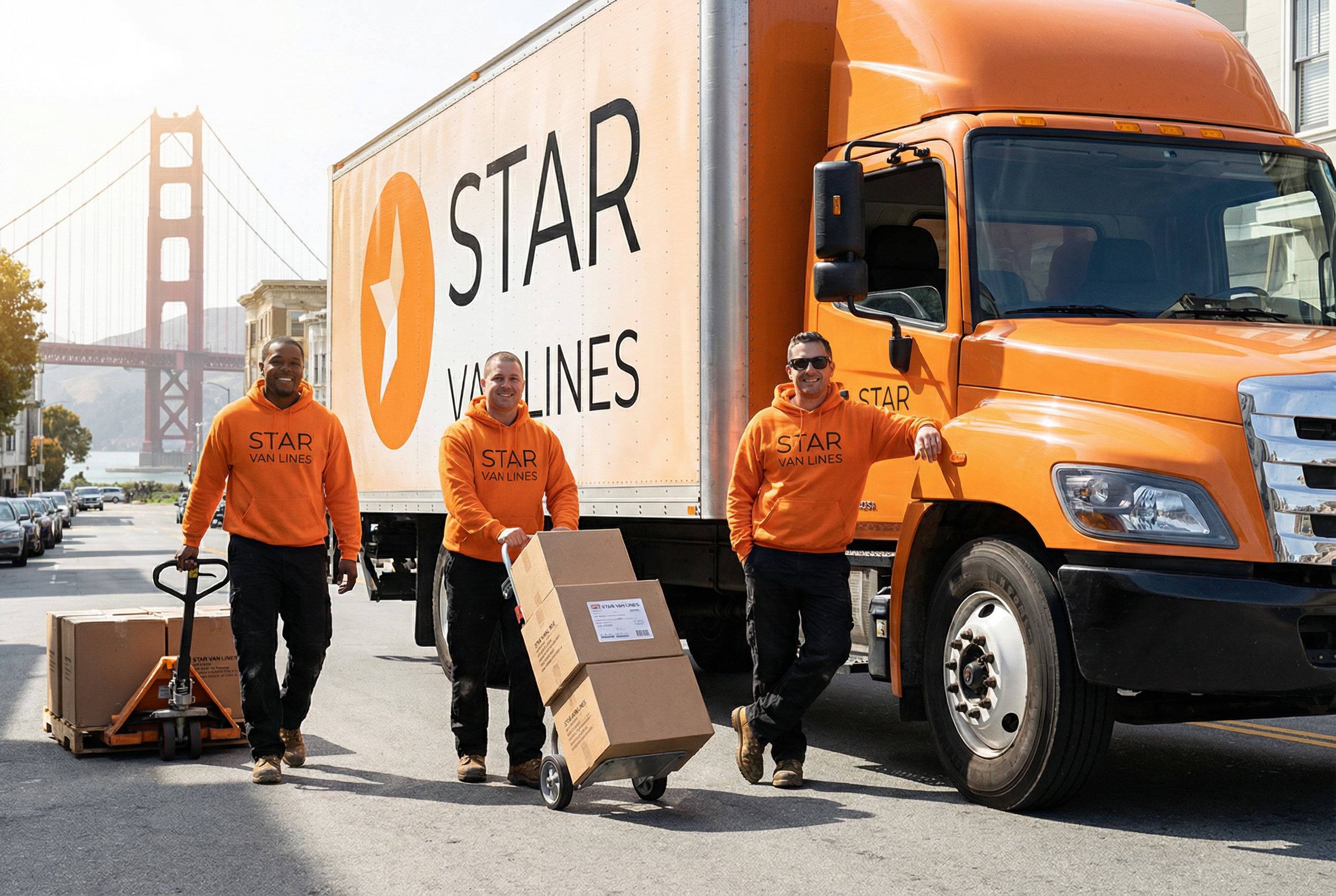
California leads the nation in two-way migration volume. Hundreds of thousands of people move into the state every year from other states and abroad, while a similar number leave - with Texas, Arizona, and Florida as the top destinations. That back-and-forth means professional movers stay busy on California corridors year-round. Star Van Lines is a USDOT-licensed interstate carrier (USDOT #4176875, MC #1607491) that handles local and long-distance moves across all of California. We've been running these routes since 2016, from the I-5 spine through Los Angeles and Sacramento to the I-10 corridor connecting the Inland Empire to Arizona, and up I-80 through the Bay Area into the Sierras.
Our California moving services cover packing, loading, transport, delivery, and short-term storage at warehouse locations in the state. Because California stretches 770 miles from the Oregon border to Mexico, a "local" move here can mean anything from a 20-minute drive across San Diego to a full-day haul from San Francisco to Bakersfield. We handle both with the same crew, the same coordinator, and the same written estimate from day one through delivery.
Want a price for your California move? Call (855) 822-2722 or use our online quote calculator. You'll get an itemized estimate that breaks down every line item, so there are no surprises on moving day. And we're rated 4.0 on Trustpilot, 4.5 on Google, and 4.75 on Facebook across 240+ reviews.

Dennis has 15+ years of experience in interstate moving and has coordinated over 1,000 relocations across the United States.


Anaheim

Antioch
Bakersfield
Bell

Berkeley

Burbank

Carlsbad
Chula Vista
Clovis
Compton
Concord, CA
Corona

Costa Mesa
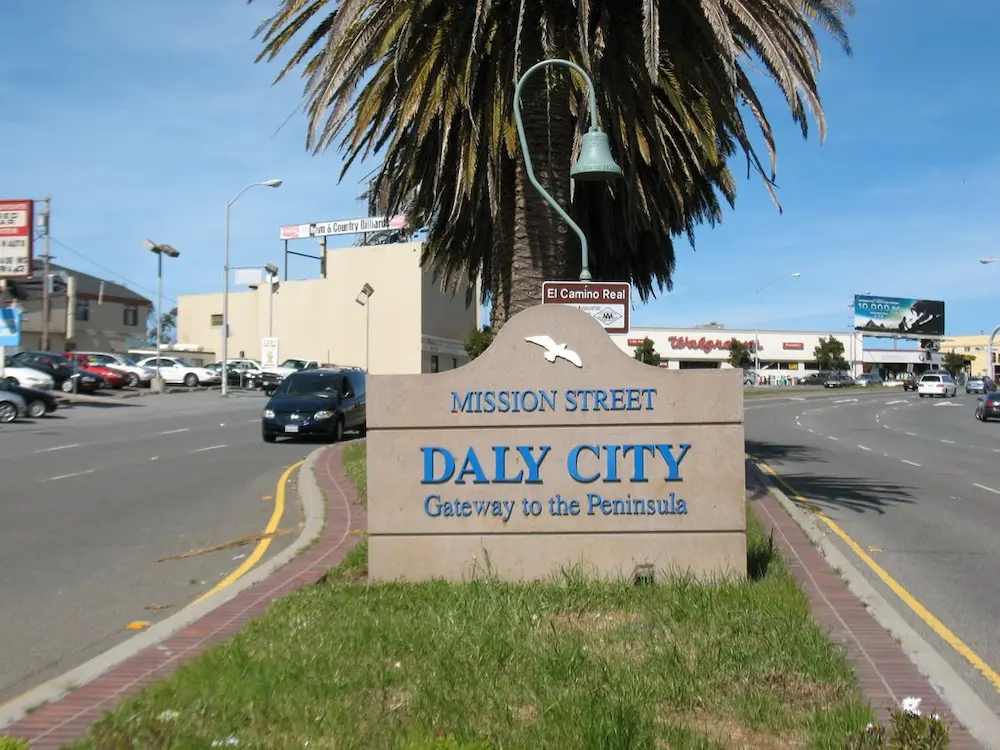
Daly City
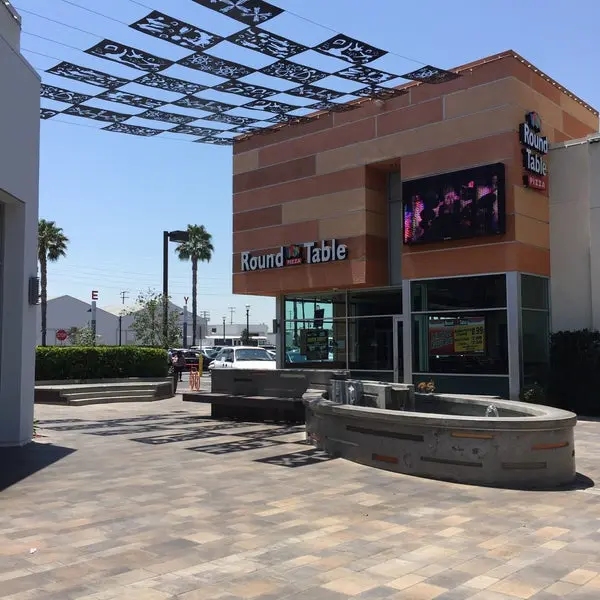
Downey
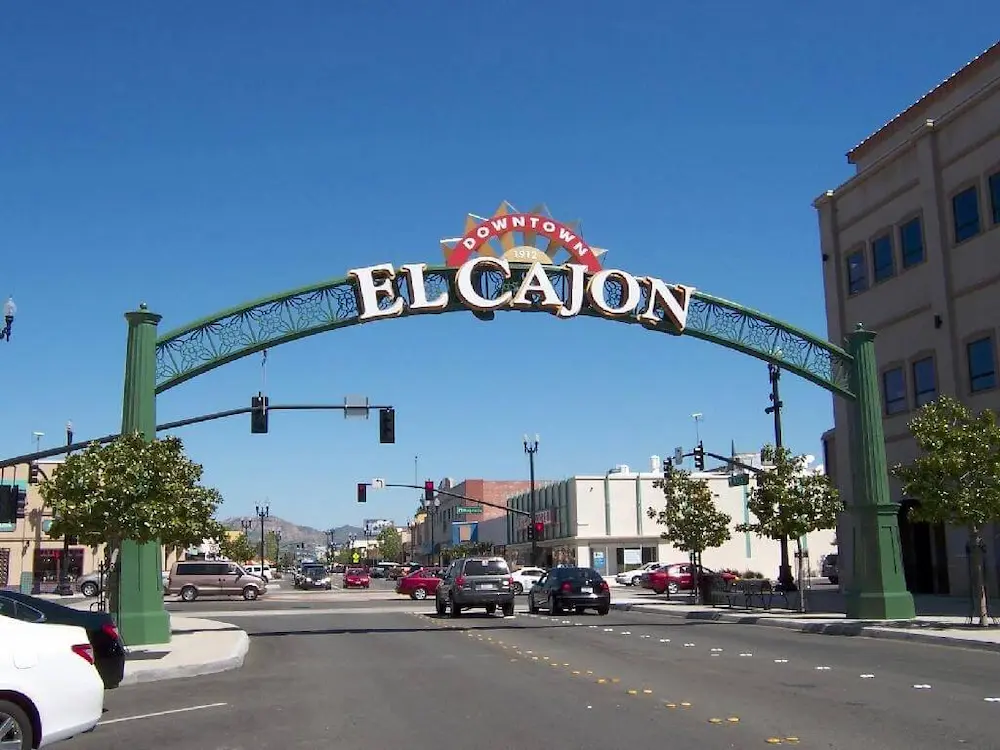
El Cajon
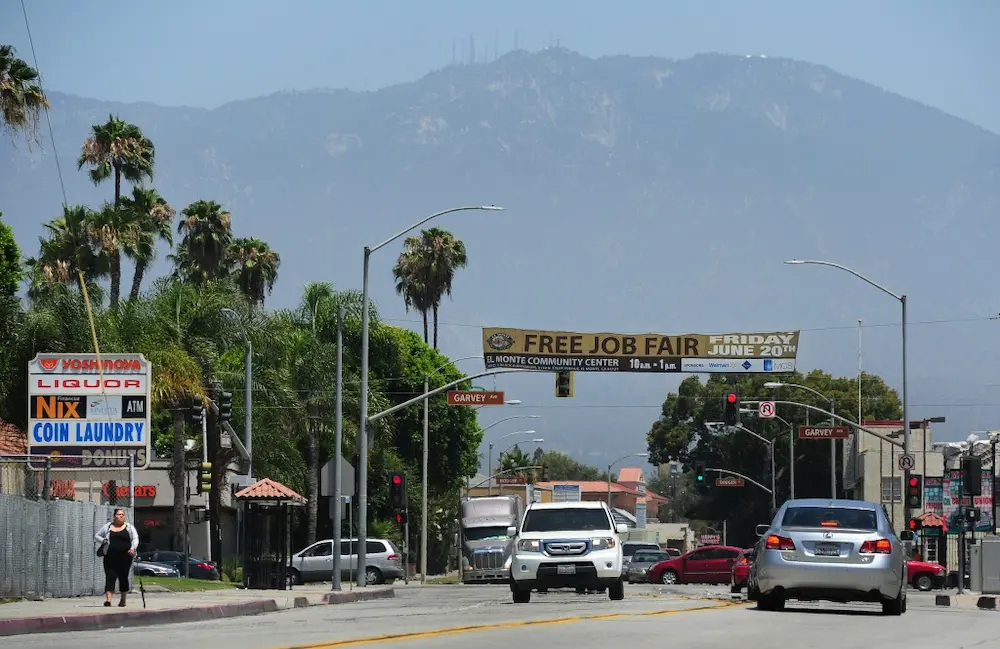
El Monte
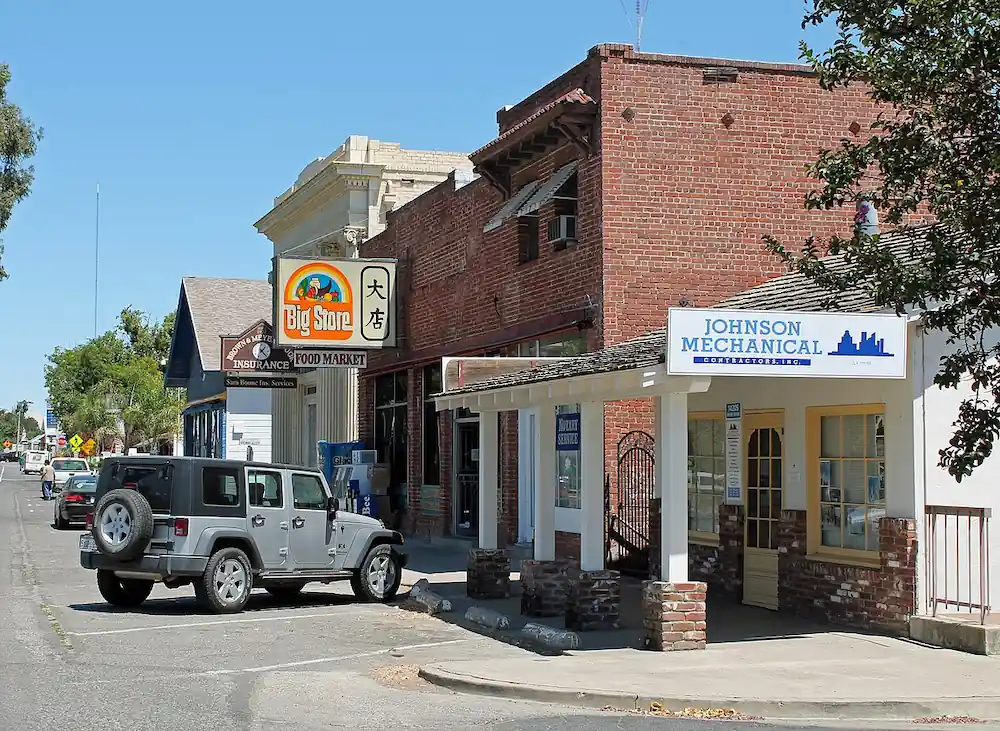
Elk Grove
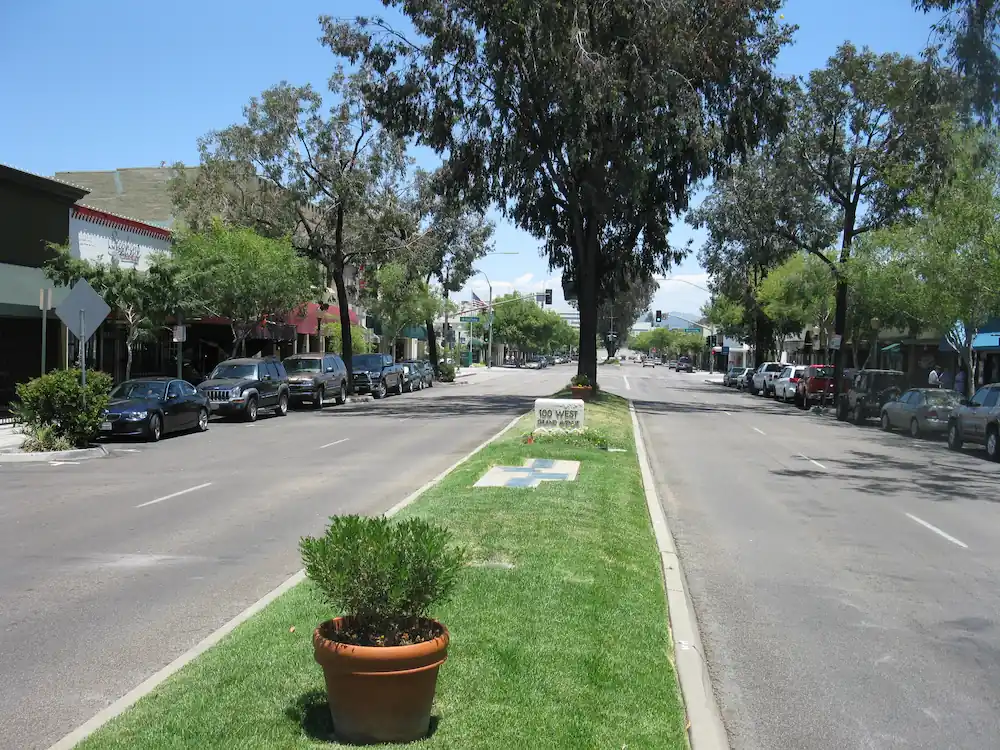
Escondido
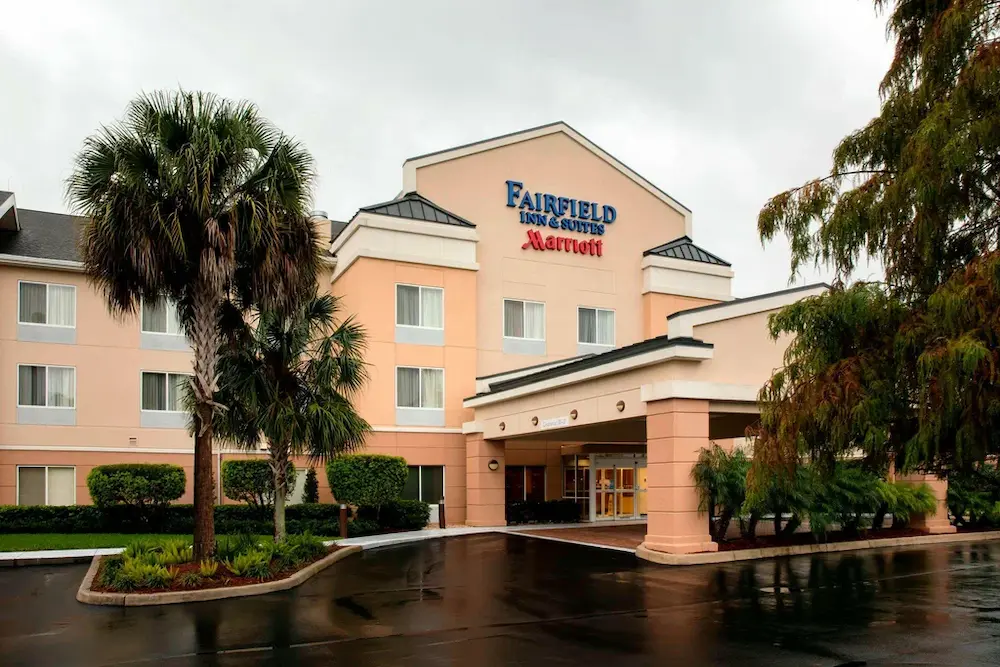
Fairfield
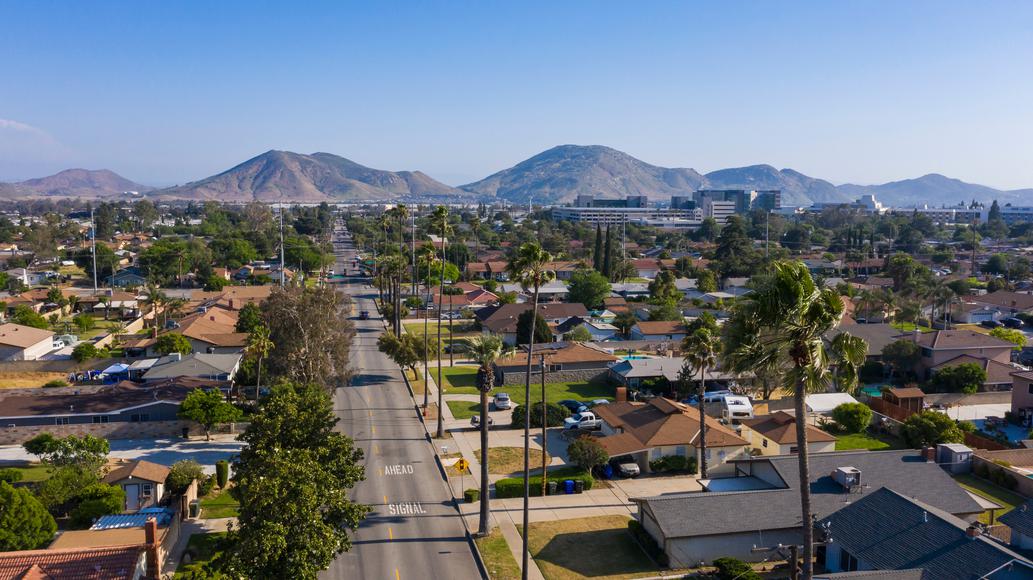
Fontana

Fremont
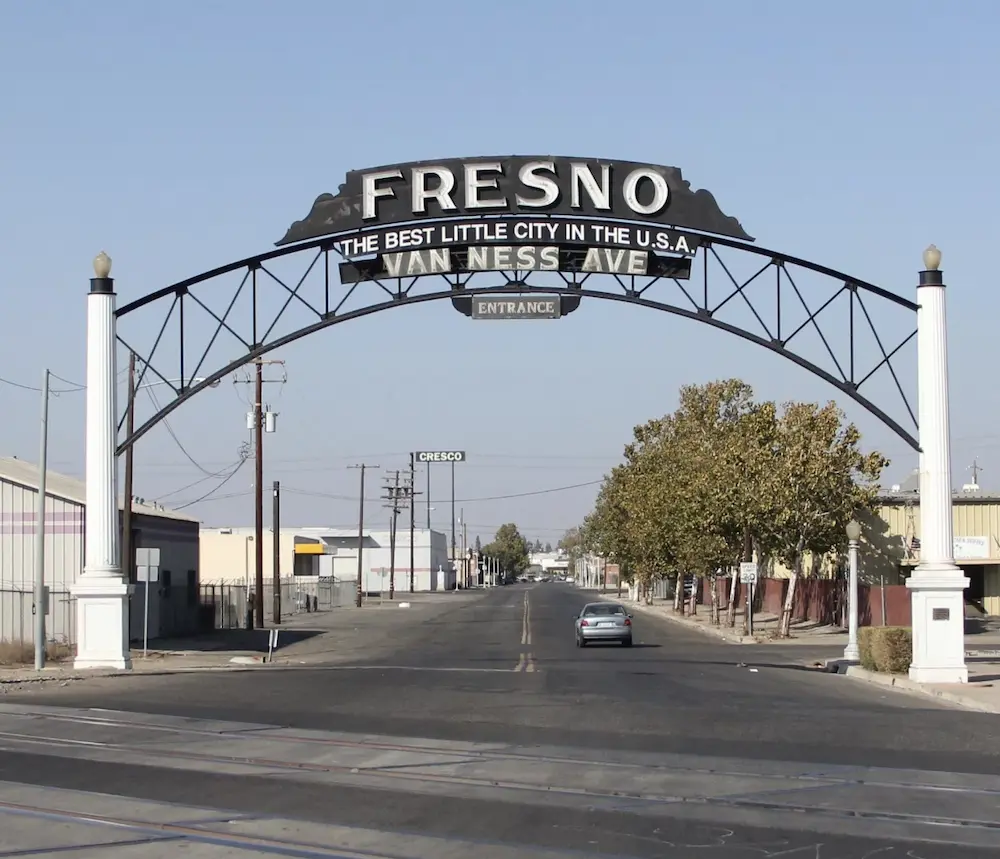
Fresno
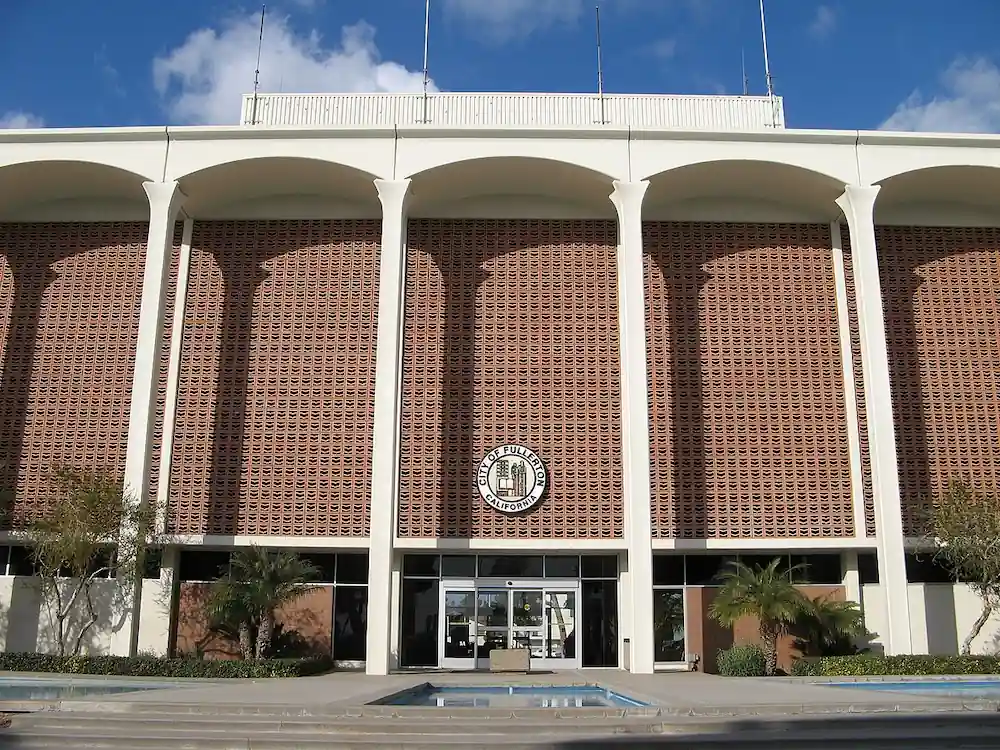
Fullerton

Garden Grove

Glendale
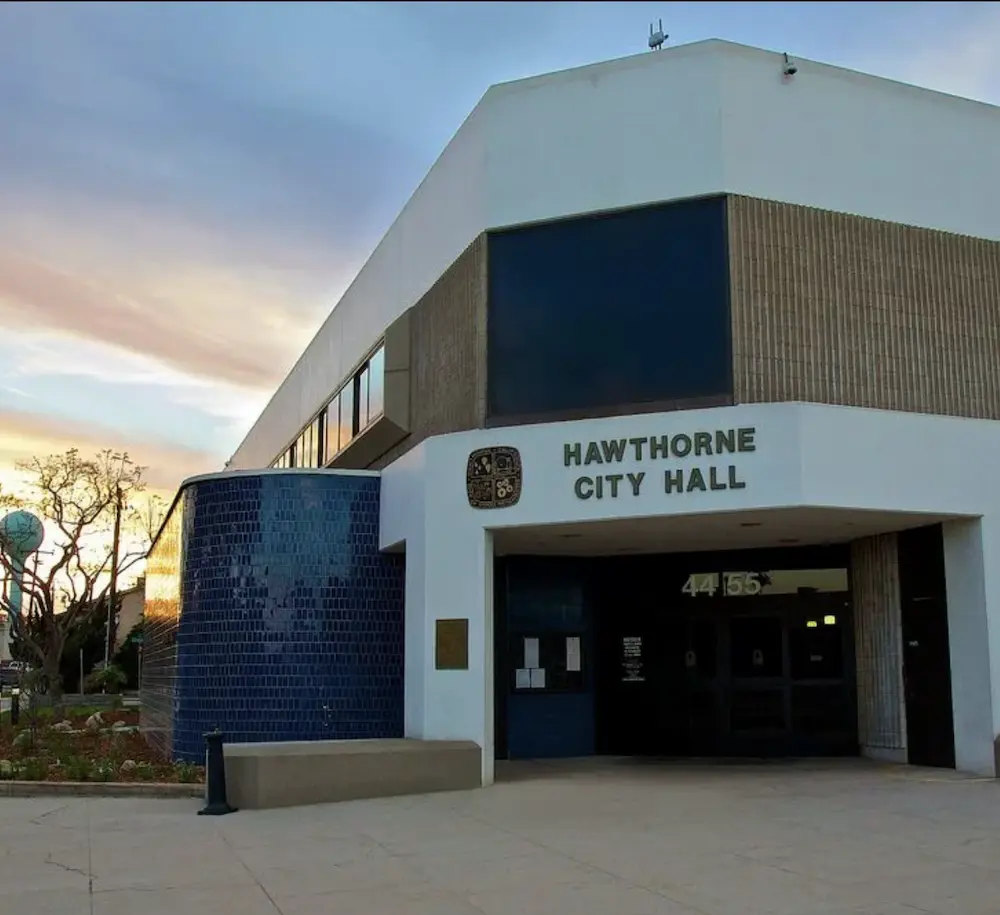
Hawthorne
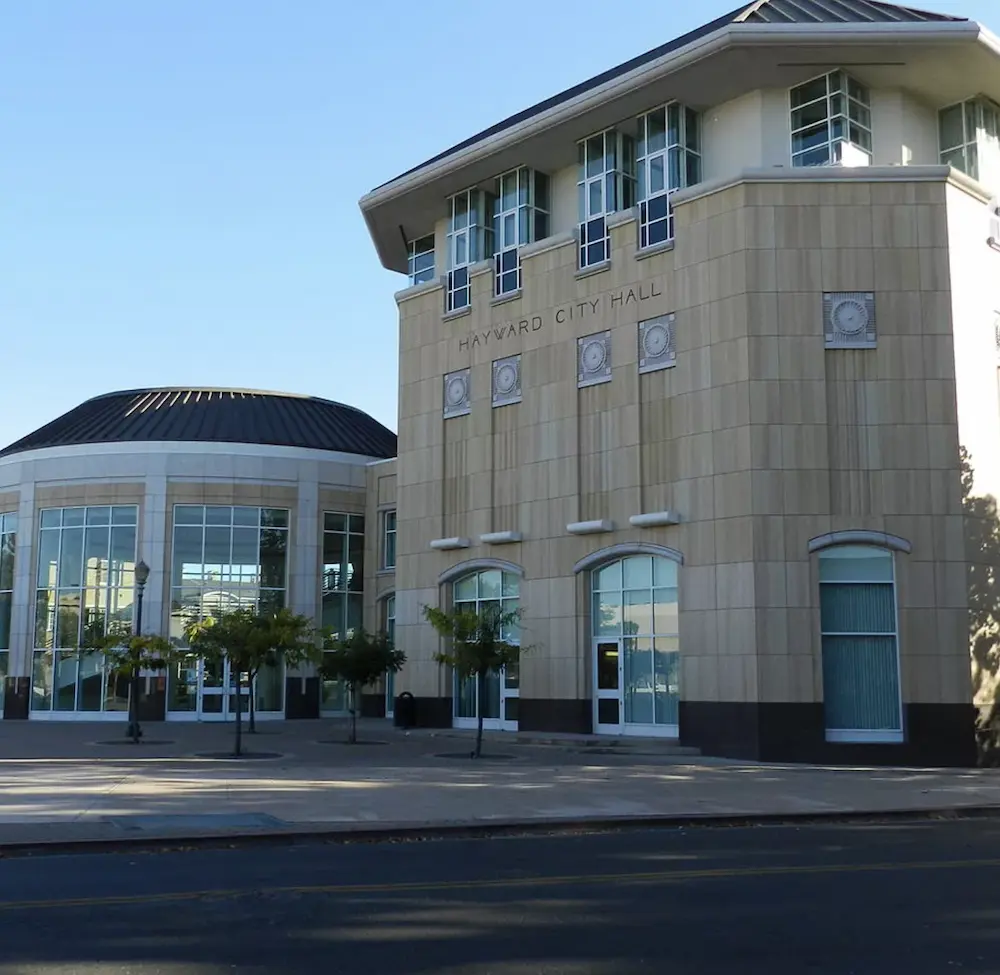
Hayward
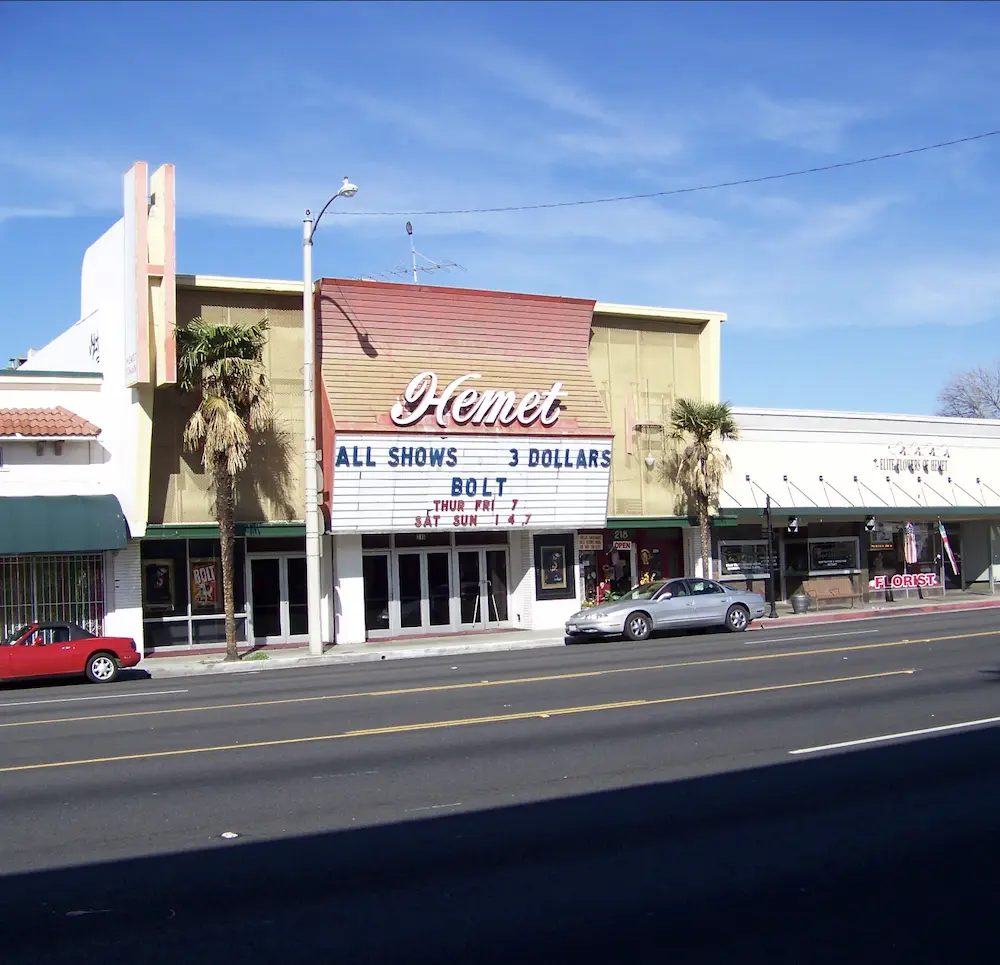
Hemet
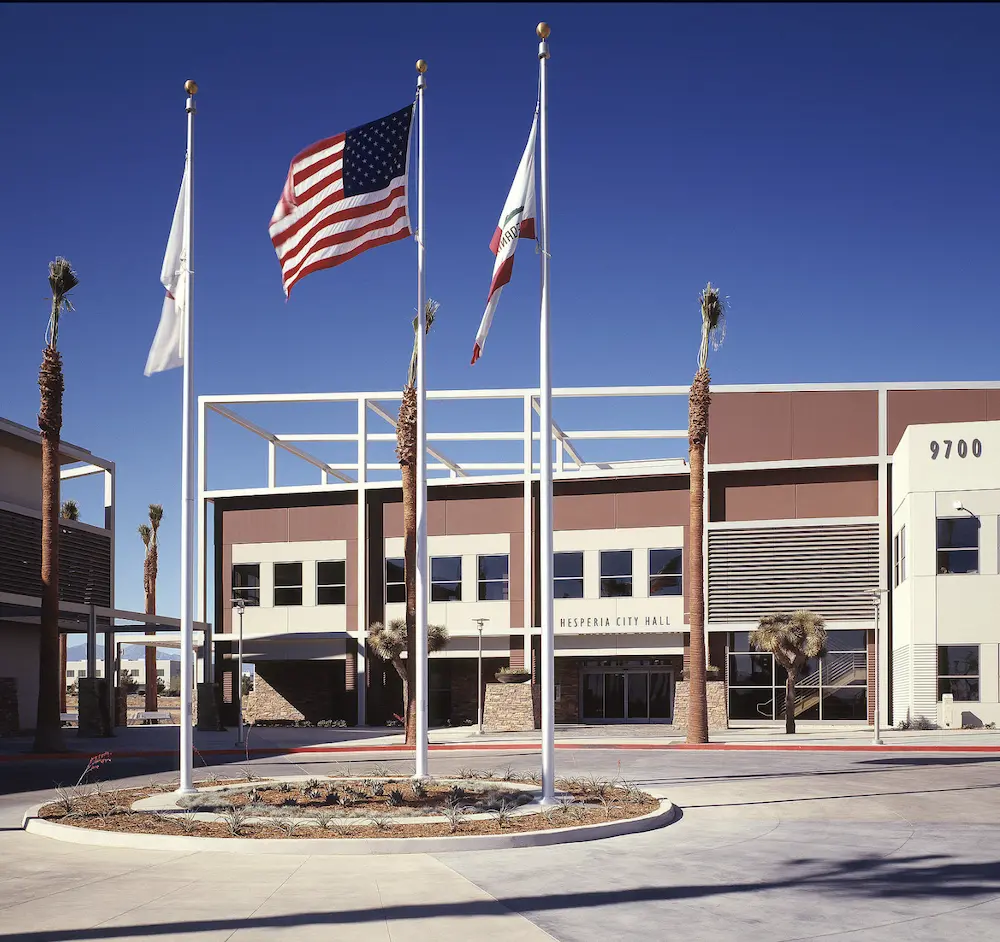
Hesperia
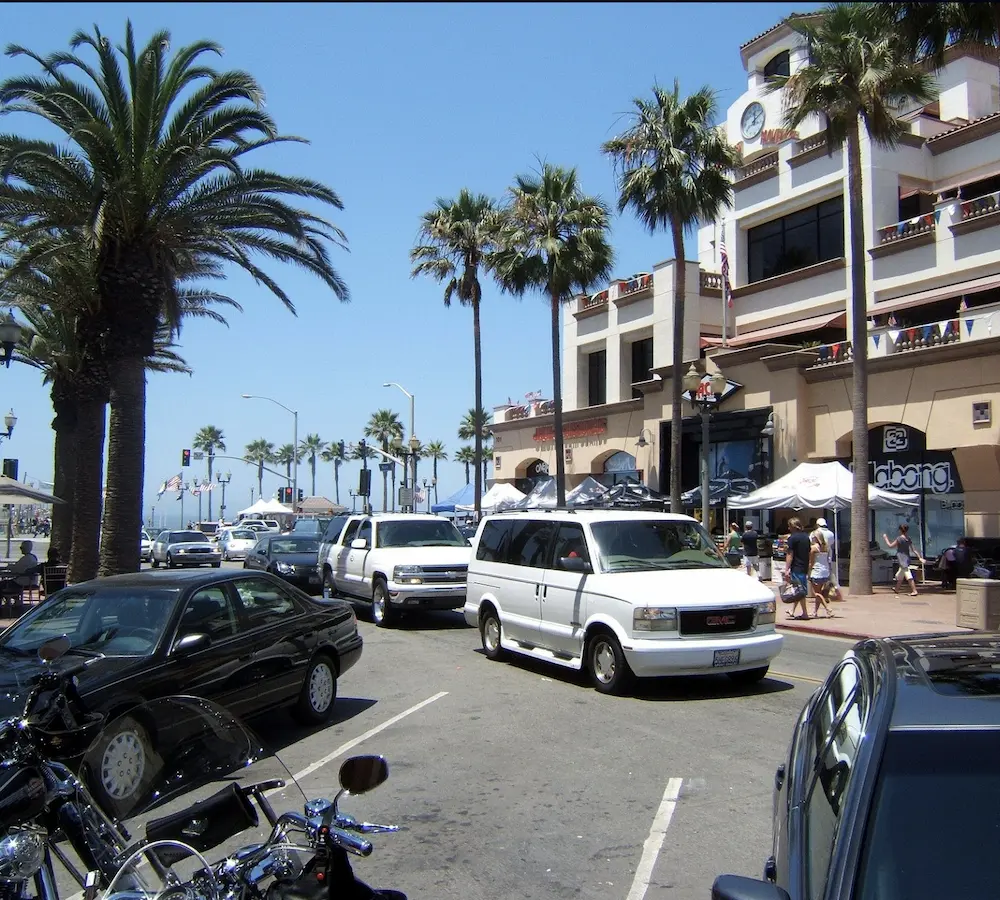
Huntington Beach
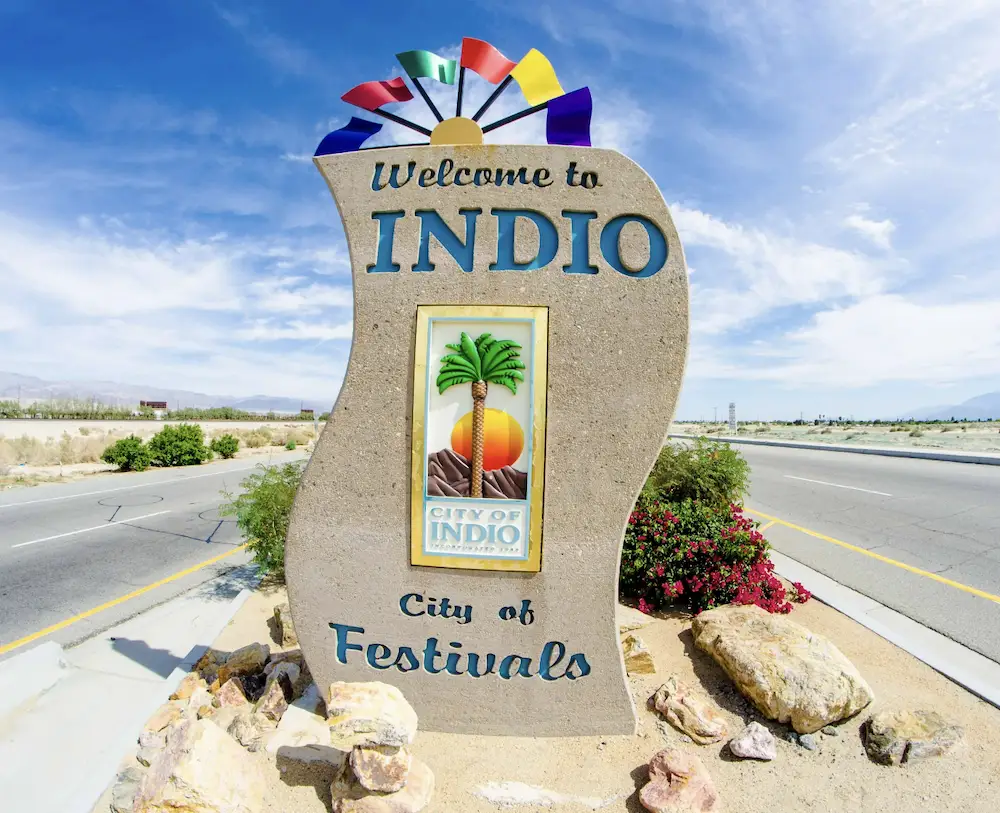
Indio
Inglewood

Irvine

La Puente
Lancaster

Long Beach
Los Angeles
Madera
Merced
Mission Viejo

Modesto
Moreno Valley
Murrieta
Napa

North Hollywood
Norwalk
Oakland

Oceanside

Ontario
Oxnard

Palm Springs

Pasadena
Pomona
Rancho Cucamonga

Riverside

Sacramento

San Diego
San Francisco

San Jose
Santa Ana
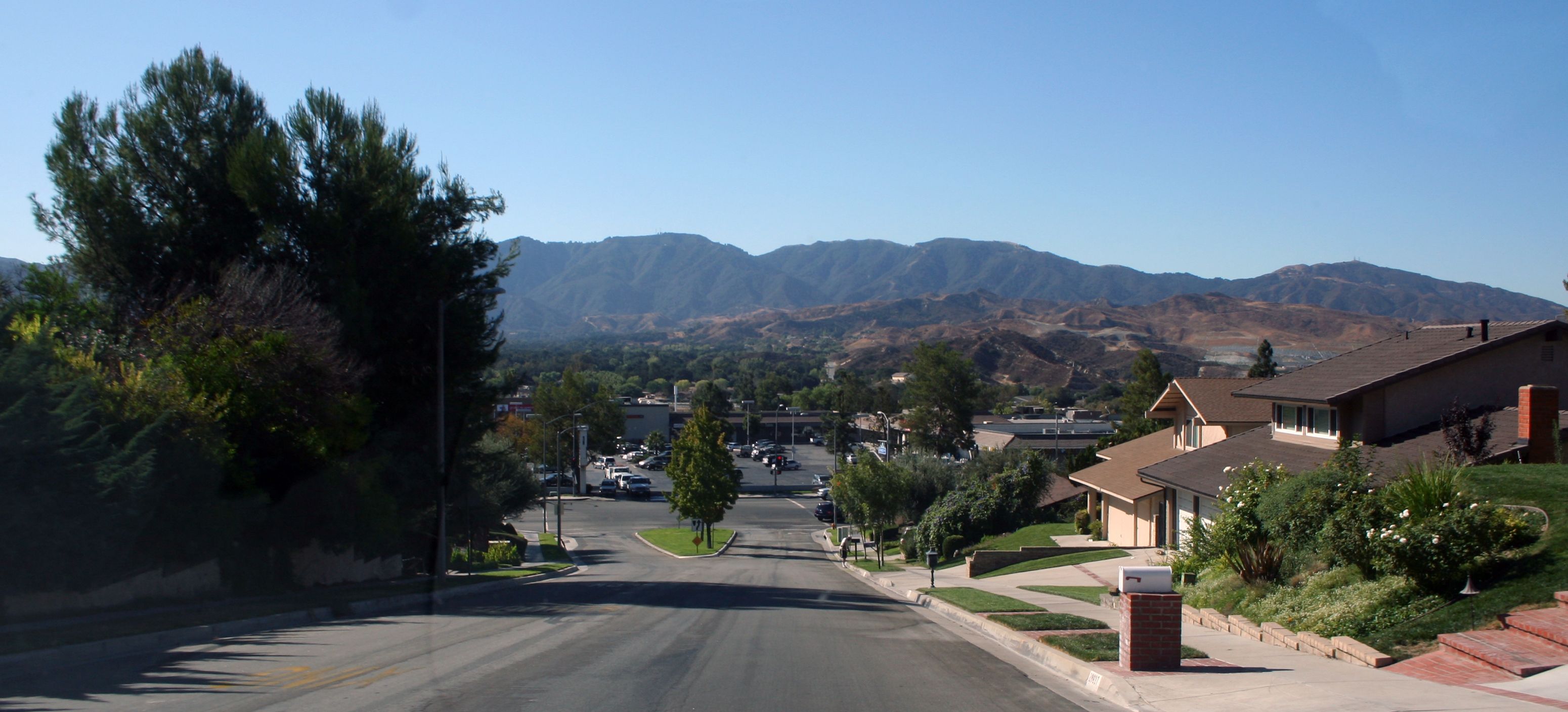
Santa Clarita

Santa Rosa
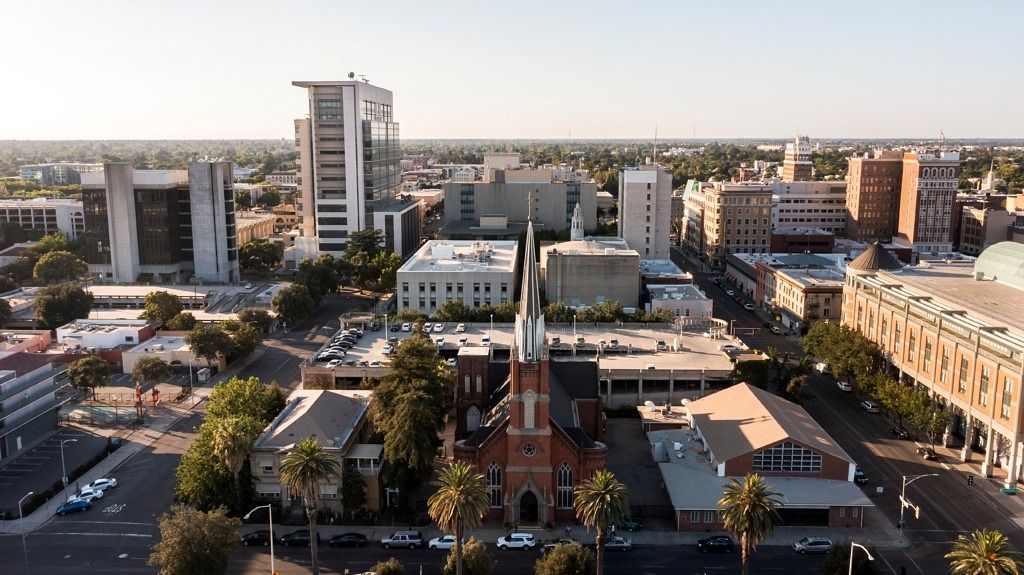
Stockton
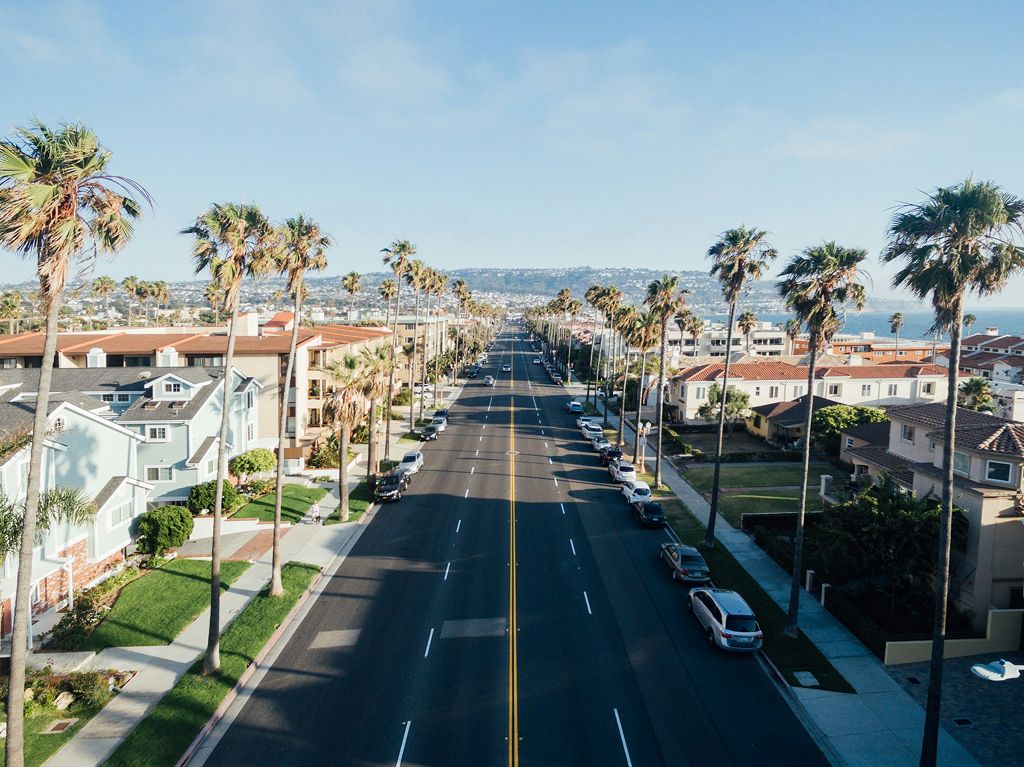
Sunnyvale

Thousand Oaks

Torrance
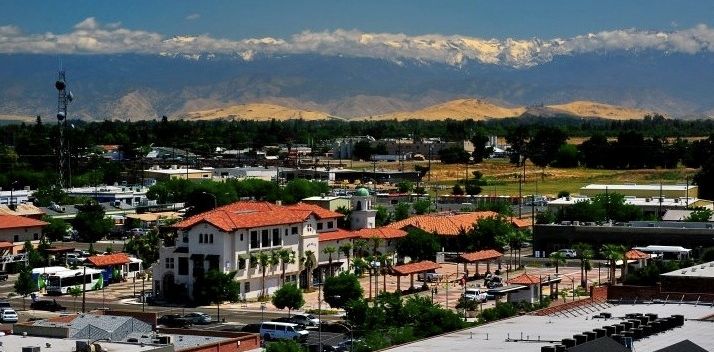
Visalia
Anaheim
Antioch
Bakersfield
Bell
Berkeley
Burbank
Carlsbad
Fresno
Chula Vista
Clovis
Compton
Concord, CA
Corona
Costa Mesa
Daly City
Downey
El Cajon
El Monte
Elk Grove
Escondido
Fairfield
Fremont
Fullerton
Garden Grove
Glendale
Hawthorne
Hayward
Hemet
Hesperia
Huntington Beach
Indio
Inglewood
Irvine
La Puente
Lancaster
Long Beach
Los Angeles
Madera
Merced
Mission Viejo
Modesto
Moreno Valley
Murrieta
Napa
North Hollywood
Norwalk
Oakland
San Francisco
San Diego
San Jose
Sacramento
Riverside
Santa Ana
Ontario
Thousand Oaks
Palm Springs
Santa Clarita
Stockton
Oxnard
Fontana
Santa Rosa
Rancho Cucamonga
Oceanside
Pasadena
Torrance
Pomona
Sunnyvale
Visalia
Anaheim
Antioch
Bakersfield
Bell
Berkeley
Burbank
Carlsbad
Chula Vista
Clovis
Compton
Concord, CA
Corona
Costa Mesa
Daly City
Downey
El Cajon
El Monte
Elk Grove
Escondido
Fairfield
Fontana
Fremont
Fresno
Fullerton
Garden Grove
Glendale
Hawthorne
Hayward
Hemet
Hesperia
Huntington Beach
Indio
Inglewood
Irvine
La Puente
Lancaster
Long Beach
Los Angeles
Madera
Merced
Mission Viejo
Modesto
Moreno Valley
Murrieta
Napa
North Hollywood
Norwalk
Oakland
Oceanside
Ontario
Oxnard
Palm Springs
Pasadena
Pomona
Rancho Cucamonga
Riverside
Sacramento
San Diego
San Francisco
San Jose
Santa Ana
Santa Clarita
Santa Rosa
Stockton
Sunnyvale
Thousand Oaks
Torrance
Visalia
Moving services in California
Star Van Lines provides local, long-distance, and interstate moving services across California. We handle packing, loading, transport, and delivery for residential and commercial moves. Because the state spans two mountain ranges, three climate zones, and some of the country's most congested urban corridors, every California move requires route-specific planning. Every move includes a single coordinator, trained crew, and written estimate.
Customers comparing another direction can also review our los angeles to sacramento movers guide for coordinated pickup and interstate transportation.
Local moving in California
Local moves within the LA metro typically run 2-4 hours for a one-bedroom apartment, while Bay Area moves often take longer because of narrow streets and steep hills in San Francisco that require shuttle service. A crew of two costs $109-$173 per hour; three movers run $167-$305. We serve corridors between Los Angeles and Orange County, San Diego to Escondido, San Jose to Palo Alto, and Sacramento to Roseville. Although distances may be short, California's traffic adds time, so we factor in known congestion patterns when scheduling your crew.
Long-distance moving from California
Most long-distance moves from California head to Texas, Arizona, or Nevada. The CA-to-TX corridor covers 1,200-1,700 miles depending on metro pair, and the I-10 through the Mojave Desert can hit 120 degrees in summer. We also run regular loads north on I-5 to Oregon and Washington, and east on I-80 to Colorado and beyond. Your coordinator monitors weather, mountain pass conditions, and California Agricultural Inspection Station checkpoints that can add delays at the Arizona and Oregon borders.
Packing and storage
We offer full-service packing, partial packing, and self-pack options. Full-service means our crew brings all materials and packs every room. Partial lets you choose which rooms we handle. Self-pack is the lowest-cost option. We have 43 warehouse locations nationwide for short-term and long-term storage. In California, heat-sensitive items like electronics and vinyl records need climate-controlled storage or careful truck placement, especially during summer moves through the Central Valley where temperatures regularly exceed 100 degrees.
Auto transport and specialty items
We ship vehicles via open or enclosed carrier. Most California-origin vehicle shipments head to Texas, Arizona, and Nevada. We also move pianos, gun safes, antiques, and artwork with specialty crating. If you're moving from California to Hawaii, vehicles ship separately via ocean freight from the Port of Long Beach. And if your car needs to pass a smog check at the destination (or you're bringing one into California), your coordinator can walk you through the timing.


How much does moving in California cost?
Moving costs in California depend on whether you're relocating locally or across state lines. Local moves within California typically run $109-$173 per hour for a two-person crew with truck. Long-distance moves start at $690 for studio apartments and go up to $5,980 for large homes, depending on distance, weight, and access conditions.
Local moving rates
| Crew size | Hourly rate |
|---|---|
| 2 movers + truck | $109-$173 / hour |
| 3 movers + truck | $167-$305 / hour |
| 4 movers + truck | $224-$448 / hour |
Long-distance rates from California
| Move size | Estimated price range |
|---|---|
| Studio / 1 Bedroom | $690 - $1,495 |
| 2-3 Bedrooms | $1,265 - $3,277 |
| 4+ Bedrooms | $2,070 - $5,980 |
Popular routes and pricing from California
| Route | Distance | Avg cost (2-3 BR) |
|---|---|---|
| Sacramento to San Diego | 505 mi | $1,955 - $2,415 |
| LA to San Diego | 120 mi | $1,265 - $1,552 |
| LA to Las Vegas | 270 mi | $1,610 - $2,012 |
| LA to San Francisco | 381 mi | $1,840 - $2,243 |
| LA to Denver | 1,020 mi | $2,703 - $3,277 |
| LA to Bakersfield | 112 mi | $1,265 - $1,552 |
Pricing reflects market averages for moves in and from California as of May 2026. Your final price depends on inventory weight, packing level, access at pickup and delivery, and scheduling flexibility. Call (855) 822-2722 or use our free quote calculator for an exact estimate.
What affects your moving price
- Shipment weight and volume are the biggest factors for any long-distance move from California.
- Distance matters. A Bay Area to Sacramento move is 90 miles; Bay Area to New York is 2,900.
- Access at both locations plays a role too. Stairs, elevators, long carries, and narrow streets in San Francisco or Hollywood that need a shuttle truck all add to the cost.
- How much packing you want us to do. Full-service runs more than partial packing, and self-pack is the lowest option.
- When you move. Mid-week moves, mid-month pickups, and October through March generally cost less than peak summer.
- Add-on services like auto transport, storage, and specialty item handling (pianos, gun safes, artwork) come with their own pricing.
Moving routes from California
Moving to California: what you should know
A move to California involves more than logistics. You're entering the most expensive housing market in the continental US. But it's also the state with the most job opportunities in tech, entertainment, and agriculture. Below is a quick guide covering cost of living, access and logistics, climate and timing, and residency requirements that affect your move.
What it costs to move to California
California's cost of living index is 110.7 (US average = 100, BEA RPP 2024), which means local moving labor runs higher than the national average. Expect $109-$173 per hour for a two-person crew in the LA or Bay Area metros. Building access adds costs too. Many San Francisco apartments require Certificate of Insurance (COI) paperwork and elevator reservations, and LA high-rises often have strict move-in windows. If you're relocating from a lower-cost state, factor in higher fuel and tolls for the California leg of your route. Median home value sits at $734,700 (Census ACS 2020-2024), more than double the national average, while median monthly rent is $2,036. Although median household income is $99,122, housing costs absorb a large portion of that figure.
Access and logistics
California's highway system handles enormous freight and commuter traffic simultaneously. I-5 is the north-south spine from Mexico to Oregon, carrying both commercial trucks and family vehicles through LA, the Central Valley, and Sacramento. I-10 runs east-west from Santa Monica to the Arizona border, and I-15 connects Los Angeles to Las Vegas. Bay Area moves face unique challenges: San Francisco's hills ban large trucks on certain streets, many neighborhoods in Oakland and Berkeley have narrow one-way roads, and the Bay Bridge has weight restrictions. In Southern California, gated HOA communities often require pre-scheduled deliveries and limit truck sizes. Because California enforces CARB diesel emissions rules, some older trucks can't operate in the state's Air Quality Management Districts.
Climate and timing
Southern California enjoys mild year-round weather with summer highs around 85 degrees and 260 days of sunshine per year (NOAA). But timing still matters for movers. Peak season runs May through September, and rates during this window can spike 20-50% above off-peak pricing. The Central Valley regularly exceeds 100 degrees in July and August, which means heat-sensitive items need careful handling. Winter moves are feasible in Southern California. But northern routes face real risk. I-5 through the Grapevine and I-80 over Donner Pass can close for snow and ice from November through April. Best months for a California move: March through May or September through November, when weather is mild, roads are clear, and demand is lower.
Residency and regulations
California has the strictest driver's license deadline in the country. New residents must apply at the California DMV (dmv.ca.gov) within 10 days of establishing residency. Bring proof of residency and your current out-of-state license. Vehicle registration has a 20-day deadline. Most vehicles brought into California must pass a smog check before registration. The state requires biennial smog inspections, and certain areas require testing at STAR-certified stations. Since California is one of the few states with this requirement, schedule your smog check before visiting the DMV for registration.
What to know before moving to California
Benefits of moving to California
0,345,844
Population
$0,122
Median household income
0.7
Cost of living index
0/year
Days of sunshine
0%-13.3%
State income tax
#0 in US
Tech jobs
California is home to 39.3 million people, the most populous US state by a wide margin. The state's economy is one of the largest in the world by GDP. Median household income is $99,122, above the national average. But housing costs absorb much of that advantage. The state gets roughly 260 days of sunshine per year as a statewide average. Major employers span tech companies in Silicon Valley, entertainment studios in Los Angeles, agriculture across the Central Valley, and military and defense installations at multiple bases. Between July 2024 and July 2025, California lost a net 229,000 people to other states, the highest outbound volume of any US state, while gaining 126,000 through international migration (CA Dept. of Finance). Most outbound movers headed to Texas (102,442), Arizona (74,157), and Florida (50,701).
Is California a good place to live?
California offers world-class job markets, year-round warm weather in the south, and some of the best universities in the country. The trade-offs are real: housing is expensive, traffic in LA and the Bay Area ranks among the worst nationally, and state income tax tops out at 13.3%. Whether it's a good fit depends on your career, budget, and tolerance for high living costs.
Tax environment
California's progressive income tax ranges from 1% to 13.3%, the highest top rate in the nation (Tax Foundation 2026). Average combined state and local sales tax is 8.8%. Proposition 13 limits annual property tax increases. But when a property changes ownership, it's reassessed at current market value. For someone relocating from a no-income-tax state like Texas or Florida, the tax difference is significant and should be factored into your budget.
Housing market
Median home value in California is $734,700 (Census ACS 2020-2024), more than double the national average. Prices vary dramatically by region - coastal metros like San Francisco, San Jose, and Los Angeles run well above the statewide median, while inland cities like Sacramento, Bakersfield, and Fresno are considerably more affordable. Median monthly rent statewide is $2,036. Only 55.9% of California households own their homes (Census ACS 2020-2024), one of the lowest homeownership rates in the country.
Job market and economy
California's economy generates more GDP than most countries. Tech dominates in the Bay Area and increasingly in LA. Entertainment, healthcare, agriculture, and defense round out the major industries. Unemployment typically runs slightly above the national average. But median income ($99,122) offsets that partially. The state's labor force participation rate is 63.3%. Remote workers have been leaving the Bay Area for Sacramento, the Central Valley, and other states, but Silicon Valley remains the default destination for anyone building a career in tech.
Safety and natural risks
California faces two major natural risks: earthquakes and wildfires. The San Andreas Fault runs the length of the state, and seismic activity is unpredictable. Wildfire season has expanded over the past decade, particularly affecting communities in the LA foothills, wine country, and the Sierra Nevada foothills. Home insurance rates in fire-prone zones have increased sharply, and some insurers have pulled out of high-risk areas entirely. Newer construction codes require earthquake retrofitting, but older homes, especially in San Francisco and LA, may not meet current standards.
Who thrives in California?
Tech professionals and entrepreneurs
Silicon Valley, LA's growing tech scene, and San Diego's biotech corridor make California the default for anyone in technology. Remote workers who want proximity to the action without Bay Area rent are settling in Sacramento and the Inland Empire, where housing is considerably more affordable.
Outdoor enthusiasts
From surfing in Malibu to skiing at Lake Tahoe to hiking in Yosemite, California has more geographic variety within its borders than most countries. You can surf and ski on the same day if the timing is right. The state has more national parks than any other in the country.
Families prioritizing education
California is home to the UC system (Berkeley, UCLA, UCSD), the Cal State system, Stanford, and Caltech. K-12 quality varies wildly by district, but the top districts (Palo Alto, Irvine, San Ramon) rank among the best nationally. And because 37.1% of California adults hold a bachelor's degree or higher, the emphasis on education runs deep across many communities.
Career-driven professionals in entertainment and media
Los Angeles is still the global hub for film, television, music, and gaming. No other state offers comparable access to studio lots, talent agencies, and production infrastructure. If your career depends on being in the room, California is the room.
Retirees seeking mild weather
Southern California's mild winters (average low 40 degrees statewide, warmer on the coast) attract retirees who want to avoid shoveling snow. But the trade-off is cost. Retirees on fixed incomes find the state expensive unless they already own a home with Prop 13 protections.
First week after moving to California: what to do
After your move to California, several tasks have state-specific deadlines, and California's are among the strictest in the country. The state requires new residents to update their driver's license within 10 days of establishing residency. Here is a prioritized checklist.
- Update your driver's license.
California requires new residents to apply at the California DMV within 10 days, one of the shortest deadlines in the nation. Bring proof of residency and your out-of-state license. Walk-in wait times vary; appointments are strongly recommended. (dmv.ca.gov)
- Register your vehicle.
You have 20 days to register your vehicle at the California DMV. Most vehicles must pass a smog check before registration. Schedule the smog test first, then visit the DMV with your results, out-of-state title, and proof of insurance.
- Transfer your auto insurance.
Contact your insurer to re-rate your policy for California. Premiums often increase due to higher population density, traffic volume, and theft rates. California has specific minimum liability coverage requirements. And your insurer can explain the differences from your previous state.
- Register to vote.
California offers online voter registration at registertovote.ca.gov, plus DMV and mail options. You can register and vote on the same day at your polling location.
- Update homeowner's or renter's insurance.
California's earthquake and wildfire risks may change your coverage needs and premiums. Standard homeowner's insurance doesn't cover earthquake damage, so you'll need a separate earthquake policy if you're in a seismic zone.
- Forward your mail.
USPS Change of Address is free online at usps.com. Mail forwarding starts within 7-10 business days.
- Transfer medical records.
Contact current providers before your move and find a new primary care physician in California. If you're on employer insurance, verify your new plan's California network before scheduling appointments.
- Update school records.
If you have children, request transcripts from the previous school district. Contact your new district for enrollment requirements and deadlines. California's school year typically starts in mid-August.
California at a glance: schools, jobs, and things to do
Schools and universities
Whitney High School in Cerritos, California Academy of Mathematics and Science in Carson, and Oxford Academy in Cypress consistently rank among the top public high schools in the state. But the university system is where California really stands out. Stanford and Caltech are world-renowned private institutions. The University of California system includes Berkeley, UCLA, UC San Diego, UC Davis, and UC Santa Barbara. The Cal State system spans dozens of campuses across the state. For families, school quality varies dramatically by district. Palo Alto Unified, Irvine Unified, and San Ramon Valley Unified are consistently top-rated.
Major employers
Tech giants like Apple, Google, Meta, and Netflix are headquartered in California. Disney, Warner Bros., and Universal Studios anchor the entertainment industry in Los Angeles. Kaiser Permanente is one of the state's largest healthcare employers. The University of California system is a major employer across its campuses and medical centers statewide. In the Central Valley, agriculture is the primary economic driver, and California leads the nation in fruit and vegetable production. And defense and military installations provide significant employment in Southern California.
Attractions and recreation
Yosemite National Park is one of the most visited parks in the country. The Pacific Coast Highway between San Francisco and Los Angeles is one of the most scenic drives in the world. Lake Tahoe offers skiing in winter and water sports in summer. Disneyland in Anaheim, the San Diego Zoo, and the Getty Center in Los Angeles are major family and cultural destinations. Joshua Tree National Park, Death Valley, and Redwood National Park round out the outdoor options. California has more national parks than any other state.
FAQ
Questions? Look here
Can’t find an answer? Call us
(855) 822-2722 or email
Local moving in California typically costs $109-$173 per hour for a two-person crew with truck. A standard three-bedroom home takes 4-6 hours, putting the total between $426 and $4,017. Add-ons like packing, disassembly, and long carries increase the total. Call (855) 822-2722 for an itemized estimate.
Long-distance moves from California start at $690 for studio apartments and go up to $5,980 for four-plus-bedroom homes. The final price depends on shipment weight, distance, and access at both locations. Star Van Lines provides binding estimates so your price won't change after booking.
Search our USDOT number 4176875 on the FMCSA SAFER website (safer.fmcsa.dot.gov). This federal database confirms our operating authority, MC number 1607491, insurance status, and safety record. Any legitimate interstate mover should be able to provide a verifiable USDOT number.
Common surcharges include shuttle fees (if a full-size truck can't reach your address in San Francisco or Hollywood), long-carry charges for distances over 75 feet from truck to door, stair fees, and elevator waiting time. We disclose all potential charges in your written estimate before you book.
Federal law requires interstate movers to offer two levels: Released Value Protection (free, covers $0.60 per pound per item) and Full Value Protection (paid, covers repair, replacement, or cash settlement at current value). Star Van Lines is fully insured under USDOT #4176875 and can explain both options when you request a quote.
California requires new residents to apply for a DL within 10 days of establishing residency, one of the shortest deadlines in the country. Visit any California DMV office (dmv.ca.gov) with proof of residency and your current out-of-state license. Vehicle registration has a 20-day deadline, and most vehicles need a smog check before you can register.
Yes. Most vehicles brought into California must pass a smog check before registration. The state requires biennial smog inspections for most vehicles, and certain areas require testing at STAR-certified stations. Some vehicles may be exempt depending on model year and fuel type, so check with the DMV before scheduling your test.
California's cost of living index is 110.7 (US average = 100, BEA RPP 2024). The biggest driver is housing. Median home value is $734,700, more than double the national average. State income tax tops out at 13.3%, the highest in the nation. But median household income is $99,122, partially offsetting those costs. And not every part of the state is expensive. Cities like Bakersfield, Fresno, and Sacramento are considerably cheaper than the Bay Area or LA.
Interstate moving demand peaks May through September. Fall and winter moves (October through March) typically offer more scheduling flexibility and lower rates. Southern California has mild year-round weather, so timing there is more about demand than climate. Northern routes face real winter risks, though. I-5 over the Grapevine and I-80 over Donner Pass can close for snow. Book 6-8 weeks in advance regardless of season.
Yes. We offer open and enclosed auto transport. Most California-origin vehicle shipments go to Texas, Arizona, and Nevada. Your move coordinator can add vehicle shipping to your moving quote, and it's usually more economical to bundle it with your household goods rather than booking separately.
Proposition 13 limits annual property tax increases for existing owners. But when a property changes ownership, it's reassessed at current market value. So if you're buying a home, your property tax will be based on the purchase price, not the previous owner's lower assessment. Check with your county assessor's office for specific rates and exemptions.
Yes, both. Insurers have raised rates or stopped writing policies in high-risk fire zones across the LA foothills, wine country, and Sierra Nevada foothills. If you're moving to a fire-prone area, get insurance quotes before closing on a home. Wildfires can also disrupt moving schedules. During active fire events, highway closures and mandatory evacuations may delay your pickup or delivery by days. Your coordinator will monitor fire conditions on your route.
Ready to Start Your California Move?
Get a free moving estimate today. No obligation, no pressure.
Call us or fill out the form - we'll get back to you fast.
USDOT #4176875 | MC #1607491 | Licensed & Insured