
Thank you for your feedback!
We will contact you shortly

Free consultation
Enter your phone number and we will call you back for a consultation on any moving and storage services

Montana
Montana Long-Distance Moving Company
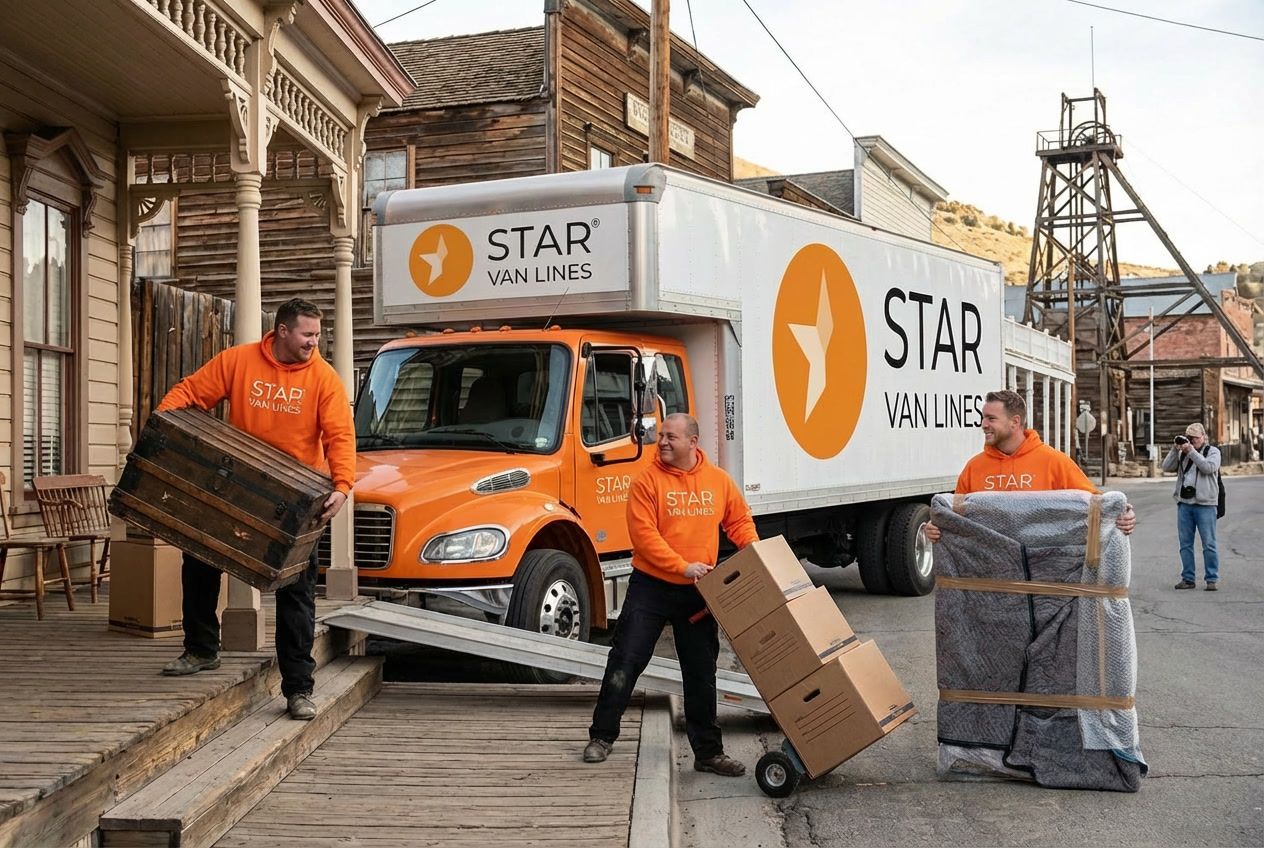
Montana's growth has clustered in two outdoor-magnet valleys. Since 2020, Gallatin County around Bozeman has grown about 8.2 percent and Flathead County around Kalispell and Whitefish about 10.6 percent, and the newcomers keep arriving from California, Washington, and Colorado. These are amenity moves, drawn by mountain access rather than a job transfer, and they cross some of the longest in-state distances in the West. Star Van Lines is a USDOT-licensed interstate carrier (USDOT #4176875, MC #1607491) that handles local and long-distance moves across all of Montana. We've run I-90 through Billings, Bozeman, and Missoula and I-15 north to Great Falls since 2016, plus the long Alaska Highway haul up to Anchorage.
Our Montana moving services cover packing, loading, transport, delivery, and short-term storage. Because the state spreads its small cities far apart with no large metro in between, even a routine in-state move can run 140 miles from Bozeman to Billings or 115 miles from Missoula to Kalispell, and the route crosses open high plains and mountain passes rather than dense suburbs. Winter adds chain restrictions and the occasional full closure on I-90 and I-15. We handle both the short hops and the long hauls with the same coordinator and the same written estimate from pickup through delivery.
Ready to see the numbers on your Montana move? Call (855) 822-2722 or use our online quote calculator. You'll get an itemized estimate that breaks down every line item, so there are no surprises on moving day. We're rated 4.0 on Trustpilot, 4.5 on Google, and 4.75 on Facebook across 240+ reviews.

Dennis has 15+ years of experience in interstate moving and has coordinated over 1,000 relocations across the United States.

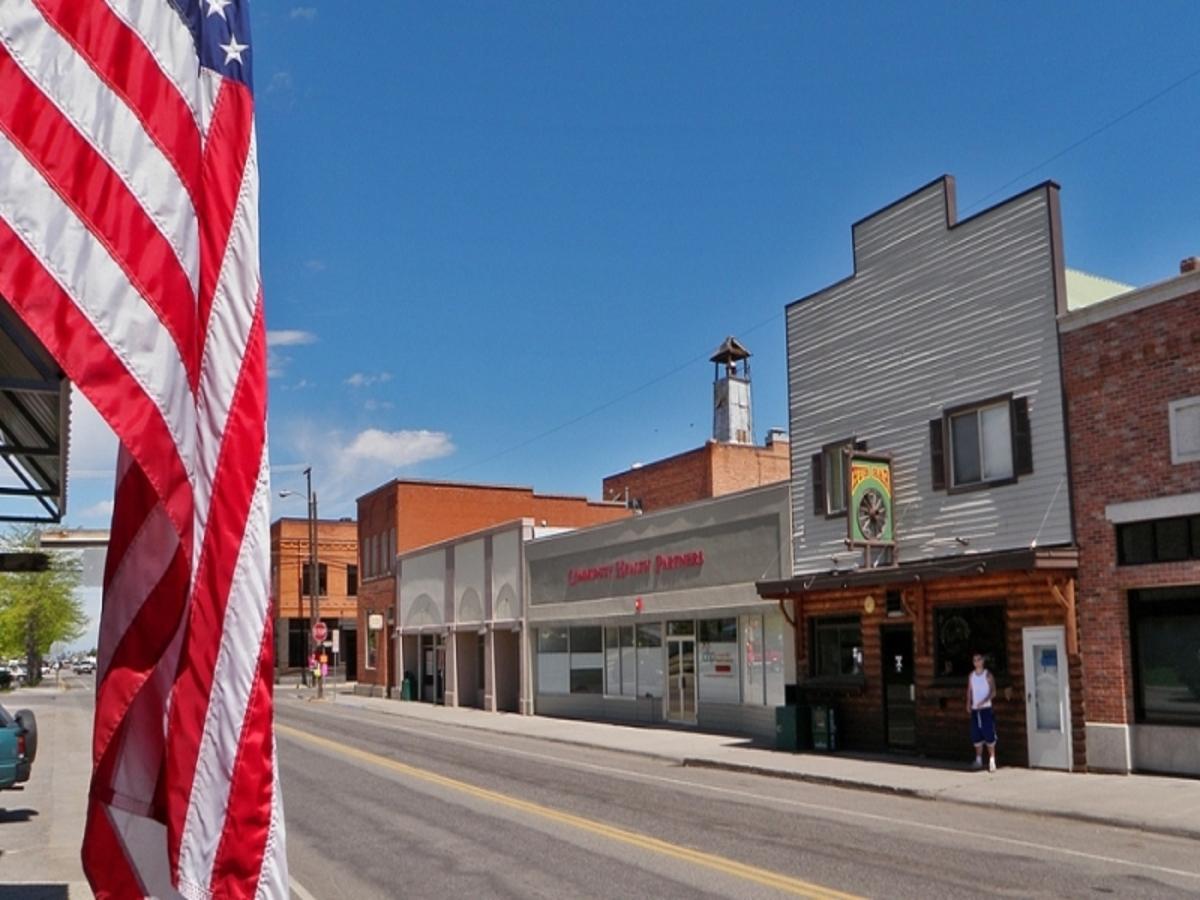
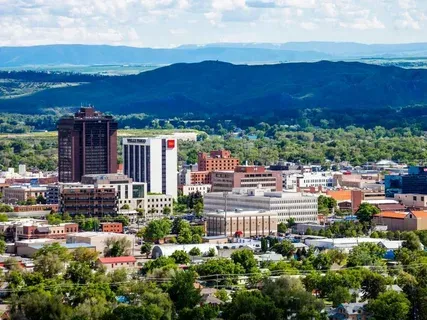
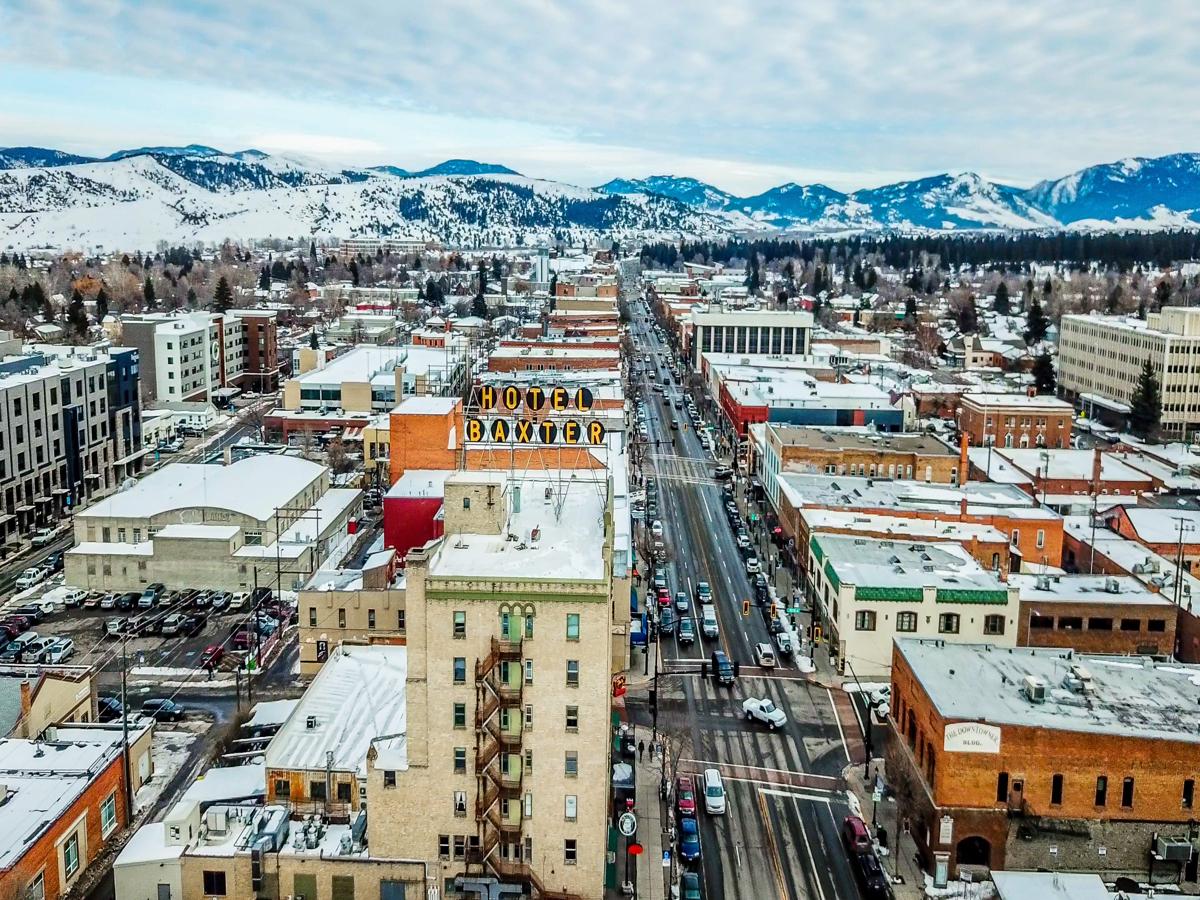
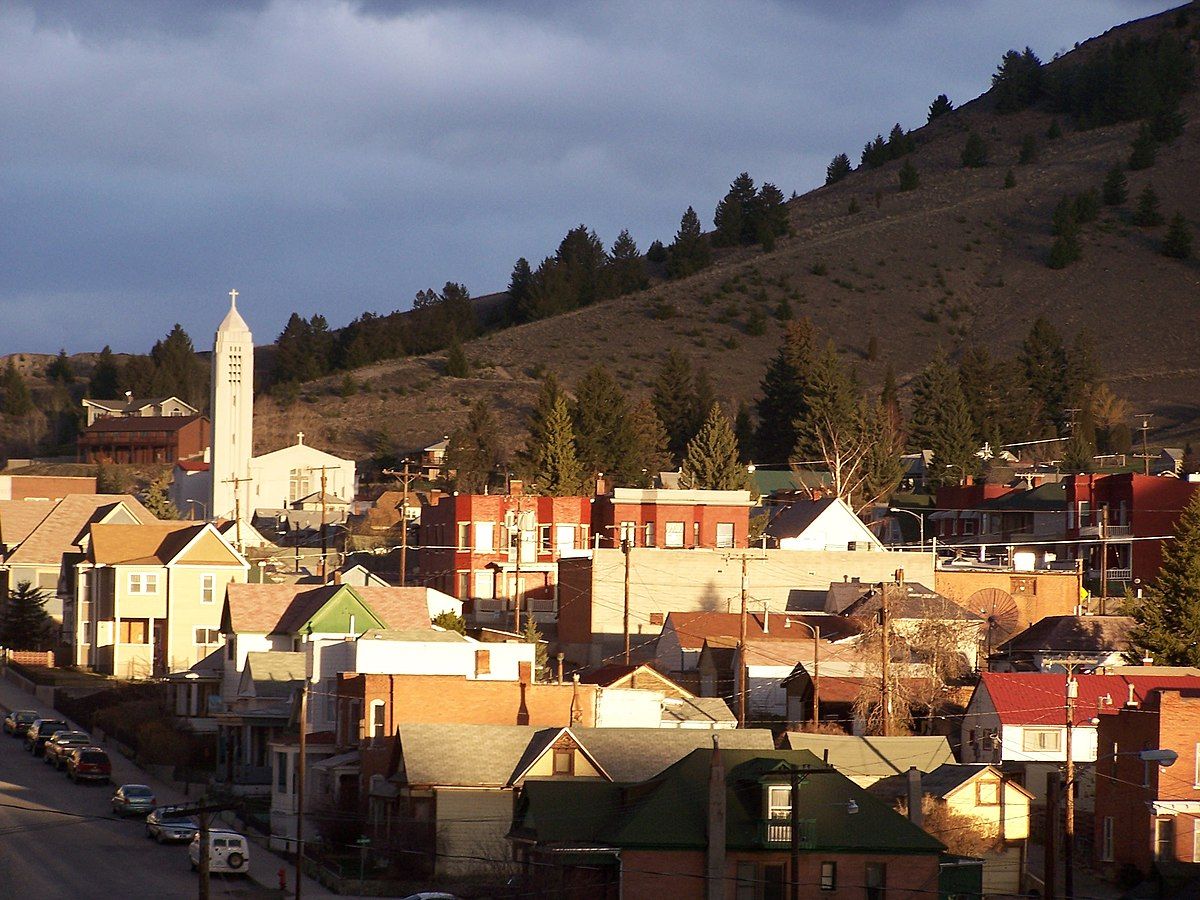
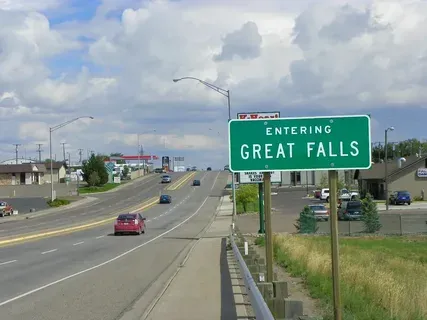
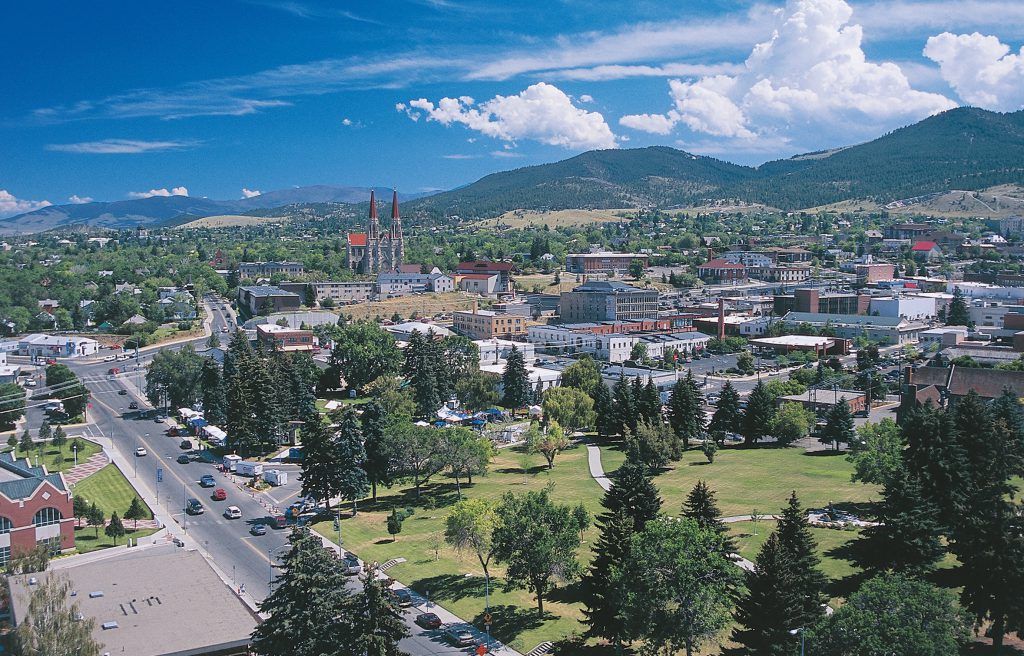
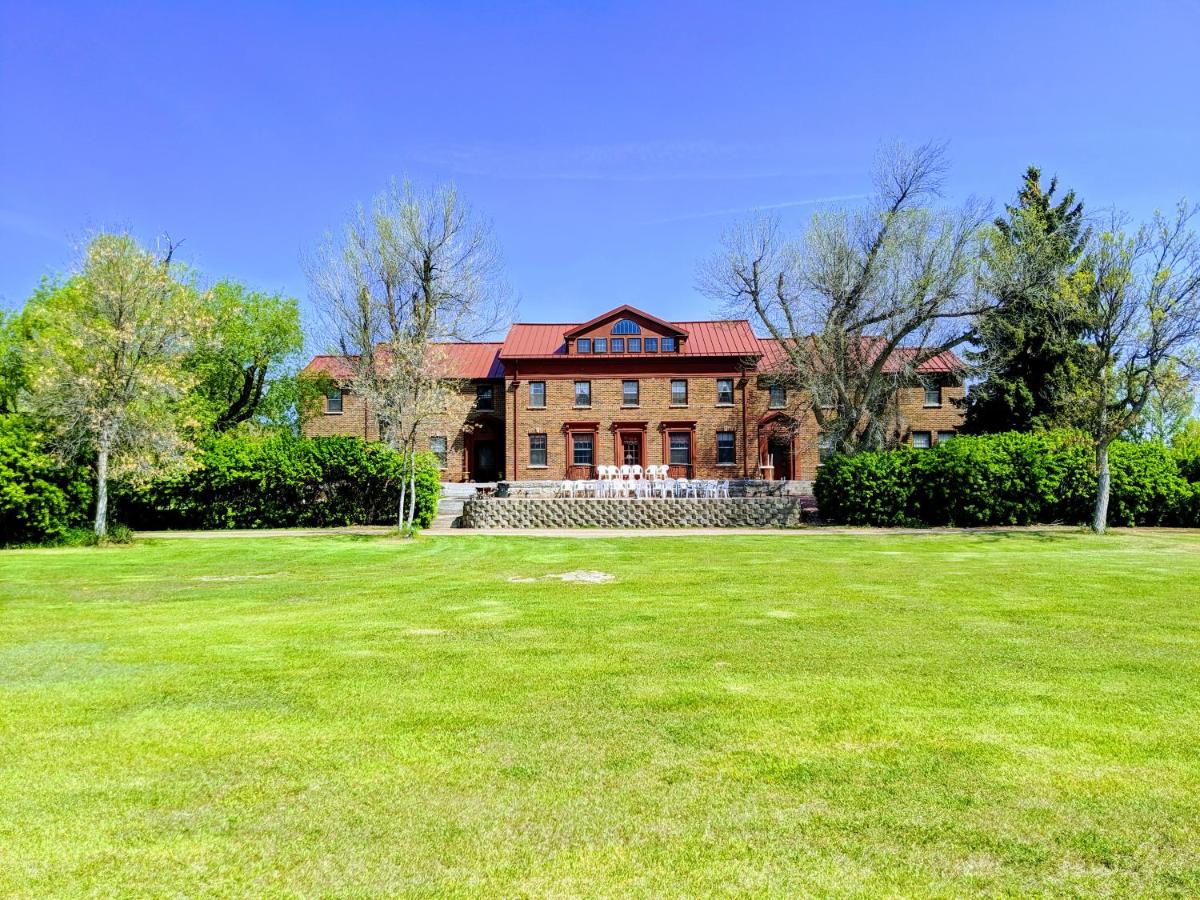
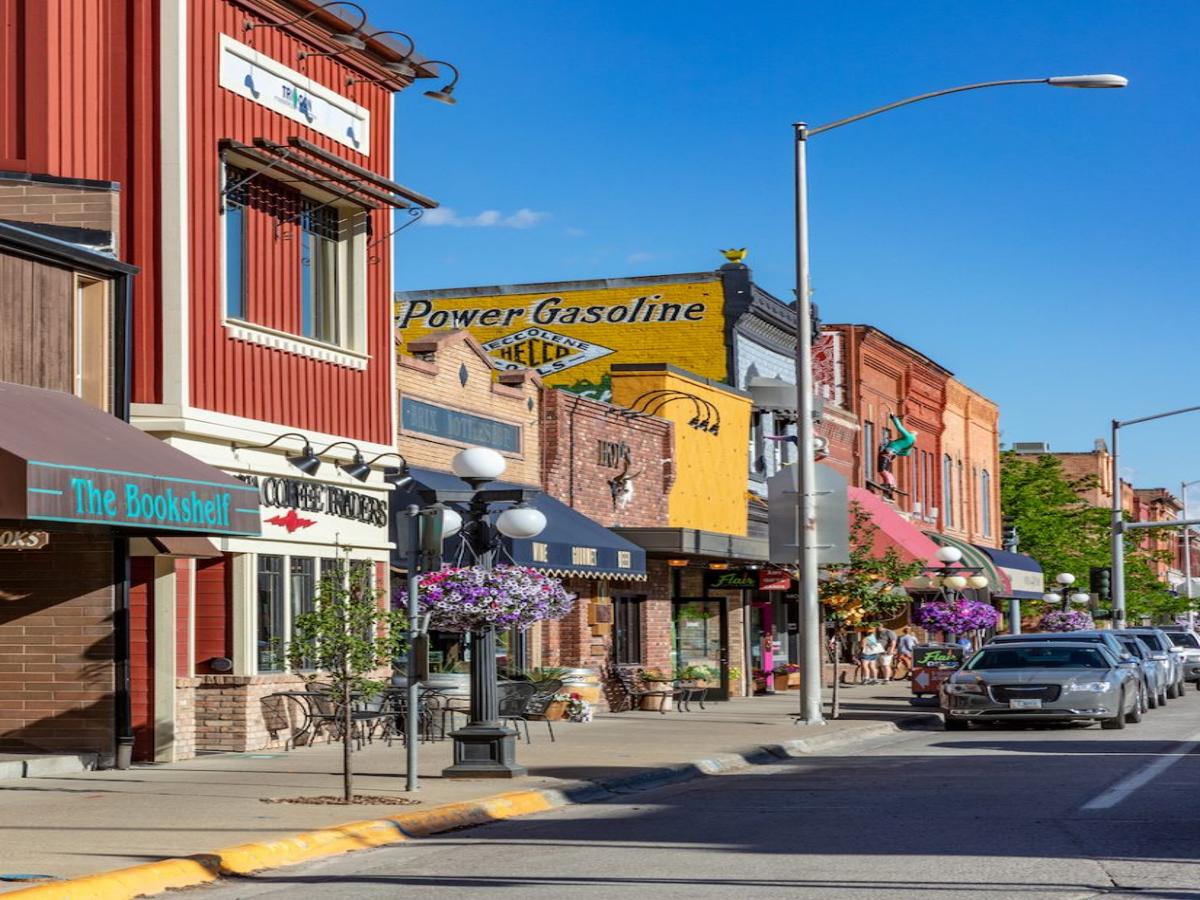
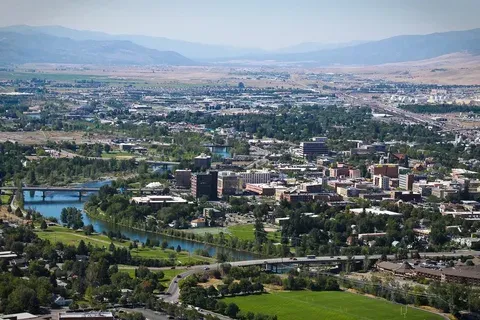
Moving services in Montana
Star Van Lines provides local, long-distance, and interstate moving services across Montana. We handle packing, loading, transport, and delivery for residential and commercial moves. Because Montana's cities sit far apart with mountain passes between them, most moves here are genuine long-distance jobs even when they stay inside the state. Every move includes a single coordinator, trained crew, and written estimate.
Local moving in Montana
Local moves in Montana run $126-$294 per hour for a two-person crew with a truck; three movers run $173-$442. But the real variable is distance. High-demand in-state corridors include Bozeman to Billings (about 140 miles on I-90), Helena to Great Falls (about 90 miles on I-15), and Missoula to Kalispell (about 115 miles on US-93), so even a short-list in-state move can cross open high plains and a mountain pass rather than a few suburbs. Because the longer in-state hauls behave like a regional lane, your coordinator prices them on distance, not just crew hours.
Long-distance moving from Montana
Most long-distance moves involve the Pacific Northwest, the Rockies, or the Upper Midwest. Common lanes run Bozeman to Seattle at about 677 miles, Missoula to Seattle at about 478 miles, Bozeman to Denver at about 697 miles, Bozeman to Salt Lake City at about 412 miles, and Billings to Minneapolis at about 823 miles. Kalispell sits about 245 miles from Spokane and 527 from Seattle. And Montana runs a net inbound flow, with California, Washington, and Colorado the top origin states, so a lot of our long-distance work is people moving in, not out.
Packing and storage
We offer full-service packing, partial packing, and self-pack options. Full-service means our crew brings every material and packs each room; partial lets you pick the rooms; self-pack keeps the cost lowest. We have 43 warehouse locations nationwide for short-term and long-term storage. Montana storage has to survive serious cold, since the state holds the US record low of -70 degrees, set near Rogers Pass between Helena and Great Falls, and valley lows run sub-zero through midwinter. Because unheated units risk freeze damage to electronics, liquids, wood furniture, and instruments, climate-controlled storage matters more here than in milder states.
Auto transport and specialty items
We ship vehicles by open or enclosed carrier. Montana keeps vehicle setup simple, since new residents have 60 days to title and register and the state runs no safety inspection and no emissions test. But the long open distances and winter pass conditions make enclosed transport worth considering for a collector or high-value car. Outdoor-lifestyle movers often ship boats, snowmobiles, ATVs, and travel trailers too, and all of them have to be registered in-state once you settle.
How much does moving in Montana cost?
Moving costs in Montana depend on whether you're relocating locally or across state lines. Local moves within Montana typically run $126-$294 per hour for a two-person crew with truck. Long-distance moves start at $1,438 for studio apartments and go up to $8,395 for large homes, depending on distance, weight, and access conditions.
Local moving rates
| Crew size | Hourly rate |
|---|---|
| 2 movers + truck | $126-$294 / hour |
| 3 movers + truck | $173-$442 / hour |
| 4 movers + truck | $230-$589 / hour |
Long-distance rates from Montana
| Move size | Estimated price range |
|---|---|
| Studio / 1 Bedroom | $1,438 - $2,070 |
| 2-3 Bedrooms | $2,588 - $4,600 |
| 4+ Bedrooms | $4,313 - $8,395 |
Popular routes and pricing from Montana
| Route | Distance | Avg cost (2-3 BR) |
|---|---|---|
| Billings to Seattle | 825 mi | $2,588 - $3,162 |
| Billings to Portland | 885 mi | $2,703 - $3,277 |
| Billings to Dallas | 1,310 mi | $3,220 - $3,910 |
| Billings to Boston | 2,187 mi | $3,737 - $4,600 |
| Billings to Anchorage | 2,640 mi | $3,795 - $4,600 |
Pricing reflects market averages for moves in and from Montana as of June 2026. Your final price depends on inventory weight, packing level, access at pickup and delivery, and scheduling flexibility. Call (855) 822-2722 or use our free quote calculator for an exact estimate.
What affects your moving price
- Shipment weight and volume are the biggest factors for any long-distance move from Montana.
- Distance drives the base price. Billings to Seattle is 825 miles; Billings to Anchorage is 2,640 by the Alaska Highway through Canada.
- Access at both ends matters. Rural properties in the Flathead and Bitterroot valleys have unpaved driveways and limited plowing, and long deadhead stretches between cities add time.
- How much packing you want us to do. Full-service runs more than partial, and self-pack is the lowest option.
- When you move. Winter blizzards can close I-90 and I-15 from December through February, while wildfire smoke can affect routing from July through September.
- Add-on services like auto transport, storage, and specialty handling (boats, snowmobiles, ATVs, travel trailers) come with their own pricing.
Moving to Montana: what you should know
A move to Montana involves more than logistics. A relocation here is really a move into one of two booming valleys separated by mountain passes, the Gallatin Valley around Bozeman or the Flathead Valley around Kalispell and Whitefish, and the right crew plans for the distance, the elevation, and the weather window between them. Below is a quick guide covering cost of living, access and logistics, climate and timing, and residency requirements that affect your move.
What it costs to move to Montana
Montana's cost of living index is 94.6 (US average = 100, BEA Regional Price Parities 2024), below the national price level, and the state has no general sales tax at all, so there's no tax on moving supplies, packing materials, or fuel at the register. Local labor runs $126-$294 per hour for a two-person crew. But the housing math is uneven. Median home value statewide is $375,800 (Census ACS 2020-2024), with median gross rent at $1,081 and median household income at $72,509, and the desirable valleys run far higher: Gallatin County around Bozeman has reached roughly $685,000. Billings and Great Falls are more affordable, so the destination valley shapes the budget as much as the move itself.
Access and logistics
Montana leans on three Interstates. I-90 is the main east-west route across southern Montana through Billings, Bozeman, Butte, and Missoula; I-15 runs north-south from the Idaho line through Butte, Helena, and Great Falls to the Canadian border; and I-94 heads east from Billings toward North Dakota. But the challenges are specific. Mountain-pass driving on I-90 over Bozeman Pass and on the high I-15 stretches near the Idaho line draws chain restrictions and the occasional full closure in storms. Long deadhead distances separate the dispersed small cities, and rural properties in the Flathead and Bitterroot valleys often have unpaved driveways and limited local plowing that slow a large truck.
Climate and timing
Montana summers are warm and dry, with Billings July highs near 87 degrees, while winters are cold, with January lows around 18 degrees, about 14 inches of annual precipitation, and 45 inches of snow. Billings still gets roughly 201 days with sun a year. The best window to move is late May through September, when valley roads are snow-free and access is easiest. December through March is the worst stretch: populated valleys see 30 to 50 inches of seasonal snow, sub-zero cold is common, and I-90 and I-15 closures peak, which is why Montana DOT runs its winter road-reporting season from November through April. Wildfire smoke can also affect routing and air quality from July through September.
Residency and regulations
Montana gives new residents a relaxed 60-day window for both a driver's license and vehicle title and registration, handled through the Montana Motor Vehicle Division. The state has no statewide safety inspection and no emissions test in any county, which simplifies bringing an out-of-state vehicle over. Montana has no general sales tax, though a county option tax and fees in lieu of tax can apply at registration, and vehicles a year or older may qualify for permanent registration. Voter registration is by paper application to the county election administrator, since Montana has no full online voter registration.
What to know before moving to Montana
Benefits of moving to Montana
0,144,694
Population
$0,509
Median household income
0.6 (US = 100, BEA RPP 2024)
Cost of living index
~0/year
Days of sunshine
0.7%-5.65% (2026, two-rate)
State income tax
0% (one of five no-sales-tax states)
Statewide sales tax
Montana is home to about 1.14 million people, and its population has grown about 5.6 percent since 2020. The growth concentrates in two valleys: Gallatin County around Bozeman, up about 8.2 percent, and Flathead County around Kalispell, up about 10.6 percent. Median household income is $72,509, and the cost of living index of 94.6 sits below the national average. Montana is one of only five states with no general statewide sales tax. And government is the largest employer at roughly 18 percent of jobs, while health care is one of the fastest-growing industries. The state runs a net inbound migration flow, and its top origin states are California, Washington, and Colorado.
Is Montana a good place to live?
Montana offers world-class outdoor access, no statewide sales tax, and low property taxes, with two fast-growing valleys anchoring the lifestyle. The trade-offs are real: hard winters with sub-zero cold, home prices that have climbed sharply in Bozeman and the Flathead, and long distances between everything. Whether it's a good fit depends on your tolerance for winter and which valley suits your work and budget.
Tax environment
Montana uses a two-rate income tax of 4.7 percent and 5.65 percent for 2026 under HB 337, with the top rate scheduled to fall to 5.4 percent in 2027, and long-term capital gains are taxed separately at 3.0 and 4.1 percent. But the headline feature is the absence of a general sales tax, since Montana is one of only five states with no statewide retail sales tax. Property tax is low too, with effective rates around 0.6 to 0.7 percent of home value. Because there's no sales tax, your moving supplies and fuel cost less at the register than they would in most states.
Housing market
Median home value in Montana is $375,800 (Census ACS 2020-2024), and median gross rent is $1,081. About 69.2 percent of households own their homes. But the average hides a wide spread. The Gallatin Valley around Bozeman has reached roughly $685,000, the Flathead around Kalispell and Whitefish is also expensive, and Billings and Great Falls remain considerably more affordable. If you're chasing the marquee mountain-town addresses, expect to pay for them.
Job market and economy
Montana's economy runs on government, health care, agriculture, and energy. Billings Clinic is the largest health system in the state with more than 6,000 employees, Benefis Health System in Great Falls employs more than 3,000, and Logan Health in the Flathead Valley is reported at more than 4,300. Malmstrom Air Force Base anchors Great Falls and the 341st Missile Wing, and Town Pump, founded in Butte in 1953, employs close to 2,000 across the state. Government is the single largest employer at roughly 18 percent of jobs, while health care is among the fastest-growing sectors. The labor force participation rate is 62.4 percent, and 35.2 percent of adults hold a bachelor's degree or higher.
Safety and natural risks
Wildfire is Montana's defining hazard and the most common cause of federal disaster declarations in the state. Severe winter storms and blizzards, extreme cold, flooding from spring snowmelt and post-wildfire runoff, and drought round out the main risks. Western and southwestern Montana also carry real earthquake risk along the Intermountain Seismic Belt near Yellowstone. But none of it should scare you off, and a mover here plans around wildfire smoke in late summer and pass closures in deep winter.
Who thrives in Montana?
Remote tech workers relocating to the Bozeman tech hub
Bozeman has grown a rural tech cluster on four decades of photonics, optics, and software, anchored by Montana State University, and it pulled in out-of-state remote workers and founders through the early 2020s. Many arrive from California, Washington, and Colorado, and they move full home offices into a high-cost housing market where Gallatin County home values reach roughly $685,000.
Flathead Valley lifestyle buyers near Glacier and Whitefish
Flathead County added more residents than any other Montana county since 2020, growing about 10.6 percent, with newcomers settling in Kalispell, Whitefish, and Columbia Falls for proximity to Glacier National Park. Glacier Country alone sees roughly $1.8 billion in annual visitor spending, and many of these moves run from the Pacific Northwest, since Kalispell sits about 245 miles from Spokane and 527 from Seattle.
No-sales-tax retirees and tax-conscious relocators
Montana is one of only five states with no general statewide sales tax, and its income tax tops out at a moderate 5.9 percent in 2025, which appeals to retirees and budget-focused households leaving higher-tax states. They often downsize for a long one-way haul, and they still need to title and register their vehicles within 60 days of establishing residency.
Healthcare and university professionals moving between Montana cities
Health care and higher education dominate Montana employment, with major employers including Billings Clinic, Montana State University in Bozeman, the University of Montana in Missoula, Community Medical Center, and St. Peter's Health in Helena. Clinicians, faculty, and staff transfer between Billings, Missoula, Bozeman, Great Falls, and Helena on dates tied to hospital shifts and academic calendars.
Ranch, agriculture, and energy families on the eastern plains
Eastern and central Montana run on agriculture and energy, exporting roughly 100 million bushels of wheat a year and holding about 30 percent of US recoverable coal reserves. These families relocate to and from rural properties with long driveways and open-highway access, often shipping equipment and large household loads, and their corridors lean east on I-94 toward the Dakotas and Minneapolis rather than west over the mountains.
First week after moving to Montana: what to do
After your move to Montana, several tasks need attention, though the deadlines are friendlier than in most states. Montana gives new residents 60 days for both a driver's license and vehicle registration. Here is a prioritized checklist.
- Update your driver's license.
Montana gives new residents 60 days to get a Montana license through the Montana Motor Vehicle Division. Bring your out-of-state license and proof of Montana residency. (mvdmt.gov)
- Register your vehicle.
You have 60 days to title and register a vehicle. Montana has no statewide safety inspection and no emissions test, which keeps the process simple, and vehicles a year or older may qualify for permanent registration. A county option tax and fees in lieu of tax can apply at registration.
- Transfer your auto insurance.
Contact your insurer to re-rate your policy for Montana. Minimum liability requirements may differ from your previous state.
- Register to vote.
Montana registration is by paper application, mailed or delivered in person to your county election administrator, and it's also offered through the MVD. There's no full online voter registration, but in-person late and Election Day registration is available. The state portal is votemt.gov.
- Update homeowner's or renter's insurance.
Montana's wildfire and flood exposure may change your coverage needs. Standard policies don't cover flood damage, and wildfire risk can affect premiums in many areas.
- Forward your mail.
USPS Change of Address is free online at usps.com, and mail forwarding starts within 7-10 business days.
- Transfer medical records.
Contact your current providers before the move and find a new primary care physician. Billings, Missoula, Bozeman, Great Falls, and Helena all have established hospital systems.
- Update school records.
If you have children, request transcripts from your previous district and contact the new one for enrollment requirements and deadlines. Bozeman and Helena run two of the state's top-rated districts, so research the specific district before choosing a town.
Montana at a glance: schools, jobs, and things to do
Schools and universities
Montana's top-rated public school districts are Bozeman, Highwood K-12, and Helena, which take the top three spots on Niche's 2026 list. The state's universities are spread across its small cities. The University of Montana in Missoula is the public flagship research university, Montana State University in Bozeman is the land-grant research campus and the anchor of the Bozeman tech cluster, and Montana Technological University in Butte is known for engineering and applied sciences. Together they keep a steady stream of faculty, staff, and students moving between Missoula, Bozeman, and Butte.
Major employers
Health care and government anchor Montana employment. Billings Clinic is the largest health system in the state with more than 6,000 employees, Benefis Health System in Great Falls employs more than 3,000, and Logan Health in the Flathead is reported at more than 4,300. Malmstrom Air Force Base is a major federal employer in Great Falls and home to the 341st Missile Wing, and Town Pump, the Butte-founded petroleum and convenience chain, employs close to 2,000 statewide. And government is the largest single employer at roughly 18 percent of jobs, while health care is one of the fastest-growing industries and financial activities lead by GDP output.
Attractions and recreation
Montana's outdoors are the main draw. Glacier National Park, the Crown of the Continent, headlines the list with glaciers, alpine lakes, and hundreds of miles of trails, and the Montana side of Yellowstone National Park is reached through the north entrances at Gardiner and West Yellowstone. The Going-to-the-Sun Road is a 50-mile alpine drive across the Continental Divide through Glacier, and the Beartooth Highway on US-212 climbs from Red Lodge toward Yellowstone's northeast entrance. Little Bighorn Battlefield National Monument preserves the site of the 1876 battle and is a top Montana historic landmark.
FAQ
Questions? Look here
Can’t find an answer? Call us
(855) 822-2722 or email
Local moving in Montana typically costs $126-$294 per hour for a two-person crew with truck. A standard three-bedroom home takes 4-6 hours, putting the total between $488 and $4,228. Add-ons like packing, disassembly, and long carries increase the total. Call (855) 822-2722 for an itemized estimate.
Long-distance moves from Montana start at $1,438 for studio apartments and go up to $8,395 for four-plus-bedroom homes. The final price depends on shipment weight, distance, and access at both locations. Star Van Lines provides binding estimates so your price won't change after booking.
Search our USDOT number 4176875 on the FMCSA SAFER website (safer.fmcsa.dot.gov). This federal database confirms our operating authority, MC number 1607491, insurance status, and safety record. Any legitimate interstate mover should be able to provide a verifiable USDOT number.
Common surcharges include long-carry charges for distances over 75 feet from truck to door, access fees for unpaved rural driveways in the Flathead and Bitterroot valleys, and added cost for the long deadhead distances between Montana's dispersed cities. We disclose all potential charges in your written estimate before you book.
Federal law requires interstate movers to offer two levels: Released Value Protection (free, covers $0.60 per pound per item) and Full Value Protection (paid, covers repair, replacement, or cash settlement at current value). Star Van Lines is fully insured under USDOT #4176875 and can explain both options when you request a quote.
Montana gives new residents 60 days for both a Montana driver's license and vehicle title and registration, handled through the Montana Motor Vehicle Division. It's a relaxed window compared with strict-deadline states, but it's worth handling early so you aren't driving on an out-of-state license longer than the law allows. Bring your out-of-state license and proof of Montana residency.
No. Montana has no statewide periodic safety inspection for standard passenger vehicles and no emissions or smog test in any county, which makes transferring an out-of-state vehicle straightforward. Vehicles a year or older may also qualify for permanent registration. A county option tax and fees in lieu of tax can apply when you register.
Bozeman and the Flathead command a premium because of mountain access, Glacier and Yellowstone proximity, and strong in-migration. The statewide median home value is $375,800, but Gallatin County around Bozeman has reached roughly $685,000, and the Flathead around Kalispell and Whitefish is also costly. Billings and Great Falls are considerably more affordable, so the city you pick changes the budget dramatically.
The best window is late May through September, when the roads are snow-free and valley highs are mild. Winter is the hard part. From December through March, populated valleys see 30 to 50 inches of snow, sub-zero cold is common, and I-90 and I-15 passes can close, so Montana DOT runs winter road reporting from November through April. If you must move in winter, build schedule flexibility around storm windows.
Montana's long road distances drive the cost. Bozeman to Seattle is about 677 miles and Missoula to Seattle about 478, Bozeman to Denver is about 697 and Bozeman to Salt Lake City about 412, and Billings to Minneapolis runs about 823. Because these are long hauls, pricing follows distance, weight, and access. Your coordinator builds a written schedule around mountain passes and weather windows.
Montana's lack of a general sales tax means no tax on moving supplies, packing materials, or fuel at the register, a real cost advantage on a big move. The state income tax is moderate, with a two-rate structure of 4.7 and 5.65 percent for 2026 and the top rate set to fall to 5.4 percent in 2027. Property taxes are low as well, around 0.6 to 0.7 percent of home value.
Cold is the storage risk in Montana. The state recorded a US-record low of -70 degrees near Rogers Pass between Helena and Great Falls, and valley lows run sub-zero through midwinter, so unheated units can freeze and damage electronics, liquids, wood furniture, and instruments. Climate-controlled storage is the safer default here. In the mountains near Kalispell, heavy seasonal snow loading is another reason to keep belongings indoors.
Ready to Start Your Montana Move?
Get a free moving estimate today. No obligation, no pressure.
Call us or fill out the form - we'll get back to you fast.
USDOT #4176875 | MC #1607491 | Licensed & Insured