
Thank you for your feedback!
We will contact you shortly

Free consultation
Enter your phone number and we will call you back for a consultation on any moving and storage services

Alaska
Licensed Alaska Movers - Interstate & Local
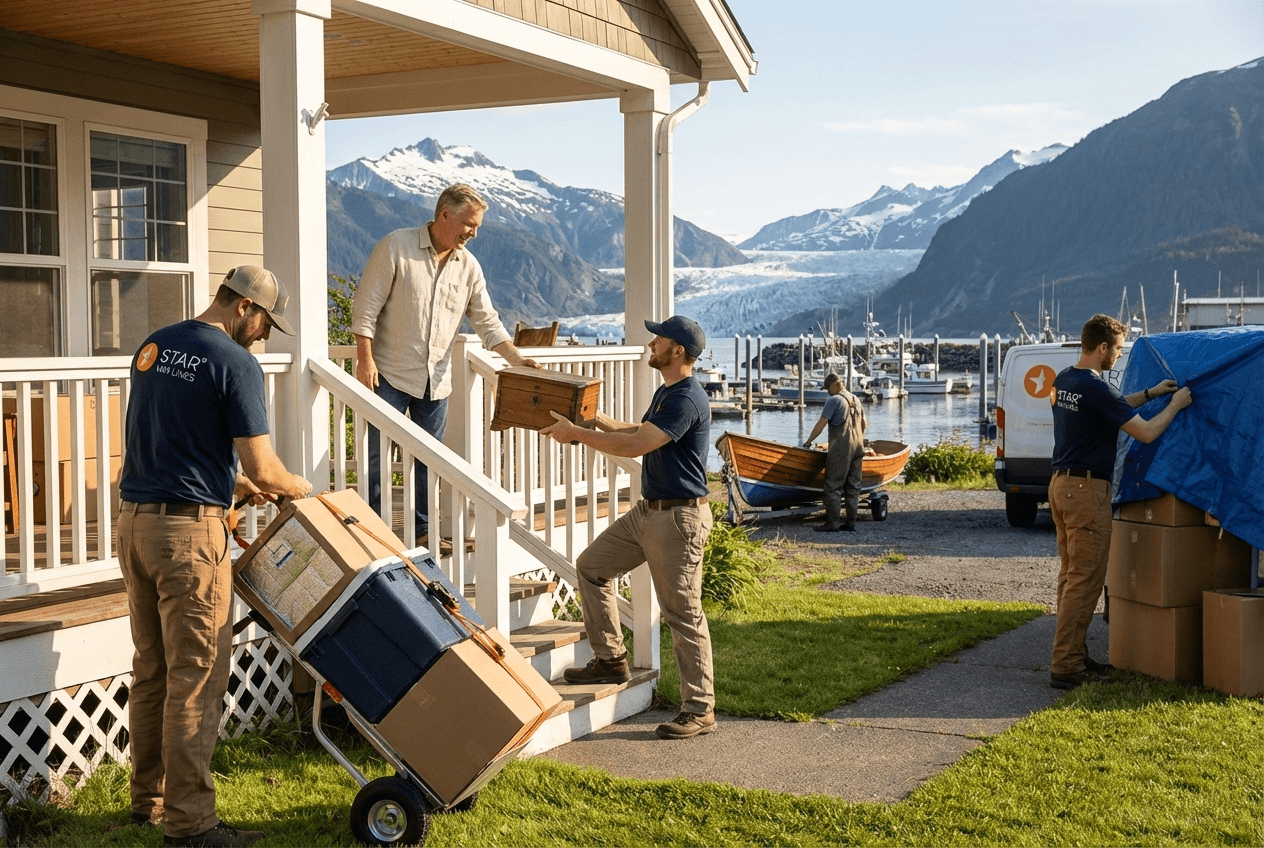
Alaska is the largest state in the country at 570,641 square miles, and it's also the least densely populated, with just 1.29 people for every one of them (Census QuickFacts V2025). About 82% of communities sit off the road system entirely, so a household move here doesn't behave like a move anywhere else. The truck either runs the Alaska Highway through Canada or the goods ride an ocean barge down to the Lower 48. No other state forces a moving truck to leave the country to reach it. Star Van Lines is a licensed interstate carrier, USDOT #4176875 and MC #1607491, and we've coordinated local and long-distance moves on these gateway corridors since 2016, from Anchorage and the Mat-Su Valley to the Interior around Fairbanks.
Our Alaska service covers packing, loading, transport, delivery, and short-term storage, plus the gateway logistics that an Alaska move actually needs. Because the only drivable route south runs through Canada and most freight crosses by sea, timing depends on a sailing schedule or a border crossing, not just a calendar date. You'll work with one coordinator who plans the in-state leg, the long-distance haul, and any ferry or air last leg as one sequence.
Wondering what an Alaska move actually costs? Call (855) 822-2722 or use our online quote calculator. You'll get an itemized estimate covering every charge, with no surprises on moving day. We're rated 4.0 on Trustpilot, 4.5 on Google, and 4.75 on Facebook across 240+ reviews.

Dennis has 15+ years of experience in interstate moving and has coordinated over 1,000 relocations across the United States.

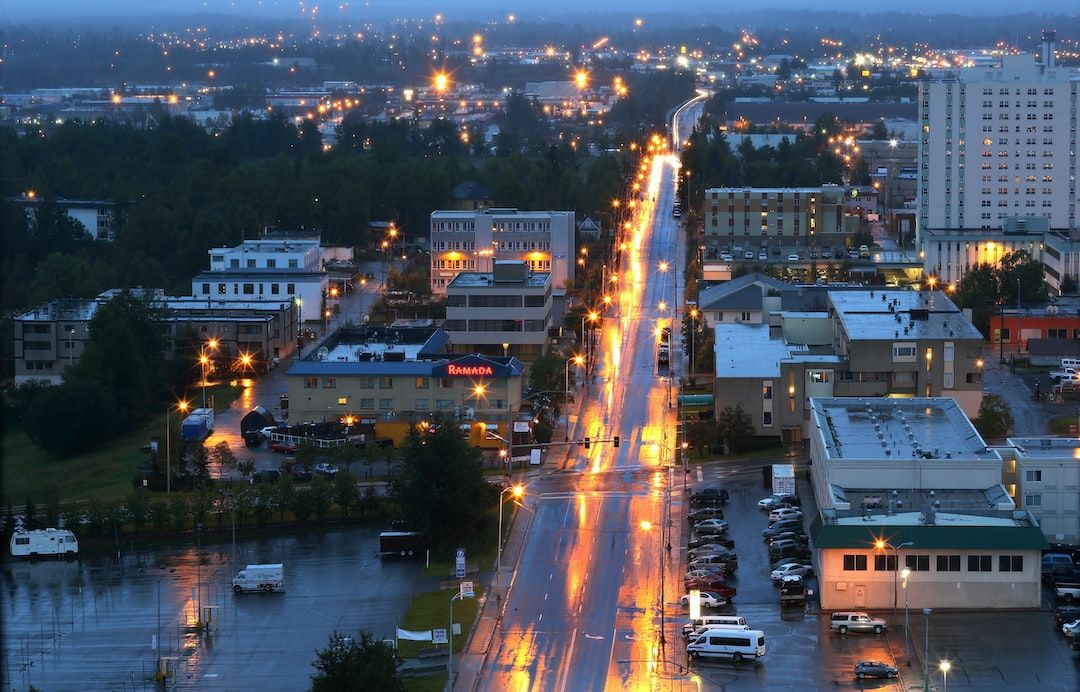
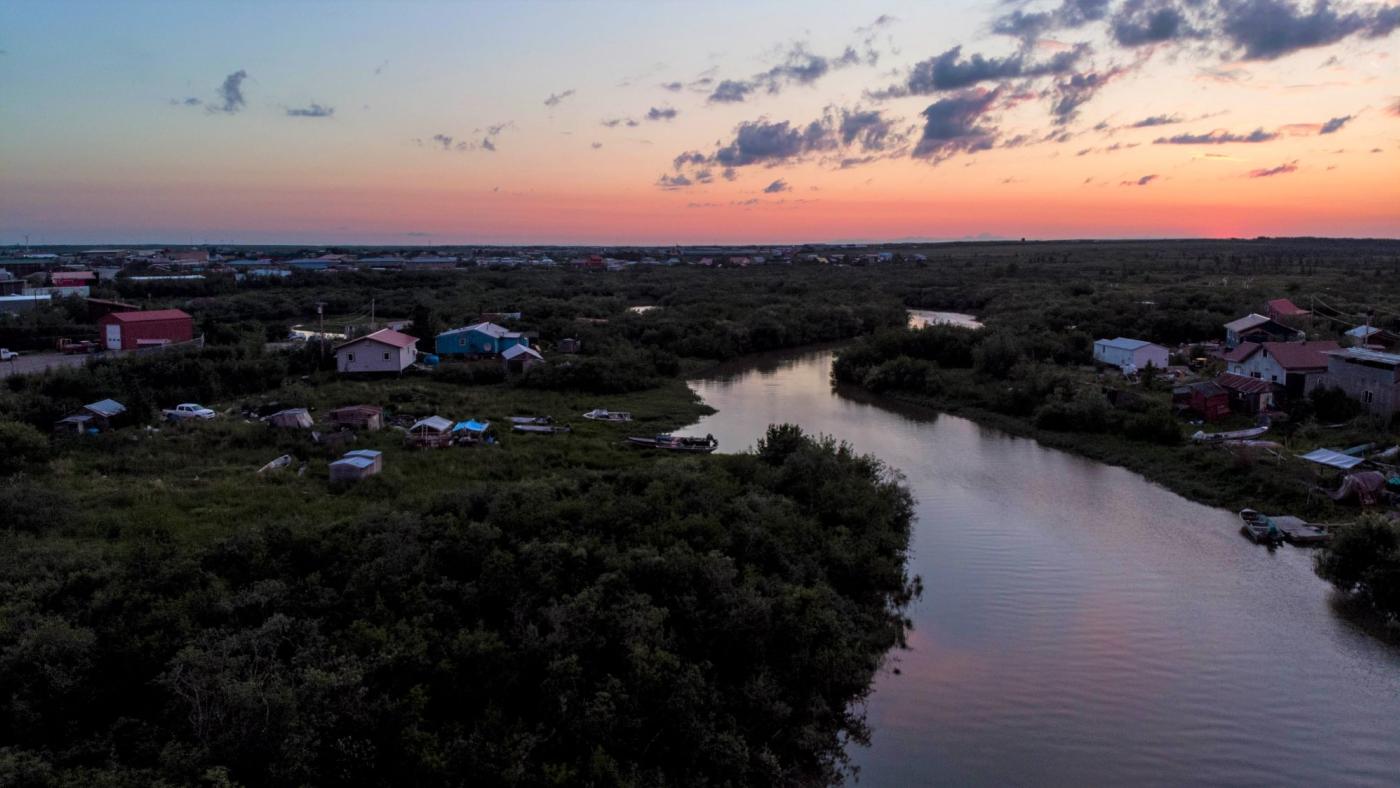
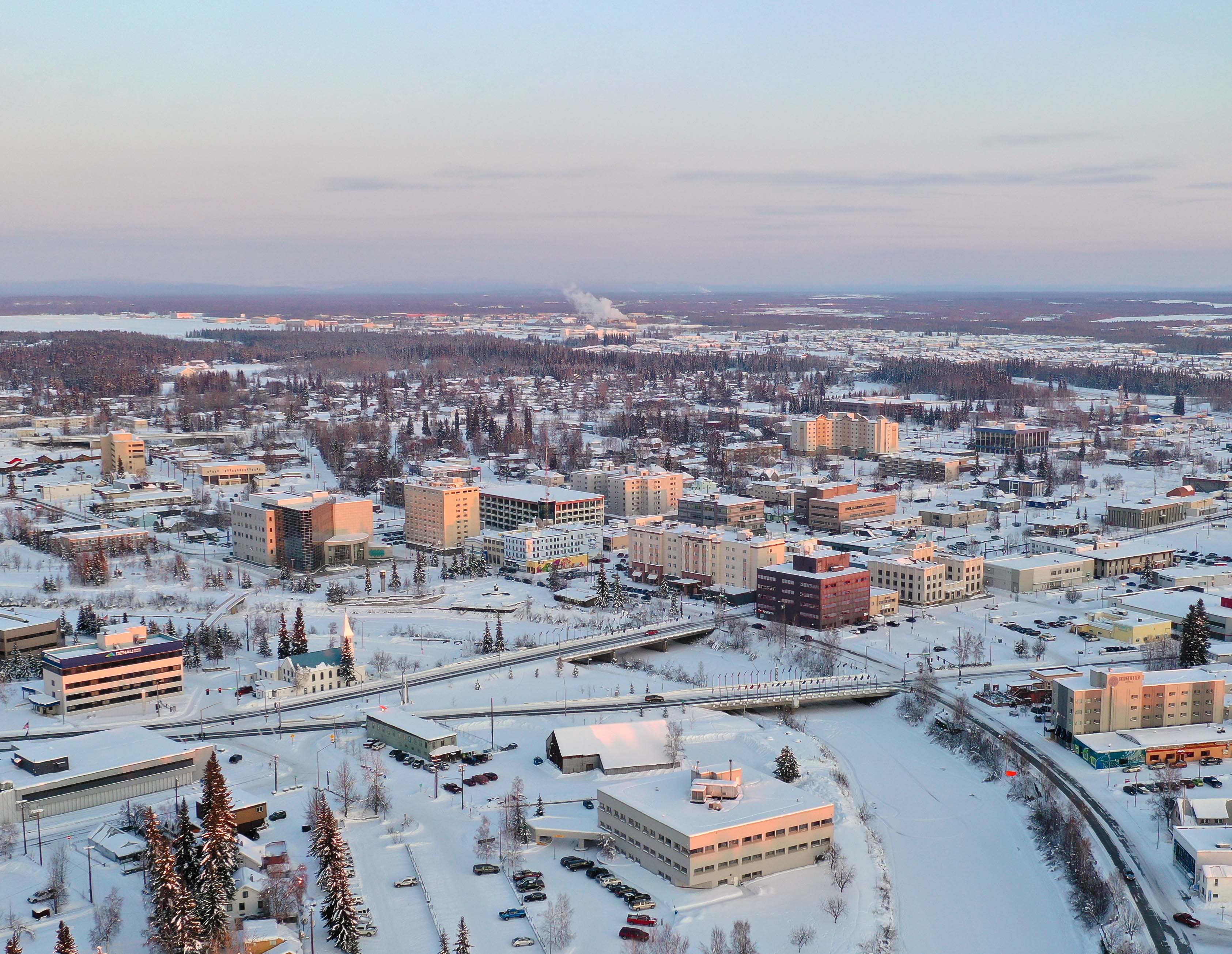
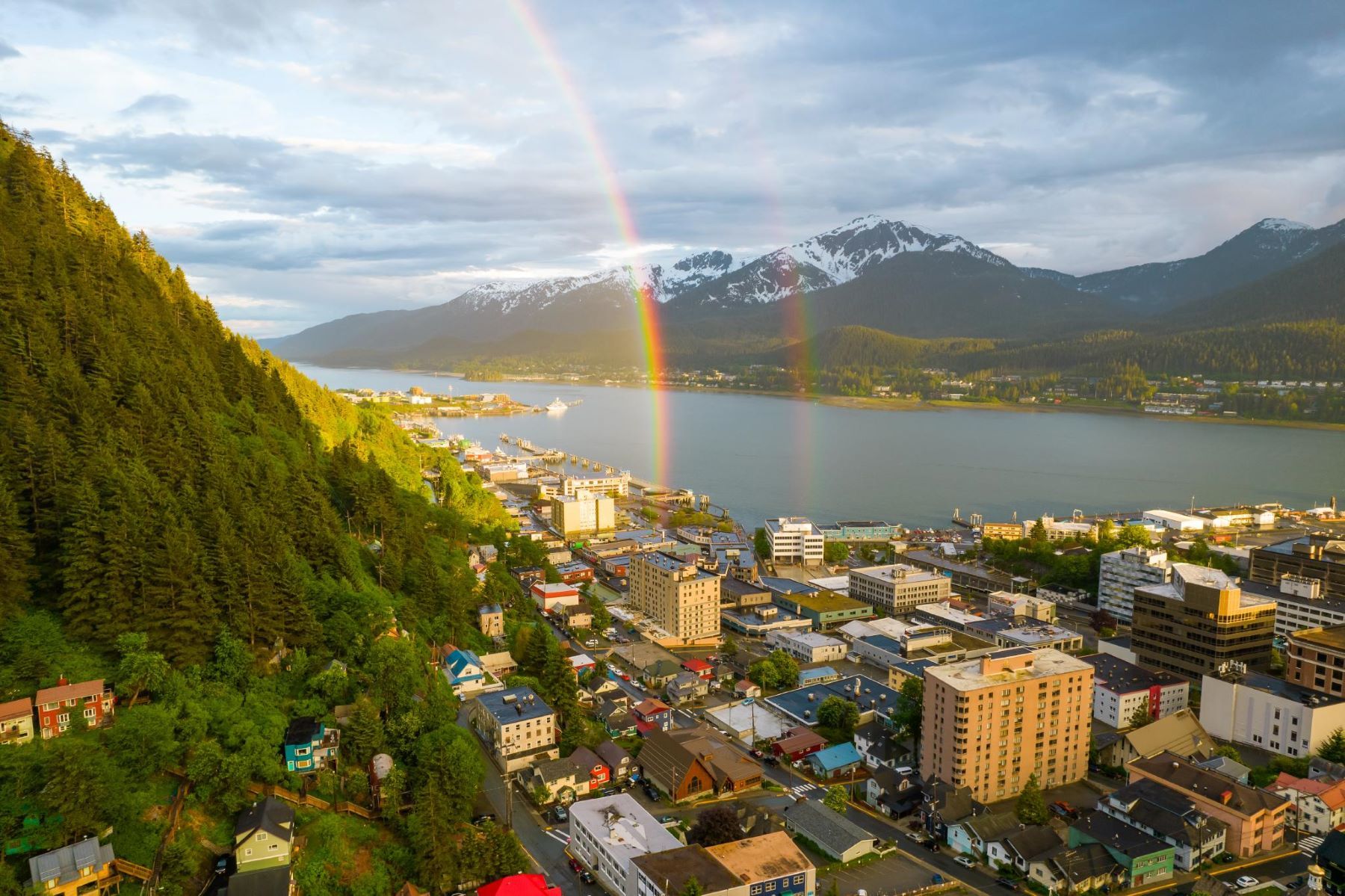
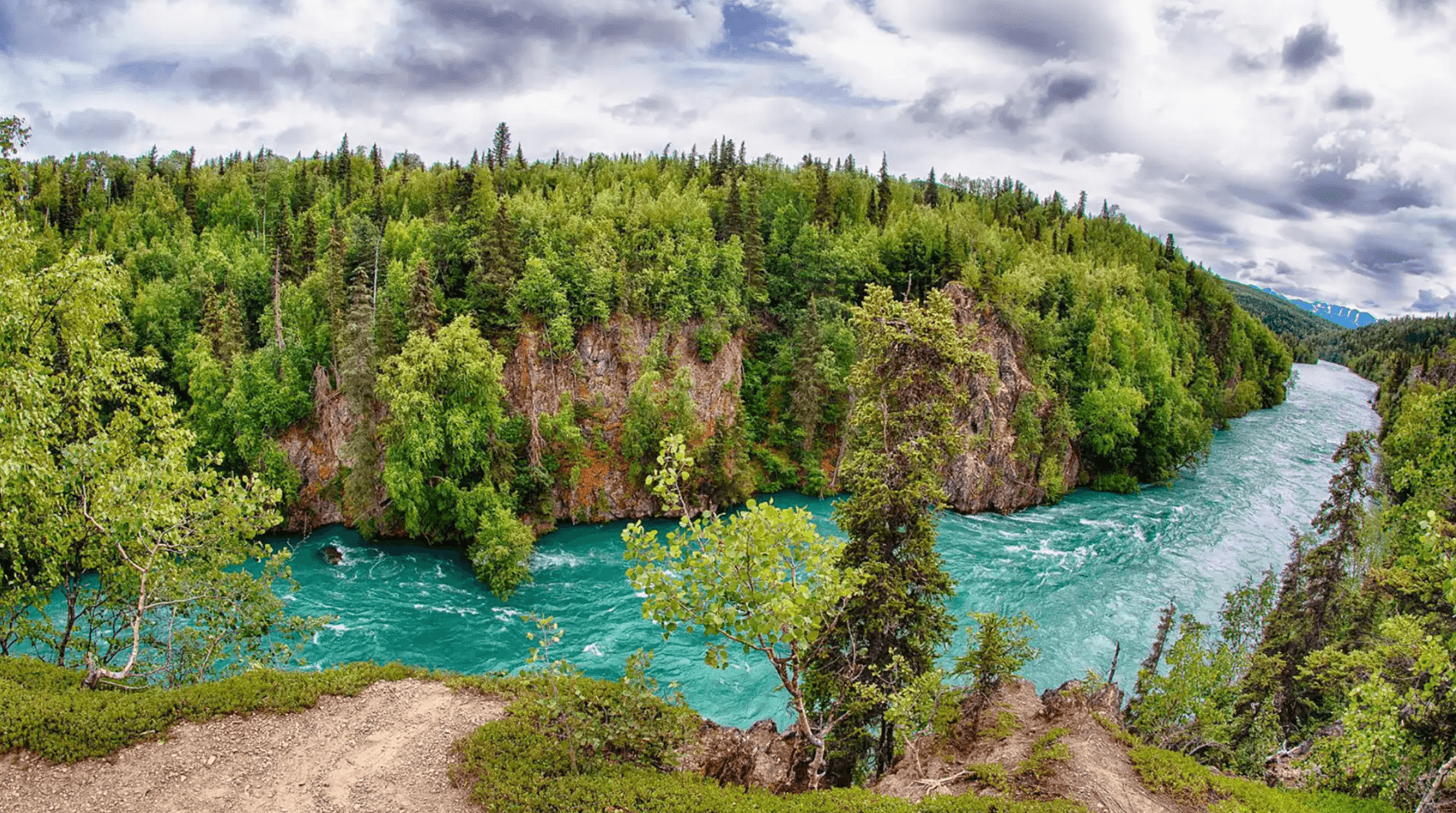
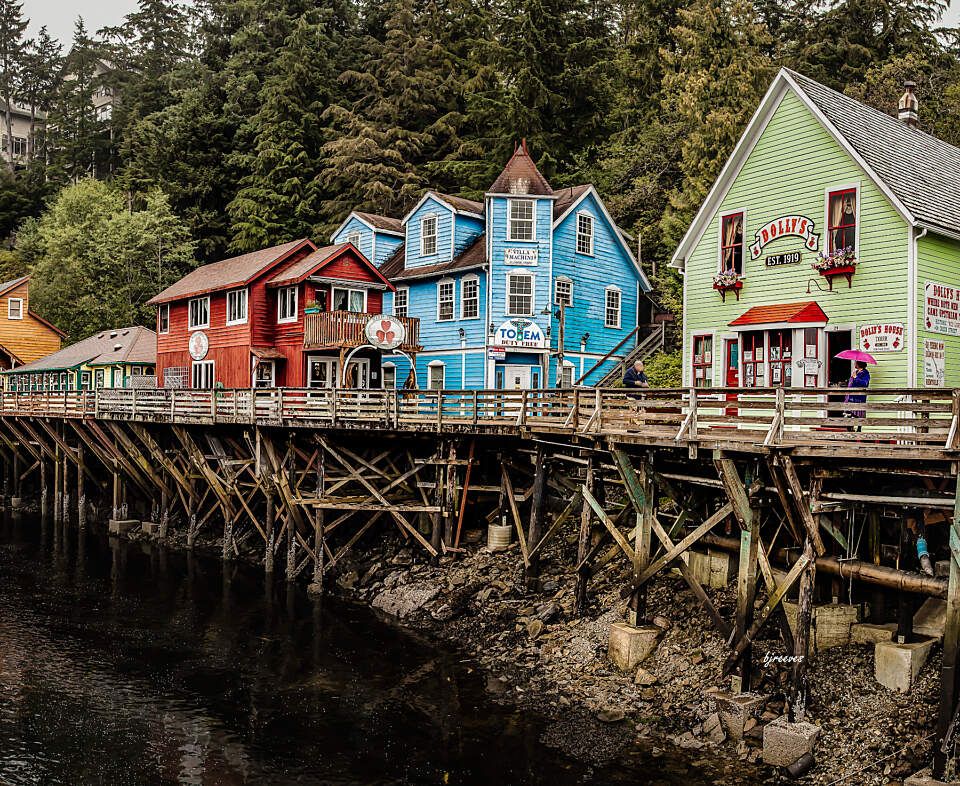
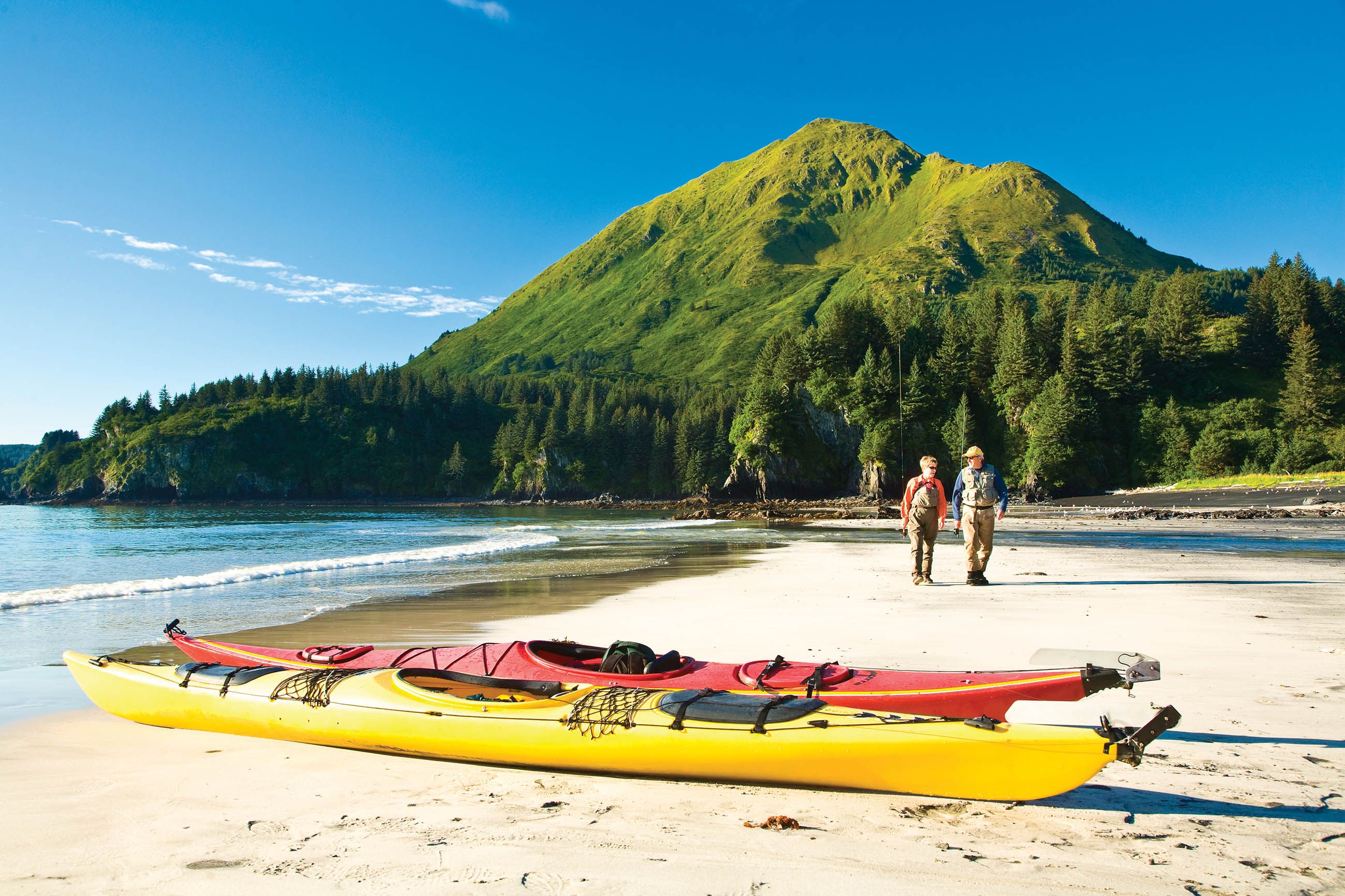
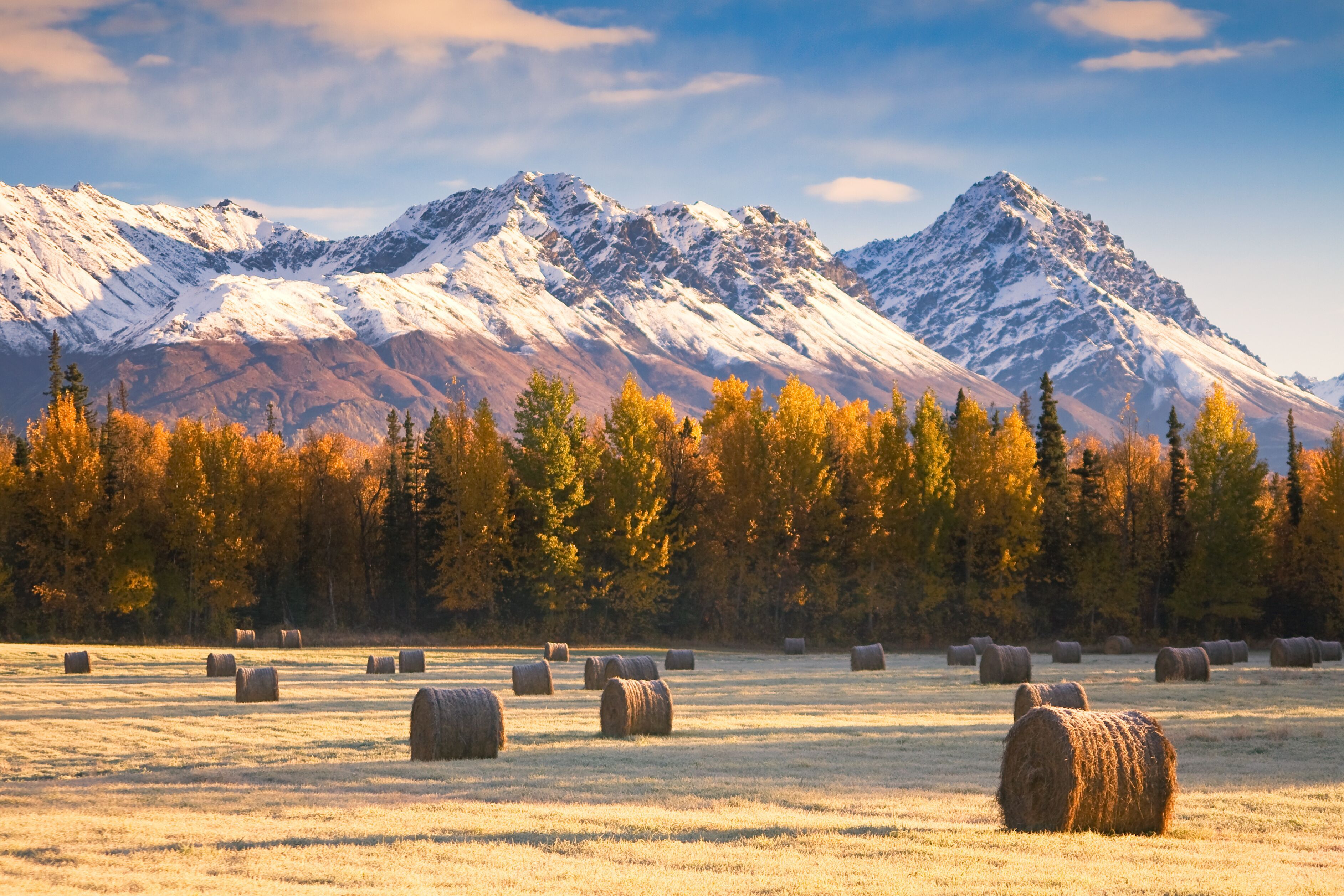
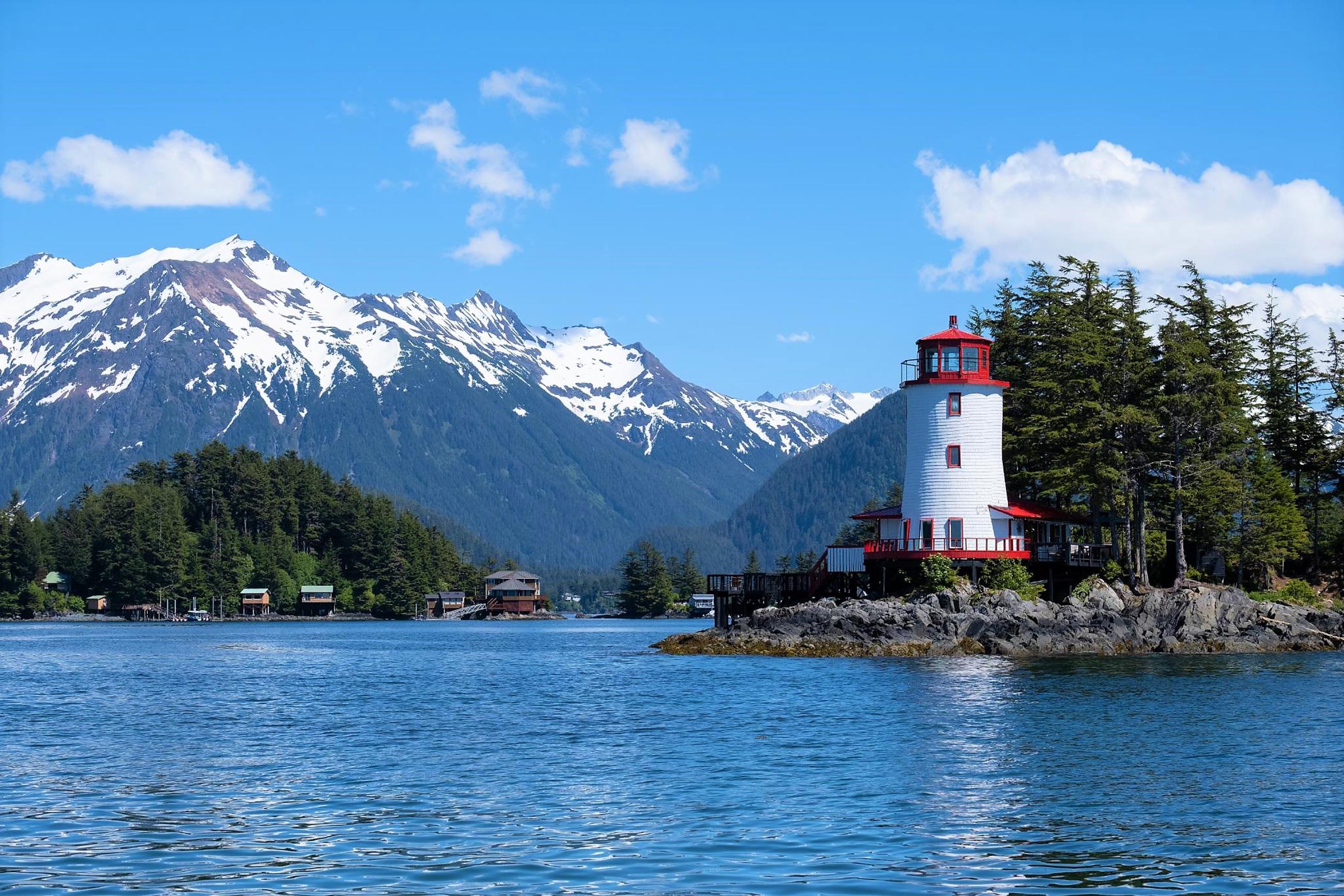
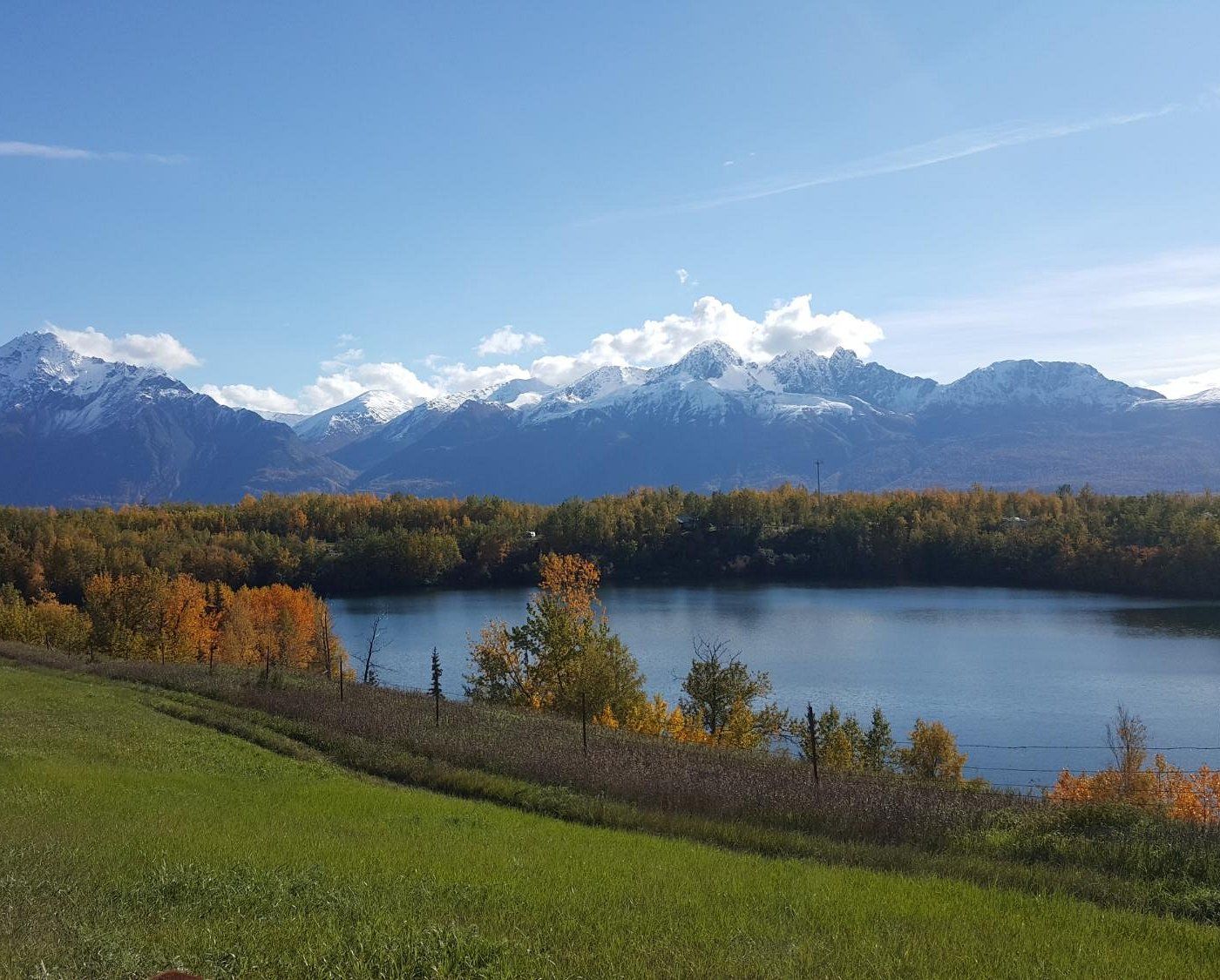
Moving services in Alaska
Moving services in Alaska
We run local, long-distance, and interstate moves across Alaska, from packing and loading to transport, delivery, and short-term storage. Because the state pairs vast in-state distances with a single road link to the Lower 48 and heavy reliance on barge and air freight, every job needs route-specific planning. And each move comes with one coordinator, a trained crew, and a written estimate.
Our movers from colorado to alaska guide offers a route-specific overview of pickup coordination, transportation, and final delivery.
Local moving in Alaska
Even a local Alaska move can cover serious ground. The busiest in-state lane is Anchorage to Fairbanks along the Parks Highway, roughly 360 driving miles, which is more distance than many full interstate moves elsewhere. A two-mover crew with a truck runs about $115-$207 an hour, and larger crews scale up for bigger homes. Eagle River, Wasilla, and the Mat-Su Valley feed Anchorage, while Juneau and the Southeast panhandle are reached largely by the Alaska Marine Highway ferry rather than by road. Because density statewide sits at just 1.29 people per square mile, local lanes here cover ground that would read as cross-country anywhere else, so we crew and route them accordingly.
Our movers from oklahoma to alaska guide offers a route-specific overview of pickup coordination, transportation, and final delivery.
Long-distance moving from Alaska
A long-distance move out of Alaska runs one of two ways. The truck can drive the Alaska Highway, the Alcan, through Canada, which is the only road link to the Lower 48 and requires border documents for the vehicle and driver. Or the household goods cross the Gulf of Alaska by ocean barge from the Port of Anchorage to the Port of Tacoma, where timing follows the sailing schedule rather than the truck. Anchorage to Seattle, the dominant gateway, is about 2,269 road miles by the Alcan or a barge sailing from Tacoma. And Anchorage to Southern California is roughly 3,408 driving miles overland. Your coordinator sequences the in-state pickup, the gateway leg, and the final delivery so the pieces line up.
For a related interstate corridor, our movers from washington to alaska guide provides route-specific details on scheduling, loading, and delivery.
For a related interstate corridor, our movers from california to alaska guide provides route-specific details on scheduling, loading, and delivery.
Our moving from nevada to alaska guide offers a route-specific overview of pickup coordination, transportation, and final delivery.
Packing and storage
We offer full-service packing, partial packing, and self-pack. Full-service means our crew brings every box and packs each room; partial lets you split the work; self-pack keeps the cost lowest. And for storage, we hold goods at 43 warehouse locations nationwide for short or long terms. Anchorage sees snow on the ground most days from December through March and averages 77.9 inches of snowfall a year (NOAA 1991-2020 normals). Goods staged for a barge sailing or held between the road and a final air or ferry leg need climate-controlled space to guard against deep freeze, condensation, and the freeze-thaw cycles common to the Interior and Southcentral.
Auto transport and specialty items
Moving a vehicle to or from Alaska almost always means ocean transport. Roll-on, roll-off carriers move thousands of cars, RVs, boats, and trailers each year between the Port of Tacoma and the Port of Anchorage. The drive-it-yourself alternative is the Alaska Highway through Canada, which requires valid border documents for both the vehicle and the driver. We also crate pianos, gun safes, antiques, and artwork for specialty handling. New residents have 90 days to obtain an Alaska license and 60 days to register the vehicle, so build that into any auto-transport plan.
How much does moving in Alaska cost?
Moving costs in Alaska depend on whether you stay inside the state or cross into the Lower 48. Local moves run on an hourly rate for crew and truck. Long-distance prices are built from distance and home size, starting near $2,128 for a studio and reaching about $12,362 for a large four-bedroom home on the longest lanes. Because most long-distance loads travel the Alcan or an ocean barge, the gateway leg shapes the final number.
Local moving rates
| Crew size | Hourly rate |
|---|---|
| 2 movers + truck | $115-$207 / hour |
| 3 movers + truck | $173-$288 / hour |
| 4 movers + truck | $230-$460 / hour |
Long-distance rates from Alaska
| Move size | Estimated price range |
|---|---|
| Studio / 1 Bedroom | $2,128 - $3,105 |
| 2-3 Bedrooms | $3,852 - $6,785 |
| 4+ Bedrooms | $6,440 - $12,362 |
Popular routes and pricing from Alaska
| Route | Distance | Avg cost (2-3 BR) |
|---|---|---|
| Anchorage to Seattle | 2,269 mi | $3,852 - $4,715 |
| Anchorage to Los Angeles | 3,403 mi | $4,543 - $5,578 |
| Anchorage to Dallas | 3,959 mi | $5,118 - $6,267 |
| Anchorage to New York | 4,369 mi | $5,578 - $6,785 |
| Anchorage to Phoenix | 3,640 mi | $4,830 - $5,865 |
Pricing reflects market averages for moves in and from Alaska as of June 2026. Your final price depends on inventory weight, packing level, access at both ends, the gateway route, and timing. Call (855) 822-2722 or use our free quote calculator for an exact estimate.
What affects your moving price
- Shipment weight and volume are the biggest factors on any long-distance move from Alaska.
- Distance matters. Anchorage to Seattle is about 2,269 miles by the Alcan; Anchorage to New York is roughly 4,369.
- The gateway route. An ocean-barge sailing and an overland Alcan drive price differently, and the choice affects timing at both ends.
- Access at both ends. Stairs, long carries, ferry or air last legs to off-road communities, and tight winter loading windows all factor in.
- How much packing you want. Full-service costs more than partial, and self-pack is the lowest option.
- When you move. The May-to-September window, when the Alcan is fully open and barge sailings are most reliable, is busier than the deep-winter months.
Moving routes from Alaska
Moving to Alaska: what you should know
An Alaska move is as much about gateway logistics and weather windows as it is about boxes. You're heading into an above-average-cost market with no state income tax and no statewide sales tax, reached only by the Alcan through Canada or by sea. Below is a guide to what shapes the cost, the routes, the timing, and the paperwork.
What it costs to move to Alaska
Alaska's cost of living index is 102.4 (US average = 100, BEA RPP 2024), modestly above the national price level, which nudges local moving labor up with it. Housing is a heavy line item too. The median home value is $352,900 and median gross rent is $1,419 a month (Census ACS 2020-2024). Median household income sits at $92,788, so earnings are high, although a meaningful share goes to housing and to the premium on shipping nearly everything in. But there's a real offset. Alaska has no state individual income tax and no statewide sales tax, and residents receive an annual Permanent Fund Dividend, which was 1,000 dollars for 2025. If you're coming from a state with an income tax, that changes the math. Budget for the gateway leg on top of the household goods, since the barge sailing or the Alcan drive is the line item that sets an Alaska move apart.
Access and logistics
Three things define an Alaska move. First, the only drivable route to the Lower 48 is the 2,200-plus-mile Alaska Highway through Canada, which means border documentation and customs transit. Second, most household goods bound for Anchorage move by ocean barge from the Port of Tacoma, so the schedule tracks the sailing, not the truck. Third, with 82% of communities off the road network and 251 reachable only by air, last-leg delivery to many destinations shifts to ferry or air cargo. Alaska has no Interstate freeways in the traditional sense. The backbone is the Glenn and Seward highways around Anchorage, the Parks Highway between Anchorage and Fairbanks, the Richardson Highway, and the Alaska Highway itself, the single road link to Canada. Because the pieces have to connect across road, sea, and air, the planning is the job.
Climate and timing
Anchorage records a July average high near 67 degrees and a January average low around 14, with about 77.9 inches of snow a year (NOAA 1991-2020 normals). Timing matters a lot here. The practical window is May through September, when the Alaska Highway is fully open and barge sailings are most reliable. The hard stretch runs November through March, when heavy snow, ice, and very short daylight slow loading, and December gives Anchorage only about 5.5 hours of daylight. Winter snow and ice can leave highways such as the Glenn and Seward slick or briefly closed. If you can pick your date, the mild season gives you open roads, dependable sailings, and the long daylight that an Alaska move runs on.
Residency and regulations
New residents face firm deadlines. You may drive on a valid out-of-state license for up to 90 days, then must obtain an Alaska driver license, and you have 60 days to register your vehicle, or within 10 days if you take a job in the state (Alaska DMV). And Alaska has no statewide periodic safety inspection and no vehicle emissions testing anywhere in the state, which is unusual. Studded snow tires are allowed only seasonally and are banned on paved roads in summer. One Alaska wrinkle, registering for the annual Permanent Fund Dividend automatically registers eligible residents to vote. Active-duty military keeping a home-of-record registration and full-time students are exempt from the registration deadline.
What to know before moving to Alaska
Benefits of moving to Alaska
0,270 (Census V2025, up 0.5% since 2020)
Population
$0,788
Median household income
0.4 (US = 100, BEA RPP 2024)
Cost of living index
None (0%)
State income tax
0.7% of adults
Bachelor's degree or higher
oil and gas, government and military, healthcare
Dominant industries
Alaska counted 737,270 residents in 2025, a 0.5% gain since 2020 (Census V2025). The economy leans on oil and gas and natural resources, with ConocoPhillips Alaska the largest crude-oil producer, alongside heavy government and military spending; healthcare is the largest single private-sector employer. Median household income is $92,788, and 31.7% of adults hold a bachelor's degree or higher. There is no state individual income tax and no statewide sales tax, and the state ranks 4th overall on the 2026 State Tax Competitiveness Index. But Alaska also posted net domestic out-migration of about 10,600 residents in 2024, with the largest net loss to Colorado, so the gateway corridors stay busy carrying households south as well as north.
Is Alaska a good place to live?
Alaska offers no income tax, no statewide sales tax, an annual dividend, and wilderness most states can't match. The trade-offs are real: an above-average cost of living, deep winters with very short daylight, and the logistics of a place reached only by highway through Canada or by sea. Whether it's a good fit depends on your budget, your work, and how much you value the frontier.
Tax environment
Alaska has no state individual income tax and no statewide sales tax (Tax Foundation 2026). Local boroughs and cities may levy their own sales tax, from 0% up to about 7.5%, so the average combined rate is around 1.82%. The effective property tax rate is about 0.94% of home value, assessed at the local level since there is no statewide property tax. There is no estate tax and no inheritance tax, and residents receive an annual Permanent Fund Dividend. Alaska ranks 4th on the 2026 State Tax Competitiveness Index. For someone moving from a state with a graduated income tax, the absence of an income tax is a real change, though higher prices on most goods absorb part of the gain.
Housing market
The median home value in Alaska is $352,900 (Census ACS 2020-2024), and median gross rent is $1,419 a month. About 66.8% of households own their homes. Prices and availability vary widely by region, since Anchorage, the Mat-Su Valley, and Fairbanks anchor most of the road-connected market, while remote and off-road communities sit in a different supply picture entirely. And because so much building material and so many goods ship in by barge, housing and the cost of furnishing it both carry a freight premium that newcomers should plan for.
Job market and economy
Alaska's economy runs on oil, gas, and natural resources, with ConocoPhillips Alaska the state's largest crude-oil producer, alongside a large government and military presence (Alaska Dept of Labor). Commercial fishing and seafood processing, led by Trident Seafoods, and tourism round out the base, and Alaska Native regional corporations such as NANA and Arctic Slope Regional Corporation are major diversified employers. Healthcare is the largest single private-sector employer, anchored by Providence Alaska. The civilian labor force participation rate is 62.2%. Because many resource and military jobs run on multi-year postings, workers rotate in and out, which feeds steady demand on the gateway corridors in both directions.
Safety and natural risks
Alaska is the most seismically active US state, and earthquakes top its hazard list. Anchorage Municipality sits in the 99.5th percentile for earthquake risk on the FEMA National Risk Index. Beyond quakes, the state faces tsunamis, volcanic activity, landslides and ground failure, wildfire, flooding from rivers, coastal storms and ice jams, avalanche, and severe winter weather. It is one of the most geologically active places in the country. But the same forces built the landscape people move here for. Your coordinator plans loading and routing around winter road conditions, the seasonal sailing schedule, and short daylight so a move isn't fighting the calendar.
Who thrives in Alaska?
Oil, gas, and resource-sector workers rotating to the Lower 48
Alaska's economy leans heavily on oil, gas, and natural-resource extraction, and many workers rotate in and out on multi-year postings. When a contract ends or a family relocates south, the household goods leave by barge from Anchorage or drive the Alcan, and we coordinate the gateway logistics so timing lines up with the sailing schedule.
Military families transferring through JBER and Fort Wainwright
Anchorage hosts Joint Base Elmendorf-Richardson and Fairbanks hosts Fort Wainwright, generating steady moves to and from the Lower 48 (Alaska Dept of Labor). These families face the same Alcan-or-barge choice as everyone else, plus tight report-by dates, so we plan the long-distance leg and the in-state delivery around their orders.
Remote and seasonal workers leaving off-road communities
With 82% of Alaska communities not reachable by road and 251 reachable only by air, fishing-season crews, lodge staff, and bush residents often relocate out of state when work ends. Their goods first ride a ferry or air cargo to a road-connected hub like Anchorage, then continue south by barge or the Alaska Highway, a two-stage move we sequence end to end.
Retirees trading deep-winter Alaska for the Lower 48 Sun Belt
After years of 77.9-inch average snow seasons and snow on the ground most of the winter, many retirees move to warmer states. They give up the annual Permanent Fund Dividend, which was 1,000 dollars for 2025, but value a simpler climate, and they need a mover who can handle the once-in-a-lifetime barge or Alcan haul south.
Mat-Su and Interior homeowners moving within Alaska's vast distances
Even an in-state move can be a major haul: Anchorage to Fairbanks is about 360 road miles, and the Mat-Su Valley, Eagle River, and Wasilla feed a growing Southcentral corridor. With statewide density at just 1.29 people per square mile, local Alaska moves cover ground that would be cross-country anywhere else, so we crew and route them accordingly.
First week after moving to Alaska: what to do
After an Alaska move, several tasks carry state deadlines. You can drive on a valid out-of-state license for up to 90 days, and you have 60 days to register a vehicle, or 10 days if you take a job. Here is a prioritized checklist.
- Update your driver's license.
New residents may drive on a valid out-of-state license for up to 90 days, then must obtain an Alaska driver license. Make an appointment at an Alaska DMV office and bring proof of residency. (dmv.alaska.gov)
- Register your vehicle.
You have 60 days to register, but only 10 days if you take a job in Alaska. Active-duty military keeping a home-of-record registration and full-time students are exempt. There is no statewide safety inspection or emissions test to schedule.
- Transfer your auto insurance.
Contact your insurer to re-rate the policy for Alaska, which sets its own minimum liability requirements. Premiums can shift with your location and annual mileage.
- Register to vote.
Alaska offers online registration at voterregistration.alaska.gov, plus mail, in-person, and voter-agency options. Applying for the annual Permanent Fund Dividend automatically registers eligible residents to vote.
- Apply for the Permanent Fund Dividend.
Once you meet the residency rules, file for the annual PFD, which was 1,000 dollars for 2025. The application also handles your voter registration.
- Forward your mail.
USPS Change of Address is free online at usps.com. Mail forwarding starts within 7-10 business days, and rural or off-road addresses can take longer.
- Transfer medical records.
Contact current providers before the move and find a new primary care doctor. If you're on employer insurance, confirm your Alaska network first.
- Update school records.
Request transcripts from your old district and check enrollment rules with the new one. The Anchorage School District is the largest in the state.
Alaska at a glance: schools, jobs, and things to do
Schools and universities
Among Alaska's strongest school systems are the Unalaska City School District, ranked the top district in the state by one 2026 ranking, and the Petersburg Borough School District. For relocating families, the Anchorage School District is the most relevant: it's the largest in the state, with roughly 43,363 students across 95 schools. The university tier centers on the University of Alaska Fairbanks, the land-grant flagship research university, which counted about 7,359 students in Fall 2025. The University of Alaska Anchorage is the largest campus in the University of Alaska system by enrollment, near 11,947 students, and Alaska Pacific University in Anchorage is the state's primary private university.
Major employers
Alaska's largest employers cluster around oil and gas, government and military, healthcare, and Alaska Native corporations. Providence Alaska is the largest private-sector employer, with about 5,200 Alaska employees and the top spot on the 2025 Corporate 100. NANA Regional Corporation and Trident Seafoods rank next, followed by Arctic Slope Regional Corporation with about 3,165 Alaska employees. Counted as a single unit, the US military is the largest employer in the Anchorage area through Joint Base Elmendorf-Richardson, and ConocoPhillips Alaska is the state's leading oil and gas employer. Commercial fishing, seafood processing, and tourism add a large seasonal workforce.
Attractions and recreation
Wilderness is a primary reason people move here. Denali National Park and Preserve protects 6 million acres around 20,310-foot Mount Denali, the highest peak in North America. Kenai Fjords National Park near Seward holds the Harding Icefield and roughly 40 glaciers descending to the sea, reachable by road and boat. Glacier Bay National Park and Preserve covers over 3 million acres in the Inside Passage and is part of a UNESCO World Heritage site, with about 1,045 glaciers. Mendenhall Glacier near Juneau is the only road-accessible glacier in Southeast Alaska and draws about 500,000 visitors a year. And the aurora borealis, especially in the Interior around Fairbanks, is a year-round draw and a reason many people relocate to the state.
FAQ
Questions? Look here
Can’t find an answer? Call us
(855) 822-2722 or email
Local moving in Alaska typically costs $115-$207 per hour for a two-mover crew with a truck, and larger crews are priced higher for bigger homes. Even a local move can cover real distance, since Anchorage to Fairbanks alone is about 360 road miles. Stairs, long carries, and tight winter loading windows all add to the total. Call (855) 822-2722 for an itemized estimate.
Long-distance moves from Alaska start around $2,128 for a studio and reach about $12,362 for a large four-bedroom home on the longest lanes. The final price depends on shipment weight, distance, the gateway route, and access at both ends. An Anchorage-to-Seattle move of about 2,269 miles by the Alcan typically runs $3,852 to $4,715 for a two- to three-bedroom home. Star Van Lines puts every line item in a written estimate before you book.
Search our USDOT number 4176875 on the FMCSA SAFER website (safer.fmcsa.dot.gov). This federal database confirms our operating authority, MC number 1607491, insurance status, and safety record. Any legitimate interstate mover should be able to provide a verifiable USDOT number.
Both work, and the right choice depends on timing and budget. Most vehicles move by roll-on, roll-off ocean carrier between the Port of Tacoma and the Port of Anchorage, which handle thousands of cars, RVs, boats, and trailers a year. Driving the Alaska Highway through Canada is the alternative, and it requires valid border documents for the vehicle and driver. We can bundle vehicle transport with your household goods either way.
Federal law requires interstate movers to offer two levels: Released Value Protection (free, covers $0.60 per pound per item) and Full Value Protection (paid, covers repair, replacement, or cash settlement at current value). Star Van Lines is fully insured under USDOT #4176875 and can explain both options when you request a quote.
You may drive on a valid out-of-state license for up to 90 days, then must obtain an Alaska driver license. You have 60 days to register your vehicle, but only 10 days if you take a job in Alaska. Active-duty military keeping a home-of-record registration and full-time students are exempt from the registration deadline. Alaska has no statewide safety inspection and no emissions test.
The Alaska Highway, the Alcan, is the only road link between Alaska and the Lower 48, and it runs through Canada, so you cross an international border in each direction. That means valid travel and customs documents for the driver, the vehicle, and the goods in transit. The drive covers more than 2,200 miles with long stretches between services, so it works best in the May-to-September season when the route is fully open.
It helps, but it doesn't erase the difference. Alaska's cost of living index is 102.4 (US average = 100, BEA RPP 2024), above the national price level, and most goods carry a freight premium because they ship in. Against that, there's no state individual income tax and no statewide sales tax, residents receive an annual Permanent Fund Dividend, and the state ranks 4th on the 2026 State Tax Competitiveness Index. Whether you come out ahead depends on your income and spending.
May through September is the practical window, because the Alaska Highway is fully open and barge sailings are most reliable. Anchorage averages 77.9 inches of snow a year and stays snow-covered most days from December through March (NOAA 1991-2020 normals), and December gives only about 5.5 hours of daylight. Winter moves are harder on both the highway and the docks. If you have a choice, the mild season gives you the most dependable schedule.
Once you meet Alaska's residency requirements and file the application, you may qualify for the annual Permanent Fund Dividend. The 2025 amount was 1,000 dollars. The application is administered by the state, and filing for it also registers eligible residents to vote. Eligibility rules apply, so check the current requirements before you file.
With 82% of Alaska communities off the road system and 251 reachable only by air, delivery to those places is a two-stage move. Goods first travel by barge or the Alcan to a road-connected hub like Anchorage, then continue by ferry on the Alaska Marine Highway or by air cargo to the final community. We sequence both legs as one job so the handoff between road, sea, and air is planned in advance.
In-state moves here cover distances that would count as long-haul elsewhere. Anchorage to Fairbanks is about 360 road miles along the Parks Highway, and the Mat-Su Valley, Eagle River, and Wasilla feed a growing Southcentral corridor. Juneau and the Southeast panhandle are reached largely by the Alaska Marine Highway ferry rather than by road. We crew and route each in-state job for the distance and the access at both ends.
Ready to Start Your Alaska Move?
Get a free moving estimate today. No obligation, no pressure.
Call us or fill out the form - we'll get back to you fast.
USDOT #4176875 | MC #1607491 | Licensed & Insured