
Thank you for your feedback!
We will contact you shortly

Free consultation
Enter your phone number and we will call you back for a consultation on any moving and storage services

New Jersey
Your New Jersey Moving Company Since 2016
New Jersey is the most densely populated state in the country, packed at 1,263.0 people per square mile in the 2020 Census, and it is the only state wedged between two of America's largest metros at once. Towns up north feed daily commuter and relocation flows into New York City, while towns down south do the same toward Philadelphia across the Delaware River. Star Van Lines is a USDOT-licensed interstate carrier (USDOT #4176875, MC #1607491) that runs local and long-distance moves across all of New Jersey, from the Hudson waterfront high-rises of Jersey City and Hoboken to the Middlesex suburbs around Edison and the shore towns of Monmouth and Ocean counties. Because the state sits at the hinge of the Northeast Corridor, with roughly 396,520 residents commuting into New York and about 124,000 into Pennsylvania every day per Census data, we have worked both ends of that two-metro flow since 2016.
Our New Jersey moving services cover packing, loading, transport, delivery, and short-term storage at warehouse locations nationwide. A cross-river move from Newark to Manhattan covers only about 11 miles, but the hard part is the building, not the mileage. A move from Newark to Orlando runs about 1,066 miles down I-95, the marquee outbound lane as families chase lower taxes in the Sun Belt. We handle both with the same coordinator and the same written estimate, and in New Jersey the variable that bites is usually access, since a Hoboken walk-up with permit parking and a shared service elevator asks more of a crew than a long highway haul ever does.
Need a price for your New Jersey move? Call (855) 822-2722 or use our online quote calculator. You'll get an estimate that breaks down every line item, so there aren't any surprises on moving day. We're rated 4.0 on Trustpilot, 4.5 on Google, and 4.75 on Facebook across 240+ reviews.

Dennis has 15+ years of experience in interstate moving and has coordinated over 1,000 relocations across the United States.

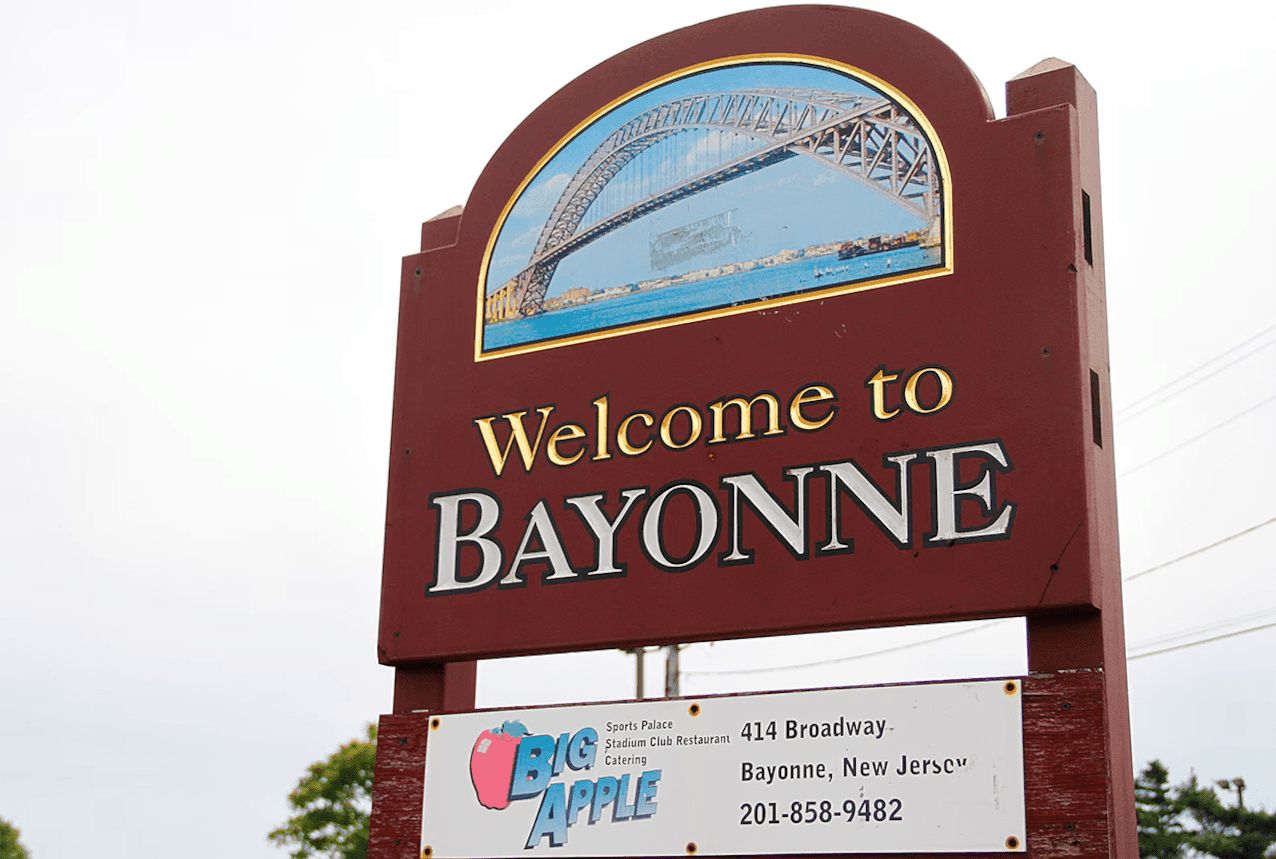
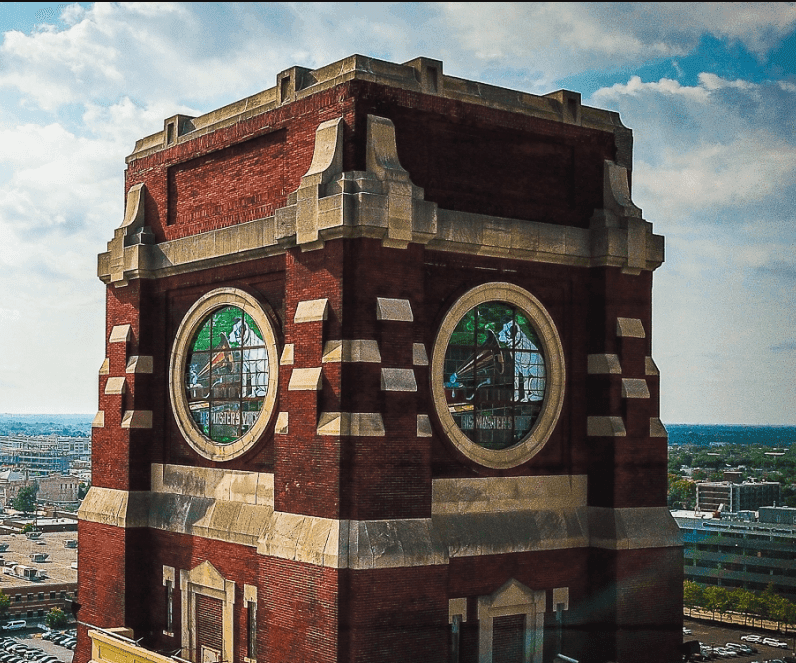
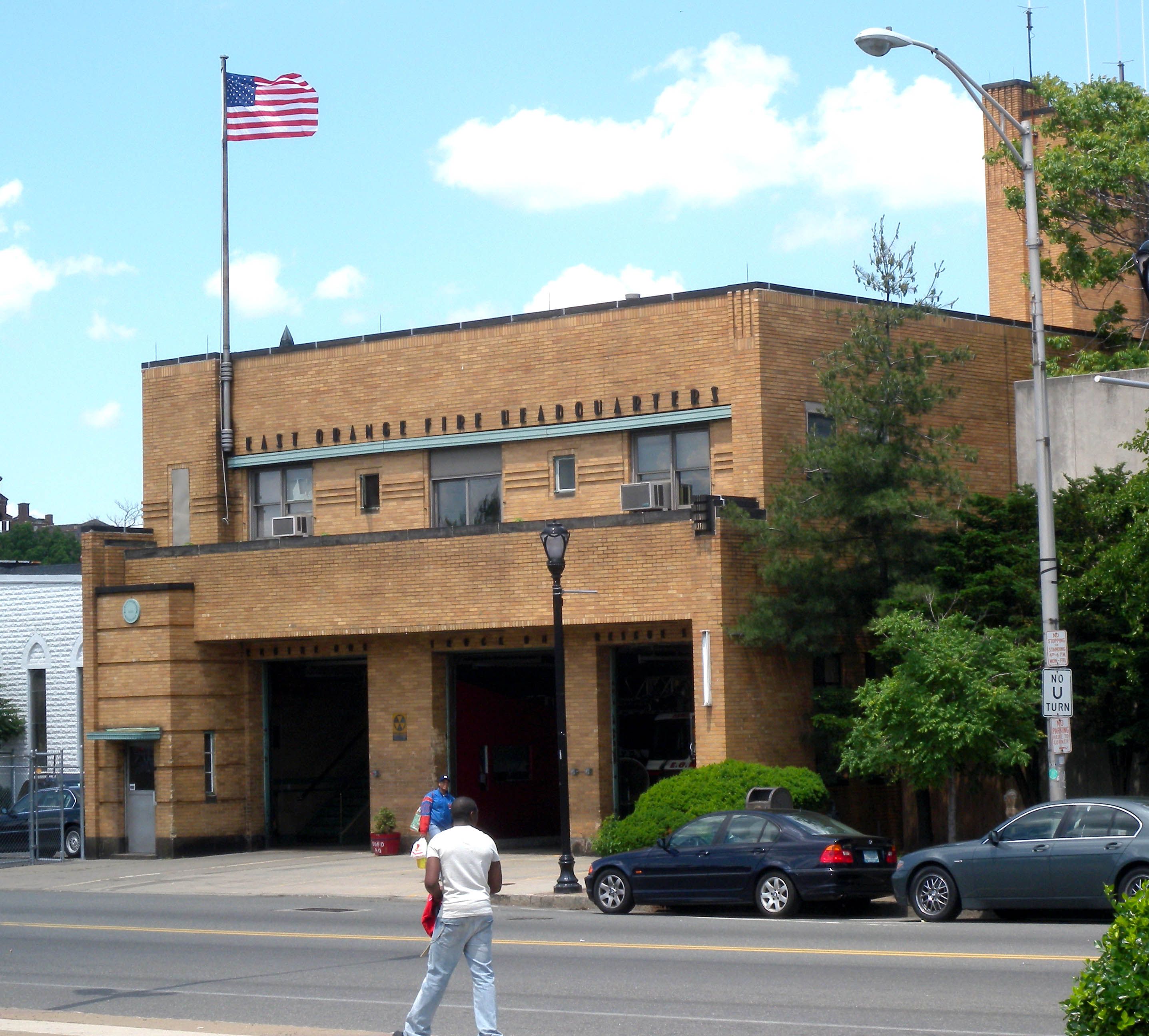

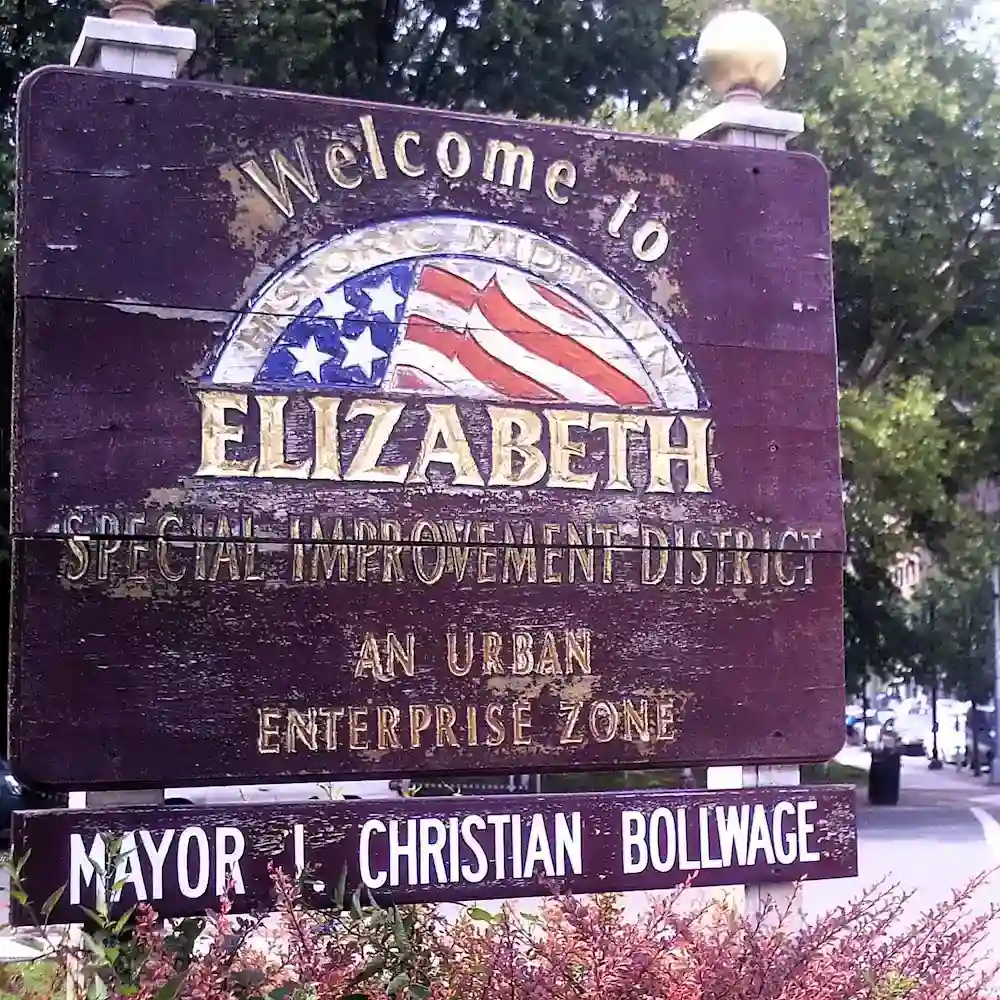
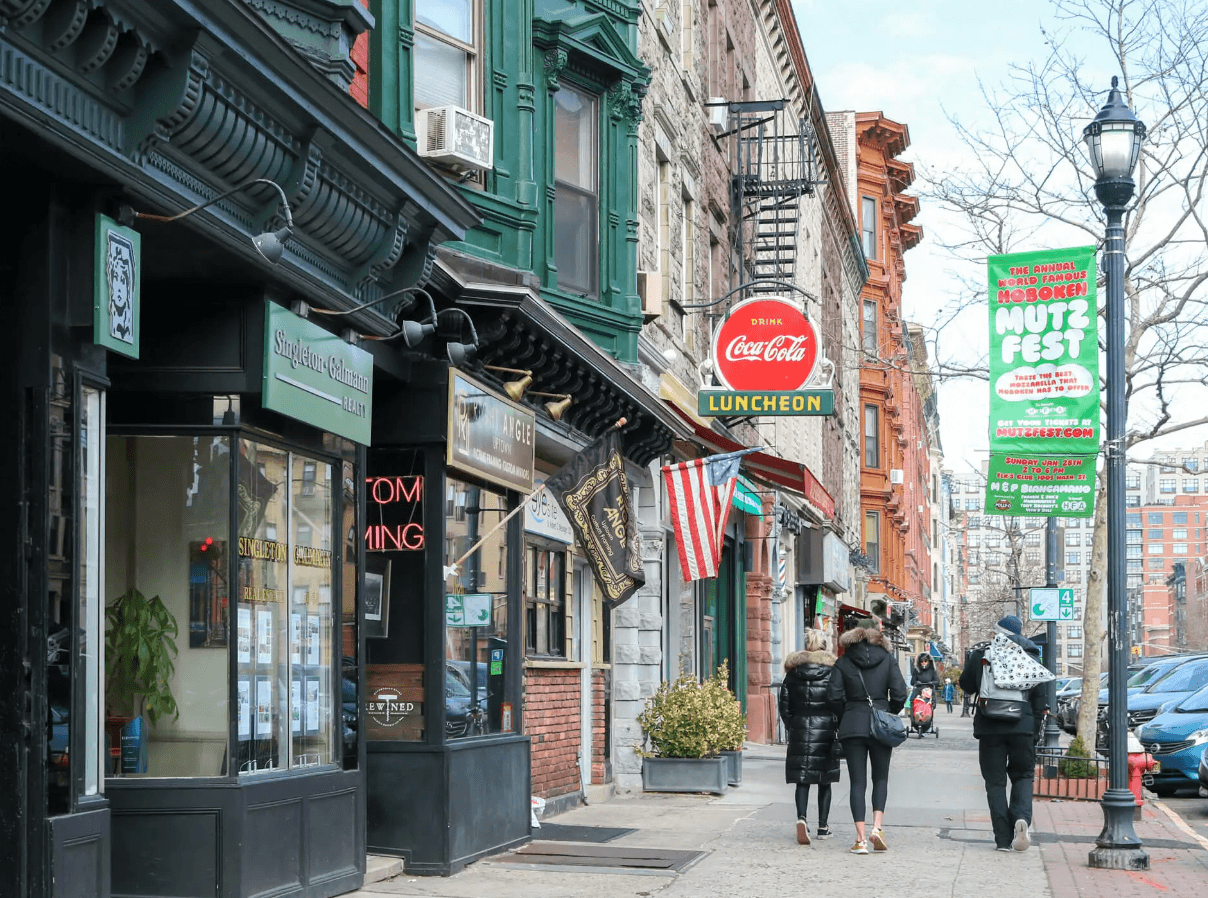

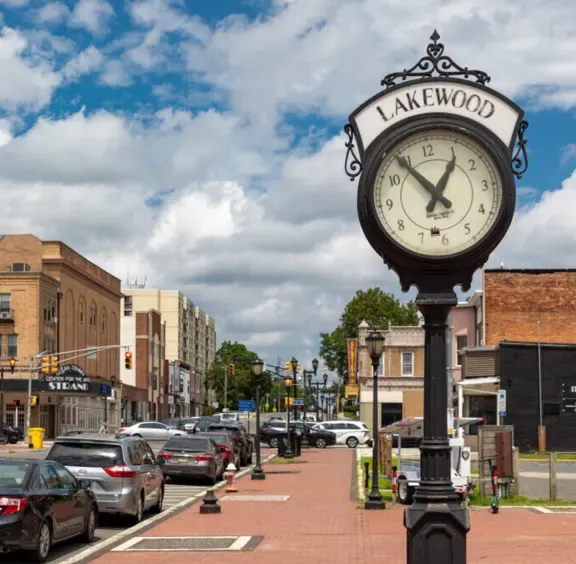
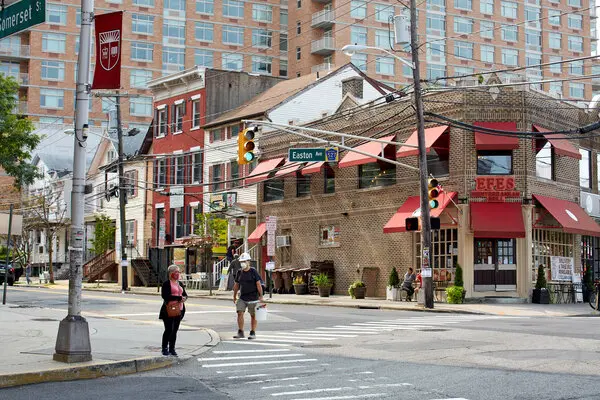

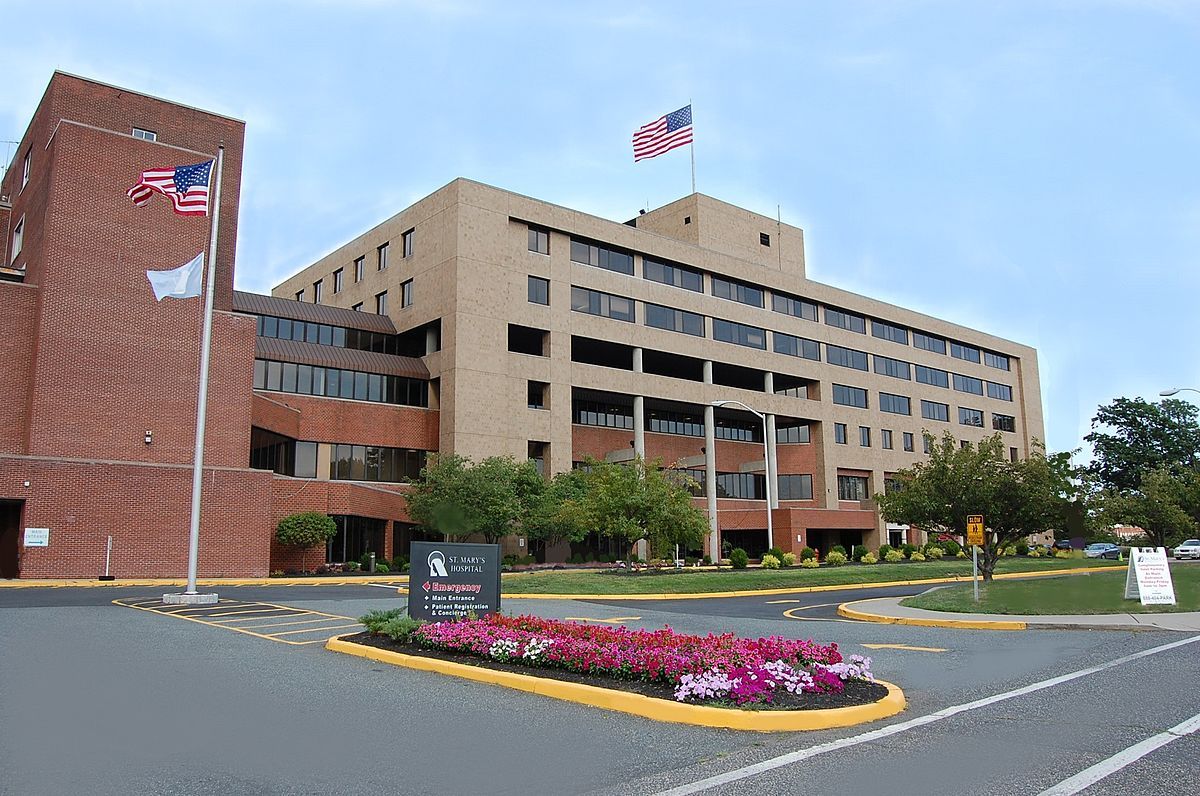

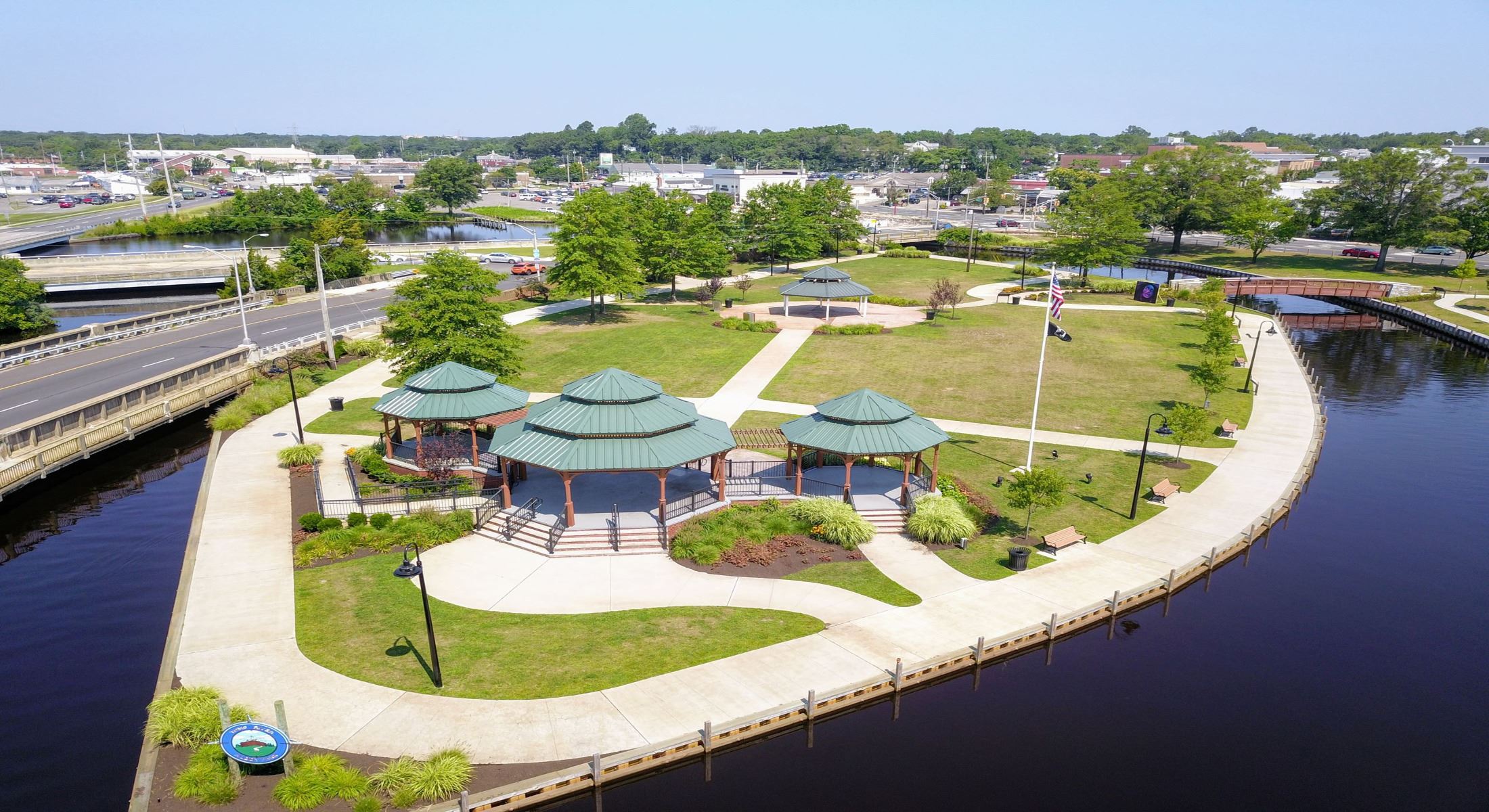

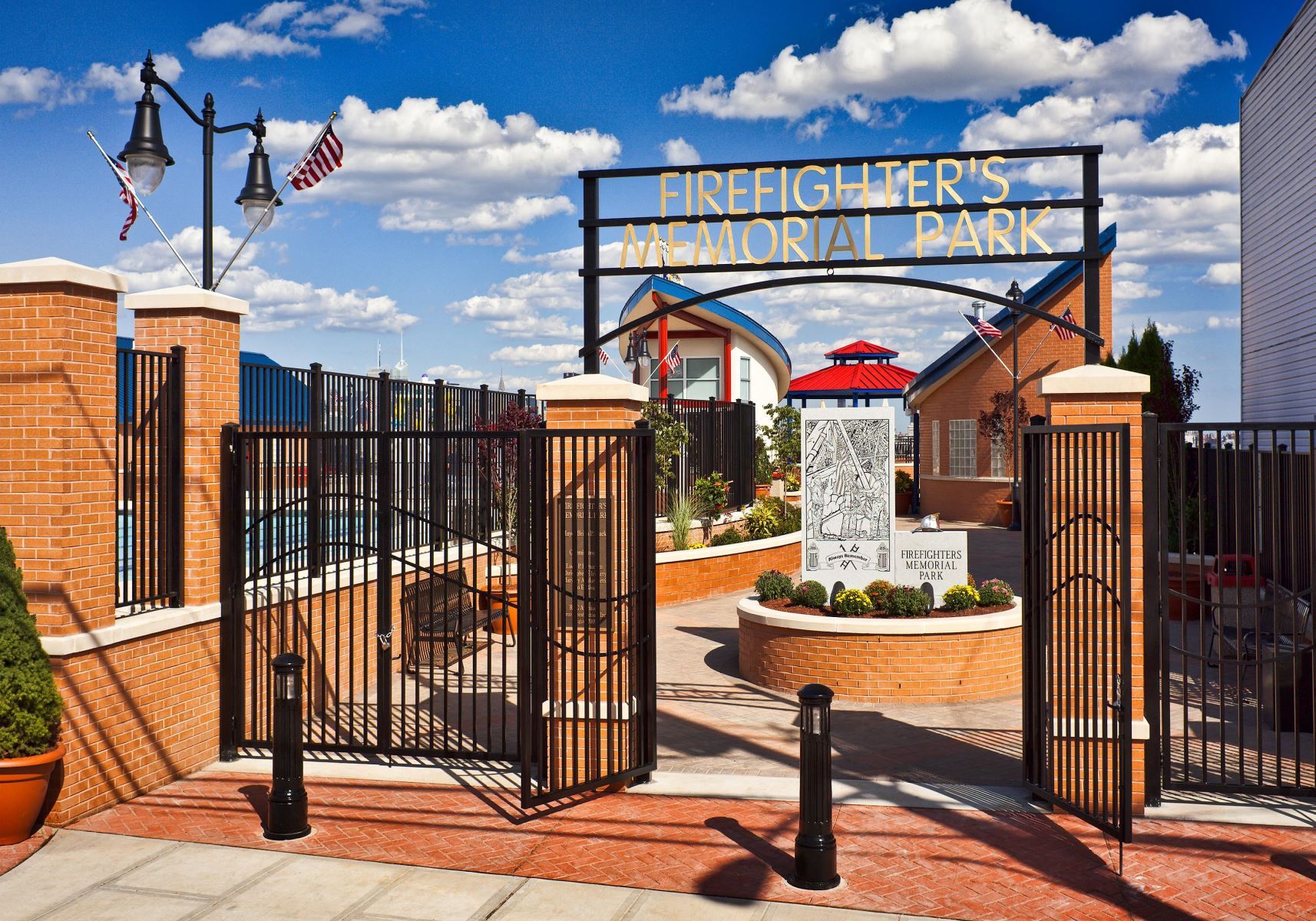
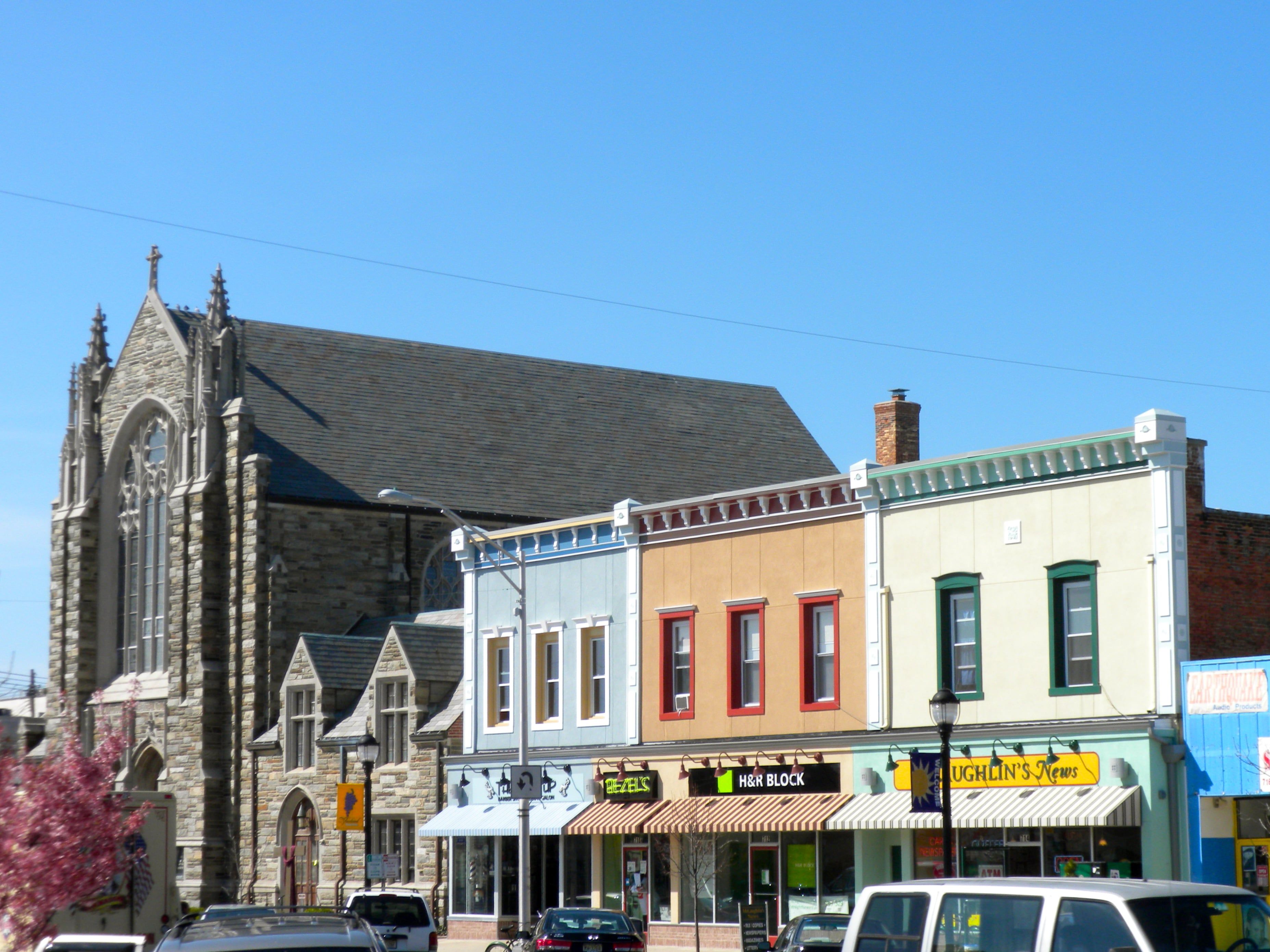
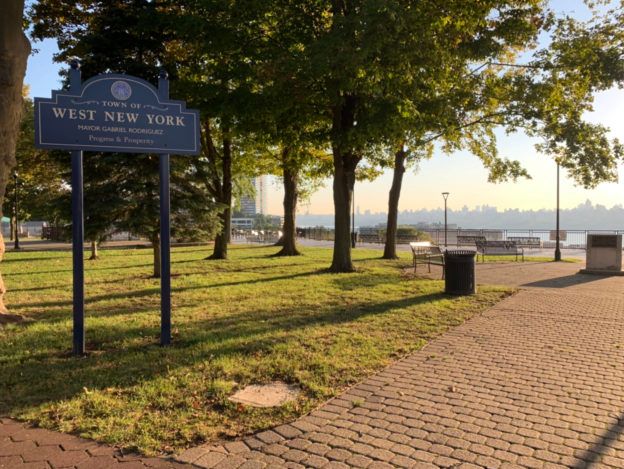
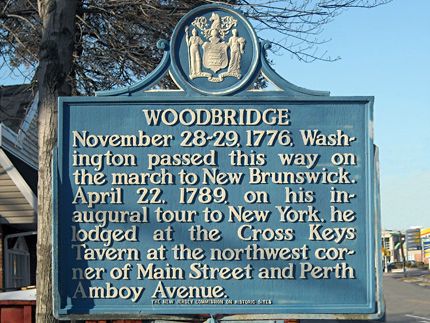
Moving services in New Jersey
Star Van Lines provides local, long-distance, and interstate moving services across New Jersey. We handle packing, loading, transport, and delivery for residential and commercial moves. New Jersey sets two very different jobs in front of a crew, because a Hudson County high-rise move and a Monmouth County shore-town move share almost nothing in how the day actually runs. Every move includes a single coordinator, a trained crew, and a written estimate.
Local moving in New Jersey
Local moves in New Jersey cluster on the dense urban corridor near New York and the metro-edge suburbs. A two-person crew runs $115-$173 per hour; three movers run $173-$311. We serve Jersey City and Hoboken on the Hudson waterfront, Newark and Elizabeth, Edison and the Middlesex suburbs, Princeton and Cherry Hill, and the shore counties of Monmouth and Ocean. But the waterfront towns and the suburbs work differently, because Hoboken, Union City, and West New York are among the densest municipalities in the country, so moves there mean walk-ups, narrow streets, parking permits, and shared service elevators. And many local jobs are short, dense urban hops where the cost driver is access rather than distance, with cross-river day moves running about 11 miles to NYC and about 86 miles to Philadelphia.
Long-distance moving from New Jersey
Long-distance demand out of New Jersey points heavily at the Sun Belt. The marquee corridor is New Jersey to Florida, with Newark to Orlando about 1,066 miles and Newark to Miami about 1,270 miles down I-95, followed by Newark to Charlotte at about 634 miles, Newark to Atlanta at about 870 miles, and the cross-country Newark to Los Angeles run at about 2,784 miles. We move these corridors on I-95 and the New Jersey Turnpike as full interstate relocations. Because the state has lost residents to lower-tax, lower-cost states for years, these southbound lanes are the busiest in our New Jersey book, and your coordinator stages long-haul equipment for them well in advance.
Packing and storage
We offer full-service packing, partial packing, and self-pack options. Full-service means our crew brings every box and material and packs each room; partial lets you choose which rooms we handle; self-pack is the lowest-cost option. We have 43 warehouse locations nationwide for short-term and long-term storage. But in New Jersey the humid summers and coastal storms make climate-controlled storage the safer choice for wood furniture, electronics, art, and documents, since back-bay and shore properties also face nor'easter and high-tide flooding from October through April, making elevated, dry, controlled-humidity storage the smarter call for anything held between a move-out and a later move-in.
Auto transport and specialty items
We ship vehicles by open or enclosed carrier, and households relocating two or three cars on a long southbound lane often ship them rather than drive each one. We also move pianos, antiques, gun safes, and fine art with specialty crating. New Jersey requires only a biennial emissions inspection for most non-commercial vehicles, with no separate safety inspection for passenger cars, and new residents transfer registration within 60 days of becoming a resident, so we time door-to-door auto transport to a customer's registration window. For multi-vehicle households in dense towns with permit parking, scheduling enclosed or open transport avoids cross-country driving and street-parking gaps during the move.
How much does moving in New Jersey cost?
Moving costs in New Jersey depend on whether you're crossing the Hudson or crossing the country. Local moves typically run $115-$173 per hour for a two-person crew with a truck. Long-distance moves start at $575 for a studio and reach $6,210 for a large four-plus-bedroom home, depending on distance, weight, and access at both ends.
Local moving rates
| Crew size | Hourly rate |
|---|---|
| 2 movers + truck | $115-$173 / hour |
| 3 movers + truck | $173-$311 / hour |
| 4 movers + truck | $230-$448 / hour |
Long-distance rates from New Jersey
| Move size | Estimated price range |
|---|---|
| Studio / 1 Bedroom | $575 - $1,552 |
| 2-3 Bedrooms | $1,035 - $3,450 |
| 4+ Bedrooms | $1,782 - $6,210 |
Popular routes and pricing from New Jersey
| Route | Distance | Avg cost (2-3 BR) |
|---|---|---|
| Newark to New York NY | 11 mi | $1,035 - $1,265 |
| Newark to Philadelphia PA | 86 mi | $1,208 - $1,495 |
| Newark to Charlotte NC | 634 mi | $2,243 - $2,703 |
| Newark to Atlanta GA | 870 mi | $2,645 - $3,220 |
| Newark to Orlando FL | 1,066 mi | $2,818 - $3,450 |
Pricing reflects market averages for moves in and from New Jersey as of June 2026. Your final price depends on inventory weight, packing level, access at pickup and delivery, and scheduling flexibility. Call (855) 822-2722 or use our free quote calculator for an exact estimate.
What affects your moving price
- Shipment weight and volume are the biggest factors on any long-distance move from New Jersey.
- Distance drives the base price. Newark to Philadelphia is 86 miles; Newark to Orlando is 1,066.
- Access at both ends matters. Elevator reservations and permit parking in Hoboken and Jersey City high-rises, narrow one-way streets in older towns, or a long shore-area approach on flood-prone back-bay roads can all add time or call for a shuttle.
- How much packing you want us to do. Full-service runs more than partial, and self-pack is the lowest option.
- When you move. Summer is peak demand, and the October-to-April nor'easter season can disrupt scheduling along the coast.
- Add-on services like auto transport, climate-controlled storage, and specialty handling for pianos, gun safes, or artwork carry their own pricing.
Moving to New Jersey: what you should know
A move to New Jersey involves more than logistics. The state runs as the overflow and commuter zone for two major metros, so the same budget buys a Manhattan-adjacent condo in Hudson County or a larger suburban home in the Middlesex or Mercer counties, and where you land decides whether you commute toward New York or Philadelphia. Below is a quick guide covering cost of living, access and logistics, climate and timing, and the residency rules that affect your move.
What it costs to move to New Jersey
New Jersey's cost of living index is 108.8 (US average = 100, BEA RPP 2024), about 9 percent above the national figure, which is part of why so many residents weigh a Sun Belt move. Local moving labor runs $115-$173 per hour for a two-person crew, with the dense northern towns at the higher end. Median home value is $454,400 (Census ACS 2020-2024) and median monthly rent is $1,720, while median household income is $103,556, one of the highest in the nation. But the line that surprises newcomers is the property-tax bill, because New Jersey carries the highest effective property taxes in the country at about 1.88 percent of home value, the single largest tax burden a homeowner here will face.
Access and logistics
New Jersey is built around a dense, heavily traveled corridor. I-95 and the New Jersey Turnpike form the north-south spine, one of the busiest freight routes in the world at roughly 35,000 trucks a day, while the Garden State Parkway runs the shore side. I-80 and I-78 push east into the New York metro, I-287 loops around the western edge of that metro, and I-295 carries the southern corridor toward Philadelphia. In Hudson County, the hard part is the building, since high-rise towns like Hoboken and Jersey City mean reserved service elevators, certificates of insurance, and street parking permits. Out in the shore counties, the challenge flips to access and timing, because back-bay roads flood and beach traffic clogs the approach in season. And the two-metro split shapes everything, because northern moves orient toward Manhattan while southern moves cross the Delaware bridges toward Philadelphia.
Climate and timing
New Jersey has a humid continental climate, with Newark July highs near 87 and January lows around 26. Newark gets about 46.6 inches of rain and 31.5 inches of snow a year, and winter nor'easters can drop heavy snow and ice on I-95, the Turnpike, and the Garden State Parkway, delaying loading and transit. The headline risks are seasonal: coastal flooding and storm surge along the Shore and the low-lying Hudson and Newark Bay areas, hurricanes and tropical-storm remnants in late summer and fall, and nor'easters that are most frequent from October through April, some years bringing five to ten. The best window for a move is April to May or September to October, when temperatures are mild and the storm season is quieter. But avoid June through August, when heat, humidity, and moving demand all peak, and watch the mid-winter nor'easter window for coastal and northern jobs.
Residency and regulations
New Jersey handles licensing and registration through one agency, the New Jersey Motor Vehicle Commission (NJ MVC). New residents must transfer an out-of-state driver license within 60 days of moving, or before the current license expires, whichever comes first, and they must transfer vehicle title and registration within 60 days as well. Apply through the NJ MVC (nj.gov/mvc) once you are settled, and bring documents for the state's 6 Points of ID verification. New Jersey eliminated the periodic safety inspection for passenger vehicles on August 1, 2010, so inspections are emissions-only now, a state-run biennial check, with new vehicles exempt for the first five years. Commercial vehicles and buses still require annual safety plus emissions inspection.
What to know before moving to New Jersey
Benefits of moving to New Jersey
0,548,215
Population
$0,556
Median household income
0.8 (US = 100, BEA RPP 2024)
Cost of living index
0 sunny days/year (approximate)
Days of sunshine
0.40%-10.75% (graduated)
State income tax
+0.8%
Population change 2020-2025
New Jersey is home to about 9.5 million people, and it grew 2.8 percent between 2020 and 2025, slower than fast-growing Sun Belt states but steady in a crowded Northeast. The economy is anchored by pharmaceuticals and life sciences, with Johnson & Johnson in New Brunswick, Merck in Rahway, and Bristol Myers Squibb in Princeton giving the state its old "Medicine Cabinet of the World" name, alongside finance, logistics around the Port of New York and New Jersey, and telecom. Median household income is $103,556, one of the highest in the country. The migration story runs outbound: in 2024, New Jersey had net domestic out-migration of about -63,900 residents per Census ACS state-to-state flows, ranking 47th among states, with most departures heading to Pennsylvania, New York, and Florida. And the state still grows overall through international migration even as residents head south.
Is New Jersey a good place to live?
New Jersey offers a deep job market, top-ranked schools, beaches within an hour of most of the state, and direct rail access to both New York and Philadelphia. But the trade-offs are real: the cost of living runs about 9 percent above the national average, property taxes are the highest in the country, and winters bring nor'easters and coastal flooding. Whether it's a good fit depends on how much you value the location and the paycheck against high housing costs and the nation's heaviest property-tax bills.
Tax environment
New Jersey runs a graduated individual income tax from 1.40 percent up to a top rate of 10.75 percent on taxable income over $1 million, which puts high earners among the most heavily taxed in the nation. The bigger story is property tax, because it is the single largest tax burden here, the highest effective rate in the country at about 1.88 percent of home value by Tax Foundation methodology, with other estimates near 2.23 percent and a median annual bill around $9,541. The state sales tax is 6.625 percent, with no local add-ons and a half rate in Urban Enterprise Zones, so the average combined rate of 6.60 percent actually runs below the state figure. New Jersey also levies an inheritance tax, though it ended its separate estate tax in 2018, and the gas tax is 49.1 cents per gallon effective January 1, 2026.
Housing market
Median home value in New Jersey is $454,400 (Census ACS 2020-2024), well above the national figure, and median monthly rent is $1,720. Prices vary sharply by region, from the Manhattan-priced condos of the Hudson waterfront to more reachable homes in the southern and central suburbs, where the same budget buys more space. An owner-occupancy rate of 63.8 percent reflects a market where high prices and high property taxes keep a meaningful share of households renting, especially in the dense northern towns. Because so much of the state is built out, where you land in the corridor matters as much as what you buy, since it sets your commute and your tax bill for years.
Job market and economy
New Jersey runs a large, diversified economy led by pharmaceuticals and life sciences. Johnson & Johnson in New Brunswick, Merck in Rahway, Bristol Myers Squibb in Princeton, and Novo Nordisk in Plainsboro anchor a life-sciences cluster that earned the state its "Medicine Cabinet of the World" nickname, while Amazon is the single largest employer with about 49,000 workers statewide. Wakefern Food Corp., the ShopRite parent, is the largest New Jersey-headquartered employer with roughly 36,000 in-state workers, and RWJBarnabas Health, the largest academic health system in the state, tops 44,000 employees. Because the mix spans pharma, finance, logistics through the Port of New York and New Jersey, and telecom, the job market holds up across cycles, which is a big part of why the state stays full despite high costs.
Safety and natural risks
New Jersey faces a coast-driven hazard mix. The Shore and the low-lying Hudson and Newark Bay areas sit in the path of coastal flooding, storm surge, hurricanes, and tropical-storm remnants, while nor'easters bring heavy snow, ice, high winds, and shore flooding from October through April. The state also sees riverine and stormwater flooding, sea-level rise and coastal erosion, severe winter storms, and high-wind thunderstorms, with lower-frequency earthquakes and wildfire in the Pinelands. If you are buying near the coast, a back bay, or a floodplain, it is worth lining up flood coverage early, because standard homeowner policies often exclude flood damage and the back-bay risk is rising.
Who thrives in New Jersey?
NYC and Philadelphia commuters
Hundreds of thousands of New Jerseyans cross a state line for work every day, roughly 396,520 commuting to New York and about 124,000 to Pennsylvania. They move to North Jersey towns near PATH, NJ Transit, and ferry lines for Manhattan access, or to South Jersey communities like Cherry Hill and the rest of Camden County for Philadelphia, trading a city rent for a commuter-rail suburb. A single coordinated move that fits a tight start date matters more to them than a bargain rate.
Dense-suburb and high-rise families
Because New Jersey is the most densely populated state, many local moves run between apartments and condos in towns like Hoboken, Union City, West New York, and Jersey City, among the densest municipalities in the country. These families need crews fluent in elevator reservations, building certificates of insurance, permit parking, and tight stairwells rather than long highway hauls. And in these towns, access skills count for more than mileage on almost every job.
Tax-driven Sun Belt outbound movers
New Jersey carries the nation's highest effective property tax rate, about 1.88 percent by Tax Foundation methodology, plus a top income tax of 10.75 percent, and the state has lost adjusted gross income to lower-tax states for years. These owners and retirees relocate to Florida, North Carolina, and Georgia, the state's leading outbound corridors, weighing lower property taxes and cost of living against leaving family and familiar ground behind.
Jersey Shore and coastal-community movers
Buyers and seasonal residents moving into Monmouth, Ocean, Atlantic, and Cape May County shore towns face a coast where nor'easters are most frequent from October through April and back-bay high-tide flooding is rising. They plan moves for the calmer late-spring and early-fall windows and lean on climate-controlled storage to protect belongings from humidity and storm exposure, since shore properties take more weather than inland homes.
Pharma, finance, and port-corridor professionals
New Jersey's I-95 corridor anchors major pharmaceutical, financial-services, and logistics employers, from Princeton and the Route 1 corridor down to the Port Newark-Elizabeth complex. Transferees relocating for these jobs cluster in commuter-rail suburbs such as Edison, Princeton, and Parsippany, and they often need coordinated whole-home moves on tight corporate timelines, which is why a single coordinator and a written estimate carry weight.
First week after moving to New Jersey: what to do
After your move to New Jersey, several tasks need attention in the first weeks. New Jersey gives new residents 60 days to transfer both an out-of-state driver license and vehicle registration, so the 60-day clock is the one to watch. Here is a prioritized checklist.
- Transfer your driver license.
You have 60 days to transfer your out-of-state license, or until it expires, whichever comes first, through the New Jersey Motor Vehicle Commission (nj.gov/mvc). Bring documents for the 6 Points of ID verification and proof of a New Jersey address, and book an appointment early because MVC offices stay busy.
- Transfer your vehicle title and registration.
New Jersey gives new residents 60 days to transfer vehicle title and registration with the NJ MVC. Bring proof of ownership, insurance, and your New Jersey address, and remember that a holder of a commercial driver license must transfer it within 30 days.
- Schedule your emissions inspection.
New Jersey has no safety inspection for passenger cars, but most non-commercial vehicles need a biennial state-run emissions check. New vehicles are exempt for the first five years, so confirm whether yours is due before you assume you can skip it.
- Transfer your auto insurance.
New Jersey requires liability coverage, so contact your insurer to re-rate your policy before you register. Premiums in the dense northern counties tend to run higher than in the southern and shore areas.
- Register to vote.
Register online through the NJ Division of Elections at nj.gov/state/elections/voter-registration.shtml, or sign up at the MVC when you get your license. Registration closes 21 days before an election, so do not wait until the last week.
- Forward your mail.
USPS Change of Address is free online at usps.com. Mail forwarding starts within 7-10 business days.
- Transfer medical records.
Contact your current providers before the move and find a new primary care physician near your new home.
- Update school records.
If you have children, request transcripts from the previous district and contact your new one about enrollment. Many New Jersey districts, including Northern Valley Regional in Bergen County and West Windsor-Plainsboro in Mercer County, rank among the state's best, and the school year usually starts in early September.
New Jersey at a glance: schools, jobs, and things to do
Schools and universities
Northern Valley Regional High School District in Demarest, Bergen County, ranks as the top school district in New Jersey for 2026 by Niche, with West Windsor-Plainsboro Regional in Mercer County and Tenafly Public Schools in Bergen County close behind among the best in the state. Rutgers, the State University of New Jersey, is the public research flagship, founded in 1766, a member of the Association of American Universities and the Big Ten with more than 71,000 students statewide. Princeton University adds an Ivy League research presence, and NJIT in Newark and Stevens Institute of Technology in Hoboken anchor the state's engineering schools. Because school quality and home prices both vary sharply by district, many families research specific towns closely before choosing where to land.
Major employers
New Jersey hosts a deep corporate base. Amazon is the largest employer in the state with about 49,000 workers, while Wakefern Food Corp., the ShopRite parent headquartered in Keasbey, is the largest New Jersey-based employer at roughly 36,000 in-state workers. RWJBarnabas Health leads healthcare with more than 44,000 employees, and the pharmaceutical cluster runs deep through Johnson & Johnson in New Brunswick, Merck in Rahway, and Bristol Myers Squibb in Princeton. Because pharma, retail and food distribution, healthcare, finance, and port logistics all run strong here, job seekers find opportunities across very different industries within a short commute.
Attractions and recreation
The Atlantic City Boardwalk, with its casinos, piers, and oceanfront entertainment, is the state's most visited attraction, while Liberty State Park in Jersey City offers Manhattan skyline views, the Statue of Liberty and Ellis Island ferries, and a 9/11 memorial. Cape May, the oldest seaside resort in the country at the state's southern tip, keeps a Victorian historic district that is a National Historic Landmark. And the Jersey Shore stretches about 130 miles of coastline through beach towns like Ocean City and Wildwood, a major reason families relocate to and vacation in New Jersey.
FAQ
Questions? Look here
Can’t find an answer? Call us
(855) 822-2722 or email
Local moving in New Jersey typically costs $115-$173 per hour for a two-person crew with a truck, or $173-$311 for the three-person crew a three-bedroom home usually needs. At 4-6 hours, that puts a typical three-bedroom local move around $600 to $1,620. Elevator reservations in Hoboken and Jersey City high-rises and permit-parking setups can add time. Call (855) 822-2722 for an itemized estimate.
Long-distance moves from New Jersey start at $575 for a studio and reach about $6,210 for a large four-plus-bedroom home. The final price depends on shipment weight, distance, and access at both ends. A two-to-three-bedroom move from Newark to Charlotte runs about $2,243 to $2,703, while the longer lane to Orlando runs higher. Star Van Lines provides written estimates so your price won't change after booking.
Search our USDOT number 4176875 on the FMCSA SAFER website (safer.fmcsa.dot.gov). This federal database confirms our operating authority, MC number 1607491, insurance status, and safety record. Any legitimate interstate mover should be able to provide a verifiable USDOT number.
In New Jersey the charges to ask about are long-carry and elevator fees for Hoboken and Jersey City high-rises, shuttle fees when a full-size truck can't reach a narrow one-way street or a flood-prone shore address, and stair fees for walk-up units. We disclose every potential charge in your written estimate before you book, so nothing is a surprise on moving day.
Federal law requires interstate movers to offer two levels: Released Value Protection (free, covering $0.60 per pound per item) and Full Value Protection (paid, covering repair, replacement, or cash settlement at current value). Star Van Lines is fully insured under USDOT #4176875 and can explain both options when you request a quote.
New Jersey gives new residents 60 days to transfer an out-of-state driver license, or until the current one expires, whichever comes first, and 60 days to transfer vehicle title and registration. The New Jersey Motor Vehicle Commission handles both, and you'll need documents for its 6 Points of ID verification. A commercial driver license must be transferred within 30 days instead of 60.
New Jersey ended the periodic safety inspection for passenger vehicles on August 1, 2010, so it is emissions-only now. Most non-commercial vehicles need a state-run biennial emissions check, while new vehicles are exempt for the first five years and motorcycles are exempt entirely. Commercial vehicles and buses still require annual safety plus emissions inspection, so the rule depends on what you drive.
New Jersey's median home value is $454,400, well above the national figure, and the state carries the highest effective property taxes in the country at about 1.88 percent of home value, with some estimates near 2.23 percent and a median bill around $9,541. Property tax is the single largest tax burden here, so budget for it from day one. For many movers the strong income and job market offset the cost, but the annual tax bill belongs in the math before you choose a town.
April to May and September to October are the best windows, with mild temperatures, lower humidity, and quieter weather. Avoid June through August, when heat, humidity, and moving demand all peak, and watch October through April for nor'easters, which are most frequent then and some years bring five to ten with heavy snow, ice, and shore flooding. Coastal and northern jobs get extra schedule flexibility built in during storm season.
Yes. Hudson County towns like Hoboken, Union City, West New York, and Jersey City are among the densest municipalities in the country, so our crews plan for reserved service elevators, building certificates of insurance, permit parking, narrow streets, and tight stairwells. We confirm the building's move-in rules and loading window ahead of time, because in these towns access drives the schedule far more than the mileage does.
Both are short hops, since Newark to New York is about 11 miles and Newark to Philadelphia about 86, so the move itself prices in the lowest bands and bills much like a local job. The bigger cost difference is where you settle, because North Jersey housing and property taxes near the Manhattan commute tend to run higher than comparable South Jersey towns near Philadelphia. Your move cost is similar; your ongoing cost of living is what splits the two corridors.
We schedule shore moves for the calmer late-spring and early-fall windows and watch the nor'easter forecast from October through April, when storms and back-bay high-tide flooding are most likely. Climate-controlled storage is worth it for wood furniture, electronics, art, and documents, because Jersey Shore humidity and storm exposure are harder on belongings than inland conditions. If your timeline lands in storm season, we build flexibility into the schedule so a coastal system doesn't force a risky load-out.
Ready to Start Your New Jersey Move?
Get a free moving estimate today. No obligation, no pressure.
Call us or fill out the form - we'll get back to you fast.
USDOT #4176875 | MC #1607491 | Licensed & Insured