
Thank you for your feedback!
We will contact you shortly

Free consultation
Enter your phone number and we will call you back for a consultation on any moving and storage services

Kansas
Your Kansas Moving Company Since 2016
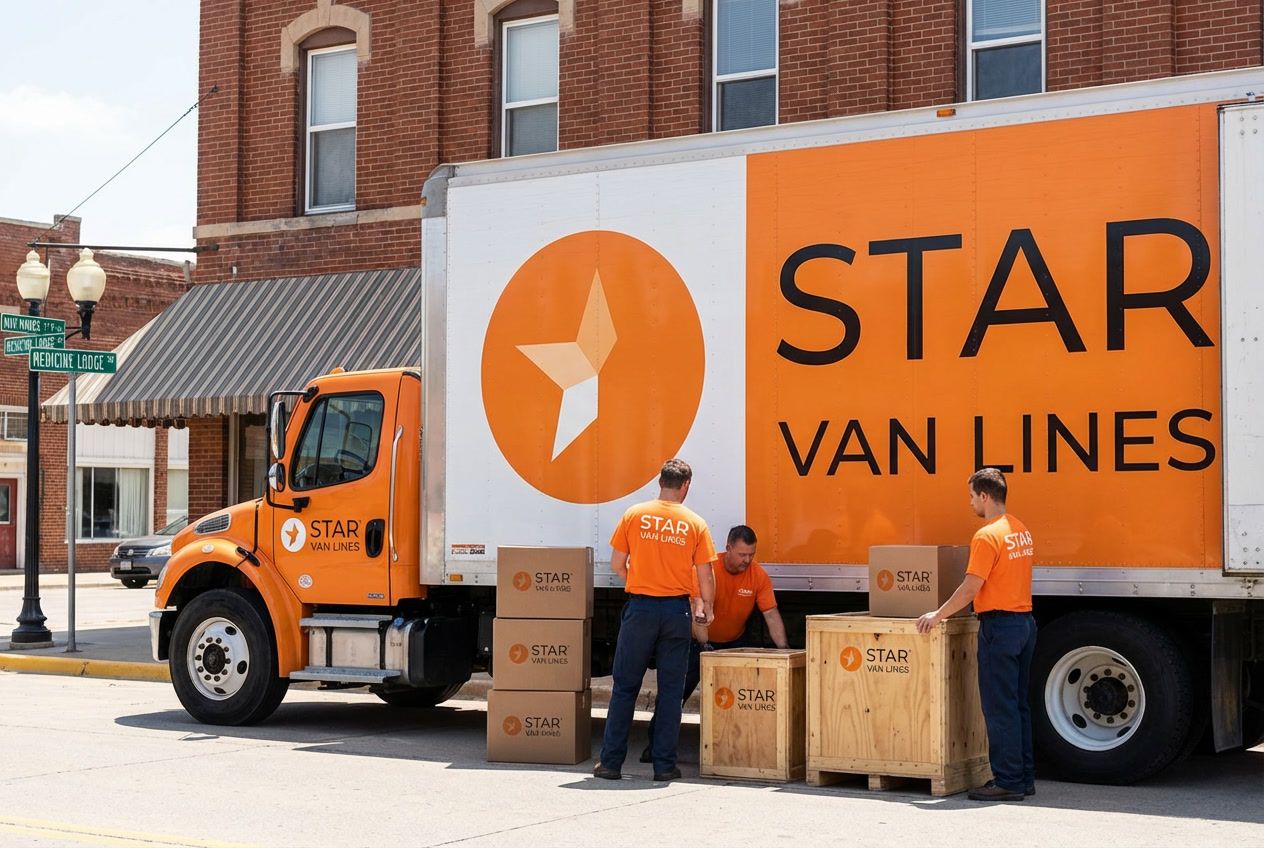
Kansas is really two moves in one. Roughly 54.5 percent of its 2.98 million people cluster in the Kansas City and Wichita metros, while the Flint Hills and Great Plains counties keep thinning out, so planning hinges on which Kansas you're leaving. Star Van Lines is a USDOT-licensed interstate carrier (USDOT #4176875, MC #1607491) that handles local and long-distance moves across all of Kansas, from Overland Park and Wichita to Topeka, Lawrence, and the open western counties. Because we've run these corridors since 2016, we plan a cross-town Johnson County move and a long haul out of a shrinking farm county as two entirely different jobs.
Our Kansas moving services cover packing, loading, transport, delivery, and short-term storage at warehouse locations nationwide. Because Wichita anchors an aviation-manufacturing cluster while the western counties run on agriculture, a move here can mean precision-instrument crating one week and a long rural dray the next. We handle both with the same crew, the same coordinator, and the same written estimate from the first call through delivery.
Want an itemized Kansas estimate before moving day? Call (855) 822-2722 or use our online quote calculator. You'll get an estimate that breaks down every line item, so there are no surprises when the truck arrives. And we're rated 4.0 on Trustpilot, 4.5 on Google, and 4.75 on Facebook across 240+ reviews.

Dennis has 15+ years of experience in interstate moving and has coordinated over 1,000 relocations across the United States.


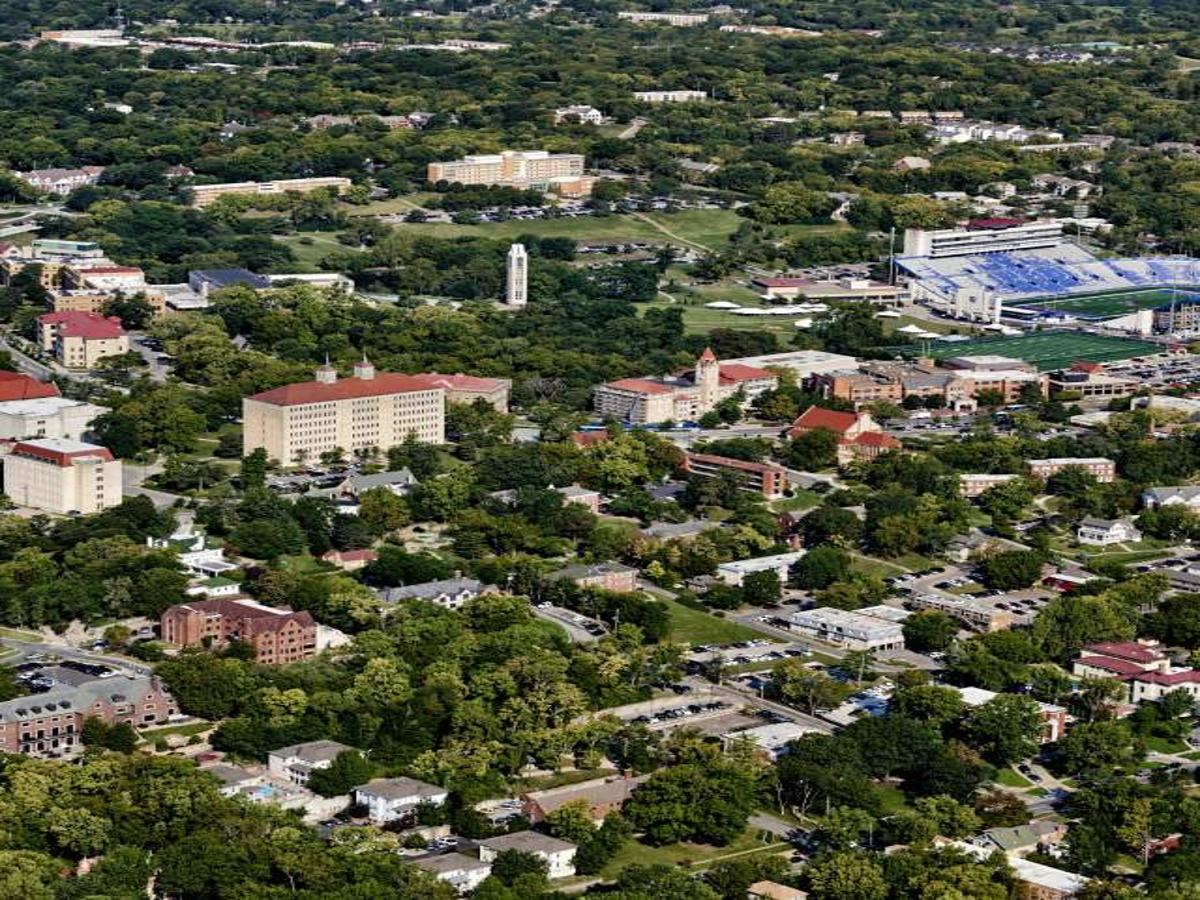



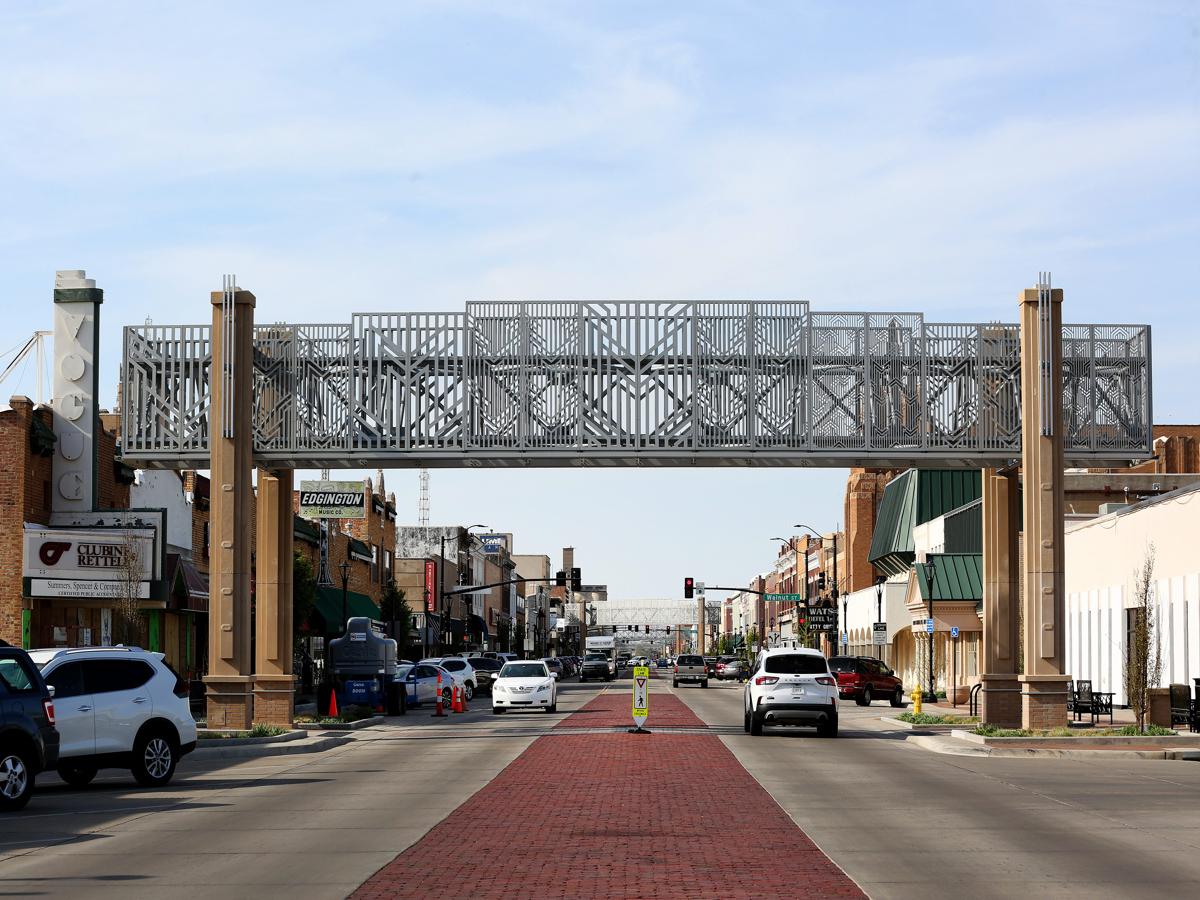



Moving services in Kansas
Star Van Lines provides local, long-distance, and interstate moving services across Kansas. We handle packing, loading, transport, and delivery for residential and commercial moves. Because the state splits between two metros that hold more than half the population and a wide rural majority, a Kansas move can be a short suburban hop or a long empty-mile haul off I-70. Every move includes a single coordinator, trained crew, and written estimate.
Local moving in Kansas
Common in-state lanes include Overland Park to Lawrence at 34 miles and Kansas City to Topeka at 61 miles in the local and short-haul band, while Wichita to Topeka at 139 miles and Wichita to Kansas City at 197 miles are longer in-state hauls. All of those sit inside the lowest distance-coefficient band, so they price mainly on labor and access. A crew of two costs $115-$173 per hour; three movers run $173-$311. Although the metro lanes are straightforward, spring storms and summer heat can shift load days, so we plan around the forecast.
Long-distance moving from Kansas
The busiest long-distance lanes run west and south. Wichita to the Los Angeles area is roughly 1,380 driving miles, Wichita to Orlando about 1,328, and Wichita to Atlanta about 958, while Kansas City to Los Angeles runs roughly 1,600 miles. The largest outbound flows head to Missouri, Texas, and Florida, and the biggest inbound moves arrive from Missouri, Texas, and Colorado. Because Kansas is split by a state line at Kansas City, a move across that line resets driver-license, registration, and tax-address paperwork, so your coordinator flags it early.
Packing and storage
We offer full-service packing, partial packing, and self-pack options. Full-service means our crew brings every material and packs each room. Partial lets you choose which rooms we handle. And self-pack is the lowest-cost option. We have 43 warehouse locations nationwide for short-term and long-term storage. Because Kansas swings from 100-plus-degree summers to icy winters, with a humid spring storm season pushing moisture into non-conditioned units, climate-controlled storage matters for wood furniture, electronics, and aviation-grade instruments staged between move dates.
Auto transport and specialty items
We ship vehicles by open or enclosed carrier, and we move pianos, gun safes, antiques, and artwork with specialty crating. New residents must title and register a vehicle at their county treasurer's office within 90 days of establishing residency, so coordinating auto transport to land before that deadline avoids penalties. Because Wichita anchors an aviation cluster, our Kansas jobs frequently add specialty crating for precision tools and instruments beyond standard household goods.
How much does moving in Kansas cost?
Moving costs in Kansas depend on whether you're relocating locally or across state lines. Local moves within Kansas typically run $115-$173 per hour for a two-person crew with truck. Long-distance moves start at $977 for studio apartments and go up to $7,360 for large homes, depending on distance, weight, and access conditions.
Local moving rates
| Crew size | Hourly rate |
|---|---|
| 2 movers + truck | $115-$173 / hour |
| 3 movers + truck | $173-$311 / hour |
| 4 movers + truck | $230-$460 / hour |
Long-distance rates from Kansas
| Move size | Estimated price range |
|---|---|
| Studio / 1 Bedroom | $977 - $1,840 |
| 2-3 Bedrooms | $1,782 - $4,082 |
| 4+ Bedrooms | $2,990 - $7,360 |
Popular routes and pricing from Kansas
| Route | Distance | Avg cost (2-3 BR) |
|---|---|---|
| Wichita to Los Angeles | 1,380 mi | $3,335 - $4,082 |
| Wichita to Orlando | 1,328 mi | $3,220 - $3,967 |
| Wichita to Atlanta | 958 mi | $2,818 - $3,450 |
| Wichita to Denver | 520 mi | $2,012 - $2,473 |
| Wichita to Dallas | 361 mi | $1,782 - $2,185 |
Pricing reflects market averages for moves in and from Kansas as of June 2026. Your final price depends on inventory weight, packing level, access at pickup and delivery, and scheduling flexibility. Call (855) 822-2722 or use our free quote calculator for an exact estimate.
What affects your moving price
- Shipment weight and volume are the biggest factors for any long-distance move from Kansas.
- Distance matters. Overland Park to Lawrence is 34 miles; Wichita to Orlando is 1,328.
- Access at both ends plays a role too. A Kansas City move can cross the state line and change paperwork mid-relocation, while rural western counties mean long empty-mile legs off I-70 with few staging points.
- How much packing you want us to do. Full-service runs more than partial packing, and self-pack is the lowest option.
- When you move. Spring tornado and hail days, summer heat, and winter ice all cost more than a mild move in early fall.
- Add-on services like auto transport, storage, and specialty crating (aviation instruments, pianos, gun safes) carry their own pricing.
Moving to Kansas: what you should know
Few states force a moving plan to flex as sharply as Kansas, where a cross-town relocation inside fast-growing Johnson County and a long haul out of a shrinking western farm county are two entirely different jobs. Below is a quick guide covering cost of living, access and logistics, climate and timing, and residency requirements that affect your move.
What it costs to move to Kansas
Kansas's cost of living index is 90.1 (US average = 100, BEA RPP 2024), below the national line, so local moving labor sits under typical coastal rates. Expect $115-$173 per hour for a two-person crew. Access still drives cost in places. A Kansas City move can straddle the Kansas-Missouri line, which changes paperwork and tax address mid-relocation, while rural western counties mean long empty-mile legs off I-70 with few staging points between exits. Median home value is $217,200 (Census ACS 2020-2024) and median monthly rent is $1,060. Because median household income is $74,275, that income generally stretches further here than on the coasts.
Access and logistics
Kansas runs on a clear interstate grid. I-70 is the 424-mile east-west spine from the Colorado line to Kansas City, I-35 cuts diagonally on the Kansas Turnpike linking Wichita to the Kansas City metro, I-135 runs north-south from Wichita to Salina, and I-335 carries the turnpike from Topeka to Emporia, with metro loops around Wichita and Kansas City. Because western and central rural moves mean long empty-mile leg-ins off I-70, staging takes planning. The Kansas City lane straddles a state line, so a move from the Kansas side to the Missouri side can change paperwork mid-relocation, and Wichita aviation-sector relocations often add precision instruments and specialty crating.
Climate and timing
Wichita summers reach an average July high near 93 degrees, and January lows average about 23. The state gets roughly 12.7 inches of snow a year and about 225 days with some sun. The best window for a Kansas move is April through May or September through October, with milder temperatures and lower humidity. Avoid June through August, when about 65 days a year top 90 degrees in Wichita and demand peaks, and watch late spring, when tornado and hail risk is highest. Because Kansas averages 81 tornadoes a year, second only to Texas, spring load days sometimes have to flex around severe-weather warnings.
Residency and regulations
New Kansas residents get a 90-day window to obtain both a Kansas driver's license and vehicle registration after establishing residency. Kansas runs no statewide safety inspection and no emissions test for passenger vehicles, but every out-of-state vehicle must pass a Kansas Highway Patrol VIN inspection on form MVE-1 before it can be titled. Title and registration are handled at the county treasurer's office. If you already hold a license and later change your address, report it to the Department of Revenue within 10 days, and because tornadoes are common, a storm shelter or basement is a practical thing to check when you choose a home.
What to know before moving to Kansas
Benefits of moving to Kansas
0,977,220 (Census, July 2025)
Population
$0,275
Median household income
0.1 (US = 100, BEA RPP 2024)
Cost of living index
about 0/year (Wichita)
Days with sunshine
0.2%-5.58% (graduated)
State income tax
the Air Capital of the World
Wichita
Kansas is home to about 2.98 million people, and roughly 54.5 percent of them cluster in just two regions, the Kansas City and Wichita metros, while the Flint Hills and Great Plains counties keep thinning out. The median age is about 38. Wichita anchors the urban side as the Air Capital of the World, home to Textron Aviation, Bombardier Learjet, Airbus, and Spirit AeroSystems, which is adding about 1,000 jobs under a $1 billion expansion. Because the cost of living index is 90.1, the $74,275 median household income stretches further than in pricier markets. Kansas runs near-balanced state-to-state migration, with a net domestic loss of about 85 residents in 2024, so the real story is internal redistribution toward the metros rather than net growth or decline; the largest outbound flow goes to Missouri, and the top inbound moves arrive from Missouri, Texas, and Colorado.
Is Kansas a good place to live?
Kansas offers affordable housing, a deep aviation-manufacturing base around Wichita, and a Kansas City metro that spans two states. The trade-offs are real: it sits in Tornado Alley, summers run hot, and the western half is sparsely served once you leave the interstates. Whether it's a good fit depends on your job, your tolerance for severe weather, and whether you land in a metro or out on the plains.
Tax environment
Kansas levies a graduated individual income tax that runs from 5.2% to 5.58% across two brackets, after a recent cut from a 5.7% top rate. The average combined state and local sales tax is 8.69% (a 6.50% state rate plus local add-ons), and the effective property tax rate on owner-occupied homes is about 1.21%, with residential property assessed at 11.5% of market value. Kansas has no estate tax or inheritance tax, and the gas tax is 25.03 cents per gallon. Because state revenue splits fairly evenly across sales, property, and income taxes, no single tax dominates a new resident's budget.
Housing market
Median home value in Kansas is $217,200 (Census ACS 2020-2024), and median monthly rent is $1,060. Homeownership runs at 67.2% of households. Prices vary by region, with Johnson County and the Kansas City suburbs carrying the higher values while rural counties and smaller cities stay cheaper. For buyers moving up from an older Kansas City-area home, the metro suburbs are a steady local-move segment.
Job market and economy
Aviation and aerospace manufacturing lead the Kansas economy, and Wichita is the Air Capital of the World. Spirit AeroSystems anchors the region with about 9,500 area employees, Textron Aviation, which builds Cessna and Beechcraft aircraft, adds about 9,000, and Koch Industries runs its global headquarters in Wichita with about 3,300. The University of Kansas Health System is a major healthcare employer, and Garmin employs about 5,000 in Olathe. Because manufacturing accounts for nearly 12% of the workforce and agriculture and food processing anchor the secondary economy, hiring runs deep in those sectors. The labor force participation rate is 65.2%, and 35.6% of adults hold a bachelor's degree or higher.
Safety and natural risks
Kansas sits squarely in Tornado Alley and averages 81 tornadoes a year, second only to Texas, alongside large hail, damaging straight-line winds, inland flooding, and periodic drought and wildfire. The FEMA National Risk Index rates several Kansas counties relatively high on tornado risk, with Sedgwick County, home to Wichita, near the 99th percentile. Because Kansas's hazards are weather-driven, most planning here centers on severe spring weather, and a storm shelter or basement is worth checking before you buy.
Who thrives in Kansas?
Aerospace and aviation-industry transferees
Wichita is the Air Capital of the World, anchoring Textron Aviation with its Cessna and Beechcraft lines, Bombardier Learjet, Airbus, and Spirit AeroSystems, which is adding about 1,000 jobs under a $1 billion Wichita expansion. Engineers and skilled technicians relocate here for those roles and often need careful handling of tools and precision instruments.
Johnson County metro upsizers
Johnson County, anchored by Overland Park and Olathe, drives roughly 44 percent of the Kansas City region's recent growth, drawing families into newer suburban housing. With a Kansas median home value around $217,200, buyers moving up from older Kansas City-area homes are a steady local-move segment.
Rural-county households moving to a metro
The state's freight plan documents people steadily leaving shrinking western and central farm counties for Kansas City, Wichita, Topeka, Manhattan, and Lawrence. These moves combine a long empty-mile haul off I-70 with the shift from a rural property to a smaller metro home.
Bistate Kansas City line-crossers
The Kansas City metro spans the Kansas-Missouri border, so households routinely move between Kansas City, Kansas and the Missouri side. Crossing the state line resets driver-license, registration, and tax-address obligations, which makes a short physical move administratively involved.
Cargill and Koch corporate relocations
The Greater Wichita region hosts two of the largest privately held U.S. companies, Cargill Protein and Koch Industries, alongside the aviation manufacturers. Their hires and transferees relocate from across the country, often on the long-distance westbound and out-of-state corridors.
First week after moving to Kansas: what to do
After your move to Kansas, several tasks share a 90-day window: both your driver's license and your vehicle registration are due within 90 days of establishing residency. Here is a prioritized checklist.
- Update your driver's license.
Kansas gives new residents 90 days to obtain a Kansas driver's license. Bring proof of Kansas residency and your current out-of-state license to the Kansas Department of Revenue, Division of Vehicles. (ksrevenue.gov)
- Register your vehicle.
Title and register within 90 days at your county treasurer's office. Every out-of-state vehicle must first pass a Kansas Highway Patrol VIN inspection on form MVE-1 before it can be titled.
- Transfer your auto insurance.
Contact your insurer to re-rate your policy for Kansas, where minimum liability requirements may differ from your previous state.
- Register to vote.
Kansas offers online registration at sos.ks.gov, by mail, and at the Division of Vehicles when you handle your license. Online registration requires a valid Kansas driver's license or non-driver ID.
- Update homeowner's or renter's insurance.
Kansas sits in Tornado Alley, so review your coverage for tornado, hail, and wind exposure once you have your new address, and check whether your county carries higher severe-weather risk.
- Forward your mail.
USPS Change of Address is free online at usps.com. Mail forwarding starts within 7-10 business days.
- Transfer medical records.
Contact current providers before your move and find a new primary care physician in Kansas. If you're on employer insurance, verify your new plan's Kansas network before scheduling appointments.
- Update school records.
If you have children, request transcripts from the previous district and contact your new district for enrollment requirements and start dates.
Kansas at a glance: schools, jobs, and things to do
Schools and universities
For families weighing districts, Niche's 2026 rankings put Blue Valley Unified School District in Overland Park first in Kansas, with about 22,393 students, followed by De Soto Unified School District. Shawnee Mission, with about 26,513 students, is the highest-ranked large district. The state's universities anchor research and hiring too. The University of Kansas in Lawrence is the flagship, with record Fall 2025 enrollment of 31,169. Kansas State University in Manhattan enrolls about 20,726, and Wichita State University, the state's only urban public research university, enrolls about 18,458 on its main campus.
Major employers
Wichita's aviation cluster leads. Spirit AeroSystems employs about 9,500 in the region, Textron Aviation, the maker of Cessna and Beechcraft aircraft, adds about 9,000, and Koch Industries runs its global headquarters there with about 3,300. The University of Kansas Health System is a major healthcare employer in Kansas City, and Garmin employs about 5,000 in Olathe. Because aviation and aerospace are the dominant industry and agriculture and food processing form the secondary base, with companies like Cargill, National Beef, and Tyson, hiring runs deep across manufacturing, ag, and healthcare.
Attractions and recreation
The Tallgrass Prairie National Preserve in the Flint Hills protects nearly 11,000 acres of one of the last intact tallgrass prairies, complete with a bison herd and an 1881 ranch. The Flint Hills National Scenic Byway runs 47 miles through that prairie country, and the Boot Hill Museum in Dodge City keeps Old West frontier history alive with gunfight reenactments. The Dwight D. Eisenhower Presidential Library and Museum in Abilene marks the 34th president's boyhood home, while Strataca, a 650-foot-deep salt-mine museum in Hutchinson, and the Keeper of the Plains sculpture in Wichita round out the list.
FAQ
Questions? Look here
Can’t find an answer? Call us
(855) 822-2722 or email
Local moving in Kansas typically costs $115-$173 per hour for a two-person crew with truck. A standard three-bedroom home usually runs between $450 and $4,000 depending on crew size, hours, and access. Add-ons like packing, disassembly, and long carries increase the total. Call (855) 822-2722 for an itemized estimate.
Long-distance moves from Kansas start at $977 for studio apartments and go up to $7,360 for four-plus-bedroom homes. The final price depends on shipment weight, distance, and access at both locations. Star Van Lines provides binding estimates so your price won't change after booking.
Search our USDOT number 4176875 on the FMCSA SAFER website (safer.fmcsa.dot.gov). This federal database confirms our operating authority, MC number 1607491, insurance status, and safety record. Any legitimate interstate mover should be able to provide a verifiable USDOT number.
Common surcharges include long-carry charges for distances over 75 feet from truck to door, stair fees, shuttle fees if a full-size truck can't reach your property, and deadhead mileage for remote rural western counties. We disclose all potential charges in your written estimate before you book.
Federal law requires interstate movers to offer two levels: Released Value Protection (free, covers $0.60 per pound per item) and Full Value Protection (paid, covers repair, replacement, or cash settlement at current value). Star Van Lines is fully insured under USDOT #4176875 and can explain both options when you request a quote.
Ninety days for both. New Kansas residents have 90 days to obtain a Kansas driver's license and 90 days to register a vehicle after establishing residency. Registration is handled at the county treasurer's office, and every out-of-state vehicle must first pass a Kansas Highway Patrol VIN inspection on form MVE-1 before it can be titled.
Crossing the state line resets your driver-license, vehicle-registration, and tax-address obligations even when the physical move is short. You become a Kansas resident with a 90-day window for the license and registration, and the VIN inspection and county-treasurer titling rules apply. Your coordinator flags the paperwork early so the administrative side keeps pace with the move.
Kansas's cost of living index is 90.1 (US average = 100, BEA RPP 2024), below the national line. The median home value is $217,200 and median monthly rent is $1,060 (Census ACS 2020-2024). The graduated income tax runs 5.2% to 5.58%, and the average combined state and local sales tax is 8.69%, so budget for those alongside an effective property tax rate near 1.21%.
April through May and September through October are the smoothest windows, with milder temperatures and lower humidity. Kansas averages 81 tornadoes a year, second only to Texas, with the highest risk in late spring, and summer brings about 65 days a year above 90 degrees in Wichita plus peak demand. If you move in spring or summer, your coordinator builds in flexibility for severe-weather and heat days.
Wichita to the Los Angeles area is roughly 1,380 driving miles, and Kansas City to Los Angeles runs roughly 1,600 miles. We offer open and enclosed auto transport, and because new residents have 90 days to title and register, we can time delivery to that deadline. Bundling the vehicle with your household goods is usually more economical than booking it separately.
Kansas has no estate tax and no inheritance tax. The effective property tax rate on owner-occupied homes is about 1.21%, with residential property assessed at 11.5% of market value, and the average combined state and local sales tax is 8.69%. Because state revenue splits fairly evenly across sales, property, and income, no single tax dominates a long-term budget.
A metro move inside Johnson County or Wichita prices mainly on labor and access over short distances. A rural move means long empty-mile legs off I-70 with few staging points between exits, so scheduling and fuel factor in more. Your coordinator plans the two differently, and for aviation-sector or collector items, specialty crating and covered transport are worth considering.
Ready to Start Your Kansas Move?
Get a free moving estimate today. No obligation, no pressure.
Call us or fill out the form - we'll get back to you fast.
USDOT #4176875 | MC #1607491 | Licensed & Insured