
Thank you for your feedback!
We will contact you shortly

Free consultation
Enter your phone number and we will call you back for a consultation on any moving and storage services

Oregon
Oregon Long-Distance Moving Company

Oregon anchors the Silicon Forest. Intel's largest concentration of facilities anywhere in the world sits in Hillsboro, with roughly 18,000 workers across four campuses, and Nike runs its global headquarters a few miles away in Beaverton. Then there's the part nobody expects: the state charges 0 percent sales tax. Star Van Lines is a USDOT-licensed interstate carrier (USDOT #4176875, MC #1607491) that runs local and long-distance moves across all of Oregon, from the chip fabs west of Portland to the high-desert subdivisions around Bend. Because the wet Willamette Valley and the dry side east of the Cascades behave like two different states, we've handled both kinds of move since 2016, and they rarely play out the same way.
Our Oregon moving services cover packing, loading, transport, delivery, and short-term storage at warehouse locations nationwide. A move from Portland to Eugene runs about 111 miles down I-5. A move from Portland to Austin runs about 2,052 miles across the Mountain West and the Plains. We handle both with the same coordinator and the same written estimate, and the trickier variable here is usually the road, since the Siskiyou Summit south of Ashland and the Cascade passes east of town can gate a route from November well into spring.
Wondering what a move to or from Oregon will run? Call (855) 822-2722 or use our online quote calculator. You'll get an estimate that breaks down every line item, so there aren't any surprises on moving day. We're rated 4.0 on Trustpilot, 4.5 on Google, and 4.75 on Facebook across 240+ reviews.

Dennis has 15+ years of experience in interstate moving and has coordinated over 1,000 relocations across the United States.

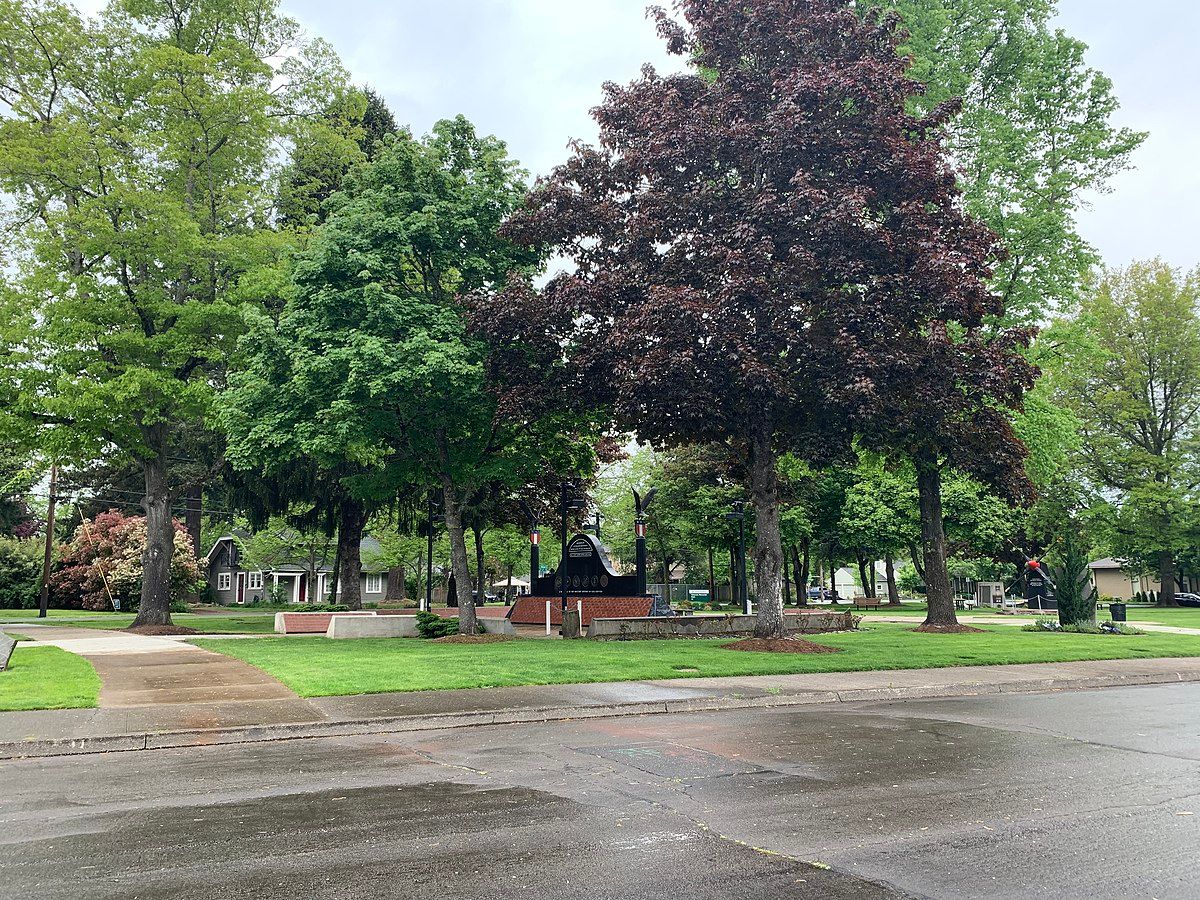

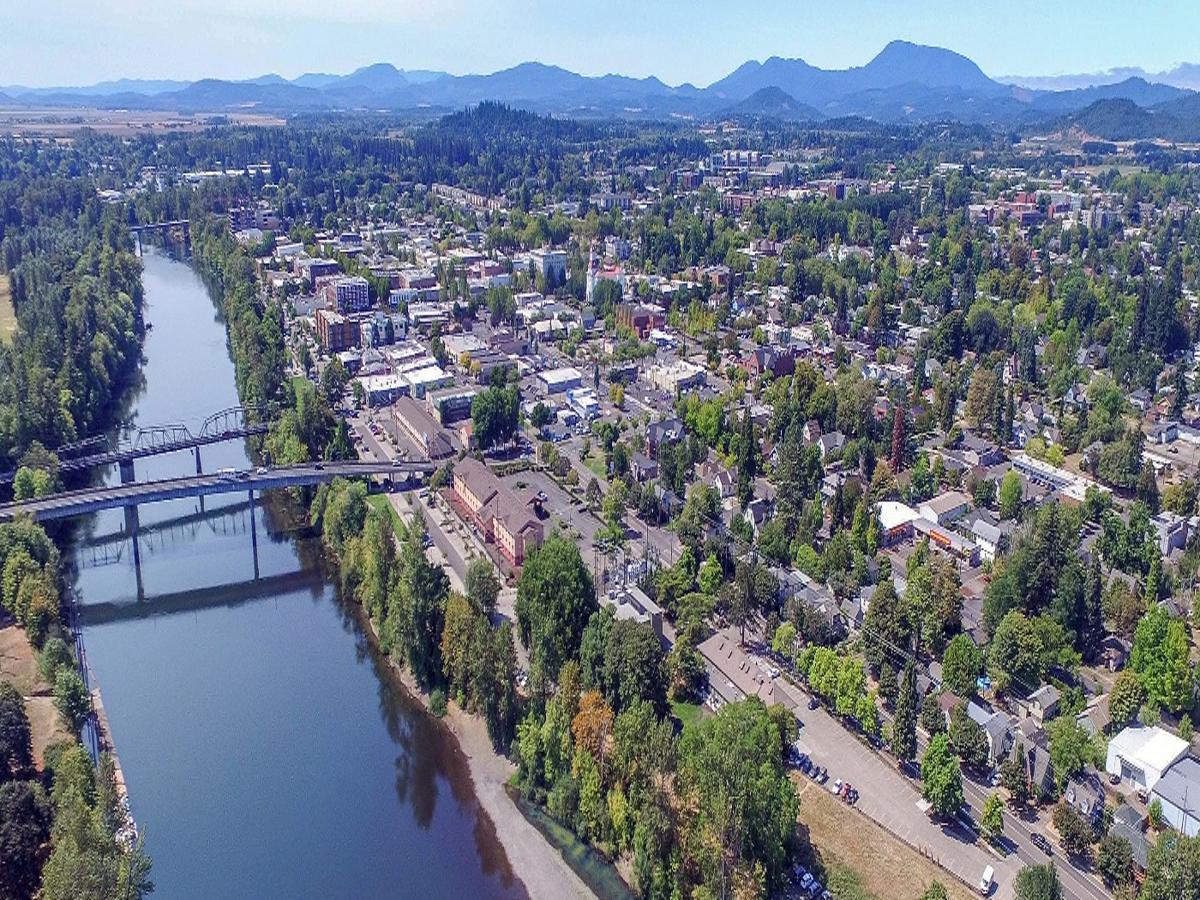
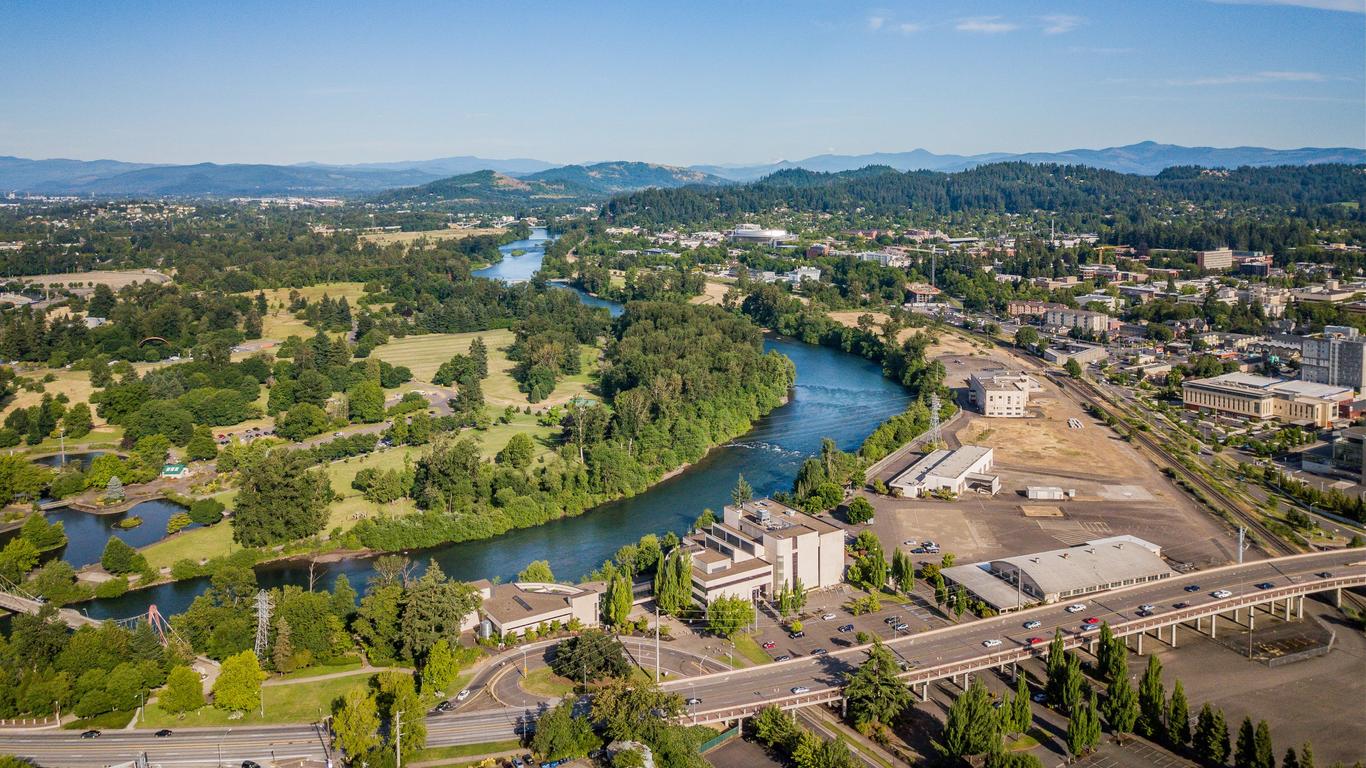



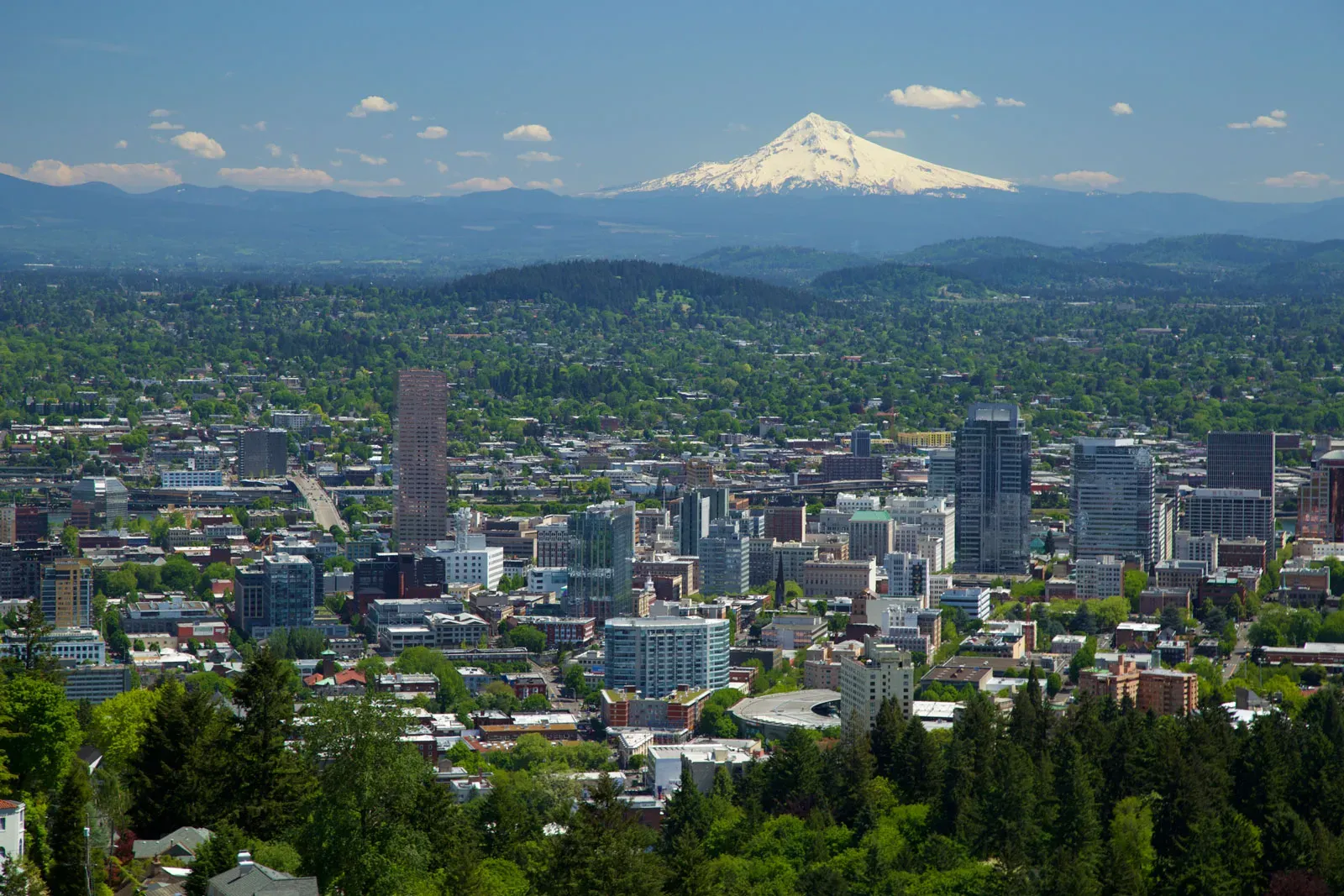
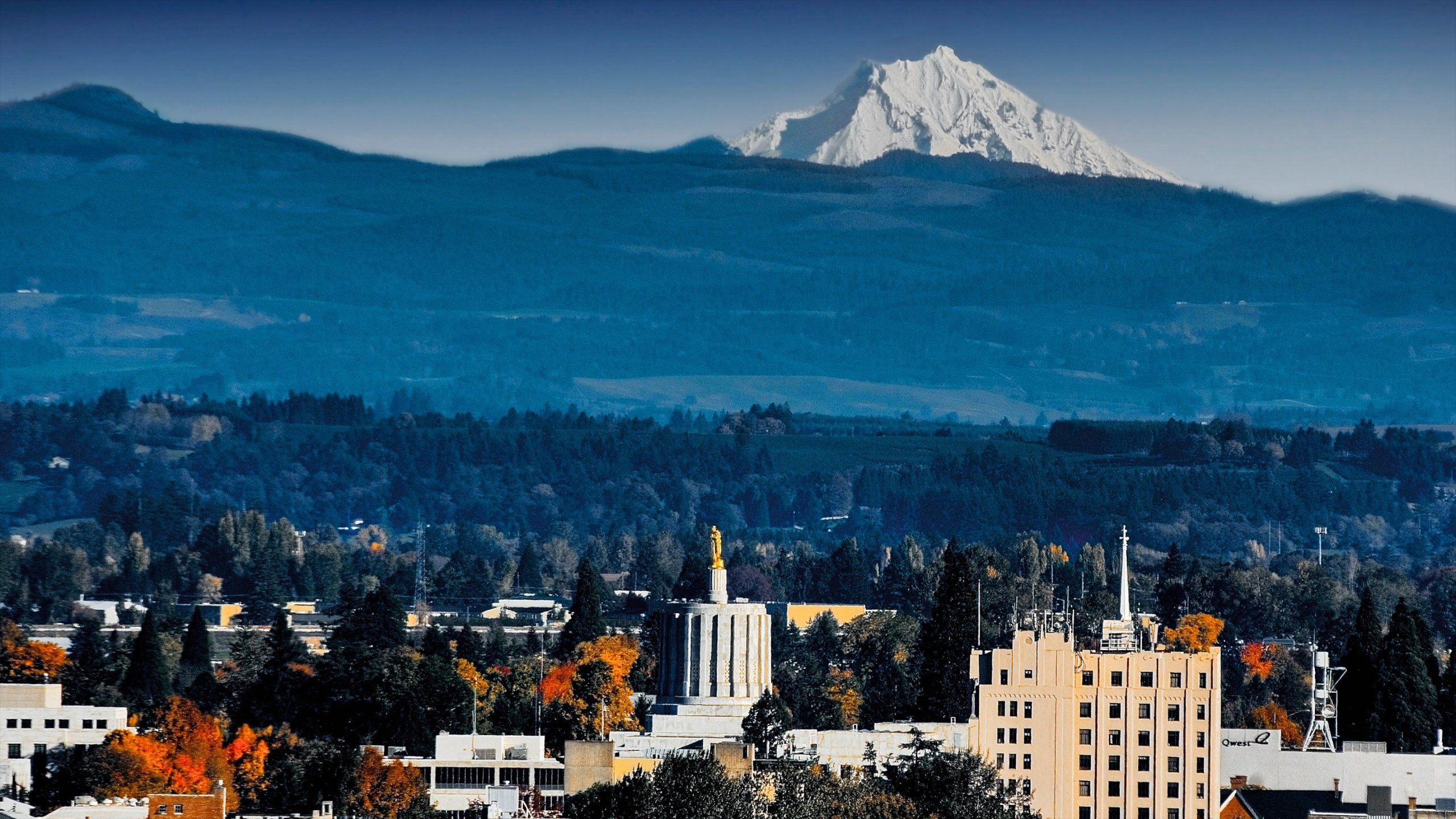
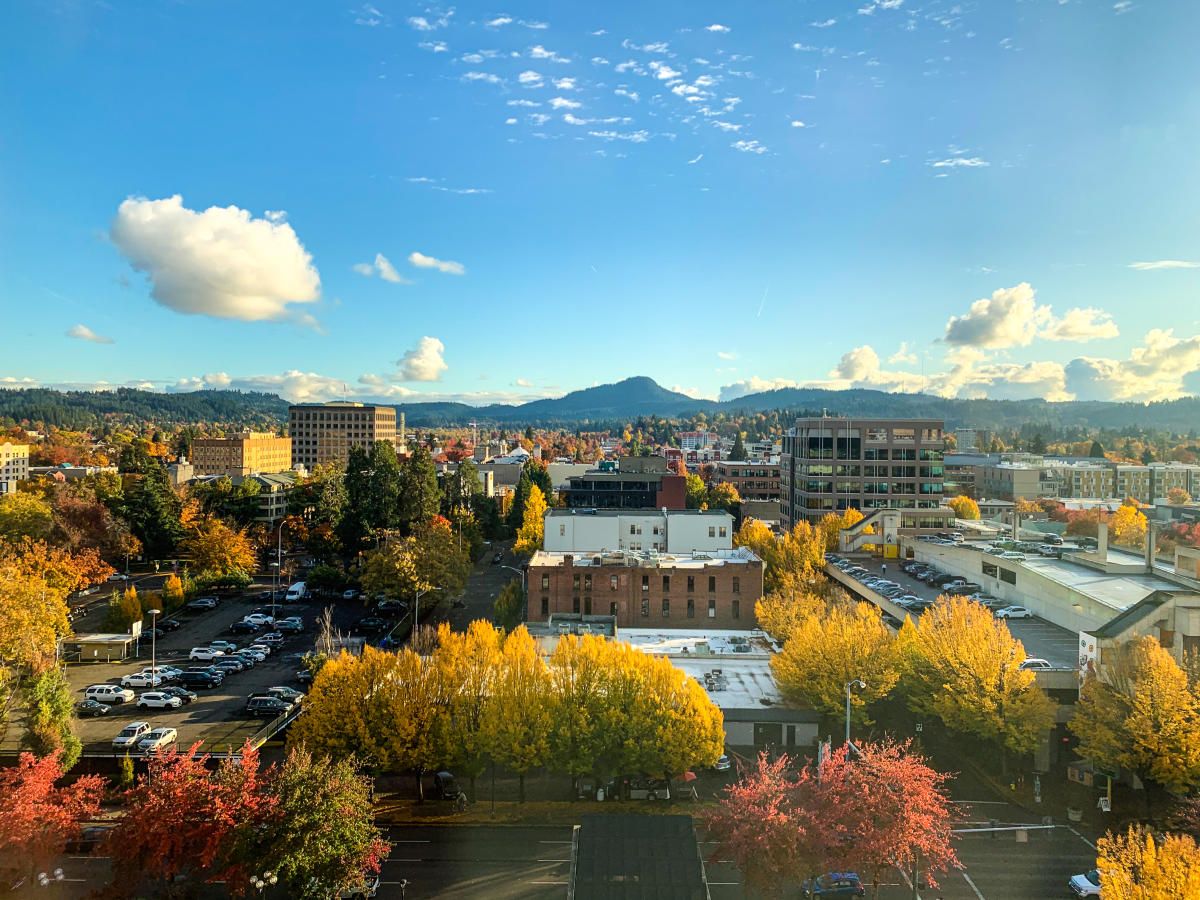
Moving services in Oregon
Star Van Lines provides local, long-distance, and interstate moving services across Oregon. We handle packing, loading, transport, and delivery for residential and commercial moves. Oregon hands a crew two very different days, because a tech-campus relocation in Washington County and a high-desert move into Bend share almost nothing in how the work actually runs. Every move includes a single coordinator, a trained crew, and a written estimate.
Local moving in Oregon
Local moves in Oregon cluster on the Portland metro and run down the I-5 valley corridor. A two-person crew runs $138-$253 per hour; three movers run $184-$379. Common in-state lanes show the pattern: Portland to Eugene is about 111 miles down I-5 through Salem and Albany, Portland to Bend is about 176 miles east over the Cascades on US-26 and US-97, and Portland to Seattle, a frequent cross-border metro hop, is about 174 miles up I-5. But these short hauls price in the highest per-mile band, so on a local job the move size and the access usually matter more than the mileage. And Portland's inner neighborhoods make access the real story, because the Pearl District, Northwest, and Sellwood mix narrow historic streets, few driveways, and tight permit parking that can force a shuttle vehicle for a full-size van.
Long-distance moving from Oregon
Long-distance demand out of Oregon mirrors the search map, and it leans toward lower-tax destinations. The busiest lanes run south to San Francisco (about 633 miles) and Los Angeles (about 962 miles), east to Denver (about 1,242 miles), and the long pull to Austin (about 2,052 miles), with a short regional hop up to Seattle (about 174 miles). We run these corridors on I-5, I-84, and I-5 over the Siskiyou Summit as full interstate relocations. Because the Siskiyou Summit at 4,310 feet is the highest point on all of I-5 and draws winter chain controls just south of Ashland, your coordinator times any California-bound move around the pass forecast from November through March.
Packing and storage
We offer full-service packing, partial packing, and self-pack options. Full-service means our crew brings every box and material and packs each room; partial lets you pick which rooms we handle; self-pack is the lowest-cost option. We have 43 warehouse locations nationwide for short-term and long-term storage. But in western Oregon the marine climate is wet and humid for most of the year, since the Portland area sees nearly all of its 35 to 37 inches of annual rain between mid-October and mid-May, which makes mold, mildew, and condensation the main storage risks. That's why climate-controlled storage that holds steady humidity matters far more here than freeze protection for wood furniture, upholstery, electronics, and paper.
Auto transport and specialty items
We ship vehicles by open or enclosed carrier, and households moving more than one car on a long Oregon lane often ship them rather than caravan each one. We also move pianos, antiques, gun safes, and fine art with specialty crating. New residents must title and register a vehicle within 30 days, and a vehicle use tax can apply to a car bought out of state before it's titled, which is one of the few places Oregon's no-sales-tax rule doesn't fully reach. Because the Siskiyou Summit and the Cascade passes can ice over in winter, enclosed or weather-aware carriers are worth a look for collector vehicles shipped during the cold months.
How much does moving in Oregon cost?
Moving costs in Oregon depend on whether you're crossing the Portland metro or crossing the country. Local moves typically run $138-$253 per hour for a two-person crew with a truck. Long-distance moves start at $747 for a studio and reach $7,935 for a large four-plus-bedroom home, depending on distance, weight, and access at both ends.
Local moving rates
| Crew size | Hourly rate |
|---|---|
| 2 movers + truck | $138-$253 / hour |
| 3 movers + truck | $184-$379 / hour |
| 4 movers + truck | $230-$506 / hour |
Long-distance rates from Oregon
| Move size | Estimated price range |
|---|---|
| Studio / 1 Bedroom | $747 - $2,012 |
| 2-3 Bedrooms | $1,380 - $4,370 |
| 4+ Bedrooms | $2,300 - $7,935 |
Popular routes and pricing from Oregon
| Route | Distance | Avg cost (2-3 BR) |
|---|---|---|
| Portland to Seattle WA | 174 mi | $1,380 - $1,725 |
| Portland to San Francisco | 633 mi | $2,243 - $2,703 |
| Portland to Los Angeles | 962 mi | $2,818 - $3,450 |
| Portland to Denver | 1,242 mi | $3,105 - $3,795 |
| Portland to Austin | 2,052 mi | $3,565 - $4,370 |
Pricing reflects market averages for moves in and from Oregon as of June 2026. Your final price depends on inventory weight, packing level, access at pickup and delivery, and scheduling flexibility. Call (855) 822-2722 or use our free quote calculator for an exact estimate.
What affects your moving price
- Shipment weight and volume are the biggest factors on any long-distance move from Oregon.
- Distance drives the base price. Portland to Seattle is 174 miles; Portland to Austin is 2,052.
- Access at both ends matters. Narrow inner-Portland streets and permit parking in the Pearl District, or a long rural approach east of the Cascades, can add time or call for a shuttle.
- How much packing you want us to do. Full-service runs more than partial, and self-pack is the lowest option.
- When you move. Summer is peak demand, while winter brings valley rain and chain controls on the mountain passes.
- Add-on services like auto transport, climate-controlled storage, and specialty handling for pianos, gun safes, or artwork carry their own pricing.
Moving to Oregon: what you should know
A move to Oregon involves more than logistics. The state runs on a split between the rainy, job-dense Willamette Valley around Portland and a drier, sunnier high desert east of the Cascade crest, and the mountains in between gate every cross-state route. Below is a quick guide covering cost of living, access and logistics, climate and timing, and the residency rules that affect your move.
What it costs to move to Oregon
Oregon's cost of living index is 103.4 (US average = 100, BEA RPP 2024), modestly above the national figure, with most of that premium in the Portland metro. Local moving labor runs $138-$253 per hour for a two-person crew, with Portland at the higher end and the valley cities lower. Median home value is $477,600 (Census ACS 2020-2024) and median monthly rent is $1,525, while median household income is $83,011. But the line that surprises newcomers is the tax mix, because Oregon charges no general sales tax at all and yet carries a graduated income tax that tops out near 9.90 percent, with local income taxes in a few jurisdictions like the Portland metro on top of that.
Access and logistics
Oregon has a clear interstate spine built around I-5. The road runs north and south through Portland, Salem, Eugene, and Medford and on into California, crossing the 4,310-foot Siskiyou Summit at the border. I-84 heads east from Portland up the Columbia River Gorge toward Boise and the Mountain West, while US-26 links Portland west to the coast and east over the Cascades to Bend through the Mount Hood corridor, and US-101 traces the Pacific shoreline. In Portland's dense inner neighborhoods the hard part is the building, since the Pearl District, Northwest, and Sellwood mix historic streets, limited driveways, and permit parking that often forces a shuttle. Over the mountains the challenge flips to the pass itself, because the Siskiyou Summit and the Cascade crossings on US-26 and US-20 can require chains in a winter storm.
Climate and timing
Oregon's valley cities run mild, with Portland July highs around 82 and cool, wet winters with December and January lows near 36. Portland's airport gets about 37 inches of rain a year but only about 4 inches of snow, since the heavy snow falls on the passes, not in town. The headline risks are seasonal and geologic: the long mid-October-to-mid-May wet season in the valley, mountain-pass snow and ice on I-5 and the Cascades, late-summer wildfire and smoke across the interior, and the deeper threats of a Cascadia earthquake and coastal tsunami. The best window for a move is May and June or September and October, the dry-to-shoulder stretch when temperatures are mild and the passes are clear. Avoid November through February, when the rain peaks and the Siskiyou Summit can close, and plan around the June-through-August demand peak even though the weather then is dry.
Residency and regulations
Oregon handles driver licensing and vehicle registration through the Department of Transportation's Driver and Motor Vehicle Services Division, the Oregon DMV. New residents have 30 days to get an Oregon driver license and 30 days to register a vehicle once they establish residency, and an out-of-state license is valid only for that first 30-day window. Apply through the DMV (oregon.gov/odot/dmv) once you're settled. Oregon runs no statewide safety inspection and no statewide emissions test, because DEQ emissions testing applies only to vehicles registered in the Portland metro and the Medford and Ashland area, so a move anywhere else in the state faces no emissions check at all. An out-of-state titled vehicle does need a one-time VIN inspection when you title it. Because voter registration is automatic through the DMV under Oregon Motor Voter and Oregon votes by mail, that step takes care of itself once you license a car here.
What to know before moving to Oregon
Benefits of moving to Oregon
0,273,586
Population
$0,011
Median household income
0.4 (US = 100, BEA RPP 2024)
Cost of living index
0/year (approximate)
Days of sunshine
0%
State sales tax
+0.9%
Population change 2020-2025
Oregon is home to about 4.3 million people, and it grew 0.9 percent between 2020 and 2025, a far slower pace than the boom years. The economy is anchored by technology and apparel, with semiconductors in the Silicon Forest west of Portland and athletic and outdoor brands led by Nike in Beaverton, alongside a deep healthcare sector and a large farm and timber base. Median household income is $83,011. The migration story is near-flat and now driven by immigration: the state added just 8,100 people from July 2024 to July 2025, with net international migration of about 9,600 running more than four times the net domestic gain of about 2,200 in the Census population estimates; a separate Census ACS measure shows a net gain of about 5,600 residents from other states in 2024, after a net loss the year before. And the 0 percent sales tax is a real draw for households coming from high-sales-tax states.
Is Oregon a good place to live?
So is Oregon a good place to land? Oregon offers a strong technology and apparel job market, no sales tax, and mountains, high desert, and 363 miles of public coast within a day's drive. But the trade-offs are real: Portland-area housing isn't cheap, the income tax tops out near the high end nationally, and the valley winters are gray and wet for months. Whether it's a good fit depends on how much you value the job market, the no-sales-tax checkout, and the outdoors against high home prices and a long rainy season.
Tax environment
Oregon is one of only five states with no general sales tax, which is the headline draw for relocating households, since a no-tax checkout makes furnishing a new home and big-ticket buys noticeably cheaper. But the picture has nuance, because the state runs a graduated individual income tax from 4.75 percent at the bottom to 9.90 percent at the top, and some jurisdictions, including the Portland metro, layer on local income taxes. The effective property tax is about 0.81 percent of home value, and Measure 50 caps assessed-value growth at roughly 3 percent a year, so a long-held home's taxable value lags the market. Oregon also carries an estate tax and a corporate activity tax, which is a gross-receipts tax, plus a gas tax of 40 cents per gallon.
Housing market
Median home value in Oregon is $477,600 (Census ACS 2020-2024), above the national figure, and median monthly rent is $1,525. Prices vary sharply by region, from the premium Portland and Lake Oswego markets to far more affordable Eugene and the smaller valley and eastern cities, where the same budget buys much more house. An owner-occupancy rate of 63.3 percent reflects a competitive metro market where many residents rent. Because the price gap between the Portland area and the rest of the state is so wide, where you land matters as much as what you buy, and that's true whether you're renting or buying.
Job market and economy
Oregon's economy is led by technology and athletic apparel, a pairing few states can match. Semiconductors anchor the Silicon Forest west of Portland, where Intel's Hillsboro operation is its largest concentration of facilities anywhere in the world and the state's largest private employer, alongside Lam Research and Analog Devices, while Nike, adidas America, and Columbia Sportswear drive the apparel side. Healthcare adds enormous depth through OHSU, Providence, Legacy Health, and Kaiser Permanente, and timber, farming, and distribution round out the mix. The workforce is reasonably well educated, with 36.8 percent of adults holding a bachelor's degree or higher. And because the tech and healthcare sectors lean toward high-wage jobs, median household income runs above the national level.
Safety and natural risks
Oregon faces a distinctive hazard mix. The coast sits over the Cascadia Subduction Zone, capable of a magnitude 9.0 earthquake and a tsunami, and the Cascade Range carries volcanic hazards. Wildfire and wildfire smoke are the summer threat across the interior, while flooding, landslides, and coastal erosion recur as well, and Statewide Planning Goal 7 names floods, landslides, earthquakes, tsunamis, coastal erosion, and wildfires as the six core hazards. If you're buying near the coast or a river floodplain, it's worth lining up earthquake and flood coverage early, since standard homeowner policies exclude both.
Who thrives in Oregon?
Silicon Forest tech transferees
Engineers and operations staff relocate into Washington County for Intel's four Hillsboro campuses, the company's largest concentration of facilities anywhere, or for Nike's world headquarters near Beaverton. They tend to move on a hiring timeline, often arriving from California, and they need reliable scheduling into the dense, fast-growing western suburbs where the work is.
No-sales-tax shoppers and budget movers
Households are drawn by Oregon being one of only five states with no general sales tax, which makes furnishing a home and buying big-ticket items noticeably cheaper after the move. They weigh that 0 percent at checkout against Oregon's graduated income tax, which runs from 4.75 percent to 9.90 percent, and many of them are leaving a high-sales-tax state to do it.
Bend and high-desert lifestyle relocators
Buyers leave the rainy Willamette Valley or out-of-state metros for Bend and Central Oregon, where the climate is dry and sunny on the east side of the Cascades. Their moves cross a mountain pass on US-26 or US-20, so timing around snow season and traction requirements is a core part of the plan, and they trade gray valley winters for high-desert sun.
Outbound owners chasing lower-tax states
Some Oregonians leave for Texas, Florida, and Idaho, the destinations that show up most in outbound moving searches. They are often retirees or remote workers trading Oregon's top 9.90 percent income-tax bracket and high home values, a median around $477,600, for no-income-tax states, and they need long-haul interstate coordination of 2,000-plus miles to Texas and Florida.
Portland urban-core apartment and condo movers
Renters and condo owners move within Portland's dense inner neighborhoods and into close-in suburbs like Gresham, where median gross rent runs about $1,525. Because narrow historic streets, limited driveway access, and permit parking in areas like the Pearl District and Northwest are the norm, these moves often mean shuttle vehicles, elevator reservations, and tight time windows.
First week after moving to Oregon: what to do
After your move to Oregon, several tasks need attention in the first weeks. Oregon gives new residents 30 days to get a driver license and 30 days to register a vehicle once you establish residency, so handle the paperwork early. Here is a prioritized checklist.
- Update your driver license.
You have 30 days to get an Oregon license through the DMV (oregon.gov/odot/dmv). Bring proof of identity and Oregon residency, since your out-of-state license is valid only for that first 30-day window.
- Register your vehicle.
You have 30 days to title and register a vehicle with the Oregon DMV. An out-of-state titled car needs a one-time VIN inspection, and a vehicle use tax can apply to a car bought out of state, so budget for both.
- Check whether you owe an emissions test.
DEQ testing applies only to vehicles registered in the Portland metro and the Medford and Ashland area, every two years for most 1975-and-newer cars. If you're registering anywhere else in Oregon, there's no emissions test at all.
- Transfer your auto insurance.
Oregon requires liability coverage, so contact your insurer to re-rate your policy before you register. Premiums vary between Portland and the smaller valley and eastern cities.
- Register to vote.
Oregon registers you automatically through the DMV under Motor Voter, and the state votes by mail. You can also register online or by paper form up to 21 days before an election.
- Update homeowner's or renter's insurance.
Because earthquakes, wildfire, flooding, and landslides all affect Oregon, review your coverage. Standard policies exclude earthquake and flood damage, so a home near the coast or a floodplain may need separate policies.
- Forward your mail.
USPS Change of Address is free online at usps.com. Mail forwarding starts within 7-10 business days.
- Update school records.
If you have children, request transcripts from the previous district and contact your new one about enrollment. Highly rated districts like Lake Oswego, Beaverton, and West Linn-Wilsonville draw families to the Portland metro, and the school year usually starts in late August or early September.
Oregon at a glance: schools, jobs, and things to do
Schools and universities
Lake Oswego School District ranks as the top district in Oregon in recent statewide rankings, with the Beaverton School District, one of the state's largest at about 37,000 students, and West Linn-Wilsonville close behind among the best. The University of Oregon in Eugene is the public research flagship and an AAU member, while Oregon State University in Corvallis is the largest public university by enrollment at 38,485 in Fall 2025 and anchors the land-grant system. Portland State University serves as the main urban public option with close to 20,000 students. Because school quality and home prices both vary sharply by district, many families research specific Portland-metro suburbs closely before choosing where to land.
Major employers
Oregon Health & Science University is the largest employer in the Portland region, with about 20,882 regional workers across its healthcare and research operations, and Providence Health & Services follows at about 19,221. Intel, with roughly 18,000 employees across its four Hillsboro campuses, is Oregon's largest private employer and Intel's biggest concentration of facilities worldwide. Nike runs its world headquarters in Beaverton with about 10,500 regional employees, and Legacy Health, Kaiser Permanente, and Amazon round out the major employers. Because technology and healthcare dominate the metro economy while timber and farming drive the rural counties, job seekers find depth in semiconductors, healthcare, apparel, and distribution.
Attractions and recreation
Crater Lake National Park, the deepest lake in the United States, set in the caldera of Mount Mazama, is Oregon's only national park. The Columbia River Gorge pairs more than 90 waterfalls with the 620-foot Multnomah Falls, the most visited natural recreation site in the Pacific Northwest. The Oregon Coast runs 363 miles of public shoreline, from Cannon Beach and Haystack Rock to wide stretches of open sand. And Mount Hood, the state's tallest peak at 11,239 feet, offers year-round recreation barely an hour from Portland, while the striated Painted Hills and the climbing walls of Smith Rock draw people deeper into the interior.
FAQ
Questions? Look here
Can’t find an answer? Call us
(855) 822-2722 or email
Local moving in Oregon typically costs $138-$253 per hour for a two-person crew with a truck, or $184-$379 for the three-person crew a three-bedroom home usually needs. At 4-6 hours, that puts a typical three-bedroom local move around $640 to $1,980. Narrow inner-Portland streets and shuttle needs in the Pearl District can add time. Call (855) 822-2722 for an itemized estimate.
Long-distance moves from Oregon start at $747 for a studio and reach about $7,935 for a large four-plus-bedroom home. The final price depends on shipment weight, distance, and access at both ends. A two-to-three-bedroom move from Portland to Seattle runs about $1,380 to $1,725, while the long lane to Austin runs higher. Star Van Lines provides written estimates so your price won't change after booking.
Search our USDOT number 4176875 on the FMCSA SAFER website (safer.fmcsa.dot.gov). This federal database confirms our operating authority, MC number 1607491, insurance status, and safety record. Any legitimate interstate mover should be able to provide a verifiable USDOT number.
In Oregon the charges to ask about are shuttle fees when a full-size truck can't reach a narrow inner-Portland street or a long rural driveway, long-carry and elevator fees for Portland condos and apartments, and stair fees for walk-up units. We disclose every potential charge in your written estimate before you book, so nothing is a surprise on moving day.
Federal law requires interstate movers to offer two levels: Released Value Protection (free, covering $0.60 per pound per item) and Full Value Protection (paid, covering repair, replacement, or cash settlement at current value). Star Van Lines is fully insured under USDOT #4176875 and can explain both options when you request a quote.
New Oregon residents have 30 days to get an Oregon driver license and 30 days to title and register a vehicle once they establish residency, and an out-of-state license is valid only for that first 30-day window. Both are handled by the Oregon DMV. An out-of-state titled vehicle also needs a one-time VIN inspection when you title it, which keeps the process simple.
Oregon has no general sales tax, but a vehicle use tax can apply to a vehicle purchased out of state before you can title it here, which is one of the few places the no-sales-tax rule does not fully extend. The rate is modest, and your county title office collects it at registration. For most household goods and moving supplies, though, there's genuinely no sales tax to pay at checkout.
Median home value statewide is $477,600, but the spread is wide. Portland and close-in suburbs like Lake Oswego run well above that, while Eugene and the smaller valley and eastern cities sit far below, so the same budget buys very different homes. Median monthly rent is $1,525, and the state cost-of-living index is 103.4 against a national 100. Because the Portland metro carries most of that premium, where in the state you land drives the real cost.
May and June or September and October are the best windows, with mild temperatures and clear passes, since the valley stays mostly dry from mid-June through September. Avoid November through February, when the rain peaks and the Siskiyou Summit and Cascade corridors can require chains or close. High summer brings peak demand, so if you move then, book early; if you move in winter, protect goods from the rain and build in pass-delay flexibility.
Yes. The Siskiyou Summit on I-5 is the highest point on the whole interstate at 4,310 feet and draws winter chain controls just south of Ashland, while the Cascade crossings on US-26 and US-20 can ice over too, so cold-season car shipments are scheduled around the pass forecast. We move cars by open or enclosed carrier, and enclosed or weather-aware transport is worth considering for collector or high-value vehicles in winter. Your coordinator gives you one written estimate covering the household goods and any vehicle on the same order.
Yes, the no-sales-tax checkout is real, and Oregon is one of only five states with no general sales tax, so furniture, appliances, and big-ticket buys cost less than in a sales-tax state. The trade-off is the income tax, which is graduated from 4.75 percent to 9.90 percent, with local income taxes in some jurisdictions like the Portland metro on top of that. For many households the sales-tax savings are felt right at the move, while the income-tax bill depends on what you earn.
The two landings are very different. Hillsboro and Beaverton put you in dense, fast-growing western suburbs near Intel's four campuses and Nike's world headquarters, with valley rain most of the year and easy I-5 and US-26 access. Bend sits east of the Cascades in dry, sunny high desert, so a move there crosses a mountain pass on US-26 or US-20 and has to plan around snow and traction season. Your coordinator schedules either move around the access at both ends and, for Bend in winter, around the pass forecast.
Ready to Start Your Oregon Move?
Get a free moving estimate today. No obligation, no pressure.
Call us or fill out the form - we'll get back to you fast.
USDOT #4176875 | MC #1607491 | Licensed & Insured