
Thank you for your feedback!
We will contact you shortly

Free consultation
Enter your phone number and we will call you back for a consultation on any moving and storage services

Mississippi
Licensed Mississippi Movers - Interstate & Local
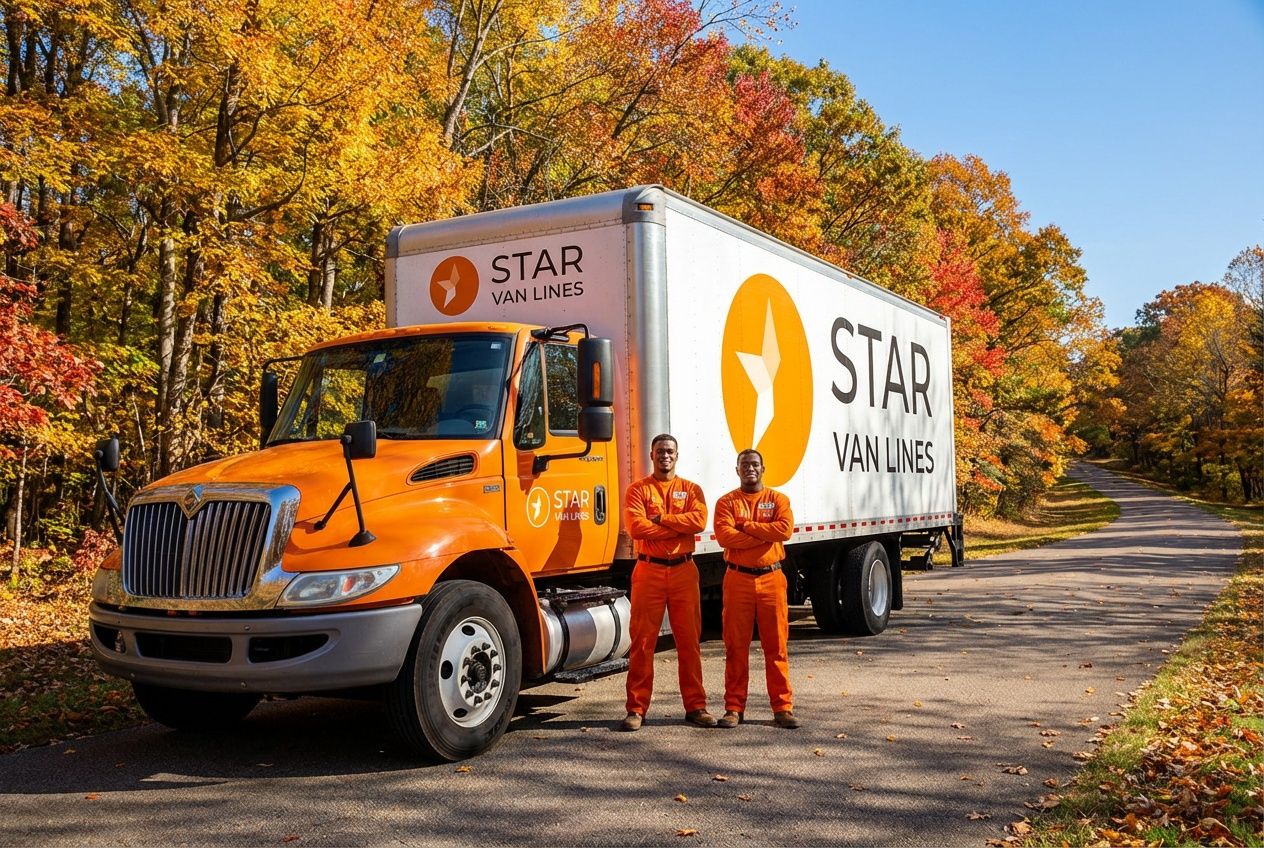
Mississippi quietly reversed decades of population loss between 2022 and 2024, drawing newcomers from Texas, Tennessee, and Alabama who discovered that the lowest cost of living in the country comes with Gulf Coast beaches, a growing food scene, and commute times that metros twice its size would envy. Star Van Lines is a USDOT-licensed interstate carrier (USDOT #4176875, MC #1607491) that handles local and long-distance moves across all of Mississippi. We've been running these corridors since 2016, from I-55 through Jackson to the Memphis border, along I-20 between Vicksburg and Meridian, and down I-10 through the Gulf Coast communities of Gulfport and Biloxi.
Our Mississippi moving services cover packing, loading, transport, delivery, and short-term storage at warehouse locations across the state. Because Mississippi's terrain ranges from flat Delta farmland in the northwest to marshy Gulf Coast lowlands in the south, road conditions and access vary significantly depending on your origin and destination. A local move within the Jackson metro runs differently than relocating from Tupelo to another state. We handle both with the same coordinator and the same written estimate from pickup to delivery.
Want a price for your Mississippi move? Call (855) 822-2722 or use our online quote calculator. You'll get an itemized estimate that breaks down every cost, so there aren't any surprises on moving day. We're rated 4.0 on Trustpilot, 4.5 on Google, and 4.75 on Facebook across 240+ reviews.

Dennis has 15+ years of experience in interstate moving and has coordinated over 1,000 relocations across the United States.


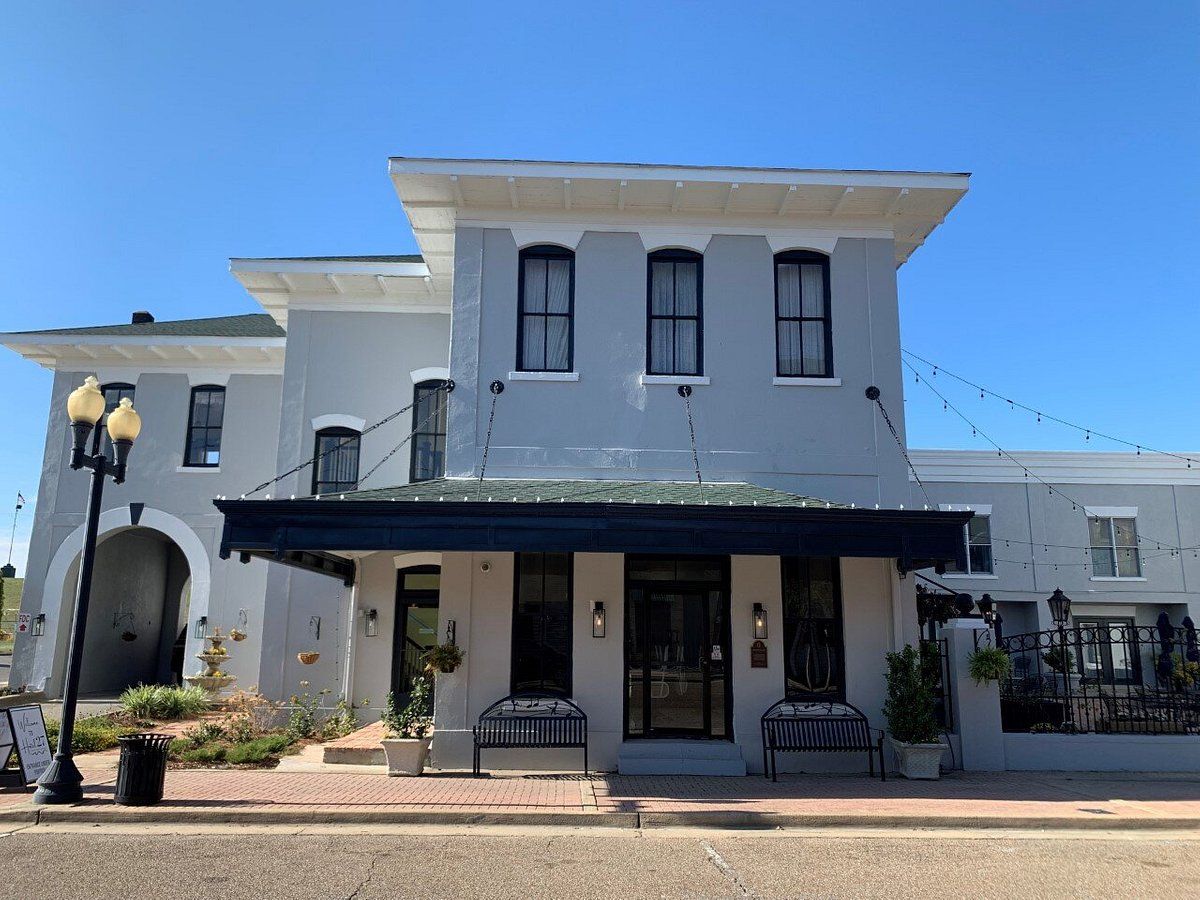


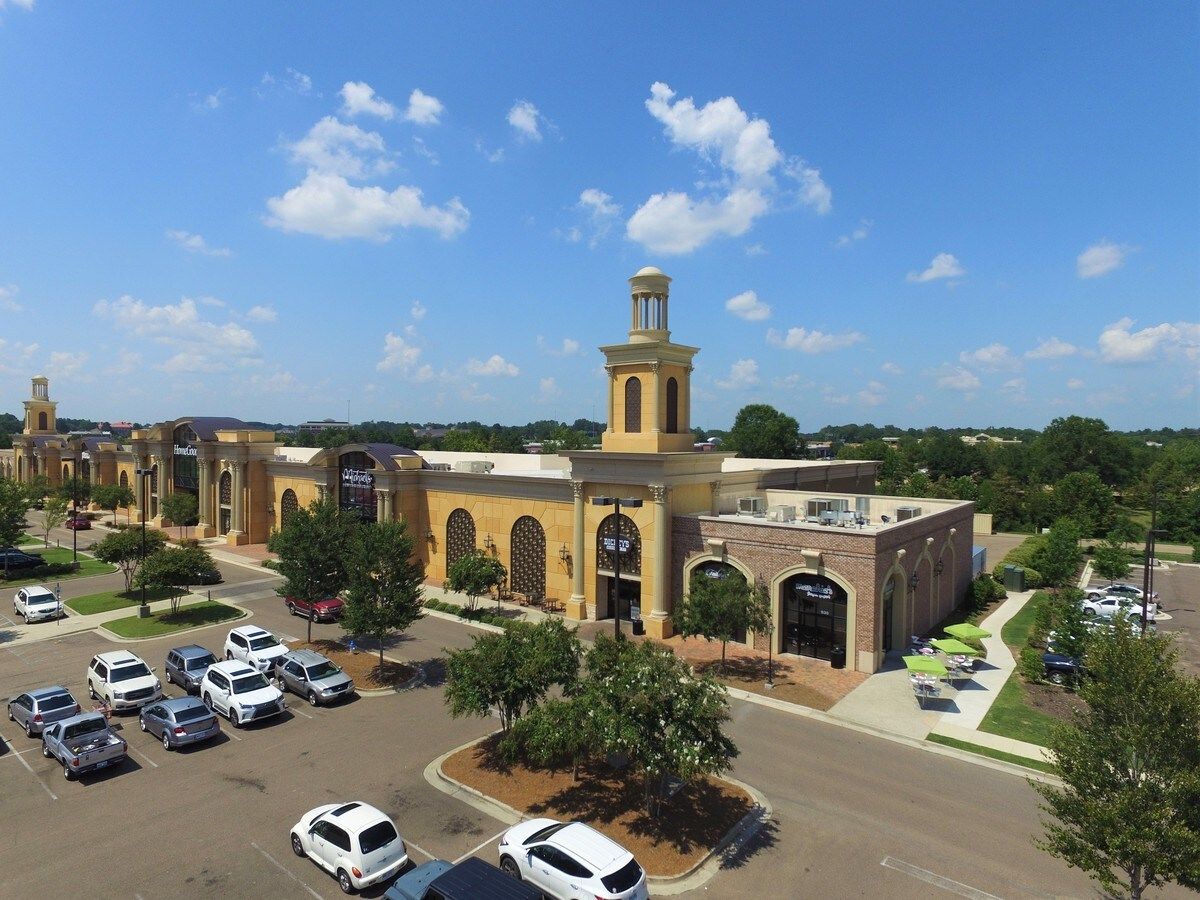
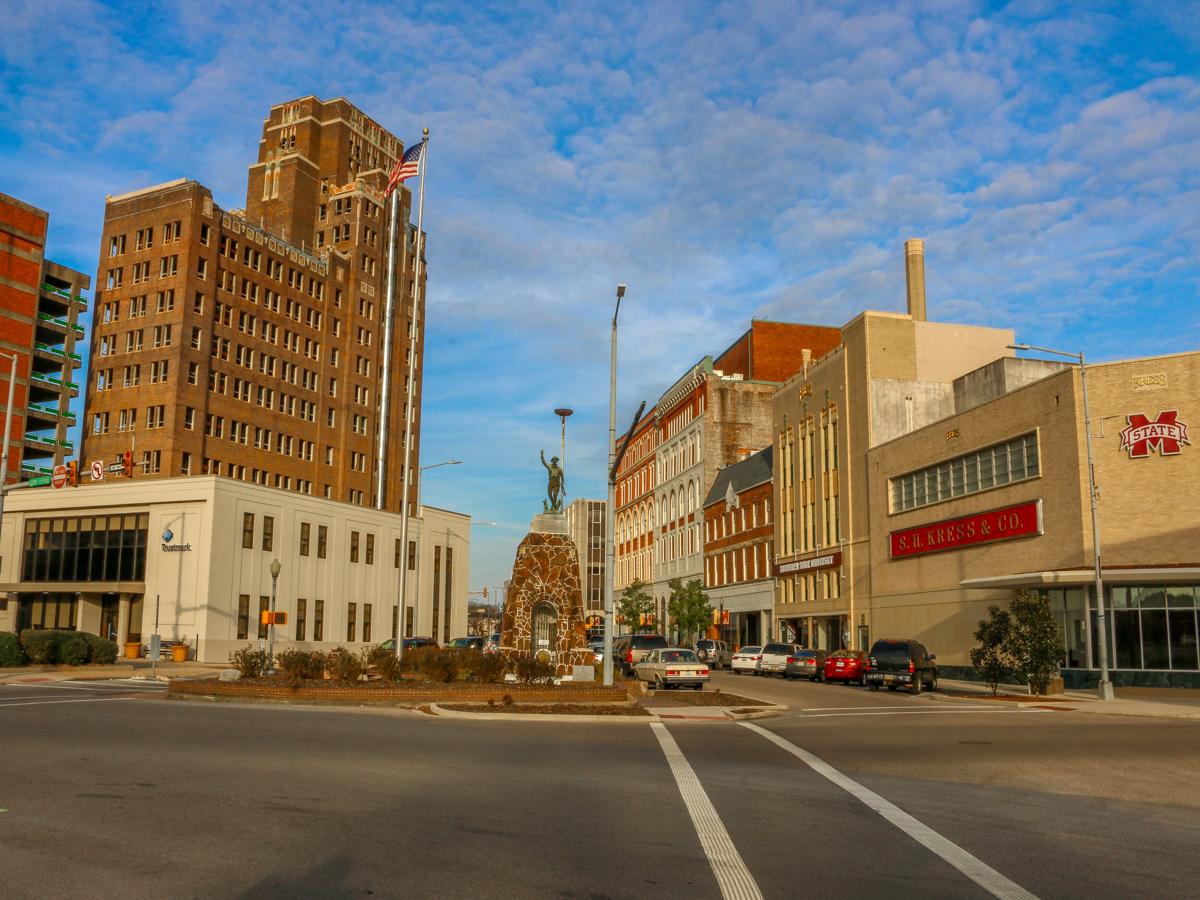


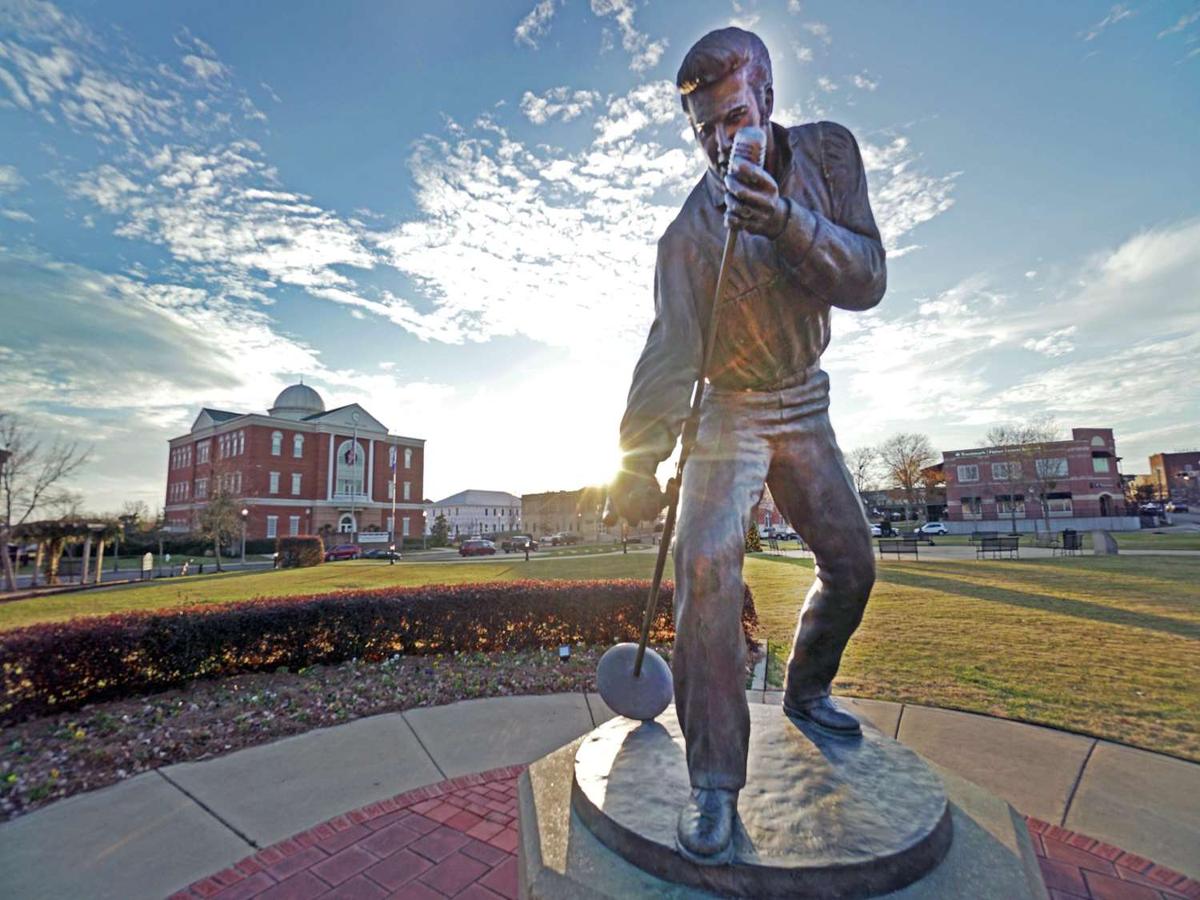
Moving services in Mississippi
Star Van Lines provides local, long-distance, and interstate moving services across Mississippi. We handle packing, loading, transport, and delivery for residential and commercial moves. Mississippi's flat terrain and humid subtropical climate create specific challenges for movers, from flood-prone Delta roads to Gulf Coast hurricane season closures. Every move includes a single coordinator, trained crew, and written estimate.
Local moving in Mississippi
Local moves in Mississippi are generally more affordable than the national average, reflecting the state's lower cost of living. A two-person crew costs $92-$150 per hour; three movers run $144-$253. We serve corridors between Jackson and the surrounding suburbs, Hattiesburg to Laurel, the Gulfport-Biloxi metro along the coast, and Tupelo to Oxford in the north. Although distances between Mississippi cities are modest by western state standards, rural properties often sit at the end of unpaved driveways or gravel roads that require careful truck routing. And in summer, the heat and humidity mean crews work in shifts to stay safe during outdoor loading.
Long-distance moving from Mississippi
Most long-distance moves from Mississippi head to Texas, Tennessee, or Florida. The MS-to-TX corridor covers roughly 500 miles from Jackson to Dallas, and I-20 carries heavy freight traffic that can slow progress. We also run loads north on I-55 to Memphis and beyond, east on I-20 to Atlanta, and south on I-59 to connect with I-10 toward Florida. Because hurricane season runs June through November on the Gulf Coast, your coordinator monitors NOAA forecasts and can adjust pickup or delivery windows if a storm threatens the coastal route.
Packing and storage
We offer full-service packing, partial packing, and self-pack options. Full-service means our crew brings all materials and packs every room. Partial lets you choose which rooms we handle. Self-pack is the lowest-cost option. We have 43 warehouse locations nationwide for short-term and long-term storage. In Mississippi, humidity is the primary storage concern. Climate-controlled storage protects furniture, electronics, and fabrics from moisture damage and mold, which can develop quickly in a state that averages 59 inches of rainfall per year.
Auto transport and specialty items
We ship vehicles via open or enclosed carrier. Most Mississippi-origin vehicle shipments head to Texas, Tennessee, and Florida. We also move pianos, antiques, artwork, and gun safes with specialty crating. Antique furniture is common in Mississippi homes, especially in the Delta and Natchez areas, and our crews know how to handle carved woodwork, ornate mirrors, and fragile upholstery without damage.
How much does moving in Mississippi cost?
Moving costs in Mississippi are among the lowest in the country, reflecting the state's affordable labor market and cost of living. Local moves within Mississippi typically run $92-$150 per hour for a two-person crew with truck. Long-distance moves start at $920 for studio apartments and go up to $8,280 for large homes, depending on distance, weight, and access conditions.
Local moving rates
| Crew size | Hourly rate |
|---|---|
| 2 movers + truck | $92-$150 / hour |
| 3 movers + truck | $144-$253 / hour |
| 4 movers + truck | $190-$368 / hour |
Long-distance rates from Mississippi
| Move size | Estimated price range |
|---|---|
| Studio / 1 Bedroom | $920 - $2,070 |
| 2-3 Bedrooms | $1,667 - $4,543 |
| 4+ Bedrooms | $2,760 - $8,280 |
Popular routes and pricing from Mississippi
| Route | Distance | Avg cost (2-3 BR) |
|---|---|---|
| Mississippi to Texas | 496 mi | $2,070 - $2,530 |
| Mississippi to Florida | 902 mi | $2,703 - $3,277 |
| Mississippi to Georgia | 505 mi | $1,955 - $2,415 |
| Mississippi to Tennessee | 316 mi | $1,667 - $2,012 |
| Mississippi to California | 1,840 mi | $3,737 - $4,543 |
Pricing reflects market averages for moves in and from Mississippi as of May 2026. Your final price depends on inventory weight, packing level, access at pickup and delivery, and scheduling flexibility. Call (855) 822-2722 or use our free quote calculator for an exact estimate.
What affects your moving price
- Shipment weight and volume matter most for long-distance moves from Mississippi.
- Distance is the next factor. Jackson to Memphis is 210 miles; Jackson to Los Angeles is 1,840.
- Access at both locations plays a role too. Rural properties with unpaved driveways, narrow bridges, or gated entrances may require a shuttle truck.
- How much packing you want us to do. Full-service runs more than partial packing, and self-pack is the lowest option.
- When you move. Summer is peak season in Mississippi, and rates can spike during June through August. Fall and spring moves typically cost less.
- Add-on services like auto transport, storage, and specialty item handling (antiques, pianos, gun safes) come with their own pricing.
Moving to Mississippi: what you should know
A move to Mississippi involves more than logistics. Mississippi has the lowest cost of living of any US state, which means your moving budget goes further once you arrive. Below is a quick guide covering cost of living, access and logistics, climate and timing, and residency requirements that affect your move.
What it costs to move to Mississippi
Mississippi's cost of living index is 87.0 (US average = 100, BEA RPP 2024), the lowest of any state in the country. That translates directly to lower moving labor costs. A two-person crew in the Jackson metro runs $92-$150 per hour, roughly 20-35% below what you'd pay in coastal states. Building access is rarely an issue here because most Mississippi homes are single-family with driveways and ground-floor entry. But rural properties in the Delta or along the Gulf Coast may sit at the end of long gravel roads that require a smaller truck for the final stretch. Median home value is just $169,800 (Census ACS 2020-2024), less than half the national average, while median monthly rent is $954. Median household income is $56,447, below the national figure, although the low cost of living offsets much of that difference.
Access and logistics
Mississippi's highway system is built around five Interstate corridors. I-55 runs 290 miles north-south from the Memphis border through Jackson to Louisiana. I-20 crosses 155 miles east-west from Vicksburg through Jackson to Meridian. I-10 runs 77 miles along the Gulf Coast through Gulfport and Biloxi. I-59 connects Hattiesburg to Meridian in the northeast, and I-22 links Tupelo to the Birmingham corridor. Outside these interstates, much of the state relies on two-lane highways and county roads. The Delta region northwest of Jackson is flat and flood-prone. And coastal areas near Biloxi and Gulfport face hurricane-related road closures during storm season.
Climate and timing
Mississippi has hot, humid summers with average highs around 92 degrees and mild winters with lows around 37 degrees. The state gets roughly 223 days of sunshine per year (NOAA) and 59 inches of annual rainfall, one of the highest totals in the country. Snow is virtually nonexistent at 1 inch per year. But humidity is the real factor. Summer temperatures combined with thick moisture make outdoor work exhausting, and heat-sensitive items need careful handling during June through August. Hurricane season runs June through November, primarily threatening the Gulf Coast. Best months for a Mississippi move: April or September through October, when temperatures are mild, humidity drops, and hurricane risk is lower.
Residency and regulations
Mississippi requires new residents to apply for a driver's license at the Mississippi DPS (driverservicebureau.dps.ms.gov) within 60 days of establishing residency. Bring your current out-of-state license and proof of residency. Vehicle registration has a 30-day deadline at your local county tax collector's office. Mississippi does not require safety inspections or emissions testing for passenger vehicles, which simplifies the process compared to states like New York or California. Because Mississippi does not offer online voter registration, you'll need to register in person at a DPS office or by mail.
What to know before moving to Mississippi
Benefits of moving to Mississippi
0,954,160
Population
$0,447
Median household income
0.0
Cost of living index
0/year
Days of sunshine
0.00%
State income tax
0.0%
Homeownership rate
Mississippi is home to nearly 3 million people, with a population concentrated in the Jackson metro, the Gulf Coast, and the DeSoto County suburbs south of Memphis. The state's economy is driven by manufacturing, agriculture, healthcare, and military installations. Median household income is $56,447, below the national average. But the lowest cost of living in the country means a dollar goes further here than in any other state. Mississippi gets about 223 days of sunshine per year. The homeownership rate is 70.0% (Census ACS 2020-2024), well above the national average, reflecting the state's affordable housing market. And from 2022 to 2024, Mississippi saw roughly 5,000 more people move in than out, its first net inbound migration since the 1990s. Most inbound movers came from Texas (8,574), Tennessee (8,457), and Alabama (8,215).
Is Mississippi a good place to live?
Mississippi offers the most affordable cost of living in the United States, a warm climate with mild winters, and a tight-knit community culture that newcomers either love or find hard to adjust to. But the trade-offs are real: median income is the lowest in the nation, healthcare access in rural areas is limited, and summer humidity can be intense. Whether it's a good fit depends on your priorities, your budget, and how you feel about small-town living.
Tax environment
Mississippi's income tax is a flat 4.00% (Tax Foundation 2026), significantly lower than progressive-tax states like New York or California. Average combined state and local sales tax is 7.1%. Property taxes are generally low, making homeownership more accessible than in most states. Because of this, someone relocating from a high-tax state will feel a significant reduction in tax burden, although public services reflect those lower tax revenues.
Housing market
Median home value in Mississippi is $169,800 (Census ACS 2020-2024), less than half the national average. You can buy a three-bedroom home in most Mississippi cities for what a studio apartment costs in San Francisco. Median monthly rent is $954. And 70.0% of Mississippi households own their homes (Census ACS 2020-2024), one of the highest homeownership rates in the country. The Gulf Coast market (Biloxi, Gulfport, Ocean Springs) runs higher than inland areas, but still well below national averages. Historic homes in Natchez, Oxford, and the Delta are affordable but may require maintenance and renovation.
Job market and economy
Mississippi's economy leans on manufacturing, agriculture, healthcare, and military installations. The state has a labor force participation rate of 56.9%, the lowest of the 10 pilot states. Major employers include Sanderson Farms, Hancock Whitney, and the state's university systems. The Gulf Coast has a growing tourism and gaming sector, while Tupelo's furniture manufacturing industry has evolved into broader advanced manufacturing. And only 25.1% of Mississippi adults hold a bachelor's degree or higher, which means competition for skilled positions can be less intense than in states with larger professional workforces.
Safety and natural risks
Mississippi faces three primary natural risks: hurricanes on the Gulf Coast, tornadoes statewide (particularly in spring), and flooding in the Delta and along river systems. Hurricane Katrina devastated the Gulf Coast in 2005, and flood insurance in coastal zones has increased since then. Inland areas face tornado risk from March through June. The state also has frequent severe thunderstorms with damaging winds and hail. Flood zone maps have expanded in recent years, so check FEMA designations before purchasing property near any waterway.
Who thrives in Mississippi?
Budget-conscious families.
Mississippi's combination of affordable housing, low property taxes, and a flat 4.00% income tax makes it one of the cheapest states in the country to raise a family. A household earning $60,000 lives more comfortably here than one earning $90,000 in a coastal city. Childcare costs are also among the lowest nationally.
Retirees seeking affordability and warmth.
Mild winters with lows around 37 degrees mean no snow shoveling, and the Gulf Coast offers beach access without Florida prices. And Social Security benefits are exempt from Mississippi state income tax, which stretches fixed incomes further.
History and culture enthusiasts.
Mississippi is the birthplace of the blues, and the state's Civil War battlefields, antebellum homes, and literary heritage (Faulkner, Welty, Wright) draw people who value deep-rooted culture. Oxford, Natchez, and Vicksburg have especially rich historical identities.
Outdoor and fishing enthusiasts.
The Mississippi River, Gulf Coast, Ross Barnett Reservoir, and the state's network of rivers and lakes make it one of the best states in the country for freshwater and saltwater fishing. Hunting, boating, and hiking are woven into the lifestyle here.
Southern food lovers.
Fried catfish, Gulf shrimp, barbecue, tamales in the Delta, gumbo on the coast. Mississippi's food scene has gained national attention, and Oxford in particular has become a culinary destination. If food culture matters to you, this state delivers.
First week after moving to Mississippi: what to do
After your move to Mississippi, several tasks have state-specific deadlines. Mississippi requires new residents to update their driver's license within 60 days of establishing residency. Here is a prioritized checklist.
- Update your driver's license.
Mississippi requires new residents to apply at the Mississippi DPS within 60 days. Bring your current out-of-state license and proof of Mississippi residency. Walk-in service is available at DPS offices statewide. (driverservicebureau.dps.ms.gov)
- Register your vehicle.
You have 30 days to register your vehicle at your county tax collector's office. Because Mississippi does not require safety inspections or emissions testing for passenger vehicles, registration is straightforward compared to inspection states.
- Transfer your auto insurance.
Contact your insurer to re-rate your policy for Mississippi. Premiums in rural areas tend to be lower than coastal zones, where hurricane and flood risk increase rates. Mississippi has specific minimum liability requirements.
- Register to vote.
Mississippi does not offer online voter registration. Register in person at a DPS office or by mail. You can also register at your county circuit clerk's office.
- Update homeowner's or renter's insurance.
Mississippi's hurricane and tornado exposure may change your coverage needs. Standard policies don't cover flood damage, and if you're in a FEMA-designated flood zone on the Gulf Coast or near a river, you'll need a separate flood policy.
- Forward your mail.
USPS Change of Address is free online at usps.com. Mail forwarding starts within 7-10 business days.
- Transfer medical records.
Contact current providers before your move and find a new primary care physician in Mississippi. Rural areas have fewer healthcare providers, so start your search early, especially for specialists.
- Update school records.
If you have children, request transcripts from the previous school district. Contact your new district for enrollment requirements and deadlines. The Mississippi school year typically starts in early August, earlier than many other states.
Mississippi at a glance: schools, jobs, and things to do
Schools and universities
Mississippi School for Mathematics and Science in Columbus, DeSoto Central High School in Southaven, and Lewisburg High School in Olive Branch are among the top public high schools in the state. The university system includes the University of Mississippi (Ole Miss) in Oxford, Mississippi State University in Starkville, and smaller institutions like Millsaps College in Jackson and William Carey University in Hattiesburg. For families, school quality varies significantly by district. DeSoto County, Madison County, and the Oxford district consistently rank among the state's best, while rural districts face resource challenges. Mississippi's school year starts in early August, earlier than most states.
Major employers
Sanderson Farms (one of the largest poultry producers in the country) is headquartered in Mississippi. Hancock Whitney is a major financial services employer. The University of Mississippi Medical Center in Jackson is the state's largest hospital and a major employer across central Mississippi. Mississippi State University and its research facilities anchor Starkville's economy. Along the Gulf Coast, the gaming and hospitality industry provides significant employment in Biloxi and Gulfport. Because agriculture remains a major economic driver, food processing and logistics companies employ thousands across the Delta and southern regions.
Attractions and recreation
The Mississippi Museum of Natural Science in Jackson sits inside LeFleur's Bluff State Park and offers natural history exhibits and nature trails. The Gulf Islands National Seashore provides beaches and barrier islands along the coast. Beauvoir, the last home of Jefferson Davis, is a historic estate in Biloxi. The Mississippi Blues Trail runs across the state, marking sites where blues music was born and performed. Vicksburg National Military Park preserves one of the most significant Civil War battlefields. And the Natchez Trace Parkway, a 444-mile scenic drive from Natchez to Nashville, passes through some of the state's most beautiful landscapes.
FAQ
Questions? Look here
Can’t find an answer? Call us
(855) 822-2722 or email
Local moving in Mississippi typically costs $92-$150 per hour for a two-person crew with truck. A standard three-bedroom home takes 4-6 hours, putting the total between $444 and $3,533. Add-ons like packing, disassembly, and long carries increase the total. Call (855) 822-2722 for an itemized estimate.
Long-distance moves from Mississippi start at $920 for studio apartments and go up to $8,280 for four-plus-bedroom homes. The final price depends on shipment weight, distance, and access at both locations. Star Van Lines provides binding estimates so your price won't change after booking.
Search our USDOT number 4176875 on the FMCSA SAFER website (safer.fmcsa.dot.gov). This federal database confirms our operating authority, MC number 1607491, insurance status, and safety record. Any legitimate interstate mover should be able to provide a verifiable USDOT number.
Common surcharges include long-carry charges for distances over 75 feet from truck to door, stair fees, and shuttle fees if a full-size truck can't reach your property on a rural road or narrow residential street. We disclose all potential charges in your written estimate before you book.
Federal law requires interstate movers to offer two levels: Released Value Protection (free, covers $0.60 per pound per item) and Full Value Protection (paid, covers repair, replacement, or cash settlement at current value). Star Van Lines is fully insured under USDOT #4176875 and can explain both options when you request a quote.
Mississippi summers regularly exceed 90 degrees with humidity that makes it feel much hotter. That heat affects both the moving crew and your belongings. Heat-sensitive items like candles, vinyl records, and electronics need protection during loading and transport. Our crews adjust schedules for summer moves, typically loading early in the morning to avoid peak afternoon temperatures. If your items will be in storage, climate-controlled facilities are strongly recommended.
The Gulf Coast between Gulfport and Pascagoula is in the primary hurricane zone, with season running June through November. Inland areas face lower wind risk but can still experience flooding and tornado activity from tropical systems. If you're moving to a coastal property, get flood insurance quotes before closing, because standard homeowner's policies don't cover flood damage. Your coordinator monitors NOAA storm forecasts and can reschedule pickups or deliveries if a storm threatens the route.
The Gulf Coast has gaming, tourism, and military employment (Keesler Air Force Base in Biloxi). Tupelo has advanced manufacturing and furniture production. Hattiesburg has healthcare and university employment. But outside these metros, job options narrow significantly, especially for white-collar professionals. Remote work has made rural Mississippi viable for some, although internet service in the most rural counties remains inconsistent.
Mississippi requires new residents to apply for a driver's license at the Mississippi DPS (driverservicebureau.dps.ms.gov) within 60 days of establishing residency. Vehicle registration has a 30-day deadline at your county tax collector's office. Mississippi does not require vehicle safety inspections or emissions testing.
School quality in Mississippi varies dramatically by district. DeSoto County (Southaven, Olive Branch), Madison County, and Oxford consistently rank among the state's strongest districts and hold their own against national averages. Rural districts face more resource challenges. If schools are a priority, research specific districts before choosing where to live, because the gap between top and bottom districts is wider here than in most states.
Jackson has the University of Mississippi Medical Center, the state's top hospital and a Level 1 trauma center. Hattiesburg, Tupelo, and the Gulf Coast have regional hospitals with good reputations. But rural areas, particularly in the Delta, face significant healthcare provider shortages. If you have ongoing medical needs, proximity to a regional medical center should factor into your location decision.
April and September through October are the best windows. Temperatures are mild, humidity drops, hurricane risk is lower, and moving demand is below peak. Summer moves (June through August) are the most expensive and physically demanding because of extreme heat. Winter moves are feasible, but December and January can bring ice storms that disrupt travel on I-55 and I-20.
Ready to Start Your Mississippi Move?
Get a free moving estimate today. No obligation, no pressure.
Call us or fill out the form - we'll get back to you fast.
USDOT #4176875 | MC #1607491 | Licensed & Insured