
Thank you for your feedback!
We will contact you shortly

Free consultation
Enter your phone number and we will call you back for a consultation on any moving and storage services

Wyoming
Licensed Wyoming Movers - Interstate & Local
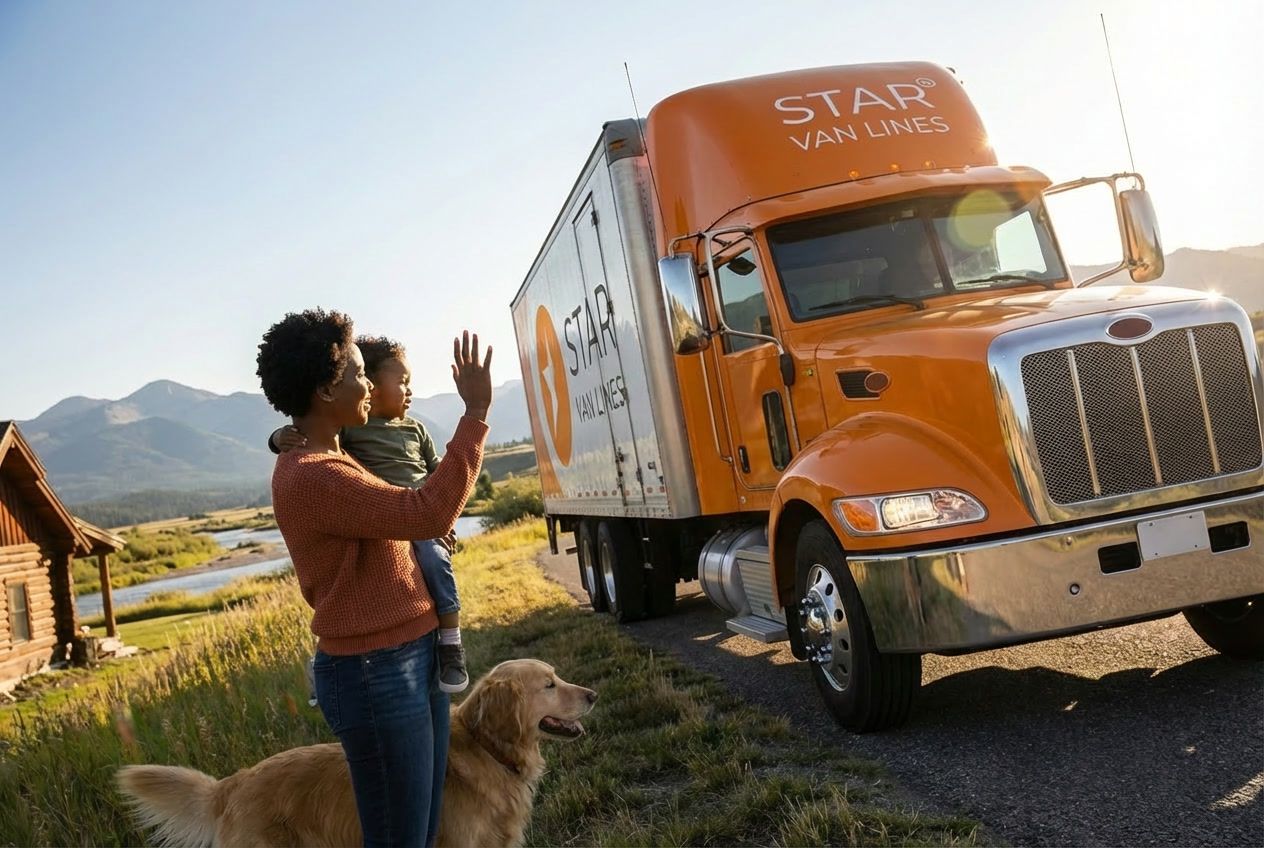
Wyoming is the least populated state in America, with just under 589,000 residents spread across nearly 98,000 square miles. That's 5.9 people per square mile. Yet this state draws a steady stream of relocating households. Zero state income tax, zero corporate tax, two of the country's most famous national parks, and wide-open spaces have made Wyoming a magnet for remote workers and retirees fleeing high-cost coastal metros. Domestic migration nearly doubled in 2025, bringing 1,474 net new residents. And the state posted +26 net migrants per 10,000 people. Star Van Lines is a USDOT-licensed interstate carrier (USDOT #4176875, MC #1607491) that handles local and long-distance moves across all of Wyoming. We've been running these corridors since 2016, from I-80 across the southern tier connecting Cheyenne and Rock Springs, up I-25 through Casper to Buffalo, and across I-90 in the north through Sheridan and Gillette.
Moving in Wyoming isn't like moving anywhere else in the Lower 48. Distances between cities are enormous. Cheyenne to Jackson is 440 miles with no major town in between for long stretches. Sustained winds on I-80 regularly hit 40-60 mph and force truck shutdowns through the WYDOT gates system. Winter brings blizzards that close interstates for days. And Jackson Hole has strict truck access limits that require advance coordination. Our crews pre-plan every Wyoming delivery with route knowledge that accounts for altitude, wind, road conditions, and the nearest fuel stop, because running empty on a 100-mile stretch of I-80 isn't an option.
Want a price for your Wyoming move? Call (855) 822-2722 or use our online quote calculator. You'll get an itemized estimate covering every charge, from packing materials to any shuttle fees for ranch or mountain properties. We're rated 4.0 on Trustpilot, 4.5 on Google, and 4.75 on Facebook across 240+ reviews.

Dennis has 15+ years of experience in interstate moving and has coordinated over 1,000 relocations across the United States.

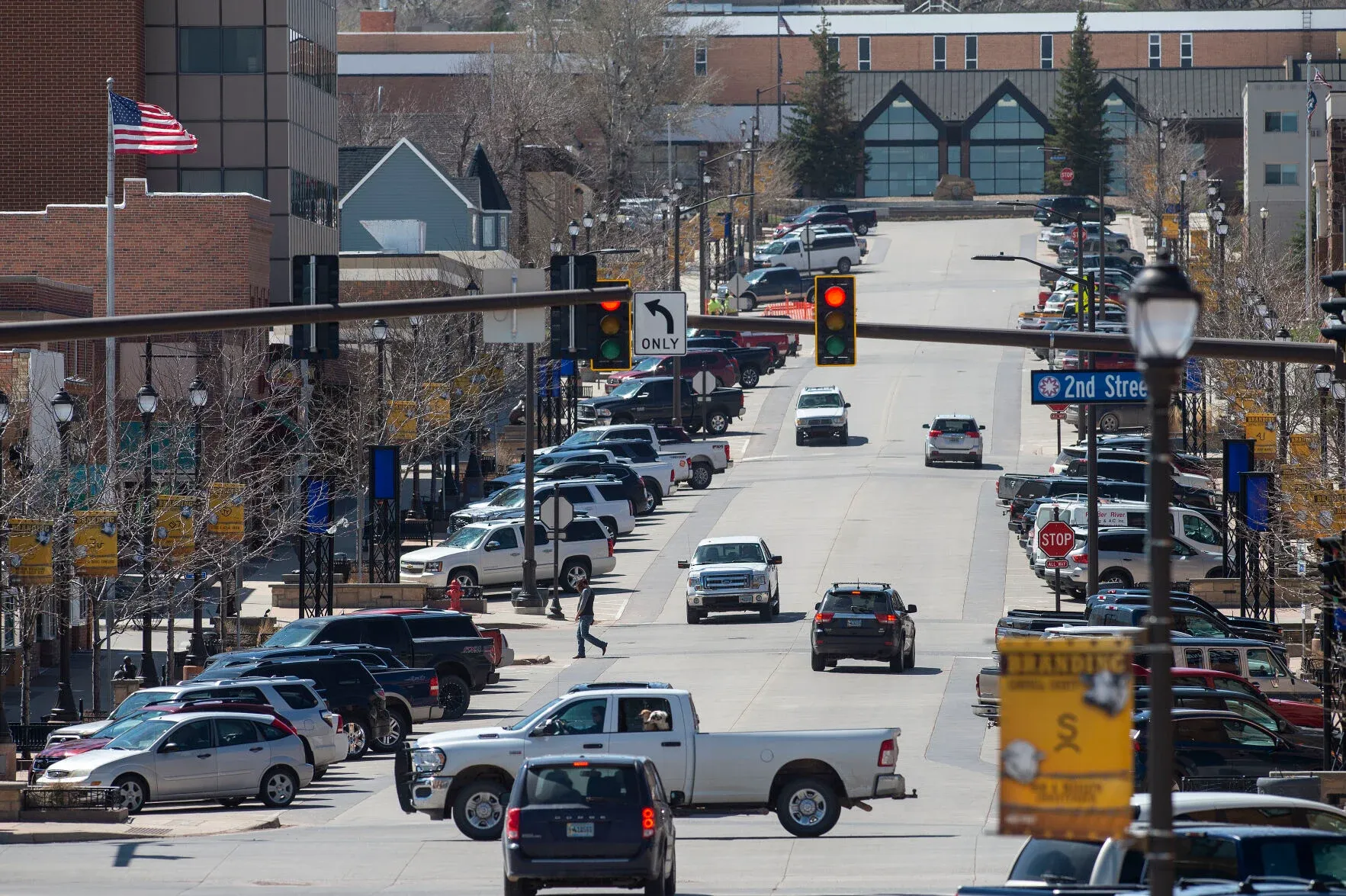
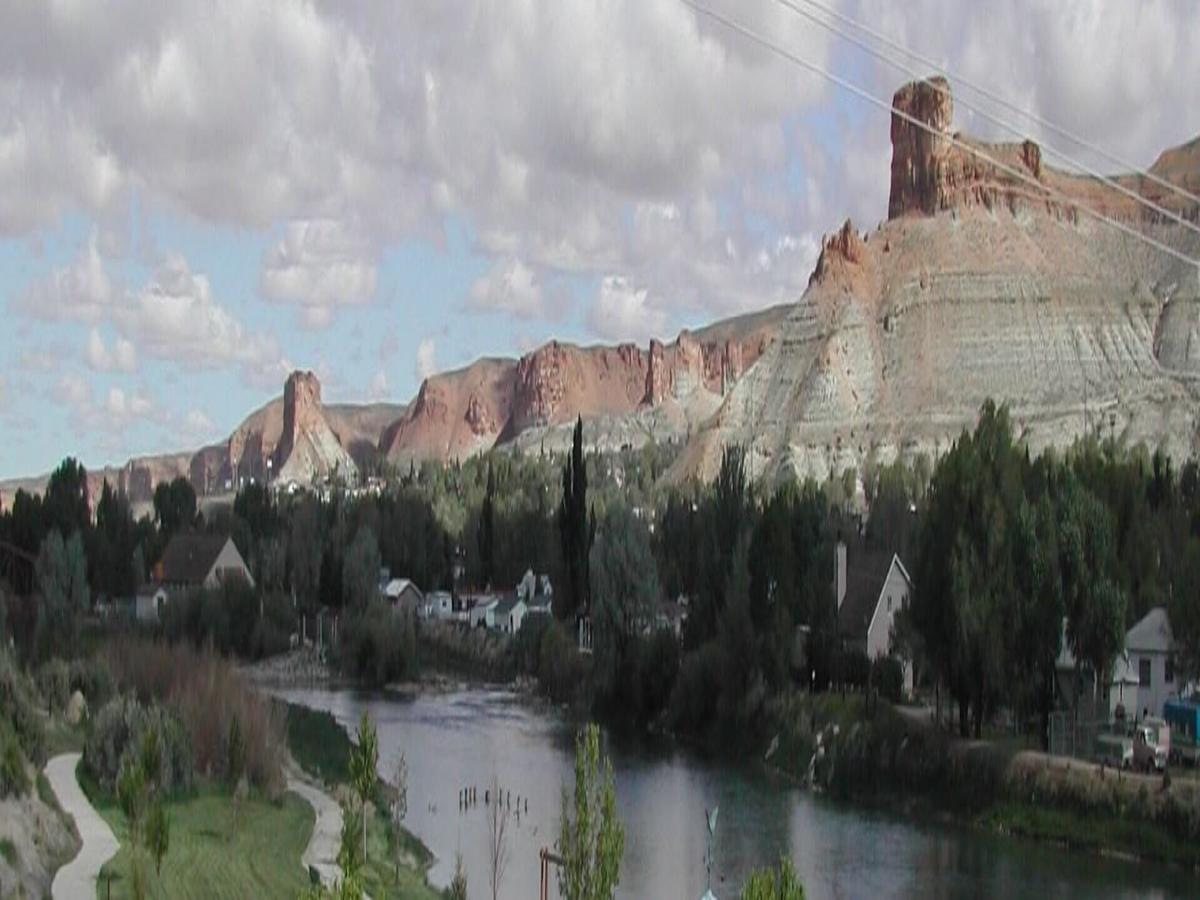
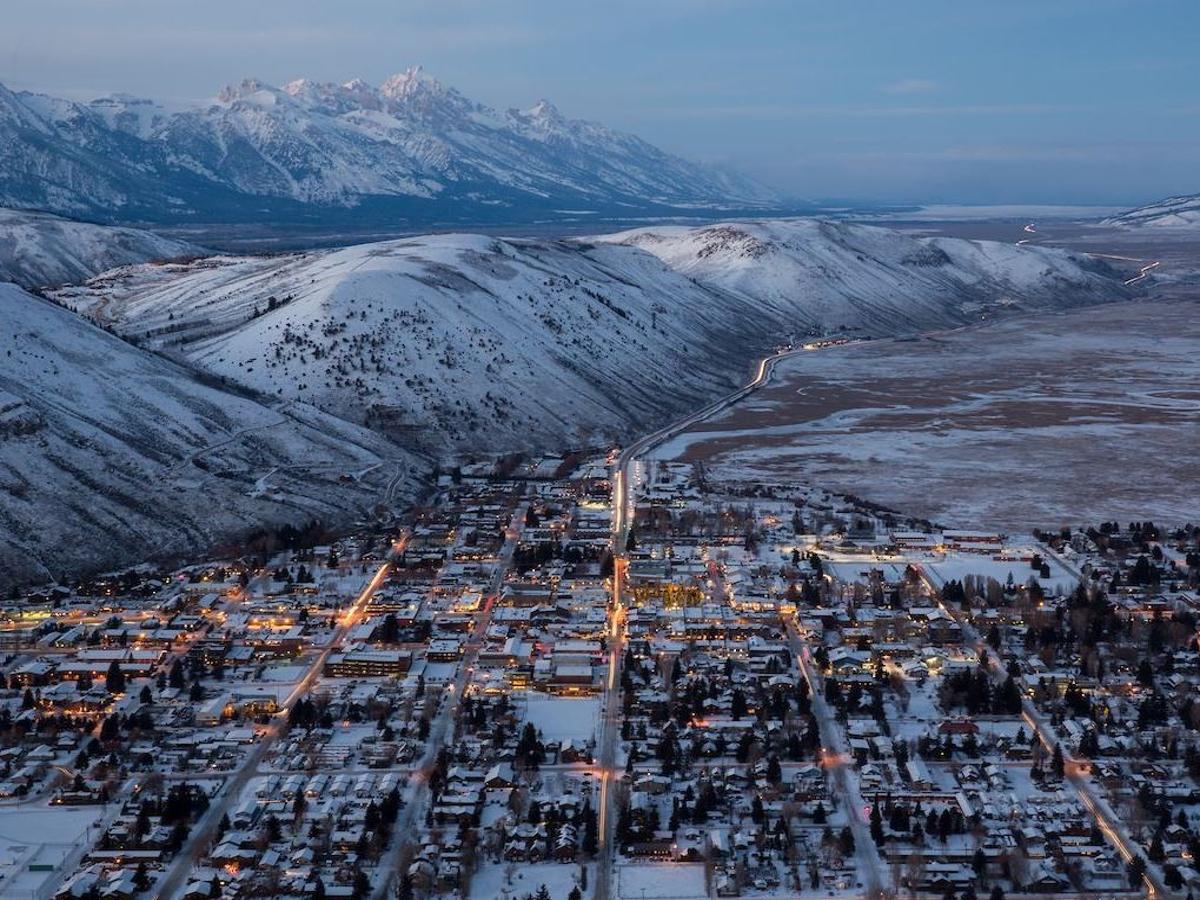
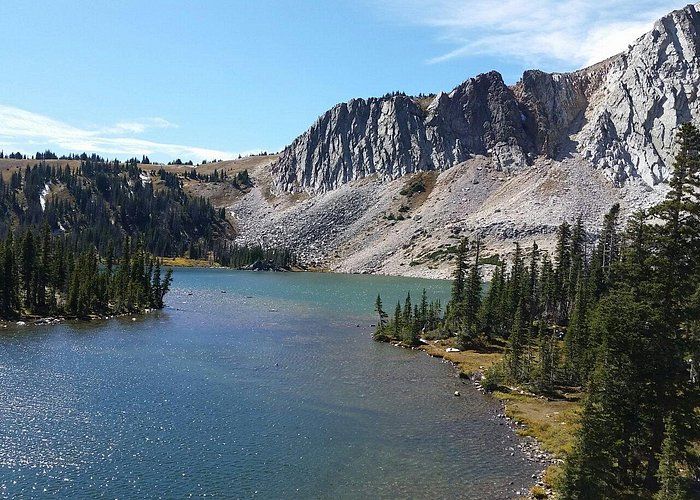
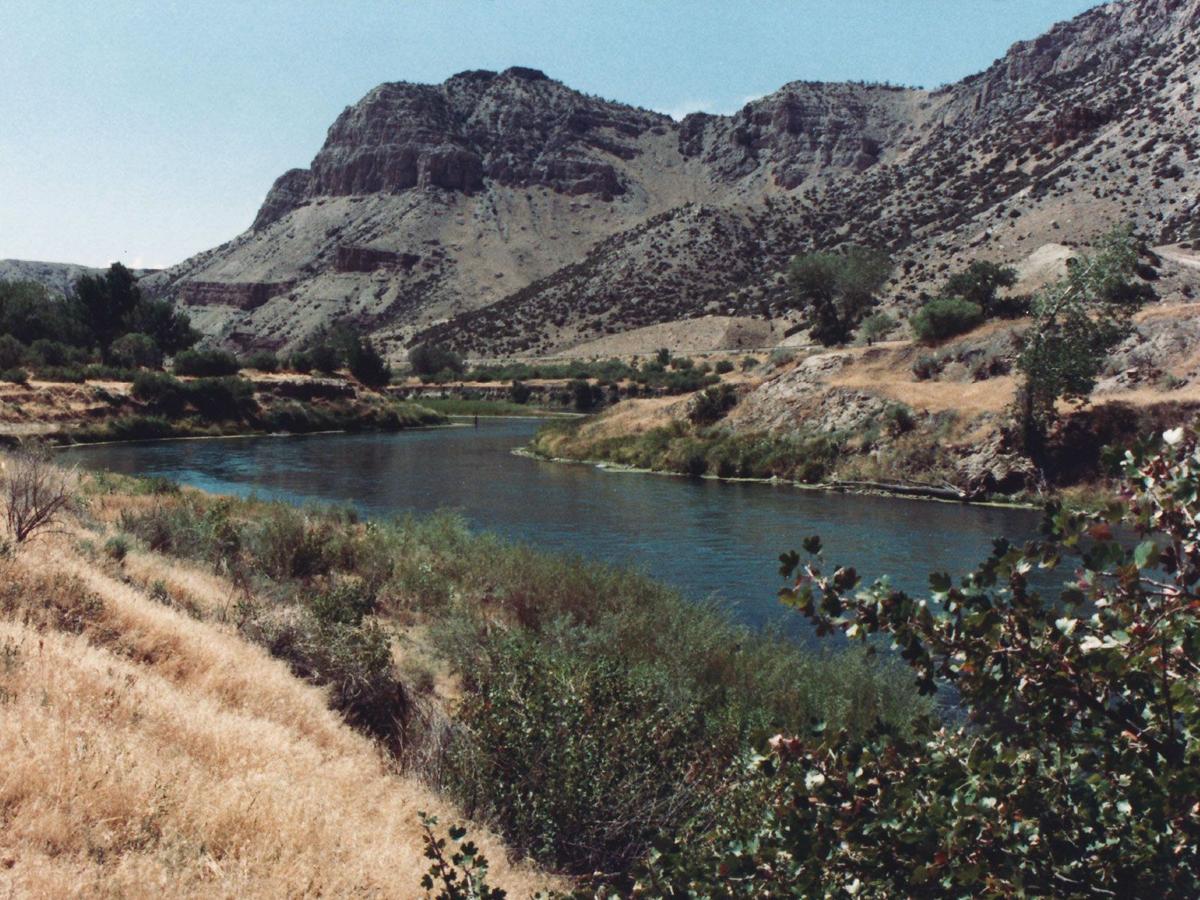
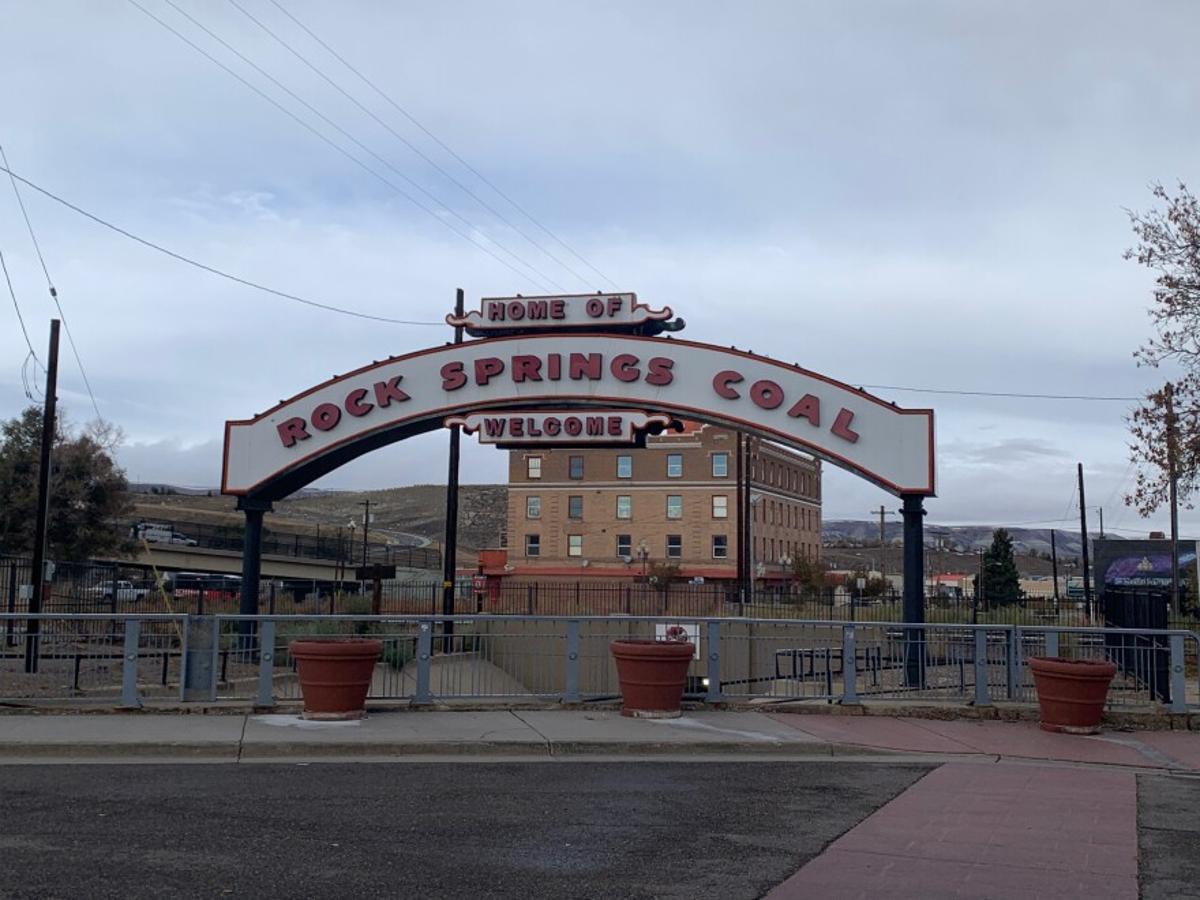
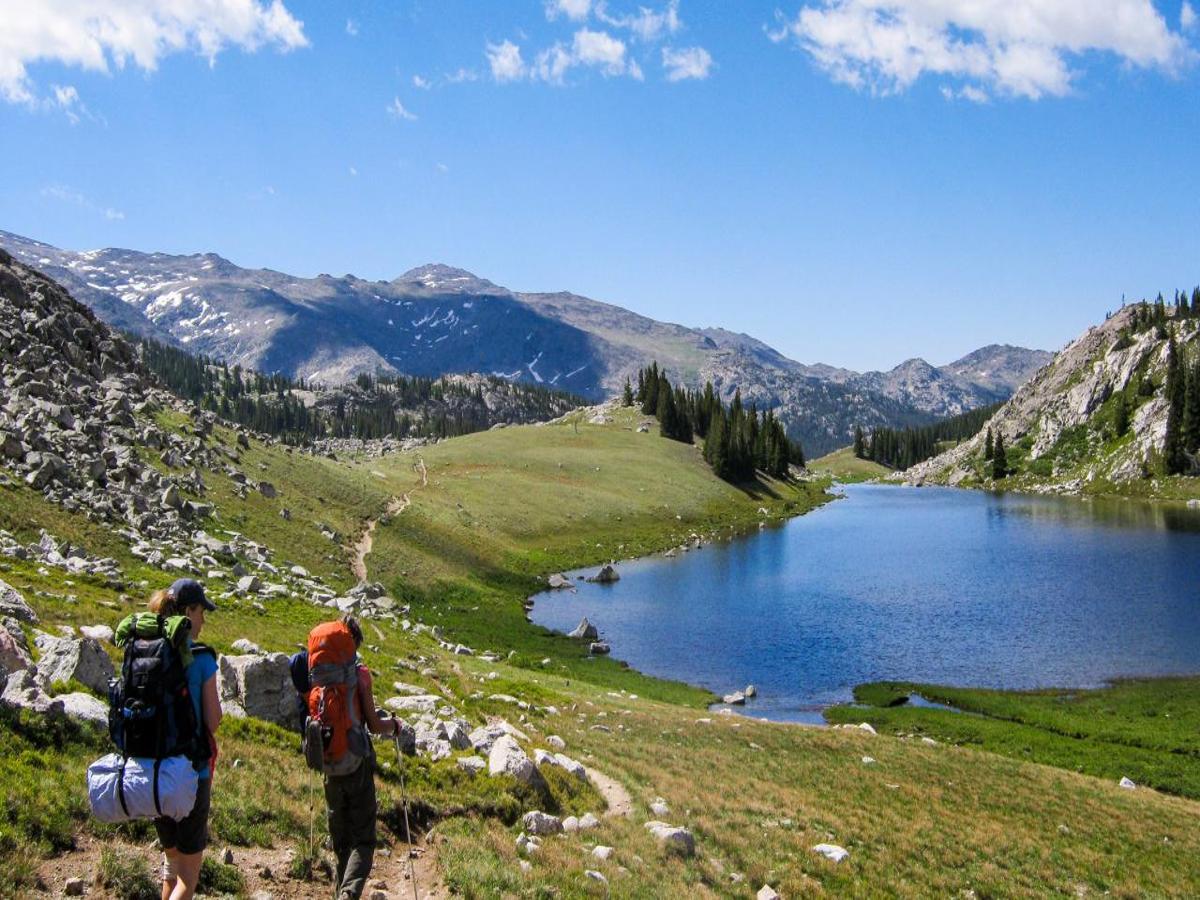
Moving services in Wyoming
Star Van Lines provides local, long-distance, and interstate moving services across Wyoming. We handle packing, loading, transport, and delivery for residential and commercial moves. Because Wyoming's population centers are separated by vast distances, high-altitude terrain, and some of the strongest sustained winds in the continental United States, every Wyoming move requires route-specific planning that most generic movers don't provide. Every move includes a single coordinator, trained crew, and written estimate.
Local moving in Wyoming
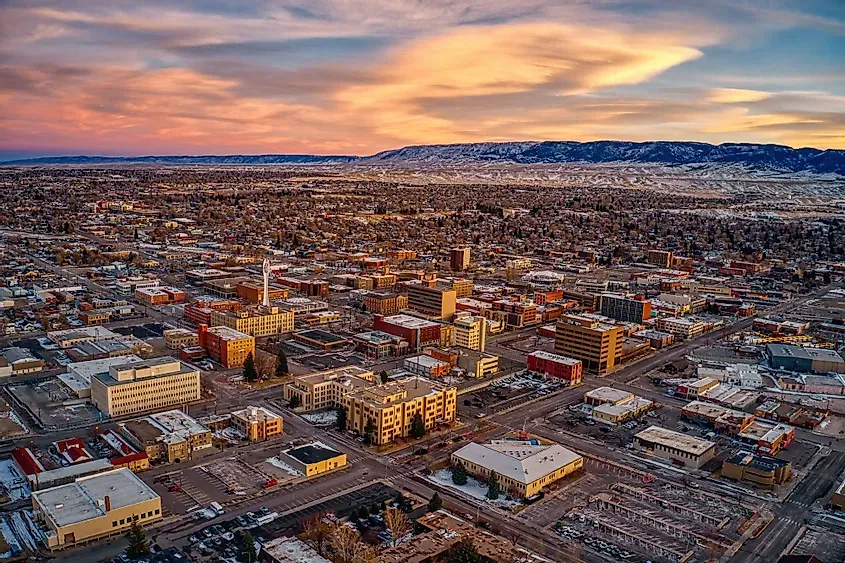
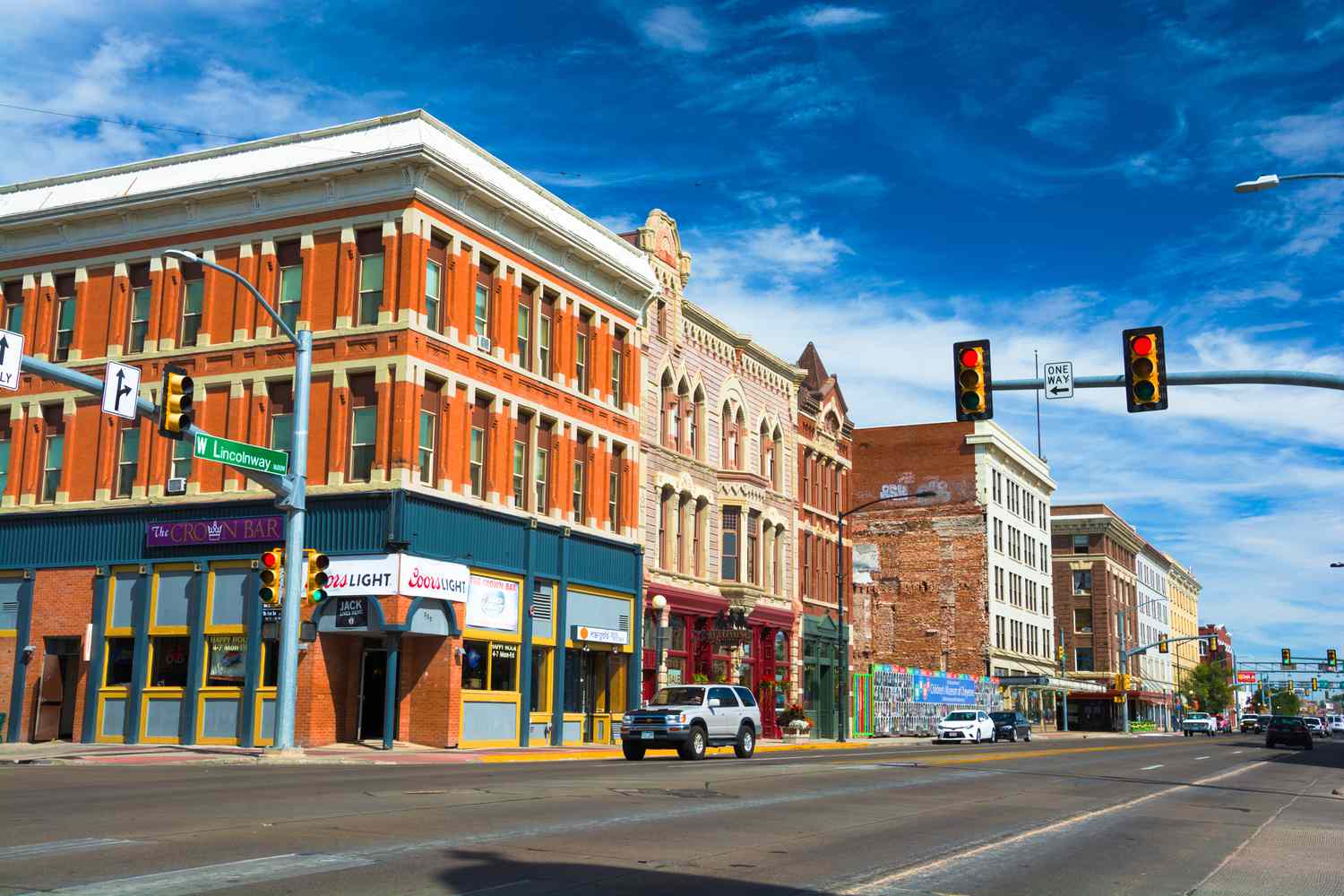
Local moves in the Cheyenne metro typically run 2-4 hours for a one-bedroom apartment, while Casper and Laramie have similar timelines. Jackson is different. Narrow mountain roads, limited parking, and strict delivery windows in the town core add time and complexity that aren't typical for a city of 11,000 people. A crew of two costs $86-$138 per hour. And three movers run $132-$241. We serve the Cheyenne to Laramie corridor on I-80, the Cheyenne to Casper stretch on I-25, and the Sheridan to Gillette route on I-90. Although these look like short distances on a map, Wyoming's high altitude (most of the state sits above 6,000 feet) and wind conditions can extend drive times and affect loading schedules. Early morning starts are standard practice.
Long-distance moving from Wyoming
Wyoming's long-distance moves most commonly head to Colorado, California, Texas, and Florida. The WY-to-CO corridor is the shortest at about 101 miles from Cheyenne to Fort Collins. But the I-25 stretch through the Front Range can be congested. California-bound moves cover 1,100 miles, routing west on I-80 through Utah and Nevada. Florida-bound loads travel roughly 1,900 miles, heading south on I-25 to I-70 or I-40. Because Wyoming has limited moving industry presence, scheduling well in advance is important, especially for summer moves when demand peaks and crews are booked weeks out. Your coordinator monitors WYDOT road conditions, wind advisories, and winter closures on I-80 that can delay departures by hours or days.
Packing and storage
We offer full-service packing, partial packing, and self-pack options. Full-service means our crew brings all materials and packs every room. Partial lets you choose which rooms we handle. Self-pack is the lowest-cost option. We have 43 warehouse locations nationwide for short-term and long-term storage. Wyoming's dry climate actually makes storage less risky than humid states. But altitude and temperature swings matter. Temperatures can swing 40 degrees in a single day, so items sensitive to thermal cycling, like electronics, musical instruments, and certain finishes, need climate-controlled storage if you're storing for more than a few weeks.
Auto transport and specialty items
We ship vehicles via open or enclosed carrier. Most Wyoming-origin vehicle shipments head to Colorado, California, and Texas. We also move pianos, gun safes, antiques, and artwork with specialty crating. Ranch properties may require shuttle service if the access road can't accommodate a standard trailer. Wyoming has no vehicle safety inspection requirement and no emissions testing, so there's nothing to schedule at the destination from a vehicle compliance standpoint, unlike many eastern states.
How much does moving in Wyoming cost?
Moving costs in Wyoming depend on whether you're relocating locally or across state lines. Local moves within the state typically run $86-$138 per hour for a two-person crew with truck. Long-distance moves start at $690 for studio apartments and go up to $8,510 for large homes, depending on distance, weight, and access conditions at rural or ranch properties.
Local moving rates
| Crew size | Hourly rate |
|---|---|
| 2 movers + truck | $86-$138 / hour |
| 3 movers + truck | $132-$241 / hour |
| 4 movers + truck | $184-$368 / hour |
Long-distance rates from Wyoming
| Move size | Estimated price range |
|---|---|
| Studio / 1 Bedroom | $690 - $2,128 |
| 2-3 Bedrooms | $1,265 - $4,658 |
| 4+ Bedrooms | $2,070 - $8,510 |
Popular routes and pricing from Wyoming
| Route | Distance | Avg cost (2-3 BR) |
|---|---|---|
| WY to Colorado | 101 mi | $1,265 - $1,495 |
| WY to California | 1,100 mi | $2,875 - $3,507 |
| WY to Texas | 900 mi | $2,703 - $3,277 |
| WY to Florida | 1,900 mi | $3,795 - $4,658 |
| WY to Utah | 440 mi | $1,955 - $2,415 |
Pricing reflects market averages for moves in and from Wyoming as of May 2026. Your final price depends on inventory weight, packing level, access at pickup and delivery, and scheduling flexibility. Ranch and mountain properties with unpaved roads or gates may require shuttle service. Call (855) 822-2722 or use our free quote calculator for an exact estimate.
What affects your moving price
- Shipment weight and volume are the biggest factors for any long-distance move from Wyoming.
- Distance is significant. Colorado is next door at 101 miles, but Florida is 1,900.
- Access at both locations plays a role. Unpaved ranch roads, gated properties, elevation-related challenges in Jackson or the Bighorns, and long carries from road to front door all add to labor time.
- How much packing you want us to do. Full-service runs more than partial packing, and self-pack is the lowest option.
- When you move. Summer is peak season in Wyoming, and rates reflect the limited availability of moving crews in a state with fewer than 600,000 residents.
- Add-on services like auto transport, storage, and specialty item handling (pianos, gun safes, artwork) come with their own pricing.
Moving routes from Wyoming
Moving to Wyoming: what you should know
Wyoming is the only state with no income tax, no corporate tax, and two of America's most famous national parks within its borders. But moving here requires a team that can handle 7,000-foot elevations, 60-mph wind gusts, and the longest distances between cities of any state in the Lower 48. Below is a guide covering cost of living, access and logistics, climate and timing, and what you need to do after you arrive.
What it costs to live in Wyoming
Wyoming's cost of living index is 92.7 (US average = 100, BEA RPP 2024), below the national average but higher than some people expect for a rural state. That number is pulled up by Jackson Hole, where median home prices are among the highest in the country. Outside of Teton County, housing is considerably more affordable. Statewide median home value is $309,700 (Census ACS 2020-2024), and median monthly rent is $992. Median household income is $76,176, above the national average, and there's no state income tax to reduce it. Average combined sales tax is just 5.4%, one of the lowest in the country. Because 71.8% of Wyoming households own their homes (Census ACS 2020-2024), equity-building is more accessible here than in higher-priced states.
Access and logistics
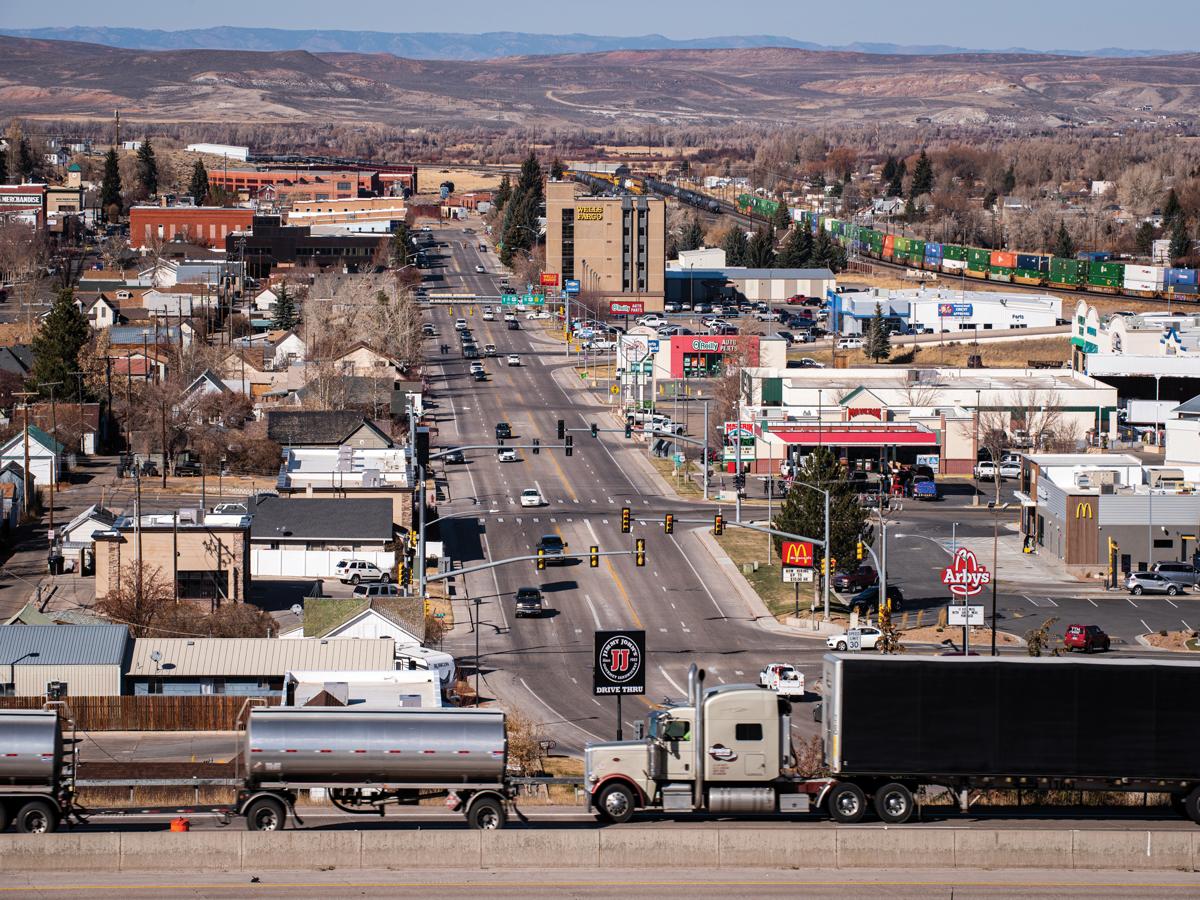
Wyoming has three Interstate highways that form the backbone of its transportation network. I-80 runs 403 miles east-west across the southern tier, connecting Cheyenne, Laramie, Rawlins, Rock Springs, and Evanston. It's a major transcontinental freight route, and it's also the highway most likely to shut down for wind and blizzards. The WYDOT gates system closes sections of I-80 multiple times each winter. I-25 runs 301 miles north-south from the Colorado border through Cheyenne, Casper, and north to Buffalo. I-90 crosses the northern part of the state for 209 miles, connecting Sheridan and Gillette to Montana and South Dakota. But beyond these three interstates, most of Wyoming relies on two-lane highways. US-191 connects Jackson to I-80 through remote mountain terrain. US-26 and US-287 serve central Wyoming communities, but services between towns are sparse. And cell coverage drops in many areas west of Casper. For moving companies, this means pre-planning fuel stops, confirming road conditions with WYDOT, and carrying chains during winter months.
Climate and timing
Wyoming averages 248 days of sunshine per year, more than most people expect (NOAA). But that sunshine comes with some of the harshest weather conditions in the Lower 48. Summer highs average 84 degrees at lower elevations, but altitude keeps nights cool. Winters are the real story. Average winter lows hit 18 degrees in Cheyenne, and higher elevations are colder. The state averages 91 inches of snowfall per year, and sustained winds on I-80 regularly exceed 40 mph, with gusts that can tip high-profile vehicles. Wyoming is also one of the driest states in the country with just 13 inches of annual rainfall. Best months for a Wyoming move are June through September, when roads are clear, temperatures are comfortable at altitude, and daylight hours are long. November through March is the worst window: blizzards, road closures, and wind make trucking unpredictable. Even summer moves need to account for afternoon thunderstorms at altitude. And early morning loading is standard practice for experienced Wyoming movers.
Residency and regulations
Wyoming has the most generous driver's license timeline of any state in our pilot group. New residents have a full 365 days to obtain a Wyoming license. Visit the Wyoming DOT (dot.state.wy.us) with proof of residency and your out-of-state license. Vehicle registration should be completed upon establishing residency. There's no state-mandated safety inspection and no emissions test, which makes the vehicle transition simpler than in most states. Wyoming requires only a VIN inspection for out-of-state vehicles. Voter registration is available in-person or by mail, but Wyoming does not offer online voter registration, so plan to visit your county clerk's office.
What to know before moving to Wyoming
Benefits of moving to Wyoming
0,753
Population
$0,176
Median household income
0.7
Cost of living index
No state income tax
0/year
Days of sunshine
0 (Yellowstone + Grand Teton)
National parks
Wyoming is home to just 588,753 people, making it the least populated state in the nation by a wide margin. But population density isn't the whole story. The state's economy runs on energy (oil, gas, coal, wind), tourism, agriculture, and increasingly on the spending power of remote workers who earn coastal salaries while paying zero state income tax. Median household income is $76,176, above the national average, and the absence of income tax means that entire figure stays in your pocket. Wyoming posted +26 net migrants per 10,000 residents in 2025, with domestic migration nearly doubling to 1,474 people, concentrated in Laramie County (Cheyenne). Growth is uneven, though. While Cheyenne gains, some energy-dependent counties like Campbell (Gillette) and Sweetwater (Rock Springs) have seen outflows during commodity downturns. The state gets 248 days of sunshine per year. And its two national parks - Yellowstone and Grand Teton - draw millions of visitors annually, fueling a tourism economy that supports communities across the western half of the state.
Is Wyoming a good place to live?
Wyoming offers zero income tax, wide-open spaces, clean air, and access to some of the most spectacular landscapes in America. The trade-offs are real: limited job markets outside energy and government, extreme weather, and vast distances to major cities with airports and hospitals. Whether it's a good fit depends on your income source, tolerance for isolation, and how much you value space over convenience.
Tax environment
Wyoming has no state income tax and no corporate income tax (Tax Foundation 2026). That's a significant draw for high earners relocating from states like California, New York, or New Jersey. Average combined state and local sales tax is 5.4%, well below the national average. Property taxes are also moderate. The state does rely heavily on mineral extraction taxes and federal land revenues to fund government services, which means that during energy downturns, some public services face budget pressure. For retirees, the tax environment is particularly favorable - no income tax on Social Security, pensions, or investment income.
Housing market
Statewide median home value is $309,700 (Census ACS 2020-2024), but that number hides dramatic variation. Jackson Hole (Teton County) has some of the most expensive real estate in the country, with median home prices exceeding $1.5 million. Cheyenne and Casper are more affordable, with prices closer to or slightly above the statewide median. Small towns like Thermopolis, Lander, and Powell offer genuinely affordable housing. Median monthly rent statewide is $992. About 71.8% of Wyoming households own their homes (Census ACS 2020-2024). The biggest housing challenge isn't price in most of the state but availability. Inventory is limited, especially during energy booms when workers flood into oil patch communities.
Job market and economy
Energy dominates Wyoming's economy. Oil, natural gas, coal, and increasingly wind energy provide a large share of employment and state revenue. Government (state, federal, and military) is the second-largest employer. The University of Wyoming in Laramie is a significant economic anchor. Tourism supports jobs across the western part of the state, particularly in the Jackson, Cody, and Yellowstone corridor. Healthcare and education round out the employment picture. The state's labor force participation rate is 64.3%, above the national average, reflecting a culture of work and limited retirement-age population. For remote workers, Wyoming's combination of zero income tax and relatively affordable housing makes the math very attractive, although reliable internet isn't guaranteed everywhere.
Safety and natural risks
Blizzards are Wyoming's primary natural risk. I-80 closures happen multiple times each winter, and wind chill temperatures can reach dangerous levels across the state. High winds are a year-round factor, particularly in the southeast and along the I-80 corridor, where sustained speeds of 40-60 mph can damage property and make driving hazardous. Wildfires affect forested areas in the western mountains, particularly during dry summers. And extreme cold (-20 degrees or below) is common in January and February across most of the state. The state has limited seismic activity outside the Yellowstone caldera zone. Crime rates are generally low. But the biggest safety consideration for most newcomers is simply the distance to emergency services in rural areas. Air ambulance coverage is essential for residents living far from hospitals, and some employers offer flight insurance as a standard benefit.
Who thrives in Wyoming?
Remote workers earning out-of-state salaries
Zero income tax means a remote worker earning $120,000 keeps thousands more per year than they would in California or New York. Cheyenne, Laramie, and Sheridan have the best broadband infrastructure. Jackson has the lifestyle but not the affordability. If your employer doesn't care where you sit, Wyoming's financial equation is hard to beat, assuming you can handle winter.
Outdoor recreation enthusiasts
Yellowstone and Grand Teton are the headliners, but Wyoming's outdoor recreation extends far beyond the parks. World-class fly fishing on the North Platte and Green Rivers, elk and mule deer hunting across millions of acres of public land, skiing at Jackson Hole and Snow King, and backcountry hiking in the Wind River Range. If being outdoors is central to your identity, Wyoming delivers year-round.
Retirees seeking tax-friendly living
No income tax on Social Security, pensions, or investment income. Moderate property taxes. Low crime. Clean air. And 248 days of sunshine per year. The trade-off is distance to major medical centers. Retirees with ongoing specialist needs should locate near Cheyenne (90 miles from Denver's hospitals) or within driving distance of Billings, Montana. Otherwise, healthcare access in rural Wyoming is limited.
Entrepreneurs and small business owners
Wyoming consistently ranks among the most business-friendly states in the country. No corporate income tax, minimal regulation, and a pro-business culture. The state is a popular destination for LLC formation specifically because of its legal protections and tax advantages. If you're starting or relocating a business, the regulatory environment is about as lean as it gets.
Families who want space and safety
Class sizes are small. Crime is low. And children grow up with access to a landscape that most families only visit on vacation. Schools vary by district, but Sheridan High School, Jackson Hole High School, and Central High School in Cheyenne are consistently well-regarded. The downside is limited extracurricular options and long drives for competitive sports, arts programs, and specialized education.
First week after moving to Wyoming: what to do
After your move to Wyoming, the state gives you one of the most generous timelines in the country for updating your identification. You have a full year to get a Wyoming driver's license, and there's no vehicle safety inspection to worry about. Here is a prioritized checklist.
- Plan your driver's license timeline.
Wyoming gives new residents 365 days to obtain a state driver's license, the longest deadline in the country. Visit the Wyoming DOT (dot.state.wy.us) with proof of residency and your out-of-state license when you're ready. There's no rush, but getting it done early simplifies other tasks like vehicle registration and insurance.
- Register your vehicle.
Vehicle registration should be completed upon establishing residency. Wyoming requires a VIN inspection for out-of-state vehicles, which can be done at any local law enforcement office. There's no safety inspection and no emissions test. Bring your out-of-state title, proof of insurance, and identification.
- Transfer your auto insurance.
Contact your insurer to re-rate your policy for Wyoming. Premiums may decrease if you're coming from a high-density state. Wyoming has specific minimum liability coverage requirements, and your insurer can explain the differences.
- Register to vote.
Wyoming does not offer online voter registration. You must register in-person at your county clerk's office or by mail. Bring identification and proof of residency. Wyoming is exempt from the Motor Voter Act, so voter registration is not automatically offered at the DMV.
- Update homeowner's or renter's insurance.
Wyoming's primary insurance considerations are wind damage, wildfire (in forested western areas), and extreme cold that can cause pipe freezing. Review your coverage with your insurer, and ask specifically about wind deductibles if you're in the southeast part of the state.
- Forward your mail.
USPS Change of Address is free online at usps.com. Mail forwarding starts within 7-10 business days. In rural areas, verify your physical address with the local post office. Some ranch and rural properties use P.O. boxes for mail delivery because USPS doesn't serve their physical addresses.
- Transfer medical records.
Contact current providers before your move and find a new primary care physician in Wyoming. Healthcare access in rural areas is limited. And specialist referrals often require travel to Cheyenne, Casper, or out of state to Denver or Billings. If you have ongoing medical needs, confirm access to your required specialists before your move.
- Prepare for winter.
If you're moving to Wyoming between October and May, invest in winter readiness before your first storm hits. This means snow tires or chains (mandatory on some routes), a vehicle emergency kit (blankets, water, flashlight, snacks), and a plan for heating your home if power goes out. Four-wheel drive or all-wheel drive is practically a requirement for daily life outside of Cheyenne's city center.
Wyoming at a glance: schools, jobs, and things to do
Schools and universities
Jackson Hole High School, Sheridan High School, and Central High School in Cheyenne are among the state's top-rated public high schools. The University of Wyoming in Laramie is the state's only four-year public university and a significant research institution, with strong programs in engineering, geology, energy, and atmospheric science. Community colleges are spread across the state: Northwest College in Powell, Western Wyoming Community College in Rock Springs, Central Wyoming College in Riverton, and Laramie County Community College in Cheyenne. Wyoming Catholic College in Lander offers a distinctive liberal-arts experience. For families, school quality varies by district, but the state's small class sizes and relatively high per-pupil spending are advantages.
Major employers
The energy sector employs a significant portion of Wyoming's workforce across oil, natural gas, coal mining, and wind energy. The University of Wyoming is one of the state's largest single employers. State government agencies, including WYDOT and the state parks system, employ thousands. In healthcare, Cheyenne Regional Medical Center, Wyoming Medical Center (Casper), and St. John's Medical Center (Jackson) are anchor employers. Tronox Alkali in Green River operates the world's largest trona mine. F.E. Warren Air Force Base in Cheyenne provides federal employment. Tourism supports jobs across the Jackson Hole, Cody, and Yellowstone corridor, with hospitality and recreation employers peaking during summer months. L&H Industrial in Gillette and Wyoming Machinery in Casper serve the energy and mining sectors.
Attractions and recreation
Yellowstone National Park is the world's first national park and home to geothermal features, grizzly bears, wolves, bison, and some of the most visited landscapes in America. Grand Teton National Park, just south of Yellowstone, offers dramatic mountain scenery, hiking, and wildlife viewing. Jackson Hole Mountain Resort is one of the premier ski destinations in North America. Devils Tower National Monument was the country's first national monument. The town of Cody, founded by Buffalo Bill, hosts the Buffalo Bill Center of the West and summer rodeo events. Fly fishing on the North Platte, Green, and Snake Rivers draws anglers from around the world. The Wind River Range offers backcountry hiking and climbing that rivals anything in Colorado. And for stargazers, Wyoming's minimal light pollution makes it one of the best places in the Lower 48 to see the Milky Way on a clear night.
FAQ
Questions? Look here
Can’t find an answer? Call us
(855) 822-2722 or email
Local moving in Wyoming typically costs $86-$138 per hour for a two-person crew with truck. A standard three-bedroom home takes 4-6 hours, putting the total between $417 and $3,321. Jackson Hole moves may cost more because of limited truck access and strict delivery windows. Call (855) 822-2722 for an itemized estimate.
Long-distance moves from Wyoming start at $690 for studio apartments and go up to $8,510 for four-plus-bedroom homes. The closest destination, Colorado, runs around $1,265-$1,495 for a two-bedroom, while Florida-bound moves can reach $3,795-$4,658. Star Van Lines provides binding estimates so your price won't change after booking.
Search our USDOT number 4176875 on the FMCSA SAFER website (safer.fmcsa.dot.gov). This federal database confirms our operating authority, MC number 1607491, insurance status, and safety record. Any legitimate interstate mover should be able to provide a verifiable USDOT number.
Wind is a constant in Wyoming, particularly in the southeast and along the I-80 corridor. Sustained speeds of 40-60 mph are common, and gusts can exceed 80 mph during storms. Winters bring heavy snow (91 inches statewide average), sub-zero temperatures, and road closures. Most residents invest in four-wheel drive, carry emergency kits in their vehicles, and check WYDOT road conditions before any long drive. You adjust, but it takes a season or two to calibrate your expectations.
Federal law requires interstate movers to offer two levels: Released Value Protection (free, covers $0.60 per pound per item) and Full Value Protection (paid, covers repair, replacement, or cash settlement at current value). Star Van Lines is fully insured under USDOT #4176875 and can explain both options when you request a quote.
Jackson Hole (Teton County) has some of the most expensive real estate in the western United States, with median home prices well above the statewide average. Most service workers commute from nearby Idaho towns like Driggs and Victor, or from smaller Wyoming communities. If you're relocating to the Jackson area on a typical salary, plan to look outside the town core. The rest of Wyoming is far more affordable, with Cheyenne, Casper, and smaller towns offering housing at a fraction of Jackson's prices.
Government (state, federal, military) is the second-largest employer after energy. The University of Wyoming is a major economic anchor in Laramie. Healthcare, tourism, and agriculture round out the job market. F.E. Warren Air Force Base in Cheyenne provides federal employment. Tourism supports seasonal jobs across the western corridor. Remote work has become a significant factor, with zero income tax attracting professionals who earn salaries from employers in other states.
Cheyenne is 90 miles from Denver International Airport, the closest major hub. Casper has a regional airport with limited commercial flights. Jackson Hole Airport has seasonal service to major cities, but flights are expensive. For residents in Sheridan or Gillette, Billings, Montana (about 130 miles from Sheridan) is the nearest option for full hospital services and commercial flights. The bottom line: most Wyoming residents plan their lives around being 1-3 hours from a major metro.
June through September offers the best conditions. Roads are clear, temperatures are comfortable at altitude, and daylight hours are long. November through March is the worst window because of blizzards, road closures, and unpredictable wind. Even summer moves need to account for afternoon thunderstorms at altitude, so early morning loading is standard practice. Book 6-8 weeks in advance for summer dates, since Wyoming's limited moving industry means crews fill up fast.
Four-wheel drive or all-wheel drive is practically a requirement for anyone living outside of Cheyenne's city center. Winter road conditions on I-80, I-25, and I-90 regularly include packed snow and ice. Rural roads may not be plowed promptly. Chain laws are enforced on some routes during storms. Even in summer, unpaved ranch roads and mountain passes benefit from higher clearance and four-wheel drive. Most long-term Wyoming residents own at least one vehicle with 4WD.
Most of Wyoming sits above 6,000 feet, with some communities above 7,000. The acclimation period is real: expect shortness of breath during physical activity for the first 1-2 weeks, and possibly longer if you have respiratory conditions. Cooking times change at altitude (water boils at a lower temperature). Sunburn happens faster because of thinner atmosphere. Pets also need time to adjust, especially dogs during vigorous exercise. And alcohol hits harder at elevation, so pace yourself during your first few weeks.
New residents should register their vehicle upon establishing residency. Wyoming requires a VIN inspection for out-of-state vehicles, which can be completed at any local law enforcement office. There is no safety inspection and no emissions test. You have a full 365 days to obtain a Wyoming driver's license, the most generous deadline of any state. Visit the Wyoming DOT (dot.state.wy.us) with proof of residency and your current out-of-state license.
Ready to Start Your Wyoming Move?
Get a free moving estimate today. No obligation, no pressure.
Call us or fill out the form - we'll get back to you fast.
USDOT #4176875 | MC #1607491 | Licensed & Insured