
Thank you for your feedback!
We will contact you shortly

Free consultation
Enter your phone number and we will call you back for a consultation on any moving and storage services

New Mexico
Professional New Mexico Movers for Local & Interstate Moves

New Mexico ranked among the top 10 states for inbound moves in 2023, with nearly 60% of all van line moves heading into the state rather than out of it. Californians, Coloradans, and retirees have been chasing affordability, sunshine, and a creative lifestyle that larger Sunbelt metros can't replicate. Star Van Lines is a USDOT-licensed interstate carrier (USDOT #4176875, MC #1607491) that handles local and long-distance moves across all of New Mexico. We've been running these corridors since 2016, from I-25 between Las Cruces and Santa Fe to I-40 across the state following the old Route 66 alignment. And through the high desert passes that connect Albuquerque to Arizona and Texas.
Our New Mexico moving services cover packing, loading, transport, delivery, and short-term storage at warehouse locations across the state. Because New Mexico sits at an average elevation of 5,700 feet with only three mainline Interstate highways, every move here involves altitude, distance, and weather considerations that flatter states never face. A local move within the Albuquerque metro runs differently than a haul from Santa Fe to Denver over Raton Pass. We handle both with the same coordinator and the same written estimate from pickup through delivery.
Want a price for your New Mexico move? Call (855) 822-2722 or use our online quote calculator. You'll get an itemized estimate that breaks down every line item, so there aren't any surprises on moving day. We're rated 4.0 on Trustpilot, 4.5 on Google, and 4.75 on Facebook across 240+ reviews.

Dennis has 15+ years of experience in interstate moving and has coordinated over 1,000 relocations across the United States.

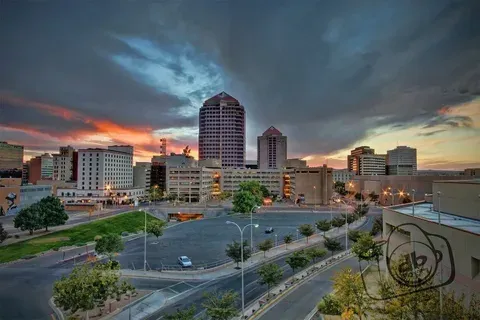
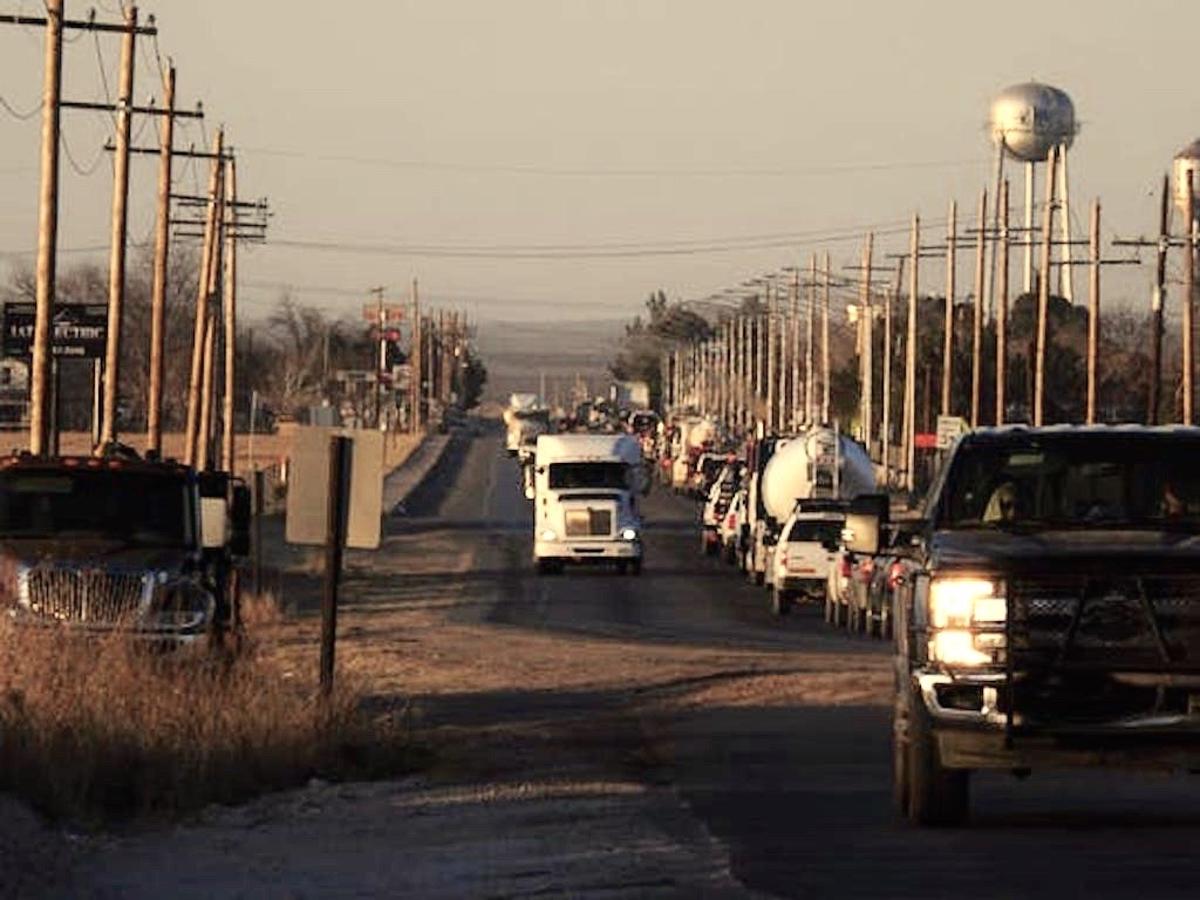
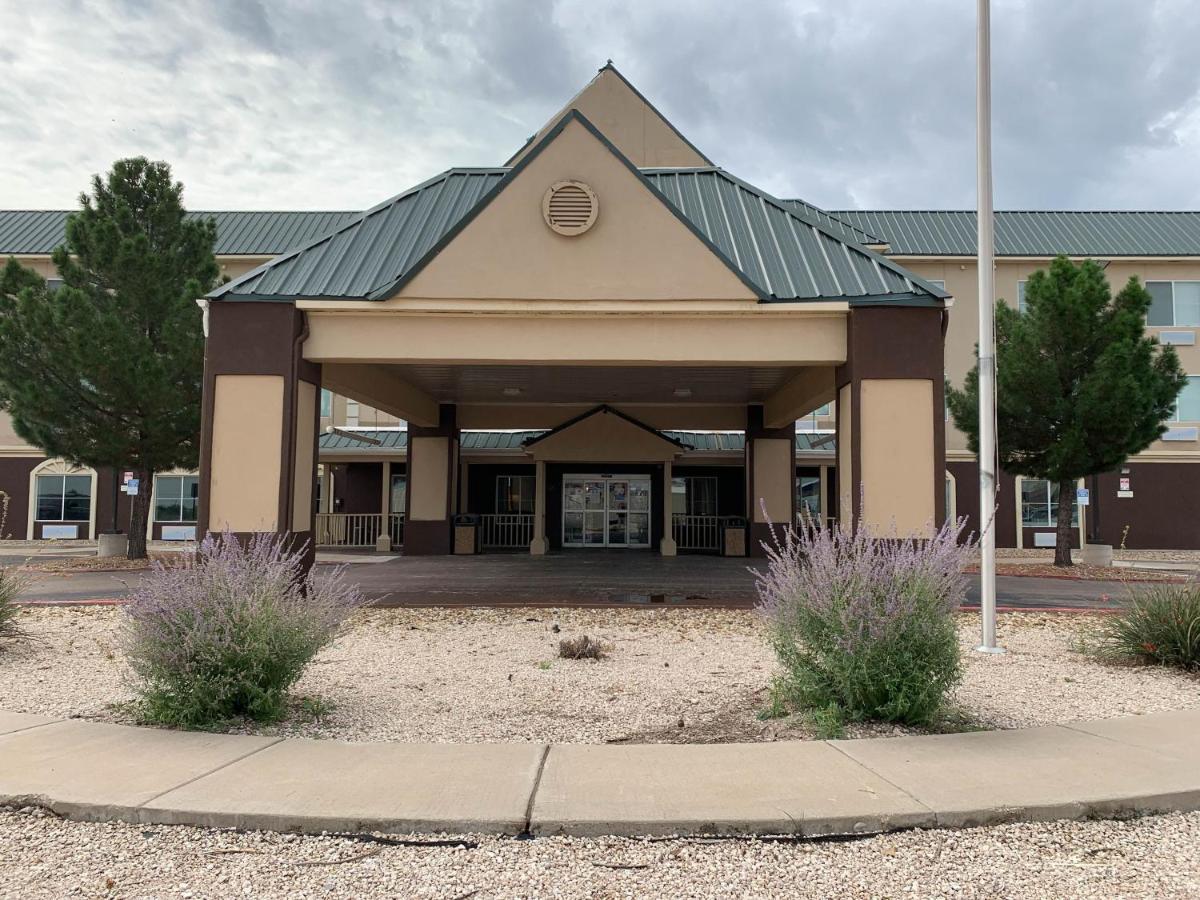
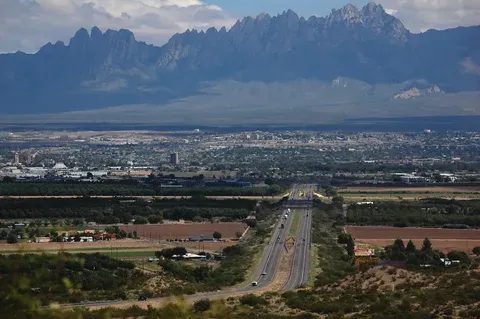

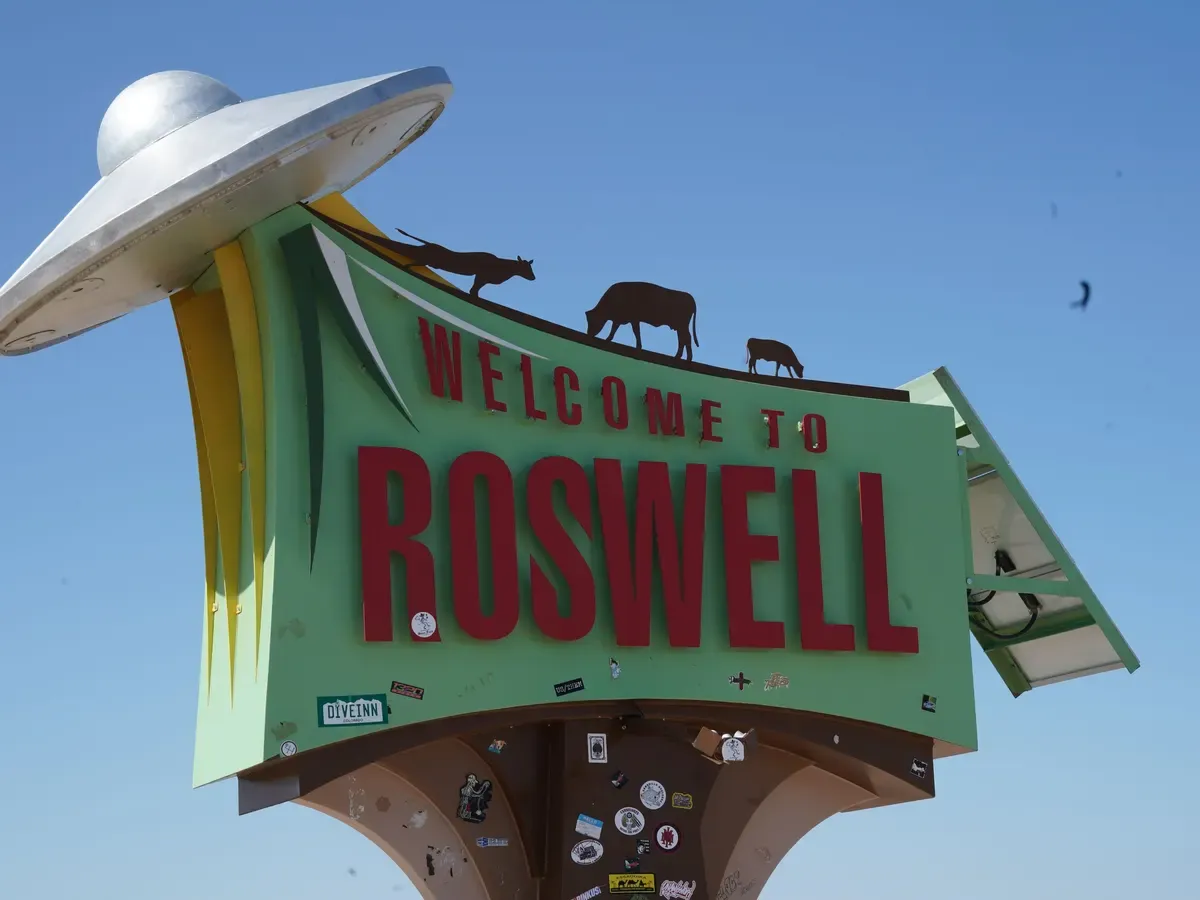
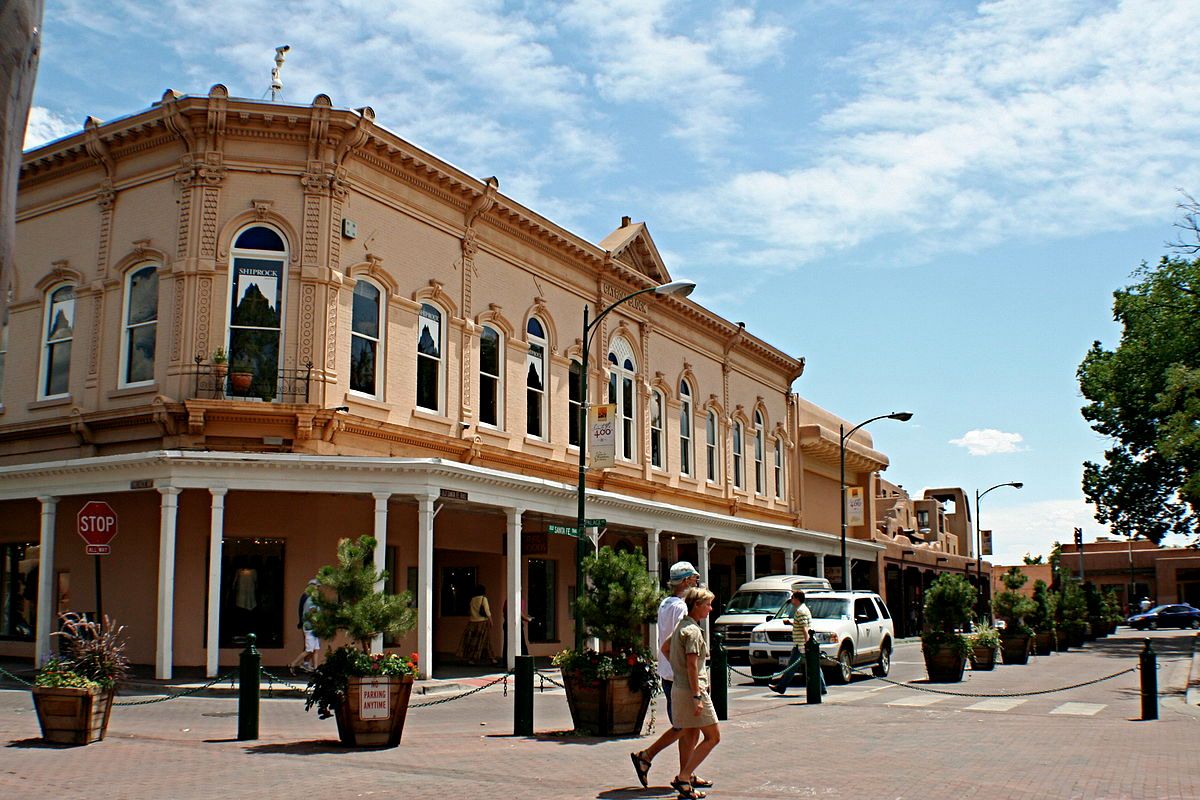
Moving services in New Mexico
Star Van Lines provides local, long-distance, and interstate moving services across New Mexico. We handle packing, loading, transport, and delivery for residential and commercial moves. At 5,700 feet average elevation with monsoon flash floods in summer and black ice on mountain passes in winter, New Mexico requires attention to terrain, altitude, and weather that most states never demand. Every move includes a single coordinator, trained crew, and written estimate.
Local moving in New Mexico
Local moves in New Mexico are among the most affordable in the country, reflecting the state's lower labor costs. A two-person crew costs $69-$115 per hour; three movers run $109-$195. We serve corridors within the Albuquerque metro, between Santa Fe and Albuquerque (65 miles on I-25), Las Cruces to El Paso, and smaller cities like Roswell, Carlsbad, and Clovis. Adobe and pueblo-style homes are common in Santa Fe and older Albuquerque neighborhoods. And these properties often have narrow driveways, courtyard entries, and thick walls that require careful furniture maneuvering. Although distances within metro areas are short, elevation changes on the east side of the Sandias can affect truck performance.
Long-distance moving from New Mexico
Most long-distance moves from New Mexico head to Texas, Arizona, or California. The ABQ-to-Phoenix corridor covers 425 miles on I-40 through Gallup, while ABQ-to-Denver runs 450 miles north on I-25 over Raton Pass at 7,800 feet. We also run loads east on I-40 to Texas and south on I-25 through Las Cruces to El Paso. Because Raton Pass can require chains in winter and monsoon floods can close I-25 and I-40 in July and August, your coordinator monitors NMDOT road conditions and builds weather contingency into the schedule. And spring brings high winds on the open plains, sometimes reaching 60 mph, which can force truck shutdowns on exposed stretches of I-40.
Packing and storage
We offer full-service packing, partial packing, and self-pack options. Full-service means our crew brings all materials and packs every room. Partial lets you choose which rooms we handle. Self-pack is the lowest-cost option. We have 43 warehouse locations nationwide for short-term and long-term storage. In New Mexico, the dry climate is actually an advantage for storage since humidity-related damage is rare. But extreme temperature swings between day and night (30-40 degree daily variation is common at altitude) can stress wood furniture and electronics, so climate-controlled storage is still recommended for sensitive items.
Auto transport and specialty items
We ship vehicles via open or enclosed carrier. Most New Mexico-origin vehicle shipments head to Texas, Arizona, and California. We also move pianos, antiques, pottery, and artwork with specialty crating. New Mexico's art scene means we frequently handle gallery-quality pieces, hand-carved furniture, and Native American artifacts that require white-glove treatment.
How much does moving in New Mexico cost?
Moving costs in New Mexico are well below national averages, reflecting the state's affordable labor market. Local moves within New Mexico typically run $69-$115 per hour for a two-person crew with truck. Long-distance moves start at $920 for studio apartments and go up to $4,370 for large homes, depending on distance, weight, and access conditions.
Local moving rates
| Crew size | Hourly rate |
|---|---|
| 2 movers + truck | $69-$115 / hour |
| 3 movers + truck | $109-$195 / hour |
| 4 movers + truck | $150-$293 / hour |
Long-distance rates from New Mexico
| Move size | Estimated price range |
|---|---|
| Studio / 1 Bedroom | $920 - $1,093 |
| 2-3 Bedrooms | $1,610 - $2,415 |
| 4+ Bedrooms | $2,760 - $4,370 |
Popular routes and pricing from New Mexico
| Route | Distance | Avg cost (2-3 BR) |
|---|---|---|
| Albuquerque to Phoenix | 425 mi | $1,955 - $2,415 |
| Albuquerque to Denver | 450 mi | $1,955 - $2,415 |
| Albuquerque to El Paso | 270 mi | $1,610 - $2,012 |
Pricing reflects market averages for moves in and from New Mexico as of May 2026. Your final price depends on inventory weight, packing level, access at pickup and delivery, and scheduling flexibility. Call (855) 822-2722 or use our free quote calculator for an exact estimate.
What affects your moving price
- Shipment weight and volume are the biggest factors for long-distance moves from New Mexico.
- Distance matters. Albuquerque to El Paso is 270 miles; Albuquerque to Los Angeles is over 800.
- Access at both locations plays a role. Adobe homes with narrow entries, rural properties on unpaved roads, and mountain communities with limited truck access all add cost.
- How much packing you want us to do. Full-service runs more than partial, and self-pack costs the least.
- When you move. Summer monsoon season (July-August) and winter passes (December-February) can delay moves and add contingency costs. Spring and fall are the best windows.
- Add-on services like auto transport, storage, and specialty item handling (artwork, pottery, antiques) come with their own pricing.
Moving to New Mexico: what you should know
A move to New Mexico involves more than logistics. At an average elevation of 5,700 feet, with monsoon flash floods in summer and black ice on mountain passes in winter, moving to or within New Mexico requires attention to terrain, altitude, and weather that most states never demand. Below is a quick guide covering cost of living, access and logistics, climate and timing, and residency requirements that affect your move.
What it costs to move to New Mexico
New Mexico's cost of living index is 92.2 (US average = 100, BEA RPP 2024), making it one of the more affordable states in the West. Local moving labor reflects those lower costs, with a two-person crew running $69-$115 per hour, well below what you'd pay in neighboring Colorado or Arizona. Building access is straightforward in most communities, although Santa Fe's historic adobe neighborhoods have narrow streets and courtyard entries that can slow a crew down. If you're relocating from a higher-cost state like California, the savings start immediately. Median home value is $248,100 (Census ACS 2020-2024), roughly half of California's median, while median monthly rent is $1,067. Median household income is $64,059. And the lower cost of living stretches that further than it would in most western states.
Access and logistics
New Mexico has only three mainline Interstate highways. I-25 runs 462 miles north-south from Las Cruces through Albuquerque and Santa Fe to the Colorado border. I-40 crosses east-west from the Arizona border at Gallup to the Texas border at Tucumcari. I-10 covers 164 miles in the southwest corner, connecting Arizona to Las Cruces and on to Texas. The "Big I" interchange where I-25 and I-40 meet in Albuquerque handles heavy traffic daily. Beyond these interstates, the state relies on two-lane highways and rural roads. Mountain terrain north of Santa Fe creates steep grades on I-25. And Raton Pass at 7,800 feet requires chains in winter. Rural deliveries in the East Mountains, the Jemez area, or southern ranching communities often need advance scouting for truck access.
Climate and timing
New Mexico averages 277 days of sunshine per year (NOAA), more than almost any other state. Summer highs average 91 degrees in the valleys, but altitude keeps mountain communities cooler. Winter lows average 26 degrees, with 10 inches of snowfall statewide. But the real weather factor is the monsoon. July and August bring intense afternoon thunderstorms with flash flooding that can close roads without warning, especially on I-25 between Albuquerque and Santa Fe. Spring brings sustained high winds (40-60 mph) that can shut down truck traffic on exposed plains. Best months for a New Mexico move: March through May or September through October, when temperatures are mild, winds are calm, and roads are clear.
Residency and regulations
New Mexico has no set deadline for obtaining a driver's license after establishing residency, but you should apply at the New Mexico MVD (mvd.newmexico.gov) as soon as you're settled. But vehicle registration has a 30-day deadline. Emissions testing is required only in Bernalillo County (Albuquerque metro); the rest of the state has no emissions requirement. New Mexico uses a model-year-based excise tax on vehicle registration rather than a traditional property tax on vehicles. Since the state offers online, mail, and in-person voter registration, that part of the process is straightforward.
What to know before moving to New Mexico
Benefits of moving to New Mexico
0,125,498
Population
$0,059
Median household income
0.2
Cost of living index
0/year
Days of sunshine
0.50%-5.90%
State income tax
#0 arts market per capita
Arts and culture
New Mexico is home to just over 2.1 million people, with population concentrated in the Albuquerque metro, Las Cruces, and Santa Fe. The state's economy is driven by federal research and defense (Los Alamos and Sandia National Laboratories), healthcare, tourism, and agriculture. Median household income is $64,059, below the national average. But the cost of living index of 92.2 means that income goes further here than in neighboring Colorado or Arizona. New Mexico gets about 277 days of sunshine per year, one of the highest totals in the country. The state ranked 9th nationally for inbound moves in 2023 (per national van line survey data), with jobs (30%), retirement (21%), and lifestyle (15.5%) as the top reasons people chose to relocate here. Most inbound movers came from California (+1,253 net), Colorado (+441 net), and Illinois (+111 net).
Is New Mexico a good place to live?
New Mexico offers affordable housing, abundant sunshine, a rich cultural blend of Native American, Hispanic, and Anglo traditions, and some of the best outdoor recreation in the Southwest. But the trade-offs are real: job options outside Albuquerque are limited, rural healthcare access is uneven, and poverty rates are higher than the national average. Whether it's a good fit depends on your career flexibility, your appetite for wide-open spaces, and how much you value cultural depth over urban convenience.
Tax environment
New Mexico's progressive income tax ranges from 1.50% to 5.90% (Tax Foundation 2026). Average combined state and local sales tax is 7.6%, although New Mexico uses a gross receipts tax rather than a traditional sales tax, which means some services are taxed that wouldn't be in other states. Property taxes are relatively low compared to neighboring states. Social Security benefits are partially exempt from state income tax. For someone relocating from a no-income-tax state like Texas, the tax adjustment is noticeable but not extreme.
Housing market
Median home value in New Mexico is $248,100 (Census ACS 2020-2024), roughly half of California's median and well below Colorado. Santa Fe's market runs considerably higher than the statewide figure, with adobe homes in the historic district commanding premiums. But Albuquerque, Las Cruces, and most smaller cities remain affordable by western standards. Median monthly rent is $1,067. And 70.0% of New Mexico households own their homes (Census ACS 2020-2024), reflecting a market that rewards buyers who look beyond the tourist enclaves.
Job market and economy
Los Alamos National Laboratory and Sandia National Laboratories anchor the state's economy in science and defense. The University of New Mexico and New Mexico State University are major employers in Albuquerque and Las Cruces. Healthcare, government, and tourism round out the primary sectors. The labor force participation rate is 56.9%, among the lowest in the country, reflecting the state's older population and rural character. Only 31.0% of adults hold a bachelor's degree or higher. But for professionals in science, engineering, or federal research, New Mexico offers salaries that go far in a low-cost-of-living environment.
Safety and natural risks
New Mexico faces wildfires, flash floods, and drought as its primary natural risks. The Calf Canyon/Hermits Peak fire in 2022 burned over 340,000 acres. And fire risk in the East Mountains and near national forests remains elevated. Flash flooding during monsoon season (July-August) can wash out roads and strand vehicles. Drought conditions affect water availability in rural areas. Crime rates in Albuquerque are above the national average, although smaller communities like Los Alamos, Corrales, and Edgewood have much lower rates.
Who thrives in New Mexico?
Scientists and federal researchers.
Los Alamos and Sandia National Laboratories employ thousands of PhD-level scientists and engineers in nuclear physics, cybersecurity, materials science, and energy research. Salaries are competitive nationally, and the cost of living makes them go further. If your career is in federal research or defense, New Mexico is one of the top destinations in the country.
Retirees seeking sunshine and affordability.
With 277 days of sunshine, a COL index of 92.2, and partial Social Security tax exemption, New Mexico attracts retirees who want warmth without Florida prices. The cultural richness of Santa Fe, the mild climate, and the slower pace of life are real draws. But healthcare access is the main consideration, especially outside Albuquerque.
Artists and creative professionals.
Santa Fe has more art galleries per capita than any other US city. The state's light, landscape, and cultural traditions have drawn artists for over a century. Taos, Silver City, and Albuquerque's Nob Hill also have thriving creative communities. If your work is in visual art, pottery, jewelry, photography, or writing, New Mexico's creative ecosystem is unmatched in the Southwest.
Outdoor enthusiasts.
Skiing at Taos Ski Valley, hiking in the Sangre de Cristo Mountains, rafting on the Rio Grande, and camping in the Gila Wilderness are all within a few hours of Albuquerque. The Albuquerque International Balloon Fiesta draws hundreds of thousands of visitors every October. White Sands National Park and Carlsbad Caverns are world-class natural attractions.
Budget-conscious families from high-cost states.
Families relocating from California, Colorado, or the East Coast find that their housing dollar goes twice as far in New Mexico. The quality of public schools varies significantly by district, but Los Alamos and Albuquerque's charter school network (Cottonwood Classical Prep, AIM for the Stars) offer strong options.
First week after moving to New Mexico: what to do
After your move to New Mexico, several tasks require attention, although the state's registration timelines are more flexible than most. New Mexico has no set deadline for obtaining a driver's license, but vehicle registration must happen within 30 days. Here is a prioritized checklist.
- Update your driver's license.
New Mexico has no set statutory deadline for new residents to obtain a driver's license, but you should apply at the New Mexico MVD as soon as you establish residency. Bring your current out-of-state license and proof of New Mexico residency. (mvd.newmexico.gov)
- Register your vehicle.
You have 30 days to register your vehicle at an MVD office. New Mexico uses a model-year-based excise tax on vehicle registration. Emissions testing is required only in Bernalillo County (Albuquerque metro). All other counties are exempt.
- Transfer your auto insurance.
Contact your insurer to re-rate your policy for New Mexico. Premiums in New Mexico are generally lower than in neighboring Colorado or Arizona, although Albuquerque's higher theft and accident rates may affect metro-area policies.
- Register to vote.
New Mexico offers online voter registration, as well as mail and in-person options at your county clerk's office.
- Update homeowner's or renter's insurance.
New Mexico's wildfire and flash flood risks may change your coverage needs. Properties near national forests, in the East Mountains, or along arroyos face elevated risk. Standard policies don't cover flood damage, so a separate flood policy may be needed.
- Forward your mail.
USPS Change of Address is free online at usps.com. Mail forwarding starts within 7-10 business days.
- Transfer medical records.
Contact current providers before your move and find a new primary care physician in New Mexico. Specialist care is concentrated in Albuquerque and Las Cruces, so if you're moving to a rural area, plan for longer drives to appointments.
- Update school records.
If you have children, request transcripts from the previous school district. Contact your new district for enrollment requirements and deadlines. The New Mexico school year typically starts in mid-August.
New Mexico at a glance: schools, jobs, and things to do
Schools and universities
Albuquerque Institute of Math and Science, Cottonwood Classical Prep, and Los Alamos High School are among the top public schools in the state. Los Alamos has one of the highest-performing school districts in New Mexico, benefiting from its proximity to the national laboratory. The university system includes the University of New Mexico in Albuquerque, New Mexico State University in Las Cruces, and New Mexico Tech in Socorro. St. John's College in Santa Fe offers a distinctive Great Books program. For families, school quality varies significantly by district. But charter schools in Albuquerque provide additional options.
Major employers
Los Alamos National Laboratory and Sandia National Laboratories are the state's two largest employers and anchor New Mexico's science and defense economy. Presbyterian Healthcare Services and Lovelace Health System are major healthcare providers. The University of New Mexico system employs thousands across its campuses and medical center. The State of New Mexico is another significant employer. In the southern part of the state, White Sands Missile Range and Holloman Air Force Base provide military and defense employment. Because federal spending drives a large portion of the state's economy, job stability is closely tied to national defense and research budgets.
Attractions and recreation
Carlsbad Caverns National Park offers tours of massive underground chambers with thousands of bats emerging at sunset during summer. White Sands National Park is a surreal landscape of white gypsum dunes. The Albuquerque International Balloon Fiesta every October fills the sky with hundreds of hot air balloons. Santa Fe's Canyon Road is lined with art galleries, and the city's annual Indian Market draws collectors from around the world. Taos Ski Valley offers some of the best skiing in the southern Rockies. And Bandelier National Monument preserves ancient Pueblo cliff dwellings near Los Alamos.
FAQ
Questions? Look here
Can’t find an answer? Call us
(855) 822-2722 or email
Local moving in New Mexico typically costs $69-$115 per hour for a two-person crew with truck. A standard three-bedroom home takes 4-6 hours, putting the total between $290 and $2,636. Add-ons like packing, disassembly, and long carries increase the total. Call (855) 822-2722 for an itemized estimate.
Long-distance moves from New Mexico start at $920 for studio apartments and go up to $4,370 for four-plus-bedroom homes. The final price depends on shipment weight, distance, and access at both locations. Star Van Lines provides binding estimates so your price won't change after booking.
Search our USDOT number 4176875 on the FMCSA SAFER website (safer.fmcsa.dot.gov). This federal database confirms our operating authority, MC number 1607491, insurance status, and safety record. Any legitimate interstate mover should be able to provide a verifiable USDOT number.
Common surcharges include long-carry charges for distances over 75 feet from truck to door, shuttle fees if a full-size truck can't reach your home on a narrow Santa Fe street or rural road, and stair fees for multi-level adobe homes. We disclose all potential charges in your written estimate before you book.
Federal law requires interstate movers to offer two levels: Released Value Protection (free, covers $0.60 per pound per item) and Full Value Protection (paid, covers repair, replacement, or cash settlement at current value). Star Van Lines is fully insured under USDOT #4176875 and can explain both options when you request a quote.
New Mexico's average elevation is 5,700 feet, and cities like Santa Fe sit at 7,000 feet. Altitude affects cooking (water boils at lower temperatures, baking times change), exercise (you'll notice shortness of breath for the first few weeks), and even pets (dogs need more water and rest during the acclimation period). Most people adjust within two to four weeks. For movers, altitude affects truck engine performance on steep grades, which is why we plan routes specifically for New Mexico's terrain.
Urban areas like Albuquerque and Santa Fe have reliable municipal water systems, although conservation measures are in place. Rural properties may rely on private wells or acequia (community irrigation ditch) water rights, which come with their own rules. The state's arid climate means water is a genuine consideration for property buyers. If you're looking at rural land, verify water rights and well production before closing.
Yes. Properties near national forests, in the East Mountains, or in the wildland-urban interface face elevated fire risk, and some insurers have raised rates or restricted coverage in those areas. Dust storms are more common on the eastern plains and can reduce visibility on I-40 and I-25. Get insurance quotes specific to your property's location before committing to a purchase, because rates vary significantly by proximity to fire-prone areas.
New residents have 30 days to register their vehicle at a New Mexico MVD office (mvd.newmexico.gov). The state uses a model-year-based excise tax rather than a traditional property tax on vehicles. Emissions testing is required only in Bernalillo County (Albuquerque area). All other counties are exempt. Bring your out-of-state title, proof of insurance, and proof of identity.
Albuquerque has the state's major hospital systems (Presbyterian, UNM Hospital, Lovelace). Las Cruces has a regional hospital and growing specialty care. But outside these two cities, healthcare access drops off significantly. Santa Fe has a community hospital but limited specialist availability. Rural areas in southern and eastern New Mexico may require drives of an hour or more for specialist appointments. If you have ongoing medical needs, proximity to Albuquerque should factor into your location decision.
New Mexico has no set statutory deadline for new residents to obtain a driver's license. However, once your out-of-state license expires or you establish residency (whichever comes first), you should apply at the MVD. Vehicle registration does have a 30-day deadline. The process is straightforward: bring your current license, proof of residency, and Social Security number.
March through May and September through October are the best windows. Temperatures are mild, roads are clear, and the monsoon hasn't started yet. Avoid late July through August because of intense afternoon thunderstorms and flash flooding that can close I-25 and I-40. Winter moves are feasible in the southern part of the state, but I-25 over Raton Pass can be treacherous from December through February. Fall is the most consistently safe window for any route in New Mexico.
Ready to Start Your New Mexico Move?
Get a free moving estimate today. No obligation, no pressure.
Call us or fill out the form - we'll get back to you fast.
USDOT #4176875 | MC #1607491 | Licensed & Insured