
Thank you for your feedback!
We will contact you shortly

Free consultation
Enter your phone number and we will call you back for a consultation on any moving and storage services

Iowa
Licensed Iowa Movers - Interstate & Local

Iowa is often called the Hartford of the West, and the numbers back it up. Greater Des Moines packs more than 80 insurance and financial firms, the sector generated $25.3 billion of regional GDP in 2024, and the state's unemployment rate sits near 3.3%, among the lowest in the nation. Star Van Lines is a USDOT-licensed interstate carrier (USDOT #4176875, MC #1607491) that handles local and long-distance moves across all of Iowa, from the Des Moines metro to Cedar Rapids, Iowa City, and Ames. Because we've run these corridors since 2016, we know I-80 and I-35, the cross-state spines that meet at the capital, in every season.
Our Iowa moving services cover packing, loading, transport, delivery, and short-term storage at warehouse locations nationwide. Because the finance core in Des Moines sits beside a deep agriculture and ag-tech base, a move here can mean a downtown insurance high-rise or a lab relocation out toward Ames. We handle both with the same crew, the same coordinator, and the same written estimate from the first call through delivery.
Wondering what an Iowa move actually costs? Call (855) 822-2722 or use our online quote calculator. You'll get an itemized estimate that breaks down every line item, so there are no surprises on moving day. And we're rated 4.0 on Trustpilot, 4.5 on Google, and 4.75 on Facebook across 240+ reviews.

Dennis has 15+ years of experience in interstate moving and has coordinated over 1,000 relocations across the United States.

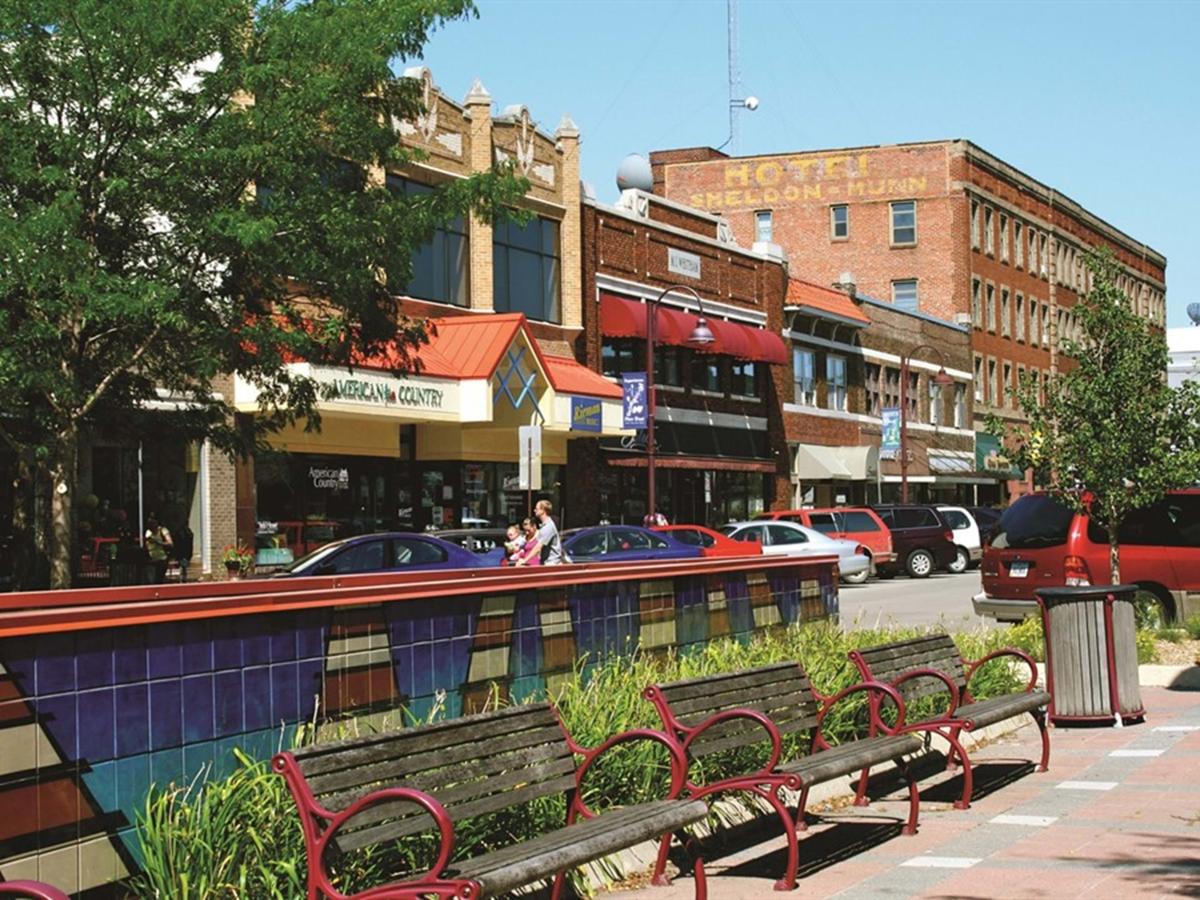


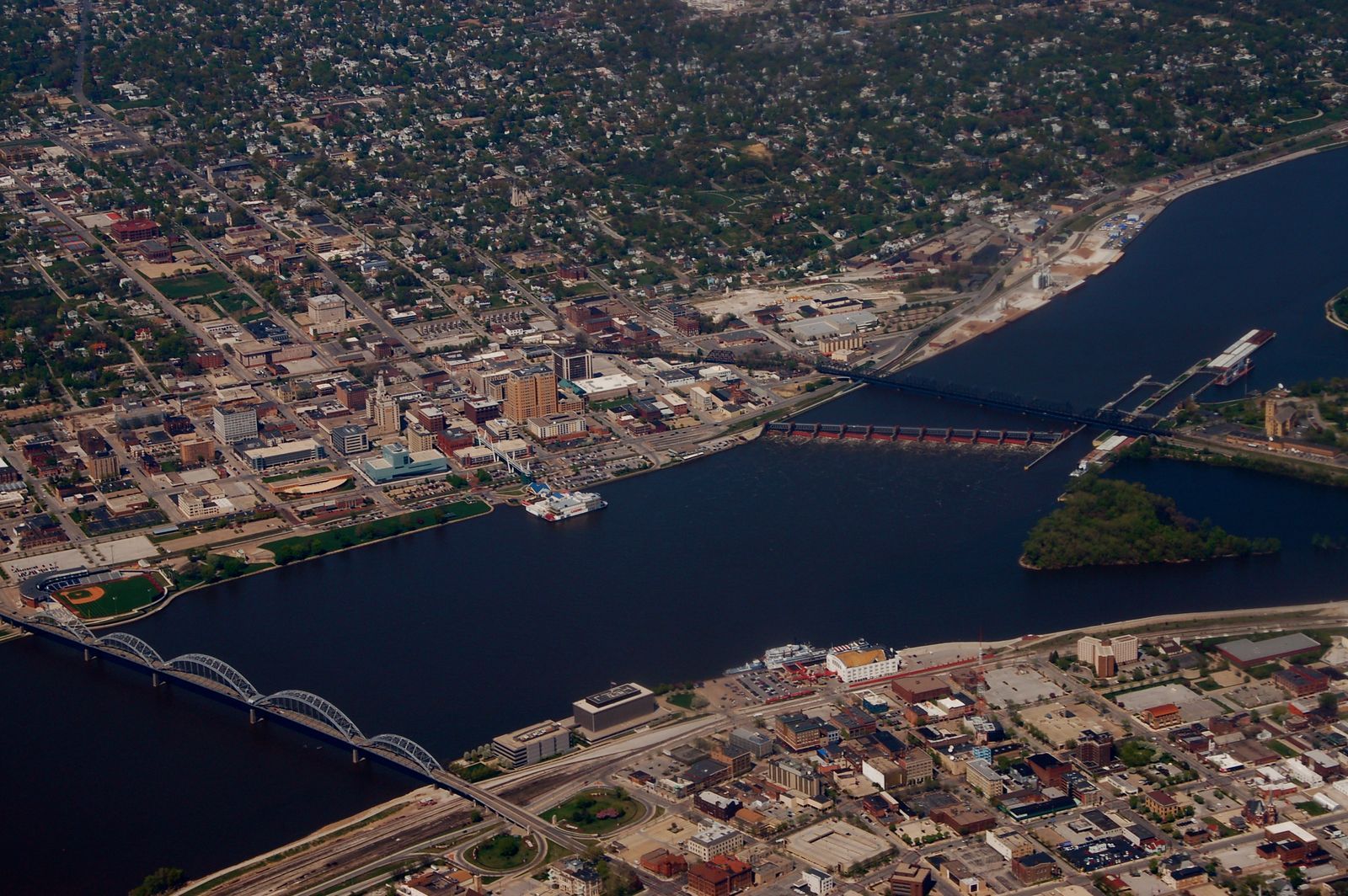

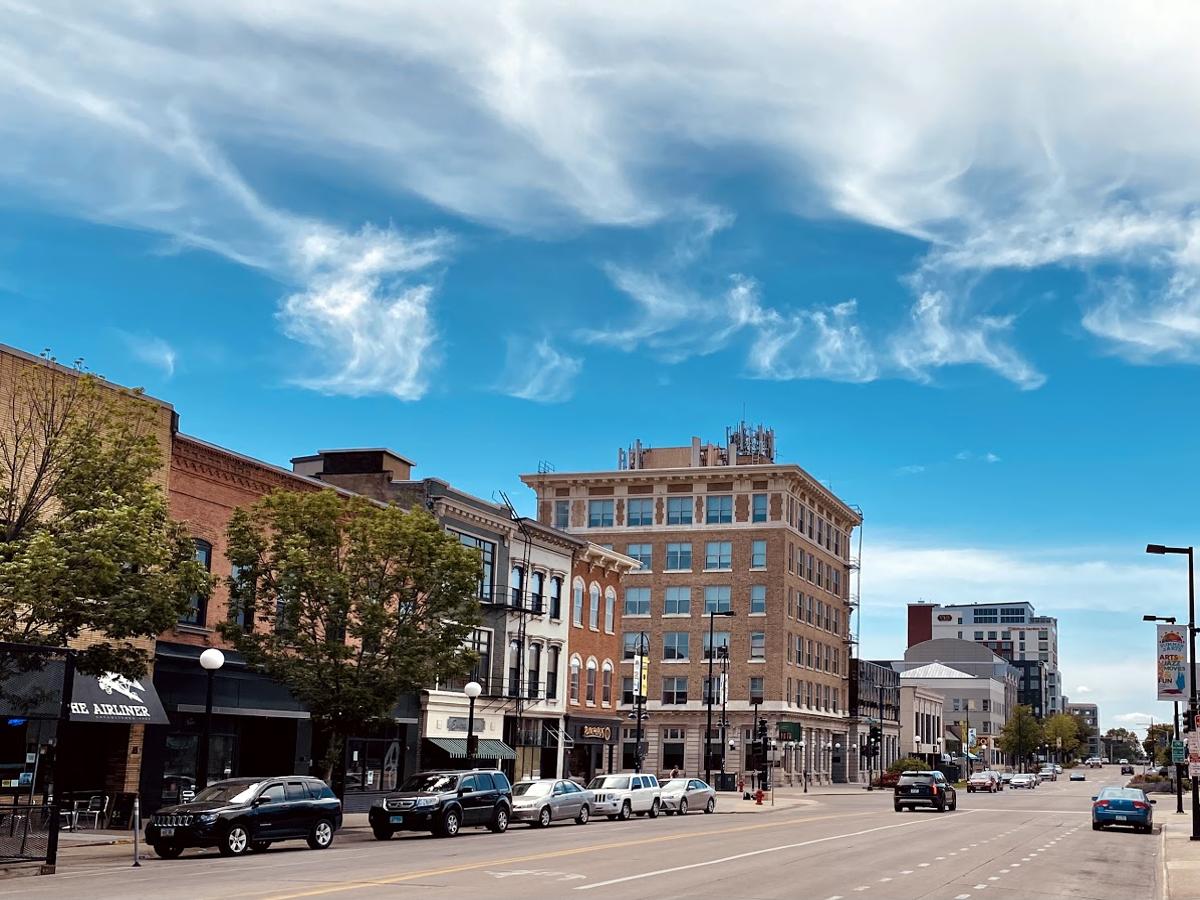

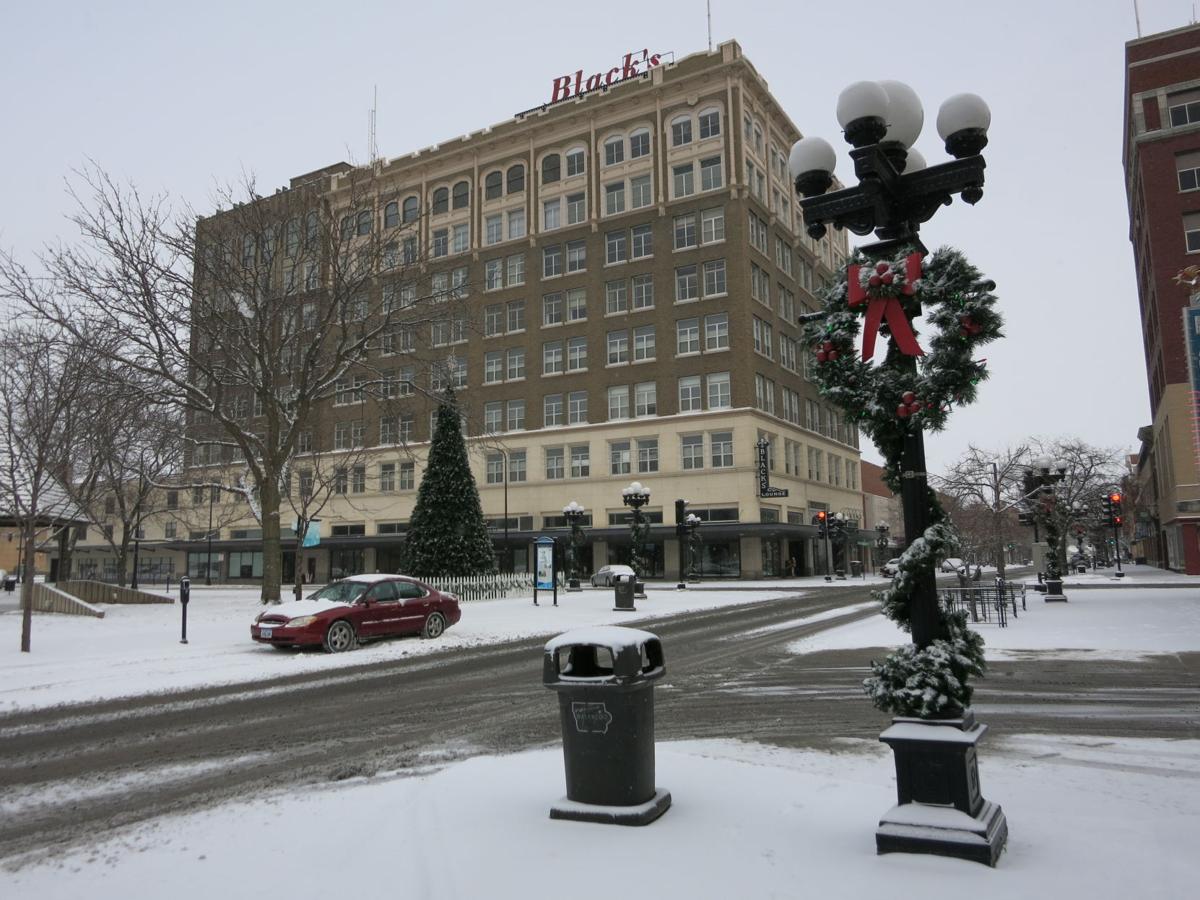

Moving services in Iowa
Star Van Lines provides local, long-distance, and interstate moving services across Iowa. We handle packing, loading, transport, and delivery for residential and commercial moves. Because the state pairs a downtown finance core in Des Moines with an ag-tech and manufacturing base spread across smaller metros, an Iowa move often blends commercial and household logistics. Every move includes a single coordinator, trained crew, and written estimate.
Local moving in Iowa
High-volume in-state lanes cluster around the Des Moines metro, with Des Moines to West Des Moines, Ankeny, and Ames running up I-35, and around the eastern Corridor, where Cedar Rapids, Iowa City, and Waterloo link on I-380. These short hauls of roughly 30 to 130 miles price on labor, access, and the base rate rather than long-distance mileage. A crew of two costs $163-$222 per hour; three movers run $222-$414. Although the distances are short, winter ice on I-35 and I-80 can push load days, so we plan around the forecast.
Long-distance moving from Iowa
Top long-distance lanes from Des Moines run to Chicago at about 334 miles and to Denver at about 671 miles, while longer hauls reach Phoenix at about 1,399 miles and Los Angeles at about 1,685 miles. The biggest inbound flows come from Illinois, Texas, and Minnesota, while the largest outbound moves head to Illinois, Nebraska, and Minnesota. Because Iowa runs a small net domestic out-migration even as international arrivals keep total population growing, much of our long-haul work is corporate and academic relocations into specific Iowa metros. Since winter blizzards can close I-80 and I-35, your coordinator builds weather slack into the schedule.
Packing and storage
We offer full-service packing, partial packing, and self-pack options. Full-service means our crew brings every material and packs each room. Partial lets you choose which rooms we handle. And self-pack is the lowest-cost option. We have 43 warehouse locations nationwide for short-term and long-term storage. Because Iowa's humid continental climate brings muggy summers and freeze-thaw winters, non-climate storage risks mildew on upholstery and swelling in wood, so climate-controlled units are the safe call for electronics, leather, artwork, and instruments.
Auto transport and specialty items
We ship vehicles by open or enclosed carrier, and we move pianos, gun safes, antiques, and artwork with specialty crating. New Iowa residents must title and register a vehicle with a county treasurer within 30 days of establishing residency, so auto transport is commonly bundled with corporate relocations to land before that deadline. Because Iowa averages about 46 tornadoes a year, covered transport and prompt garaging are worth considering for collector or high-value vehicles.
How much does moving in Iowa cost?
Moving costs in Iowa depend on whether you're relocating locally or across state lines. Local moves within Iowa typically run $163-$222 per hour for a two-person crew with truck. Long-distance moves start at $977 for studio apartments and go up to $7,705 for large homes, depending on distance, weight, and access conditions.
Local moving rates
| Crew size | Hourly rate |
|---|---|
| 2 movers + truck | $163-$222 / hour |
| 3 movers + truck | $222-$414 / hour |
| 4 movers + truck | $414-$610 / hour |
Long-distance rates from Iowa
| Move size | Estimated price range |
|---|---|
| Studio / 1 Bedroom | $977 - $1,955 |
| 2-3 Bedrooms | $1,725 - $4,255 |
| 4+ Bedrooms | $2,875 - $7,705 |
Popular routes and pricing from Iowa
| Route | Distance | Avg cost (2-3 BR) |
|---|---|---|
| Des Moines to Los Angeles | 1,685 mi | $3,450 - $4,255 |
| Des Moines to Orlando | 1,339 mi | $3,277 - $3,967 |
| Des Moines to Phoenix | 1,399 mi | $3,335 - $4,082 |
| Des Moines to Denver | 671 mi | $2,300 - $2,818 |
| Des Moines to Chicago | 334 mi | $1,725 - $2,128 |
Pricing reflects market averages for moves in and from Iowa as of June 2026. Your final price depends on inventory weight, packing level, access at pickup and delivery, and scheduling flexibility. Call (855) 822-2722 or use our free quote calculator for an exact estimate.
What affects your moving price
- Shipment weight and volume are the biggest factors for any long-distance move from Iowa.
- Distance matters. Des Moines to Chicago is about 334 miles; Des Moines to Los Angeles is 1,685.
- Access at both ends plays a role too. Downtown Des Moines insurance high-rises need freight-elevator and skywalk-system booking, and flood-prone Cedar Rapids and Davenport sites affect ground-floor staging.
- How much packing you want us to do. Full-service runs more than partial packing, and self-pack is the lowest option.
- When you move. Winter blizzards and the peak summer demand window both cost more than a mild move in late spring or early fall.
- Add-on services like auto transport, storage, and specialty item handling (pianos, gun safes, artwork) carry their own pricing.
Moving routes from Iowa
Moving to Iowa: what you should know
Few states pair a 3.3% unemployment rate with a finance-and-insurance corridor this deep, which is why corporate transferees and ag-tech professionals keep relocating into Iowa metros even as the state's overall flows run slightly outbound. Below is a quick guide covering cost of living, access and logistics, climate and timing, and residency requirements that affect your move.
What it costs to move to Iowa
Iowa's cost of living index is 87.8 (US average = 100, BEA RPP 2024), one of the four lowest in the nation, so local moving labor sits below typical coastal rates. Expect $163-$222 per hour for a two-person crew. Access still drives cost in spots. Downtown Des Moines insurance high-rises require freight-elevator booking and skywalk-system loading access for office relocations, while Cedar Rapids and Davenport sit in flood-prone river corridors where ground-floor timing matters. Median home value is $208,000 (Census ACS 2020-2024), well below the national median, and median monthly rent is $972. Because median household income is $75,059, that affordability is the draw for families trading higher-cost markets.
Access and logistics
Iowa's highway network runs on two spines. I-80 crosses east-west through Des Moines as the primary cross-state route, and I-35 runs north-south from Des Moines through Ames to the Minnesota line. I-29 follows the western border along the Missouri River through Sioux City and Council Bluffs, I-380 links Cedar Rapids to Iowa City and Waterloo, and I-74 serves the Quad Cities at Davenport. Because winter ice and snow can force schedule windows from roughly November to March, your coordinator watches the forecast on the interstates. Cedar Rapids and Davenport sit in flood-prone Mississippi and Cedar River corridors, so ground-floor staging and timing matter, while downtown Des Moines high-rises need freight-elevator booking.
Climate and timing
Des Moines summers reach an average July high near 85.6 degrees, and January lows average about 13.8. The state gets roughly 36.5 inches of snow a year and approximately 202 days with some sun. The best window for an Iowa move is late April through May or September through October, when roads are clear and humidity, not ice, is the main concern. December through February is hardest, since snow and ice on I-80 and I-35 plus sub-freezing lows slow loading and travel. June through August brings heat, the peak severe-storm and tornado season, and the highest demand, so build in flexible load and delivery windows if you move then.
Residency and regulations
Iowa does not set a fixed day-count for a new resident's driver's license, but residency is generally presumed after 30 continuous days, so plan to get an Iowa license once you've settled. Vehicle title and registration are handled at the county treasurer's office and are due within 30 days of establishing residency. Iowa runs no periodic safety inspection and no emissions or smog test, so a relocating vehicle can be registered without passing an inspection, apart from a VIN check on certain out-of-state or rebuilt titles. If you move between Iowa counties later, report the address change to your former county treasurer within 10 days.
What to know before moving to Iowa
Benefits of moving to Iowa
0,238,387 (Census, July 2025)
Population
$0,059
Median household income
0.8 (US = 100, BEA RPP 2024)
Cost of living index
about 0/year (Des Moines)
Days with sunshine
0.80% flat (2026)
State income tax
Greater Des Moines, 0+ firms
Insurance and finance
Iowa is home to about 3.24 million people, and the headline is jobs. Greater Des Moines is the nation's second-largest insurance economy after Hartford, with more than 80 insurance and financial firms and $25.3 billion of regional GDP in 2024, and the state's unemployment rate runs near 3.3%, among the lowest anywhere. Major employers include Principal Financial Group, with roughly 9,000 local staff, Wells Fargo, with about 14,500 in Greater Des Moines, plus Hy-Vee, John Deere, and Casey's General Stores. Because the cost of living index is just 87.8, the $75,059 median household income stretches further than in pricier markets. Iowa runs a small net domestic out-migration, with total growth carried by international arrivals, and its 2024 gross flows show the biggest inbound moves from Illinois, Texas, and Minnesota.
Is Iowa a good place to live?
Iowa offers low cost of living, a deep finance-and-insurance job base, strong public universities, and a flat income tax that recently replaced graduated brackets. The trade-offs are real: winters are long and snowy, spring carries tornado and flood risk, and the biggest metros are mid-size by national standards. Whether it's a good fit depends on your career, your tolerance for winter, and how much the affordability matters to your budget.
Tax environment
Iowa moved to a flat 3.80% individual income tax effective January 1, 2025, replacing its old graduated brackets, and the 2026 rate holds at 3.80%. The average combined state and local sales tax is 6.94% (a 6.00% state rate plus local add-ons), and the effective property tax rate on owner-occupied homes is about 1.33%. Iowa has no estate tax and no inheritance tax, having fully eliminated the inheritance tax in 2025, and most retirement income, including Social Security, is not taxed. Because the gas tax is 30 cents per gallon and the overall burden is moderate, the move pencils out for many households from higher-tax states.
Housing market
Median home value in Iowa is $208,000 (Census ACS 2020-2024), well below the national median, and median monthly rent is $972. Homeownership runs at 71.7% of households. Prices vary by region, with the Des Moines metro and the eastern Corridor carrying the highest values while rural counties stay cheaper. For families trading high-cost coastal or metro markets for space, the housing math is the main draw.
Job market and economy
Iowa's economy is anchored by insurance and finance in Des Moines, agriculture and ag innovation statewide, and a manufacturing base that is the largest single segment of the workforce. Hy-Vee is the largest Iowa-headquartered employer, followed by Principal Financial Group, Wells Fargo, John Deere, and Casey's. Because Greater Des Moines holds the highest concentration of insurance employment of any U.S. metro, finance hiring is steady, while ag-tech and bioscience roles draw engineers and scientists into the Ames, Des Moines, and Cedar Rapids areas. The labor force participation rate is 66.3%, and 31.4% of adults hold a bachelor's degree or higher.
Safety and natural risks
Iowa's main hazards are weather, not earthquakes or hurricanes. Flooding is the state's highest-risk and costliest hazard, from both flash and riverine events, and tornadoes, high winds, derechos, hail, and winter blizzards round out the list. Because Iowa averages about 46 tornadoes a year and Cedar Rapids and Davenport sit in flood-prone river corridors, severe-weather timing and ground-floor staging both factor into a move. There is no significant earthquake or hurricane risk, so planning here centers on storms, flooding, and winter weather.
Who thrives in Iowa?
Insurance and financial-services transferees
Greater Des Moines hosts more than 80 insurance and financial firms and the highest concentration of insurance employment of any U.S. metro, with employers like Principal Financial Group running global HQ operations downtown and roughly 9,000 local staff. Corporate transferees relocating into these roles often need coordinated office and household moves on tight start dates, including freight-elevator and downtown high-rise access.
Ag-tech and bioscience professionals
Iowa pairs its finance core with a deep agriculture-technology and bioscience base in seed, crop science, and equipment research and development, drawing engineers and scientists into the Ames, Des Moines, and Cedar Rapids areas. These movers frequently relocate from out of state for lab and research roles and value climate-controlled handling for equipment and sensitive instruments.
University students and faculty
Iowa's major university towns, Iowa City for the University of Iowa, Ames for Iowa State, and Cedar Falls for the University of Northern Iowa, generate steady academic-calendar moves, and we see search demand for long-distance movers in Ames in our own query data. These moves cluster around August and May term boundaries and often need smaller apartment-scale interstate hauls.
Cost-of-living-driven inbound families
With a 2024 median home value of about $208,000, well below the U.S. median, a roughly $75,000 median household income, and a 71.7% homeownership rate, Iowa attracts families trading high-cost coastal or metro markets for affordable space. These households often move larger homes long distance and weigh storage during home-purchase timing gaps.
Manufacturing and Quad Cities industrial workers
Eastern Iowa's Quad Cities, anchored by Davenport on I-74 and I-80, and the Cedar Rapids manufacturing base draw industrial and heavy-equipment workers relocating for plant and logistics roles. These movers often need specialty handling for tools, machinery, and large items, plus flood-aware timing along the Mississippi and Cedar River corridors.
First week after moving to Iowa: what to do
After your move to Iowa, several tasks have deadlines tied to residency, which is generally presumed after 30 continuous days, and vehicle registration is due within 30 days. Here is a prioritized checklist.
- Update your driver's license.
Iowa does not set a fixed day-count, but plan to get an Iowa license once you've established residency. Bring proof of Iowa residency and your current out-of-state license to an Iowa Department of Transportation service center. (iowadot.gov)
- Register your vehicle.
Title and register within 30 days at your county treasurer's office, which handles vehicle registration in Iowa. There is no safety or emissions inspection, apart from a VIN check on certain out-of-state or rebuilt titles.
- Transfer your auto insurance.
Contact your insurer to re-rate your policy for Iowa, where minimum liability requirements may differ from your previous state.
- Register to vote.
Iowa offers online registration at sos.iowa.gov, by mail, in person at your county auditor, and on Election Day at the polls with proof of identity and residence. The pre-registration deadline is 15 days before an election.
- Update homeowner's or renter's insurance.
Iowa's flooding and tornado exposure may change your coverage needs, and because standard policies don't cover flood damage, a separate flood policy matters near the Mississippi or Cedar Rivers.
- Forward your mail.
USPS Change of Address is free online at usps.com. Mail forwarding starts within 7-10 business days.
- Transfer medical records.
Contact current providers before your move and find a new primary care physician in Iowa. If you're on employer insurance, verify your new plan's Iowa network before scheduling appointments.
- Update school records.
If you have children, request transcripts from the previous district and contact your new district for enrollment requirements and start dates.
Iowa at a glance: schools, jobs, and things to do
Schools and universities
For families weighing districts, PublicSchoolReview's 2026 rankings put Treynor Community School District first in Iowa, followed by Van Meter Community School District and Pleasant Valley Community School District in Bettendorf, where math proficiency reaches 85% and reading tops it at 86%. The state's public universities anchor research and hiring too. The University of Iowa in Iowa City is the flagship, with total Fall 2025 enrollment of 32,898. Iowa State University in Ames enrolled 31,105, and the University of Northern Iowa in Cedar Falls rounds out the three public Regent universities.
Major employers
Hy-Vee, headquartered in West Des Moines, is the largest Iowa-headquartered employer. Principal Financial Group runs global investment, retirement, and insurance operations from Des Moines, and Wells Fargo employs about 14,500 in Greater Des Moines. John Deere anchors agricultural-machinery manufacturing, and Casey's General Stores is based in Ankeny. Because insurance and finance, agriculture and ag innovation, and advanced manufacturing all run deep here, job seekers across those sectors find competitive opportunities, with the Cedar Valley region alone supporting tens of thousands of manufacturing jobs.
Attractions and recreation
The Field of Dreams Movie Site in Dyersville, the original baseball diamond carved from cornfields, is a top-ranked Iowa attraction. The Covered Bridges of Madison County near Winterset draw visitors who know the bridges from the book and film, and the Iowa State Fair in Des Moines is the largest event in the state, pulling more than a million people a year. The High Trestle Trail, a 25-mile paved rail trail with diamond-shaped steel arches in central Iowa, is a popular recreation draw, and Iowa's 27 National Historic Landmarks, including the John Wayne Birthplace in Winterset, round out the list.
FAQ
Questions? Look here
Can’t find an answer? Call us
(855) 822-2722 or email
Local moving in Iowa typically costs $163-$222 per hour for a two-person crew with truck. A standard three-bedroom home usually runs between $977 and $5,300 depending on crew size, hours, and access. Add-ons like packing, disassembly, and long carries increase the total. Call (855) 822-2722 for an itemized estimate.
Long-distance moves from Iowa start at $977 for studio apartments and go up to $7,705 for four-plus-bedroom homes. The final price depends on shipment weight, distance, and access at both locations. Star Van Lines provides binding estimates so your price won't change after booking.
Search our USDOT number 4176875 on the FMCSA SAFER website (safer.fmcsa.dot.gov). This federal database confirms our operating authority, MC number 1607491, insurance status, and safety record. Any legitimate interstate mover should be able to provide a verifiable USDOT number.
Common surcharges include freight-elevator and skywalk-access coordination for downtown Des Moines high-rises, long-carry charges for distances over 75 feet from truck to door, stair fees, and elevator waiting time. We disclose all potential charges in your written estimate before you book.
Federal law requires interstate movers to offer two levels: Released Value Protection (free, covers $0.60 per pound per item) and Full Value Protection (paid, covers repair, replacement, or cash settlement at current value). Star Van Lines is fully insured under USDOT #4176875 and can explain both options when you request a quote.
Iowa does not set a fixed day-count for the driver's license, but residency is generally presumed after 30 continuous days, so plan to get an Iowa license once you've settled. Vehicle title and registration are handled at your county treasurer's office and are due within 30 days of establishing residency. Out-of-state license holders are usually exempt from the knowledge and driving tests when they transfer.
Iowa winters bring snow, ice, and sub-freezing lows around 13.8 degrees in Des Moines, and blizzards can close I-80 and I-35 for stretches from December through February. If you move in that window, your coordinator tracks NWS forecasts and builds slack into load and travel days. Loading and delivery windows often have to flex around storm days, so flexibility helps.
Generally, yes. Iowa's cost of living index is 87.8 (US average = 100, BEA RPP 2024), one of the four lowest in the nation. The median home value is about $208,000, well below the national median, and median monthly rent is near $972 (Census ACS 2020-2024), with the Des Moines metro and eastern Corridor carrying the higher prices.
Late April through May and September through October are the smoothest windows, with mild temperatures and clear roads. December through February brings snow and ice that can close I-80 and I-35, while June through August carries heat, the peak severe-storm and tornado season, and the highest moving demand. Spring and early summer call for flexible load and delivery windows.
Yes. We serve Ames, Cedar Rapids, Waterloo, and the rest of the state for both local and interstate moves. For auto transport, we offer open and enclosed carriers, and because new Iowa residents must title and register within 30 days at a county treasurer's office, we can time delivery to that deadline and bundle the vehicle with your household goods.
Iowa moved to a flat 3.80% individual income tax in 2025, replacing its graduated brackets, and the 2026 rate holds at 3.80%. The state also has no estate or inheritance tax and does not tax most retirement income, including Social Security. For families arriving from a higher-tax state, the flat rate and the retirement-income treatment can meaningfully lower the long-term burden.
Iowa averages about 46 tornadoes a year, and flooding is its highest-risk hazard, especially along the Mississippi and Cedar Rivers. Climate-controlled storage protects electronics, leather, artwork, and instruments between move dates, and enclosed auto transport plus prompt garaging is worth considering for high-value vehicles. Your coordinator factors severe-weather and flood timing into the schedule.
Ready to Start Your Iowa Move?
Get a free moving estimate today. No obligation, no pressure.
Call us or fill out the form - we'll get back to you fast.
USDOT #4176875 | MC #1607491 | Licensed & Insured