
Thank you for your feedback!
We will contact you shortly

Free consultation
Enter your phone number and we will call you back for a consultation on any moving and storage services

Washington
Trusted Washington Moving Company - Local & Long Distance
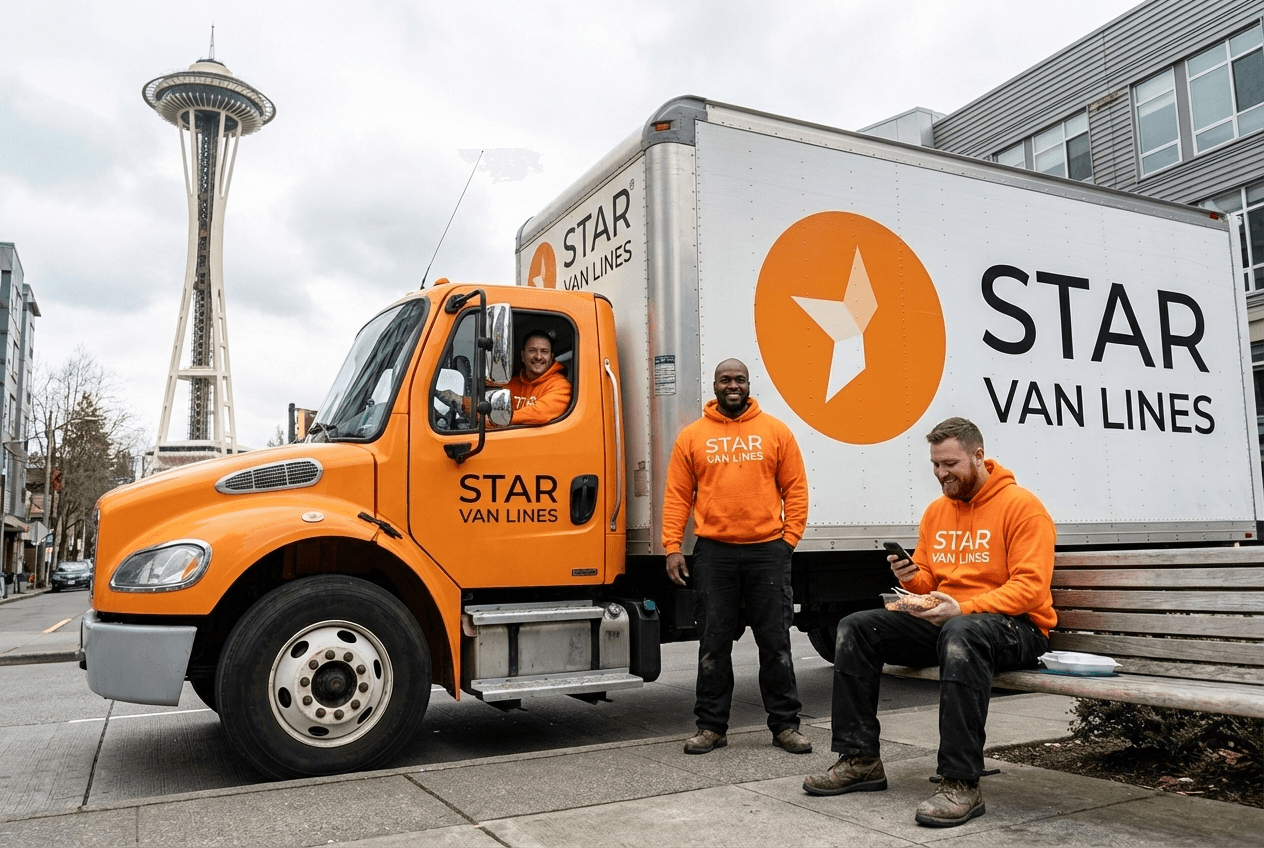
Washington runs on cloud code and commercial aircraft. Amazon, the state's largest employer with more than 90,000 Washington jobs, and Microsoft, with about 50,000 in Redmond, anchor the Seattle-Bellevue-Redmond tech corridor, while Boeing builds jets with about 65,000 workers across Everett and Renton. Star Van Lines is a USDOT-licensed interstate carrier (USDOT #4176875, MC #1607491) that handles local and long-distance moves across all of Washington, from the Eastside high-rises to the wheat country east of the Cascades. Because the state pairs a dense west-side job market with a wide rural interior, we have run both since 2016, and the two jobs rarely look alike.
Our Washington moving services cover packing, loading, transport, delivery, and short-term storage at warehouse locations nationwide. A move from Seattle to Bellevue covers about 10 miles of Eastside traffic. A move from Seattle to New York runs about 2,837 miles coast to coast. We handle both with the same coordinator and the same written estimate, and the harder variable here is usually the weather, since the wet season and the Snoqualmie Pass chain rules shape the calendar more than the mileage does.
Curious what your Washington move will actually cost? Call (855) 822-2722 or use our online quote calculator. You'll get an estimate that breaks down every line item, so there aren't any surprises on moving day. We're rated 4.0 on Trustpilot, 4.5 on Google, and 4.75 on Facebook across 240+ reviews.

Dennis has 15+ years of experience in interstate moving and has coordinated over 1,000 relocations across the United States.

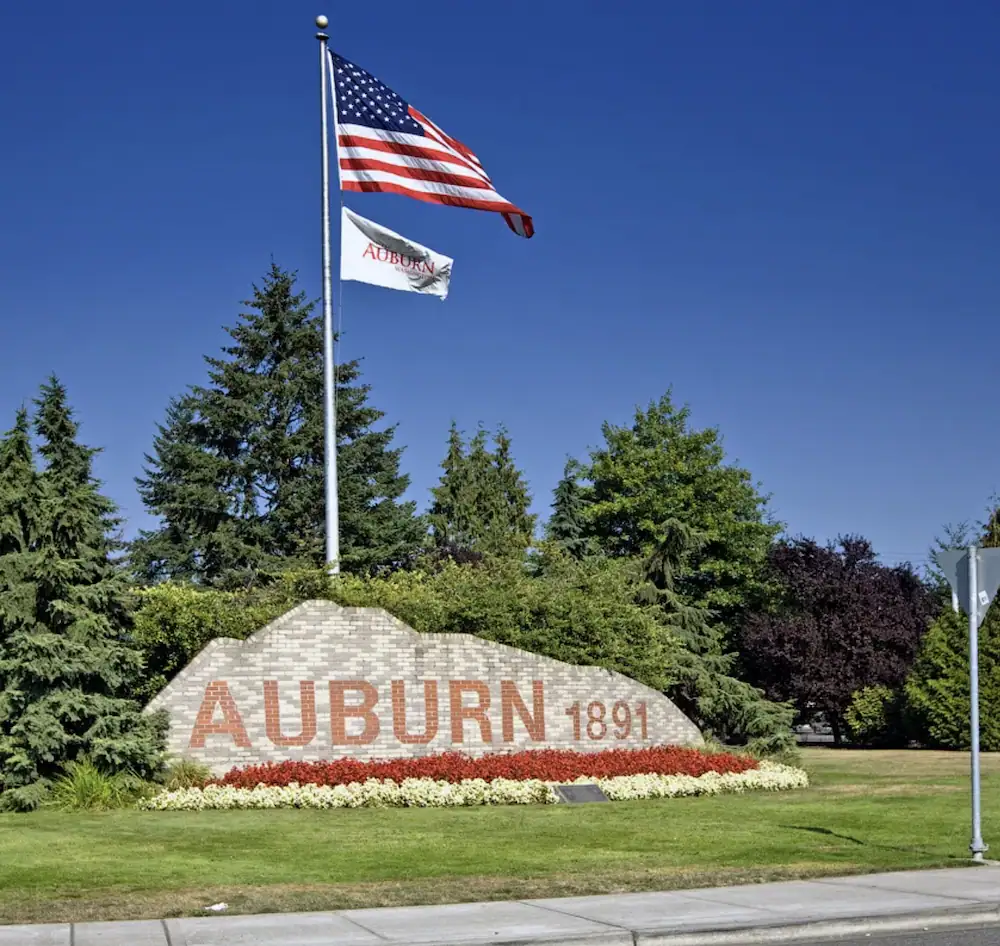
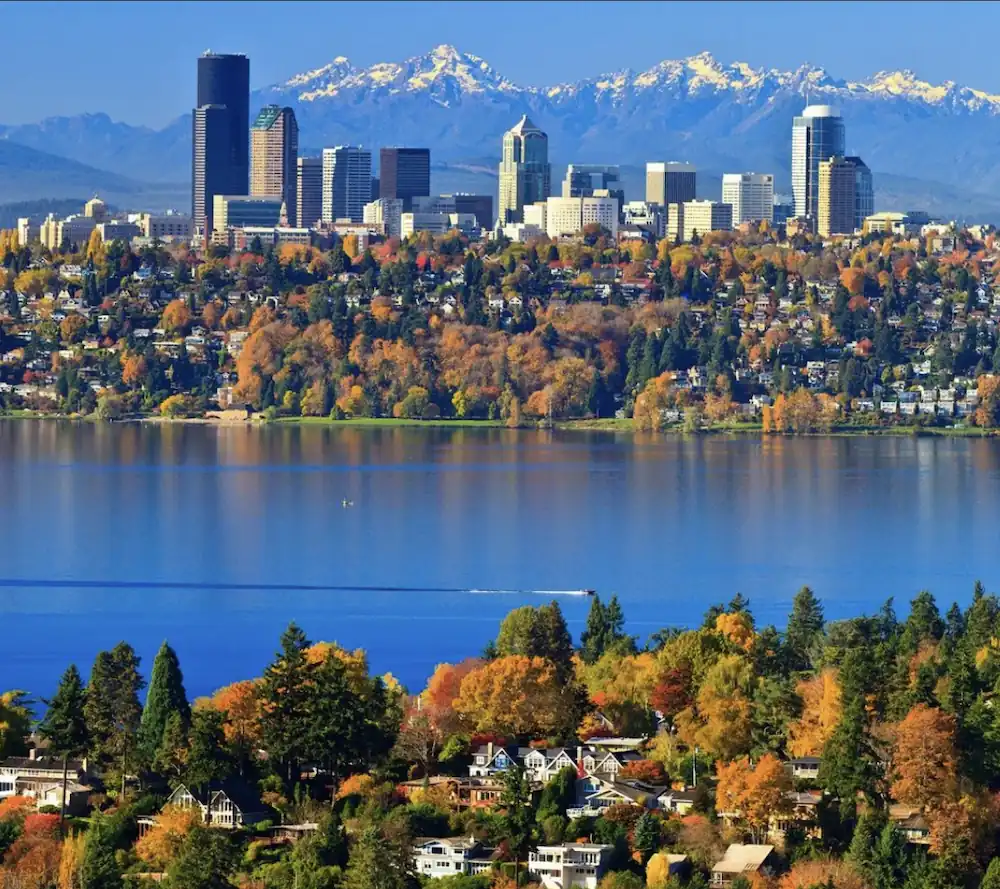
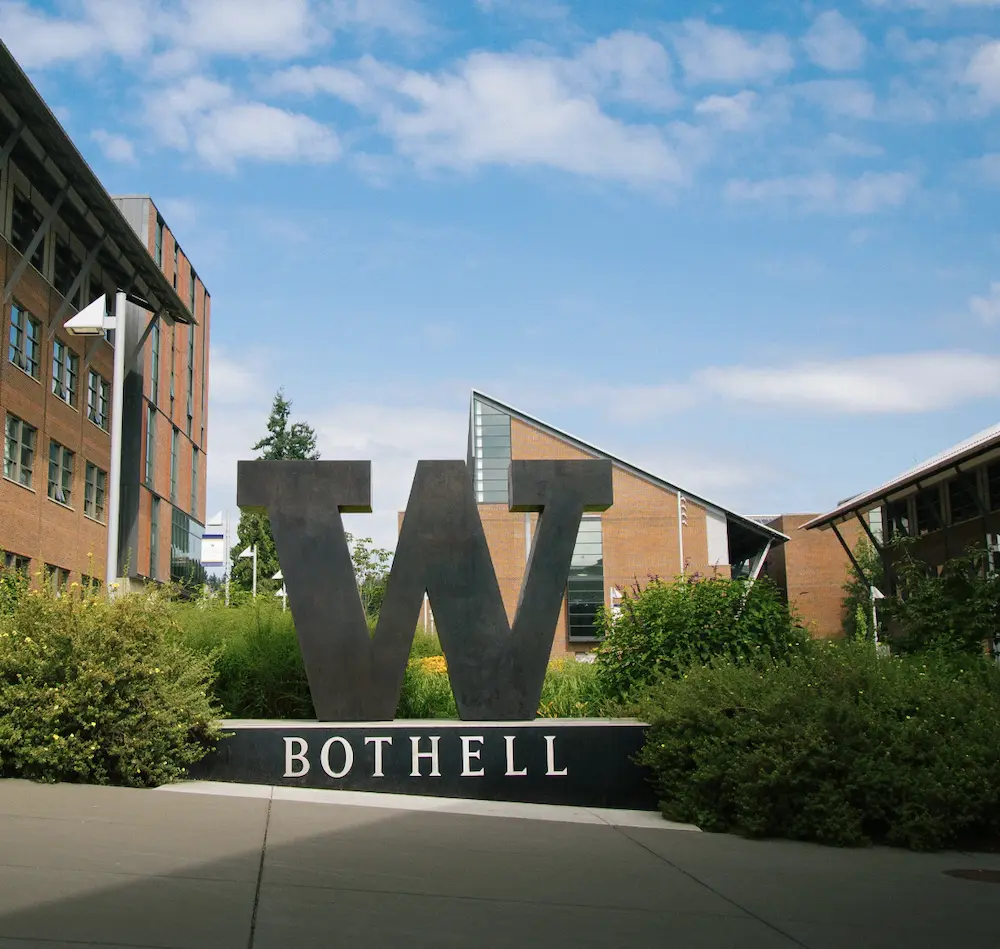
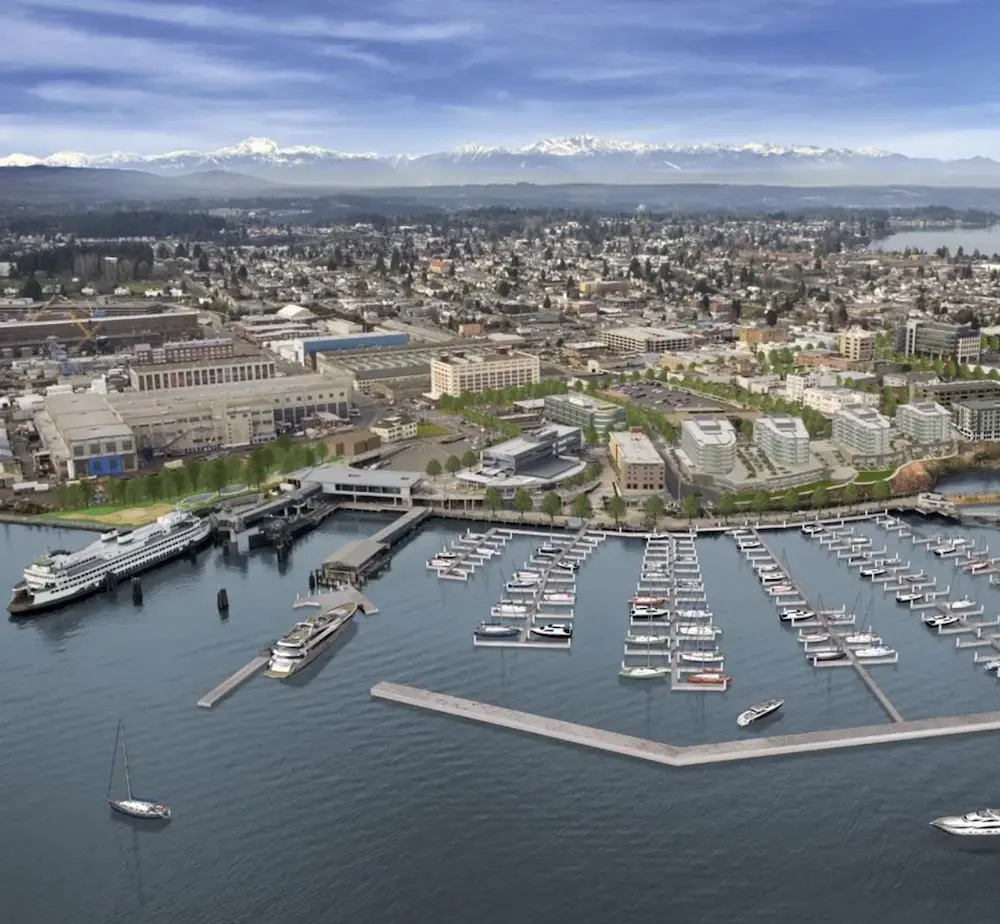
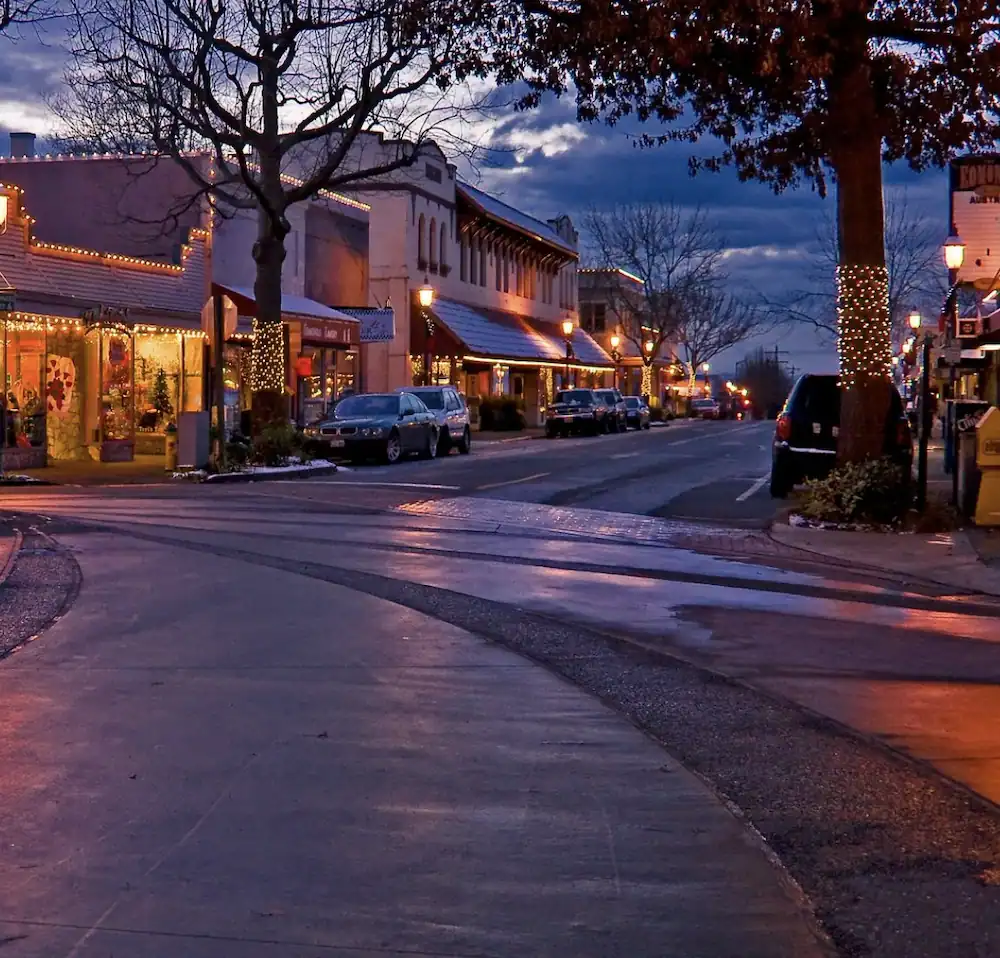
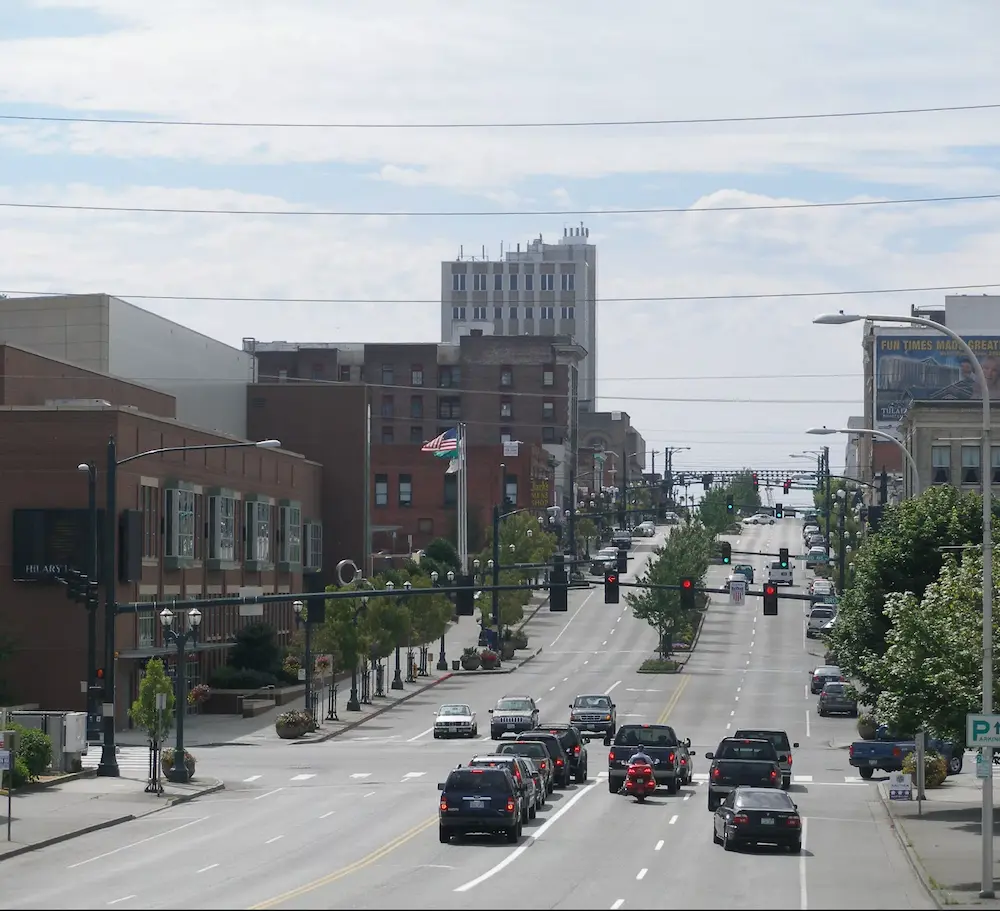
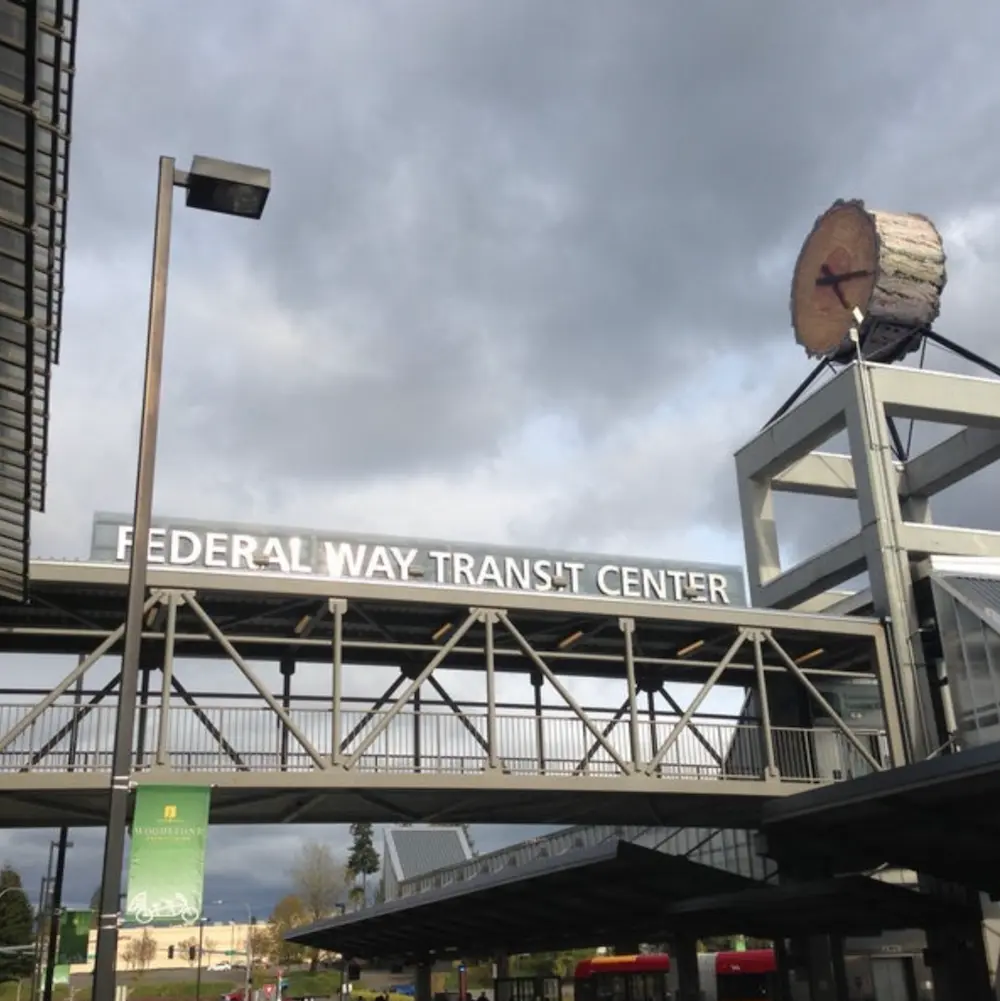

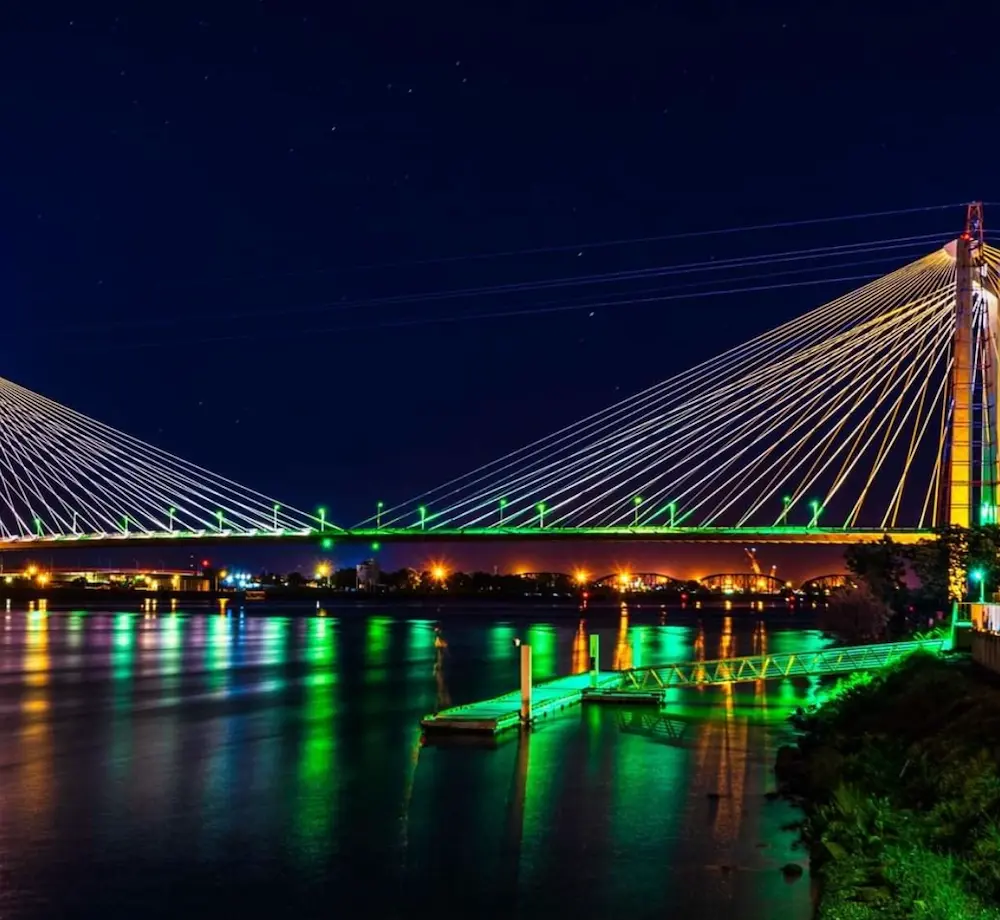
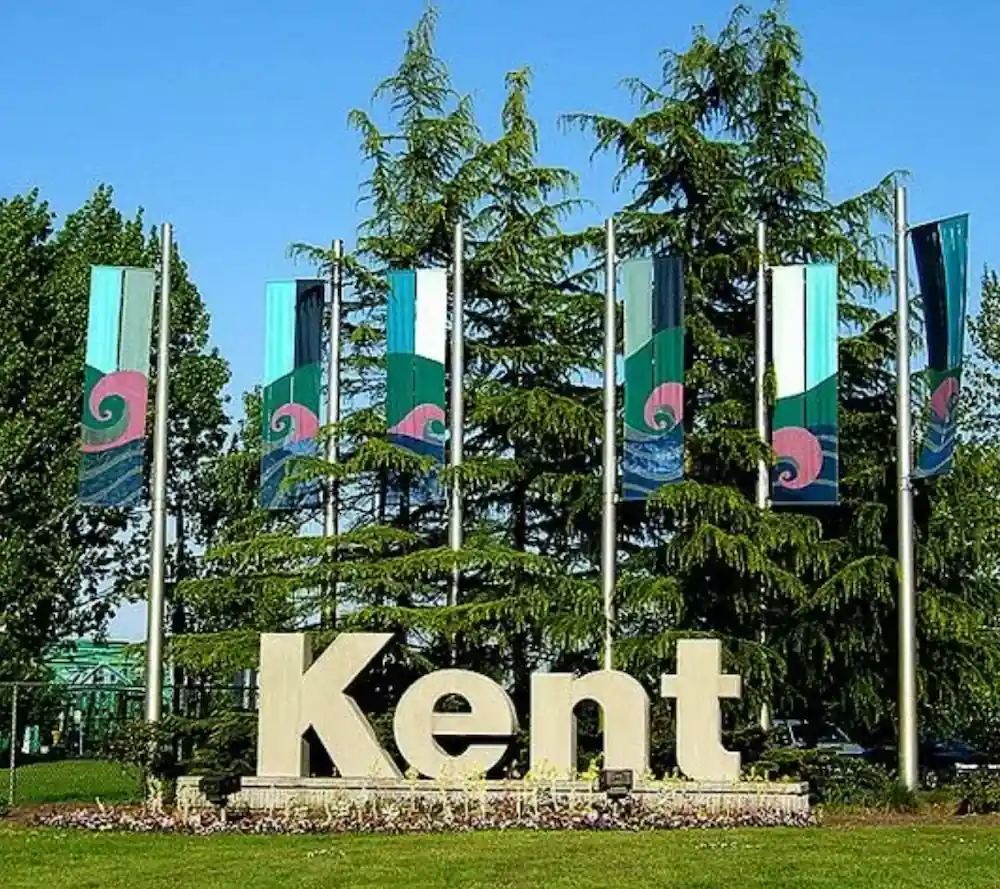
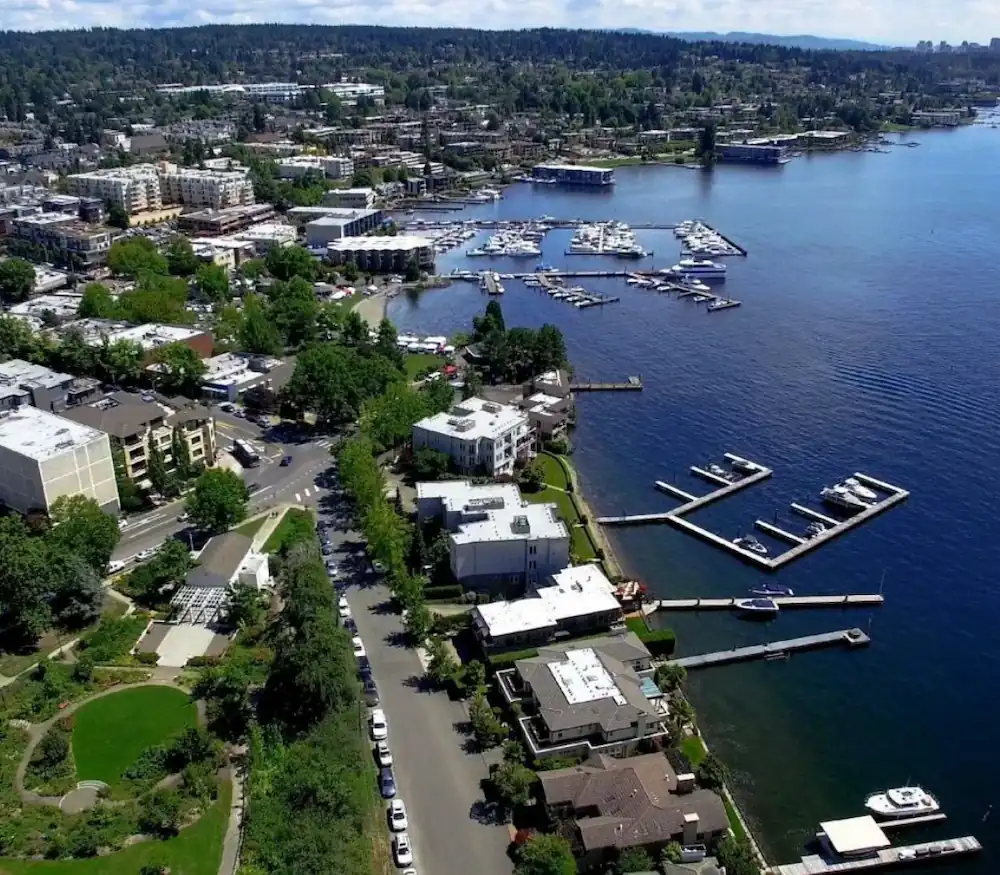
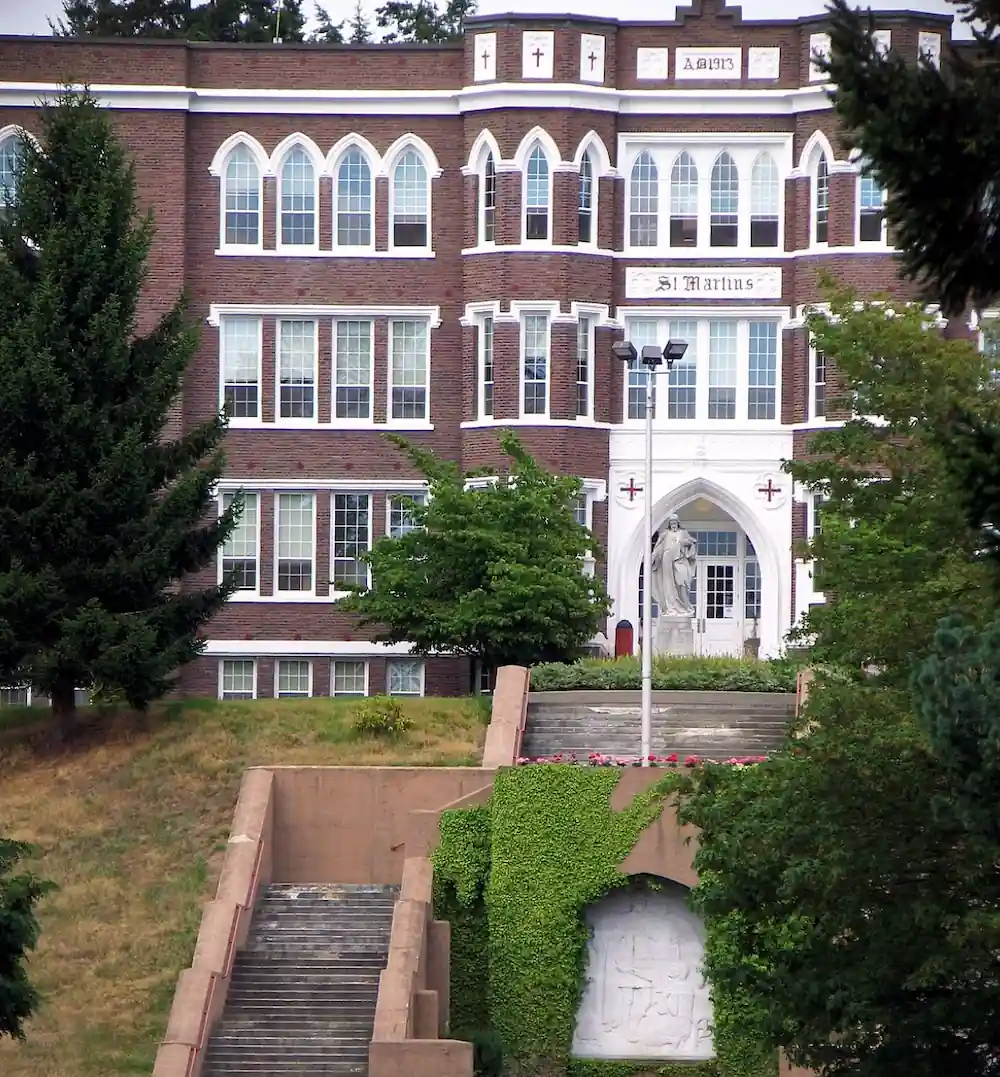

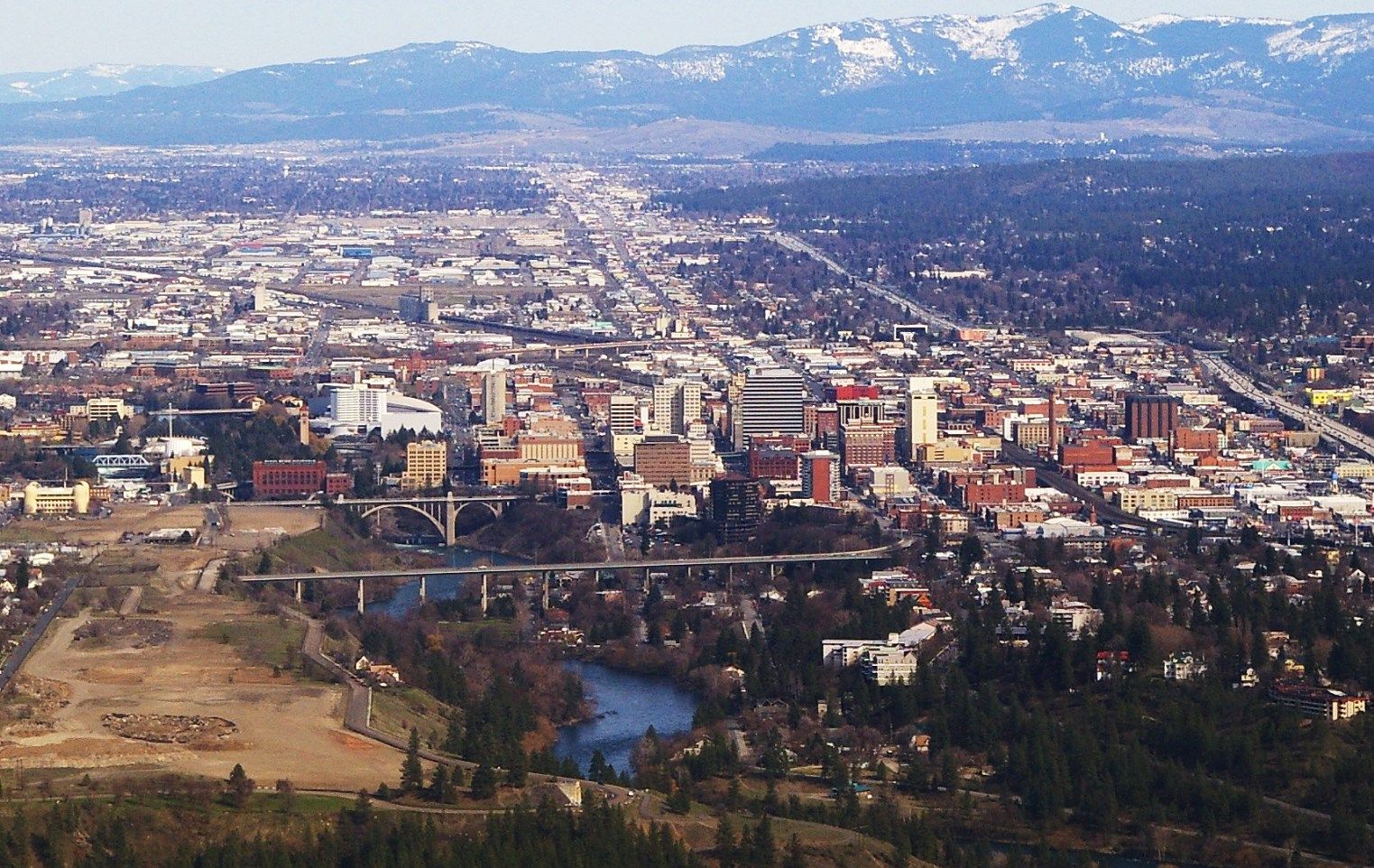
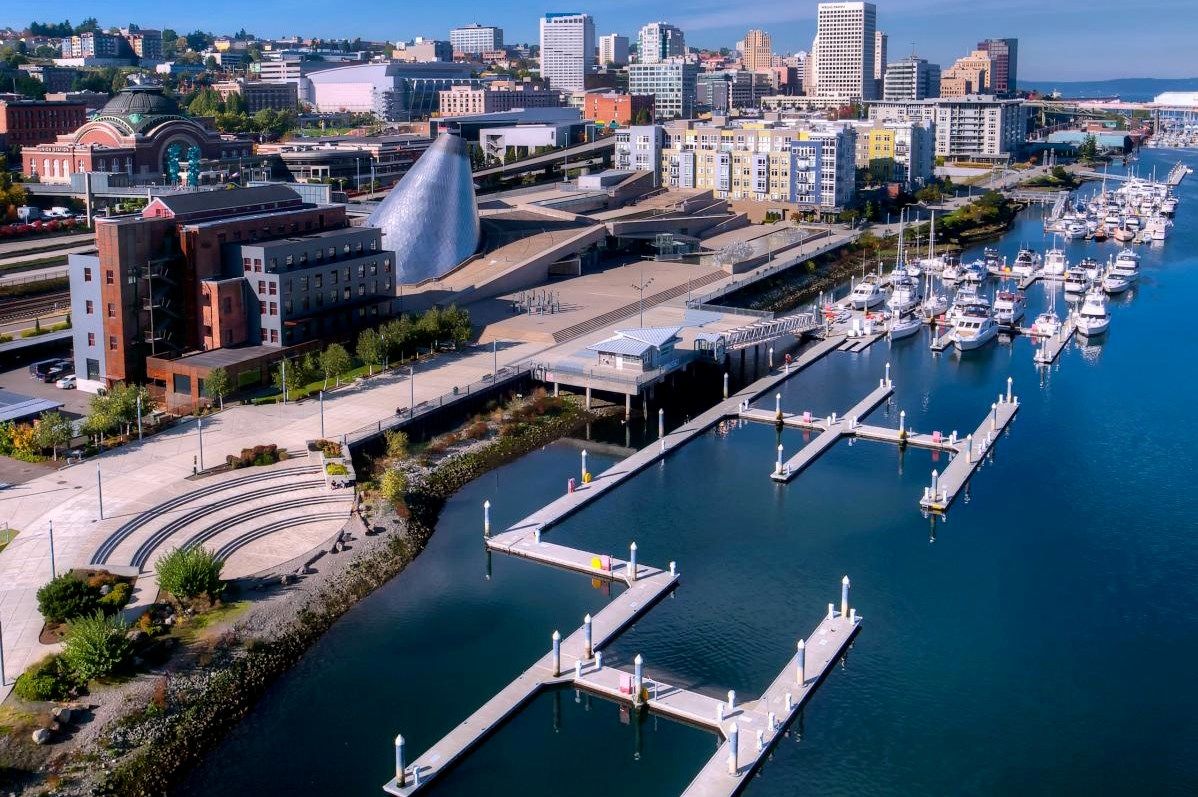
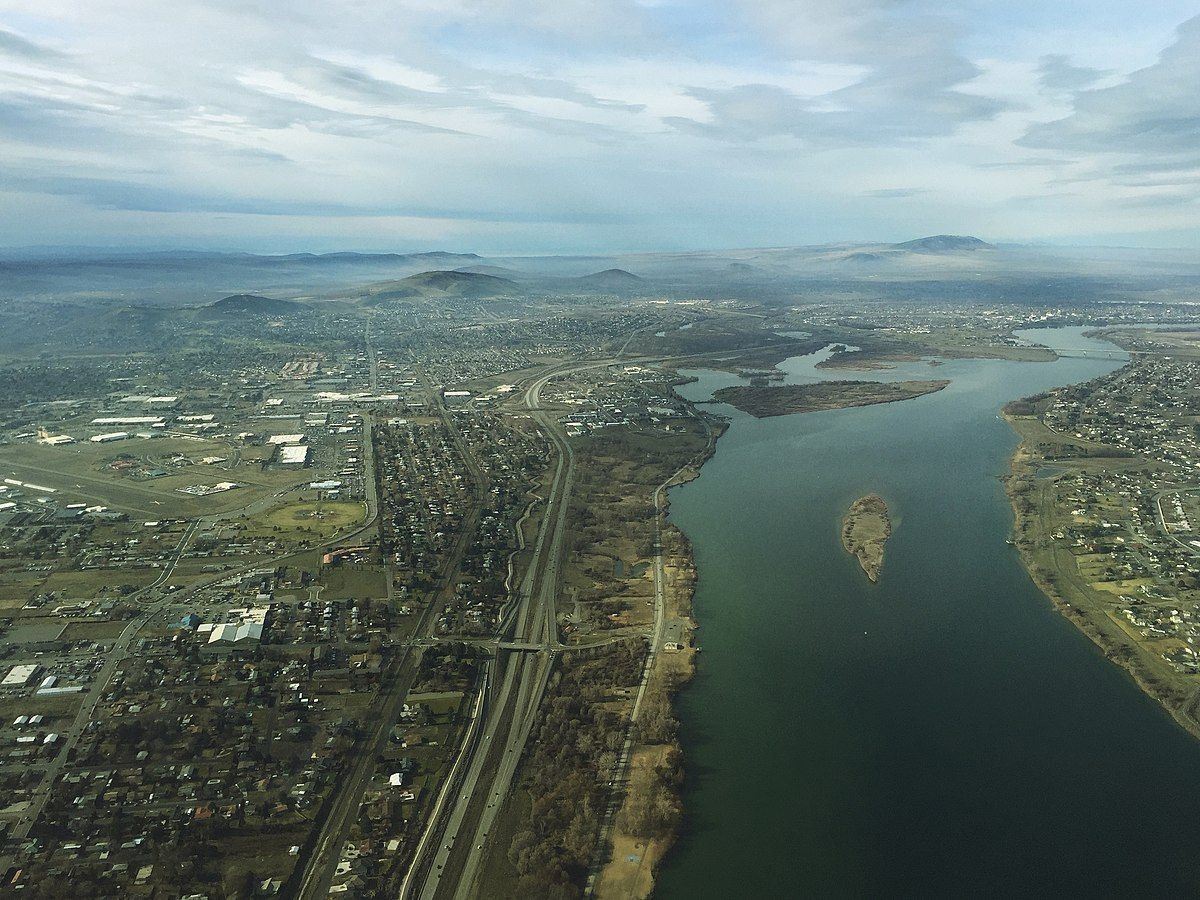
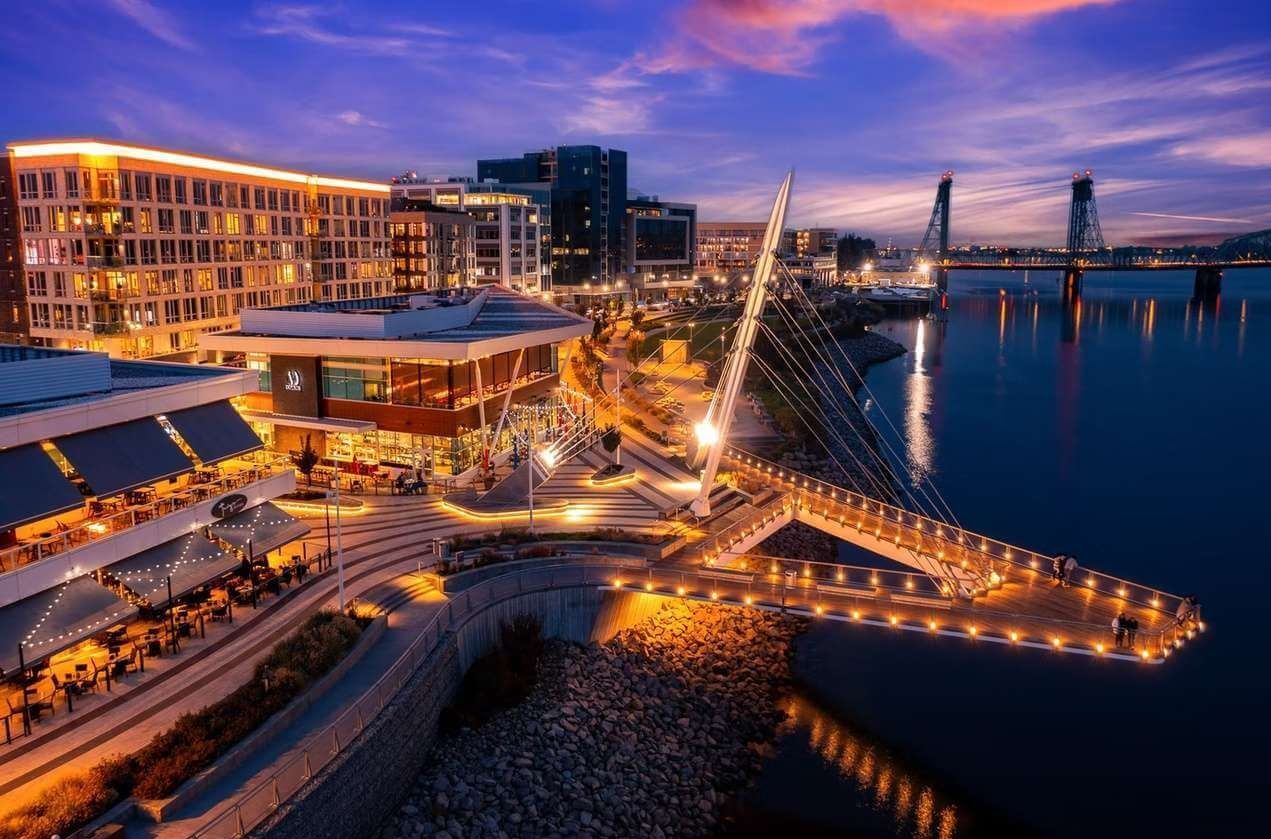
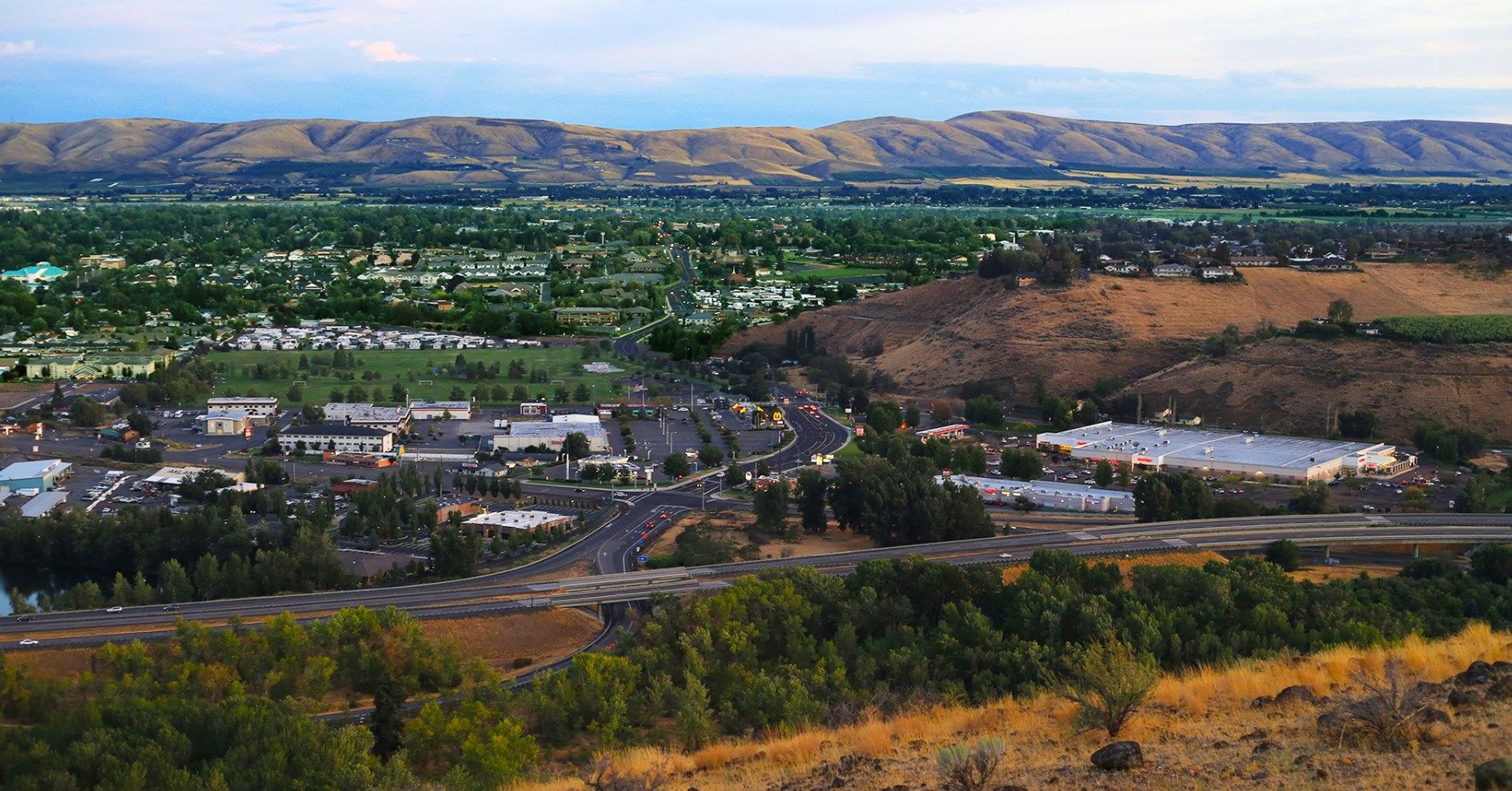
Moving services in Washington
Star Van Lines provides local, long-distance, and interstate moving services across Washington. We handle packing, loading, transport, and delivery for residential and commercial moves. Washington sets two different jobs in front of a crew, because a Bellevue tech-campus move and a wheat-country move outside Spokane share almost nothing in how the day actually runs. Every move includes a single coordinator, a trained crew, and a written estimate.
Local moving in Washington
Local moves in Washington cluster on the Eastside and along the I-5 corridor. A two-person crew runs $115-$207 per hour; three movers run $173-$288. We serve Seattle and the Eastside cities of Bellevue, Kirkland, and Redmond, the Tacoma and Everett ends of the Puget Sound metro, and the Spokane area east of the mountains. But the two sides of the state work differently, because downtown and tech-campus moves need a building certificate of insurance, a reserved freight elevator, and a narrow loading window, while a move out near Spokane can mean a long rural approach with nowhere close to stage. And the rain changes the plan all winter, since crews have to shrink-wrap and weather-protect goods even on a dry-looking morning.
Long-distance moving from Washington
Long-distance demand out of Washington is heavily Seattle-driven. The busiest lanes run south to San Francisco (about 806 miles) and Phoenix (about 1,392 miles), east to Austin (about 2,112 miles), and coast to coast to New York (about 2,837 miles), with a short regional hop down I-5 to Portland (about 173 miles). We run these corridors on I-5, I-90, and I-84 as full interstate relocations. Because I-90 climbs over Snoqualmie Pass, your coordinator watches the pass forecast and builds winter flexibility into any eastbound schedule.
Packing and storage
We offer full-service packing, partial packing, and self-pack options. Full-service means our crew brings every box and material and packs each room; partial lets you choose which rooms we handle; self-pack is the lowest-cost option. We have 43 warehouse locations nationwide for short-term and long-term storage. But in the Puget Sound area, the persistent winter moisture makes climate-controlled storage the safer choice for wood furniture, electronics, instruments, and documents held between a move and a later move-in date, since standard units can invite mildew over a long wet season.
Auto transport and specialty items
We ship vehicles by open or enclosed carrier, and households relocating several cars on a long Seattle lane often ship them rather than drive each one. We also move pianos, antiques, gun safes, and fine art with specialty crating. Because the Snoqualmie Pass chain window runs November 1 to April 1, enclosed auto transport over I-90 is timed around pass conditions, and high-value or non-running vehicles often ship enclosed to keep winter road spray off the finish.
How much does moving in Washington cost?
Moving costs in Washington depend on whether you're moving across the Eastside or across the country. Local moves typically run $115-$207 per hour for a two-person crew with a truck. Long-distance moves start at $747 for a studio and reach $8,798 for a large four-plus-bedroom home, depending on distance, weight, and access at both ends.
Local moving rates
| Crew size | Hourly rate |
|---|---|
| 2 movers + truck | $115-$207 / hour |
| 3 movers + truck | $173-$288 / hour |
| 4 movers + truck | $230-$414 / hour |
Long-distance rates from Washington
| Move size | Estimated price range |
|---|---|
| Studio / 1 Bedroom | $747 - $2,185 |
| 2-3 Bedrooms | $1,380 - $4,830 |
| 4+ Bedrooms | $2,300 - $8,798 |
Popular routes and pricing from Washington
| Route | Distance | Avg cost (2-3 BR) |
|---|---|---|
| Seattle to Portland | 173 mi | $1,380 - $1,725 |
| Seattle to San Francisco | 806 mi | $2,530 - $3,105 |
| Seattle to Phoenix | 1,392 mi | $3,335 - $4,082 |
| Seattle to Austin | 2,112 mi | $3,680 - $4,485 |
| Seattle to New York | 2,837 mi | $3,967 - $4,830 |
Pricing reflects market averages for moves in and from Washington as of June 2026. Your final price depends on inventory weight, packing level, access at pickup and delivery, and scheduling flexibility. Call (855) 822-2722 or use our free quote calculator for an exact estimate.
What affects your moving price
- Shipment weight and volume are the biggest factors on any long-distance move from Washington.
- Distance drives the base price. Seattle to Portland is 173 miles; Seattle to New York is 2,837.
- Access at both ends matters. Freight-elevator windows and tight loading zones in Seattle and Bellevue, or a long rural approach east of the Cascades, can all add time or call for a shuttle.
- How much packing you want us to do. Full-service runs more than partial, and self-pack is the lowest option.
- When you move. Summer is peak demand, while winter brings rain on the west side and pass snow on I-90.
- Add-on services like auto transport, climate-controlled storage, and specialty handling for pianos, gun safes, or artwork carry their own pricing.
Moving to Washington: what you should know
A move to Washington involves more than logistics. The state runs on a split between the rainy, job-dense west side around Puget Sound and a drier, more affordable east side beyond the Cascade crest, and the mountains in between gate every cross-state route. Below is a quick guide covering cost of living, access and logistics, climate and timing, and the residency rules that affect your move.
What it costs to move to Washington
Washington's cost of living index is 107.0 (US average = 100, BEA RPP 2024), above the national figure, with most of that premium on the west side. Local moving labor runs $115-$207 per hour for a two-person crew, with Seattle and the Eastside at the higher end and Spokane lower. Median home value is $564,600 (Census ACS 2020-2024) and median monthly rent is $1,760, while median household income is a high $98,141. But the line that surprises newcomers is the tax mix, because Washington charges no individual income tax on wages and yet carries one of the higher combined sales-tax rates in the country at about 9.51 percent.
Access and logistics
Washington has a clear interstate spine centered on Puget Sound. I-5 runs north and south through Vancouver WA, Olympia, Tacoma, Seattle, and Everett up to the Canadian border, while I-90 heads east from Seattle over Snoqualmie Pass to Spokane and the Idaho line. I-405 loops the Eastside through Bellevue, Kirkland, and Renton, and I-82 drops southeast through the Yakima Valley to the Tri-Cities. In downtown Seattle and Bellevue, the hard part is the building, since tower and tech-campus moves need a certificate of insurance, a reserved freight elevator, and a tight street-loading window. Over the mountains, the challenge flips to the pass itself, because I-90 can require traction tires or chains from November into April.
Climate and timing
Washington has mild, dry summers on the west side with July highs near 77 in Seattle and cool, wet winters with January lows around 37. Seattle gets about 39 inches of rain across roughly 156 days a year, but only about 8 inches of snow in the city, since the heavy snow falls in the Cascades. The headline risks are seasonal and geologic: the long October-to-March wet season on the west side, mountain-pass snow and ice on I-90, wildfire east of the Cascades in late summer, and the deeper threats of a Cascadia earthquake and coastal tsunami. The best window for a move is late spring through early fall, roughly May through September, when the rain eases and the passes are clear. Avoid November through February, when storms are heaviest and the pass can close, and plan around peak summer demand.
Residency and regulations
Washington handles driver licensing and vehicle registration through the Department of Licensing (DOL), and the two are done at separate offices. New residents have 30 days to get a Washington driver license and 30 days to register a vehicle, and you must get the license first. Apply through the DOL (dol.wa.gov) once you are settled. Washington requires no periodic safety inspection for passenger cars, and it has no emissions test at all, since the statewide program ended on January 1, 2020, which makes registering an incoming out-of-state vehicle simpler. Because online voter registration is available at VoteWA.gov, and an enhanced license enrolls you automatically, that step is simple once you arrive.
What to know before moving to Washington
Benefits of moving to Washington
0,001,020
Population
$0,141
Median household income
0.0 (US = 100, BEA RPP 2024)
Cost of living index
0/year (approximate)
Days of sunshine
0% on wages
State income tax
+0.8%
Population change 2020-2025
Washington is home to about 8 million people, and it grew 3.8 percent between 2020 and 2025, faster than the country as a whole. The economy is anchored by technology and aerospace, with cloud and software in the Seattle-Redmond-Bellevue corridor and commercial-aircraft manufacturing around Everett and Renton, alongside retail giants like Costco and Starbucks and a large agricultural base in the Yakima Valley. Median household income is a high $98,141. The migration story runs inbound: in the year ending 2024 Washington gained a net 17,700 residents from other states (12th nationally), with California, Oregon, and Texas the top sources; across 2024-2025, total net migration accounted for about 78 percent of the state's growth. And the 0 percent tax on wage income is a real draw for high earners leaving income-tax states.
Is Washington a good place to live?
Washington offers a deep technology and aerospace job market, no income tax on wages, and mountains and coastline within a day's drive. But the trade-offs are real: west-side housing is expensive, the combined sales tax is among the higher rates in the country, and the winters are gray and wet for months. Whether it's a good fit depends on how much you value the job market, the outdoors, and the no-income-tax paycheck against high home prices and a long rainy season.
Tax environment
Washington has no individual income tax on wages or salaries, which is the headline draw for relocating workers. But the picture has nuance, because the state levies a 7 percent excise tax on large long-term capital gains (with a 9.9 percent tier on gains above $1 million), and a separate 9.9 percent tax on household income above $1 million takes effect in 2028. The average combined state and local sales tax is about 9.51 percent, one of the higher rates nationally, while the effective property tax of about 0.75 percent of home value sits below the national average. Washington also runs a Business and Occupation gross-receipts tax, an estate tax, and a gas tax of 59.04 cents per gallon, and it ranks 45th on the 2026 State Tax Competitiveness Index.
Housing market
Median home value in Washington is $564,600 (Census ACS 2020-2024), well above the national figure, and median monthly rent is $1,760. Prices vary sharply by region, from the premium Seattle and Eastside markets to far more affordable Spokane and eastern Washington, where the same budget buys much more house. An owner-occupancy rate of 63.8 percent, just below the national average, leaves a sizable rental market, especially across the expensive west side. Because the price gap between the two sides of the state is so wide, where you land matters as much as what you buy.
Job market and economy
Washington's economy is led by technology and aerospace, a pairing few states can match. Cloud, software, and e-commerce dominate the Seattle-Redmond-Bellevue corridor, while commercial-aircraft manufacturing anchors the Everett and Renton plants, and the state adds depth through retail and wholesale headquarters and a major eastern-Washington farm economy of apples and wine. The workforce is well educated, with 39.6 percent of adults holding a bachelor's degree or higher, which feeds the engineering and corporate roles clustered around Puget Sound. And because the sector mix leans toward high-wage jobs, median household income runs well above the national level.
Safety and natural risks
Washington faces a distinctive hazard mix. The west side sits over the Cascadia Subduction Zone, capable of a magnitude 9.0 earthquake and a coastal tsunami, and the state carries active volcanoes in Mount Rainier and Mount St. Helens. Wildfire is the summer threat east of the Cascades, while flooding and severe winter storms recur across the lowlands. If you are buying near the coast or a river floodplain, it is worth lining up earthquake and flood coverage early, since standard homeowner policies exclude both.
Who thrives in Washington?
Eastside tech transferees
Software engineers and cloud staff relocate for or between Microsoft's Redmond campus and Amazon's Seattle and Bellevue footprint, often on tight start-date timelines. They move into Eastside apartments and homes, and because Washington charges no income tax on wages, the take-home jump from a high-tax origin state like California is real.
Boeing and aerospace workers
Machinists, engineers, and supplier staff are drawn to Boeing's Puget Sound plants, the company's largest workforce concentration anywhere. Many relocate inbound from other Boeing sites or supplier hubs, and they tend to settle near the Everett, Renton, and Auburn facilities where the work is.
No-income-tax movers from California
High earners and dual-income households leave income-tax states for Washington's 0 percent tax on wages. They weigh that savings against a 7 percent capital gains excise tax on large gains and a relatively high sales tax, and most land in the King and Snohomish County job centers that absorbed the bulk of recent growth.
Spokane and Eastern Washington relocators
Families and remote workers choose the lower-cost, sunnier east side around Spokane, which grew over 1 percent in 2025. Their moves run the full I-90 corridor over Snoqualmie Pass, so timing around the November-to-April chain season is a core planning factor, and they trade Seattle prices for more affordable Inland Northwest housing.
Vancouver cross-river households
Some movers settle in Clark County and Vancouver WA to live in no-income-tax Washington while working or shopping across the Columbia River in Portland, which has no sales tax. Because that pairing lets a household dodge both an income tax and a sales tax, the I-5 border zone is a distinctive draw.
First week after moving to Washington: what to do
After your move to Washington, several tasks need attention in the first weeks. Washington gives new residents 30 days to get a driver license and 30 days to register a vehicle, and the license has to come first, so handle it early. Here is a prioritized checklist.
- Update your driver license.
You have 30 days to get a Washington license through the Department of Licensing (dol.wa.gov). Bring proof of identity and Washington residency, and do this before you register your vehicle, because the license is required first.
- Register your vehicle.
You have 30 days to register and title a vehicle with the DOL. Washington has no emissions test (the program ended in 2020) and no routine safety inspection, so registering an out-of-state car is straightforward once your license is in hand.
- Transfer your auto insurance.
Washington requires liability coverage, so contact your insurer to re-rate your policy before you register. Premiums vary between Seattle and the smaller eastern cities.
- Register to vote.
Washington offers online registration at VoteWA.gov, and an enhanced driver license or ID registers you automatically. Mail and in-person options run through Election Day.
- Update homeowner's or renter's insurance.
Because earthquakes, wildfire, and flooding all affect Washington, review your coverage. Standard policies exclude earthquake and flood damage, so a home near the coast or a floodplain may need separate policies.
- Forward your mail.
USPS Change of Address is free online at usps.com. Mail forwarding starts within 7-10 business days.
- Transfer medical records.
Contact your current providers before the move and find a new primary care physician near your new home.
- Update school records.
If you have children, request transcripts from the previous district and contact your new one about enrollment. Many Washington districts, including Bellevue and Northshore, rank among the state's best, and the school year usually starts in late August or early September.
Washington at a glance: schools, jobs, and things to do
Schools and universities
Bellevue School District ranked the top district in Washington in Niche's 2026 rankings, with Mercer Island and the Northshore district in Bothell close behind among the best in the state. The University of Washington is the public research flagship, with campuses in Seattle, Tacoma, and Bothell. Washington State University in Pullman anchors the land-grant system east of the mountains, and Western Washington University in Bellingham is a well-regarded regional public option. Because school quality and home prices both vary sharply by district, many families research specific Eastside and Puget Sound suburbs closely before choosing where to land.
Major employers
Amazon is the largest employer in Washington, with more than 90,000 jobs centered on its Seattle and Bellevue headquarters. Microsoft employs about 50,000 at its Redmond campus, and Boeing runs about 65,000 across its Everett and Renton aircraft plants. Costco is headquartered in Issaquah and Starbucks in Seattle, and Nordstrom adds another Seattle-based retail anchor. Because technology and aerospace dominate the west-side economy while apples and wine drive the Yakima Valley east of the Cascades, job seekers find deep opportunities in software, cloud, manufacturing, and agriculture.
Attractions and recreation
Mount Rainier National Park, crowned by the 14,411-foot volcano, draws more than 2 million visitors a year, while Olympic National Park, the most-visited in the state, pairs the Hoh Rainforest with a wild Pacific coastline. North Cascades National Park offers glacier-carved valleys and the deep blue of Diablo Lake. In Seattle, the Space Needle and Pike Place Market are the city's signature stops. And the San Juan Islands, reached by ferry off the northwest coast, draw both weekend visitors and people who end up moving there for good.
FAQ
Questions? Look here
Can’t find an answer? Call us
(855) 822-2722 or email
Local moving in Washington typically costs $115-$207 per hour for a two-person crew with a truck, or $173-$288 for the three-person crew a three-bedroom home usually needs. At 4-6 hours, that puts a typical three-bedroom local move around $600 to $1,725. Eastside freight-elevator windows and long rural approaches east of the Cascades can add time. Call (855) 822-2722 for an itemized estimate.
Long-distance moves from Washington start at $747 for a studio and reach about $8,798 for a large four-plus-bedroom home. The final price depends on shipment weight, distance, and access at both ends. A two-to-three-bedroom move from Seattle to Portland runs about $1,380 to $1,725, while the cross-country lane to New York runs higher. Star Van Lines provides written estimates so your price won't change after booking.
Search our USDOT number 4176875 on the FMCSA SAFER website (safer.fmcsa.dot.gov). This federal database confirms our operating authority, MC number 1607491, insurance status, and safety record. Any legitimate interstate mover should be able to provide a verifiable USDOT number.
In Washington the charges to ask about are long-carry and elevator fees for Seattle and Bellevue high-rises and tech-campus buildings, shuttle fees when a full-size truck can't reach a rural address east of the mountains, and stair fees for walk-up units. We disclose every potential charge in your written estimate before you book, so nothing is a surprise on moving day.
Federal law requires interstate movers to offer two levels: Released Value Protection (free, covering $0.60 per pound per item) and Full Value Protection (paid, covering repair, replacement, or cash settlement at current value). Star Van Lines is fully insured under USDOT #4176875 and can explain both options when you request a quote.
New Washington residents have 30 days to get a Washington driver license and 30 days to register a vehicle, and the license has to come first. Both are handled by the Department of Licensing, at separate offices. There is no emissions test, since the statewide program ended in 2020, and no routine safety inspection for ordinary passenger cars, which keeps the process simple.
Snoqualmie Pass on I-90 is the main east-west route across the Cascades, and from November 1 to April 1 the state can require traction tires or chains for vehicles over 10,000 pounds, which includes a loaded moving truck. When a storm hits, the pass can slow to a chain-up or close for avalanche control. Because of that, your coordinator schedules any eastbound move around the pass forecast in winter.
Median home value statewide is $564,600, but the spread is wide. Seattle and the Eastside cities of Bellevue, Kirkland, and Redmond run well above that, while Spokane and eastern Washington sit far below, so the same budget buys very different homes. Median monthly rent is $1,760, and the state cost-of-living index is 107.0 against a national 100. Because the west side carries most of that premium, which side of the Cascades you choose drives the real cost.
Late spring through early fall, roughly May through September, is the best window, with the driest weather and clear passes. Avoid November through February, when Seattle's rain peaks and Snoqualmie Pass can require chains or close on I-90. High summer brings peak demand, so if you move then, book early; if you move in winter, protect goods from the rain and build in pass-delay flexibility.
Yes. Because the lanes south to San Francisco (about 806 miles) and Phoenix (about 1,392 miles) are long, many households ship a vehicle rather than drive it, and we move cars by open or enclosed carrier. Over I-90 the Snoqualmie Pass winter chain window affects enclosed-transport timing, so cold-season car shipments are scheduled around the pass. Your coordinator gives you one written estimate covering the household goods and any vehicle on the same order.
Washington has no individual income tax on wages, which is a real draw for relocating workers, though it does levy a 7 percent excise tax on large long-term capital gains (9.9 percent above $1 million) and a separate 9.9 percent tax on income above $1 million starting in 2028. The combined sales tax averages about 9.51 percent, among the higher rates nationally, and there is no income-tax filing on a salary. Because the savings on wage income can be significant, many high earners relocate here specifically for the paycheck difference.
It is worth it for moisture-sensitive items. Seattle averages about 39 inches of rain across roughly 156 wet days a year, and the long October-to-March wet season can invite mildew and warping in a standard, non-conditioned unit. Wood furniture, electronics, instruments, artwork, and documents hold up far better in a climate-controlled, humidity-managed space between a move and a later move-in date.
Ready to Start Your Washington Move?
Get a free moving estimate today. No obligation, no pressure.
Call us or fill out the form - we'll get back to you fast.
USDOT #4176875 | MC #1607491 | Licensed & Insured