
Thank you for your feedback!
We will contact you shortly

Free consultation
Enter your phone number and we will call you back for a consultation on any moving and storage services

Virginia
Virginia Long-Distance Moving Company

Few states relocate as many federal and tech workers as Virginia. Roughly 350,000 residents hold civilian federal jobs, the third-highest count of any state, and about 1 in 13 civilian workers here draws a federal paycheck. The relocation map runs through named installations: the Pentagon in Arlington, Norfolk Naval Station (the world's largest naval base), Joint Base Langley-Eustis, and Marine Corps Base Quantico, with about 122,000 active-duty service members statewide. On the tech side, VEDP estimates that about 70 percent of internet traffic is created in or passes through Loudoun's Data Center Alley in Ashburn, the densest cluster of data centers in the world. Star Van Lines is a licensed interstate carrier, USDOT #4176875 and MC #1607491, and we've moved households into and out of the Old Dominion since 2016, from I-95 through Northern Virginia and Richmond to I-64 east toward Hampton Roads.
Our Virginia moving services cover packing, loading, transport, delivery, and short-term storage at warehouse locations around the state. Because the Commonwealth stretches from the Atlantic coast to the Blue Ridge, a ""local"" move can mean a cross-town hop in Richmond or a Hampton Roads run that crosses harbor tunnels with height and weight limits. Northern Virginia high-rises in Arlington, Alexandria, and Tysons demand certificate-of-insurance filings, reserved freight elevators, and tight move-in windows, while the I-66 and Capital Beltway corridors force off-peak load times. We handle both with the same coordinator and the same written estimate, from the first call through delivery.
Ready to see the numbers? Call (855) 822-2722 or use our online quote calculator. You'll get an itemized estimate that breaks down every line item, so there aren't any surprises when the truck arrives. We're rated 4.0 on Trustpilot, 4.5 on Google, and 4.75 on Facebook across 240+ reviews.

Dennis has 15+ years of experience in interstate moving and has coordinated over 1,000 relocations across the United States.

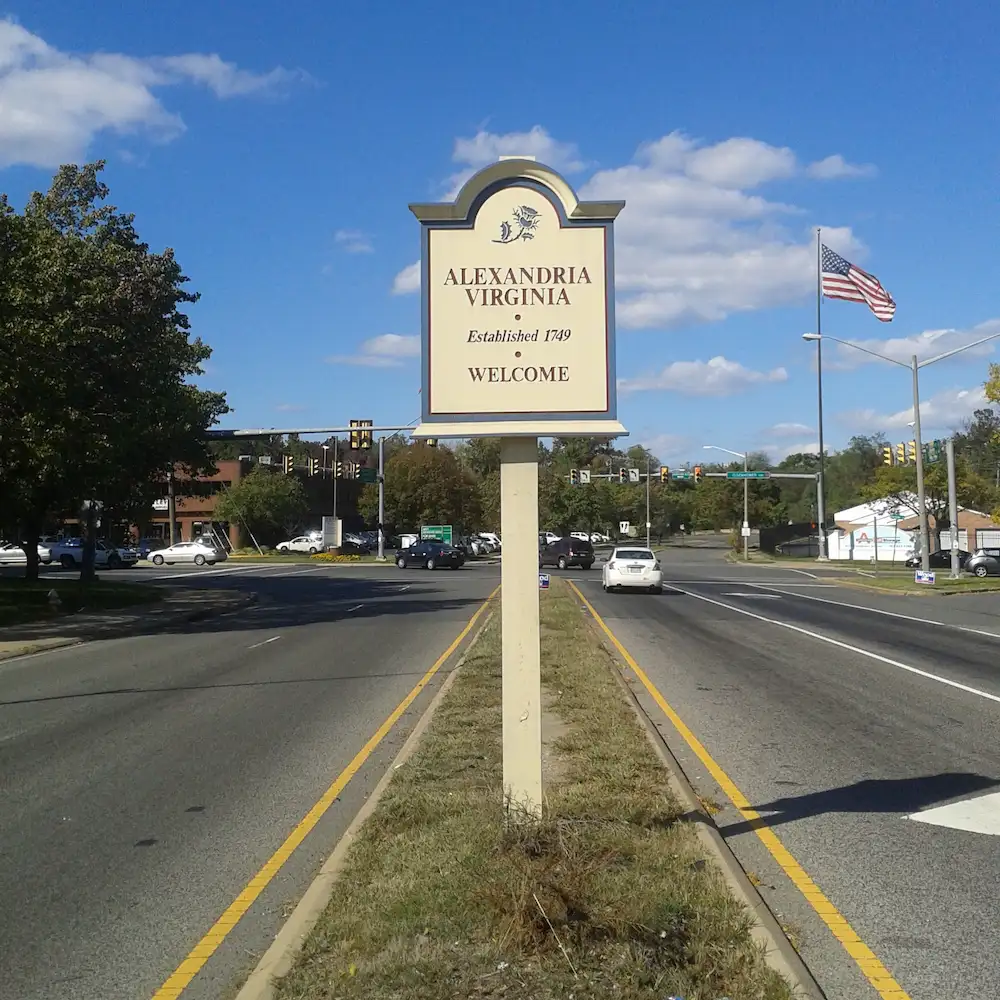


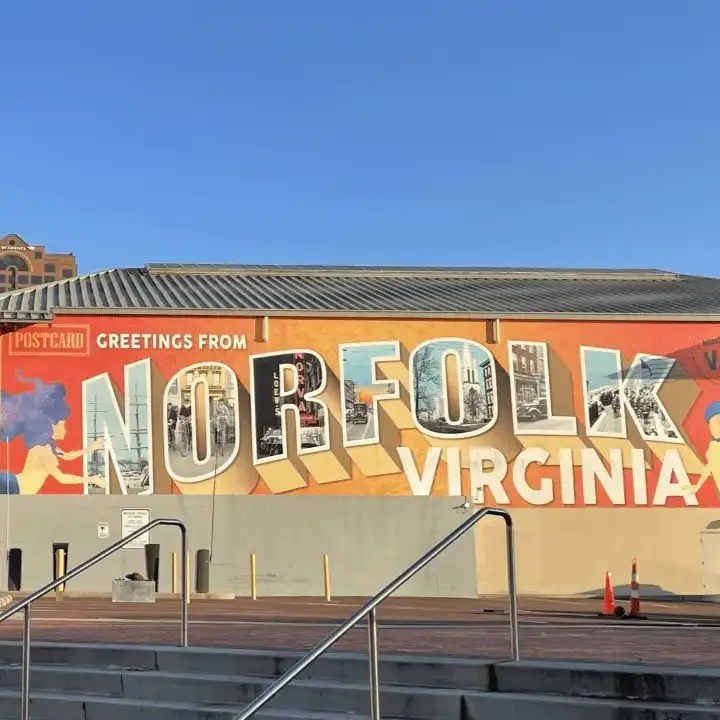
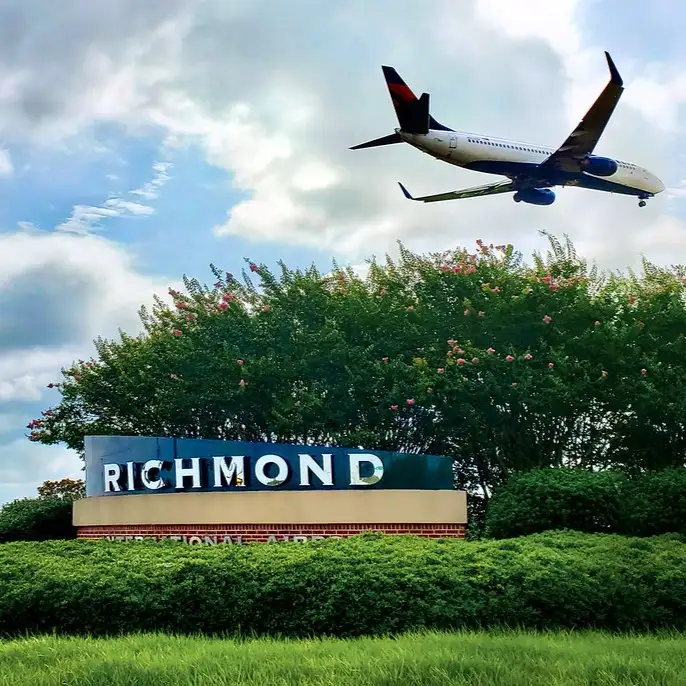

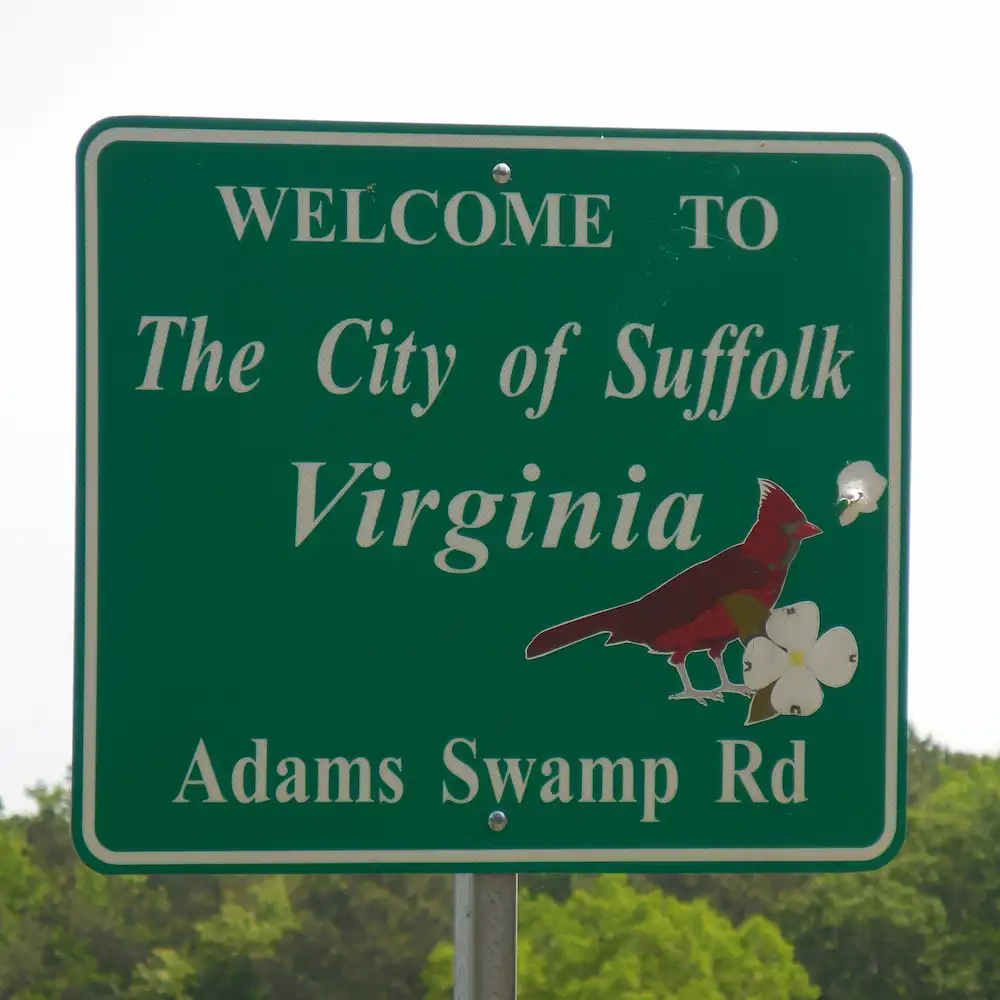
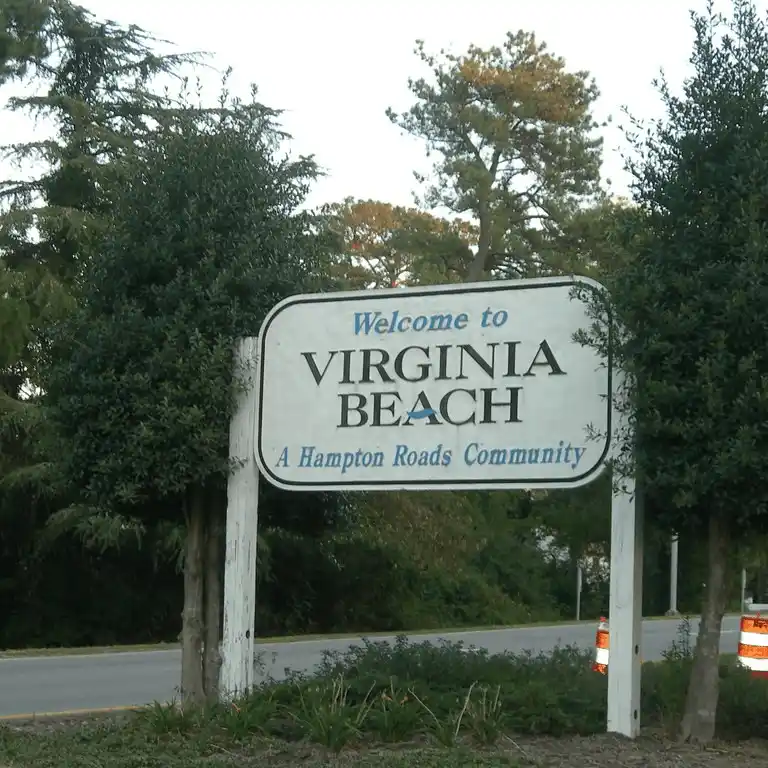
Moving services in Virginia
Moving services in Virginia
Star Van Lines provides local, long-distance, and interstate moving services across Virginia. We handle packing, loading, transport, and delivery for residential and commercial moves. Because the Commonwealth combines dense Northern Virginia high-rises, a coastal Hampton Roads metro tied together by tunnels and bridges, and rural Shenandoah Valley addresses off I-81, every Virginia move needs route-specific and access-aware planning. Every move includes a single coordinator, trained crew, and written estimate.
Local moving in Virginia
Local moves within a Virginia metro typically run 2-4 hours for a one-bedroom apartment, though a move into an Arlington or Tysons high-rise takes longer because of freight-elevator reservations and narrow HOA move-in windows. A two-person crew costs $253-$299 per hour; three movers run $379-$448. High-demand in-state lanes include Arlington to Richmond, about 106 miles via I-95, and Richmond to Norfolk, about 92 miles via I-64. Because short intrastate moves under roughly 250 miles fall into our closest pricing band, the per-mile rate is highest on these lanes, so bundling packing and a single load window keeps costs predictable.
Long-distance moving from Virginia
Top long-distance corridors from Virginia run cross-country to California. Richmond to Los Angeles is about 2,621 miles, Arlington to Los Angeles about 2,669 miles, and Norfolk to Los Angeles about 2,712 miles. These 2,500-plus-mile hauls sit in our long-haul coefficient band, where the lowest per-mile rate applies but total mileage drives the quote. Because federal and military relocations often move on agency or PCS timelines, your coordinator builds the load and delivery schedule around start dates and reimbursement paperwork rather than around a generic calendar.
Packing and storage
We offer full-service packing, partial packing, and self-pack options. Full-service means our crew brings all materials and packs every room. Partial lets you choose which rooms we handle. Self-pack is the lowest-cost option. We have 43 warehouse locations nationwide for short-term and long-term storage. Virginia's humid summers and frequent tropical moisture, since a tropical storm or its remnants reaches the state most years, make uncontrolled storage risky for wood furniture, electronics, and documents. Climate-controlled units that hold steady temperature and humidity guard against warping, mold, and corrosion during a coastal or Northern Virginia relocation.
Auto transport and specialty items
We ship vehicles via open or enclosed carrier, and most Virginia moves pair the household van with auto transport. Federal and military relocations often involve a second vehicle or a PCS move, so enclosed and open transport pairs naturally with a Virginia household move. New residents must title a vehicle within 30 days of arriving and register it within 30 days at any Virginia DMV before plates are issued. Because those deadlines come due fast, your coordinator schedules the car to land in step with the paperwork.
How much does moving in Virginia cost?
Moving costs in Virginia depend on whether you're relocating locally or across state lines. Local moves within Virginia typically run $253-$299 per hour for a two-person crew with truck. For an interstate move, a studio starts around $920 and a four-plus-bedroom home reaches $7,015, with distance, weight, and access conditions setting the final number. The five corridors below, from a 290-mile Richmond-to-Charlotte hop to a 1,278-mile run to Dallas, show how much distance moves the price.
Local moving rates
| Crew size | Hourly rate |
|---|---|
| 2 movers + truck | $253-$299 / hour |
| 3 movers + truck | $379-$448 / hour |
| 4 movers + truck | $506-$598 / hour |
Long-distance rates from Virginia
| Move size | Estimated price range |
|---|---|
| Studio / 1 Bedroom | $920 - $1,725 |
| 2-3 Bedrooms | $1,610 - $3,852 |
| 4+ Bedrooms | $2,703 - $7,015 |
Popular routes and pricing from Virginia
| Route | Distance | Avg cost (2-3 BR) |
|---|---|---|
| Richmond to Charlotte | 290 mi | $1,610 - $2,012 |
| Richmond to Columbus | 478 mi | $2,012 - $2,473 |
| Richmond to Atlanta | 530 mi | $2,012 - $2,473 |
| Richmond to Orlando | 737 mi | $2,415 - $2,933 |
| Richmond to Dallas | 1,278 mi | $3,162 - $3,852 |
Pricing reflects market averages for moves in and from Virginia as of June 2026. Your final price depends on inventory weight, packing level, access at pickup and delivery, and scheduling flexibility. Call (855) 822-2722 or use our free quote calculator for an exact estimate.
What affects your moving price
- Shipment weight and volume are the biggest factors for any long-distance move from Virginia.
- Distance drives the base price. Richmond to Charlotte is 290 miles; Richmond to Dallas is nearly 1,300.
- Access at both ends matters. Freight-elevator wait times in Arlington and Tysons high-rises, long carries, stairs, and harbor-tunnel routing in Hampton Roads all add time.
- How much packing you want us to do. Full-service runs more than partial, and self-pack is the lowest option.
- When you move. Summer heat and humidity peak from June through August, and the Atlantic hurricane season runs through October, so the spring and early-fall shoulders are generally calmer.
- Add-on services like auto transport, climate-controlled storage, and specialty handling come with their own pricing.
Moving routes from Virginia
Moving to Virginia: what you should know
A move to Virginia involves more than logistics. You're trading one tax structure for a graduated state income tax, and likely swapping a quieter market for the highest-income county in the country. Below is a quick guide covering cost of living, access and logistics, climate and timing, and residency requirements that affect your move.
What it costs to move to Virginia
Virginia's cost of living index is 101.1 (US average = 100, BEA RPP 2024), just above the national average, so local moving labor runs near the US norm in most metros and higher in Northern Virginia. Expect $253-$299 per hour for a two-person crew. Building access adds cost in the north. Many Arlington, Alexandria, and Tysons high-rises require a certificate of insurance and a reserved freight elevator, and tight move-in windows force off-peak load times along the I-66 and Capital Beltway corridors. Median home value sits at $383,700 (Census ACS 2020-2024), and median monthly rent is $1,579. The bigger surprise is the spread within the state: Loudoun County posts the highest median household income of any US county, while the median statewide household income is $93,170 (Census ACS 2020-2024). Because the cost gap between Northern Virginia and the rest of the Commonwealth is wide, budget by region, not by state average.
Access and logistics
Virginia's interstate network funnels long-distance traffic onto four spines. I-95 is the north-south artery linking Northern Virginia, Richmond, and the Carolinas. I-64 runs east-west from the Shenandoah Valley through Richmond to Hampton Roads and Norfolk. I-81 carries north-south traffic through the western Shenandoah Valley, and I-66 is the congested Northern Virginia commuter route into Washington, DC. Coastal and urban moves face their own constraints. Northern Virginia high-rise and HOA-governed communities in Arlington, Alexandria, and Tysons require certificate-of-insurance filings, reserved freight elevators, and tight move-in windows, while Hampton Roads moves cross harbor tunnels and bridges with height and weight limits. Because rural Southwest and Shenandoah Valley addresses add long final-mile drives off the I-81 corridor, your coordinator builds extra access time into the schedule.
Climate and timing
Richmond, the central anchor for Virginia's climate, sees summer highs of 87 to 91 degrees from June through August, January lows near 28, and about 206 days with some sun a year (NOAA 1991-2020 normals). The calendar that matters most for movers is the Atlantic hurricane season. On average a tropical storm or its remnants reaches Virginia yearly and a hurricane roughly every 2.3 years, with the peak from August through October, when coastal Hampton Roads and Tidewater routes can see flooding and surge. The best windows to move are April through May and September through October, when highs sit in the 70s and humidity is lower. Avoid June through August, when heat, humidity, and peak demand all stack up, and watch for winter ice along the I-64 and Piedmont corridors and heavier snow in the western Blue Ridge near I-81.
Residency and regulations
Virginia gives new residents 60 days to obtain a Virginia driver's license, but only 30 days to title a vehicle and 30 days to register it, so registration comes due before the license. The Commonwealth is one of the states that still mandates an annual statewide safety inspection, run by the Virginia State Police rather than the DMV. Emissions testing is geographically limited: an Air Check inspection is required only for vehicles garaged in Northern Virginia (the counties of Arlington, Fairfax, Loudoun, Prince William, or Stafford, or the cities of Alexandria, Fairfax, Falls Church, Manassas, or Manassas Park) and runs on a two-year cycle. Because the vehicle clock is tighter than the license clock, handle the car paperwork first.
What to know before moving to Virginia
Benefits of moving to Virginia
0,880,107 (Census V2025)
Population
$0,170 (Census ACS 2020-2024)
Median household income
0.1 (US = 100, BEA RPP 2024)
Cost of living index
~0,000 (3rd most of any state)
Civilian federal jobs
0.00%-5.75% (graduated)
State income tax
+0,583 in 2024 (a reversal)
Net domestic migration
Virginia is home to about 8.9 million people and added 2.9 percent to its population between 2020 and 2025 (Census V2025). The economy is anchored by the federal government, defense, and the military, with the U.S. Department of Defense as the largest single employer through the Pentagon, Fort Belvoir, and Naval Station Norfolk. Technology and data centers form the second pillar, led by Loudoun's Data Center Alley, alongside healthcare systems like Sentara and Inova and finance employers such as Capital One. Walmart is the largest private employer at about 46,200 workers, and Amazon, with HQ2 in Arlington, employs about 39,000. The migration math turned a corner in 2024. Virginia gained a net +1,583 residents from domestic migration that year, about 265,514 moving in against 263,931 moving out, the first positive year after a stretch of out-migration.
Is Virginia a good place to live?
Virginia offers a deep federal and defense job base, top-tier Northern Virginia schools, and a landscape that runs from Atlantic beaches to the Blue Ridge. The trade-offs are real: a graduated income tax up to 5.75 percent, Northern Virginia housing costs among the highest in the country, and an Atlantic hurricane season that touches the coast most years. Whether it's a good fit depends on your job, your budget, and which region of the Commonwealth you land in.
Tax environment
Virginia levies a graduated state income tax from 2.00 percent up to 5.75 percent (Tax Foundation 2026; Code of Virginia Sec. 58.1), with the top bracket kicking in above $17,000 of taxable income, and some localities add a local income tax. The average combined state and local sales tax is 5.77 percent, built on a 5.30 percent statewide minimum that includes a mandatory 1 percent local add-on. There's no estate tax and no inheritance tax, the effective property tax rate is 0.78 percent of home value, and real estate is assessed locally by each county or city. But for a household relocating from a no-income-tax state, the graduated income tax is the line item to model first, because at higher salaries the top rate adds up quickly.
Housing market
Median home value in Virginia is $383,700 (Census ACS 2020-2024), and median monthly rent is $1,579. About 67.3 percent of Virginia households own their homes. Prices vary more by region than in most states: Loudoun, Fairfax, and Arlington in Northern Virginia run far above the statewide median, while Richmond, Hampton Roads, and the Shenandoah Valley sit closer to or below it. Loudoun County holds the highest median household income of any US county at about $178,707, and Fairfax ranks fifth nationally at about $150,113. Because the same budget buys very different homes in NoVA versus Southside or Southwest Virginia, where you choose to land changes the whole math.
Job market and economy
The federal government, defense, and the military anchor Virginia's economy. The U.S. Department of Defense is the top employer through the Pentagon in Arlington, Fort Belvoir, and Naval Station Norfolk, and Huntington Ingalls Industries runs the Newport News shipyard, the largest industrial and defense-manufacturing employer in the state. Technology and data centers are the second engine, with Loudoun's Data Center Alley generating high-paying engineering, operations, and cloud jobs, plus finance at Capital One and large hospital systems Sentara and Inova. Walmart is the largest private employer at about 46,200, Amazon employs about 39,000 with HQ2 in Arlington, and the civilian labor force participation rate is 63.5 percent. Because so much hiring sits with federal agencies, defense contractors, and the data-center sector, job seekers cluster in Northern Virginia and Hampton Roads.
Safety and natural risks
Virginia's dominant natural risks come from the water: hurricanes and tropical storms with coastal storm surge along the Tidewater and Hampton Roads coast, plus coastal and inland riverine flooding, which is the most common and costly hazard statewide. Severe thunderstorms and winter and ice storms round out the threat list. NOAA's records count 116 billion-dollar disasters affecting Virginia between 1980 and 2024, including 23 tropical cyclones and 19 winter storms. For a move, the lessons are simple enough. Time a coastal relocation outside the August-to-October hurricane peak when you can, carry flood insurance near the Tidewater coast and inland river crossings, and watch for ice along the I-64 and Piedmont corridors in winter. And standard homeowners insurance doesn't cover flood, so a separate policy is usually necessary in coastal counties.
Who thrives in Virginia?
Federal and defense civilian relocators
About 350,000 Virginians hold civilian federal jobs, the third-highest count of any state, and roughly 1 in 13 civilian workers is federal. Pentagon, Department of Veterans Affairs, and Homeland Security staff transfer in and out of Northern Virginia regularly, and they need movers who can coordinate around agency start dates and reimbursement paperwork rather than a fixed weekend.
Military families on PCS orders
Virginia hosts roughly 122,000 active-duty service members, one of the largest concentrations in the country, anchored by Norfolk Naval Station (the world's largest naval base), Joint Base Langley-Eustis, and Marine Corps Base Quantico. Families receiving Permanent Change of Station orders move on tight government timelines and often need short-notice scheduling plus auto transport for a second vehicle.
Data center and tech professionals in Northern Virginia
Ashburn's Data Center Alley in Loudoun County is the densest cluster of data centers in the world, with VEDP estimating that about 70 percent of internet traffic is created in or passes through it. The high-paying engineering, operations, and cloud jobs it generates draw tech workers into Loudoun and Fairfax, where high-rise and HOA buildings demand careful move-in coordination.
High earners moving into wealthy NoVA suburbs
Loudoun County has the highest median household income of any US county at about $178,707, and Fairfax ranks fifth nationally at about $150,113, with Falls Church and Arlington also among the dozen wealthiest US jurisdictions. These households move higher-value goods, fine furnishings, and art that warrant full-service packing and valuation coverage.
Households leaving smaller towns for the job centers
Virginia's economy is split: Northern Virginia and Hampton Roads concentrate the federal, defense, and tech jobs, while much of Southside and Southwest Virginia along the I-81 corridor grows more slowly. Residents heading from those smaller towns toward Richmond or NoVA need long final-mile pickups off rural routes and clear flat-rate quotes for the cross-state haul.
First week after moving to Virginia: what to do
After your move to Virginia, several tasks carry state-specific deadlines, and the vehicle clock is tighter than the license clock. New residents have 30 days to title and register a vehicle but 60 days to get a Virginia driver's license. Here is a prioritized checklist.
- Get your Virginia driver's license.
New residents have 60 days to obtain a Virginia driver's license after moving, and CDL holders have 30 days. Bring proof of Virginia residency and your current out-of-state license to a Virginia DMV customer service center. (dmv.virginia.gov)
- Title and register your vehicle.
This is the tight one. You have 30 days to title a vehicle and 30 days to register it and get plates at a Virginia DMV. The vehicle must be titled before it can be registered, so handle the title step first.
- Handle inspection and emissions.
Virginia requires an annual statewide safety inspection, run by the Virginia State Police and performed at approved shops, before the vehicle is driven. If you garage the car in Northern Virginia (Arlington, Fairfax, Loudoun, Prince William, or Stafford, or the cities of Alexandria, Fairfax, Falls Church, Manassas, or Manassas Park), you also need a biennial Air Check emissions test.
- Line up Virginia auto insurance.
Contact your insurer to re-rate your policy for Virginia before you title and register. Premiums can shift with the move, and Virginia has its own minimum coverage rules and a vehicle-titling-before-registration sequence to plan around.
- Register to vote.
Virginia offers online voter registration through the Virginia Citizen Portal at elections.virginia.gov/citizen-portal, plus registration at a Virginia DMV office, by mail with the state or national application, or in person at your local general registrar.
- Forward your mail.
USPS Change of Address is free online at usps.com. Mail forwarding starts within 7-10 business days.
- Transfer medical records.
Contact your current providers before the move and find a new primary care physician in Virginia. If you're on employer insurance, confirm your plan's Virginia network before booking appointments.
- Update school records.
If you have children, request transcripts from the previous district and contact your new Virginia district for enrollment requirements, registration deadlines, and the local school calendar.
Virginia at a glance: schools, jobs, and things to do
Schools and universities
For families weighing districts, Falls Church City Public Schools ranks #1 best school district in Virginia (Niche 2025), and the large Northern Virginia systems Loudoun County Public Schools in Ashburn and Fairfax County Public Schools are perennial top-tier districts. The university system runs deep. The University of Virginia in Charlottesville is the public flagship, chartered in 1819 and ranked among the top public universities by U.S. News. The Commonwealth's public research roster carries weight, too. Virginia Tech in Blacksburg is the largest research university here, with more than 38,000 students, and William & Mary in Williamsburg is one of the oldest institutions of higher education in the United States. Because school quality varies sharply by district, families relocating with children should confirm enrollment zones before signing a lease.
Major employers
The U.S. Department of Defense is Virginia's largest employer, anchored by the Pentagon in Arlington, Fort Belvoir, and Naval Station Norfolk. Walmart is the largest private employer at about 46,200 workers statewide, and Amazon, with HQ2 in Arlington, employs about 39,000 in e-commerce and logistics. Sentara Healthcare is the largest private healthcare and hospital-system employer, while Huntington Ingalls Industries runs the Newport News shipyard as the largest industrial and defense-manufacturing employer in the state. Technology and data centers form a second cluster in Northern Virginia, alongside finance employers like Capital One and the Inova hospital system. Because federal, defense, tech, and healthcare hiring overlaps so heavily, job seekers find the deepest markets in Northern Virginia and Hampton Roads.
Attractions and recreation
Virginia pairs Atlantic coast and Blue Ridge mountains in one state. Shenandoah National Park protects more than 200,000 acres along the Blue Ridge about 75 miles from Washington, DC, and Skyline Drive runs 105 miles along the crest of those mountains through the park. Colonial Williamsburg restores an 18th-century colonial historic district and is a top-rated Virginia attraction, while the Virginia Beach oceanfront and boardwalk draw visitors and new residents to Hampton Roads. In the Shenandoah Valley, Luray Caverns and Natural Bridge are landmark natural attractions. That mix of coast, history, and mountains is part of what keeps the Commonwealth on relocation shortlists.
FAQ
Questions? Look here
Can’t find an answer? Call us
(855) 822-2722 or email
Local moving in Virginia typically costs $253-$299 per hour for a two-person crew with truck. A standard three-bedroom home usually needs a larger crew and four to six hours, so most local moves land between $990 and $5,200 depending on home size and access. Add-ons like packing, disassembly, and long carries increase the total. Call (855) 822-2722 for an itemized estimate.
Long-distance moves from Virginia start at $920 for studio apartments and go up to $7,015 for four-plus-bedroom homes. The final price depends on shipment weight, distance, and access at both ends. Every Star Van Lines quote is a written estimate, so you see the price clearly before booking.
Search our USDOT number 4176875 on the FMCSA SAFER website (safer.fmcsa.dot.gov). This federal database confirms our operating authority, MC number 1607491, insurance status, and safety record. Any legitimate interstate mover should be able to provide a verifiable USDOT number.
Common surcharges include freight-elevator wait time and reserved-elevator fees in Arlington and Tysons high-rises, long-carry charges when the truck can't park close to the door, stair fees, and shuttle fees when a full-size van can't reach the building or clear a harbor-tunnel restriction in Hampton Roads. Every potential charge is itemized in your written estimate up front, before you book.
Federal law requires interstate movers to offer two levels: Released Value Protection (free, covers $0.60 per pound per item) and Full Value Protection (paid, covers repair, replacement, or cash settlement at current value). Star Van Lines is fully insured under USDOT #4176875 and can explain both options when you request a quote.
Virginia gives new residents 60 days to get a Virginia driver's license (CDL holders have 30 days) and 30 days to both title and register a vehicle. The vehicle deadlines are tighter than the license deadline, so handle the car paperwork first, and remember the vehicle must be titled before it can be registered. Virginia also requires an annual statewide safety inspection.
Many Northern Virginia high-rises and HOA-governed communities require a certificate of insurance on file, a reserved freight elevator, and a move that fits inside a set move-in window, sometimes only a few hours on a weekday. The I-66 and Capital Beltway corridors also push crews toward off-peak load times to avoid rush-hour congestion. Your coordinator handles the building paperwork and reserves the elevator before move day, so the crew isn't left waiting.
Northern Virginia concentrates the highest-paying federal, defense, and tech jobs in the Commonwealth, which pulls incomes and home prices up with it. Loudoun County has the highest median household income of any US county at about $178,707, and Fairfax ranks fifth nationally at about $150,113, while the statewide median is $93,170 and median home value is $383,700. Richmond, Hampton Roads, and the Shenandoah Valley sit well below NoVA prices, so the same budget buys a very different home depending on the region.
The best windows are April through May and September through October, when Richmond highs sit in the 70s and humidity is lower. Avoid June through August, when heat, humidity, and peak moving demand all stack up. The Atlantic hurricane season runs through October, and on average a tropical storm or its remnants reaches Virginia yearly, so a coastal Hampton Roads move is safest outside the August-to-October peak.
Yes. We ship vehicles on open or enclosed carriers, and most Virginia moves pair the household van with auto transport, which is common for federal and military relocations that include a second vehicle. Because new residents must title and register a vehicle within 30 days of moving, your coordinator times the auto transport so the car arrives in step with your DMV paperwork. Shipping the car on the same booking as your household goods usually costs less than arranging it on its own.
Virginia levies a graduated income tax from 2.00 to 5.75 percent, with the top rate applying above $17,000 of taxable income, plus a 5.30 percent statewide minimum sales tax. If you're coming from a no-income-tax state, the income tax is a new monthly line item, and at higher federal or tech salaries the 5.75 percent top bracket is the number to model. On the other hand, Virginia has no estate tax, no inheritance tax, and a modest 0.78 percent effective property tax rate.
Yes. A large share of our Virginia moves are tied to named employers and installations: the Pentagon in Arlington, Norfolk Naval Station, Joint Base Langley-Eustis, Marine Corps Base Quantico, and the Loudoun data-center cluster. We coordinate around agency start dates, PCS orders, and reimbursement paperwork, and we pair household moves with auto transport for the second vehicle that federal and military relocations so often include.
Ready to Start Your Virginia Move?
Get a free moving estimate today. No obligation, no pressure.
Call us or fill out the form - we'll get back to you fast.
USDOT #4176875 | MC #1607491 | Licensed & Insured