
Thank you for your feedback!
We will contact you shortly

Free consultation
Enter your phone number and we will call you back for a consultation on any moving and storage services

Nevada
Professional Nevada Movers for Local & Interstate Moves
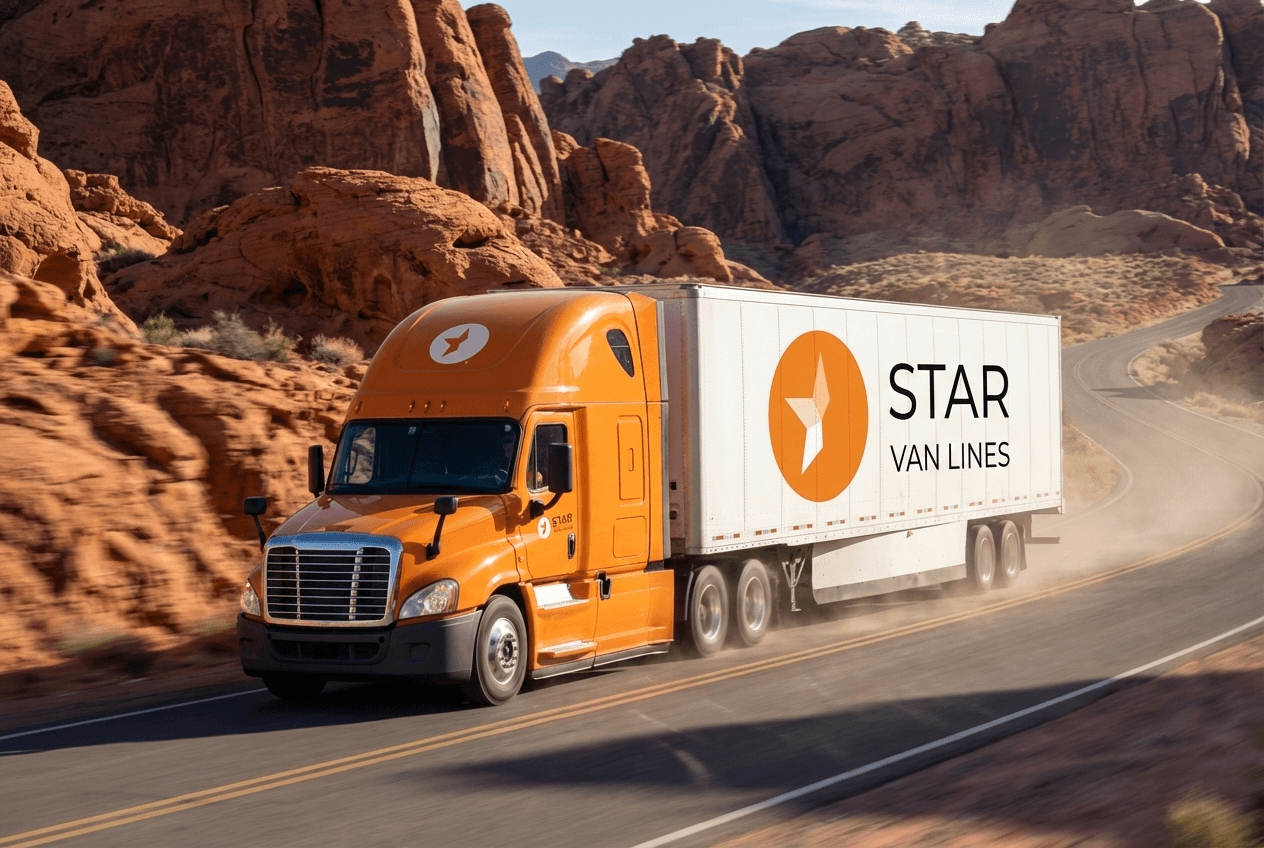
Nevada has no state income tax, and that single fact reshapes who moves here. California is consistently the Silver State's largest source of new residents, with a UNLV Census-based study counting roughly 48,836 Californians relocating in a recent year, most of them rolling east on the I-15 corridor toward paychecks they actually keep. Net domestic in-migration ran about 23,417 in the year ending July 2024. Star Van Lines is a USDOT-licensed interstate carrier (USDOT #4176875, MC #1607491) that handles local and interstate moves across all of Nevada. We've worked the I-15 run from Los Angeles to Las Vegas and the I-80 corridor through Reno and Sparks since 2016.
Our Nevada moving services cover packing, loading, transport, delivery, and short-term storage. Because most demand sits in two separate corners of the state, the Las Vegas-Henderson-North Las Vegas triangle in the south and the Reno-Sparks-Carson City corridor in the north, a Nevada move is usually a metro job at one end and an interstate haul at the other. Summer heat shapes the schedule too, since Las Vegas July highs run about 105 degrees and early-morning loading protects both crews and heat-sensitive goods. We handle the local and long-distance legs with the same coordinator and the same written estimate from pickup through delivery.
Wondering what your Nevada move will cost? Call (855) 822-2722 or use our online quote calculator. You'll get an itemized estimate that breaks down every line item, so there are no surprises on moving day. We're rated 4.0 on Trustpilot, 4.5 on Google, and 4.75 on Facebook across 240+ reviews.

Dennis has 15+ years of experience in interstate moving and has coordinated over 1,000 relocations across the United States.




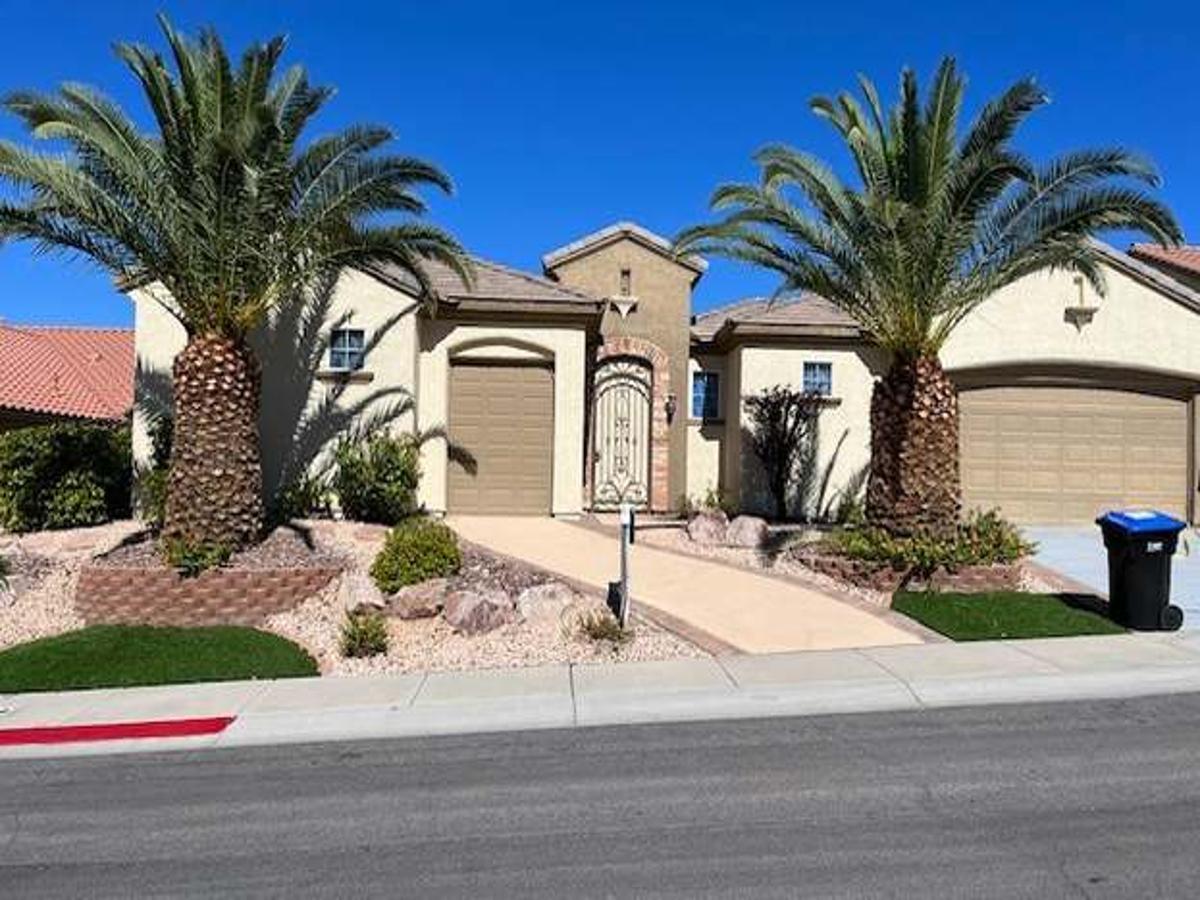
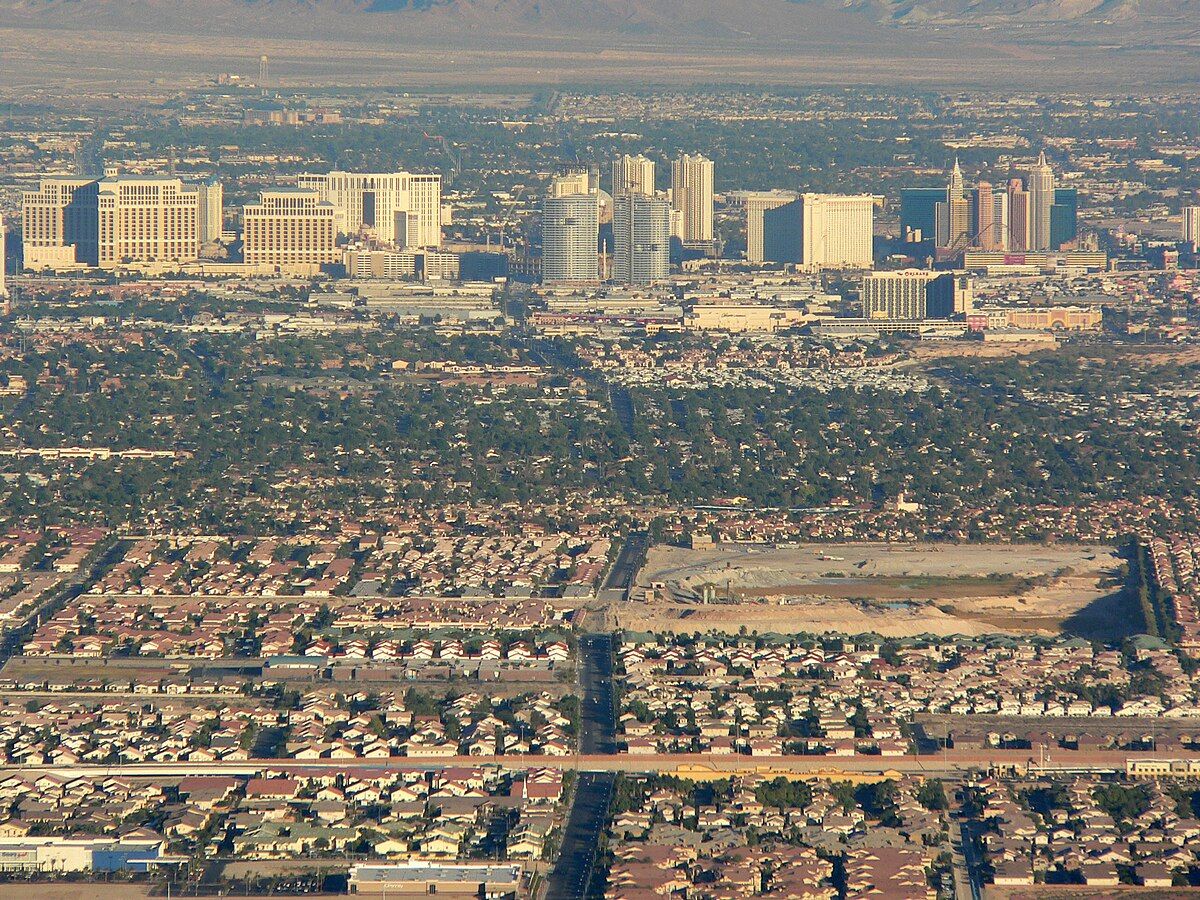
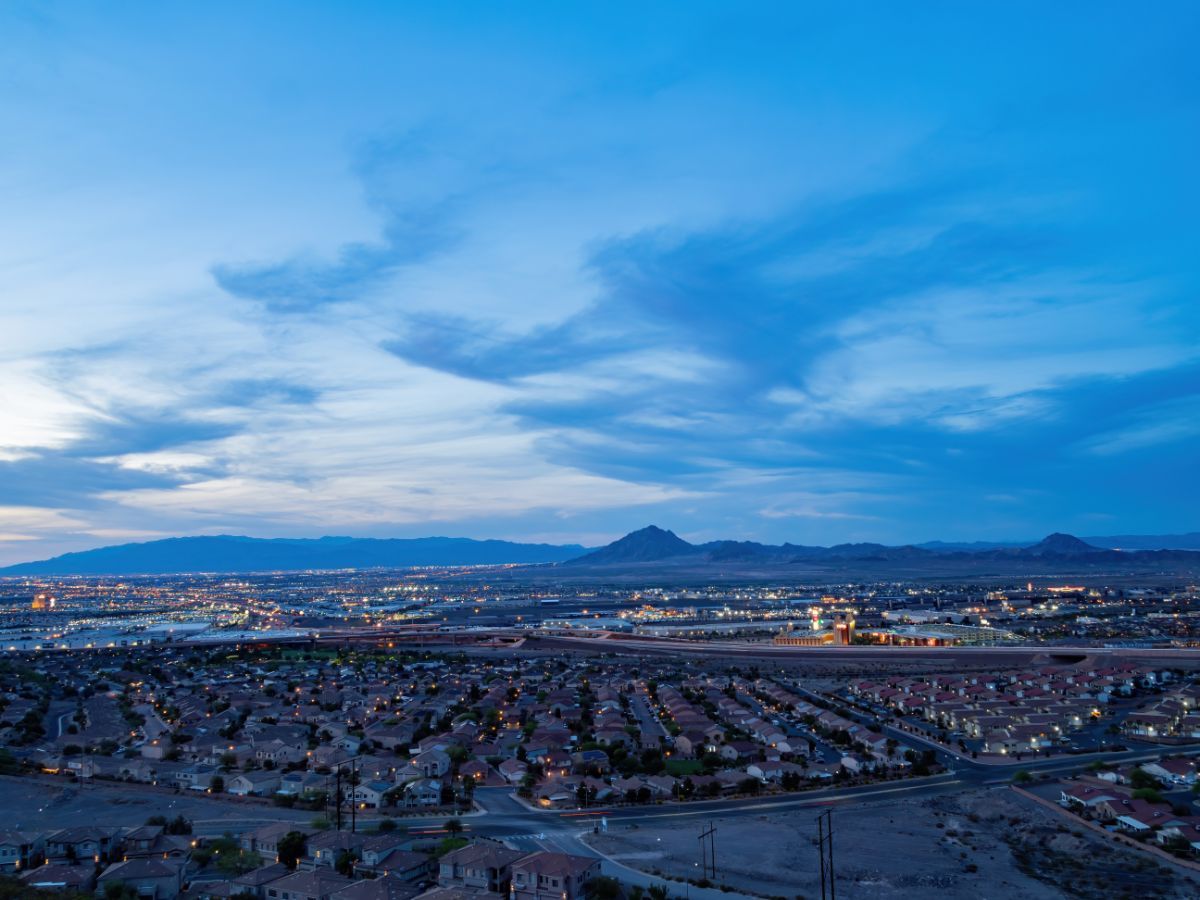
Moving services in Nevada
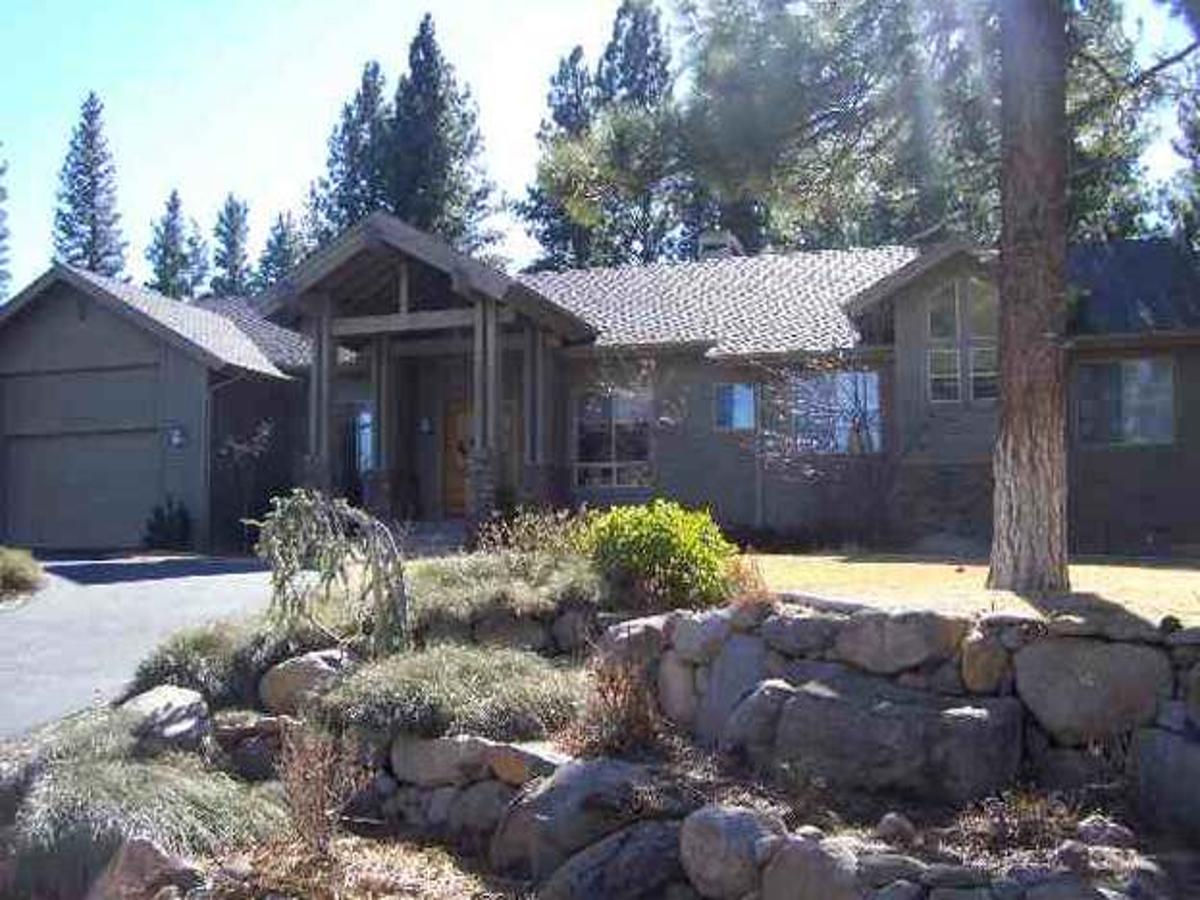
Star Van Lines provides local, long-distance, and interstate moving services across Nevada. We handle packing, loading, transport, and delivery for residential and commercial moves. Because Nevada's two population centers sit far apart, the Las Vegas metro in the south and Reno in the north, route planning depends heavily on which end of the state you're starting from. Every move includes a single coordinator, trained crew, and written estimate.
Local moving in Nevada
Local moves in Nevada run $136-$186 per hour for a two-person crew with a truck; three movers run $204-$279. Most local demand concentrates in the Las Vegas-Henderson-North Las Vegas triangle, where Clark County holds about 2.4 million residents, plus Spring Valley, Enterprise, and Sunrise Manor, and separately in the Reno-Sparks-Carson City corridor up north. But access drives the time here. Master-planned communities like Summerlin and Henderson enforce strict HOA move-in windows and gated entry, while Strip-area high-rise condos add elevator scheduling.
Long-distance moving from Nevada
The busiest long-distance corridor is California to Nevada, led by Los Angeles to Las Vegas on I-15 (about 270 miles) and the Bay Area and Sacramento to Reno on I-80 (about 220 to 230 miles). Las Vegas to Phoenix on US-93 (about 290 to 300 miles) is another high-volume lane. We run regular loads in both directions all year. And because Nevada posts net domestic in-migration, much of the work is people arriving rather than leaving.
Packing and storage
We offer full-service packing, partial packing, and self-pack options. Full-service means our crew brings every material and packs each room; partial lets you pick the rooms; self-pack keeps the cost lowest. We have 43 warehouse locations nationwide for short-term and long-term storage. In southern Nevada's desert, an un-airconditioned unit can run even hotter than the already-extreme outdoor highs, and Las Vegas July averages near 104 to 105 degrees. Because electronics, wood furniture, artwork, candles, and vinyl records can warp, crack, or melt above 90 degrees, climate-controlled storage is the default recommendation here.
Auto transport and specialty items
We ship vehicles by open or enclosed carrier. Nevada gives new residents 30 days to register, and the state requires a smog or emissions check for registration in the Las Vegas (Clark County) and Reno (Washoe County) urban areas, so many arrivals pair their household shipment with auto transport rather than drive a second car across the desert. Cars from the current and prior model year are typically exempt from the initial smog test. An out-of-state vehicle also needs a VIN inspection, done at the DMV when you register.
How much does moving in Nevada cost?
Moving costs in Nevada depend on whether you're relocating locally or across state lines. Local moves within Nevada typically run $136-$186 per hour for a two-person crew with truck. Long-distance moves start at $862 for studio apartments and go up to $6,440 for large homes, depending on distance, weight, and access conditions.
Local moving rates
| Crew size | Hourly rate |
|---|---|
| 2 movers + truck | $136-$186 / hour |
| 3 movers + truck | $204-$279 / hour |
| 4 movers + truck | $271-$373 / hour |
Long-distance rates from Nevada
| Move size | Estimated price range |
|---|---|
| Studio / 1 Bedroom | $862 - $1,610 |
| 2-3 Bedrooms | $1,610 - $3,565 |
| 4+ Bedrooms | $2,645 - $6,440 |
Popular routes and pricing from Nevada
| Route | Distance | Avg cost (2-3 BR) |
|---|---|---|
| Las Vegas to Los Angeles | 270 mi | $1,610 - $1,955 |
| Las Vegas to Phoenix | 295 mi | $1,667 - $2,012 |
| Las Vegas to Denver | 750 mi | $2,415 - $2,990 |
| Las Vegas to Portland | 955 mi | $2,818 - $3,450 |
| Las Vegas to Seattle | 1,130 mi | $2,933 - $3,565 |
Pricing reflects market averages for moves in and from Nevada as of June 2026. Your final price depends on inventory weight, packing level, access at pickup and delivery, and scheduling flexibility. Call (855) 822-2722 or use our free quote calculator for an exact estimate.
What affects your moving price
- Shipment weight and volume are the biggest factors for any long-distance move from Nevada.
- Distance drives the base price. Las Vegas to Los Angeles is 270 miles; Las Vegas to Seattle is 1,130.
- Access at both ends matters. Summerlin and Henderson HOA move-in windows, gated entry, and Strip-area high-rise elevators all add time, and the I-15 border crawl at Primm can slow a weekend departure.
- How much packing you want us to do. Full-service runs more than partial, and self-pack is the lowest option.
- When you move. Las Vegas summers top 105 degrees from June through August, while Reno's Sierra passes can see winter snow and chain controls.
- Add-on services like auto transport, storage, and specialty handling come with their own pricing.
Moving routes from Nevada
Moving to Nevada: what you should know
A move to Nevada involves more than logistics. The pull is mostly financial: zero state income tax, Nevada home values near $447,000 against roughly $776,000 in California, and more than 280 days of sun a year, which is why the I-15 corridor runs thick with one-way trucks heading east. Below is a quick guide covering cost of living, access and logistics, climate and timing, and residency requirements that affect your move.
What it costs to move to Nevada
Nevada's cost of living index is 100.0 (US average = 100, BEA Regional Price Parities 2024), essentially right at the national price level, so the relocation pull is the tax structure rather than lower everyday prices. Local labor runs $136-$186 per hour for a two-person crew. Median home value statewide is $435,400 (Census ACS 2020-2024), with median gross rent at $1,441 and median household income at $74,489. Access can stretch the labor hours, since master-planned communities like Summerlin and Henderson enforce HOA move-in windows and gated entry, and many Strip-area condos are high-rise. If you're coming from California, the savings show up on the tax return rather than the price tag at the store.
Access and logistics
Nevada's highway network funnels through a handful of corridors. I-15 runs north-south from the California border through Las Vegas to Arizona and carries the bulk of Los Angeles-to-Vegas freight and relocation traffic; I-80 crosses the north through Reno and Sparks, linking California and Utah; US-95 is the state's longest highway, running north-south through Las Vegas; US-93 covers eastern Nevada; and I-580 connects Reno to Carson City. But two pinch points matter for movers. The I-15 California-Nevada border at Primm gridlocks on weekends and holidays, while the Sierra passes near Reno and Carson City on I-80 can change weather and grade fast.
Climate and timing
Southern Nevada is hot and dry. Las Vegas July highs average about 105 degrees, winter lows sit near 39, annual rainfall is only about 4 inches, and the city gets roughly 210 days with mostly clear skies. The best windows to move are spring (March to May) and fall (October to November), when Las Vegas highs sit in the comfortable 70s and 80s and Reno's passes stay clear. Avoid June through August in the south, when many days top 100 degrees and heat-damage risk climbs for sensitive goods. Winter is fine for Las Vegas, but it can bring snow and pass closures to Reno and Carson City in the north.
Residency and regulations
Nevada gives new residents a single 30-day window for both a driver's license and vehicle registration, handled through the Nevada Department of Motor Vehicles. There's no statewide periodic safety inspection, though an out-of-state vehicle needs a VIN inspection at the DMV when you register. A smog or emissions test is required for most 1968-and-newer vehicles based in Clark County (Las Vegas) and Washoe County (Reno), so an emissions test can suddenly apply if you move from a rural county into either metro. Nevada also offers same-day voter registration.
What to know before moving to Nevada
Benefits of moving to Nevada
0,282,188
Population
$0,489
Median household income
0.0 (US = 100, BEA RPP 2024)
Cost of living index
~0/year
Days of sunshine
0% (no state income tax)
State income tax
+0,417 (year ending July 2024)
Net domestic in-migratio
Nevada is home to about 3.28 million people, and its population has grown about 5.7 percent since 2020. The headline draw is taxes: Nevada levies no state individual income tax, no traditional corporate income tax, and no estate or inheritance tax. Net domestic in-migration ran about 23,417 in the year ending July 2024, and California is consistently the single largest source of new residents, with a UNLV Census-based study counting roughly 48,836 Californians in a recent year. Most people land in the Las Vegas and Reno metros. The economy leans on tourism, hospitality, and gaming, with logistics and advanced manufacturing (including the Tesla Gigafactory near Reno) as the fast-growing secondary base. And the desert delivers more than 280 days of sun a year.
Is Nevada a good place to live?
Nevada offers no state income tax, more than 280 days of sun, and easy access to Lake Tahoe and the Las Vegas Strip. The trade-offs are real: brutal summer heat, overall prices that sit right at the national average rather than below it, and genuine earthquake and wildfire exposure. Whether it's a good fit depends on how much the tax savings matter to you and how well you handle desert heat.
Tax environment
Nevada is one of the country's true low-tax states. There's no state individual income tax, no traditional corporate income tax, and no estate or inheritance tax, which is the core reason so many households relocate from California. Average combined state and local sales tax is 8.24 percent, with a 6.85 percent state rate that climbs to about 8.375 percent in Clark County and Las Vegas. Property tax is among the lowest in the nation at roughly 0.50 percent of home value. Because Nevada taxes neither earned income nor retirement income, there's no state tax on Social Security, pensions, or 401(k) withdrawals.
Housing market
Median home value in Nevada is $435,400 (Census ACS 2020-2024), and median gross rent is $1,441. About 60 percent of households own their homes. But the California comparison is the real story: Nevada home values near $447,000 sit well below California's roughly $776,000, which is what feeds the I-15 and I-80 corridors. Northern Nevada's Reno-Sparks area draws Bay Area transplants who keep their California salaries while paying no Nevada income tax.
Job market and economy
Nevada's economy is built on tourism, hospitality, and gaming, centered on Las Vegas. The Clark County School District is the largest overall employer in the state, with about 301,697 students across more than 380 schools. MGM Resorts International is the largest private employer, with Caesars Entertainment another major gaming and hospitality name. And the Tesla Gigafactory in Storey County anchors advanced manufacturing in the north, while Nellis Air Force Base near Las Vegas employs more than 10,000. Logistics, warehousing, and healthcare round out the fast-growing secondary base. The labor force participation rate is 62.3 percent, and 28.9 percent of adults hold a bachelor's degree or higher.
Safety and natural risks
Nevada ranks among the most seismically active states, often cited as third in the nation, with faults near Reno and Carson City and in the Las Vegas Valley. Wildfire is a real threat in the Reno-Carson-Tahoe corridor and in the brush near Las Vegas, and intense desert thunderstorms can trigger flash floods in washes and urban channels. Extreme heat and drought are chronic in the south. But none of it is a dealbreaker, and earthquake and wildfire coverage deserve a close look before you buy.
Who thrives in Nevada?
California tax refugees
By far the largest group, these are households leaving California for Nevada's zero income tax and lower housing costs. California is consistently the single largest source of Nevada's new residents, and a UNLV Census-based study put the flow near 48,836 in a recent year, with many settling in Las Vegas, Henderson, and Reno. Because California's top income-tax rate is 13.3 percent against Nevada's 0 percent, a high earner's annual savings can fund the move many times over.
Hospitality and gaming professionals
Leisure and hospitality is Nevada's defining industry, supporting over 436,000 jobs statewide and about 26 percent of all employment in Las Vegas. Dealers, chefs, resort managers, event-production crews, and entertainers relocate from across the country to work the Strip, downtown casinos, and convention venues. They often move on tight start dates tied to a new resort or property opening.
Remote workers and Bay Area transplants to Reno
Northern Nevada's Reno-Sparks region draws remote workers and Bay Area refugees who keep California-tech salaries while paying no Nevada income tax and a Nevada median home price near $447,000 against California's roughly $776,000. I-80 puts them about four hours from the Bay Area and minutes from Lake Tahoe, which is a hard combination to beat.
Active retirees and 55-plus community buyers
Retirees are drawn here because the state taxes neither earned income nor retirement income, with no tax on Social Security, pensions, or 401(k) withdrawals, and no estate or inheritance tax. They favor Henderson and Summerlin master-planned 55-plus communities, with more than 280 sunny days a year and mild winters. Many sell a paid-off California home and downsize into a single-story Nevada property.
Small-business owners and entrepreneurs relocating their LLC
Nevada's lack of personal and corporate income tax, plus business-friendly LLC and asset-protection laws, pulls founders and small-business owners out of higher-tax states. They typically move both a household and a home office or light commercial operation, often coordinating the family relocation with re-registering the business and vehicles inside Nevada's 30-day window.
First week after moving to Nevada: what to do
After your move to Nevada, several tasks share a single deadline. New residents have 30 days for both a driver's license and vehicle registration. Here is a prioritized checklist.
- Update your driver's license.
Nevada requires new residents to get a Nevada license within 30 days through the Nevada Department of Motor Vehicles. Bring your out-of-state license and proof of Nevada residency. (dmv.nv.gov)
- Register your vehicle.
You have 30 days to register. There's no statewide safety inspection, but an out-of-state vehicle needs a VIN inspection at the DMV, and a smog or emissions test is required for most 1968-and-newer vehicles based in Clark County (Las Vegas) and Washoe County (Reno).
- Transfer your auto insurance.
Contact your insurer to re-rate your policy for Nevada. Minimum liability requirements may differ from your previous state.
- Register to vote.
Nevada lets you register online, at the DMV, by mail, in person at the county clerk, and even same-day during early voting and on Election Day. The online portal is RegisterToVote.NV.gov.
- Update homeowner's or renter's insurance.
Nevada's earthquake, wildfire, and flash-flood exposure may change your coverage needs. Standard policies don't cover earthquake or flood damage, so ask about separate coverage if you're in a high-risk area.
- Forward your mail.
USPS Change of Address is free online at usps.com, and mail forwarding starts within 7-10 business days.
- Transfer medical records.
Contact your current providers before the move and find a new primary care physician. The Las Vegas and Reno metros both have large hospital networks.
- Update school records.
If you have children, request transcripts from your previous district and contact the new one for enrollment requirements and deadlines. Douglas County near Minden tops Niche's 2026 list, with Washoe County in Reno and the Carson City capital district also ranking well.
Nevada at a glance: schools, jobs, and things to do
Schools and universities
Nevada's top-rated public school district is Douglas County, near Minden, which leads Niche's 2026 ranking. Washoe County in Reno is the largest district after Clark County, serving roughly 63,559 students, and the Carson City capital district also ranks well. The state's universities are anchored by the University of Nevada, Reno, the flagship land-grant research institution founded in 1874, and the University of Nevada, Las Vegas, a major research university in the south. Nevada State University in Henderson, renamed from Nevada State College in 2023, rounds out the public four-year options.
Major employers
Tourism, hospitality, and gaming define Nevada employment. The Clark County School District is the largest overall employer, serving about 301,697 students across more than 380 schools in the Las Vegas area. And MGM Resorts International is the largest private employer, while Caesars Entertainment is another major gaming and hospitality company. The Tesla Gigafactory in Storey County is a key manufacturing employer and a driver of northern Nevada in-migration, while Nellis Air Force Base near Las Vegas employs more than 10,000. Logistics, warehousing, and healthcare round out the fast-growing secondary base.
Attractions and recreation
The Las Vegas Strip is Nevada's signature draw, the most-visited entertainment district in the state. Lake Tahoe, straddling the Nevada-California line, offers year-round recreation and is a major lifestyle reason people relocate to the north. Hoover Dam sits on the Nevada-Arizona border near Lake Mead, and Lake Mead National Recreation Area is the largest US reservoir recreation area, popular for boating and fishing. For wilder country, Great Basin National Park protects Lehman Caves and Wheeler Peak in the state's high desert.
FAQ
Questions? Look here
Can’t find an answer? Call us
(855) 822-2722 or email
Local moving in Nevada typically costs $136-$186 per hour for a two-person crew with truck. A standard three-bedroom home takes 4-6 hours, putting the total between $550 and $3,240. Add-ons like packing, disassembly, and long carries increase the total. Call (855) 822-2722 for an itemized estimate.
Long-distance moves from Nevada start at $862 for studio apartments and go up to $6,440 for four-plus-bedroom homes. The final price depends on shipment weight, distance, and access at both locations. Star Van Lines provides binding estimates so your price won't change after booking.
Search our USDOT number 4176875 on the FMCSA SAFER website (safer.fmcsa.dot.gov). This federal database confirms our operating authority, MC number 1607491, insurance status, and safety record. Any legitimate interstate mover should be able to provide a verifiable USDOT number.
Common surcharges include long-carry charges for distances over 75 feet from truck to door, HOA and gated-community access fees in master-planned areas like Summerlin and Henderson, elevator waiting time in Strip-area high-rises, and stair fees. We disclose all potential charges in your written estimate before you book.
Federal law requires interstate movers to offer two levels: Released Value Protection (free, covers $0.60 per pound per item) and Full Value Protection (paid, covers repair, replacement, or cash settlement at current value). Star Van Lines is fully insured under USDOT #4176875 and can explain both options when you request a quote.
Nevada gives new residents a single 30-day window for both a Nevada driver's license and vehicle registration, handled through the Nevada Department of Motor Vehicles. Because the clock is short and both tasks share it, it's worth booking the DMV early. Bring your out-of-state license and proof of Nevada residency.
Yes, in those two urban counties. A smog or emissions check is required for most 1968-and-newer vehicles based in Clark County (Las Vegas) and Washoe County (Reno), while rural counties are exempt. So an emissions test can suddenly apply if you relocate from a rural county into either metro. An out-of-state vehicle also needs a VIN inspection at the DMV, and cars from the current and prior model year are typically exempt from the initial smog test.
Nevada has no state individual income tax at all, which is the main draw. On housing, Nevada home values near $447,000 sit well below California's roughly $776,000. On overall prices, though, Nevada's cost of living index is right at the national average (100.0, BEA RPP 2024), so the savings come mostly from taxes and housing rather than broadly cheaper everyday prices.
In Las Vegas, aim for spring (March to May) or fall (October to November) and avoid June through August, when many days top 100 degrees and July highs average about 105. Early-morning loading helps protect heat-sensitive items. Reno is different: summers are milder, but winter snow and chain controls on the Sierra passes can affect timing, so spring and fall are the safest there too.
Many movers ship a vehicle and fly, partly because the I-15 California-Nevada border at Primm gridlocks on weekends and holidays. If you do drive, time your departure to miss the peak windows. Either way, remember Nevada's 30-day registration deadline, the VIN inspection for out-of-state vehicles, and the smog test required in the Las Vegas and Reno metros.
Yes, heat is the real storage risk in southern Nevada. An un-airconditioned unit can run even hotter than the already-extreme outdoor highs, and Las Vegas July averages near 104 to 105 degrees. Because electronics, wood furniture, artwork, candles, and vinyl records can warp, crack, or melt above 90 degrees, a climate-controlled unit is the default recommendation here.
The big reason is taxes. California's top income-tax rate is 13.3 percent while Nevada has none, and Nevada home values near $447,000 undercut California's roughly $776,000. California is consistently Nevada's largest source of new residents, with a UNLV Census-based study counting roughly 48,836 in a recent year. Most land in Las Vegas, Henderson, and Reno.
Ready to Start Your Nevada Move?
Get a free moving estimate today. No obligation, no pressure.
Call us or fill out the form - we'll get back to you fast.
USDOT #4176875 | MC #1607491 | Licensed & Insured