
Thank you for your feedback!
We will contact you shortly

Free consultation
Enter your phone number and we will call you back for a consultation on any moving and storage services

Colorado
Trusted Colorado Moving Company - Local & Long Distance
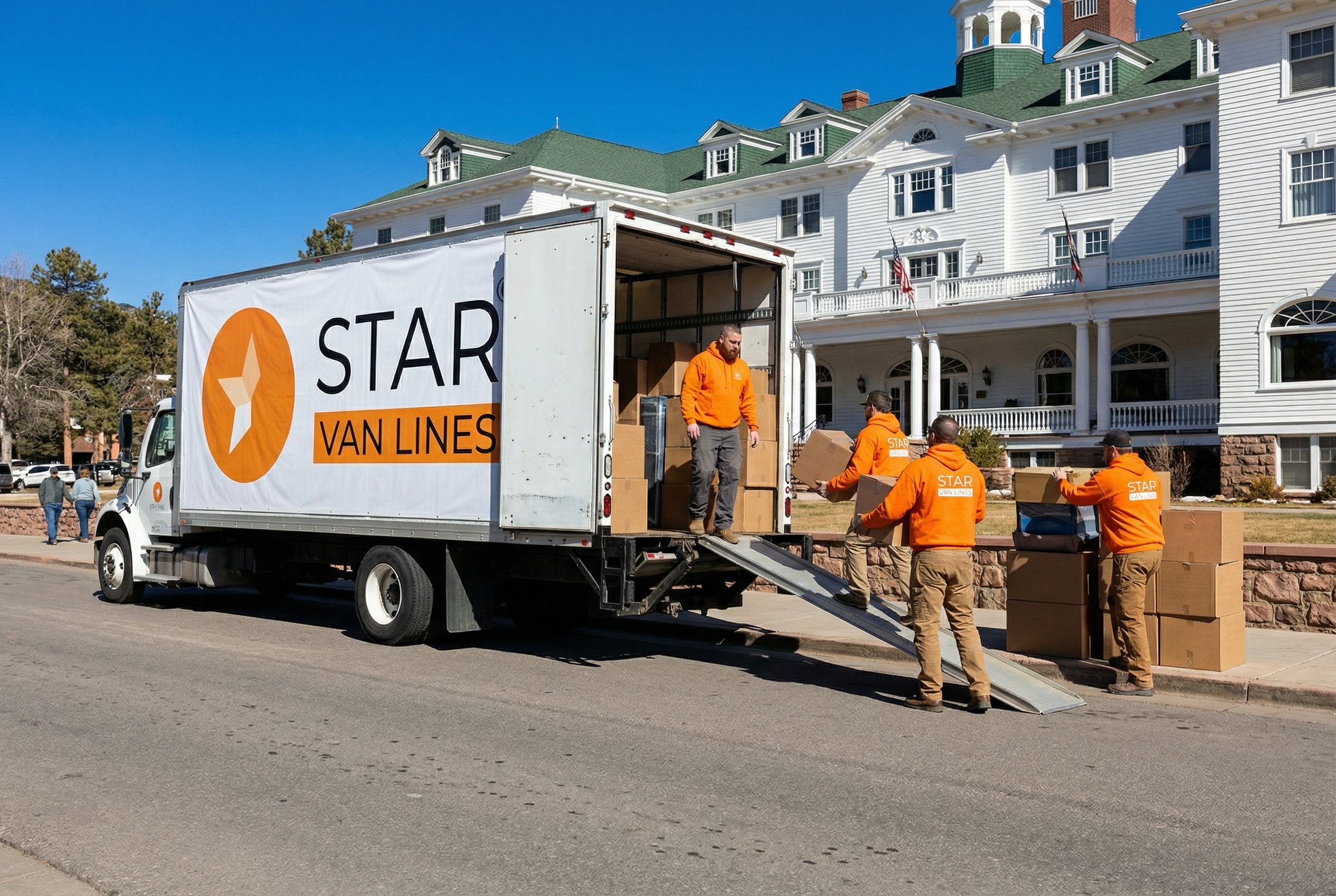
Colorado runs in two directions at once. Texas is both the top state new Coloradans come from and the top state they leave for, while California sits second on both lists, so the same Front Range corridors carry trucks in and out all year (Census ACS 2024 one-year flows). In the year ending July 2025 the state crossed 6,012,561 residents, yet it still posted a net domestic loss of about 12,100 people, its first negative migration year since 2004 (Census V2025). That churn keeps movers busy. Star Van Lines is a licensed interstate carrier, USDOT #4176875 and MC #1607491, and we have moved households locally and long distance across the state since 2016, from the I-25 Front Range spine to the I-70 mountain corridor.
Our Colorado service covers packing, loading, transport, delivery, and short-term storage. Because the Front Range stacks Fort Collins, Boulder, Denver, Colorado Springs, and Pueblo along one I-25 spine, a local job can be a quick hop across Aurora or a roughly 68-mile run from Denver to Colorado Springs, while a long-distance load might head out to Dallas or Phoenix the same week we bring a California family in. And you get one coordinator and one written estimate, from the first call through delivery.
Curious what your Colorado move will cost? Call (855) 822-2722 or use our online quote calculator. You'll get an itemized estimate that breaks down every line item, so there are no surprises on moving day. We're rated 4.0 on Trustpilot, 4.5 on Google, and 4.75 on Facebook across 240+ reviews.

Dennis has 15+ years of experience in interstate moving and has coordinated over 1,000 relocations across the United States.



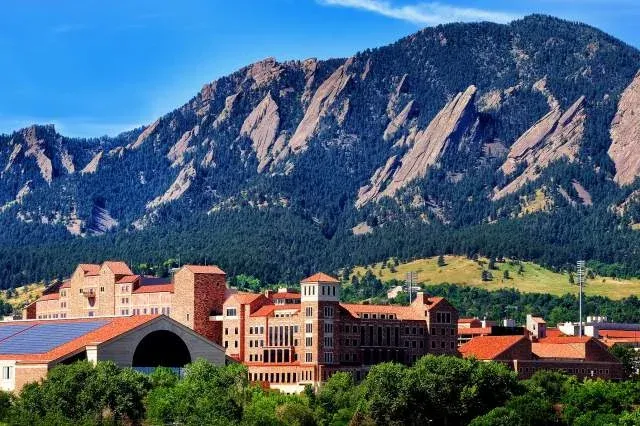
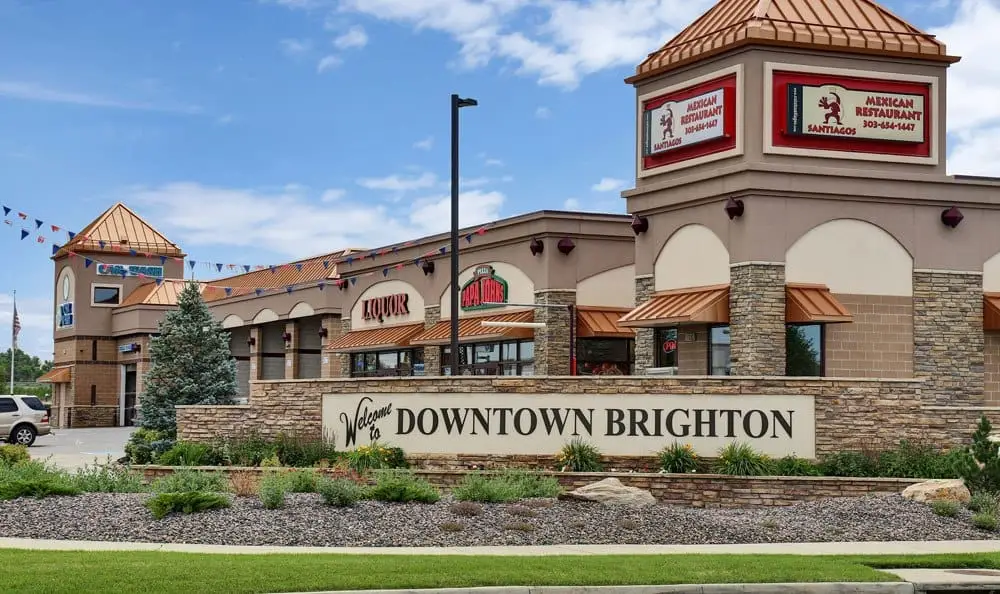
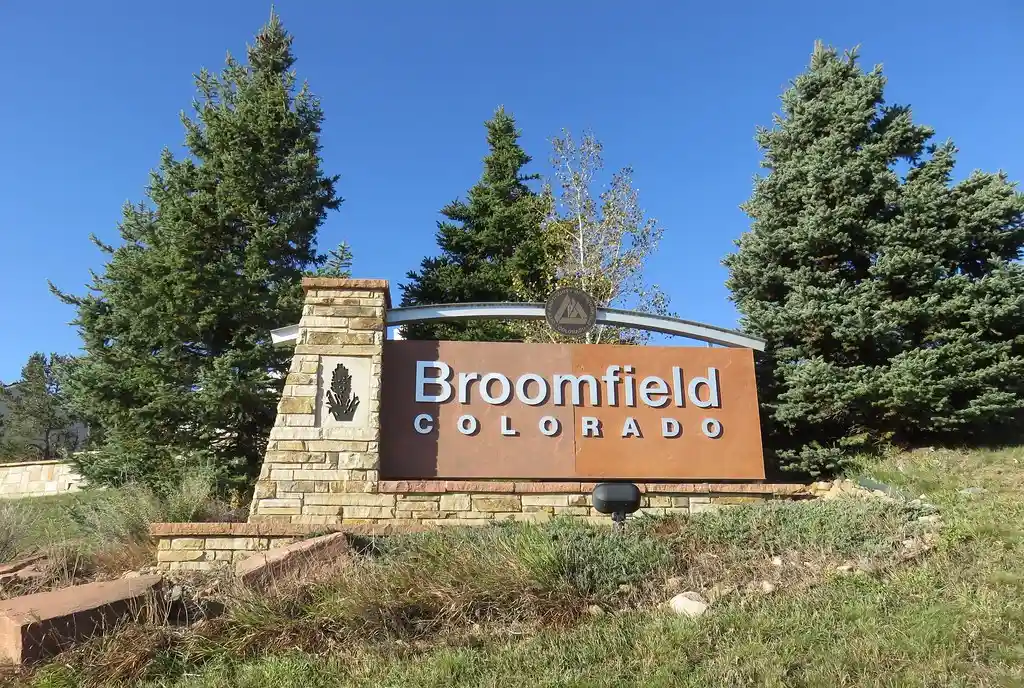
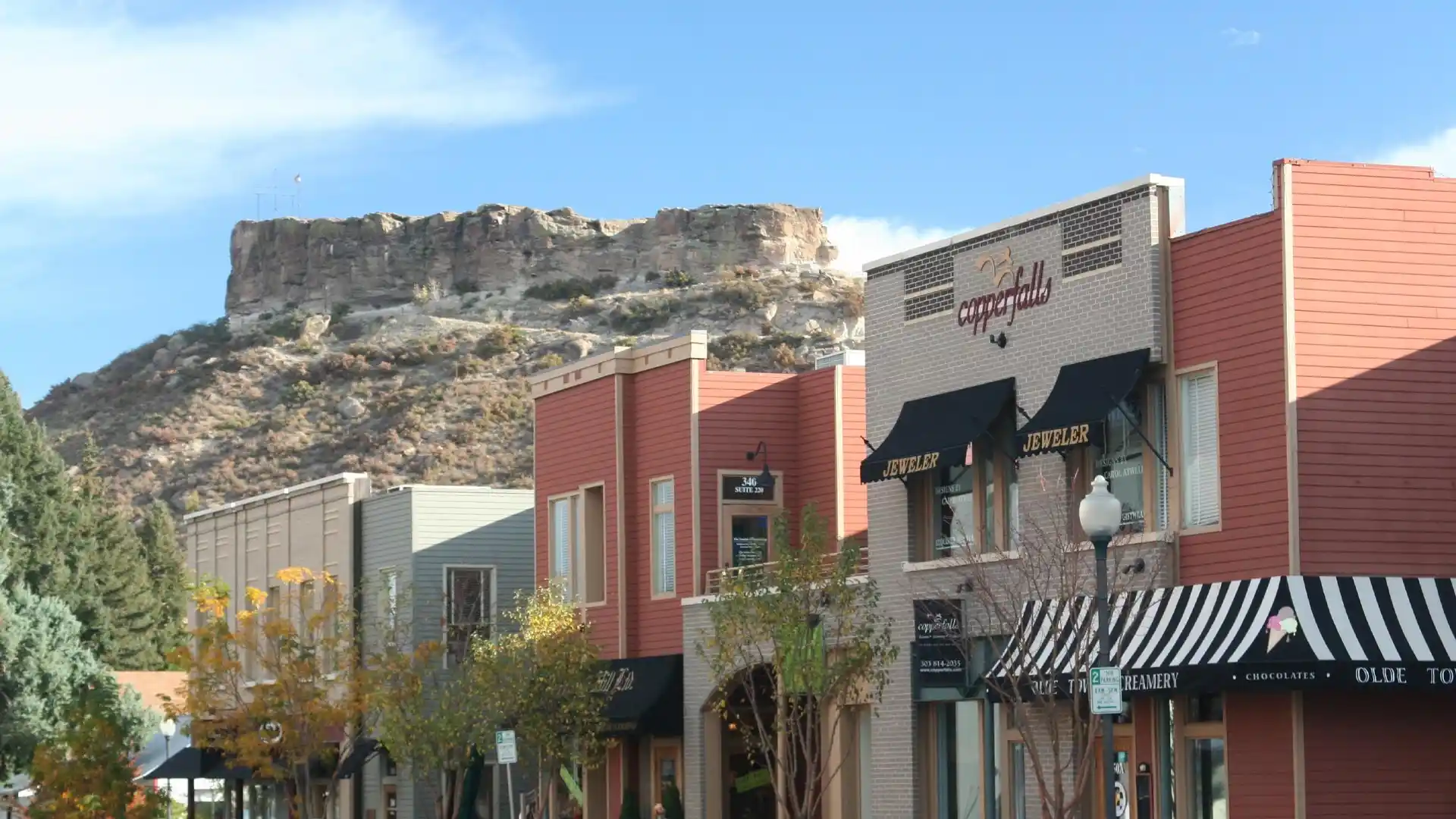

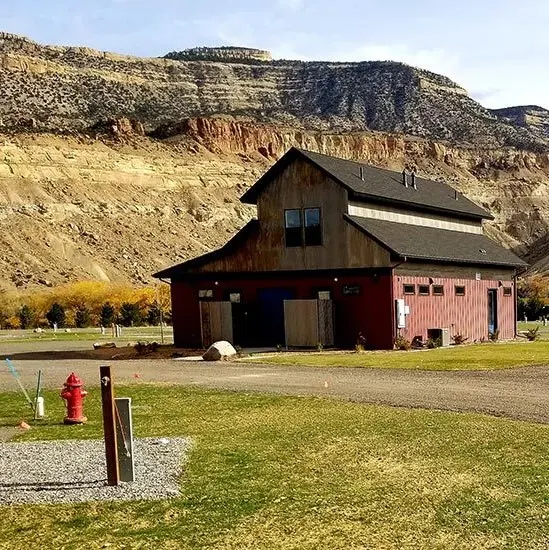
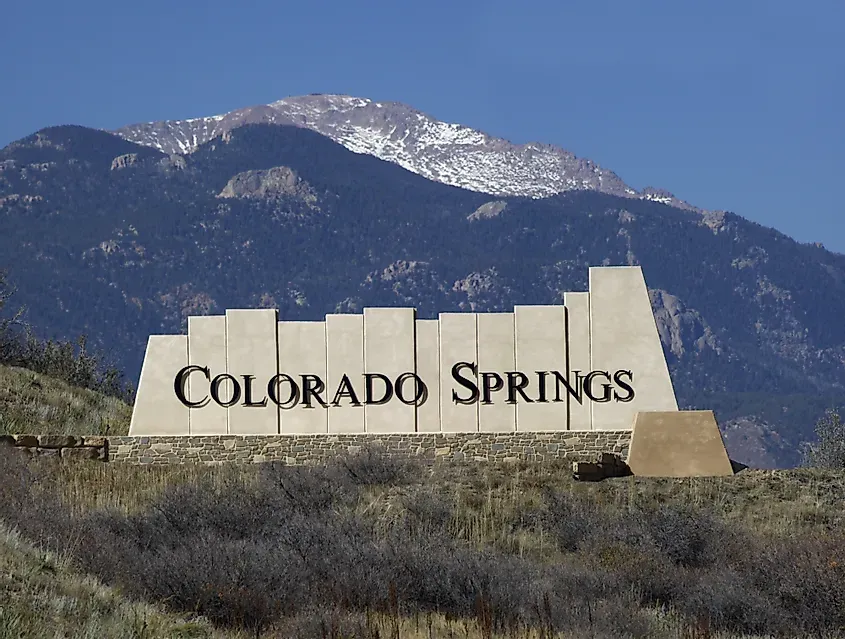

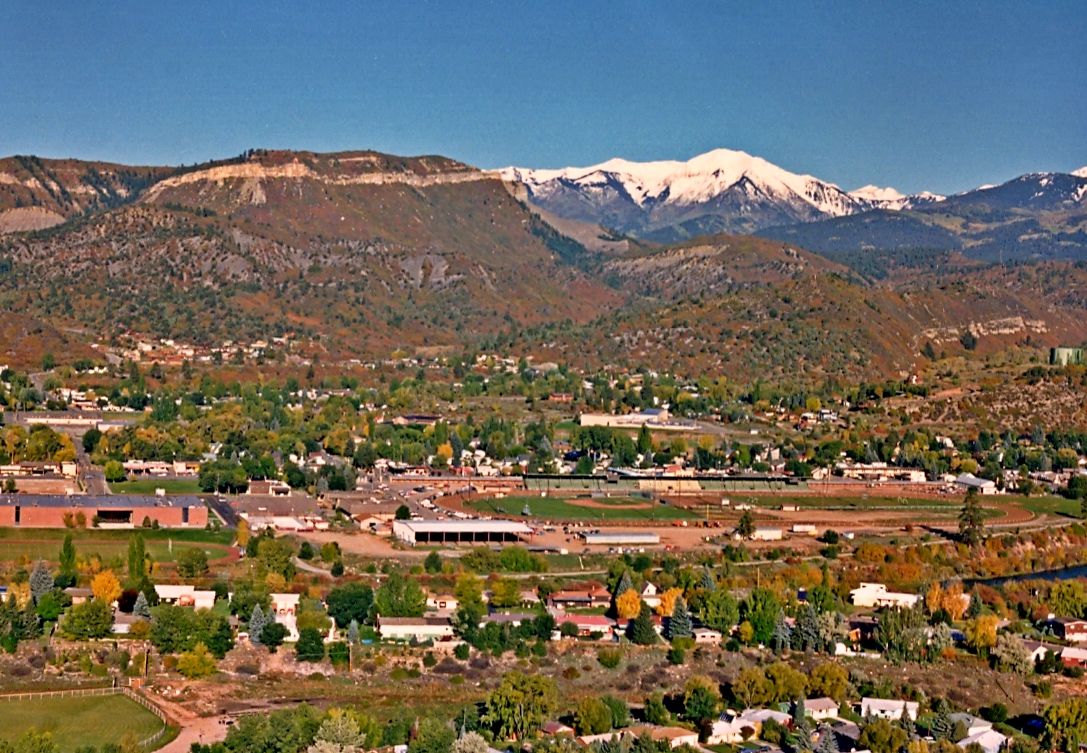
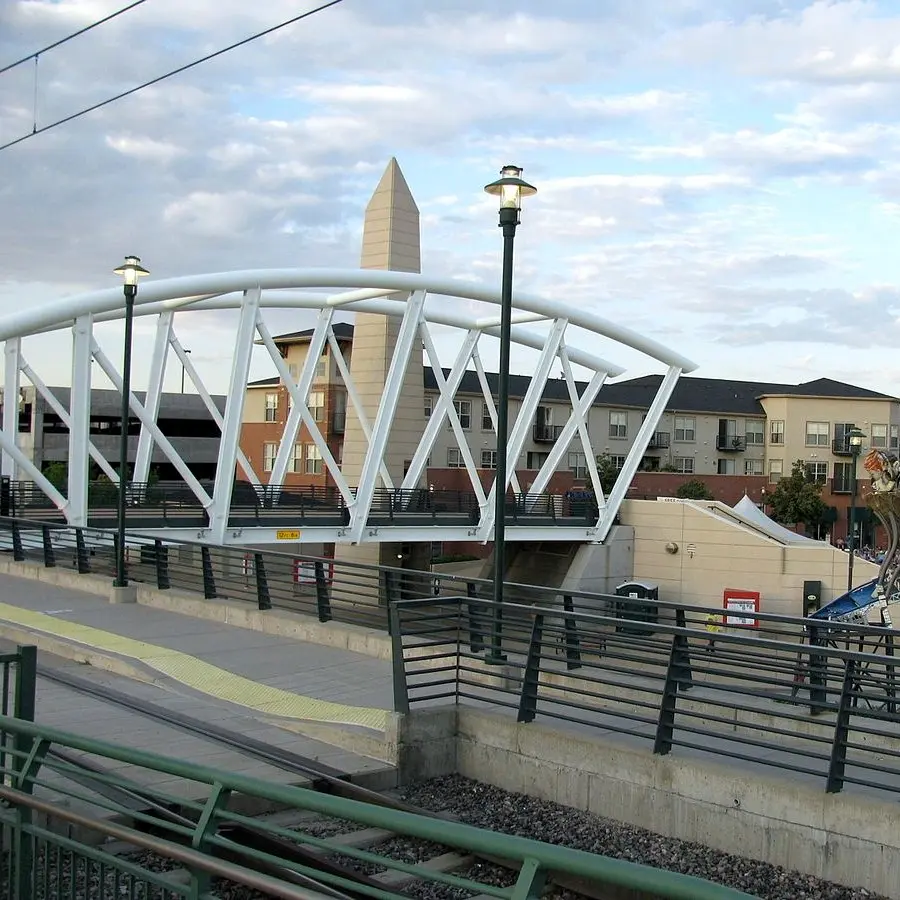

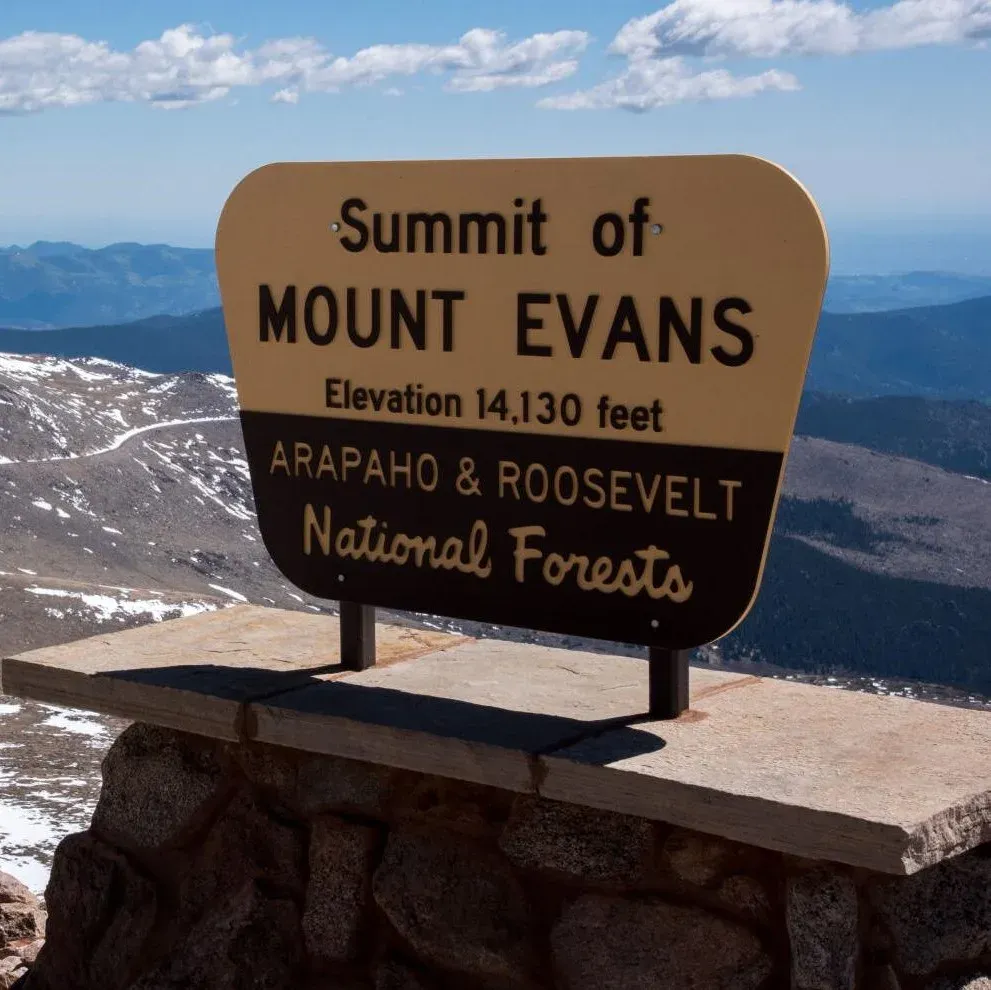

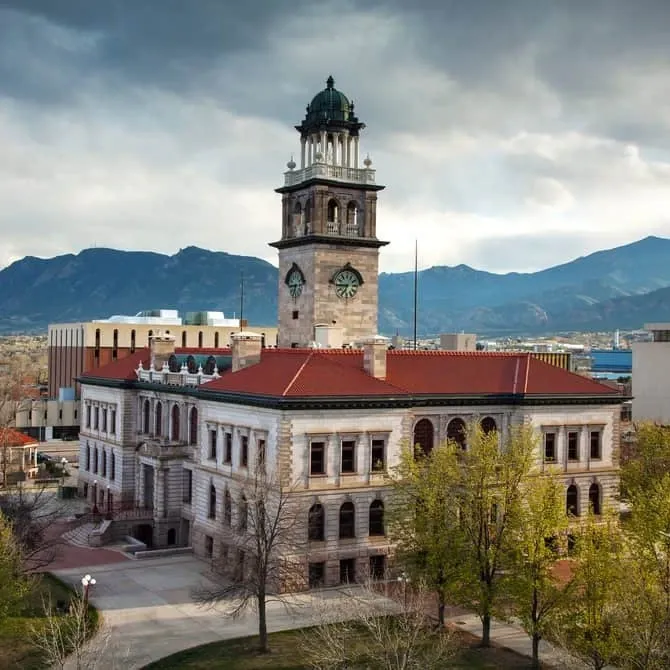


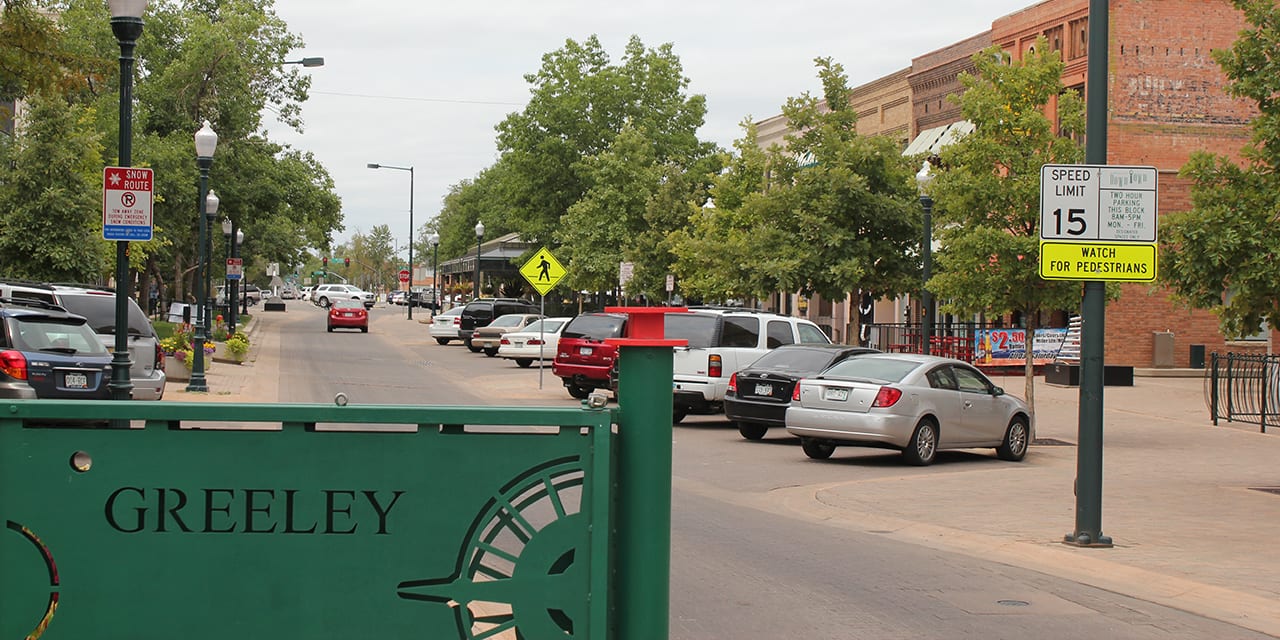
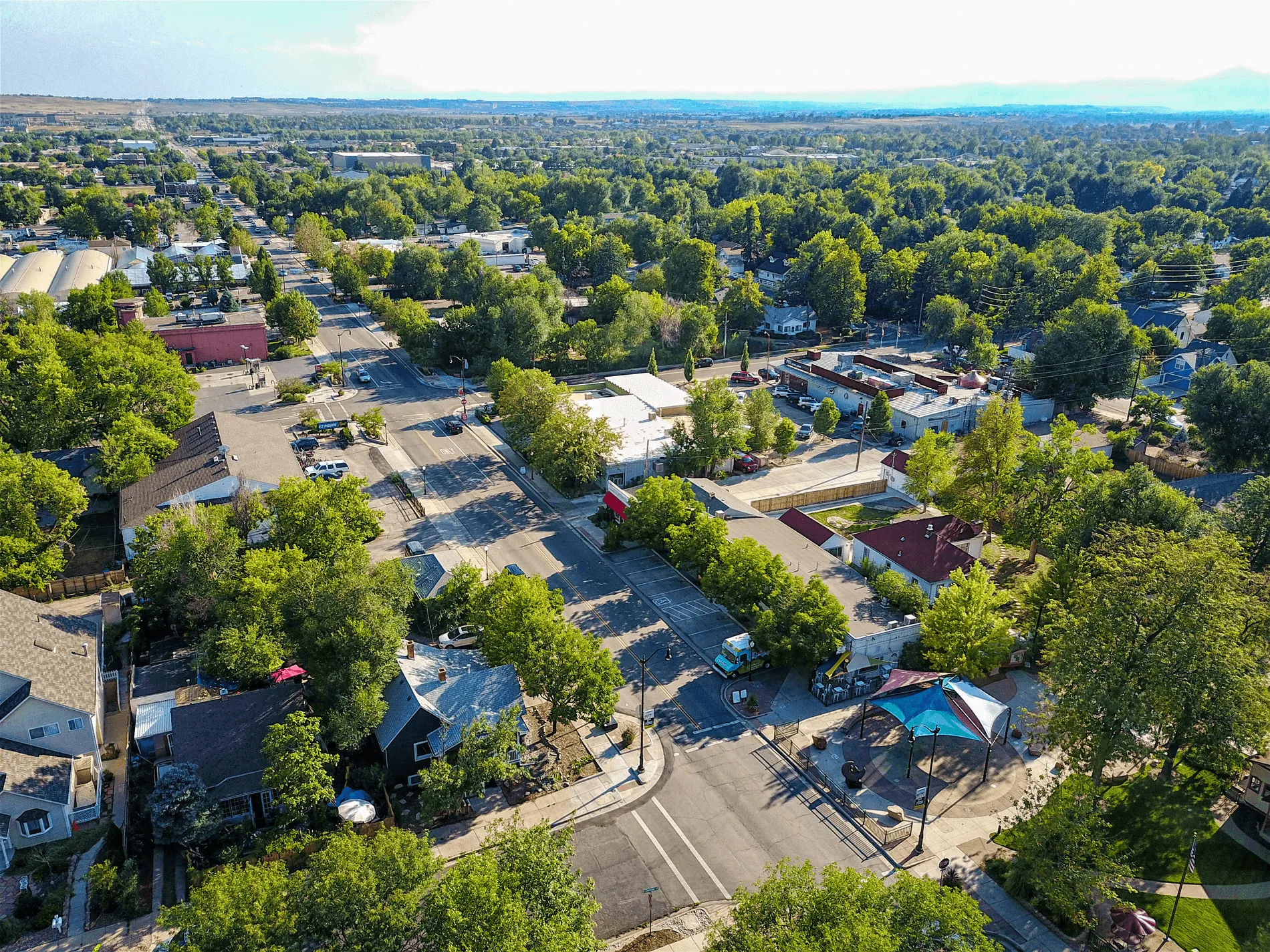
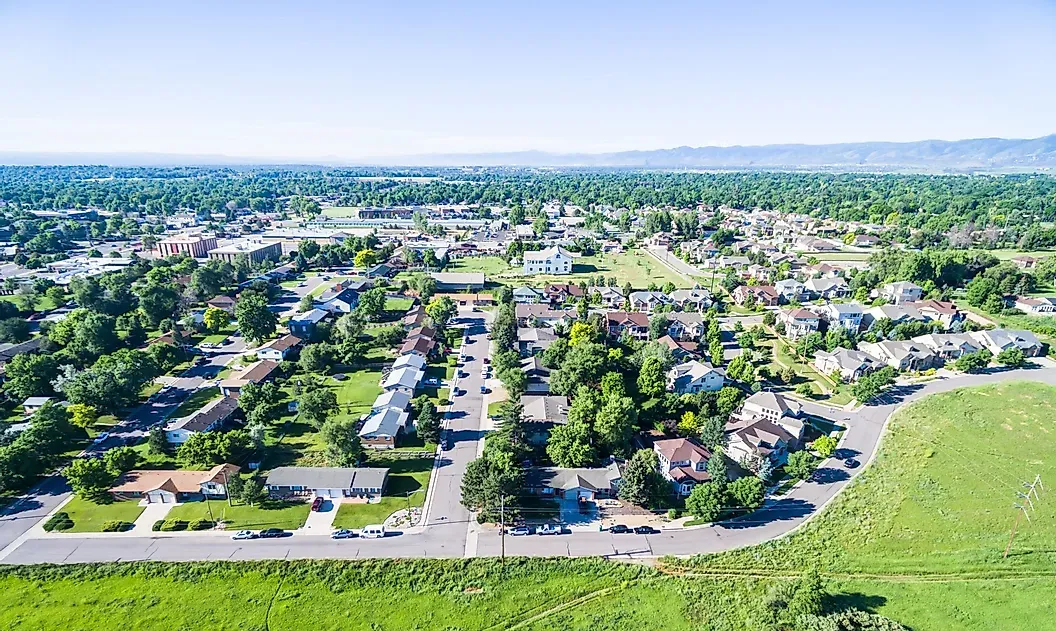

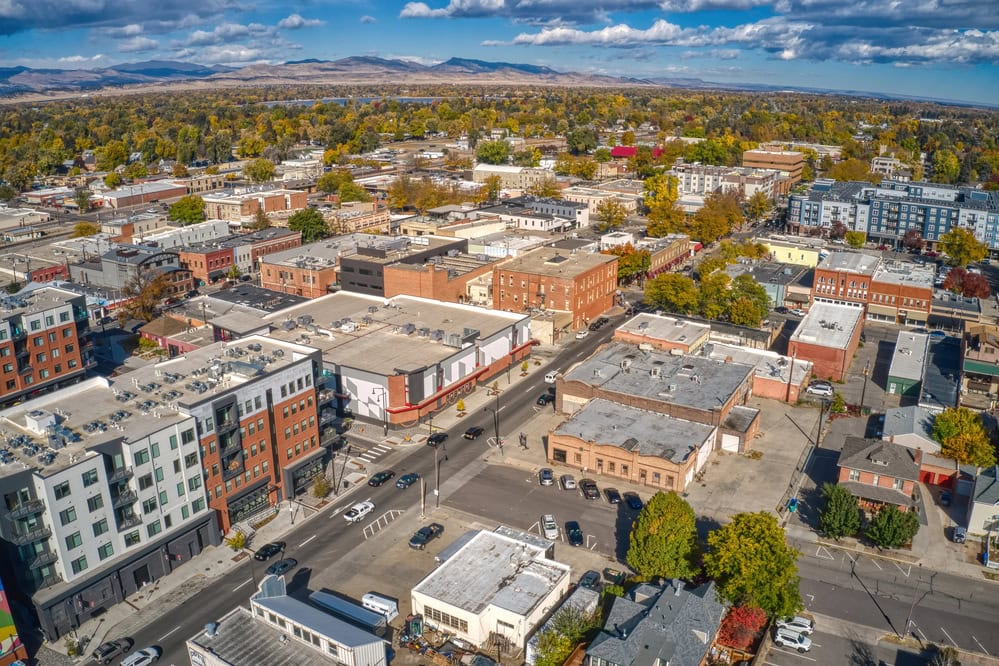
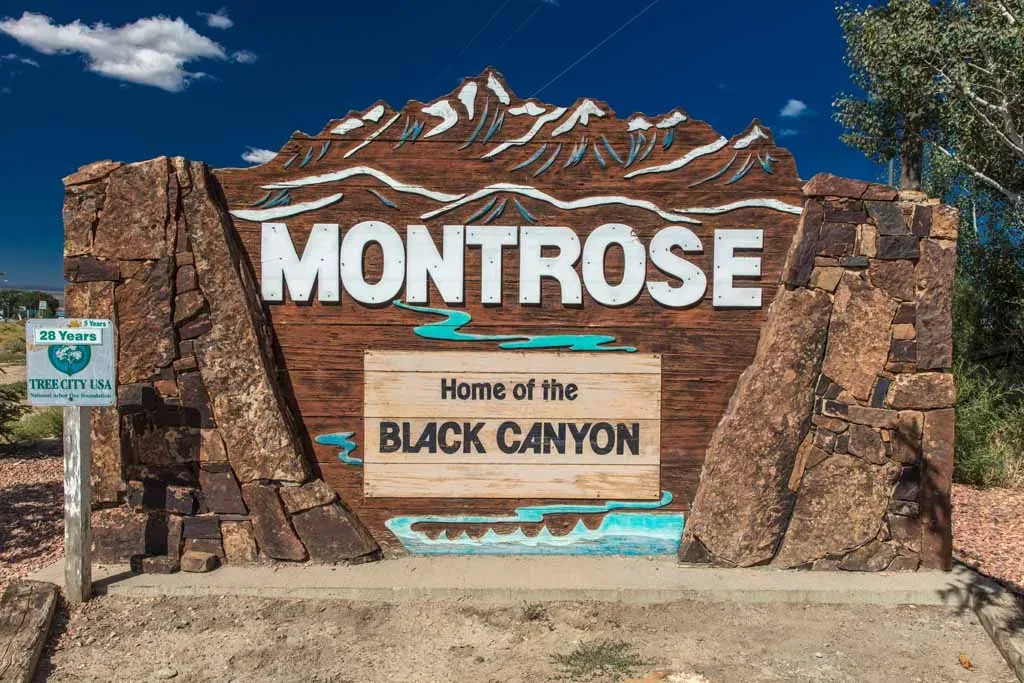

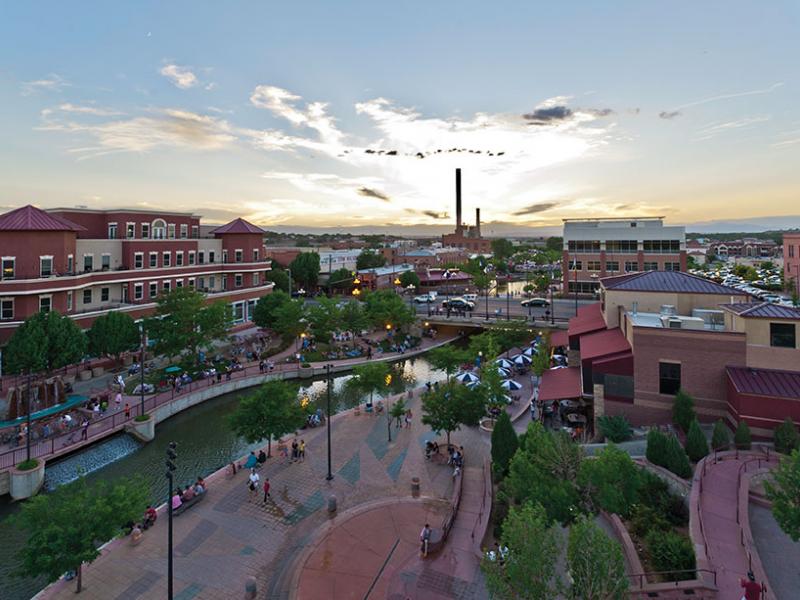
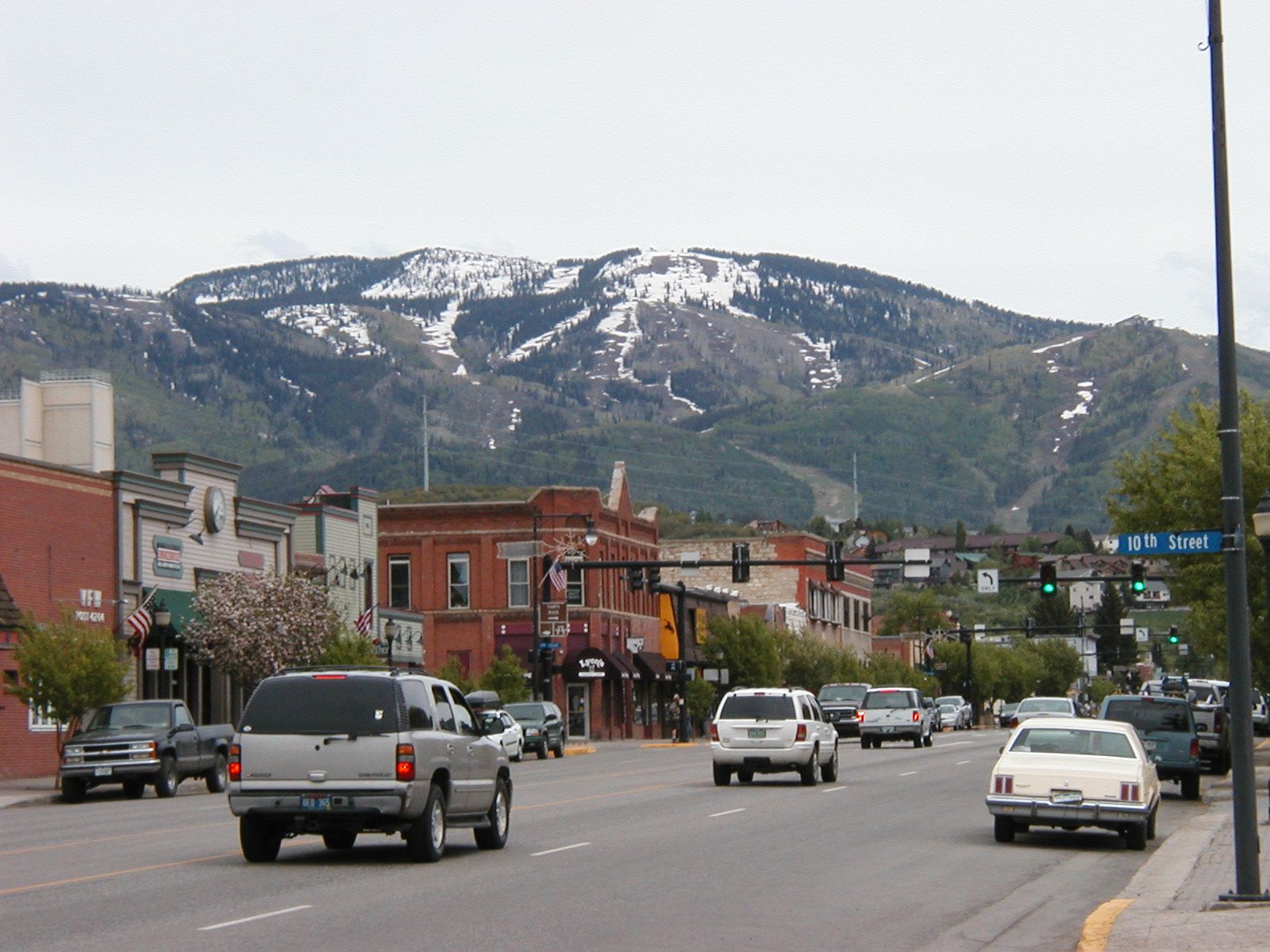
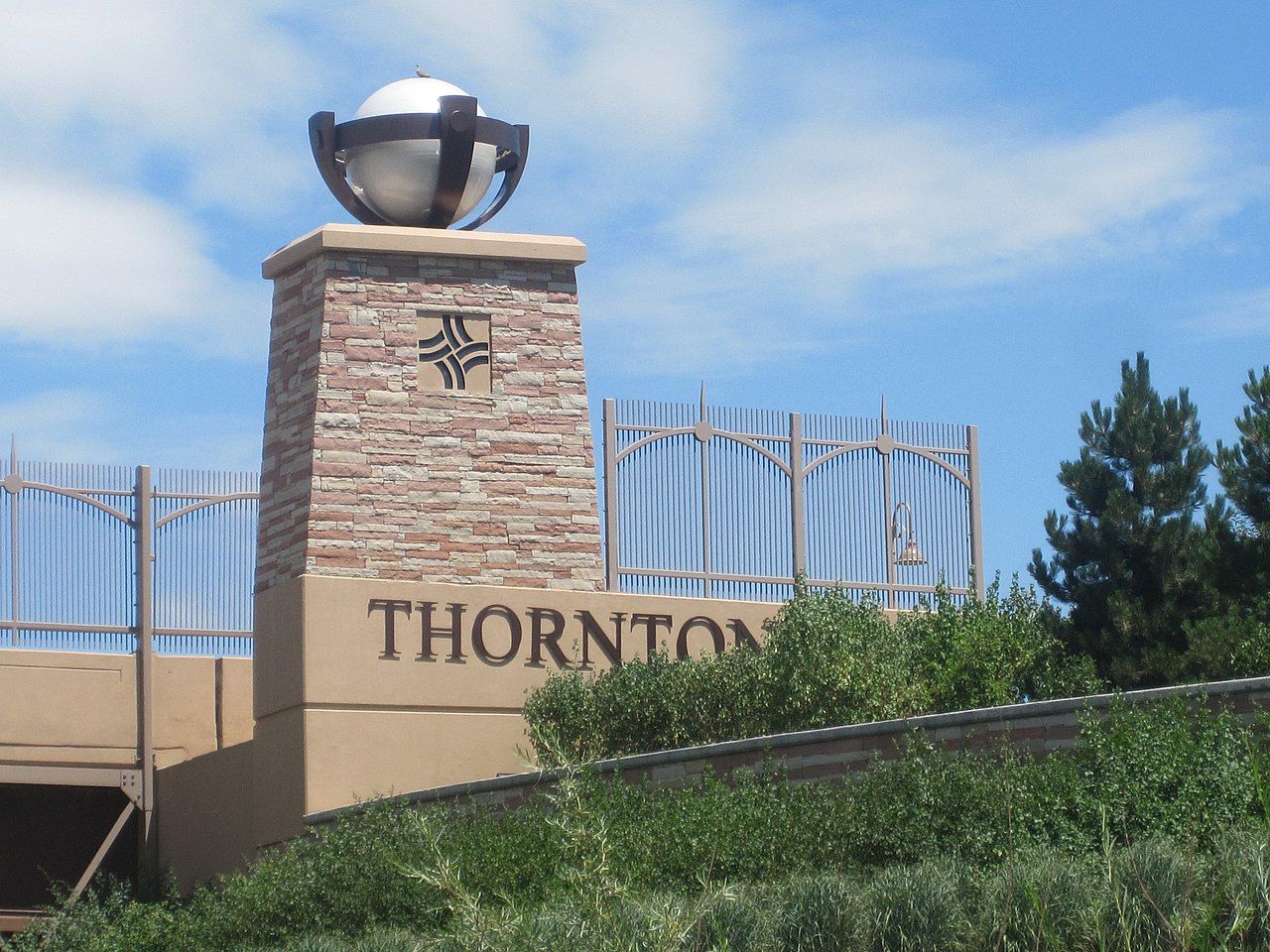
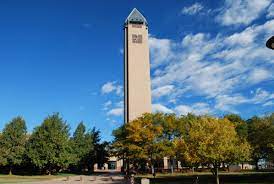
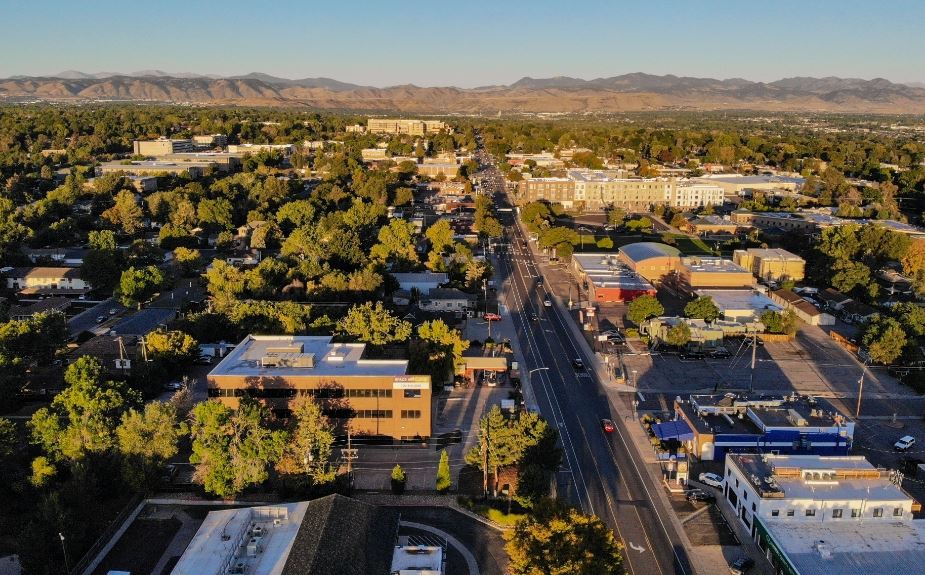

Moving services in Colorado
Star Van Lines runs local, long-distance, and interstate moves across Colorado, from packing and loading to transport, delivery, and short-term storage. Because the state pairs a dense Front Range urban strip with high mountain corridors, every job needs route-specific planning. Each move comes with one coordinator, a trained crew, and a written estimate.
Local moving in Colorado
Most local moves cluster along the Front Range. A two-person crew with a truck runs about $126-$173 an hour, and a typical three- or four-person crew scales up from there for larger homes. Heavy local lanes include Denver to Colorado Springs, roughly 68 miles down I-25, plus Denver to Boulder and Fort Collins. On these short intrastate jobs, most of the bill comes from crew hours, stairs, and HOA-controlled buildings rather than mileage. Denver high-rises and Boulder apartments often need elevator reservations, and newer subdivisions in Douglas and Weld counties can require scheduled parking. And we factor those access details in when we book your crew.
Long-distance moving from Colorado
Most long-distance loads out of Denver track the dominant migration flows. The strongest corridor by search demand is Denver to Los Angeles, about 1,018 driving miles, followed by Denver to Phoenix near 821 miles and Denver to Dallas around 796 miles, both matching Colorado's heavy Texas and Arizona outbound traffic. These runs cross the I-70 mountain corridor through the Eisenhower-Johnson Tunnel at roughly 11,000 feet, where winter chain laws, traction requirements, and pass closures can reset a schedule. Your coordinator watches weather and pass conditions and, on inbound vehicles, flags the Front Range emissions test. Because Colorado sits a long haul from either coast, most moves here are genuine interstate jobs.
Packing and storage
We offer full-service packing, partial packing, and self-pack. Full-service means our crew brings every box and packs each room; partial lets you split the work; self-pack keeps the cost lowest. And for storage, we hold goods at 43 warehouse locations nationwide for short or long terms. Colorado's dry, high-altitude air can swing from warm sun to sub-freezing within a single day, and Denver sits at 5,280 feet, so unconditioned storage can crack wood furniture, finishes, and electronics. Climate-controlled space is the safe default for anything held through the October-to-May cold season.
Auto transport and specialty items
We ship vehicles on open or enclosed carriers, and we crate pianos, gun safes, antiques, and artwork for specialty handling. One Colorado step matters for cars. Vehicles registered in the nine Denver-metro and North Front Range counties (Adams, Arapahoe, Boulder, Broomfield, Denver, Douglas, Jefferson, Larimer, and Weld) must pass an emissions test once they are over seven years old before you can register them. Build that test into any inbound auto-transport timeline in those counties, and your coordinator can line up the sequence.
How much does moving in Colorado cost?
Moving costs in Colorado depend on whether you stay inside the state or cross state lines. Local moves run on an hourly rate for crew and truck. Long-distance prices are built from distance and home size, starting near $1,495 for a studio and reaching about $8,683 for a large four-bedroom home on the longest lanes.
Local moving rates
| Crew size | Hourly rate |
|---|---|
| 2 movers + truck | $126-$173 / hour |
| 3 movers + truck | $184-$265 / hour |
| 4 movers + truck | $241-$345 / hour |
Long-distance rates from Colorado
| Move size | Estimated price range |
|---|---|
| Studio / 1 Bedroom | $1,495 - $2,185 |
| 2-3 Bedrooms | $2,703 - $4,773 |
| 4+ Bedrooms | $4,485 - $8,683 |
Popular routes and pricing from Colorado
| Route | Distance | Avg cost (2-3 BR) |
|---|---|---|
| Denver to Chicago | 1,005 mi | $2,703 - $3,277 |
| Denver to Los Angeles | 1,018 mi | $2,703 - $3,335 |
| Denver to Boston | 1,983 mi | $3,910 - $4,773 |
| Denver to Austin | 916 mi | $2,760 - $3,335 |
| Denver to Seattle | 1,304 mi | $3,220 - $3,910 |
Pricing reflects market averages for moves in and from Colorado as of June 2026. Your final price depends on inventory weight, packing level, access at both ends, and timing. Call (855) 822-2722 or use our free quote calculator for an exact estimate.
What affects your moving price
- Shipment weight and volume are the biggest factors on any long-distance move from Colorado.
- Distance matters. Denver to Colorado Springs is about 68 miles; Denver to Boston is nearly 2,000.
- Access at both ends adds up. Stairs, elevator waits, long carries, HOA rules in Douglas and Weld county subdivisions, and tight mountain-town driveways off I-70 all factor in.
- How much packing you want. Full-service costs more than partial, and self-pack is the lowest option.
- When you move. Mid-week and shoulder-season dates usually beat a June or July weekend, when heat and demand both peak.
- Add-ons like auto transport, climate-controlled storage, and specialty handling for pianos or safes carry their own line items.
Moving routes from Colorado
Moving to Colorado: what you should know
A Colorado move is as much about altitude and weather windows as it is about boxes. You're heading into an above-average-cost market with a strong job base and serious mountain logistics. Below is a quick guide to what shapes the cost, the routes, the timing, and the paperwork.
What it costs to move to Colorado
Colorado's cost of living index is 103.1 (US average = 100, BEA RPP 2024), modestly above the national price level, which nudges local moving labor up with it. A two-person crew runs about $126-$173 an hour in the Denver and Front Range metros. Housing is the bigger line item. The median home value is $539,400 and median gross rent is $1,761 a month (Census ACS 2020-2024). Median household income sits at $95,470, so earnings are high too, although a large share goes straight to housing. And building access can add cost where it applies. Denver and Boulder high-rises often require elevator reservations and certificate-of-insurance paperwork, and gated subdivisions in Douglas and Weld counties can limit truck size and delivery windows. If you're coming from a lower-cost state, budget for higher labor and fuel on the Colorado leg.
Access and logistics
Colorado's highways stack along two axes. I-25 is the north-south spine of the Front Range, linking Fort Collins, Denver, Colorado Springs, and Pueblo, while I-70 runs east-west over the Rockies through the Eisenhower-Johnson Tunnel near 11,000 feet. I-76 heads northeast toward Nebraska, and I-225 and I-270 stitch the Denver metro together. The mountain corridors are the planning challenge. Winter chain laws, traction requirements, and storm closures on the I-70 passes can delay a move for hours or push a date. Denver sits at 5,280 feet, where thin air, intense sun, and rapid temperature swings are routine. There's also an inspection step, because vehicles registered in the nine Denver-metro and North Front Range counties must pass an emissions test once they are over seven model years old, so any inbound car needs that worked into the timeline.
Climate and timing
Denver records a July average high near 89 degrees and a January average low around 18, with about 49 inches of snow a year (NOAA 1991-2020 normals). But timing still matters. The best window to move is late May through September, when the city sees roughly 115 mainly clear days and the mountain passes are open and dry. The hardest stretch runs October through May. March is actually Denver's snowiest month at about 8.8 inches, and I-70 passes can close in a storm. Summer brings its own friction, since afternoon thunderstorms and hail are common from May through August, and hail can damage trucks and shipments. June and July also bring peak heat near 89 degrees and peak moving demand, so rates and calendars both tighten. Spring and fall give you the calmest roads and the most schedule choice.
Residency and regulations
New residents face firm deadlines. You must transfer your driver's license within 30 days of establishing residency and register your vehicle within 90 days (Colorado statutes CRS 42-3-103 and 42-6-140). An out-of-state vehicle first needs a one-time VIN verification, form DR 2698, before titling. Emissions testing applies only in the Denver-metro and Front Range counties, not statewide, and there is no statewide periodic safety inspection. Colorado is a REAL ID compliant state, and residency is established by living here 90 consecutive days, by working in the state, or by running a business here.
What to know before moving to Colorado
Benefits of moving to Colorado
0,012,561 (Census V2025, up 4.1% since 2020)
Population
$0,470
Median household income
0.1 (US = 100, BEA RPP 2024)
Cost of living index
0.40% flat
State income tax
0.7% of adults
Bachelor's degree or higher
aerospace, defense, and technology
Dominant industries
Colorado crossed 6,012,561 residents in 2025, a 4.1% gain since 2020 (Census V2025). The economy leans on aerospace, defense, and technology, with healthcare, energy, and outdoor-recreation tourism close behind, anchored by major employers across the Denver-Boulder-Colorado Springs corridor; among the largest are the University of Colorado system, Denver International Airport, Lockheed Martin, UCHealth, and Colorado State University. Median household income is $95,470, and 45.7% of adults hold a bachelor's degree or higher. The flat state income tax is 4.40%, held down by the TABOR cap on state revenue growth. But net domestic migration turned slightly negative in 2025, a loss of about 12,100 people, and yet international arrivals and a strong quality-of-life draw keep movers busy in both directions on these corridors.
Is Colorado a good place to live?
Colorado offers a strong job market, a low flat income tax, and outdoor access most states can't match. The trade-offs are real: high home prices, mountain weather that complicates winter travel, and a cost of living above average. Whether it's a good fit depends on your budget, your work, and how much you value the mountains.
Tax environment
Colorado levies a flat 4.40% individual income tax (Tax Foundation 2026), kept low by the TABOR constitutional cap on state revenue growth, which has triggered periodic taxpayer refunds. Average combined state and local sales tax is about 7.9%, on a 2.90% state base. The effective property tax rate is roughly 0.50% of home value, among the lowest in the nation. There is no estate tax and no inheritance tax. But for someone moving from California's graduated income tax, the flat 4.40% rate is a real change, though high home prices offset part of the savings.
Housing market
The median home value in Colorado is $539,400 (Census ACS 2020-2024), and median gross rent is $1,761 a month. Prices vary sharply by region. Boulder and the Denver core run higher, while Pueblo and parts of the Western Slope are more affordable. About 66.2% of households own their homes. And high prices are a big reason some longtime residents are selling and moving to lower-cost, no-income-tax states like Texas and Arizona, which feeds our Denver-to-Dallas and Denver-to-Phoenix lanes even as new arrivals keep buying in.
Job market and economy
Colorado is a national center for aerospace, defense, and homeland security, with technology and information close behind (Colorado Office of Economic Development). Healthcare and bioscience, energy and natural resources, food and agriculture, and outdoor-recreation tourism round out the base. The labor force participation rate is 67.7%, and because 45.7% of adults hold a bachelor's degree or higher, employers cluster STEM and research work along the Front Range. The University of Colorado, Colorado State, and the Colorado School of Mines feed that pipeline. And for job seekers in engineering, aerospace, and tech, the Denver-Boulder-Colorado Springs corridor is the draw.
Safety and natural risks
Colorado's biggest natural hazard is severe weather. Hail and thunderstorms top the list, and the state has logged dozens of billion-dollar severe-storm events since 1980. Wildfires are a real and growing risk, especially in the foothills and the mountain interface, and winter blizzards can shut down passes and plains highways alike. Flash flooding, drought, and localized landslides and rockfalls in mountain areas round out the picture. But Colorado gets no hurricanes. Home insurance in wildfire-prone zones has climbed, so if you're buying near the foothills, get quotes before you close, and your coordinator can plan around storm and pass conditions on moving day.
Who thrives in Colorado?
Front Range tech and aerospace transplants
Engineers and operations staff move into the Denver-Boulder-Colorado Springs tech and aerospace corridor that long powered the state's growth. These are often dual-income households, landing in newer suburban homes in Douglas and Weld counties, where the statewide median home value runs about $539,400 and nearly half the adults around them hold a bachelor's degree.
Coloradans cashing out toward Texas and Arizona
Homeowners and retirees leave the Front Range as Colorado posts a roughly 12,100-person net domestic outflow in 2025, its first net loss since 2004. They sell into high local home values and rents near $1,761 a month, then head to lower-cost, no-income-tax destinations. That demand drives our Denver-to-Dallas and Denver-to-Phoenix runs.
California-to-Colorado relocators
Households moving between Colorado and California are our single strongest demand signal on this corridor. The roughly 1,018-mile Denver-to-Los Angeles run crosses the I-70 passes, so these moves need altitude-aware scheduling and, on inbound vehicles, a heads-up about the Front Range emissions test.
Mountain-town and ski-resort second-home owners
Buyers furnishing or relocating to high-country homes off I-70, where snow season runs October through May. These jobs cluster in the dry summer window, need chain-law and pass-closure planning in the shoulder seasons, and often pair with climate-controlled storage while a mountain home is finished.
Remote workers chasing sunshine and outdoor access
Remote and hybrid professionals drawn by the outdoor lifestyle and Denver's roughly 115 mainly clear days a year. With a median household income near $95,470 and a flat 4.40% income tax, they settle in Denver, Boulder, and Colorado Springs, and they tend to value flexible mid-week scheduling around a home office.
First week after moving to Colorado: what to do
After a Colorado move, several tasks carry state deadlines. You have 30 days to update your driver's license and 90 days to register a vehicle, so start early. Here is a prioritized checklist.
- Update your driver's license.
Colorado gives new residents 30 days to transfer an out-of-state license. Make an appointment at a Colorado DMV office and bring proof of residency and your current license. (dmv.colorado.gov)
- Register your vehicle.
You have 90 days to register. An out-of-state vehicle first needs a one-time VIN verification on form DR 2698. If you're in the Denver metro or North Front Range, a car over seven model years old also needs an emissions test before registration.
- Transfer your auto insurance.
Contact your insurer to re-rate the policy for Colorado, which sets its own minimum liability requirements. Premiums can shift with your location, hail exposure, and annual mileage.
- Register to vote.
Colorado offers online registration at GoVoteColorado.gov, plus DMV, mail, email, and in-person options. You'll need a Colorado license or ID, or the last four digits of your Social Security number.
- Update homeowner's or renter's insurance.
Hail and wildfire are Colorado's main property risks. If you're near the foothills, ask specifically about wildfire coverage, and review hail and roof terms before you sign.
- Forward your mail.
USPS Change of Address is free online at usps.com. Mail forwarding starts within 7-10 business days.
- Transfer medical records.
Contact current providers before the move and find a new primary care doctor. If you're on employer insurance, confirm your Colorado network first.
- Update school records.
Request transcripts from your old district and check enrollment rules with the new one. Top Front Range districts include Cherry Creek, Boulder Valley, and Cheyenne Mountain.
Colorado at a glance: schools, jobs, and things to do
Schools and universities
Cherry Creek School District No. 5 in Arapahoe County, Boulder Valley School District, and Cheyenne Mountain School District No. 12 in Colorado Springs rank among the state's strongest. But the university tier is where Colorado really stands out. The University of Colorado Boulder, founded in 1876, is the flagship of the CU system. Colorado State University in Fort Collins is the state's land-grant research university, with roughly 33,500 students. And the Colorado School of Mines in Golden is a public R1 engineering and applied-science school, ranked the top university in the state by one 2026 ranking. Together they anchor the Front Range's STEM and research pipeline.
Major employers
Colorado's largest employers cluster along the Front Range and lean toward aerospace, defense, healthcare, and higher education. Among the biggest are the University of Colorado system, Denver International Airport, and Lockheed Martin, which runs aerospace and defense sites in Denver, Boulder, Littleton, and Colorado Springs with more than 14,000 Colorado employees. UCHealth is a major statewide hospital system, and Colorado State University employs roughly 7,000 people in Fort Collins. The broader economy adds energy and natural resources, food and agriculture, and a large outdoor-recreation tourism sector.
Attractions and recreation
Outdoor access is a primary reason people move here. Rocky Mountain National Park, near Estes Park in the north, draws hikers and drivers to Trail Ridge Road and its alpine peaks. Garden of the Gods in Colorado Springs is a 1,341-acre city park of red sandstone formations and a National Natural Landmark, and nearby Pikes Peak rises over 14,000 feet with a 19-mile highway to the summit. In the southwest, Mesa Verde National Park preserves Ancestral Puebloan cliff dwellings. And down near Alamosa, Great Sand Dunes National Park and Preserve holds the tallest dunes in North America, up to about 750 feet, and it's an International Dark Sky Park.
FAQ
Questions? Look here
Can’t find an answer? Call us
(855) 822-2722 or email
Local moving in Colorado typically costs $126-$173 per hour for a two-person crew with a truck, and larger crews are priced higher for bigger homes. A standard three-bedroom home often takes a full crew the better part of a day. Stairs, long carries, elevator waits, and HOA rules all add to the total. Call (855) 822-2722 for an itemized estimate.
Long-distance moves from Colorado start around $1,495 for a studio and reach about $8,683 for a large four-bedroom home on the longest lanes. The final price depends on shipment weight, distance, and access at both ends. A Denver-to-Los Angeles move of about 1,018 miles typically runs $2,703 to $3,335 for a two- to three-bedroom home. Star Van Lines puts every line item in a written estimate before you book.
Search our USDOT number 4176875 on the FMCSA SAFER website (safer.fmcsa.dot.gov). This federal database confirms our operating authority, MC number 1607491, insurance status, and safety record. Any legitimate interstate mover should be able to provide a verifiable USDOT number.
Watch for long-carry charges when the truck can't park close, stair and elevator-wait fees, shuttle costs at tight mountain or downtown addresses, and storage if your dates don't line up. Mountain deliveries off I-70 can also add time in winter. We list every potential charge in your written estimate before you book, so nothing shows up new on moving day.
Federal law requires interstate movers to offer two levels: Released Value Protection (free, covers $0.60 per pound per item) and Full Value Protection (paid, covers repair, replacement, or cash settlement at current value). Star Van Lines is fully insured under USDOT #4176875 and can explain both options when you request a quote.
Colorado gives new residents 30 days to transfer an out-of-state driver's license and 90 days to register a vehicle (CRS 42-3-103 and 42-6-140). Visit a Colorado DMV office with proof of residency. An out-of-state vehicle also needs a one-time VIN verification on form DR 2698 before it can be titled, and cars in the Denver metro or North Front Range may need an emissions test first.
Yes, in the nine Denver-metro and North Front Range counties: Adams, Arapahoe, Boulder, Broomfield, Denver, Douglas, Jefferson, Larimer, and Weld. Vehicles are exempt for their seven most recent model years, then test on a tiered schedule. Outside those counties there is no emissions requirement, and Colorado has no statewide periodic safety inspection. Plan the test into your registration timeline if you're moving into the testing area.
Colorado's cost of living index is 103.1 (US average = 100, BEA RPP 2024), modestly above the national level. The median home value is $539,400 and median gross rent is $1,761 a month (Census ACS 2020-2024). Median household income is $95,470, so pay is high too. Boulder and the Denver core run pricier, while Pueblo and the Western Slope are more affordable.
Late May through September is the easiest window, when Denver sees about 115 mainly clear days and the mountain passes are open and dry. Avoid December through March, when snow and storms can close I-70 passes; March is actually Denver's snowiest month at about 8.8 inches. Spring and fall give you milder weather and more schedule flexibility. Because demand peaks in summer, booking a few weeks ahead helps in any season.
We ship cars on open or enclosed carriers, and bundling vehicle transport with your household goods is usually cheaper than booking it separately. The Denver-to-Los Angeles run is about 1,018 driving miles and crosses the I-70 mountain corridor, so winter chain laws and pass closures can shift timing. If you're registering the car in the Denver metro or Front Range, remember the emissions test for vehicles over seven model years old.
Colorado has a flat 4.40% individual income tax (Tax Foundation 2026), held down by the TABOR revenue cap. California instead uses a graduated income tax that climbs much higher at upper incomes, so many people moving from California see a lower state income tax bill in Colorado. Keep in mind that Colorado home prices are high, which offsets part of the difference. There is no estate or inheritance tax.
Colorado posted a net domestic migration loss of about 12,100 people in the year ending July 2025 (Census V2025), its first net loss since 2004. Many of those leaving are homeowners and retirees who sell into high Colorado home values and move to lower-cost, no-income-tax states. Texas and Arizona are the top destinations, which is why our Denver-to-Dallas and Denver-to-Phoenix lanes stay busy even as new arrivals keep coming in.
Ready to Start Your Colorado Move?
Get a free moving estimate today. No obligation, no pressure.
Call us or fill out the form - we'll get back to you fast.
USDOT #4176875 | MC #1607491 | Licensed & Insured