
Thank you for your feedback!
We will contact you shortly

Free consultation
Enter your phone number and we will call you back for a consultation on any moving and storage services

Rhode Island
Licensed Rhode Island Movers - Interstate & Local

Rhode Island packs about 1.1 million people into just 1,033.89 square miles, which makes it the smallest US state by land area and the second-most densely populated after New Jersey. So most moves here are short, dense urban hops rather than open-highway hauls, and the real challenge is navigating narrow, historic streets in a metro that holds roughly nine in ten of the state's residents. Star Van Lines is a USDOT-licensed interstate carrier (USDOT #4176875, MC #1607491) that handles local and long-distance moves across all of Rhode Island. We have been running these corridors since 2016, from I-95 through Providence and Warwick to the coastal reach down to Newport.
Our Rhode Island moving services cover packing, loading, transport, delivery, and short-term storage at warehouse locations nationwide. Because you can drive from the Connecticut line to the Massachusetts line in under an hour, a Rhode Island move is less about distance and more about access. A move from Providence to Cranston covers about 5 miles. A move from Providence to Newport, the farthest in-state city, runs only about 34 miles. We handle both with the same coordinator and the same written estimate, from the first walk-through to delivery day.
Planning a move to the Ocean State? Call (855) 822-2722 or use our online quote calculator. You'll get an itemized estimate that breaks down every line item, so there aren't any surprises on moving day. We're rated 4.0 on Trustpilot, 4.5 on Google, and 4.75 on Facebook across 240+ reviews.

Dennis has 15+ years of experience in interstate moving and has coordinated over 1,000 relocations across the United States.

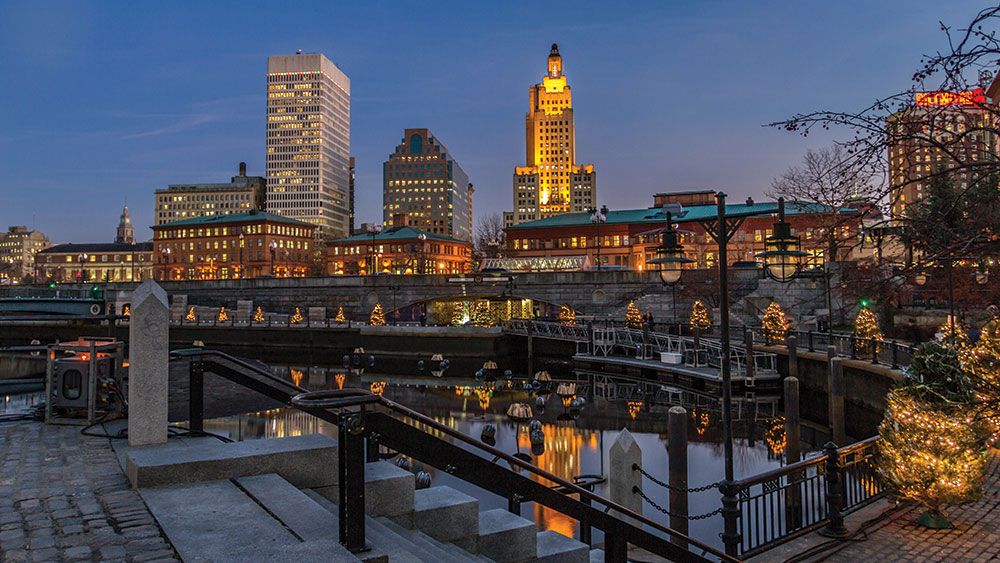
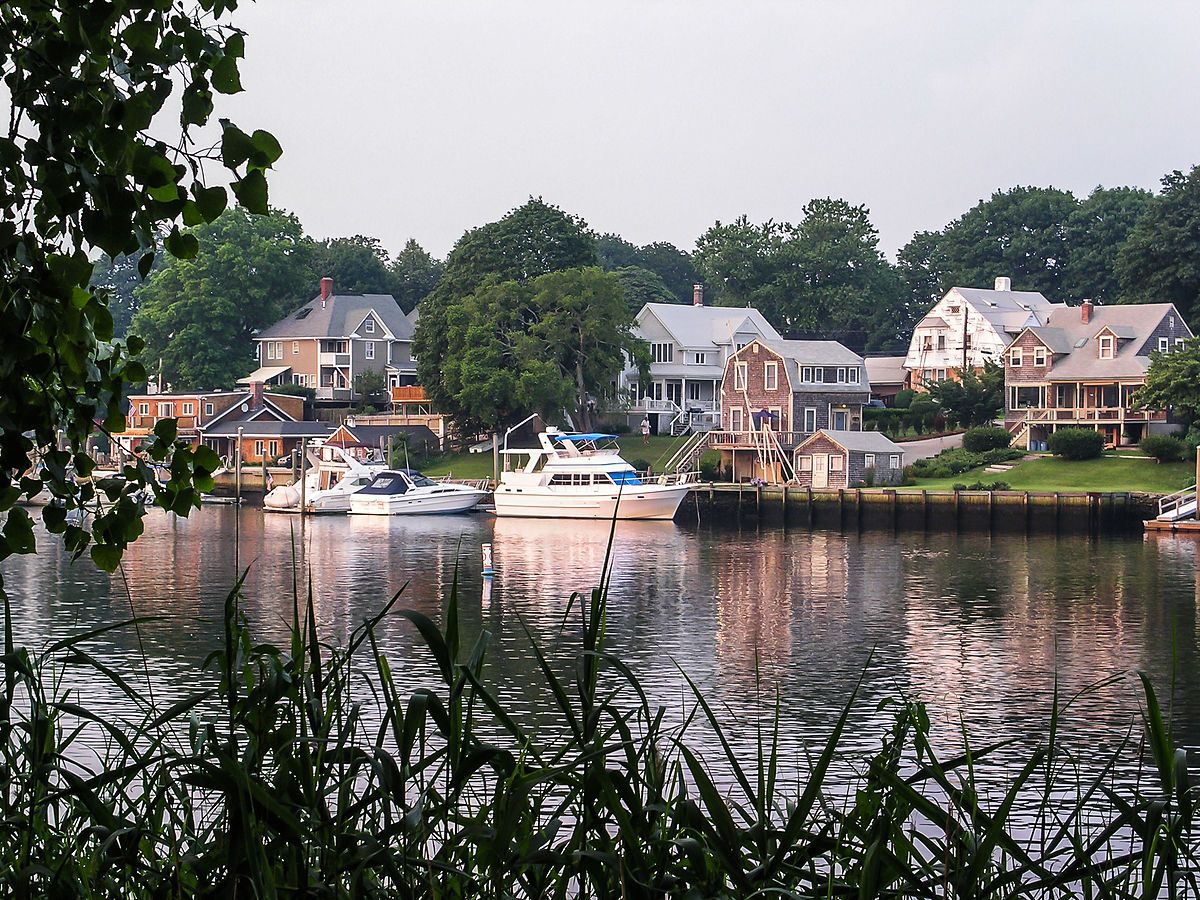
Moving services in Rhode Island
Star Van Lines provides local, long-distance, and interstate moving services across Rhode Island. We handle packing, loading, transport, and delivery for residential and commercial moves. The state's density sets the terms here, because tight colonial streets, triple-decker walk-ups, and limited curbside parking shape almost every job. Every move includes a single coordinator, a trained crew, and a written estimate.
Local moving in Rhode Island
Local moves in Rhode Island are nearly all short hops within the Providence-Warwick core. A two-person crew runs $140-$225 per hour; three movers run $210-$338. We serve Providence, Cranston, Warwick, and Pawtucket, plus Newport and the coastal towns. But the short distances can be deceptive, because narrow colonial streets in Providence, Newport, and Pawtucket often require a parking permit, a shuttle van, or a long carry. And dense triple-decker housing means stair carries are the norm rather than the exception.
Long-distance moving from Rhode Island
Long-distance moves from Rhode Island lean two ways. One is the well-worn retiree corridor south to Florida, with Providence to Orlando running about 1,256 miles. The other is the cross-country West Coast haul. We also run a steady Providence to Raleigh corridor into the Carolinas, and short interstate hops to the Boston metro, only about 49 miles away. Because winter nor'easters can stall narrow-street loading, your coordinator watches the forecast and builds flexibility into any December-through-March schedule.
Packing and storage
We offer full-service packing, partial packing, and self-pack options. Full-service means our crew brings every box and material and packs each room; partial lets you choose which rooms we handle; self-pack is the lowest-cost option. We have 43 warehouse locations nationwide for short-term and long-term storage. But in Rhode Island, the Atlantic-coastal setting brings high summer humidity and damp winter nor'easters, so climate-controlled storage is the safer choice for furniture, art, and documents held between a short in-state move and a final destination.
Auto transport and specialty items
We ship vehicles by open or enclosed carrier, and on the long lanes to Florida or California many people ship a car rather than drive it. We also move pianos, antiques, and fine art with specialty crating, which suits a state full of older homes and coastal estates. Because salt air is hard on finishes, covered transport is worth considering for collector and high-value vehicles headed to or from the shore.
How much does moving in Rhode Island cost?
Moving costs in Rhode Island reflect a slightly above-average cost of living and a dense, access-driven market. Local moves typically run $140-$225 per hour for a two-person crew with a truck. Long-distance moves start at $633 for a studio and reach $8,395 for a large four-plus-bedroom home, depending on distance, weight, and access at both ends.
Local moving rates
| Crew size | Hourly rate |
|---|---|
| 2 movers + truck | $140-$225 / hour |
| 3 movers + truck | $210-$338 / hour |
| 4 movers + truck | $281-$451 / hour |
Long-distance rates from Rhode Island
| Move size | Estimated price range |
|---|---|
| Studio / 1 Bedroom | $633 - $2,070 |
| 2-3 Bedrooms | $1,150 - $4,600 |
| 4+ Bedrooms | $1,897 - $8,395 |
Popular routes and pricing from Rhode Island
| Route | Distance | Avg cost (2-3 BR) |
|---|---|---|
| Providence to Boston | 49 mi | $1,150 - $1,380 |
| Providence to Raleigh | 669 mi | $2,300 - $2,760 |
| Providence to Orlando | 1,256 mi | $3,105 - $3,795 |
| Providence to Houston | 1,810 mi | $3,680 - $4,485 |
| Providence to Boise | 2,649 mi | $3,795 - $4,600 |
Pricing reflects market averages for moves in and from Rhode Island as of June 2026. Your final price depends on inventory weight, packing level, access at pickup and delivery, and scheduling flexibility. Call (855) 822-2722 or use our free quote calculator for an exact estimate.
What affects your moving price
- Shipment weight and volume are the biggest factors on any long-distance move from Rhode Island.
- Distance drives the base price. Providence to Boston is 49 miles; Providence to Boise is 2,649.
- Access at both ends matters. Colonial streets, parking permits, and walk-up stair carries are common in Providence and Newport and can add time.
- How much packing you want us to do. Full-service runs more than partial, and self-pack is the lowest option.
- When you move. Summer is peak demand, while winter nor'easters can stall loading on narrow streets.
- Add-on services like auto transport, climate-controlled storage, and specialty handling for art or antiques carry their own pricing.
Moving routes from Rhode Island
Moving to Rhode Island: what you should know
A move to Rhode Island involves more than logistics. In a state where you can cross from the Connecticut line to the Massachusetts line in under an hour, the move is less about open highway and more about navigating dense, narrow, historic streets in a metro that holds most of the state's residents. Below is a quick guide covering cost of living, access and logistics, climate and timing, and the residency rules that affect your move.
What it costs to move to Rhode Island
Rhode Island's cost of living index is 102.3 (US average = 100, BEA RPP 2024), a little above the national figure. Local moving labor reflects the dense, access-heavy market, with a two-person crew running $140-$225 per hour. Building access is the real cost driver here, because tight streets, parking limits, and triple-decker stair carries add labor time even on a short move. Median home value is $404,200 (Census ACS 2020-2024) and median monthly rent is $1,342, while median household income is $87,796. And because the owner-occupancy rate is only 63.6 percent, a large share of residents are renters, so many local moves are apartment-to-apartment or a first-home purchase a few miles away.
Access and logistics
Rhode Island's road network is short and dense. I-95 is the main north-south spine through Providence, Warwick, and Cranston, I-195 runs east toward the East Bay and Massachusetts, and I-295 is the western beltway that bypasses downtown Providence. But the statewide reach is tiny: Providence to the farthest in-state city, Newport, is only about 34 driving miles. The harder part is the last hundred feet, because colonial-era streets and limited curbside parking in Providence, Newport, and Pawtucket often require a parking permit, a shuttle vehicle, or a long carry to the door.
Climate and timing
Rhode Island has warm, humid summers with July highs near 84 degrees in Providence and cold winters with January lows around 22. The state gets about 47.5 inches of precipitation and 36.6 inches of snow a year, concentrated from December through March. But the headline weather risks are coastal: nor'easters, hurricanes, and storm surge along the heavily settled Narragansett Bay shoreline, where flooding is the most widespread mapped hazard. The best window for a move is late April through May or September through October, because roads are clear and demand is lower. Avoid deep winter, when nor'easters can close I-95 and make narrow streets hazardous for loading.
Residency and regulations
New Rhode Island residents have 30 days to get a Rhode Island driver license and 30 days to title and register a vehicle. Apply through the Rhode Island Division of Motor Vehicles (dmv.ri.gov) once you are settled. Rhode Island uses a combined safety and emissions inspection every two years, and a newly registered vehicle must pass within 5 days, so plan that step into your arrival. Auto insurance is mandatory and must come from an insurer licensed in Rhode Island. Because the state offers online voter registration at vote.sos.ri.gov, that part of the process is simple.
What to know before moving to Rhode Island
Benefits of moving to Rhode Island
0,114,521
Population
$0,796
Median household income
0.3 (US = 100, BEA RPP 2024)
Cost of living index
0,033.89 sq mi (smallest US state)
Land area
0.75%-5.99% (progressive)
State income tax
0,061.4 per square mile (2nd-densest US state)
Population density
Rhode Island is home to about 1.1 million people, and roughly nine in ten of them live in the Providence-Warwick metro that anchors the smallest, second-densest state in the country. The economy leans on healthcare, finance and insurance, higher education, and defense shipbuilding. Median household income is $87,796, and the cost of living index of 102.3 sits a little above the national average. The migration story points modestly inward: Rhode Island ran positive net domestic migration of roughly +3,200 in 2024, gaining the most from New York while sending the most to Massachusetts. And the state's population grew 1.6 percent between 2020 and 2025.
Is Rhode Island a good place to live?
Rhode Island offers a compact, coastal life with a real city in Providence, Atlantic beaches a short drive away, and a deep arts and food scene for its size. But the trade-offs are real: housing costs and property values run above the national average, density means tight parking and walk-up living, and winter nor'easters hit the coast hard. Whether it's a good fit depends on how much you value coastal access and walkable density over space and a lower cost of living.
Tax environment
Rhode Island's income tax is progressive, with three brackets running from 3.75 percent up to a top rate of 5.99 percent for 2026 (Tax Foundation 2026). The state sales tax is a flat 7 percent with no local add-on, on the higher side nationally. Property taxes run about 1.19 percent of home value and are set locally by cities and towns. Rhode Island also levies an estate tax with one of the lower exemption thresholds among states, which matters for some retirees weighing the move.
Housing market
Median home value in Rhode Island is $404,200 (Census ACS 2020-2024), and median monthly rent is $1,342, both above national norms. Because the owner-occupancy rate is just 63.6 percent, the rental market is large, especially in the Providence-area triple-deckers. And for buyers, inventory is tight in a small state where most demand concentrates in one metro, so first-home purchases in Cranston, Warwick, and the suburbs are competitive.
Job market and economy
Rhode Island's economy is anchored by healthcare. Brown University Health, formerly Lifespan, is the state's largest employer with about 17,000 workers. CVS Health is headquartered in Woonsocket, Citizens Financial Group and Textron are based in Providence, and General Dynamics Electric Boat builds submarines at Quonset Point in North Kingstown with more than 7,000 skilled workers. The labor force participation rate is 64.6 percent, and 37.7 percent of adults hold a bachelor's degree or higher, supported by Brown University and the Rhode Island School of Design.
Safety and natural risks
Coastal flooding is Rhode Island's defining hazard. Nor'easters and hurricanes drive storm surge along the Narragansett Bay shoreline, and the densely built coastal corridor is highly exposed to flood damage. Winter storms add snow and ice from December through March. Because so much of the state sits near the water, flood-zone awareness matters for both insurance and where you store belongings during a staged move, particularly for shoreline and East Bay addresses.
Who thrives in Rhode Island?
Providence metro renters trading up to a first home
With an owner-occupancy rate of only 63.6 percent, a large share of Rhode Islanders rent in Providence-area triple-deckers and apartments. As they buy a first single-family home in Cranston, Warwick, or the suburbs, they typically move just a handful of miles but need stair-carry crews and careful handling for dense-housing access.
Rhode Island retirees relocating to Florida
With nearly one in five residents already 65 or older and a well-established Rhode-Island-to-Florida corridor, these movers downsize from a New England home and ship household goods roughly 1,256 miles to Orlando or farther to Miami, often pairing the long-distance move with seasonal or full storage.
Brown and RISD students, faculty, and medical staff
Providence is an academic and hospital hub anchored by Brown University, the Rhode Island School of Design, and major teaching hospitals, in a state where 37.7 percent of adults hold a bachelor's degree or higher. Students, residents, and relocating faculty move in tight late-August and June clusters into small, dense East Side and downtown units that demand careful scheduling and small-vehicle access.
Boston-area commuters moving to lower-cost Rhode Island
Providence sits only about 49 driving miles from Boston with commuter-rail links, so workers priced out of Greater Boston relocate into Rhode Island. These are short interstate moves across the Massachusetts line, often combining a Boston-area pickup with a Rhode Island delivery in a single day.
Newport and coastal-community seasonal homeowners
Newport and the Narragansett Bay shoreline draw second-home and seasonal owners who shuttle furnishings between a coastal property and a primary residence. Even within the state these moves cross humid, salt-air conditions and tight historic-district streets, so climate-aware packing and small-truck access are routine on the short lanes from the Providence-Warwick core.
First week after moving to Rhode Island: what to do
After your move to Rhode Island, several tasks need attention in the first weeks. Rhode Island gives new residents 30 days for both a driver license and registration, but the vehicle inspection has a tight 5-day window after you register, so plan it early. Here is a prioritized checklist.
- Update your driver license.
Rhode Island gives new residents 30 days to get a Rhode Island license. Bring your current license and proof of Rhode Island residency to the Division of Motor Vehicles. (dmv.ri.gov)
- Title and register your vehicle.
You have 30 days to title and register, and a VIN check is often required first. After registering, you must pass the combined safety and emissions inspection within 5 days, so schedule it right away.
- Transfer your auto insurance.
Rhode Island requires auto insurance from an insurer licensed in the state, so contact your carrier before you register. Premiums vary by city and coverage.
- Register to vote.
Rhode Island offers online registration at vote.sos.ri.gov, plus mail and in-person options at your local Board of Canvassers and through the DMV.
- Update homeowner's or renter's insurance.
Because coastal flooding is Rhode Island's leading hazard, review flood coverage carefully. Standard policies don't cover flood damage, so a shoreline or bayfront home may need a separate flood policy.
- Forward your mail.
USPS Change of Address is free online at usps.com. Mail forwarding starts within 7-10 business days.
- Transfer medical records.
Contact your current providers before the move and find a new primary care physician. Brown University Health operates the state's largest hospital network.
- Update school records.
If you have children, request transcripts from the previous district and contact your new one about enrollment and deadlines. The Rhode Island school year usually starts in late August or early September.
Rhode Island at a glance: schools, jobs, and things to do
Schools and universities
Barrington Public Schools, North Kingstown School District, and East Greenwich Public Schools rank among the strongest in the state. The University of Rhode Island in Kingston is the flagship land and sea grant research university. Providence is also home to two well-known private institutions: Brown University, an Ivy League research university founded in 1764, and the Rhode Island School of Design, a leading college of art and design. Because Rhode Island is small, the best districts and the major universities sit within an easy drive of one another, which shapes where many families choose to land.
Major employers
Brown University Health, the state's largest employer with about 17,000 workers, anchors the healthcare sector. CVS Health is headquartered in Woonsocket, and Citizens Financial Group and the aerospace and defense conglomerate Textron are based in Providence. General Dynamics Electric Boat builds Navy submarines at Quonset Point in North Kingstown with more than 7,000 skilled workers. Because the economy leans on healthcare, finance and insurance, and defense shipbuilding, job seekers in those fields find the steadiest opportunities.
Attractions and recreation
The Newport Mansions, the Gilded Age estates along Bellevue Avenue including The Breakers and Marble House, are Rhode Island's signature draw. The Cliff Walk runs three and a half miles along the Atlantic shoreline below them. Block Island, about 12 miles offshore and reached by ferry, offers beaches and the Mohegan Bluffs. In Providence, Brown University, the RISD Museum, and the downtown WaterFire installations anchor the cultural core, and Newport's jazz and folk festivals at Fort Adams round out a long list of reasons people move here.
FAQ
Questions? Look here
Can’t find an answer? Call us
(855) 822-2722 or email
Local moving in Rhode Island typically costs $140-$225 per hour for a two-person crew with a truck, or $210-$338 for the three-person crew a three-bedroom home usually needs. At 4-6 hours, that puts a typical three-bedroom local move around $732 to $1,764 once crew size and access are factored in. Walk-up stairs and parking limits can add time. Call (855) 822-2722 for an itemized estimate.
Long-distance moves from Rhode Island start at $633 for a studio and reach about $8,395 for a large four-plus-bedroom home. The final price depends on shipment weight, distance, and access at both ends. A two-to-three-bedroom move from Providence to Orlando runs about $3,105 to $3,795, while the short hop to Boston runs much less. Star Van Lines provides written estimates so your price won't change after booking.
Search our USDOT number 4176875 on the FMCSA SAFER website (safer.fmcsa.dot.gov). This federal database confirms our operating authority, MC number 1607491, insurance status, and safety record. Any legitimate interstate mover should be able to provide a verifiable USDOT number.
In Rhode Island the charges to ask about are long-carry fees when a truck can't park near the door, shuttle fees when a full-size truck can't fit a narrow colonial street, and stair fees for triple-decker and walk-up units. We disclose every potential charge in your written estimate before you book, so nothing is a surprise on moving day.
Federal law requires interstate movers to offer two levels: Released Value Protection (free, covering $0.60 per pound per item) and Full Value Protection (paid, covering repair, replacement, or cash settlement at current value). Star Van Lines is fully insured under USDOT #4176875 and can explain both options when you request a quote.
New Rhode Island residents have 30 days to get a Rhode Island driver license and 30 days to title and register a vehicle. A VIN check is often required before registering an out-of-state vehicle. After you register, the combined safety and emissions inspection must be done within 5 days, so it pays to schedule it right away.
Rhode Island uses a combined safety and emissions inspection every two years for light vehicles, and a newly registered vehicle must pass within 5 days of registration. An out-of-state inspection does not carry over. Auto insurance is mandatory, and your policy must come from an insurer licensed in Rhode Island, so line that up before you register.
Rhode Island's cost of living index is 102.3 (US average = 100, BEA RPP 2024), a little above the national figure. Median home value is $404,200 and median monthly rent is $1,342, both above national norms, with the tightest market in and around Providence. Median household income is $87,796, and only 63.6 percent of households own their homes.
Late April through May or September through October is the best window, with mild weather and clear roads. Avoid December through February, when nor'easters bring snow and ice that can close I-95 and make narrow streets hazardous for loading. High summer adds heat, humidity, and peak demand, so if you move then, book early and protect moisture-sensitive items.
Yes. Because the lanes south to Florida and west to California are long, many people ship a vehicle rather than drive it, and we move cars by open or enclosed carrier. Providence to Orlando runs about 1,256 miles, while a West Coast move runs farther still. Your coordinator gives you one written estimate that covers the household goods and any car on the same order.
Rhode Island has a flat 7 percent state sales tax with no local add-on, and a progressive income tax that tops out at 5.99 percent for 2026. Property tax runs about 1.19 percent of home value and is set locally. As a new resident, the taxes that most affect a move are the sales tax on any purchases and the local property tax on a home you buy.
Rhode Island is the smallest US state by land area and the second-most densely populated, so most moves cover only a few miles. But density changes the math: tight streets, parking permits, and walk-up stair carries add labor time, so a short Rhode Island move can cost as much as a longer one in a more spread-out state. Access, not distance, drives most local quotes here.
Ready to Start Your Rhode Island Move?
Get a free moving estimate today. No obligation, no pressure.
Call us or fill out the form - we'll get back to you fast.
USDOT #4176875 | MC #1607491 | Licensed & Insured