Thank you for your feedback!
We will contact you shortly

Free consultation
Enter your phone number and we will call you back for a consultation on any moving and storage services
Role of Movers in Art Transport
Transporting valuable artwork across states or even just within a city can bring real anxiety for galleries and artists in the United States. Entrusting art to professional art movers means every detail is managed with scientific care and deep expertise, from handling fragile photographs to securing large sculptures. This article covers the specialized skills, equipment, and protection protocols that safeguard art treasures, helping you choose a mover who protects your work every mile of the journey.


What Professional Art Movers Do
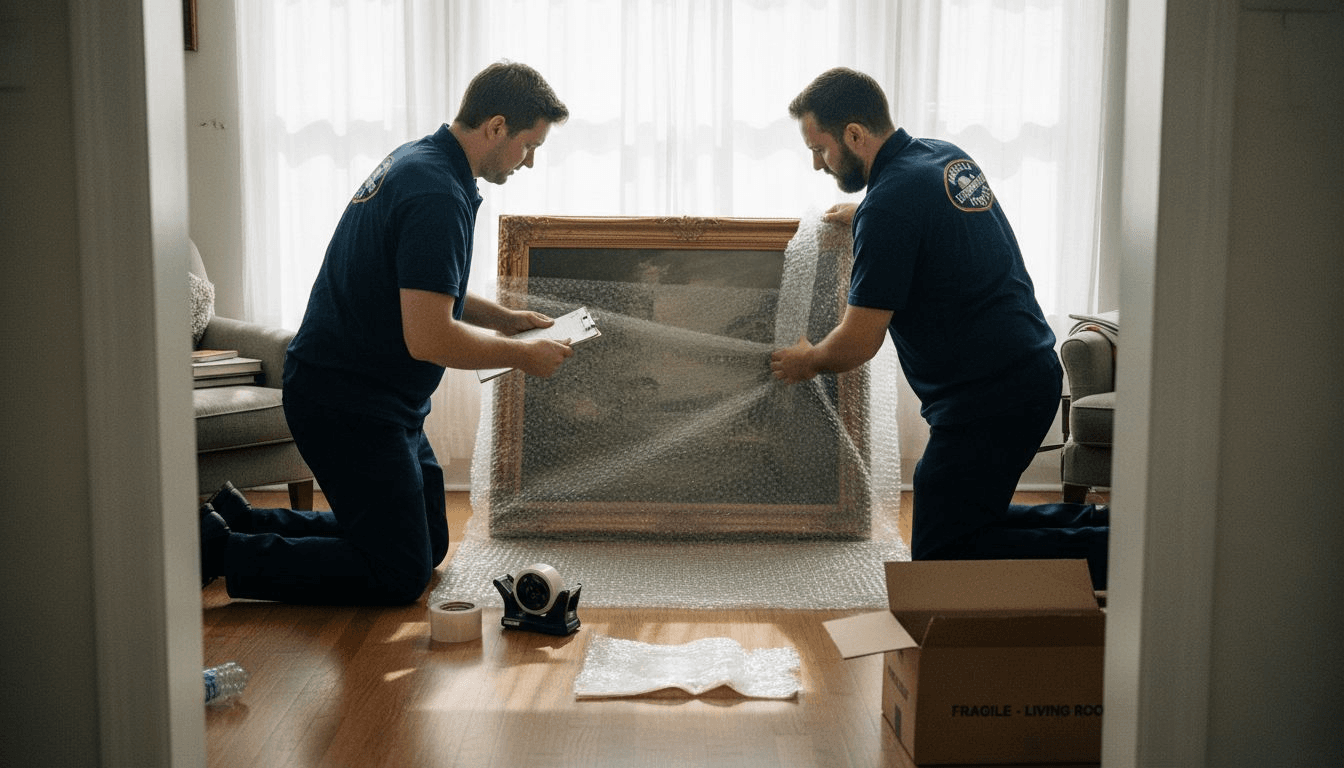
Professional art movers are specialized logistics experts dedicated to the precise and careful transportation of valuable artwork. These professionals go far beyond standard moving services, employing sophisticated techniques and intricate knowledge to protect delicate pieces during transit.
Their core responsibilities encompass several critical aspects of art preservation and movement:
- Artwork Assessment: Carefully examining each piece to determine specific handling requirements
- Custom Packing: Creating specialized protective enclosures tailored to individual artwork characteristics
- Environmental Control: Managing temperature, humidity, and physical conditions during transportation
- Secure Transportation: Using specialized vehicles and handling protocols to minimize potential damage
Professional art movers work closely with museums, galleries, private collectors, and artists to ensure artwork remains intact. Their expertise involves understanding the nuanced requirements of different art mediums - from fragile sculptures to large canvas paintings.
Unique skills these professionals utilize include:
- Advanced material science knowledge
- Precision handling techniques
- Risk management strategies
- Detailed documentation protocols
Specialized Equipment plays a crucial role in their work. Professional art movers use custom-built crates, shock-absorbing materials, and climate-controlled transportation options to protect valuable pieces.
Professional art movers are the unsung guardians of cultural heritage, preserving artistic treasures through meticulous care and expert handling.
Types of Artworks and Handling Techniques
Artwork transportation requires intricate, specialized approaches tailored to different artistic mediums. Professional art movers must possess deep understanding of material characteristics and unique preservation requirements for each type of artwork.
Different artwork categories demand specific handling techniques:
- Paintings: Require delicate surface protection, climate-controlled environments, and minimal direct handling
- Sculptures: Need custom structural supports, careful weight distribution, and protection against mechanical stress
- Textiles: Demand careful folding techniques, acid-free packaging, and controlled humidity levels
- Photographs: Require light-sensitive handling, archival-quality storage, and precise temperature management
The complexity of art transportation extends beyond basic physical movement. Each artwork presents unique challenges that demand meticulous planning and expert knowledge.
Here's a quick comparison of major artwork types and their main transport challenges:
| Artwork Type | Main Challenge | Special Handling Need |
|---|---|---|
| Paintings | Surface abrasion | Climate control, minimal handling |
| Sculptures | Structural stress | Custom supports, weight balancing |
| Textiles | Moisture, creasing | Acid-free packing, humidity control |
| Photographs | Light and heat exposure | UV protection, cool storage |
Handling Protocols vary significantly across different art types:
- Canvas Paintings: Mounted on custom stretcher bars
- Fragile Sculptures: Individually crated with shock-absorbing materials
- Antique Furniture: Disassembled and individually wrapped
- Delicate Ceramics: Suspended with specialized support structures
Material Science plays a crucial role in developing appropriate transportation strategies. Art movers must understand how different materials react to environmental changes, mechanical stress, and potential chemical interactions.
Professional art movers transform complex logistics into a precise science, treating each artwork as a unique, irreplaceable cultural artifact.
Specialized Equipment and Materials Used
Professional art movers rely on an intricate array of specialized equipment and materials designed to protect valuable artworks during transportation. These carefully selected tools and resources represent the critical line of defense against potential damage during transit.
Key equipment used in art transportation includes:
- Protective Containers: Custom-built crates with shock-absorbing capabilities
- Climate Control Systems: Specialized vehicles with precise temperature and humidity management
- Handling Mechanisms: Specialized dollies, lifting devices, and support structures
- Protective Wrapping: Conservation-grade materials that prevent chemical and physical degradation
Packaging Materials play a crucial role in artwork preservation. Art movers utilize sophisticated materials scientifically designed to minimize potential risks:
- Acid-free tissue paper for delicate surface protection
- Polyethylene foam for cushioning and shock absorption
- UV-filtering acrylic glazing for light-sensitive pieces
- Chemically stable plastics that prevent off-gassing
The selection of materials is a meticulous process that requires deep understanding of material science and conservation principles. Each material is chosen based on its specific protective qualities and compatibility with different artwork types.
This reference table highlights how specialized materials protect valuable artwork:
| Material | Protective Purpose | Common Artwork Usage |
|---|---|---|
| Acid-free tissue paper | Prevents surface abrasion | Paintings, textiles |
| Polyethylene foam | Shock absorption | Sculptures, ceramics |
| UV-filtering acrylic glazing | Blocks harmful light | Photographs, prints |
| Chemically stable plastics | Avoids chemical reactions | Mixed media, antiques |
Environmental Protection extends beyond physical packaging. Professional art movers implement comprehensive strategies to shield artworks from potential environmental threats during transportation.
Specialized equipment transforms art transportation from a risky endeavor into a precise, scientifically managed process of preservation and protection.
Insurance, Permits, and Legal Protection
Transporting artwork involves complex legal considerations that extend far beyond simple physical movement. Professional art movers must navigate a sophisticated landscape of insurance requirements, legal regulations, and documentation protocols to ensure comprehensive protection of valuable cultural assets.
Legal Protection encompasses several critical elements:
- Export Regulations: Compliance with national and international cultural property laws
- Ownership Documentation: Verifying provenance and transfer rights
- Customs Clearance: Securing necessary permits for interstate and international transportation
- Risk Mitigation: Developing comprehensive legal frameworks for potential disputes
Insurance Considerations are fundamental to art transportation safety. Art movers typically recommend specialized insurance policies that address unique risks:
- Full-value coverage for irreplaceable pieces
- Transit-specific protection against damage or loss
- Comprehensive liability coverage
- Additional riders for high-value or historically significant artworks
The legal landscape for art transportation involves intricate regulations that vary significantly across different jurisdictions. Professional art movers must possess deep understanding of local, state, and federal requirements governing cultural property movement.
Provenance Documentation serves as a critical legal safeguard. Detailed records protect both the artwork and the parties involved in its transportation, establishing clear chains of ownership and responsibility.
Legal protection in art transportation is not just about paperwork - it's about preserving cultural heritage and protecting valuable assets through meticulous documentation and strategic risk management.
Common Risks and How Movers Prevent Them
Art transportation involves navigating a complex landscape of potential risks that could compromise the integrity and value of priceless cultural artifacts. Professional art movers employ sophisticated strategies to mitigate these multifaceted challenges, transforming potentially hazardous transit into a carefully managed process.
Primary Risks in art transportation include:
- Physical Damage: Impact, vibration, and mechanical stress
- Environmental Threats: Temperature and humidity fluctuations
- Security Vulnerabilities: Potential theft or unauthorized handling
- Chemical Degradation: Exposure to harmful materials or atmospheric conditions
Preventative Strategies professional art movers implement to protect valuable artworks:
- Custom protective packaging designed for specific artwork requirements
- Climate-controlled transportation vehicles
- Real-time GPS tracking and monitoring systems
- Specialized handling protocols with minimal direct contact
Advanced technology and meticulous planning play crucial roles in risk management. Professional movers utilize state-of-the-art equipment and develop comprehensive contingency plans that anticipate and neutralize potential transportation hazards.
Monitoring Techniques extend beyond physical protection. Art movers continuously assess environmental conditions, tracking minute changes that could potentially impact artwork condition during transit.
Risk management in art transportation is a delicate balance of scientific precision, technological innovation, and expert human intervention.
Protect Your Priceless Art with Expert Care You Can Trust
Transporting valuable artwork demands more than just moving items from one location to another. As highlighted in the article, safeguarding delicate pieces requires precise handling, custom protective packaging, and expert risk management to prevent physical damage, environmental threats, or loss. At Star Van Lines Movers, we understand these unique challenges and offer specialized moving solutions designed to preserve your art’s integrity and value throughout every step of the relocation process.
Why Choose Us
- Professional packing with museum-grade materials
- Climate-controlled, secure transportation
- Comprehensive insurance coverage tailored for valuables
- Experienced handlers trained in art logistics
Make every art move a seamless and secure experience with Star Van Lines Movers’ trusted services. Visit our main site to learn more about our specialized moving options or use our quick cost calculator to get an estimate today.
Ready to protect your artistic treasures with the care they deserve
Contact Star Van Lines Movers now for a free consultation and discover how our expert team safeguards your valuables during transit. Don’t wait until it’s too late because your priceless artwork deserves nothing less than dedicated professional moving support.
Frequently Asked Questions
What are the key responsibilities of professional art movers?
Professional art movers specialize in the careful transportation of valuable artwork. Their core responsibilities include assessing artwork for specific handling requirements, custom packing for protection, managing environmental controls during transit, and ensuring secure transportation.
How do art movers handle different types of artworks?
Art movers employ tailored techniques for various artwork types. For instance, paintings require delicate surface protection and minimal handling, while sculptures need custom supports and careful weight distribution. Textiles and photographs also have specific needs for preservation during transit.
What specialized equipment do professional art movers use?
Professional art movers utilize specialized equipment such as custom-built protective containers, climate control systems for temperature and humidity management, and conservation-grade packaging materials to safeguard artworks during transportation.
How do art movers mitigate risks during artwork transportation?
To prevent risks such as physical damage or environmental threats, art movers implement custom protective packaging, utilize climate-controlled transportation, and employ monitoring systems. They also follow detailed handling protocols to minimize direct contact with the artwork.


Artur Shakhnazarov
PR Manager
Love Doing PR for my Company