
Thank you for your feedback!
We will contact you shortly

Free consultation
Enter your phone number and we will call you back for a consultation on any moving and storage services

Kentucky
Professional Kentucky Movers for Local & Interstate Moves
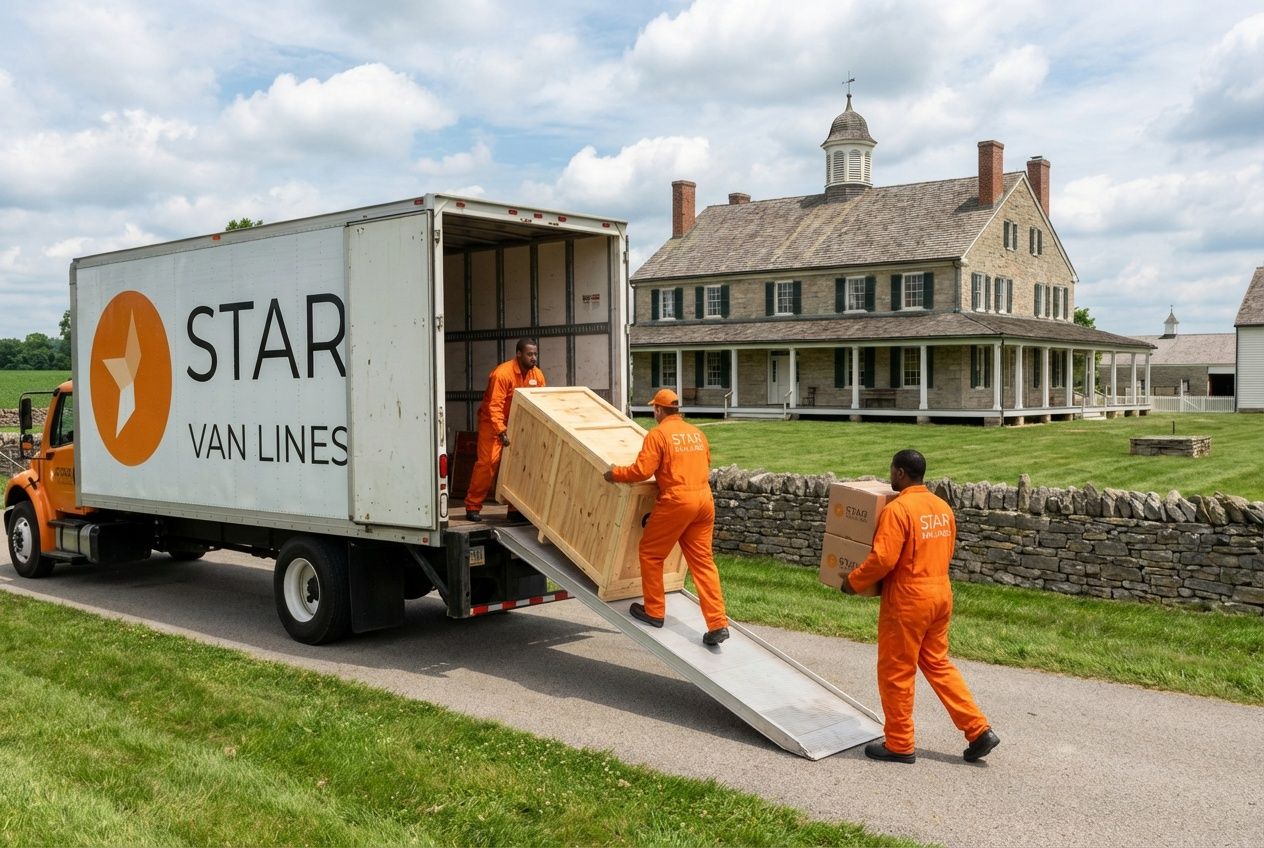
On January 1, 2026, Kentucky cut its flat individual income tax to 3.5 percent, down from 4.0 percent under HB 1 of the 2025 session, and that single change is rewriting the relocation math for households arriving here. The cut is the next step in a statutory plan (KRS 141.020) of triggered half-point-per-year reductions that can phase the rate toward zero, and it lands in a state where the cost of living already sits about 10 percent below the national average. Kentucky was a net gainer from state-to-state migration in 2024, with the inbound flow led by Ohio and Tennessee. Star Van Lines is a licensed interstate carrier, USDOT #4176875 and MC #1607491, and we've moved households into and out of the Bluegrass State since 2016, from I-65 between Louisville and Nashville to I-75 through Lexington.
Our Kentucky moving services cover packing, loading, transport, delivery, and short-term storage at warehouse locations around the state. Because the state runs from the Ohio River line to the Appalachian foothills, a ""local"" move can mean a cross-town hop in Louisville or a run east into terrain where narrow county roads force a shuttle. Historic homes in Old Louisville and downtown Lexington bring tight stairwells, narrow doorways, and limited curb parking, while UPS Worldport freight clogs the airport corridor on busy mornings. We handle both with the same coordinator and the same written estimate, from the first call through delivery.
Wondering where to start? Call (855) 822-2722 or use our online quote calculator. You'll get an itemized estimate covering every line, so there aren't surprises on load day. We're rated 4.0 on Trustpilot, 4.5 on Google, and 4.75 on Facebook across 240+ reviews.

Dennis has 15+ years of experience in interstate moving and has coordinated over 1,000 relocations across the United States.




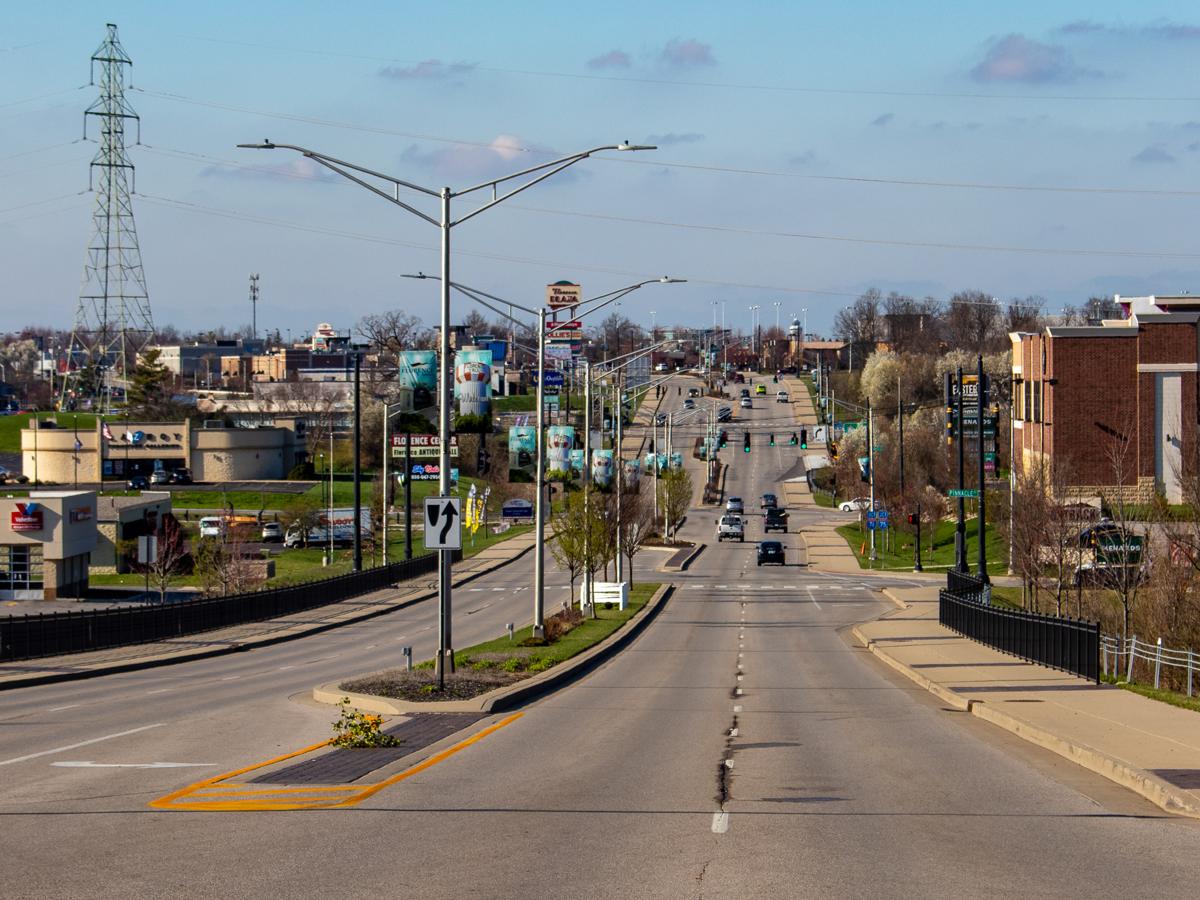




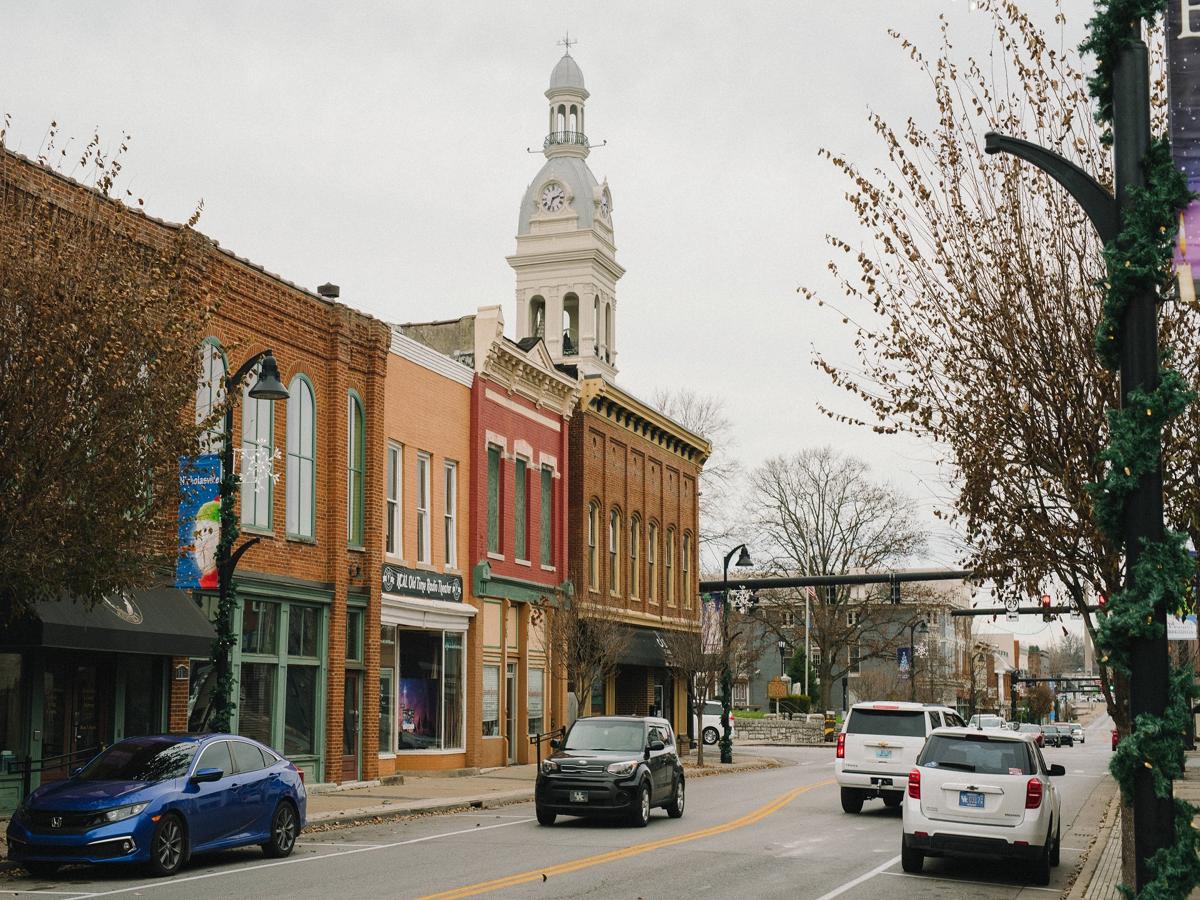


Moving services in Kentucky
Moving services in Kentucky
Star Van Lines provides local, long-distance, and interstate moving services across Kentucky. We handle packing, loading, transport, and delivery for residential and commercial moves. Because the state pairs Ohio River metros with steep Appalachian terrain, and because spring storms can close I-64, I-65, and I-75 with little warning, every Kentucky move needs route-specific and weather-aware planning. Every move includes a single coordinator, trained crew, and written estimate.
Local moving in Kentucky
Local moves within a Kentucky metro typically run a few hours for a one-bedroom apartment, while moves through Old Louisville or downtown Lexington take longer because historic buildings have tight stairwells and limited curb parking. A two-person crew costs $115-$173 per hour; three movers run $173-$311. Short-haul lanes price in the highest coefficient band: Louisville to Lexington runs about 78 miles, Lexington to Cincinnati about 82 miles, and Louisville to Cincinnati about 100 miles. Because these sub-150-mile moves between the state's two largest metros and the Ohio River line fall into the top mileage tier, cost is driven mostly by volume and building access rather than distance.
Long-distance moving from Kentucky
The busiest long-distance lanes out of Kentucky track its top migration partners and metros. Louisville to Nashville is about 175 miles, Louisville to Indianapolis about 114 miles, Louisville to Atlanta about 390 miles, and Louisville to Chicago about 294 miles. Cross-country relocations such as Louisville to Dallas at roughly 836 miles or Louisville to Los Angeles at about 2,088 miles span the lowest pricing coefficient bands. Because spring brings the highest tornado and severe-storm risk that can delay loading and trigger interstate closures, while January and February ice storms threaten Appalachian and northern routes, your coordinator tracks NWS forecasts and builds weather contingency into the schedule.
Packing and storage
We offer full-service packing, partial packing, and self-pack options. Full-service means our crew brings all materials and packs every room. Partial lets you choose which rooms we handle. Self-pack keeps the labor cost lowest. We keep 43 warehouse locations nationwide for short-term and long-term storage. Kentucky's humid subtropical climate and Ohio River valley moisture push summer humidity high, which creates real condensation and mildew risk for stored wood furniture, upholstery, electronics, and documents. Climate-controlled storage that holds steady temperature and humidity is the safer choice for any extended in-state storage gap.
Auto transport and specialty items
We ship vehicles via open or enclosed carrier, and most Kentucky moves pair the household van with auto transport. New residents must apply for a vehicle title within 15 days and register at the County Clerk, so coordinating the car to arrive ahead of that deadline matters. And eastern Kentucky's steep Appalachian grades and narrow roads make enclosed or specialized transport advisable for low-clearance, classic, or high-value vehicles. Because an out-of-state vehicle also needs a one-time sheriff's inspection before titling, your coordinator helps you sequence the paperwork.
How much does moving in Kentucky cost?
Moving costs in Kentucky depend on whether you're relocating locally or across state lines. Local moves within Kentucky typically run $115-$173 per hour for a two-person crew with truck. Long-distance moves start at $690 for studio apartments and go up to $5,750 for large homes, depending on distance, weight, and access conditions. The five corridors below, from a 114-mile run to Indianapolis to an 828-mile haul to Orlando, show how much distance moves the price.
Local moving rates
| Crew size | Hourly rate |
|---|---|
| 2 movers + truck | $115-$173 / hour |
| 3 movers + truck | $173-$311 / hour |
| 4 movers + truck | $230-$460 / hour |
Long-distance rates from Kentucky
| Move size | Estimated price range |
|---|---|
| Studio / 1 Bedroom | $690 - $1,438 |
| 2-3 Bedrooms | $1,265 - $3,162 |
| 4+ Bedrooms | $2,128 - $5,750 |
Popular routes and pricing from Kentucky
| Route | Distance | Avg cost (2-3 BR) |
|---|---|---|
| Louisville to Indianapolis IN | 114 mi | $1,265 - $1,552 |
| Louisville to Orlando FL | 828 mi | $2,588 - $3,162 |
| Louisville to Charleston SC | 596 mi | $2,128 - $2,645 |
| Louisville to Columbus OH | 209 mi | $1,495 - $1,782 |
| Louisville to Detroit MI | 359 mi | $1,782 - $2,185 |
Pricing reflects market averages for moves in and from Kentucky as of June 2026. Your final price depends on inventory weight, packing level, access at pickup and delivery, and scheduling flexibility. Call (855) 822-2722 or use our free quote calculator for an exact estimate.
What affects your moving price
- Shipment weight and volume are the biggest factors for any long-distance move from Kentucky.
- Distance drives the base price. Louisville to Indianapolis is 114 miles; Louisville to Orlando is 828.
- Access at both ends matters. Tight stairwells in Old Louisville and downtown Lexington historic homes, narrow doorways, limited curb parking, and Appalachian shuttle runs all add time.
- How much packing you want us to do. Full-service runs more than partial, and self-pack is the lowest option.
- When you move. Spring carries the highest tornado and severe-storm risk, summer brings heat and Ohio Valley humidity, and winter ice can disrupt northern and mountain routes, so spring and fall shoulder windows are generally calmer.
- Add-on services like auto transport, climate-controlled storage, and specialty handling for antiques and oversized items come with their own pricing.
Moving to Kentucky: what you should know
A move to Kentucky involves more than logistics. You're trading a higher tax bill for a falling flat income tax, and a high-cost metro for housing that still sits well within reach. Below is a quick guide covering cost of living, access and logistics, climate and timing, and residency requirements that affect your move.
What it costs to live in Kentucky
Kentucky's cost of living index is 90.2 (US average = 100, BEA RPP 2024), so it sits about 10 percent below the national average, and local moving labor reflects those below-average rates. Expect $115-$173 per hour for a two-person crew in the Louisville or Lexington metros. Building access can add cost in the historic districts, where Old Louisville and downtown Lexington homes have tight stairwells, narrow doorways, and limited curb parking that slow a large-furniture load. Median home value sits at $205,600 (Census 2020-2024), and median gross rent is $967. Median household income is $63,726, and a 68.3 percent owner-occupancy rate means homeownership stays realistic for households leaving pricier markets. Because the state has no local sales taxes, the combined sales-tax rate holds flat at 6 percent statewide.
Access and logistics
Kentucky's interstate network funnels most long-distance traffic onto four arteries. I-65 is the north-south spine linking Louisville to Nashville and Indianapolis. I-64 runs east-west across Louisville, Frankfort, and Lexington toward West Virginia. I-75 carries north-south traffic through Lexington, connecting Cincinnati and Knoxville, and I-71 ties Louisville to Cincinnati. These four interstates carry the bulk of the state's inbound and outbound household moves. Eastern Kentucky brings its own constraints. The Appalachian terrain means narrow, winding county roads and steep grades that limit full-size tractor-trailer access, often requiring a shuttle vehicle. And heavy UPS Worldport freight around Louisville's airport corridor adds congestion to move-day routing, so crews favor early starts to clear the metro before peak volume builds.
Climate and timing
Kentucky has a humid subtropical climate anchored by Louisville, where July highs reach about 90 degrees and January lows fall to around 26 (NOAA 1991-2020 normals). The state averages roughly 44.91 inches of rain and 13.4 inches of snow a year, with about 195 days that see at least some sun. The calendar that matters most for movers is severe-weather season: spring carries the highest tornado and storm risk, and Kentucky averages about 20 tornadoes a year. The best windows to move are April through May or September through October, when mild temperatures, lower humidity, and reduced peak-season demand line up. Avoid July and August, when highs near 90 and heavy humidity strain long loads, and January through February, when ice storms are the most damaging winter hazard for road transit. Because eastern Kentucky's mountains are flash-flood prone after heavy rain, Appalachian-corridor routes need extra lead time in wet weather.
Residency and regulations
Kentucky gives new residents 30 days to obtain a Kentucky driver's license (KRS 186.435) but only 15 days to apply for a vehicle title and registration at the County Clerk in their county of residence. A vehicle brought in from another state must pass a one-time sheriff's inspection, a VIN and anti-theft check plus a basic roadworthiness check, before it can be titled, and proof of Kentucky insurance is required to register. The state runs no statewide emissions testing and no periodic safety inspection. Because the 15-day title clock is tight, coordinate your vehicle paperwork early in the move.
What to know before moving to Kentucky
Benefits of moving to Kentucky
0,606,864 (Census V2025)
Population
$0,726
Median household income
0.2 (US = 100, BEA RPP 2024)
Cost of living index
~0/year (Louisville)
Days of sunshine
0.5% flat (effective Jan 1, 2026, down from 4.0%)
State income tax
net gainer in 0 (inbound)
Net migration
Kentucky is home to about 4.6 million people and grew 2.2 percent between 2020 and 2025 (Census V2025). The financial draw is the tax code: the flat individual income tax fell to 3.5 percent on January 1, 2026, the next step in a statutory plan that can phase the rate toward zero, and the cost of living sits at 90.2 on the BEA index, about 10 percent below the US average. Automotive manufacturing anchors the economy, with Ford and Toyota plants placing Kentucky among the top auto-assembly states, while logistics around the UPS Worldport air hub and bourbon distilling round out the major industries. The migration story is consistent with the tax draw. Kentucky was a net gainer from domestic state-to-state migration in 2024, with Ohio and Tennessee the leading sources of new residents.
Is Kentucky a good place to live?
Kentucky offers a falling flat income tax, a cost of living about 10 percent below the national average, and a median home value that keeps homeownership in reach. The trade-offs are real: severe storms and tornadoes hit hardest in spring, eastern counties carry flash-flood and landslide risk, and winter ice storms can close roads for days. Whether it's a good fit depends on your budget, your tolerance for severe weather, and how much the tax phase-down moves your numbers.
Tax environment
Kentucky's flat individual income tax is 3.5 percent for tax years beginning on or after January 1, 2026 (Tax Foundation 2026; KRS 141.020), cut from 4.0 percent under HB 1 of the 2025 session. The statute sets up triggered half-point-per-year reductions that can phase the rate toward zero as state revenue benchmarks are met. The combined state and local sales tax is 6 percent, because Kentucky levies no local sales taxes, and the effective property tax rate is 0.74 percent on owner-occupied value. The state still levies an inheritance tax, one of only a few that do, though it has no estate tax. For a household relocating from a higher-rate state, the flat 3.5 percent rate and the path toward further cuts can reshape a monthly budget.
Housing market
Median home value in Kentucky is $205,600 (Census 2020-2024), and median gross rent is $967. About 68.3 percent of Kentucky households own their homes. But prices vary by market: Louisville and the Lexington Bluegrass suburbs run above the statewide median, while the rural eastern counties stay below it. Because the median home value sits near $205,600 and incomes hold close to $63,726, the price-to-income math stays friendlier than in higher-cost coastal and Midwest metros, which is a large part of what draws first-time buyers.
Job market and economy
Kentucky's economy is anchored by automotive manufacturing, the largest contributor to state output. Ford runs the Louisville Assembly Plant and the Kentucky Truck Plant with about 12,960 in-state employees, and Toyota's Georgetown plant, one of its largest assembly sites on the continent, employs roughly 9,819. Logistics is the second pillar, led by the UPS Worldport global air hub in Louisville, where UPS employs about 12,907 statewide. Humana, the Louisville-based health insurer, employs around 10,293, and Fort Knox supports about 22,000 military and civilian personnel in Hardin County. Bourbon distilling is the signature industry, a $10.6 billion sector that produces roughly 95 percent of the world's bourbon and supports nearly 24,000 jobs. Because hiring clusters around manufacturing, logistics, and healthcare, job seekers concentrate in greater Louisville, Lexington, and the Georgetown corridor.
Safety and natural risks
Kentucky's dominant natural risks are severe storms and straight-line winds, tornadoes, flooding, and landslides. The state averages about 20 tornadoes a year, and spring is the peak severe-weather season. Kentucky drew multiple FEMA major disaster declarations in 2025, including deadly tornado outbreaks across dozens of counties. Eastern Kentucky's mountain terrain is flash-flood and landslide prone after heavy rain, and the western edge near the New Madrid seismic zone carries a low but non-zero earthquake risk. For a move, the planning rules are simple enough. Time relocations outside the spring storm peak when you can, watch winter forecasts for ice on northern and Appalachian routes, and carry flood coverage in the flood-prone eastern valleys, because standard homeowners insurance doesn't include it.
Who thrives in Kentucky?
Business owners chasing the falling income tax
Entrepreneurs and self-employed professionals are relocating to Kentucky to capture its flat 3.5 percent individual income tax, which dropped from 4 percent on January 1, 2026 and is statutorily set up to fall further toward zero. Paired with a cost of living about 10 percent below the US average, the phase-down gives owner-operators a compounding tax advantage over higher-rate states.
Logistics and supply-chain workers near Louisville Worldport
Louisville is the third-busiest cargo airport in the United States and home to the world's largest automated package hub, which employs more than 20,000 people in the metro area. Supply-chain, warehousing, and air-cargo professionals move to greater Louisville to be near the hub, often relocating across the river from the Ohio and Indiana side. These movers time arrivals around shift starts and lean on lanes feeding the airport corridor.
First-time buyers priced out of pricier states
With a median owner-occupied home value of $205,600 and median gross rent of $967, Kentucky is far more affordable than the national average, which draws first-time buyers and young families. A 68.3 percent owner-occupancy rate means homeownership is realistic for households leaving high-cost coastal and Midwest markets. Because they're often buying their first home, these clients value a written estimate and flexible delivery while a closing date firms up.
Cross-border movers from Ohio and Tennessee
Ohio and Tennessee were the top sources of new Kentucky residents in 2024, reflecting heavy traffic on the I-71, I-75, and I-65 corridors. Many relocate the short hop across the Ohio River from Cincinnati or up from Nashville for jobs, lower housing costs, and family ties, which makes those the busiest interstate lanes into the Commonwealth. Their moves are short-haul but high-volume, so crews stage them around metro rush hours.
Equine and bourbon-country professionals near Lexington
The Bluegrass region around Lexington anchors Kentucky's horse-farm and bourbon-distilling economy, drawing veterinarians, trainers, hospitality staff, and distillery workers from out of state. These professionals often settle in the outer Bluegrass and Lexington suburbs, where historic farmhouses and downtown lofts require careful handling of antiques and oversized items. Their loads frequently need specialty crating and padding for fragile, high-value pieces.
First week after moving to Kentucky: what to do
After your move to Kentucky, several tasks carry state-specific deadlines, and the vehicle title deadline is the tightest one. New residents have 15 days to apply for a vehicle title and registration and 30 days to get a Kentucky driver's license. Here is a prioritized checklist.
- Get your Kentucky driver's license.
New residents have 30 days to obtain a Kentucky driver's license after establishing residency (KRS 186.435). Bring proof of residency and your current out-of-state license to a Driver Licensing Regional Office. (drive.ky.gov)
- Title and register your vehicle.
This is the tight one. You have only 15 days to apply for a title and registration at the County Clerk in your county of residence. A vehicle brought in from another state first needs a one-time sheriff's inspection, a VIN and anti-theft check plus a basic roadworthiness check, before it can be titled.
- Line up Kentucky auto insurance.
Kentucky requires proof of Kentucky insurance before you can title and register a vehicle. Contact your insurer to re-rate your policy for the move, since premiums and minimum coverage rules can shift across state lines.
- Register to vote.
Kentucky offers online voter registration at govote.ky.gov, plus mail and in-person filing at your County Clerk's office. Registration closes about 29 days before an election, so handle it early.
- Update homeowners or renters insurance.
Kentucky's tornado, severe-storm, and flooding exposure may change your coverage needs. Standard homeowners policies don't cover flood, so if you're in a flood-prone eastern valley or near a river, you'll likely need a separate flood policy.
- Forward your mail.
USPS Change of Address is free online at usps.com. Mail forwarding starts within 7-10 business days.
- Transfer medical records.
Contact your current providers before the move and find a new primary care physician in Kentucky. If you're on employer insurance, confirm your plan's Kentucky network before booking appointments.
- Update school records.
If you have children, request transcripts from the previous district and contact your new Kentucky district for enrollment requirements, registration deadlines, and the local school calendar.
Kentucky at a glance: schools, jobs, and things to do
Schools and universities
For families weighing districts, Beechwood Independent Schools in Fort Mitchell ranks first among Kentucky's 158 districts, with Fort Thomas Independent Schools second, both in the northern Kentucky suburbs across the river from Cincinnati. Near Louisville, the small Anchorage Independent district consistently lands in the top 1 percent statewide by combined math and reading proficiency. Kentucky's public universities run large. The University of Kentucky in Lexington is the public flagship and land-grant research university, the largest in the state at about 34,709 students. The University of Louisville is the second-largest public research university at roughly 23,065 students, and Western Kentucky University in Bowling Green enrolls about 16,291. Since proficiency gaps between districts can be wide here, families moving with children should check the enrollment zone before they sign a lease.
Major employers
Fort Knox, the U.S. Army installation in Hardin County, is the single largest employer site in Kentucky at about 22,000 military and civilian personnel. Ford is the largest private manufacturing employer, running the Louisville Assembly Plant and Kentucky Truck Plant with about 12,960 in-state workers, and UPS employs about 12,907 statewide at and around the Worldport air hub in Louisville. Amazon adds roughly 12,250 Kentucky logistics jobs, Humana, the Louisville-based health insurer, employs about 10,293, and Toyota's Georgetown plant employs around 9,819. Automotive manufacturing is the dominant industry, followed by logistics anchored at Worldport and bourbon distilling, which produces about 95 percent of the world's bourbon and accounts for roughly 27 percent of US distilled-spirits output.
Attractions and recreation
Mammoth Cave National Park protects the world's longest known cave system, a UNESCO World Heritage Site and the most visited natural attraction in the state. In Louisville, Churchill Downs hosts the Kentucky Derby each May, the oldest continuously held major sporting event in the country, and the Louisville Slugger Museum and Factory runs tours of the working bat plant downtown. The Kentucky Bourbon Trail links distilleries like Buffalo Trace in Frankfort and Maker's Mark in Loretto, with Bardstown billed as the Bourbon Capital of the World. For the outdoors, the Red River Gorge in the Daniel Boone National Forest draws climbers and hikers to its sandstone arches in eastern Kentucky. That mix of horse country, bourbon, and rugged backcountry is part of what keeps new residents arriving.
FAQ
Questions? Look here
Can’t find an answer? Call us
(855) 822-2722 or email
Local moving in Kentucky typically costs $115-$173 per hour for a two-person crew with truck. A standard three-bedroom home usually needs a larger crew and four to six hours, so most local moves land between $450 and $4,000 depending on home size and access. Add-ons like packing, disassembly, and long carries increase the total. Call (855) 822-2722 for an itemized estimate.
Long-distance moves from Kentucky start at $690 for studio apartments and go up to $5,750 for four-plus-bedroom homes. The final price depends on shipment weight, distance, and access at both ends. Star Van Lines writes out a full estimate up front, so you see the number before you commit.
Search our USDOT number 4176875 on the FMCSA SAFER website (safer.fmcsa.dot.gov). This federal database confirms our operating authority, MC number 1607491, insurance status, and safety record. Any legitimate interstate mover should be able to provide a verifiable USDOT number.
Common surcharges include stair fees for tight stairwells in Old Louisville and downtown Lexington historic homes, long-carry charges when the truck can't park close to the door, and shuttle fees for narrow, steep eastern Kentucky roads where a full-size van can't reach the property. Each of these shows up on your written estimate up front, never as a move-day surprise.
Federal law requires interstate movers to offer two levels: Released Value Protection (free, covers $0.60 per pound per item) and Full Value Protection (paid, covers repair, replacement, or cash settlement at current value). Star Van Lines is fully insured under USDOT #4176875 and can explain both options when you request a quote.
Kentucky gives new residents 30 days to get a Kentucky driver's license (KRS 186.435) and only 15 days to apply for a vehicle title and registration at the County Clerk. Handle the vehicle first, since the 15-day window is the tighter one. A car brought in from another state also needs a one-time sheriff's inspection, a VIN and anti-theft check plus a roadworthiness check, before titling, and there's no statewide emissions test or periodic safety inspection in Kentucky.
Vehicle titling and registration happen at your local County Clerk's office, not at a driver-licensing branch, and the application deadline is 15 days from establishing residency. An out-of-state vehicle must first pass a one-time sheriff's inspection in your county, and you'll need proof of Kentucky insurance to complete the title and registration. There's no grace period for renewals, so register on time to avoid penalties.
Kentucky's cost of living index is 90.2 (US average = 100, BEA RPP 2024), about 10 percent below the national average. Median home value is $205,600 and median gross rent is $967 (Census 2020-2024), while median household income is $63,726. For households moving the short hop from Ohio, Indiana, or down from a pricier market, the lower housing costs and the falling 3.5 percent income tax are often the deciding factors.
April through May and September through October are the best windows, when mild temperatures and lower humidity reduce stress on crews and protect wood furniture. Avoid July and August, when highs near 90 degrees and heavy Ohio Valley humidity strain long loads, and January through February, when ice storms can disrupt Appalachian and northern routes. Spring also brings the highest tornado and severe-storm risk, so your coordinator watches the forecast during those months.
Yes. We move vehicles on open or enclosed carriers, and for eastern Kentucky's steep grades and narrow county roads, enclosed or specialized transport is the safer choice for low-clearance, classic, or high-value cars. Because some mountain properties can't take a full-size carrier, your coordinator may stage a shuttle to reach the final address. Since new residents must apply for a title within 15 days, we time the auto transport to land in step with your paperwork.
Kentucky's flat individual income tax fell to 3.5 percent for tax years beginning on or after January 1, 2026, down from 4.0 percent under HB 1 of the 2025 session (KRS 141.020). The statute sets up triggered half-point-per-year cuts that can phase the rate toward zero as revenue benchmarks are met. Combined with a cost of living about 10 percent below the US average and a 6 percent sales tax with no local add-ons, the falling rate is a real draw for relocating households and business owners.
Louisville is the third-busiest cargo airport in the country and home to the UPS Worldport air hub, the world's largest automated package facility, which sits at the I-65, I-64, and I-71 interstate junction. That logistics density drives strong job growth in supply chain, warehousing, and air cargo, but it also adds congestion around the airport corridor on move day. Because of that traffic, crews favor early load-outs to clear the metro before peak volume, and the interstate junction keeps inbound lanes from Indiana, Ohio, and the South busy year-round.
Ready to Start Your Kentucky Move?
Get a free moving estimate today. No obligation, no pressure.
Call us or fill out the form - we'll get back to you fast.
USDOT #4176875 | MC #1607491 | Licensed & Insured