
Thank you for your feedback!
We will contact you shortly

Free consultation
Enter your phone number and we will call you back for a consultation on any moving and storage services

Arizona
Professional Arizona Movers for Local & Interstate Moves
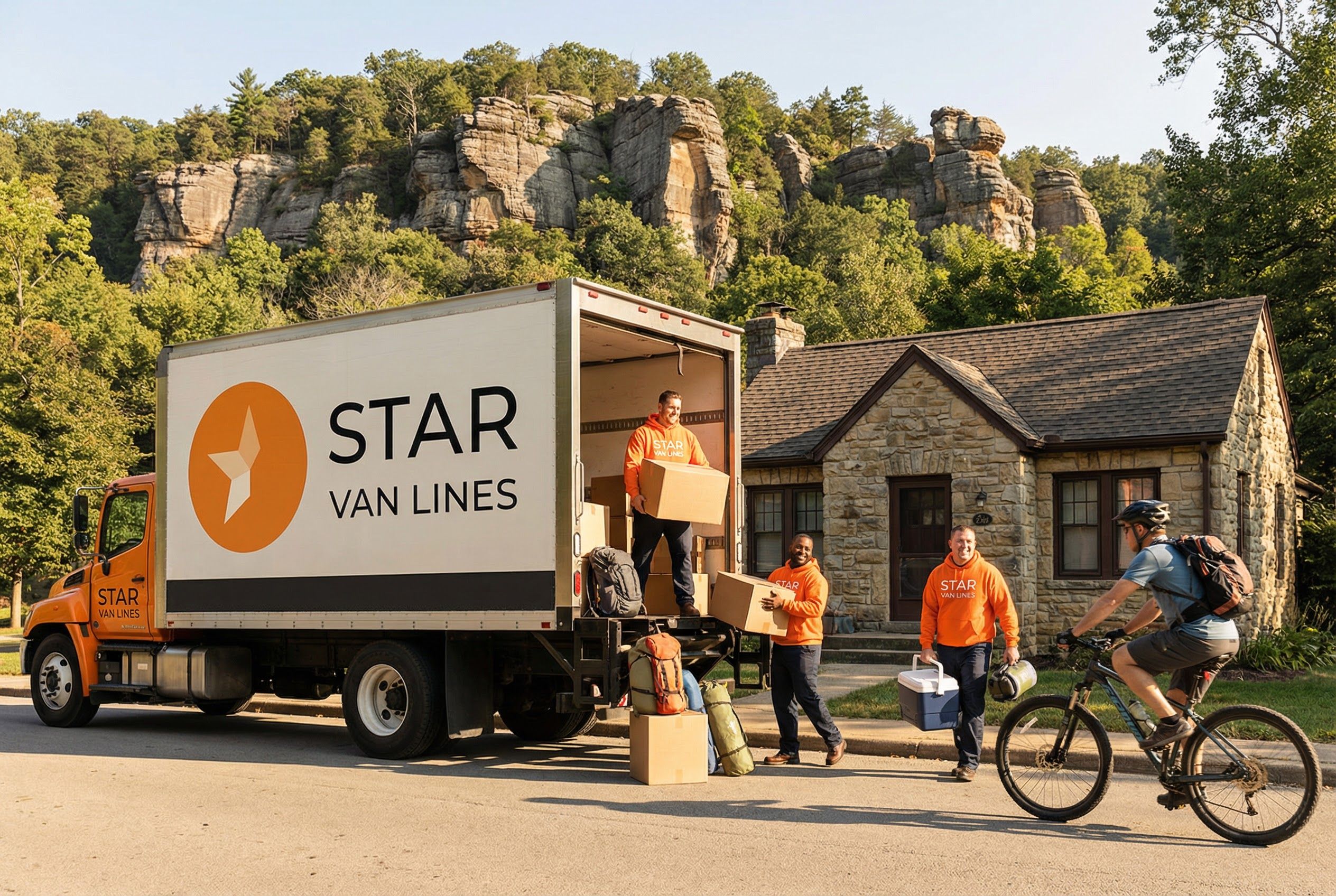
Few states sell their climate as directly as Arizona. Phoenix logs roughly 85 to 86 percent of possible sunshine, about 211 clear days a year, and the desert tops 100 degrees for 111 days a year (NOAA, NWS Phoenix). That weather is the draw, and the heat is the logistics. Star Van Lines is a licensed interstate carrier, USDOT #4176875 and MC #1607491, and we've moved households locally and long distance across Arizona since 2016, from the Valley of the Sun out to the high country around Flagstaff and Prescott. The migration data backs up the lifestyle pull. Arizona gained a net 55,200 residents from state-to-state migration in 2024, fourth-highest in the country, and 19.6 percent of residents are 65 and over, well above the national share (Census, USAFacts).
Our Arizona service covers packing, loading, transport, delivery, and short-term storage. Because the state pairs a fast-growing desert metro with high-elevation mountain towns, every job needs route-specific planning. A local move can be a quick Phoenix-to-Scottsdale hop, while a long-distance load might run the short I-10 corridor to Los Angeles the same week a crew climbs I-17 from 100-degree Phoenix toward possible snow in Flagstaff. And you get one coordinator and one written estimate from the first call through delivery.
Want an itemized Arizona quote before moving day? Call (855) 822-2722 or use our online quote calculator. You'll get a breakdown of every line item, so nothing is a surprise. We're rated 4.0 on Trustpilot, 4.5 on Google, and 4.75 on Facebook across 240+ reviews.

Dennis has 15+ years of experience in interstate moving and has coordinated over 1,000 relocations across the United States.


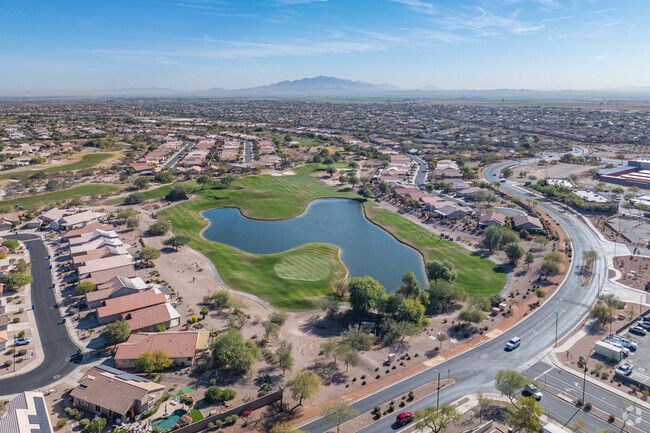
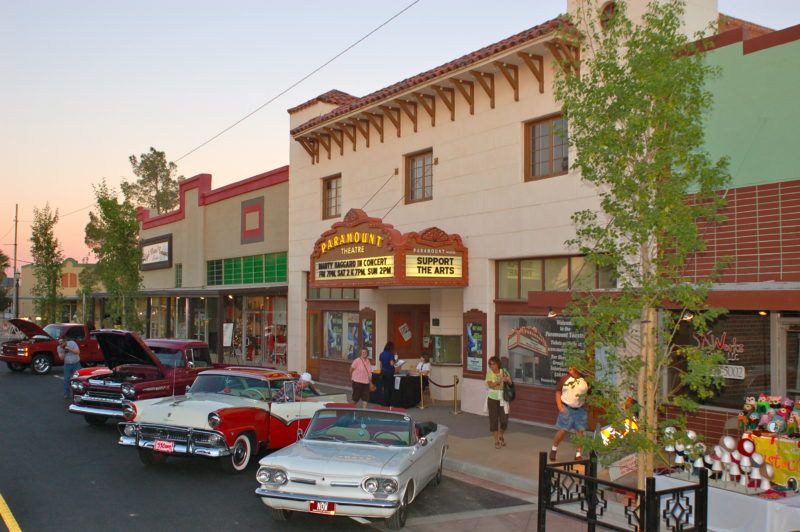
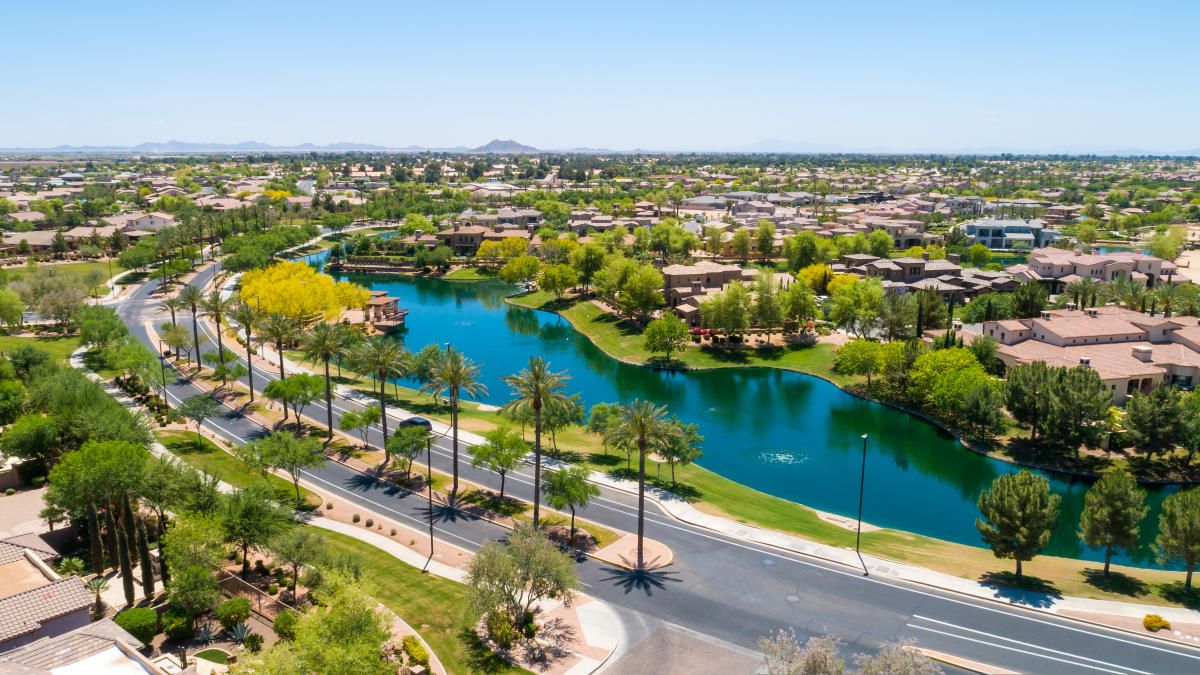
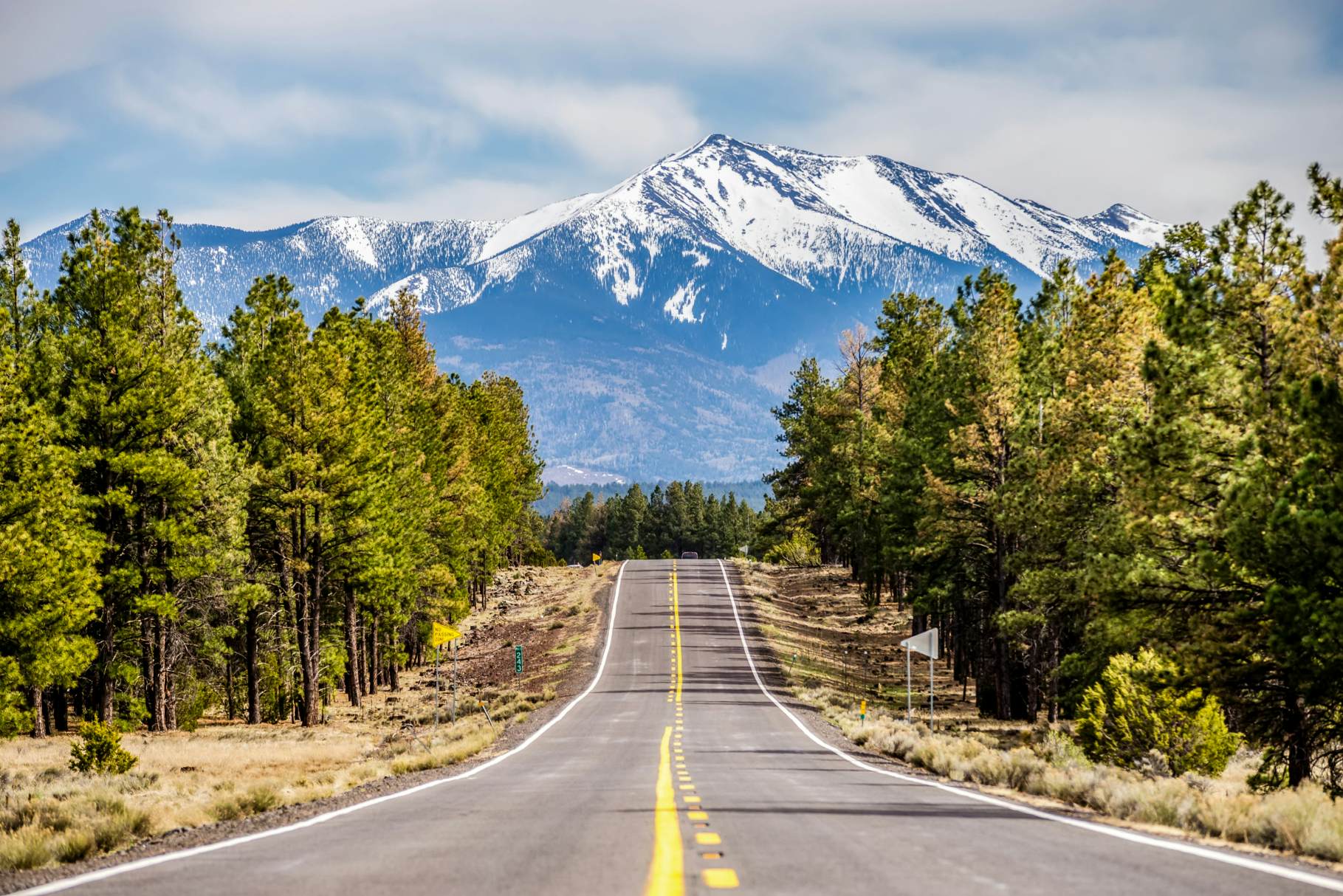

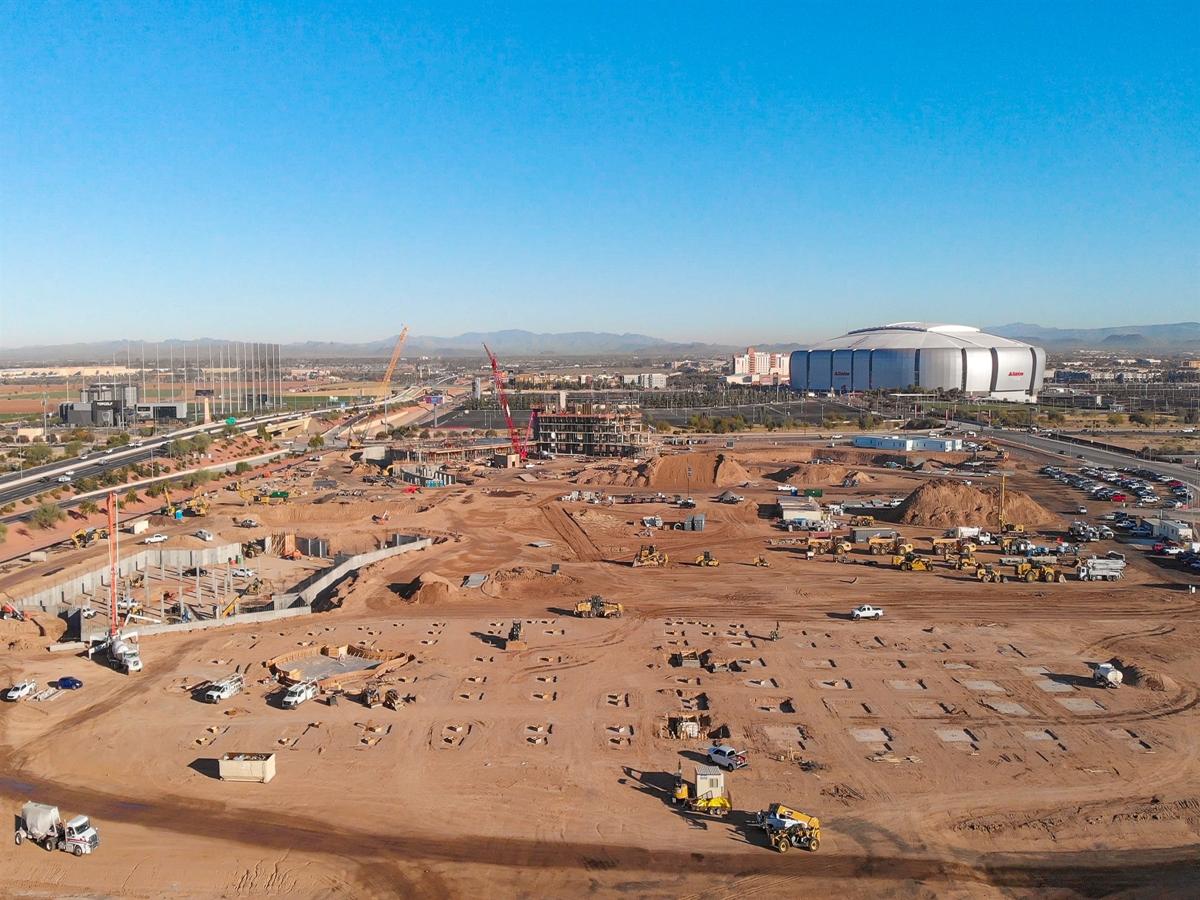
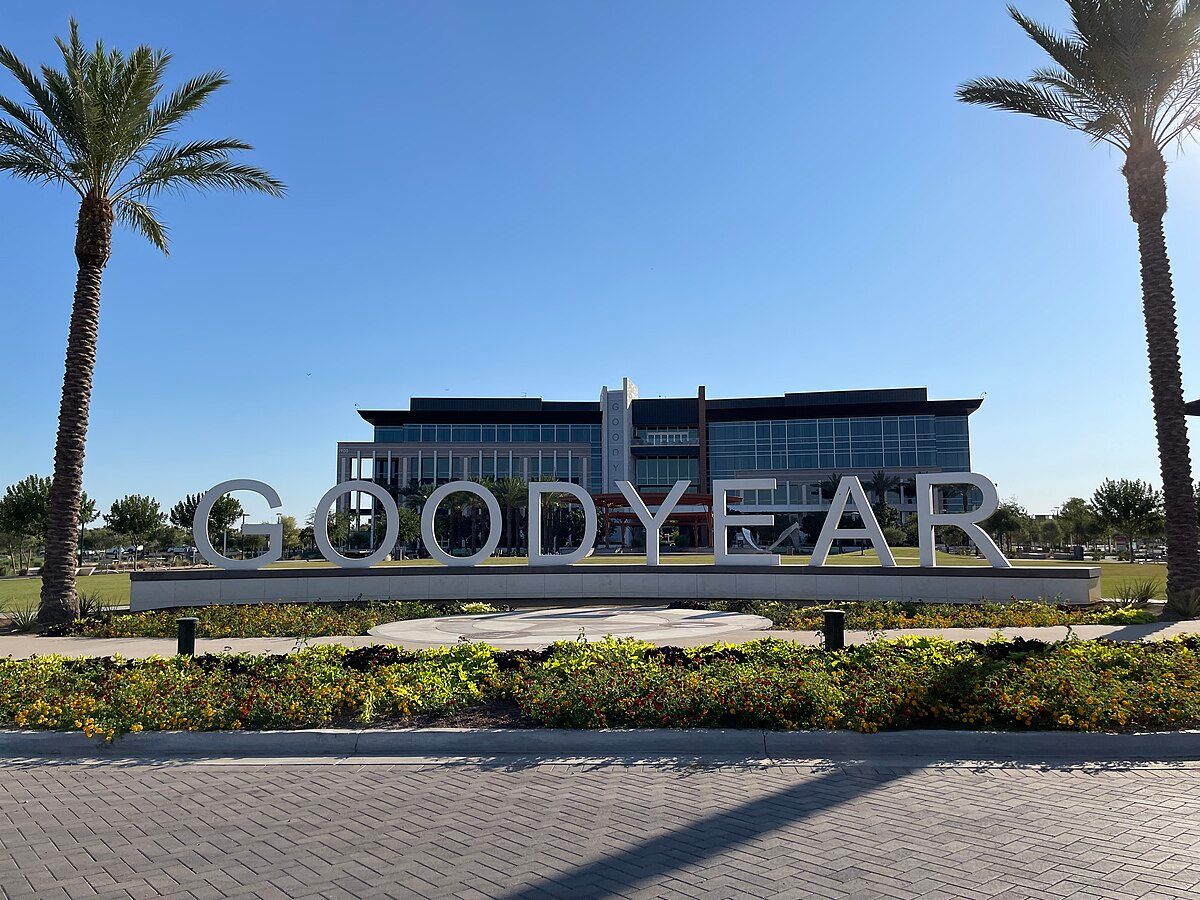
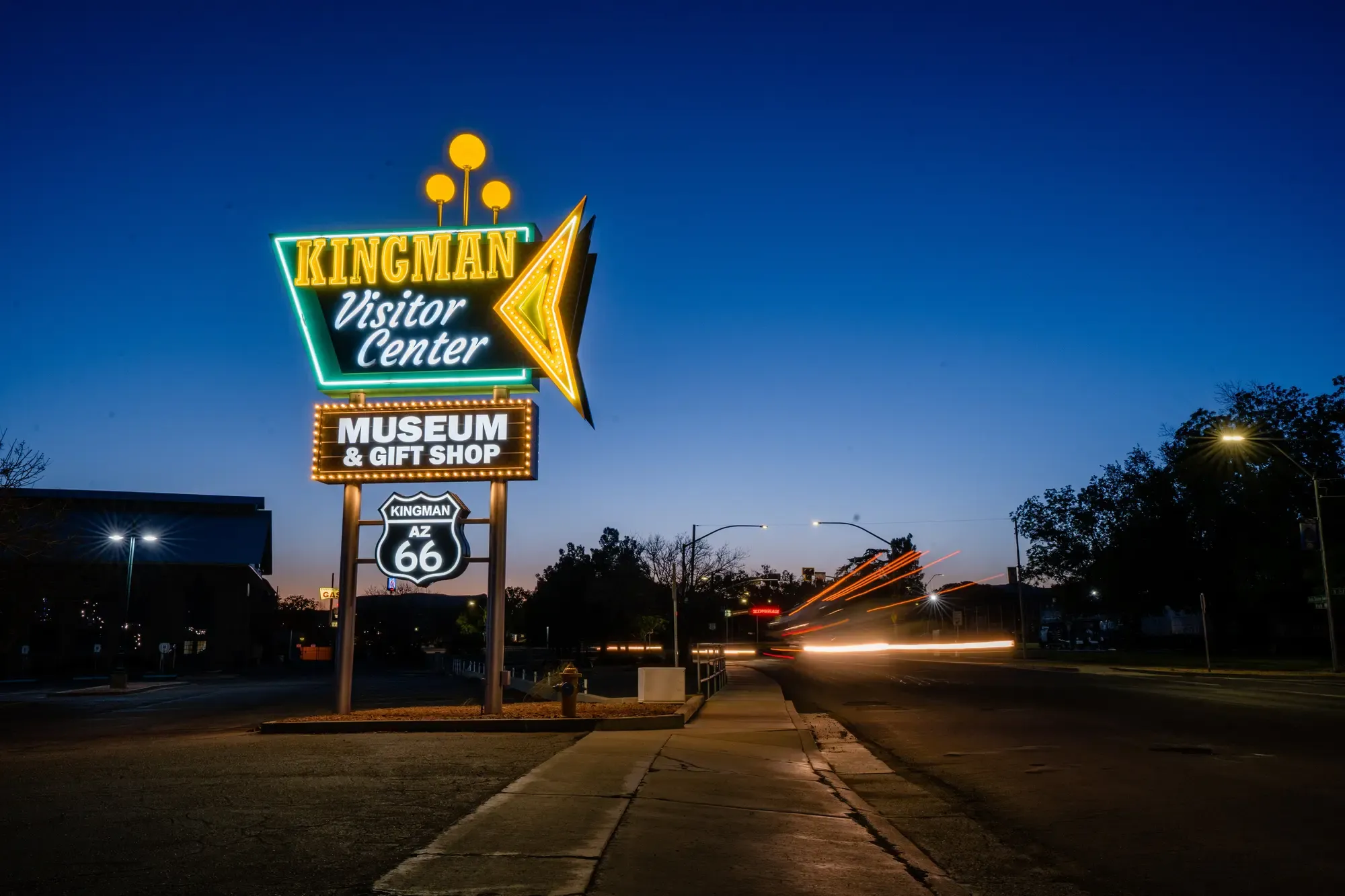
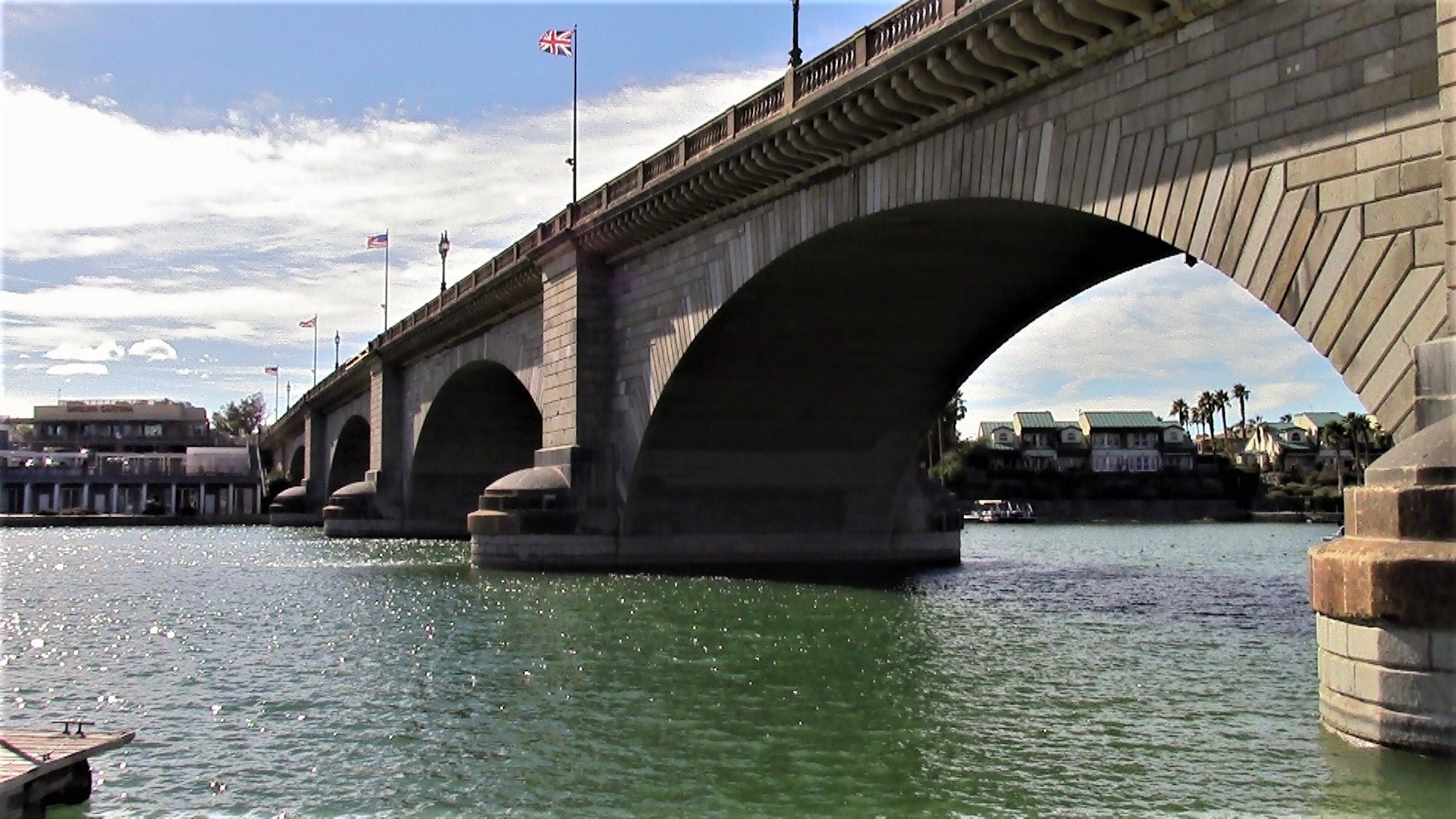

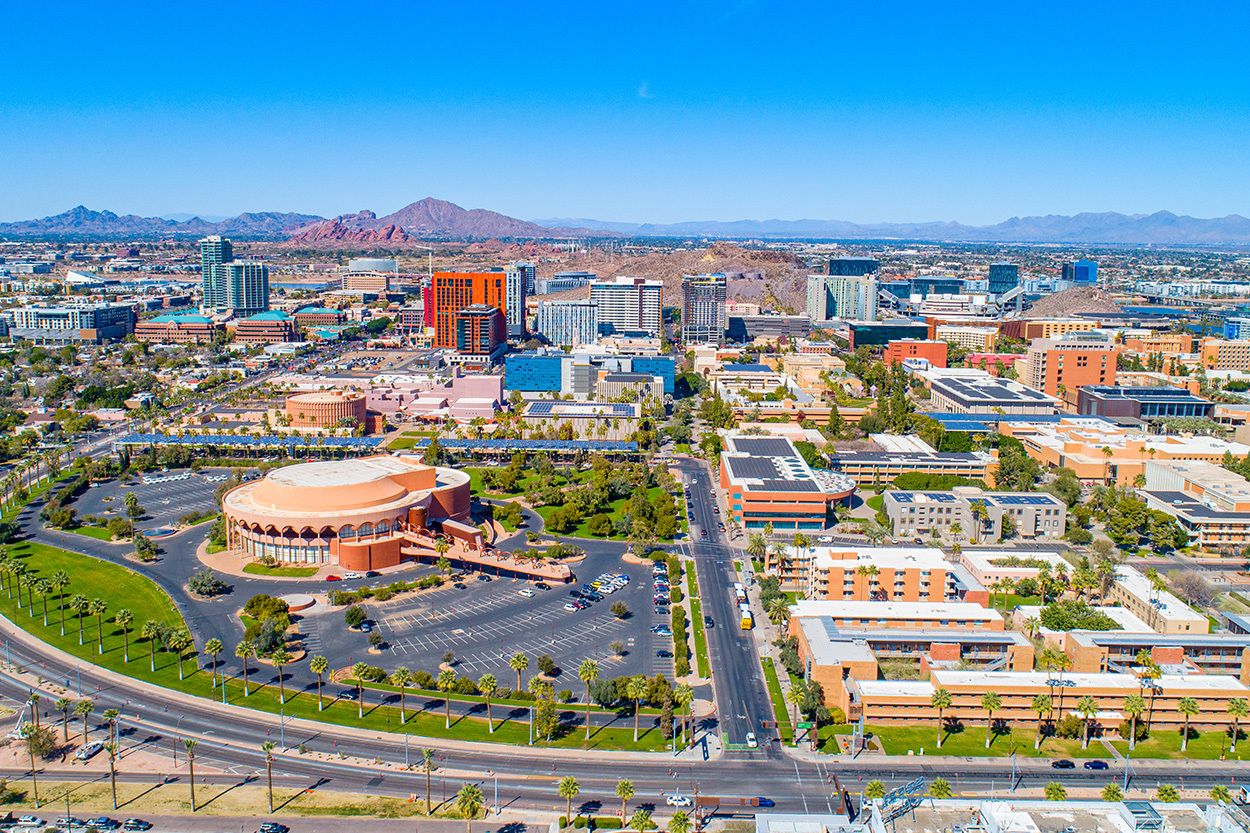
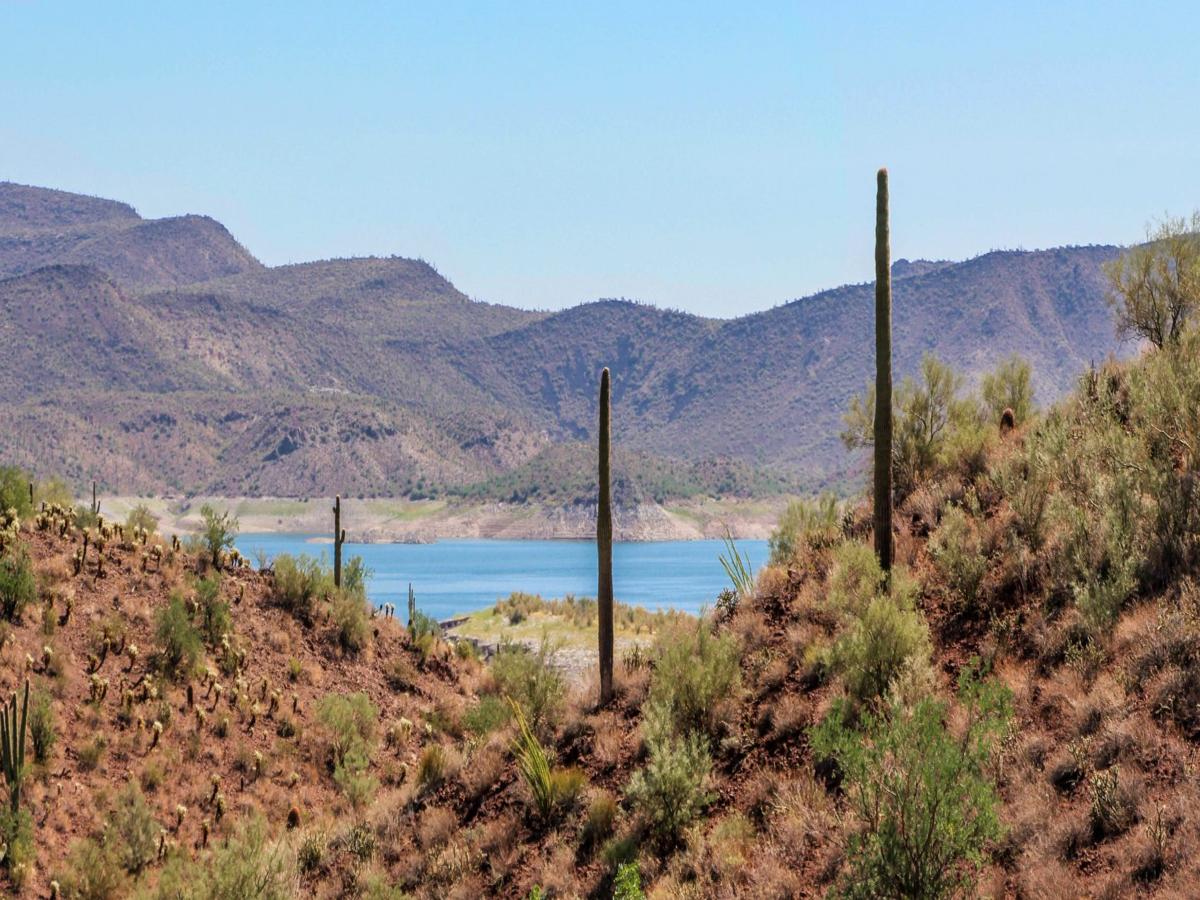

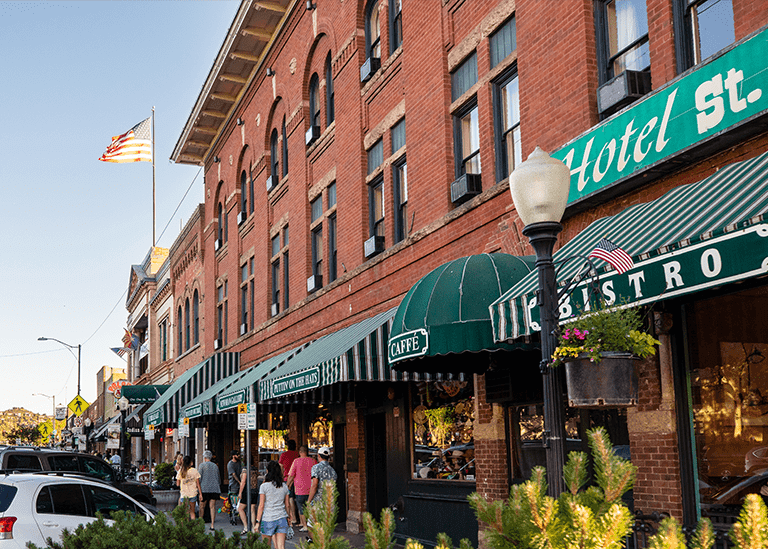


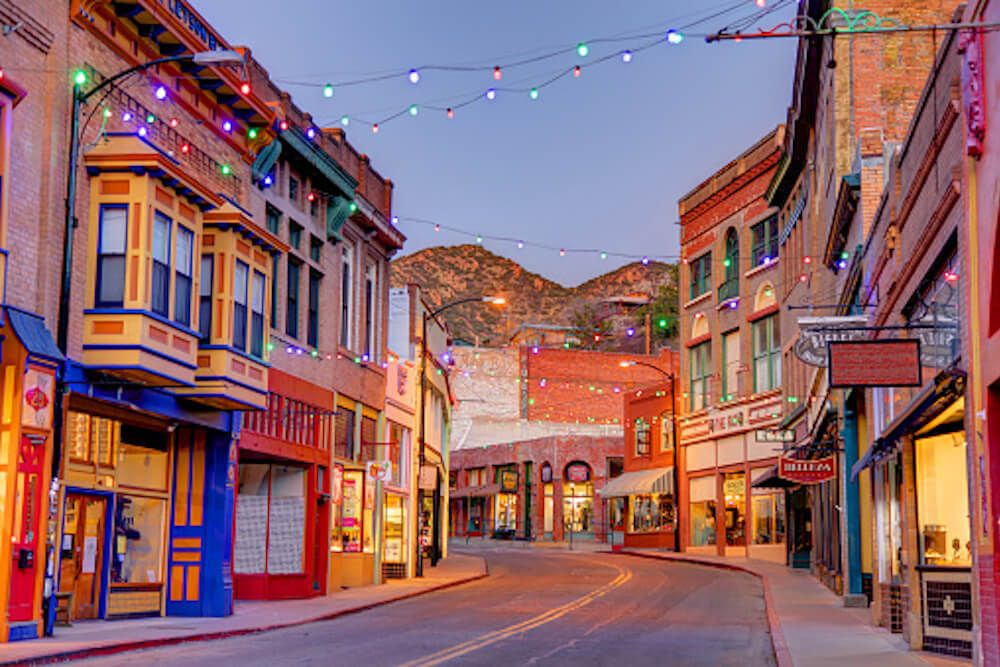

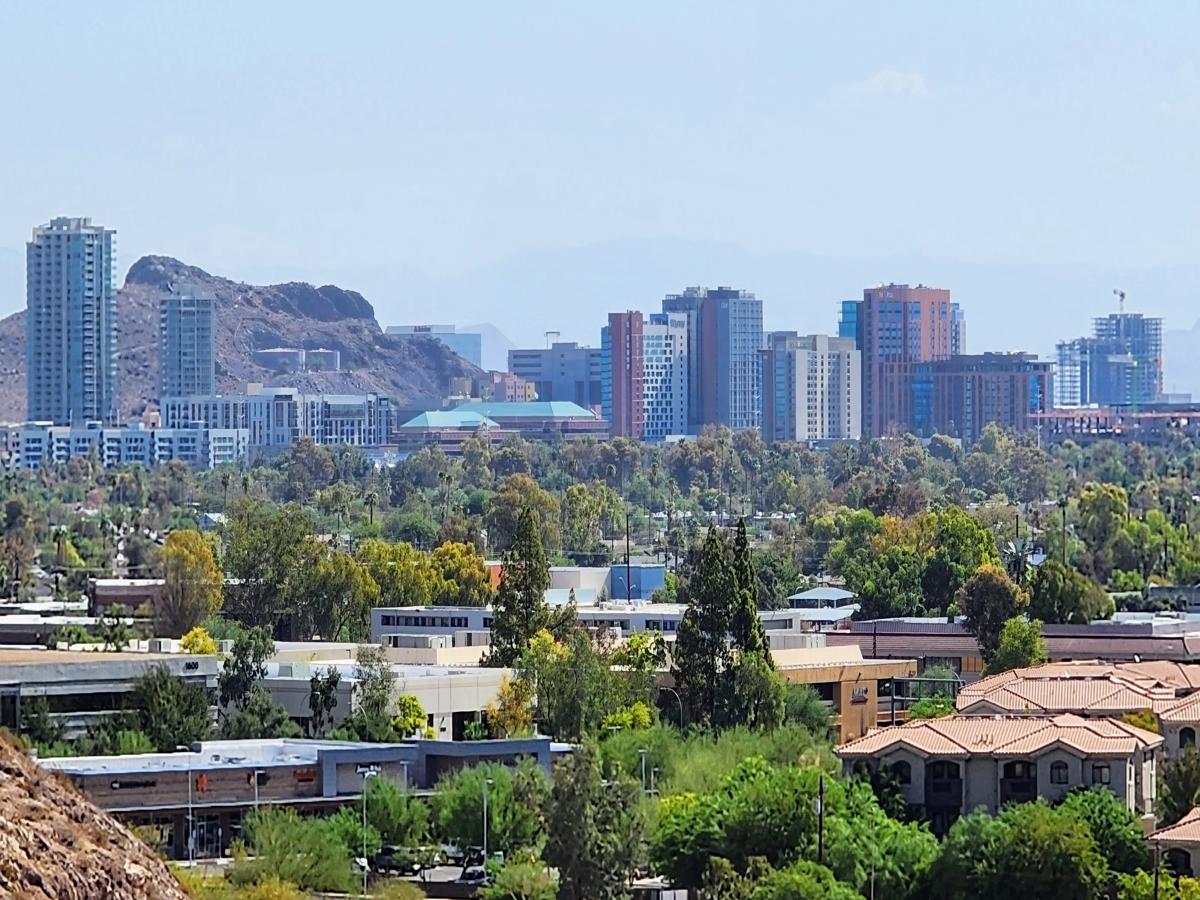
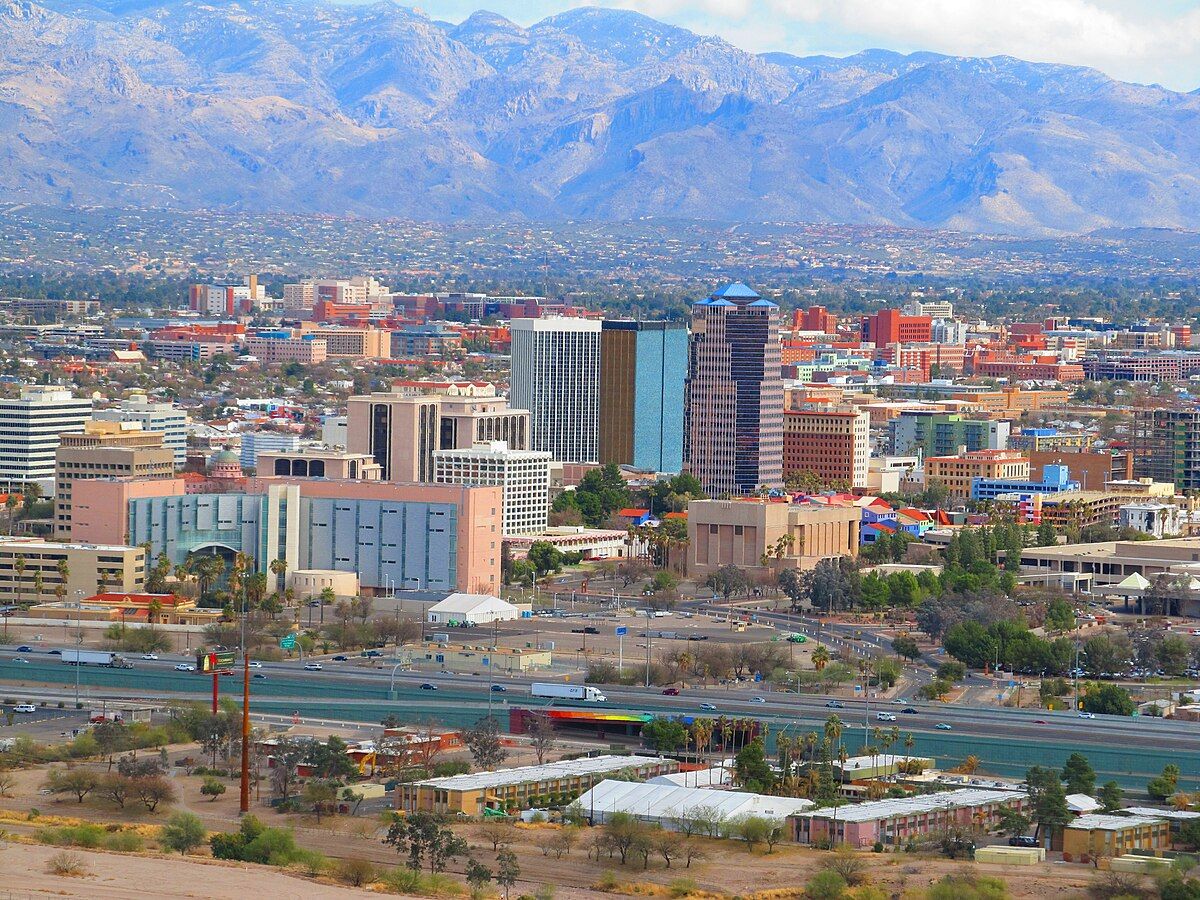
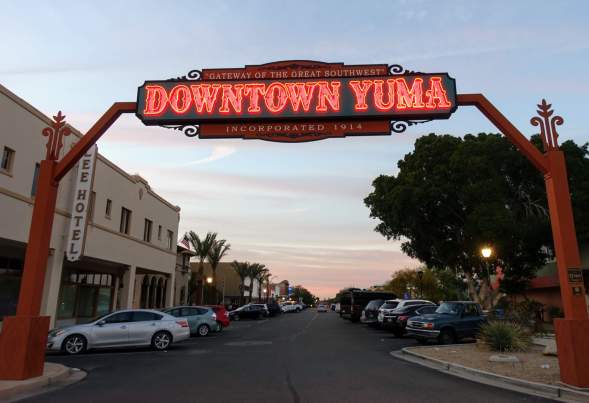
Moving services in Arizona
Moving services in Arizona
Star Van Lines runs local, long-distance, and interstate moves across Arizona, from packing and loading to transport, delivery, and short-term storage. Because the state spans low desert and high mountain elevation, every job needs route-specific planning. Each move comes with one coordinator, a trained crew, and a written estimate.
Local moving in Arizona
Most local demand sits in the Valley of the Sun. A two-person crew with a truck runs about $195-$402 an hour, and a three- or four-person crew scales up from there for larger homes. Heavy local lanes include Phoenix to Scottsdale, Mesa, Chandler, and Gilbert, plus the fast-growing west-side suburbs of Buckeye, Goodyear, and Surprise, along with the I-17 run up to Flagstaff and the I-10 stretch to Tucson. On these short intrastate jobs, most of the bill comes from crew hours, stairs, and building access rather than mileage. Because summer load-in days regularly clear 100 degrees, crews schedule the heavy lifting before mid-morning. And we factor that timing in when we book your crew.
Long-distance moving from Arizona
Most long-distance loads out of Phoenix track the dominant migration flows toward the West Coast. The shortest and busiest corridors are to Southern California, Phoenix to Los Angeles at 373 driving miles and Phoenix to San Diego at 355 miles, both inside the under-500-mile coefficient band. Longer hauls run Phoenix to San Francisco at 751 miles and Phoenix to Denver at 821 miles, both in the 500-to-1,000-mile band. Northern routes climb I-17 from the desert floor near 1,100 feet to Flagstaff at about 7,000 feet, so a single haul can leave triple-digit heat and arrive in mountain snow. Your coordinator watches that elevation swing and, in the Phoenix and Tucson metros, flags the emissions test on inbound vehicles.
Packing and storage
We offer full-service packing, partial packing, and self-pack. Full-service means our crew brings every box and packs each room; partial lets you split the work; self-pack keeps the cost lowest. And for storage, we hold goods at 43 warehouse locations nationwide for short or long terms. Arizona's hot desert climate, with Phoenix near a 74-degree annual mean and five months above 100 degrees, makes an un-cooled unit risky for electronics, candles, vinyl, artwork, leather, and wood, which can warp, melt, or crack. Climate-controlled space is the safe default for any heat-sensitive load held through the summer.
Auto transport and specialty items
We ship vehicles on open or enclosed carriers, and we crate pianos, gun safes, antiques, and artwork for specialty handling. Two Arizona steps matter for cars. A vehicle must be registered as soon as you establish residency, and the emissions program covers the Phoenix metro (Maricopa and parts of Pinal County) and the Tucson area (Pima County), so an out-of-state car there needs an emissions test before titling. The same extreme summer heat that stresses household goods also makes enclosed transport worth considering for collector vehicles, soft-top convertibles, and motorcycles, and your coordinator can line up the sequence.
How much does moving in Arizona cost?
Moving costs in Arizona depend on whether you stay inside the state or cross state lines. Local moves run on an hourly rate for crew and truck. Long-distance prices are built from distance and home size, starting near $977 for a studio and reaching about $5,693 for a large four-bedroom home on the longest lanes.
Local moving rates
| Crew size | Hourly rate |
|---|---|
| 2 movers + truck | $195-$402 / hour |
| 3 movers + truck | $293-$604 / hour |
| 4 movers + truck | $391-$805 / hour |
Long-distance rates from Arizona
| Move size | Estimated price range |
|---|---|
| Studio / 1 Bedroom | $977 - $1,438 |
| 2-3 Bedrooms | $1,782 - $3,162 |
| 4+ Bedrooms | $2,933 - $5,693 |
Popular routes and pricing from Arizona
| Route | Distance | Avg cost (2-3 BR) |
|---|---|---|
| Phoenix to San Diego | 355 mi | $1,782 - $2,185 |
| Phoenix to Denver | 821 mi | $2,588 - $3,162 |
| Phoenix to Los Angeles | 373 mi | $1,782 - $2,185 |
| Phoenix to San Francisco | 751 mi | $2,415 - $2,990 |
| Phoenix to Salt Lake City | 662 mi | $2,243 - $2,760 |
Pricing reflects market averages for moves in and from Arizona as of June 2026. Your final price depends on inventory weight, packing level, access at both ends, and timing. Call (855) 822-2722 or use our free quote calculator for an exact estimate.
What affects your moving price
- Shipment weight and volume are the biggest factors on any long-distance move from Arizona.
- Distance matters. Phoenix to Los Angeles is 373 miles; Phoenix to Denver is 821.
- Access at both ends adds up. Stairs, elevator waits, long carries, Loop 101 and 202 congestion around downtown Phoenix and Scottsdale high-rises, and new-construction streets in west-Valley suburbs all factor in.
- How much packing you want. Full-service costs more than partial, and self-pack is the lowest option.
- When you move. October through April beats a June or July date, when extreme heat, peak demand, and the monsoon all overlap.
- Add-ons like auto transport, climate-controlled storage, and specialty handling for pianos or safes carry their own line items.
Moving to Arizona: what you should know
An Arizona move is as much about heat and timing as it is about boxes. You're heading into a sun-belt market that adds residents fast and runs hot from late spring through early fall. Below is a quick guide to what shapes the cost, the routes, the timing, and the paperwork.
What it costs to move to Arizona
Arizona's cost of living index is 100.7 (US average = 100, BEA RPP 2024), just above the national price level, so local moving labor sits close to the national norm. A two-person crew runs about $195-$402 an hour in the Phoenix metro. Housing is the bigger line item, although it still trails major coastal markets. The median home value is $394,500 and median gross rent is $1,543 a month (Census ACS 2020-2024). Median household income sits at $79,964, and the owner-occupied rate is 67.4 percent. And building access can add cost where it applies, since Scottsdale and downtown Phoenix high-rises often require elevator reservations while new master-planned communities in the west Valley have unfinished streets and gated entries. If you're coming from a pricier coastal state, expect lower housing costs but plan your move date around the heat.
Access and logistics
Arizona's highways radiate from the Valley of the Sun. I-10 runs east-west, linking Tucson and Phoenix and continuing toward Los Angeles, while I-17 is the north-south climb from Phoenix to Flagstaff. I-40 crosses northern Arizona through Flagstaff and Kingman, I-8 connects Yuma to the Phoenix area, and the Loop 101, 202, and 303 freeways ring the metro. Heat drives the schedule. The 100-degree season runs roughly May 2 to October 5, and 110-degree days span mid-June to late August, so crews start at dawn and avoid afternoon loading. The I-17 climb from desert floor to 7,000 feet means desert-to-mountain temperature swings and possible winter snow on the same haul. And the July-to-September monsoon brings sudden dust storms, called haboobs, that cut highway visibility, plus flash flooding that closes washes and low-lying desert roads.
Climate and timing
Phoenix records a July average high of 107 degrees and a January average low near 46, with essentially no measurable snow and only about 7.2 inches of rain a year (NOAA 1991-2020 normals). Timing is everything here. The best windows to move are October through November or February through April, when daytime highs sit in the 70s and 80s, before the extreme heat and before the monsoon. The hardest stretch is June through August, when daily highs average 106 to 107 degrees, the valley logs 111 days a year over 100 degrees, and the monsoon adds dust storms and flash flooding. Northern routes through Flagstaff and the I-17 and I-40 corridors can see winter snow and seasonal closures, unlike the snow-free Phoenix valley. So crews schedule early starts and protect heat-sensitive items in summer, and they watch mountain passes in winter.
Residency and regulations
New residents face firm steps, though Arizona sets no fixed day count. You must obtain an Arizona driver license and register an out-of-state vehicle immediately upon establishing residency (ADOT MVD; ARS 28-2001 and 28-2153). An out-of-state vehicle gets a one-time Level I VIN inspection at the MVD when you register, which verifies the vehicle rather than testing it mechanically. There is no periodic statewide safety inspection. Emissions testing applies only in the Phoenix metro (Area A: Maricopa and parts of Pinal County) and the Tucson area (Area B: Pima County) for vehicles more than five years old, run by ADEQ; the rest of the state is exempt. Residency is defined partly by a seven-month aggregate stay.
What to know before moving to Arizona
Benefits of moving to Arizona
0,623,818 (Census V2025, up 6.5% since 2020)
Population
$0,964
Median household income
0.7 (US = 100, BEA RPP 2024)
Cost of living index
0.50% flat
State income tax
0.3% of adults
Bachelor's degree or higher
healthcare, semiconductors, aerospace and defense
Dominant industries
Arizona crossed 7,623,818 residents in 2025, a 6.5% gain since 2020 (Census V2025). The economy leans on healthcare, which holds 6 of the state's top 20 employers and is led by Banner Health, the state's largest employer with 45,185 Arizona workers. Advanced manufacturing and semiconductors come next, anchored by Intel near 12,000 employees and Raytheon near 11,000, with Honeywell Aerospace headquartered in Phoenix, plus heavy retail and logistics from Walmart at 37,648 and Amazon at 36,000. Median household income is $79,964, and 33.3% of adults hold a bachelor's degree or higher. The flat state income tax is 2.50%, one of the lowest flat rates in the country, with no estate tax and no inheritance tax. And the inbound story is strong, since Arizona gained a net 55,200 residents in 2024, fourth-highest nationally, with California, Washington, and Texas the top origins.
Is Arizona a good place to live?
Arizona offers a low flat income tax, housing below the major coastal metros, and more than 200 clear days of sun a year. The trade-offs are real: extreme summer heat that runs from late spring into October, desert hazards like haboobs and monsoon flooding, and a fast-growing market that keeps demand high. Whether it's a good fit depends on your budget, your tolerance for heat, and how much you value the sunshine.
Tax environment
Arizona levies a flat 2.50% individual income tax (Tax Foundation 2026), the same rate at every income level since tax year 2023, which makes it one of the lowest flat rates in the nation. Average combined state and local sales tax is about 8.52%, on a 5.60% state base. The effective property tax rate is roughly 0.48% of home value, among the lower rates nationally. There is no estate tax and no inheritance tax, and the gas tax is 19 cents a gallon. The state's tax system ranks 14th overall on the 2026 State Tax Competitiveness Index. For someone moving from a high-tax coastal state, that flat 2.50% rate is a real change.
Housing market
The median home value in Arizona is $394,500 (Census ACS 2020-2024), below major coastal metros, and median gross rent is $1,543 a month. About 67.4% of households own their homes. Prices vary by region, with Scottsdale and Sedona running higher while Tucson, Yuma, and parts of the west Valley are more affordable. And growth is concentrated in Maricopa County, the No. 1 US county for numeric population growth (Census), where new master-planned communities in Buckeye, Goodyear, and Surprise draw out-of-state buyers. Buckeye alone grew from 114,334 to 125,445 residents in a single year.
Job market and economy
Healthcare is Arizona's dominant employment sector, holding 6 of the state's top 20 employers and led by Banner Health, HonorHealth, Dignity Health, and Mayo Clinic (AZ Big Media). Advanced manufacturing and semiconductors come next, anchored by Intel and Raytheon, with aerospace and defense supported by Honeywell Aerospace in Phoenix. Retail and logistics add scale through Walmart, Amazon, and Kroger's Fry's Food Stores. And the labor force participation rate is 60.2%, so the Phoenix metro draws remote and hybrid professionals who keep an out-of-state salary, because 33.3% of adults hold a bachelor's degree or higher. The flagship Arizona State University, the University of Arizona, and Northern Arizona University feed that pipeline.
Safety and natural risks
Extreme heat is Arizona's deadliest hazard, and it shapes every summer schedule. The July-to-September monsoon brings flash flooding and dust storms, called haboobs, that cut visibility on the highways. Wildfire is a real and growing risk, especially in the high country and the wildland interface, and prolonged drought stresses water supplies across the desert (Arizona State Hazard Mitigation Plan 2023). Earthquakes and landslides are listed as lower-frequency hazards. But Arizona gets almost no snow in the valley. If you're moving in summer, plan the load for early morning, and your coordinator can route around monsoon storms and closed washes on moving day.
Who thrives in Arizona?
Heat-driven retirees and snowbirds
Arizona's population is 19.6 percent age 65 and over, well above the national share, and the warm, dry winters of Phoenix, Scottsdale, Prescott, and Sun City make the state a top landing spot for retirees and seasonal snowbirds. Many downsize from larger northern homes into single-level desert properties and need careful handling of decades of accumulated belongings.
West-Valley suburb buyers in Buckeye, Goodyear, and Surprise
Maricopa County added about 57,500 people and roughly 38,000 housing units between 2023 and 2024, among the largest county gains in the nation, and Census ranks it the No. 1 US county for numeric population growth. Buckeye grew from 114,334 to 125,445 residents in one year. These buyers move into brand-new master-planned communities on the west side, often from out of state, and want crews who can work new-construction neighborhoods.
Tax-motivated movers from higher-tax states
Arizona levies a flat 2.5 percent income tax, one of the lowest flat rates in the country, plus a 0.48 percent effective property tax rate. Households leaving higher-tax coastal states, especially California, often cite that combination, and the short Phoenix-to-Los Angeles run at 373 miles and Phoenix-to-San Diego run at 355 miles make those moves quick.
High-altitude lifestyle movers around Flagstaff and Prescott
Not every Arizona mover is chasing the desert. Flagstaff sits near 7,000 feet and Prescott in the high-country pines, so these buyers seek four-season weather and a summer escape from valley heat. Their moves cross the I-17 elevation climb, where a load can leave 100-degree Phoenix and arrive in possible mountain snow, so seasonal timing matters.
Remote and hybrid workers settling in metro Phoenix
With 33.3 percent of adults holding a bachelor's degree or higher and median home values around $394,500, below major coastal metros, the Phoenix metro draws remote professionals who keep an out-of-state salary while paying less for housing and only the flat 2.5 percent tax. Many arrive on the short I-10 lane from California seeking more square footage and sunshine.
First week after moving to Arizona: what to do
After an Arizona move, several tasks carry deadlines, and Arizona expects new residents to act immediately on a license and registration. Here is a prioritized checklist.
- Update your driver license.
Arizona requires new residents to get an Arizona driver license immediately upon establishing residency, with no fixed grace period. Make an appointment at an ADOT MVD office, or start online, and bring proof of residency and your current license. (azdot.gov/mvd)
- Register your vehicle.
Register an out-of-state vehicle as soon as you become a resident. It first needs a one-time Level I VIN inspection at the MVD. If you're in the Phoenix metro or Tucson area and the vehicle is over five years old, it also needs an emissions test before registration.
- Transfer your auto insurance.
Contact your insurer to re-rate the policy for Arizona, which sets its own minimum liability requirements. Premiums can shift with your ZIP code, mileage, and the vehicle.
- Register to vote.
Arizona offers online registration through AZ MVD Now at azmvdnow.gov with an Arizona license or ID, plus mail and in-person options through your County Recorder. The deadline is the 29th day before an election. The state portal is azsos.gov.
- Update homeowner's or renter's insurance.
Wildfire, monsoon flooding, and extreme heat are Arizona's main property risks. If you're near the wildland interface or a desert wash, ask specifically about wildfire and flood terms before you sign.
- Forward your mail.
USPS Change of Address is free online at usps.com. Mail forwarding starts within 7-10 business days.
- Transfer medical records.
Contact current providers before the move and find a new primary care doctor. If you're on employer insurance, confirm your Arizona network first.
- Update school records.
Request transcripts from your old district and check enrollment rules with the new one. Strong districts include Catalina Foothills and Vail near Tucson and Scottsdale Unified in the Phoenix metro.
Arizona at a glance: schools, jobs, and things to do
Schools and universities
Catalina Foothills Unified School District in Tucson is the state's top-rated district, with 59% math and 71% reading proficiency on state tests (Niche 2026), and Vail Unified near Tucson ranks second of 132 Arizona districts. In the Phoenix metro, Scottsdale Unified ranks fifth. But the university tier is where Arizona stands out. Arizona State University in Tempe is the state's largest public university, with 124,753 undergraduates and roughly 190,065 in total system enrollment (Arizona Board of Regents, FY2026). The University of Arizona in Tucson is the land-grant school, with 43,110 undergraduates and the state's only College of Medicine. And Northern Arizona University in Flagstaff enrolls 22,202 undergraduates.
Major employers
Arizona's largest employers lean heavily on healthcare, which holds 6 of the top 20 spots. Banner Health is the state's biggest employer, with 45,185 Arizona workers across more than 30 hospitals, and HonorHealth is fifth with 16,000. Among the rest are Walmart at 37,648 and Amazon at 36,000, with Kroger's Fry's Food Stores fourth at 19,851. Advanced manufacturing and semiconductors add scale through Intel near 12,000 employees and Raytheon near 11,000, while Honeywell Aerospace is headquartered in Phoenix with more than 7,100 workers. The broader base spans retail, logistics, and aerospace-defense.
Attractions and recreation
Outdoor access is a major reason people move here. Grand Canyon National Park sits entirely within Arizona, taking in 278 miles of the Colorado River, and it was the fourth most visited US national park in 2025. Sedona's red-rock country draws more than 200,000 visitors a year through its visitor center, and Antelope Canyon near Page is the state's top-rated attraction on travel review sites. Saguaro National Park outside Tucson, which protects the giant saguaro cactus, logged 847,749 visitors in 2025. And Lake Powell at Glen Canyon, a reservoir on the Colorado River, welcomed roughly 3.7 million visitors in 2025 as a top water-recreation destination.
FAQ
Questions? Look here
Can’t find an answer? Call us
(855) 822-2722 or email
Local moving in Arizona typically costs $195-$402 per hour for a two-person crew with a truck, and larger crews are priced higher for bigger homes. A standard three-bedroom home often takes a full crew the better part of a day. Stairs, long carries, elevator waits, and summer heat that pushes crews to early starts all affect the total. Call (855) 822-2722 for an itemized estimate.
Long-distance moves from Arizona start around $977 for a studio and reach about $5,693 for a large four-bedroom home on the longest lanes. The final price depends on shipment weight, distance, and access at both ends. A Phoenix-to-Los Angeles move of about 373 miles typically runs $1,782 to $2,185 for a two- to three-bedroom home. Star Van Lines puts every line item in a written estimate before you book.
Search our USDOT number 4176875 on the FMCSA SAFER website (safer.fmcsa.dot.gov). This federal database confirms our operating authority, MC number 1607491, insurance status, and safety record. Any legitimate interstate mover should be able to provide a verifiable USDOT number.
Watch for long-carry charges when the truck can't park close, stair and elevator-wait fees, shuttle costs at tight downtown or high-rise addresses, and storage if your dates don't line up. New-construction streets in the west Valley can also add time. We list every potential charge in your written estimate before you book, so nothing shows up new on moving day.
Federal law requires interstate movers to offer two levels: Released Value Protection (free, covers $0.60 per pound per item) and Full Value Protection (paid, covers repair, replacement, or cash settlement at current value). Star Van Lines is fully insured under USDOT #4176875 and can explain both options when you request a quote.
Arizona expects new residents to get an Arizona driver license and register an out-of-state vehicle immediately upon establishing residency, with no fixed grace-period day count (ADOT MVD; ARS 28-2001 and 28-2153). Visit an ADOT MVD office with proof of residency. An out-of-state vehicle also gets a one-time Level I VIN inspection when you register, which verifies the vehicle rather than testing it mechanically.
Yes, if you're in the testing areas and the vehicle is more than five years old. Emissions testing applies in the Phoenix metro (Area A: Maricopa and parts of Pinal County) and the Tucson area (Area B: Pima County), and it's run by ADEQ. Vehicles five years old or less, 1966 model year or older, and electric vehicles are exempt. The rest of the state has no emissions requirement, and there is no statewide periodic safety inspection.
Arizona's cost of living index is 100.7 (US average = 100, BEA RPP 2024), just above the national level. The median home value is $394,500 and median gross rent is $1,543 a month (Census ACS 2020-2024), below major coastal metros. Median household income is $79,964, and the flat 2.5 percent state income tax is one of the lowest flat rates in the country. Scottsdale and Sedona run pricier, while Tucson and Yuma are more affordable.
October through November or February through April are the easiest windows, when desert highs sit in the 70s and 80s, before the heat and the monsoon. Avoid June through August, when daily highs average 106 to 107 degrees and Phoenix logs 111 days a year over 100 degrees. If a summer move is unavoidable, crews start at dawn and protect heat-sensitive items, and northern mountain routes through Flagstaff can see winter snow.
Phoenix to Los Angeles is about 373 driving miles and Phoenix to San Diego about 355, both short Southern California lanes, while Phoenix to San Francisco is about 751 miles. We ship cars on open or enclosed carriers, and bundling vehicle transport with your household goods is usually cheaper than booking it separately. In the summer heat, enclosed transport is worth considering for collector cars and convertibles.
Arizona's flat 2.5 percent individual income tax applies at every income level, one of the lowest flat rates in the country, and the effective property tax rate is about 0.48 percent of home value (Tax Foundation 2026). There is no estate tax and no inheritance tax. For someone leaving a high-tax coastal state, especially California, that combination is often the reason for the move, though you should still budget for higher summer cooling costs.
Climate-controlled storage is the safe default for any heat-sensitive load held through the summer. Arizona's hot desert climate runs near a 74-degree annual mean with five months above 100 degrees, so an un-cooled unit can warp, melt, or crack electronics, candles, vinyl, artwork, leather, and wood. For a summer move, crews start the load before mid-morning, protect heat-sensitive items, and watch the monsoon for dust storms and flash flooding.
Ready to Start Your Arizona Move?
Get a free moving estimate today. No obligation, no pressure.
Call us or fill out the form - we'll get back to you fast.
USDOT #4176875 | MC #1607491 | Licensed & Insured