Thank you for your feedback!
We will contact you shortly

Free consultation
Enter your phone number and we will call you back for a consultation on any moving and storage services
Moving From the Mainland to Alaska or Hawaii: 7 Essential Tips
Relocating from the American mainland to Alaska or Hawaii involves more than just booking a moving truck and hitting the road. These far-flung states present logistical hurdles most continental moves never face, from coordinating marine shipping to navigating unpredictable weather. Over 80 percent of American long-distance movers agree that early planning is the single biggest factor in a seamless transition. Get ready to discover the proven strategies that help smooth every step of your move to these incredible destinations.
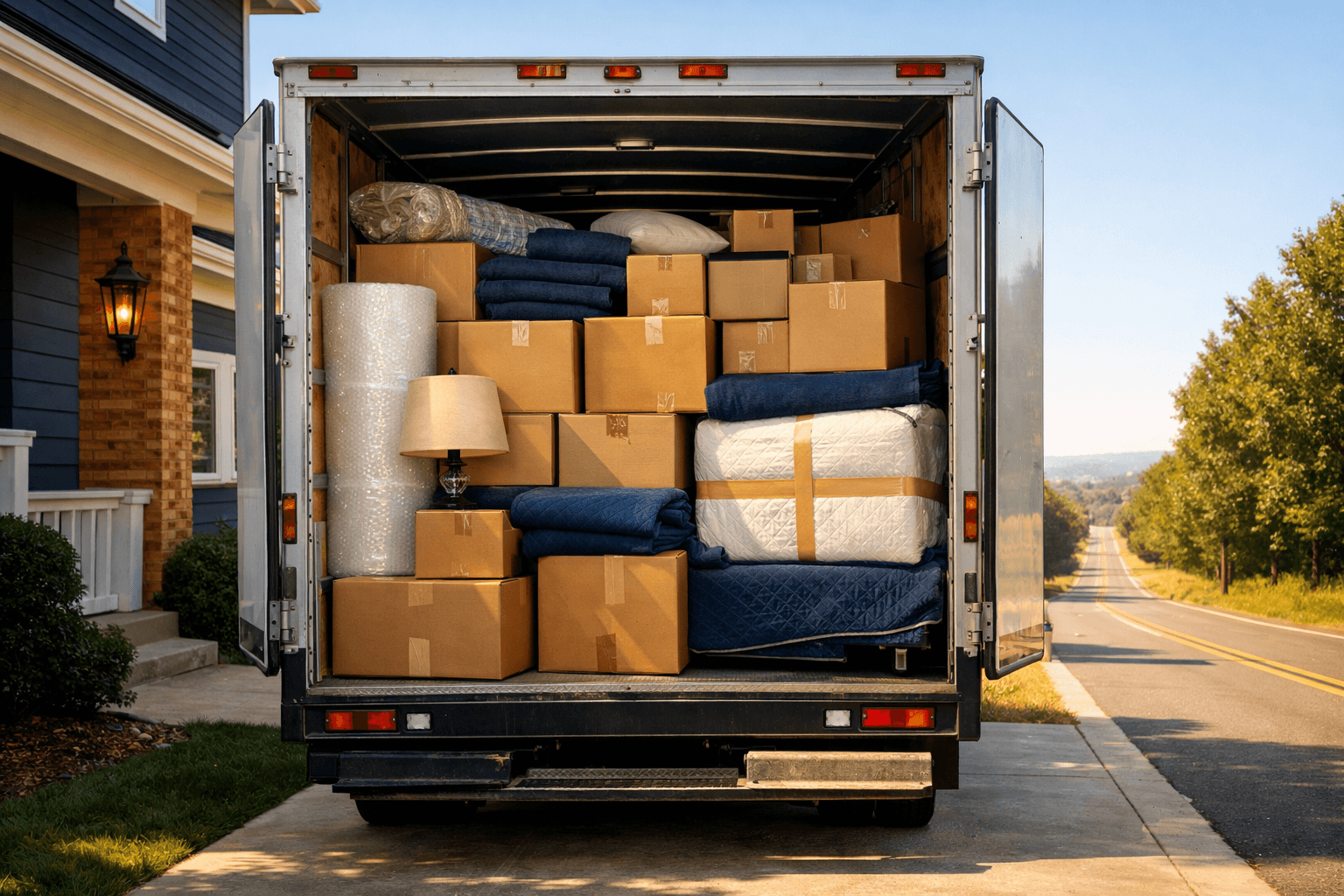


Moving from the continental United States to Alaska or Hawaii requires more planning than a typical interstate relocation.
A move to Hawaii usually involves ocean freight, port handling, agricultural inspections, and delivery from an island terminal to your new home. An Alaska move may involve highway transportation through Canada, marine freight, barge service, ferry transportation, or a combination of several shipping methods.
Because your belongings may be handled several times before reaching their destination, early planning, proper packing, and an experienced long-distance moving company are especially important.
This guide explains seven practical steps that can help you organize a mainland-to-Alaska or mainland-to-Hawaii move .
Alaska vs. Hawaii: How Are These Moves Different?
Although Alaska and Hawaii are both part of the United States, the logistics of reaching them are very different.
Moving to Alaska
Depending on your origin and destination, household goods may be transported:
- By truck through Canada
- By marine freight or barge
- By ferry
- Through a combination of road and sea transportation
- Through a regional terminal followed by local delivery
Moving to Anchorage or Fairbanks is generally different from relocating to Juneau, Sitka, Ketchikan, or a community without direct road access. Your final destination can significantly affect the available transportation method, transit schedule, and moving cost.
Moving to Hawaii
Most mainland-to-Hawaii household moves involve ocean freight.
Your belongings may be:
- Packed and loaded at your mainland residence
- Transported to a mainland port
- Loaded into a shipping container
- Shipped to a Hawaiian port
- Processed at the destination terminal
- Delivered to your home by a local moving crew
The exact process may vary depending on whether you are moving to Oahu, Maui, Kauai, the Big Island, or another island.
Understanding these differences before requesting estimates will help you compare moving services more accurately.
1. Start Planning Your Move Early
A move to Alaska or Hawaii should not be organized like a standard relocation between neighboring states.
Several parts of the move may depend on fixed transportation schedules, port availability, weather conditions, housing arrangements, and local delivery capacity.
Begin by creating a moving timeline that includes:
- Preferred pickup date
- Expected delivery window
- Housing availability
- Vehicle shipping
- Temporary accommodation
- Packing dates
- Storage requirements
- Travel arrangements
- Pet transportation
- Utility activation
Contact professional long-distance movers as soon as your approximate moving date is known. Early planning gives you more time to compare estimates, understand available shipping methods, and avoid making rushed decisions.
Create a Detailed Inventory
A household inventory helps the mover estimate:
- Shipment volume
- Required container space
- Packing materials
- Labor needs
- Specialty-item handling
- Storage requirements
- Estimated moving cost
Separate your belongings into four groups:
- Items to ship
- Items to sell or donate
- Items to place in storage
- Items to carry during personal travel
Shipping large, inexpensive furniture may not always be cost-effective. Compare the estimated transportation cost with the cost of replacing the item after arrival.
2. Choose Movers With Alaska or Hawaii Experience
Not every interstate moving company has the network, equipment, and partnerships needed to manage relocations to Alaska or Hawaii.
An experienced mover should understand how to coordinate:
- Mainland pickup
- Container loading
- Marine or barge transportation
- Port documentation
- Vehicle shipping
- Temporary storage
- Destination-terminal handling
- Final-mile delivery
Before hiring a company, ask whether it acts as the carrier, broker, or freight forwarder. You should also verify its federal registration and operating authority before signing a contract.
Questions to Ask Your Moving Company
Ask potential movers:
- Have you completed moves to my specific Alaska or Hawaii destination?
- Will my belongings travel by truck, container, barge, ferry, or multiple methods?
- Is the estimate binding, non-binding, or binding-not-to-exceed?
- Are port and terminal fees included?
- Is destination delivery included?
- Will another company handle part of the shipment?
- What is the estimated delivery window?
- What happens if the shipment arrives before my home is ready?
- What valuation protection options are available?
- Are there prohibited or restricted items?
A professional mover should explain the entire transportation chain, not only the pickup process.
3. Select the Right Shipping Method
The best shipping method depends on your destination, household size, schedule, and budget.
Shipping Household Goods to Hawaii
Household goods are commonly transported in a shipping container.
Possible options include:
Exclusive Container
Your belongings occupy a dedicated container.
This option may be suitable for:
- Larger households
- Customers who want to reduce shipment consolidation
- Moves involving substantial furniture
- Customers who need greater control over container loading
Shared Container
Your shipment shares container space with other customers.
This may be more economical for:
- Apartments
- Smaller homes
- Partial household shipments
- Customers with flexible delivery schedules
Shared-container shipments may require additional consolidation time before departure.
Shipping Household Goods to Alaska
Transportation options depend heavily on the final destination.
A shipment may travel:
- By truck through Canada
- By barge from a mainland port
- By marine container
- By ferry
- Through a hub such as Anchorage before local delivery
Ask the mover to describe the complete route and identify every transfer point. The fewer unanswered questions you have about the route, the easier it will be to prepare for transit times and potential delays.
Shipping Cars and Oversized Items
Vehicles, motorcycles, boats, pianos, safes, artwork, and other large items may need separate transportation arrangements.
Car shipping services may include:
- Roll-on/roll-off transportation
- Open vehicle transport
- Enclosed vehicle transport
- Containerized shipping
- Port-to-port shipping
- Door-to-port or door-to-door coordination
Before shipping a vehicle:
- Remove personal belongings unless the carrier allows them
- Photograph the vehicle from multiple angles
- Document existing scratches and damage
- Check fluid levels and tire condition
- Confirm fuel-level requirements
- Disable alarms
- Remove toll passes
- Keep registration and insurance documents accessible
For specialty items, request professional crating or customized packing. Items such as pianos, antiques, artwork, and fragile equipment should not be packed like ordinary household goods.
4. Check Inspection, Border, and Documentation Requirements
A mainland move to Alaska or Hawaii is a domestic relocation, but certain routes and items may still be subject to inspections or additional documentation.
Hawaii Agricultural Inspections
Hawaii has strict rules designed to protect local agriculture and ecosystems.
Plants, seeds, soil, fresh produce, animals, and certain food products may be inspected or restricted. Do not assume that every household or garden item can be packed into your shipment.
Before moving, review current requirements for:
- Houseplants
- Outdoor plants
- Soil
- Seeds
- Fresh fruits and vegetables
- Agricultural equipment
- Pets and animals
Clean gardening tools, outdoor furniture, bicycles, and recreational equipment before packing them. Dirt, insects, seeds, and plant material may create inspection problems.
Moving Pets to Hawaii
Pet relocation to Hawaii requires advance preparation.
Depending on the animal and destination, you may need:
- Vaccination records
- Microchip information
- Veterinary certificates
- Laboratory test results
- Import documents
- Arrival coordination
Pet transportation should be planned separately from the household-goods shipment. Always verify current requirements with the appropriate Hawaii authorities before booking travel.
Moving to Alaska Through Canada
Some ground routes to Alaska pass through Canada.
If you are driving or your household goods are transported through Canadian territory, additional border documentation may be required. Rules may vary depending on whether:
- You are personally driving the vehicle
- A commercial carrier is transporting your belongings
- You are towing a trailer
- You are transporting pets
- You are carrying restricted goods
- Firearms, alcohol, plants, food, or other regulated items are involved
Ask your mover whether the shipment will travel through Canada and who is responsible for transit documentation.
Essential Moving Documents
Keep digital and printed copies of:
- Government-issued identification
- Moving estimate
- Bill of lading
- Inventory list
- Housing documents
- Vehicle registration
- Insurance information
- Pet records
- Employment documents
- Medical records
- School records
- Professional licenses
Do not place critical documents inside the moving shipment. Keep them with you during travel.
5. Build a Realistic Moving Budget
Moves to Alaska and Hawaii often cost more than comparable mainland relocations because they may involve ocean transportation, port handling, storage, fuel surcharges, multiple carriers, and final-mile delivery.
The total cost may depend on:
- Shipment weight or volume
- Origin city
- Destination city or island
- Transportation method
- Container type
- Vehicle shipping
- Packing services
- Specialty-item handling
- Storage duration
- Access conditions
- Time of year
- Insurance or valuation coverage
Use a moving cost calculator for an initial estimate, but request a personalized quote before creating your final budget.
Costs That May Be Overlooked
Remember to account for:
- Packing materials
- Professional packing
- Port fees
- Terminal handling
- Vehicle transportation
- Temporary housing
- Storage
- Pet relocation
- Flights or fuel
- Hotel stays
- Meals during transit
- Utility deposits
- Replacement furniture
- Final-mile delivery
- Long-carry or access charges
Set aside a contingency fund for schedule changes, storage extensions, or unexpected travel expenses.
Compare Estimates Carefully
The lowest estimate is not always the best option.
Compare whether each quote includes:
- Packing
- Pickup labor
- Transportation
- Port handling
- Container charges
- Storage
- Destination unloading
- Final delivery
- Stair or elevator fees
- Specialty items
- Valuation coverage
Ask the moving company to explain any charge that is unclear.
6. Pack for Long-Distance and Maritime Transportation
Belongings transported to Alaska or Hawaii may be handled several times during pickup, terminal processing, container loading, unloading, storage, and final delivery.
Standard packing may not provide enough protection.
Professional packing services can be especially useful for fragile, valuable, or unusually shaped items.
Recommended Packing Materials
Use:
- Double-wall moving boxes
- Heavy-duty packing tape
- Furniture pads
- Stretch wrap
- Bubble cushioning
- Packing paper
- Corner protectors
- Mattress bags
- Moisture-resistant containers
- Custom crates for high-value items
Avoid using damaged grocery boxes or containers that cannot support stacking.
Protect Items From Moisture
Ocean transportation and changing climates can expose belongings to humidity and condensation.
To reduce risk:
- Make sure items are clean and completely dry
- Avoid packing damp clothing or linens
- Use sealed containers for moisture-sensitive belongings
- Protect metal items from corrosion
- Avoid sealing moisture inside plastic wrapping
- Use professional crating for artwork and electronics when appropriate
Label Every Box Clearly
Each box should include:
- Customer name
- Destination
- Room
- Box number
- General contents
- Fragile marking when necessary
Maintain a separate inventory with box numbers and contents.
Example:
| Box number | Room | Contents | Priority |
|---|---|---|---|
| 001 | Kitchen | Plates and glassware | Medium |
| 002 | Bedroom | Bedding and towels | High |
| 003 | Office | Books and documents | Low |
Photograph valuable items before packing and keep copies of purchase receipts, appraisals, and serial numbers.
Pack an Arrival Kit
Your household shipment may arrive after you do.
Keep essential items with you:
- Clothing
- Medications
- Chargers
- Toiletries
- Important documents
- Basic cookware
- Bedding
- Work equipment
- Children’s essentials
- Pet supplies
Prepare enough essentials for a longer delivery window than you would expect during a standard interstate move.
7. Use Storage for Multi-Stage Moves
Pickup, ocean departure, port arrival, housing availability, and final delivery may not occur on the same schedule.
Temporary storage can help when:
- Your home is not ready
- Your lease starts later
- You are waiting for a closing
- Your shipment arrives before you
- You are moving in several stages
- You are sending only part of your household
- You need time to find permanent housing
Professional storage services may include short-term, long-term, vaulted, or climate-controlled options.
Questions to Ask About Storage
Ask:
- Where will the shipment be stored?
- Is the facility climate-controlled?
- How is inventory tracked?
- Is storage included in the estimate?
- What are the monthly charges?
- Are warehouse handling fees added?
- How much notice is needed for delivery?
- Can individual items be accessed?
- What protection applies while items are stored?
Avoid placing essential documents, medications, valuables, or items needed immediately after arrival into long-term storage.
Alaska and Hawaii Moving Checklist
Use this checklist to organize the relocation.
Three to Six Months Before the Move
- Research destination neighborhoods
- Compare experienced movers
- Create a household inventory
- Decide what to ship, sell, donate, or store
- Research vehicle transportation
- Review pet requirements
- Estimate the moving budget
- Confirm housing plans
One to Three Months Before the Move
- Select the moving company
- Confirm pickup and delivery windows
- Book personal travel
- Schedule vehicle shipping
- Gather documents
- Begin packing non-essential items
- Arrange storage if necessary
- Notify schools, employers, and service providers
Two to Four Weeks Before the Move
- Confirm transportation details
- Review the inventory
- Separate prohibited items
- Clean outdoor equipment
- Photograph valuable belongings
- Prepare an arrival kit
- Confirm utility activation
- Verify destination access
Moving Week
- Keep documents with you
- Review the bill of lading
- Check inventory numbers
- Complete the final walkthrough
- Confirm contact information
- Photograph the condition of the home and shipment
- Verify the expected delivery process
Common Mistakes to Avoid
Avoid these frequent moving mistakes:
- Waiting too long to request estimates
- Hiring a mover without verifying credentials
- Assuming Alaska and Hawaii moves use the same transportation methods
- Shipping furniture that is cheaper to replace
- Packing restricted plants, food, or outdoor items
- Forgetting vehicle-shipping requirements
- Using weak boxes
- Failing to document valuable items
- Ignoring temporary housing and storage costs
- Expecting an exact delivery date instead of a delivery window
Careful preparation can prevent many of the delays and additional expenses associated with remote-state relocations.
Plan Your Alaska or Hawaii Move With Star Van Lines
Moving to Alaska or Hawaii requires coordination across multiple stages, including packing, ground transportation, marine freight, storage, vehicle shipping, and destination delivery.
Star Van Lines helps customers plan complex long-distance relocations with services that may include:
- Long-distance moving
- Professional packing and unpacking
- Household-goods transportation
- Car shipping
- Specialty-item moving
- Short-term and long-term storage
- Moving estimates
- Delivery coordination
Explore our long-distance moving services, learn more about Alaska movers and Hawaii movers, or request an estimate through our moving cost calculator.
Start planning early so your moving team has enough time to evaluate the route, shipment size, transportation method, and destination requirements.
Frequently Asked Questions
How far in advance should I plan a move to Alaska or Hawaii?
Begin planning as soon as your approximate moving date is known. Early preparation provides more time to compare movers, arrange vehicle shipping, review inspection requirements, secure housing, and coordinate port or border-related transportation.
Is moving to Hawaii considered an international move?
No. Hawaii is a U.S. state, so a mainland-to-Hawaii relocation is a domestic move. However, agricultural inspections and special rules for plants, animals, and certain food products may apply.
Do movers drive household goods to Alaska?
Some Alaska shipments travel by truck through Canada, while others use marine freight, barge service, ferry transportation, or a combination of methods. The available route depends on the origin and final destination.
Is it better to ship or replace furniture in Hawaii?
The answer depends on the furniture’s value, condition, size, and replacement cost. Compare the estimated shipping cost with local purchase prices before deciding. Large, inexpensive furniture may not always be worth transporting.
Can I ship my car to Alaska or Hawaii?
Yes. Vehicles may be transported by marine vessel, container, open carrier, enclosed carrier, ferry, or a combination of transportation methods. Requirements vary by route and carrier.
What items should not be packed for Hawaii?
Plants, soil, fresh produce, seeds, animals, and certain agricultural products may be restricted or inspected. Hazardous materials are also prohibited from standard household shipments. Verify current requirements before packing.
Will my belongings need storage during the move?
Storage may be necessary when shipping schedules and housing dates do not align. Ask the moving company whether temporary storage, warehouse handling, and redelivery are included in the estimate.
How long does a move to Alaska or Hawaii take?
Transit time depends on the origin, destination, shipping method, container availability, weather, port schedules, route, and local delivery arrangements. Request a delivery window rather than relying on a single guaranteed date.
Recommended Resources


Artur Shakhnazarov
PR Manager
Love Doing PR for my Company