
Thank you for your feedback!
We will contact you shortly

Free consultation
Enter your phone number and we will call you back for a consultation on any moving and storage services

Wisconsin
Licensed Wisconsin Movers - Interstate & Local
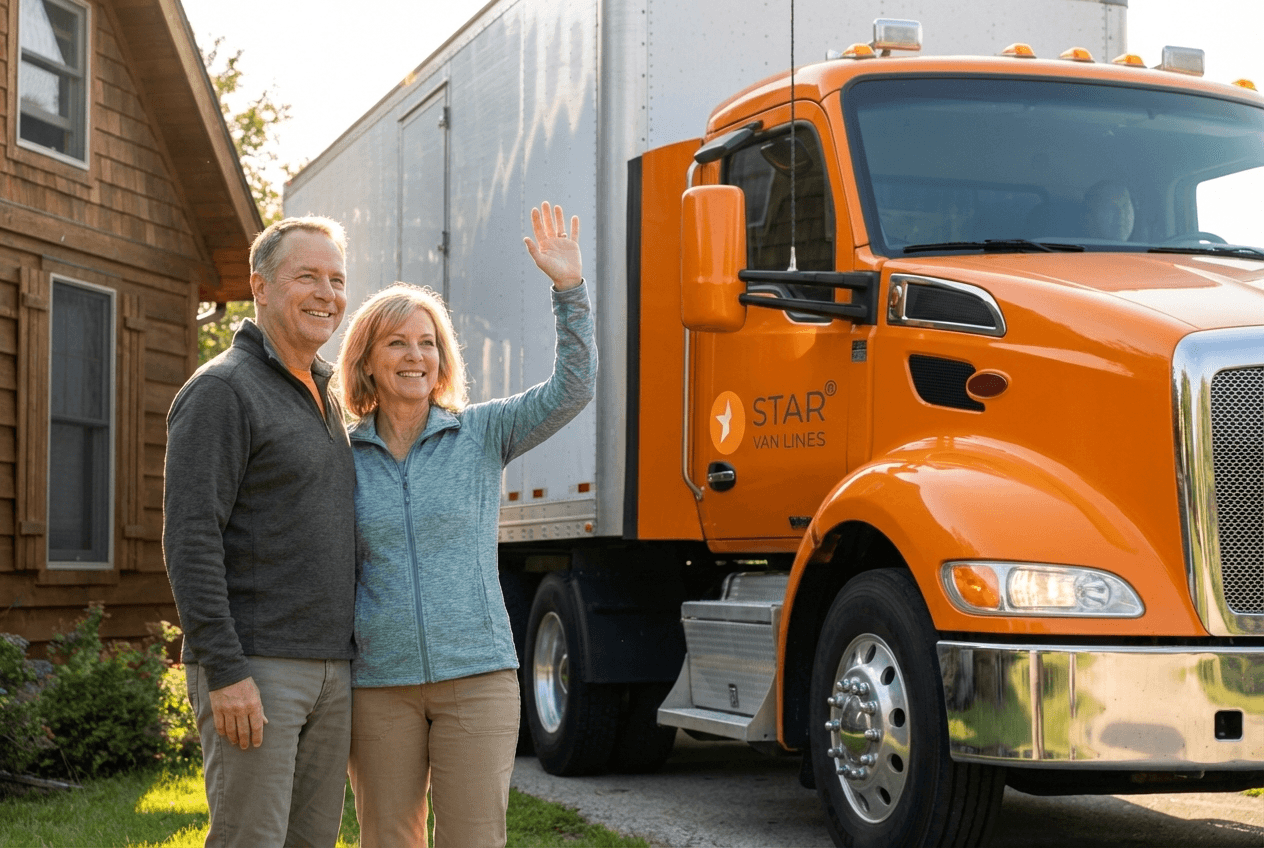
Wisconsin's growth story now runs through Dane County. The county that holds Madison reached 590,375 residents by July 2025 and grew about 5.1 percent since 2020, nearly four times the state's 1.3 percent pace, pulled by Epic Systems in nearby Verona and the University of Wisconsin-Madison. Around it, the rest of the Badger State keeps its own rhythm, from the Milwaukee lakefront to the dairy country, the Fox Valley, and the Northwoods lakes. Star Van Lines is a USDOT-licensed interstate carrier (USDOT #4176875, MC #1607491) that handles local and long-distance moves across all of Wisconsin. And we have run both the Madison-orbit relocations and the long cross-country hauls since 2016.
Our Wisconsin moving services cover packing, loading, transport, delivery, and short-term storage at warehouse locations nationwide. A move from Madison to Milwaukee covers about 80 miles on I-94. A move from Madison to Los Angeles runs close to 1,966 miles across the Plains and the desert Southwest. We handle both with the same coordinator and the same written estimate, from the first walk-through to delivery day. Because winters here are long and the housing stock in older neighborhoods is tight, timing and access shape almost every job.
Want to see what a Wisconsin move costs? Call (855) 822-2722 or use our online quote calculator. You'll get an itemized estimate that breaks down every line item, so there aren't any surprises on moving day. We're rated 4.0 on Trustpilot, 4.5 on Google, and 4.75 on Facebook across 240+ reviews.

Dennis has 15+ years of experience in interstate moving and has coordinated over 1,000 relocations across the United States.





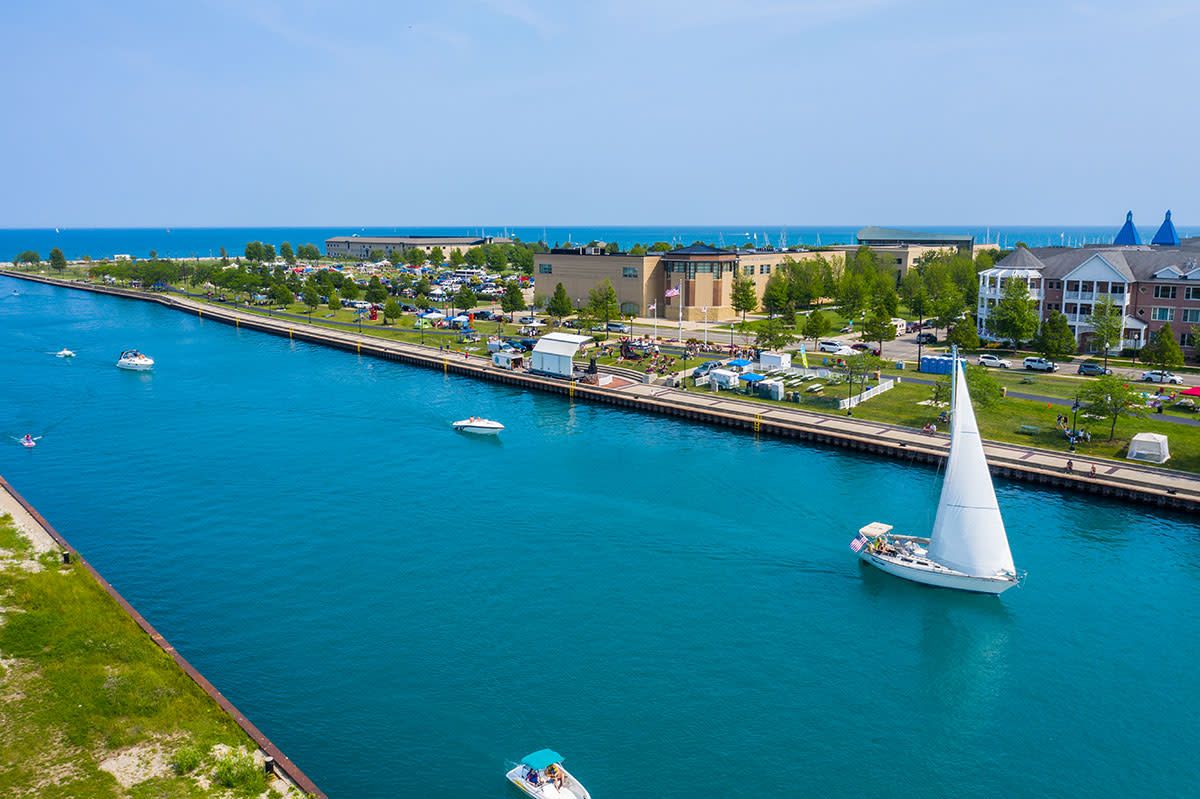

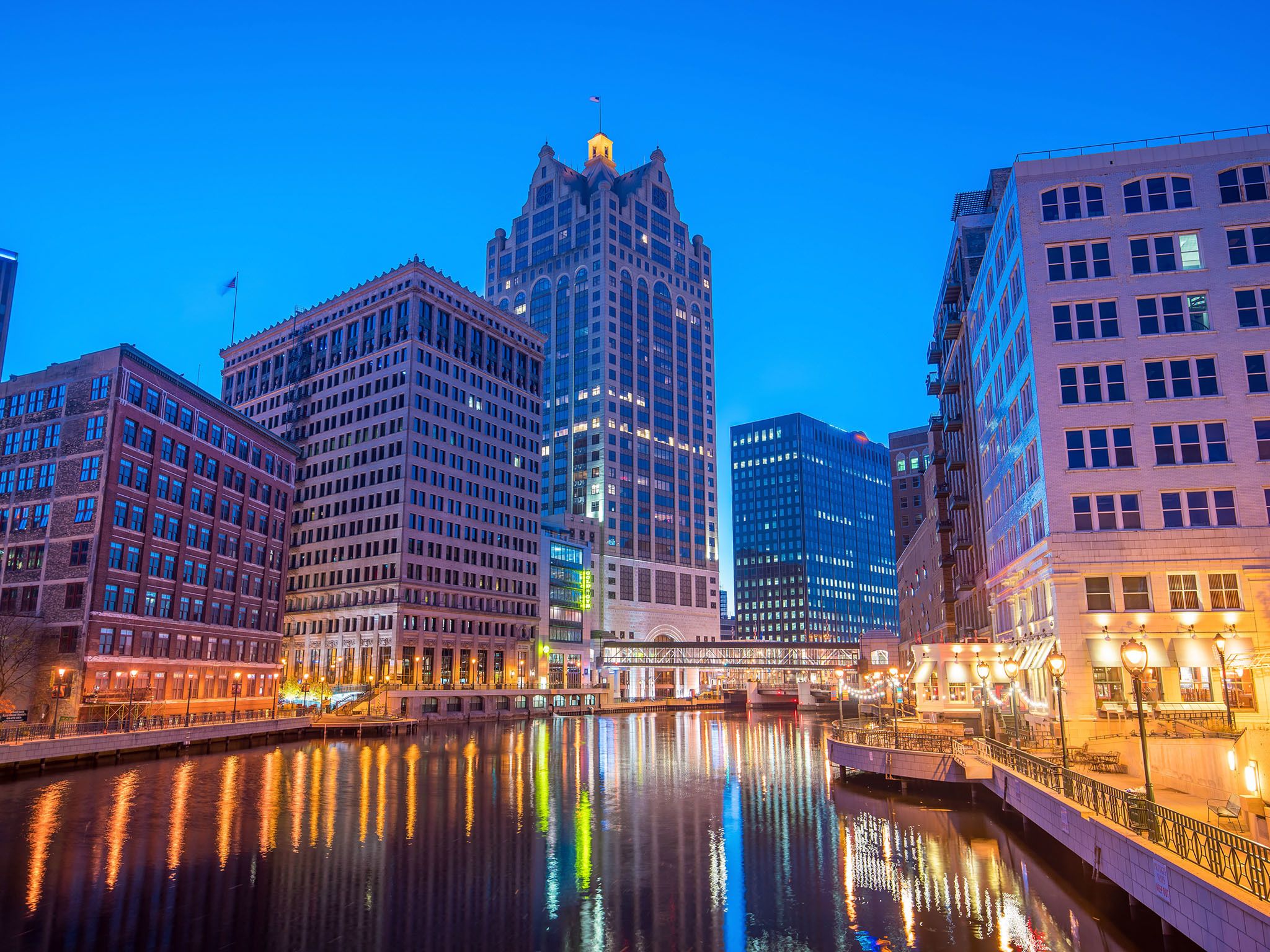
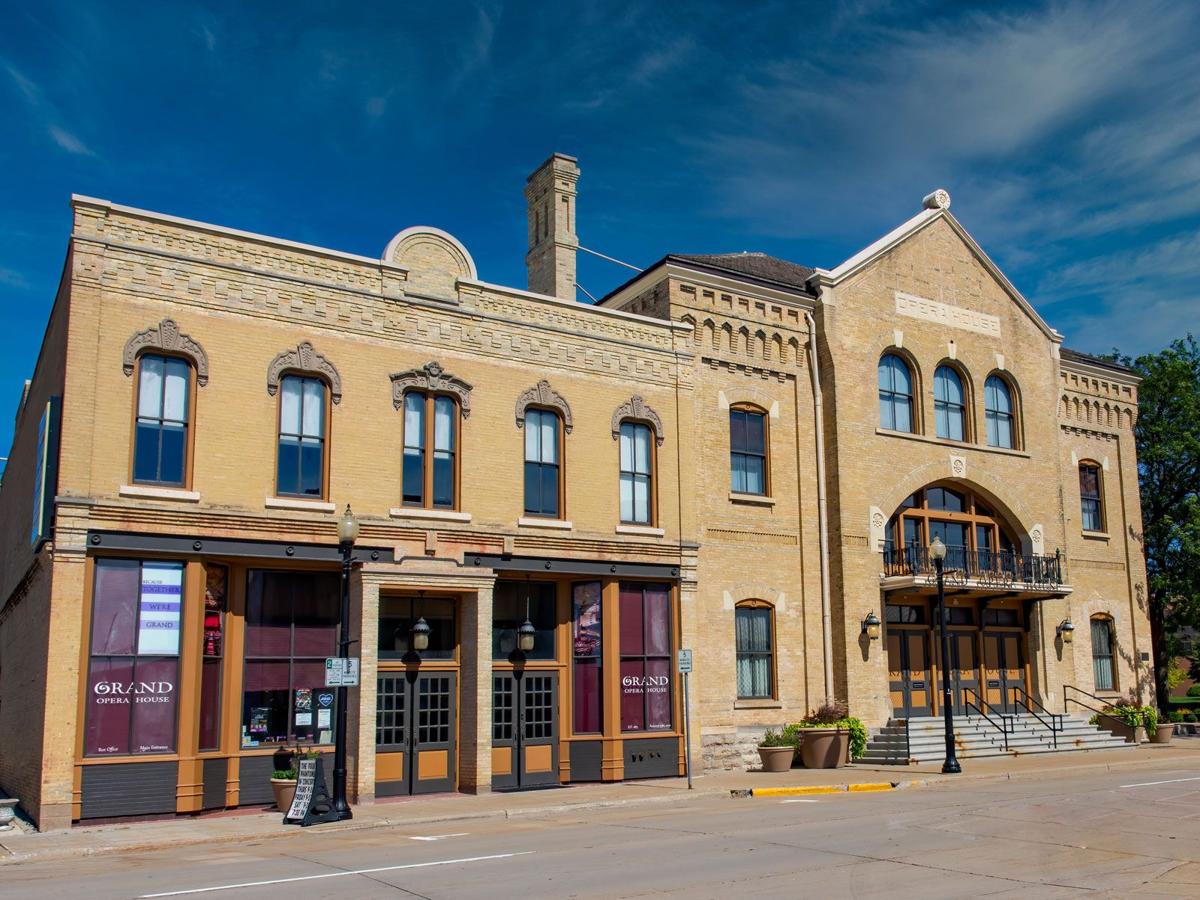
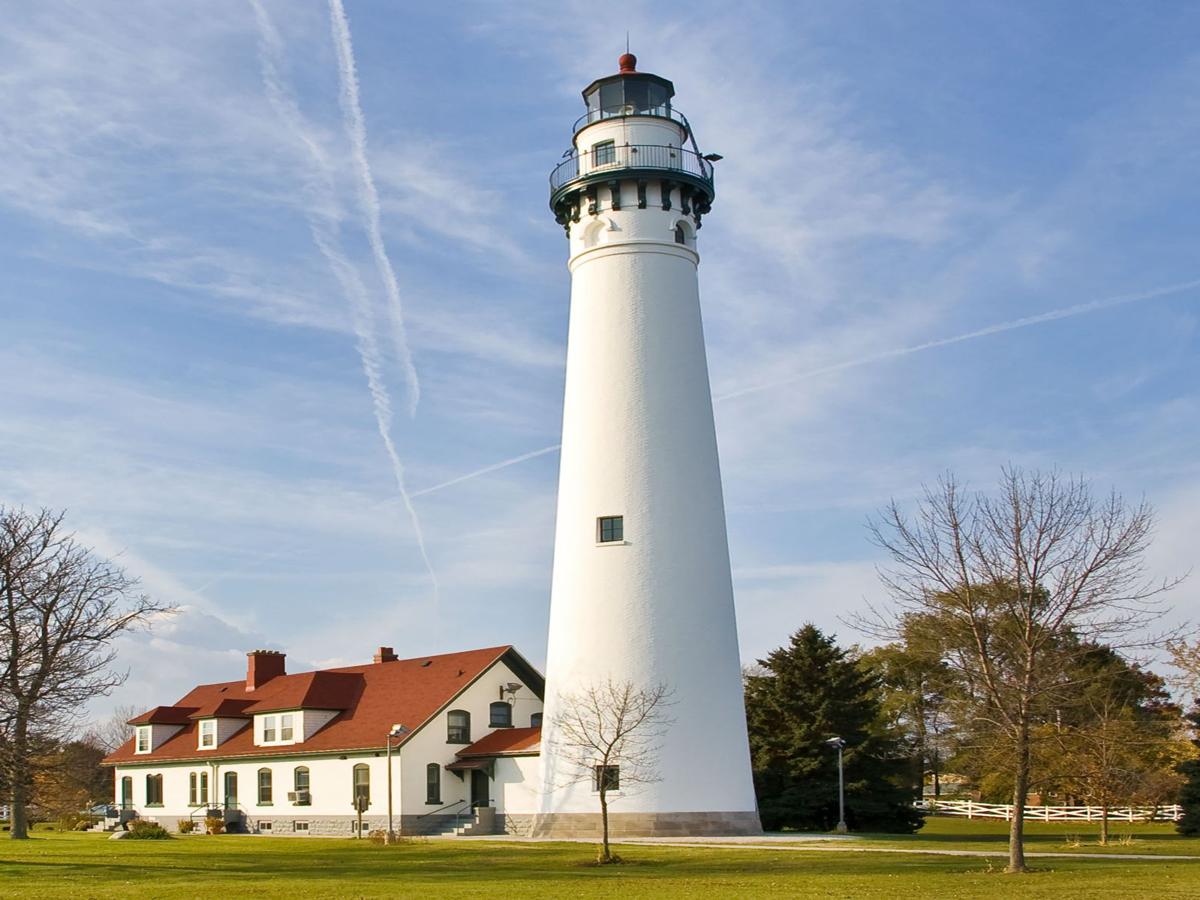
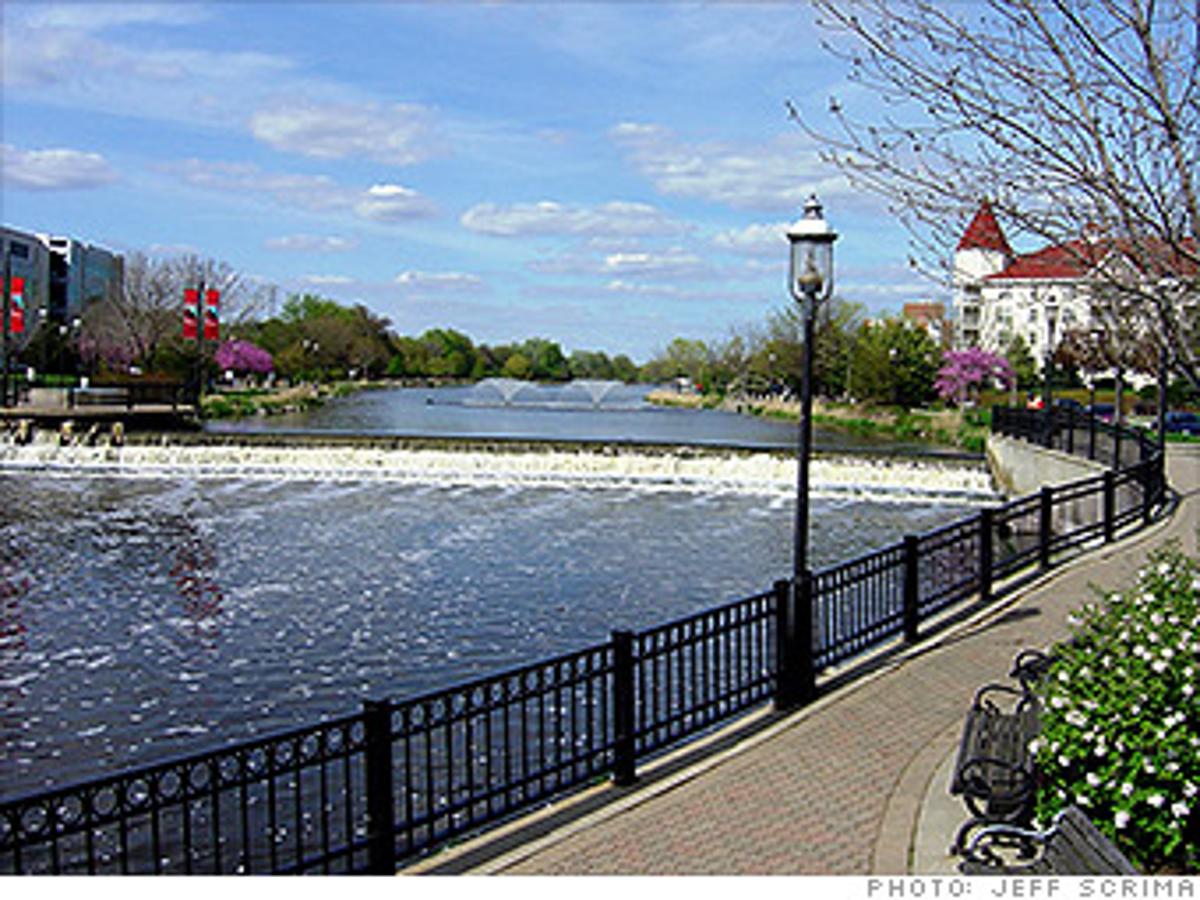
Moving services in Wisconsin
Star Van Lines provides local, long-distance, and interstate moving services across Wisconsin. We handle packing, loading, transport, and delivery for residential and commercial moves. Wisconsin sets two very different jobs in front of a crew, because a tight Madison or Milwaukee duplex on a narrow alley and a Northwoods cabin at the end of a seasonal road share almost nothing in how a move actually runs. Every move includes a single coordinator, a trained crew, and a written estimate.
Local moving in Wisconsin
Local moves in Wisconsin run heaviest along the I-94 corridor between Madison and Milwaukee. A two-person crew runs $138-$278 per hour; three movers run $207-$417. We serve Milwaukee and its suburbs, the growing Madison and Dane County market, the Fox Valley around Appleton and Green Bay, and lakefront communities up north. But access varies a lot, because older Madison and Milwaukee neighborhoods have narrow streets, alley-only entrances, and walk-up duplexes that can force a shuttle truck, while a cabin pickup in the Northwoods can mean a gravel approach and a seasonal road. And winter changes the plan everywhere, since ice and lake-effect snow narrow the safe loading window from December into February.
Long-distance moving from Wisconsin
Long-distance demand out of Wisconsin leans west and south. The single busiest lane is Wisconsin to California, with Madison to Los Angeles running close to 1,966 miles, followed by hauls to Phoenix (about 1,680 miles), Dallas (about 987 miles), and Atlanta (about 840 miles), plus the short regional run to Chicago (about 148 miles). We run these corridors on I-90, I-94, and I-39 as full interstate relocations. Because Madison sees roughly 52 inches of snow a year and Milwaukee close to 49, many winter moves head toward warmer states, and your coordinator builds weather flexibility into any cold-season schedule.
Packing and storage
We offer full-service packing, partial packing, and self-pack options. Full-service means our crew brings every box and material and packs each room; partial lets you choose which rooms we handle; self-pack is the lowest-cost option. We have 43 warehouse locations nationwide for short-term and long-term storage. But in Wisconsin, the wide swing from sub-zero winters to humid summers makes climate-controlled storage the safer choice for wood furniture, electronics, instruments, and artwork, because an unheated unit invites freeze-thaw cracking and summer condensation that ruin the things you store.
Auto transport and specialty items
We ship vehicles by open or enclosed carrier, and households moving from Wisconsin to California should plan a smog check and California registration for each car. We also move pianos, antiques, gun safes, and fine art with specialty crating. Because Wisconsin road salt is hard on undercarriages, owners often inspect collector and high-value cars before enclosed transport, and boats, ice-fishing rigs, and snowmobiles are common Badger State items that need careful handling on their own equipment.
How much does moving in Wisconsin cost?
Moving costs in Wisconsin depend on whether you're moving across town or across the country. Local moves typically run $138-$278 per hour for a two-person crew with a truck. Long-distance moves start at $747 for a studio and reach $8,625 for a large four-plus-bedroom home, depending on distance, weight, and access at both ends.
Local moving rates
| Crew size | Hourly rate |
|---|---|
| 2 movers + truck | $138-$278 / hour |
| 3 movers + truck | $207-$417 / hour |
| 4 movers + truck | $276-$557 / hour |
Long-distance rates from Wisconsin
| Move size | Estimated price range |
|---|---|
| Studio / 1 Bedroom | $747 - $2,185 |
| 2-3 Bedrooms | $1,323 - $4,773 |
| 4+ Bedrooms | $2,243 - $8,625 |
Popular routes and pricing from Wisconsin
| Route | Distance | Avg cost (2-3 BR) |
|---|---|---|
| Madison to Chicago | 148 mi | $1,323 - $1,667 |
| Madison to Atlanta | 840 mi | $2,588 - $3,162 |
| Madison to Dallas | 987 mi | $2,875 - $3,507 |
| Madison to Phoenix | 1,680 mi | $3,450 - $4,255 |
| Madison to Los Angeles | 1,966 mi | $3,910 - $4,773 |
Pricing reflects market averages for moves in and from Wisconsin as of June 2026. Your final price depends on inventory weight, packing level, access at pickup and delivery, and scheduling flexibility. Call (855) 822-2722 or use our free quote calculator for an exact estimate.
What affects your moving price
- Shipment weight and volume are the biggest factors on any long-distance move from Wisconsin.
- Distance drives the base price. Madison to Chicago is 148 miles; Madison to Los Angeles is 1,966.
- Access at both ends matters. Narrow alleys and walk-up duplexes in Madison and Milwaukee, or gravel cabin roads up north, can all add time or call for a shuttle.
- How much packing you want us to do. Full-service runs more than partial, and self-pack is the lowest option.
- When you move. Summer is peak demand, while winter brings ice and lake-effect snow that slow loading.
- Add-on services like auto transport, climate-controlled storage, and specialty handling for boats, snowmobiles, or pianos carry their own pricing.
Moving to Wisconsin: what you should know
A move to Wisconsin involves more than logistics. The state's fastest growth is concentrated in Dane County around Madison, while the Milwaukee metro, the Fox Valley, and the rural Northwoods each move at their own pace. Below is a quick guide covering cost of living, access and logistics, climate and timing, and the residency rules that affect your move.
What it costs to move to Wisconsin
Wisconsin's cost of living index is 94.1 (US average = 100, BEA RPP 2024), comfortably below the national figure, which is part of the draw for households leaving pricier states. Local moving labor runs $138-$278 per hour for a two-person crew. Median home value is $266,500 (Census ACS 2020-2024) and median monthly rent is $1,087, while median household income is $77,485. But the line item to watch is property tax, which at an effective 1.32 percent of home value is the largest single source of state and local revenue here, even though Wisconsin's combined sales tax of about 5.72 percent is one of the lowest in the country.
Access and logistics
Wisconsin's interstate network fans out from the southeast. I-94 is the main spine, running from the Illinois line through Milwaukee and Madison and on toward the Twin Cities, while I-90 and I-39 carry Madison south to Chicago and west on the cross-country lane. I-43 links Milwaukee to Green Bay, and I-41 ties Milwaukee to Appleton and the Fox Valley. In older Madison and Milwaukee neighborhoods, the hard part is the street, not the highway, because narrow lanes, alley-only access, and walk-up duplexes often call for a shuttle truck. Up north, the challenge flips to seasonal and gravel roads that were never built for a full tractor-trailer.
Climate and timing
Wisconsin has warm, humid summers with July highs near 84 degrees in Madison and cold, snowy winters with January lows around 12. Madison gets about 37 inches of precipitation and roughly 52 inches of snow a year, with about 187 days that see some sun, and communities near Lake Michigan and Lake Superior pick up extra lake-effect snow. But the headline risks are seasonal: heavy snow, ice, and dangerous wind chill from December into February, plus severe thunderstorms and tornadoes in spring and summer and river flooding from snowmelt. The best window for a move is late April through May or September through October, when roads are clear and the weather is mild. Avoid deep winter, when ice and snow slow loading and transit on I-90, I-94, and I-39.
Residency and regulations
Wisconsin handles licensing and registration through the Department of Transportation's Division of Motor Vehicles (DMV). New residents have 60 days to get a Wisconsin driver license, and 30 days if they hold a commercial license. You title and register your vehicle when you establish residency, then display the new plates within two business days of receiving them. Apply through the DMV (wisconsindot.gov) once you arrive. Wisconsin requires no statewide safety inspection, but it does require an OBD-II emissions test in seven southeastern counties, Kenosha, Milwaukee, Ozaukee, Racine, Sheboygan, Washington, and Waukesha, so a move into the Milwaukee metro may add that step at renewal. Because Wisconsin offers Election Day registration plus online registration at myvote.wi.gov, voting is simple once you are settled.
What to know before moving to Wisconsin
Benefits of moving to Wisconsin
0,972,787
Population
$0,485
Median household income
0.1 (US = 100, BEA RPP 2024)
Cost of living index
0/year (approximate)
Days of sunshine
0.50%-7.65% (graduated)
State income tax
+0.1% since 2020 (about 4x the state)
Dane County growth
Wisconsin is home to nearly 6 million people, spread across the Milwaukee metro, the fast-growing Madison and Dane County market, the Fox Valley, and a rural north dotted with lakes. The economy leans on healthcare and advanced manufacturing, with health systems like Aurora and Advocate, manufacturers like Kohler, and the dominant University of Wisconsin system, alongside an insurance and financial-services cluster led by Northwestern Mutual. Median household income is $77,485. The migration story runs inbound: Wisconsin gained a net 9,300 residents from other states in 2024, ranking 16th nationally, and its net gain of about 9,900 residents from Illinois was the largest between any two states that year. Most newcomers arrived from Illinois and Minnesota, and the state's population grew 1.3 percent between 2020 and 2025, with nearly all the gain concentrated in Dane County.
Is Wisconsin a good place to live?
Wisconsin offers a fast-growing capital region in Madison, a deep manufacturing and healthcare job base, a low cost of living, and lakes and trails in every direction. But the trade-offs are real: winters are long and snowy, property taxes run high, and the most desirable Dane County suburbs have grown competitive and pricey. Whether it's a good fit depends on how much you value affordability, the outdoors, and a strong job market against a hard winter and a heavy property-tax bill.
Tax environment
Wisconsin has a graduated individual income tax with four brackets running from 3.50 percent to 7.65 percent (Tax Foundation 2026). The average combined state and local sales tax is about 5.72 percent, one of the lowest in the nation, and the gas tax is 32.9 cents per gallon. The heaviest burden is property tax, with an effective rate near 1.32 percent of home value, the largest single source of state and local revenue. Wisconsin has no estate or inheritance tax, and its overall system ranks 21st on the 2026 State Tax Competitiveness Index. For many newcomers, the low sales tax offsets a chunk of that property-tax bill.
Housing market
Median home value in Wisconsin is $266,500 (Census ACS 2020-2024), close to the national figure, and median monthly rent is $1,087. Prices vary sharply by region, from the heated Dane County market around Madison, where demand has outrun supply, to far more affordable small towns and Northwoods communities. An owner-occupancy rate of 67.8 percent reflects a steady homeownership base across the state. But in Madison and its suburbs, the pace can be quick, so newcomers often line up financing before they start to shop.
Job market and economy
Wisconsin's economy is led by healthcare and advanced manufacturing. The University of Wisconsin system is the state's largest single employer, while Aurora and Advocate Health anchor healthcare in the southeast. Epic Systems in Verona, the largest electronic health-record vendor by market share and one of the largest privately held tech companies in the country, drives Dane County's growth alongside the UW-Madison campus. Northwestern Mutual in Milwaukee is the state's highest-ranked Fortune 500 company, and manufacturers like Kohler and A.O. Smith keep production strong. And 33.4 percent of Wisconsin adults hold a bachelor's degree or higher.
Safety and natural risks
Wisconsin's defining risk is winter weather. Heavy snow, ice storms, and dangerous wind chill run from December into February and shape travel and move timing, with lake-effect bands piling extra snow near Lake Michigan and Lake Superior. Severe thunderstorms and tornadoes can strike in spring and summer, and river and flash flooding follow snowmelt and heavy rain. Wisconsin has no meaningful hurricane or earthquake exposure. If you are buying near a river or low-lying ground, flood awareness matters for both insurance and timing.
Who thrives in Wisconsin?
Epic and health-tech hires landing in the Madison area
Epic Systems in Verona, one of the largest privately held tech companies in the country with roughly 13,900 employees, recruits heavily from across the nation, and many new hires relocate to Dane County for a fixed start date. They tend to need fast, scheduled cross-country moves timed to an onboarding week, often from the West Coast.
UW-Madison faculty, researchers, and graduate students
The University of Wisconsin-Madison draws a steady flow of incoming professors, postdocs, and graduate students, many arriving from other states for the fall term. They typically move on academic-calendar timing, value careful handling of books, lab equipment, and instruments, and often relocate long-distance.
Wisconsin retirees heading to California or the Sun Belt
After decades of snowy winters, many retirees relocate to warmer states, and Wisconsin to California is the single most-searched moving direction in our data. They are usually downsizing from long-held family homes, so they need full packing help and often climate-controlled storage during a staged move.
Milwaukee professionals moving to the West Coast or Sun Belt
Milwaukee County's population has held roughly flat, and many mid-career professionals leave the metro for jobs in California, Texas, or the Southeast. These long-haul moves from southeastern Wisconsin usually combine a full-service pack with cross-country auto transport.
Northwoods and lakefront cabin owners consolidating households
Owners of Northwoods and lakefront cabins often merge a second home with a primary residence or leave the state entirely. Their moves involve seasonal-road and gravel access, boats and recreational gear, and storage to bridge the gap between closing dates across the cold season.
First week after moving to Wisconsin: what to do
After your move to Wisconsin, several tasks need attention in the first weeks. New residents have 60 days to get a Wisconsin driver license, and you should title and register your vehicle when you establish residency. Here is a prioritized checklist.
- Update your driver license.
New residents have 60 days to get a Wisconsin license, or 30 days for a commercial license, through the DMV. Bring proof of identity, residency, and your out-of-state license. Note that Wisconsin lets you hold a driver license or a state ID card, but not both. (wisconsindot.gov)
- Title and register your vehicle.
Apply for a Wisconsin title and plates when you establish residency, and display the new plates within two business days of receiving them. If you move into one of the seven southeastern emissions counties, plan for an OBD-II test at renewal.
- Transfer your auto insurance.
Contact your insurer to re-rate your policy for Wisconsin before you register. Premiums vary between Milwaukee, Madison, and the rural north based on local claim rates.
- Register to vote.
Wisconsin offers online registration at myvote.wi.gov, by mail up to 20 days before an election, in person at the municipal clerk's office, and at the polls on Election Day with proof of residence.
- Update homeowner's or renter's insurance.
Because snow load, ice, severe storms, and river flooding all affect Wisconsin, review your coverage. Standard policies don't cover flood damage, so a riverfront or low-lying home may need a separate flood policy.
- Forward your mail.
USPS Change of Address is free online at usps.com. Mail forwarding starts within 7-10 business days.
- Transfer medical records.
Contact your current providers before the move and find a new primary care physician. Aurora, Advocate, and UW Health anchor care across the state.
- Update school records.
If you have children, request transcripts from the previous district and contact your new one about enrollment and deadlines. The Wisconsin school year usually starts on or after September 1.
Wisconsin at a glance: schools, jobs, and things to do
Schools and universities
Elmbrook School District in Brookfield ranked the top district in Wisconsin in Niche's 2026 rankings, with Middleton-Cross Plains near Madison and Mequon-Thiensville north of Milwaukee close behind among the best in the state. The University of Wisconsin-Madison is the public research flagship, enrolling more than 50,000 students. Marquette University in Milwaukee is a private Jesuit research school, and the University of Wisconsin-Milwaukee is a major public doctoral campus. Because school quality and home prices both run high in the western Milwaukee and Madison suburbs, many families research specific districts closely before they choose where to land.
Major employers
The University of Wisconsin system is the largest single employer in the state, and Epic Systems in Verona is the largest private-sector employer in Dane County. Aurora and Advocate Health anchor healthcare across the southeast, while Northwestern Mutual in Milwaukee is the highest-ranked Wisconsin company on the Fortune 500. Kohler Co. keeps manufacturing strong on the lakeshore, and American Family Insurance adds financial-services jobs in Madison. Because the economy spans healthcare, advanced manufacturing, insurance, and health technology, job seekers find deep opportunities in both the Milwaukee and Madison metros.
Attractions and recreation
The Wisconsin Dells bills itself as the "Waterpark Capital of the World" and draws families from across the Midwest. Door County, the scenic Lake Michigan peninsula, is known for cherry orchards, lighthouses, and fall color, while Lake Geneva is a longtime resort town in the southeast. Milwaukee anchors the urban scene with its lakefront, the Milwaukee Art Museum, and the Summerfest music festival. And Devil's Lake State Park near Baraboo, the state's most-visited park, offers 500-foot quartzite bluffs and hiking on the Ice Age Trail.
FAQ
Questions? Look here
Can’t find an answer? Call us
(855) 822-2722 or email
Local moving in Wisconsin typically costs $138-$278 per hour for a two-person crew with a truck, or $207-$417 for the three-person crew a three-bedroom home usually needs. At 4-6 hours, that puts a typical three-bedroom local move around $720 to $2,180. Narrow alleys, walk-up duplexes, and shuttle trucks can add time. Call (855) 822-2722 for an itemized estimate.
Long-distance moves from Wisconsin start at $747 for a studio and reach about $8,625 for a large four-plus-bedroom home. The final price depends on shipment weight, distance, and access at both ends. A two-to-three-bedroom move from Madison to Chicago runs about $1,323 to $1,667, while the cross-country lane to Los Angeles runs higher. Star Van Lines provides written estimates so your price won't change after booking.
Search our USDOT number 4176875 on the FMCSA SAFER website (safer.fmcsa.dot.gov). This federal database confirms our operating authority, MC number 1607491, insurance status, and safety record. Any legitimate interstate mover should be able to provide a verifiable USDOT number.
In Wisconsin the charges to ask about are shuttle fees when a full-size truck can't reach a narrow Madison or Milwaukee street or a Northwoods cabin road, long-carry fees for distances from the truck to the door, and stair fees for walk-up duplexes. We disclose every potential charge in your written estimate before you book, so nothing is a surprise on moving day.
Federal law requires interstate movers to offer two levels: Released Value Protection (free, covering $0.60 per pound per item) and Full Value Protection (paid, covering repair, replacement, or cash settlement at current value). Star Van Lines is fully insured under USDOT #4176875 and can explain both options when you request a quote.
New residents have 60 days to get a Wisconsin driver license, or 30 days for a commercial license, through the Division of Motor Vehicles. You title and register your vehicle when you establish residency and display the new plates within two business days. Wisconsin lets you hold either a driver license or a state ID card, but not both.
Only in seven southeastern counties: Kenosha, Milwaukee, Ozaukee, Racine, Sheboygan, Washington, and Waukesha. There an OBD-II emissions test is required at registration renewal for most non-exempt vehicles. The rest of Wisconsin has no emissions program, and the state requires no statewide safety inspection anywhere.
Generally yes. Dane County is the fastest-growing part of the state, and demand has pushed Madison-area home prices and rents above the statewide median home value of $266,500 and median rent of $1,087. Many smaller cities, the Fox Valley, and Northwoods communities run well below those figures, so the same budget buys a different home depending on where you land.
Late April through May or September through October is the best window, with mild weather and clear roads. Avoid December through February, when ice and lake-effect snow can slow loading and transit on I-90, I-94, and I-39. High summer brings peak demand plus heat and humidity, so if you move then, book early and protect moisture-sensitive items.
Yes. Because Wisconsin to California is the busiest long-distance lane in our data and Madison to Los Angeles runs close to 1,966 miles, many households ship a vehicle rather than drive it. California requires a smog check and registration for each car after you arrive. Wisconsin road salt makes enclosed transport popular for collector cars, and your coordinator covers the household goods and any vehicle on one written estimate.
Dane County reached 590,375 residents by July 2025 and grew about 5.1 percent since 2020, nearly four times the state's 1.3 percent pace. The growth is driven by Epic Systems in Verona and the University of Wisconsin-Madison, which together pull thousands of new workers and students into the area each year. That demand is why Madison-area moves and housing both run busy.
Yes. Boats, ice-fishing rigs, and snowmobiles are common Wisconsin items, and we handle them with the right equipment, padding, and crating. Lakefront and Northwoods pickups often involve seasonal or gravel roads, so we route the move and size the crew accordingly. Recreational gear can also go into climate-controlled storage if your closing dates don't line up.
Ready to Start Your Wisconsin Move?
Get a free moving estimate today. No obligation, no pressure.
Call us or fill out the form - we'll get back to you fast.
USDOT #4176875 | MC #1607491 | Licensed & Insured