
Thank you for your feedback!
We will contact you shortly

Free consultation
Enter your phone number and we will call you back for a consultation on any moving and storage services

New York
Trusted New York Moving Company - Local & Long Distance
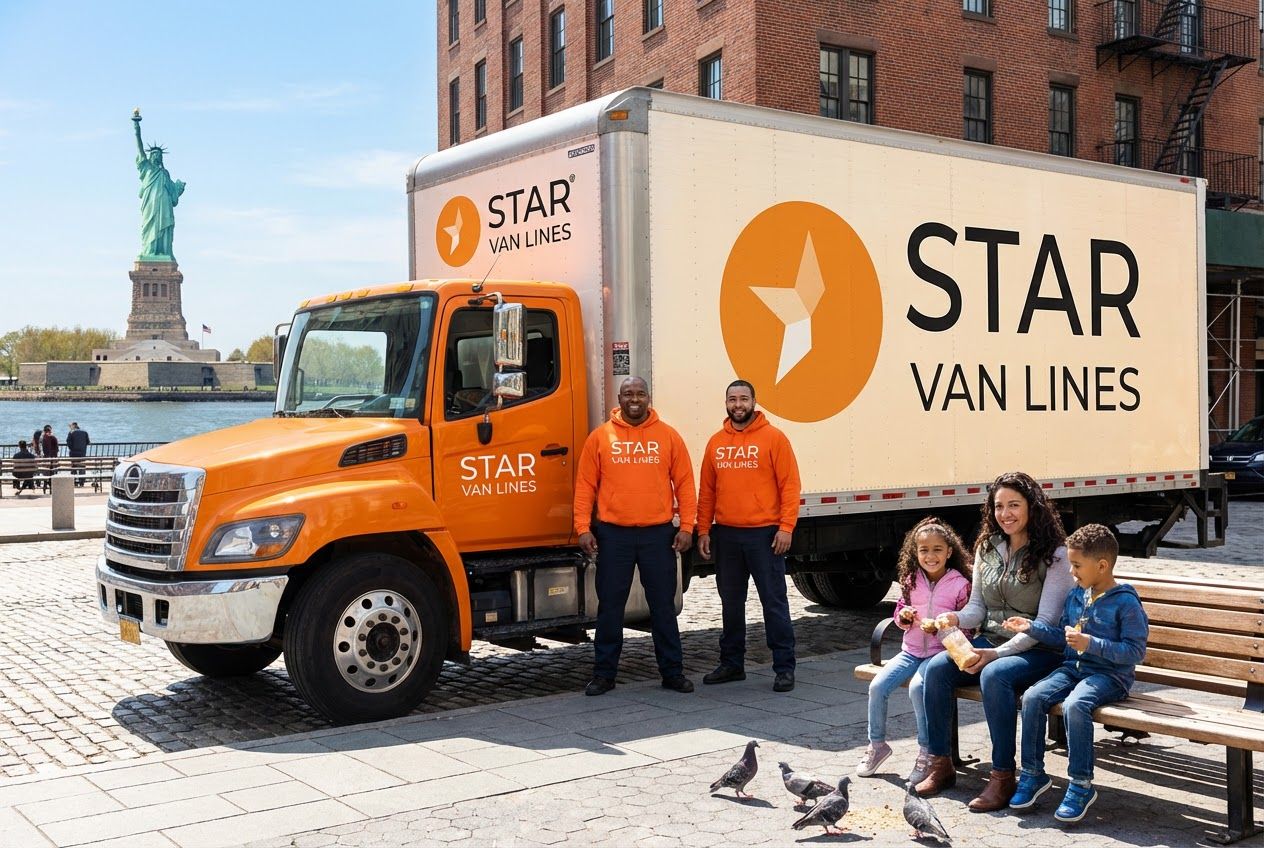
New York remains the nation's busiest two-way migration corridor. Hundreds of thousands leave each year for Florida, New Jersey, and the Carolinas, while nearly as many arrive from those same states and from abroad. That constant back-and-forth creates year-round demand for experienced long-distance movers who understand the state's unique challenges. Star Van Lines is a USDOT-licensed interstate carrier (USDOT #4176875, MC #1607491) that handles local and long-distance moves across all of New York. We've been running these corridors since 2016, from the NYS Thruway connecting Buffalo and Albany to the Cross Bronx Expressway feeding New England, and south on I-95 toward the Carolinas and Florida.
Our New York moving services cover packing, loading, transport, delivery, and short-term storage at warehouse locations across the state. Because New York spans everything from Manhattan walk-ups with no elevator to lakefront homes near Rochester, the logistics change block by block and town by town. A move from Brooklyn to Queens may take half a day. A move from Albany to Charlotte takes three. We handle both with the same coordinator and the same written estimate from day one through delivery. And for NYC moves, we manage the Certificate of Insurance (COI) paperwork that most buildings require before they'll let a truck pull up.
Want a price for your New York move? Call (855) 822-2722 or use our online quote calculator. You'll get an itemized estimate that breaks down every line item, so there aren't any surprises on moving day. We're rated 4.0 on Trustpilot, 4.5 on Google, and 4.75 on Facebook across 240+ reviews.


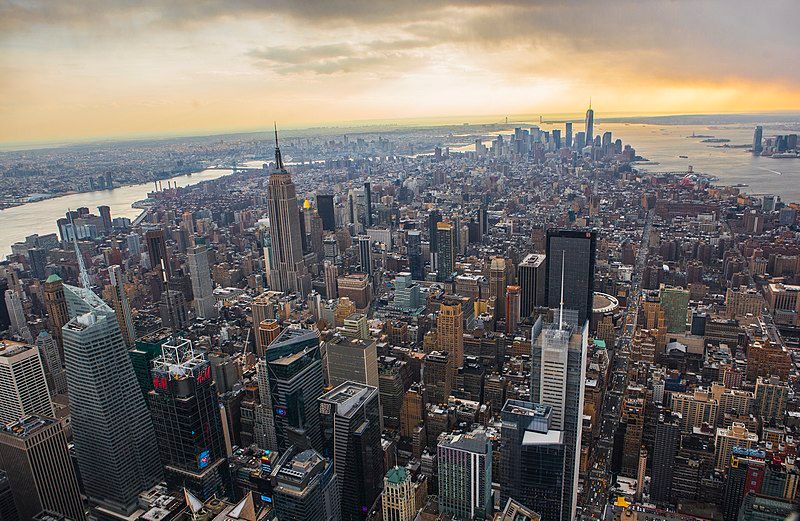
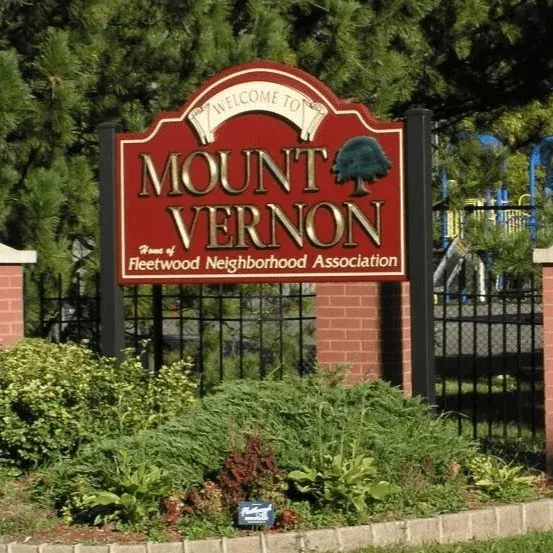
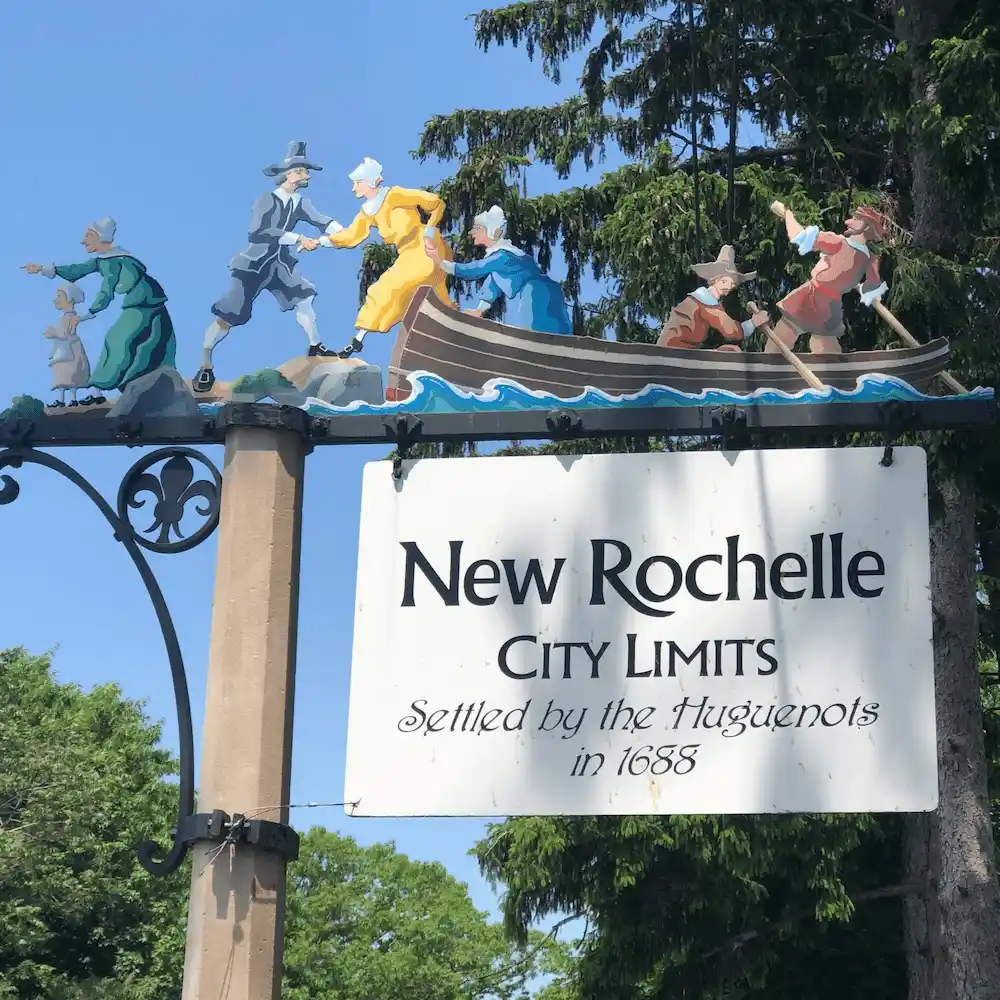


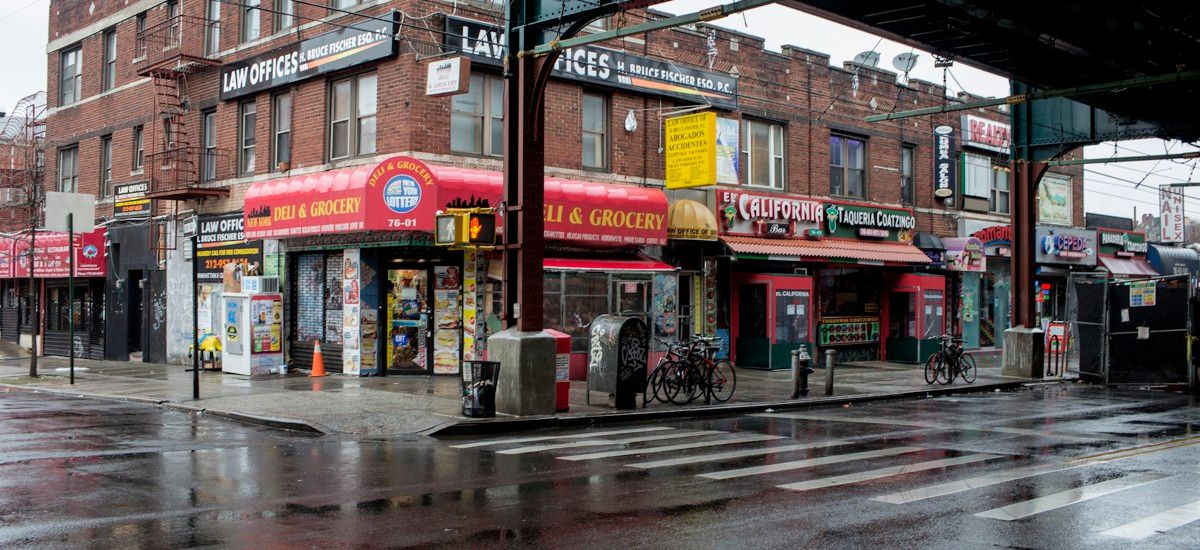

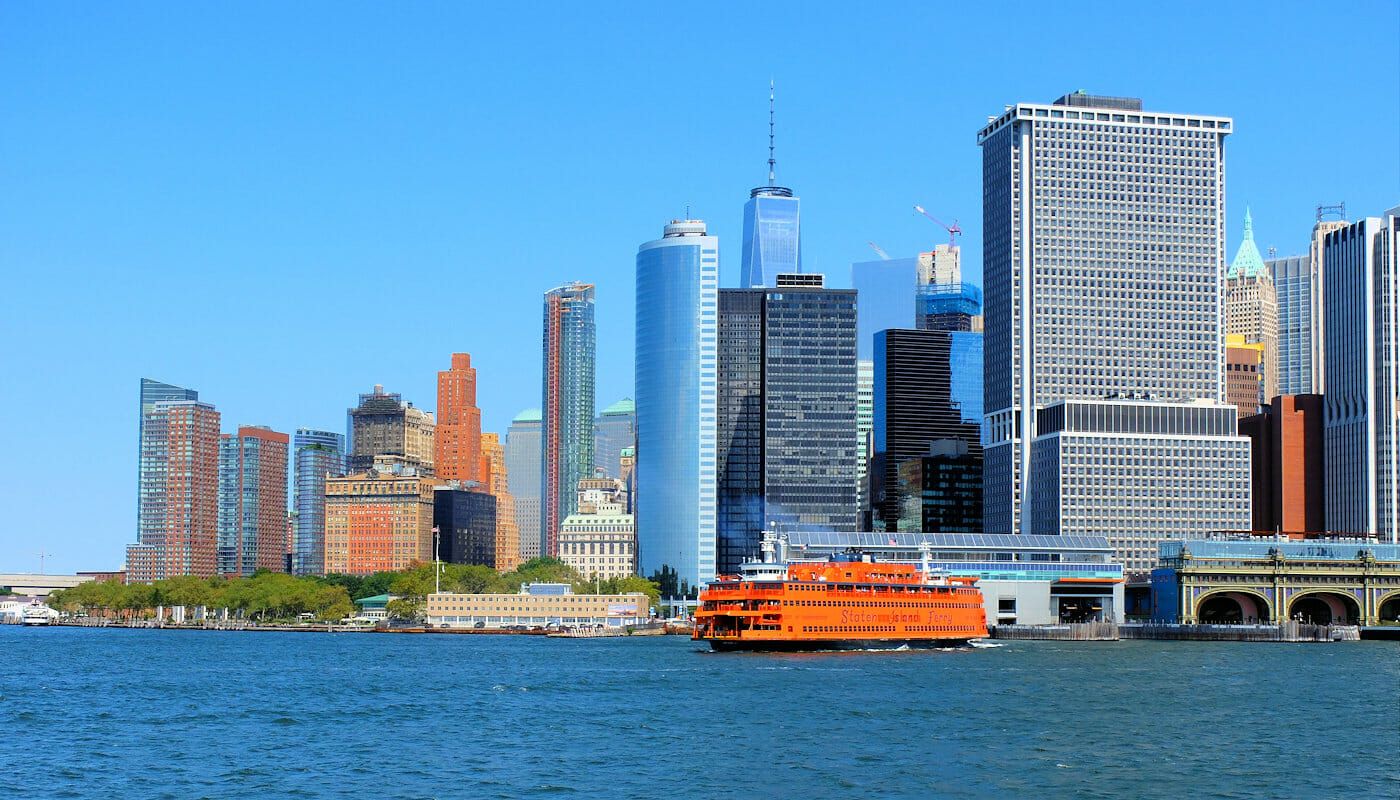

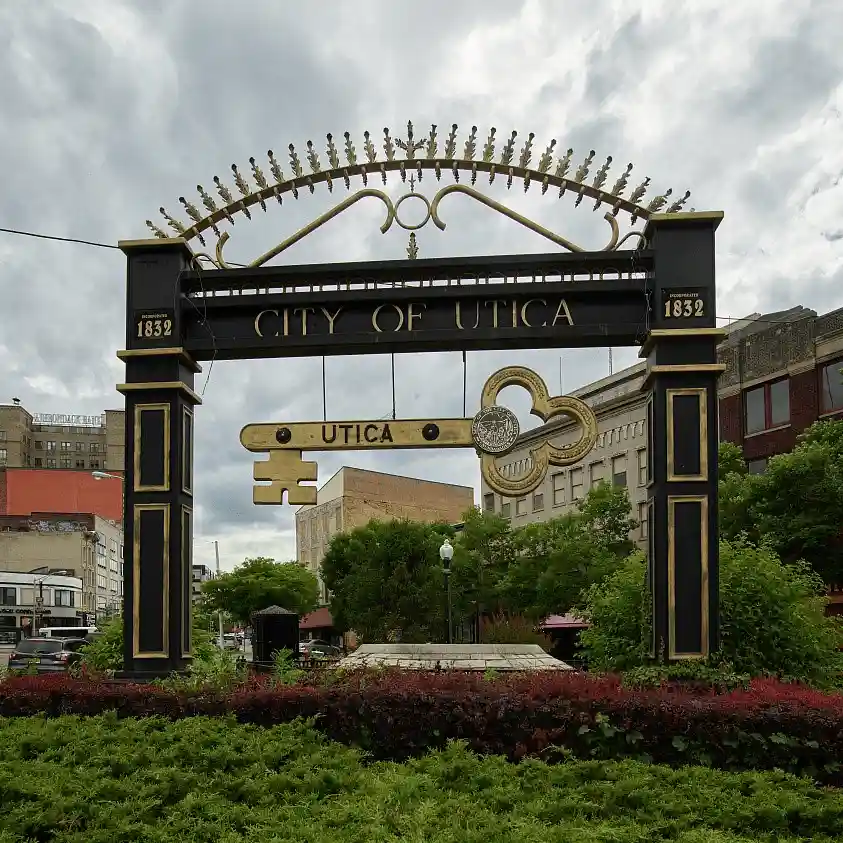
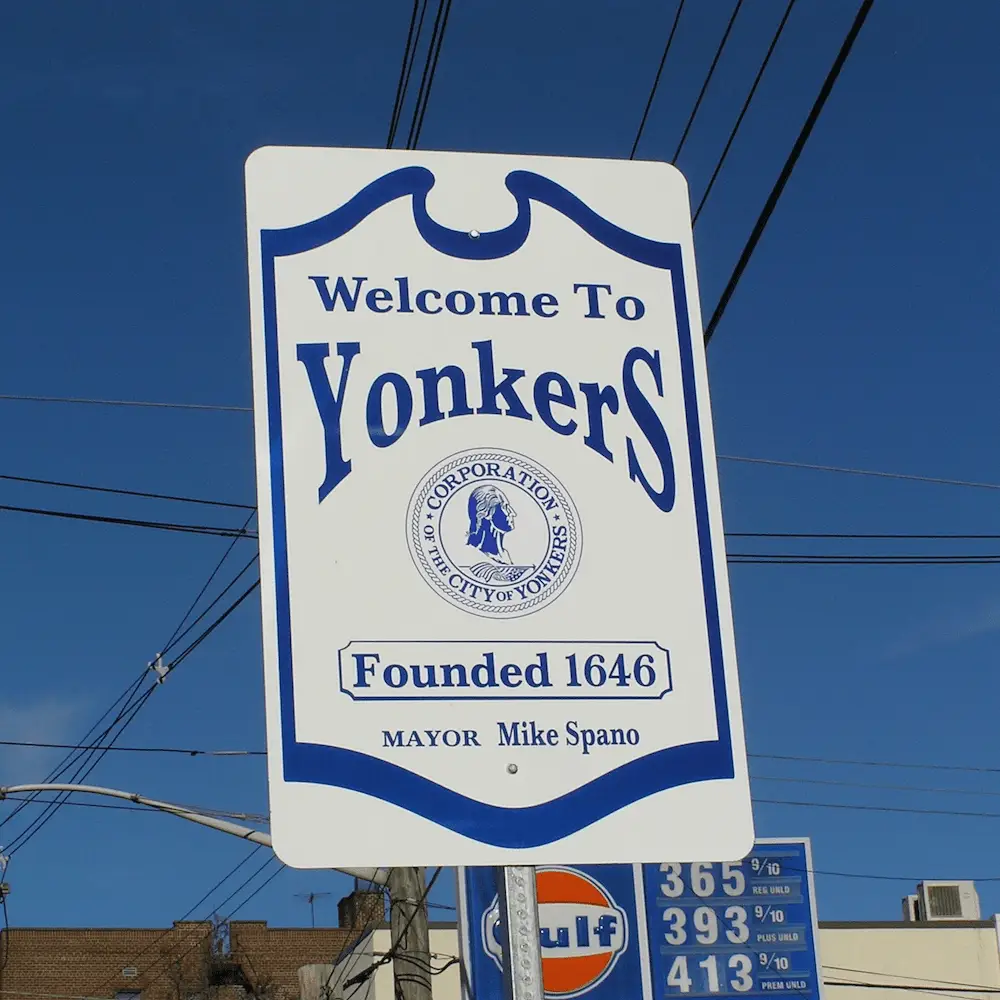
Moving services in New York
Star Van Lines provides local, long-distance, and interstate moving services across New York. We handle packing, loading, transport, and delivery for residential and commercial moves. With 29 Interstate routes crisscrossing the state and strict building access rules in New York City, every New York move requires logistics planning that goes well beyond loading a truck. Every move includes a single coordinator, trained crew, and written estimate.
Local moving in New York
Local moves in the New York City metro present challenges you won't find anywhere else in the country. Over 40% of prewar buildings in Manhattan and Brooklyn have no elevator, which means your crew carries furniture down narrow stairways one floor at a time. A two-person crew costs $100-$160 per hour. And three movers run $155-$280. Most co-ops and condos require a Certificate of Insurance (COI) submitted two weeks ahead, and building management controls freight elevator access and move-in windows. But outside the city, the picture changes entirely. Corridors between Albany and Saratoga Springs, Buffalo to Rochester, and Syracuse to Ithaca involve different terrain and different timelines. Upstate moves tend to go faster, although winter weather adds a variable that city moves don't face.
Long-distance moving from New York
Most long-distance moves from New York head to Florida, New Jersey, or North Carolina. The NY-to-FL corridor covers 1,200-1,500 miles depending on metro pair, and I-95 through the mid-Atlantic can slow to a crawl near DC and Baltimore. We also run regular loads west on I-90 to Ohio and beyond, and south on I-81 through Pennsylvania to Tennessee and the Carolinas. Because lake-effect snow near Buffalo and Syracuse can shut down I-90 for days in winter, your coordinator monitors NYSDOT road conditions and adjusts scheduling when storms are forecasted. And for the NYC-to-Florida route, we know the I-95 bottlenecks by heart.
Packing and storage
We offer full-service packing, partial packing, and self-pack options. Full-service means our crew brings all materials and packs every room. Partial lets you choose which rooms we handle. Self-pack is the lowest-cost option. We have 43 warehouse locations nationwide for short-term and long-term storage. In New York, humidity during summer months can damage moisture-sensitive items like books, leather furniture, and electronics, so climate-controlled storage is worth considering if your delivery date isn't locked in yet. Winter moves present the opposite challenge: freezing temperatures can crack vinyl records, warp wood furniture, and damage liquids left in containers.
Auto transport and specialty items
We ship vehicles via open or enclosed carrier. Most New York-origin vehicle shipments head to Florida, North Carolina, and Texas. We also move pianos, antiques, artwork, and wine collections with specialty crating. Piano moves in walk-up buildings require a separate crew with stair-climbing equipment. And we price these separately from your household goods. If you're moving from New York City to Honolulu, vehicles ship via ocean freight from a West Coast port facility, while household goods travel by ground to California and then by sea.
Popular routes from New York


How much does moving in New York cost?
Moving costs in New York depend on whether you're relocating locally or across state lines. Local moves within New York typically run $100-$160 per hour for a two-person crew with truck. Long-distance moves start at $700 for studio apartments and go up to $7,800 for large homes, depending on distance, weight, and access conditions.
Local moving rates
| Crew size | Hourly rate |
|---|---|
| 2 movers + truck | $100-$160 / hour |
| 3 movers + truck | $155-$280 / hour |
| 4 movers + truck | $210-$420 / hour |
Long-distance rates from New York
| Move size | Estimated price range |
|---|---|
| Studio / 1 Bedroom | $700 - $1,950 |
| 2-3 Bedrooms | $1,300 - $4,300 |
| 4+ Bedrooms | $2,100 - $7,800 |
Popular routes and pricing from New York
| Route | Distance | Avg cost (2-3 BR) |
|---|---|---|
| NYC to Miami | 1,280 mi | $2,700 - $3,300 |
| NYC to Boston | 215 mi | $1,300 - $1,550 |
| NYC to Chicago | 790 mi | $2,150 - $2,650 |
| NYC to Los Angeles | 2,790 mi | $3,400 - $4,200 |
| NYC to San Francisco | 2,900 mi | $3,500 - $4,300 |
Pricing reflects market averages for moves in and from New York as of May 2026. Your final price depends on inventory weight, packing level, access at pickup and delivery, and scheduling flexibility. Call (855) 822-2722 or use our free quote calculator for an exact estimate.
What affects your moving price
- Shipment weight and volume are the biggest factors for any long-distance move from New York.
- Distance matters. A Brooklyn to Hoboken move is 6 miles; New York City to Los Angeles is 2,790.
- Access at both locations plays a role. Walk-up buildings, freight elevator wait times, long carries, and narrow Manhattan streets that need a shuttle truck all add to the cost.
- How much packing you want us to do. Full-service costs more than partial, and self-pack is the lowest option.
- When you move. September 1 is the peak in NYC because of lease-cycle turnover. Mid-month moves, mid-week pickups, and October through March generally cost less.
- Add-on services like auto transport, storage, and specialty item handling (pianos, artwork, wine collections) come with their own pricing.
Moving routes from New York
Moving to New York: what you should know
A move to New York involves more than logistics. Most people moving to New York actually mean New York City, and the logistics of a NYC move have almost nothing in common with upstate New York. Below is a quick guide covering cost of living, access and logistics, climate and timing, and residency requirements that affect your move.
What it costs to move to New York
New York's cost of living index is 107.9 (US average = 100, BEA RPP 2024), but that statewide number masks enormous variation. In New York City, local moving labor runs higher than the statewide average because of walk-up fees, COI requirements, and elevator scheduling. Building access adds real cost too. Most Manhattan and Brooklyn co-ops require Certificate of Insurance paperwork two weeks ahead, and some buildings charge a refundable move-in deposit. Freight elevator reservations are standard, and missing your window means rebooking. If you're relocating from a lower-cost state, budget for higher tolls as well. The George Washington Bridge, Verrazzano-Narrows Bridge, and NYS Thruway all charge by vehicle class, with moving trucks paying significantly more than passenger cars. Median home value sits at $423,800 (Census ACS 2020-2024), while median monthly rent is $1,621 statewide. Although median household income is $85,974, housing costs in the city absorb the majority of that figure. And the gap keeps widening.
Access and logistics
New York has 29 Interstate routes, more than any other state, and the highway system carries both long-haul freight and commuter traffic simultaneously. I-90 (NYS Thruway) runs 386 miles east-west from Buffalo to Albany and down toward the city. I-87 connects NYC to Albany and the Canadian border. I-95 is the coastal route south through the Bronx to New Jersey, Connecticut, and eventually Florida. NYC moves face challenges that don't exist anywhere else: streets in Manhattan are narrow, parking is restricted, and over 40% of prewar buildings lack elevators. Co-op boards and building management often limit move-in hours to weekday mornings. Upstate moves are a different story. Buffalo, Rochester, and Syracuse have standard residential access. But lake-effect snow creates winter delays that can push timelines by days.
Climate and timing
New York City averages 85-degree summer highs and 28-degree winter lows, with about 168 days of sunshine per year (NOAA). But climate varies dramatically across the state. Syracuse gets 124 inches of snow annually, while NYC averages roughly 30 inches. Lake-effect storms near Buffalo and Rochester can dump feet of snow in a single event, closing I-90 and local roads. Peak moving season runs May through September, and rates during this window can spike 20-40% above off-peak pricing. Best months for a New York move: March through May or September through November, when weather is mild, demand is lower, and movers offer more flexibility. Avoid the first and last days of any month if you're moving within NYC, because lease-cycle peaks create intense competition for elevator time and street parking.
Residency and regulations
New York requires new residents to apply for a driver's license at the New York DMV (dmv.ny.gov) within 30 days of establishing residency. Bring proof of identity, Social Security number, and two proofs of New York residency. Vehicle registration also has a 30-day deadline. New York requires an annual safety inspection for all registered vehicles. And certain counties require emissions testing as well. Since New York is one of the few states with annual inspections, schedule yours within the first few weeks of registration to stay compliant.
What to know before moving to New York
Benefits of moving to New York
0,002,427
Population
$0,974
Median household income
0.9
Cost of living index
0/year
Days of sunshine
0.90%-10.90%
State income tax
#0 in US
Finance hub
New York is home to 20 million people, the fourth most populous state in the country. The state's economy is driven by finance, media, healthcare, and technology, with New York City serving as the global hub for banking and investment. Median household income is $85,974, above the national average, although housing costs in the city eat most of that advantage. The state gets about 168 days of sunshine per year as a statewide average, considerably less than Sun Belt states. Major employers span Wall Street firms in Manhattan, tech companies in the Hudson Valley, healthcare systems across the five boroughs, and defense contractors on Long Island. Between 2020 and 2025, New York lost 1.0% of its population through net domestic out-migration, with most outbound movers heading to Florida (43,187), New Jersey (43,699), and North Carolina (13,811). But international immigration partially offset those losses.
Is New York a good place to live?
New York offers unmatched career opportunities in finance, media, and tech, plus a cultural density that no other state can replicate. The trade-offs are steep: housing in NYC is among the most expensive in the country, state income tax tops out at 10.90%, and winter weather upstate is genuinely harsh. Whether it's a good fit depends on your career ambitions, budget, and willingness to trade space for access.
Tax environment
New York's progressive income tax ranges from 3.90% to 10.90% (Tax Foundation 2026). And New York City adds its own city income tax on top of the state rate. Average combined state and local sales tax is 8.5%. Property taxes vary widely, with suburban counties around the city among the highest in the nation, while upstate counties are considerably more affordable. For someone relocating from a no-income-tax state like Florida or Texas, the combined tax burden is a serious adjustment that needs to be factored into any household budget.
Housing market
Median home value in New York is $423,800 (Census ACS 2020-2024), but that figure masks dramatic regional variation. Homes in the city routinely sell for well above the statewide median, while Buffalo, Syracuse, and the Southern Tier offer prices well below it. Median monthly rent statewide is $1,621. Only 54.3% of New York households own their homes (Census ACS 2020-2024), one of the lowest homeownership rates in the country, driven by the city's renter-heavy market. And for renters in NYC, the median asking rent now exceeds what most households can afford without spending more than 30% of gross income on housing.
Job market and economy
New York's economy is anchored by finance and insurance in Manhattan, but healthcare, tech, media, and education all provide significant employment statewide. The state has a labor force participation rate of 62.6%. While NYC dominates in white-collar employment, upstate cities like Buffalo and Rochester have growing manufacturing and biotech sectors that draw a different kind of worker. And 40.2% of New York adults hold a bachelor's degree or higher, making it one of the most educated states in the country.
Safety and natural risks
New York faces hurricanes and nor'easters along the coast, flooding in the Hudson Valley and Southern Tier, and blizzards across upstate. The city's vulnerability to coastal flooding was exposed in 2012. And flood insurance rates in affected zones have increased sharply since then. Winter storms regularly knock out power in rural areas and close highways for hours at a time. Newer construction in the city follows updated flood codes, but older buildings in low-lying neighborhoods may not meet current standards.
Who thrives in New York?
Finance and business professionals
Wall Street, Midtown's corporate towers, and the hedge fund corridor make the New York metro the default for anyone in finance, consulting, or corporate law. If your career requires face time with clients and colleagues in these industries, no other state comes close. The concentration of capital, talent, and deal flow is unmatched.
Creative professionals
Broadway, the publishing industry, fashion houses, advertising agencies, and a growing film and TV production scene make New York the second creative capital of the country. Brooklyn has become a hub for independent media, design studios, and tech startups that straddle the creative and technology worlds.
International transplants
With 22.8% of the population born outside the United States, New York is one of the most internationally diverse states in the country. Neighborhoods across NYC are organized around immigrant communities from dozens of countries. Many newcomers from abroad find it easier to establish themselves here than in any other American city. Because the infrastructure for international arrivals is already in place.
Families prioritizing education
New York is home to Columbia, Cornell, NYU, the University of Rochester, Rensselaer Polytechnic Institute, and Syracuse University. The SUNY and CUNY systems provide affordable public options across the state. K-12 quality varies dramatically by district, but top-performing districts rank among the best nationally.
Upstate affordability seekers
Remote workers and families who want access to the broader New York economy without city prices are settling in Buffalo, Rochester, and the Hudson Valley. Housing in these areas runs 50-70% below the metro area, quality of life is high, and you're still within the state's job market and cultural orbit.
First week after moving to New York: what to do
After your move to New York, several tasks have state-specific deadlines. New York requires new residents to update their driver's license within 30 days of establishing residency. Here is a prioritized checklist.
- Update your driver's license.
New York requires new residents to apply at the New York DMV within 30 days. Bring proof of identity, Social Security number, and two proofs of New York residency. You won't need a road test if you hold a valid out-of-state license, but a written test may be required. (dmv.ny.gov)
- Register your vehicle.
You have 30 days to register your vehicle at the New York DMV. New York requires an annual safety inspection, and certain counties also require emissions testing. Schedule the inspection early, then visit the DMV with results, your out-of-state title, and proof of insurance from a NY-licensed insurer.
- Transfer your auto insurance.
Contact your insurer to re-rate your policy for New York. Premiums often increase in the NYC metro due to higher traffic density, theft rates, and repair costs. New York has specific minimum liability requirements, and your insurer can walk you through the differences from your previous state.
- Register to vote.
New York offers online voter registration at elections.ny.gov, plus DMV and mail options. You can also register in person at your county Board of Elections.
- Update homeowner's or renter's insurance.
New York's coastal flood risk and nor'easter exposure may change your coverage needs and premiums. Standard policies don't cover flood damage, so you may need a separate flood policy if you're in a FEMA-designated zone.
- Forward your mail.
USPS Change of Address is free online at usps.com. Mail forwarding starts within 7-10 business days.
- Transfer medical records.
Contact current providers before your move and find a new primary care physician in New York. If you're on employer insurance, verify your new plan's New York network before scheduling appointments.
- Update school records.
If you have children, request transcripts from the previous school district. Contact your new district for enrollment requirements and deadlines. The New York school year typically starts in early September.
New York at a glance: schools, jobs, and things to do
Schools and universities
Townsend Harris High School in Queens, Stuyvesant High School in Manhattan, and the Bronx High School of Science consistently rank among the top public high schools in the country. But the university system is where New York truly stands out. Columbia University and Cornell University are Ivy League institutions. NYU is one of the largest private universities in the nation. The SUNY system includes dozens of campuses across the state, and CUNY serves a massive student population across New York City. For families, school quality varies dramatically by district, and the best-performing districts on Long Island and in Westchester rank among the strongest nationally.
Major employers
JPMorgan Chase, Citi, and other financial institutions anchor Wall Street. PwC, Deloitte, Ernst & Young, and KPMG maintain major offices in Midtown Manhattan. IBM and PepsiCo are headquartered in the Hudson Valley. Major hospital systems including Mount Sinai, NYU Langone, and NewYork-Presbyterian are among the state's largest healthcare employers. In upstate New York, the University of Rochester Medical Center and defense contractors provide significant employment. Because the state economy spans finance, healthcare, media, and technology, the job market supports a wide range of professional backgrounds.
Attractions and recreation
The Statue of Liberty and Ellis Island draw millions of visitors each year. Central Park offers one of the largest urban green spaces in the world, right in the heart of Manhattan. Niagara Falls, on the state's western border, is one of the natural wonders of North America. The Adirondack Park is one of the largest protected areas in the eastern US, with mountains, lakes, and forest. Broadway produces more live theater per season than any other venue on earth. And the Catskills and Finger Lakes region offer hiking, wineries, and ski resorts within a few hours of the city.
FAQ
Questions? Look here
Can’t find an answer? Call us
(855) 822-2722 or email
Local moving in New York typically costs $100-$160 per hour for a two-person crew with truck. A standard three-bedroom home takes 4-6 hours, putting the total between $468 and $4,307. Add-ons like packing, disassembly, and long carries increase the total. Call (855) 822-2722 for an itemized estimate.
Long-distance moves from New York start at $700 for studio apartments and go up to $7,800 for four-plus-bedroom homes. The final price depends on shipment weight, distance, and access at both locations. Star Van Lines provides binding estimates so your price won't change after booking.
Search our USDOT number 4176875 on the FMCSA SAFER website (safer.fmcsa.dot.gov). This federal database confirms our operating authority, MC number 1607491, insurance status, and safety record. Any legitimate interstate mover should be able to provide a verifiable USDOT number.
Common surcharges include shuttle fees (if a full-size truck can't reach your address in Manhattan or Brooklyn), long-carry charges for distances over 75 feet from truck to door, stair fees for walk-up buildings, and elevator waiting time. We disclose all potential charges in your written estimate before you book.
Federal law requires interstate movers to offer two levels: Released Value Protection (free, covers $0.60 per pound per item) and Full Value Protection (paid, covers repair, replacement, or cash settlement at current value). Star Van Lines is fully insured under USDOT #4176875 and can explain both options when you request a quote.
Most NYC co-ops and condos require your moving company to provide a Certificate of Insurance naming the building as additionally insured. Request this from your mover at least two weeks before your move date, because building management typically needs time to review and approve it. Without an approved COI, the building may refuse elevator access on moving day.
oll costs add up quickly in New York. The George Washington Bridge, Verrazzano-Narrows Bridge, and NYS Thruway all charge by vehicle class, and a moving truck pays significantly more than a passenger car. The Thruway charges by distance, so a full run from NYC to Buffalo adds a meaningful amount to the total. Ask your mover whether tolls are included in the quote or billed separately.
Lake-effect snow near Buffalo and Syracuse regularly dumps 100+ inches per season, and I-90 closures happen multiple times each winter. I-87 from Albany north can ice over from December through March. If you're scheduling a winter move involving any corridor north of I-84, build in extra days for weather delays and confirm that your mover monitors NYSDOT road conditions.
In Manhattan and parts of Brooklyn, building management controls freight elevator access and may limit move-in windows to weekday mornings. Street parking for a moving truck may require a temporary no-parking permit from NYC DOT. Your building super can tell you exactly what's needed. Co-ops often have additional rules about moving hours and deposit requirements.
New residents have 30 days to register their vehicle at a New York DMV office (dmv.ny.gov). You'll need your out-of-state title, proof of insurance from a NY-licensed insurer, and proof of identity. New York requires an annual safety inspection, and certain counties also require emissions testing. Schedule the inspection early after registration.
New York requires new residents to apply for a driver's license within 30 days of establishing residency. Visit any New York DMV office (dmv.ny.gov) with proof of identity, Social Security number, and two proofs of New York residency. If you hold a valid out-of-state license, you won't need a road test, but a written test may be required depending on your previous state.
September 1 is the single busiest move-in date in New York City, followed by the first and last days of every month. Movers book up weeks in advance during these windows, and prices spike accordingly. If you can schedule your move for mid-month or mid-week, you'll have more options and typically pay less. Building elevators also have less competition outside of lease-cycle peaks.
Ready to Start Your New York Move?
Get a free moving estimate today. No obligation, no pressure.
Call us or fill out the form - we'll get back to you fast.
USDOT #4176875 | MC #1607491 | Licensed & Insured