Thank you for your feedback!
We will contact you shortly

Free consultation
Enter your phone number and we will call you back for a consultation on any moving and storage services
How to Pack a Garage for Moving: A Step-by-Step Guide
Packing a garage for moving requires extra planning because it often contains heavy tools, sharp objects, lawn equipment, bicycles, chemicals, and bulky storage systems. Start by sorting everything into keep, sell, donate, and dispose groups. Separate materials your movers cannot transport, clean and prepare equipment, and use small reinforced boxes for heavy items. Power tools, garden tools, lawnmowers, and bicycles should be packed individually and secured against movement. This guide from Star Van Lines explains how to organize the process, avoid common safety mistakes, and prepare your entire garage for a local or long-distance move.
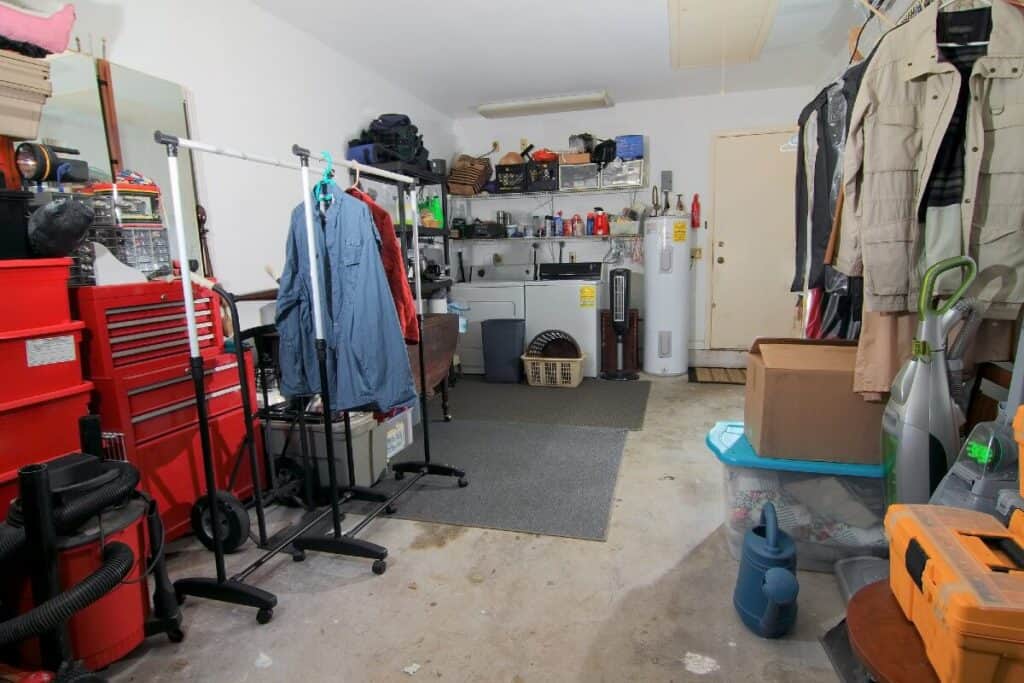


Packing a garage for moving can be more complicated than packing any other room in your home. Garages often contain heavy tools, sharp objects, lawn equipment, automotive supplies, bicycles, chemicals, and items with irregular shapes. Without a clear plan, boxes may become dangerously heavy, small parts can disappear, and expensive equipment may be damaged during transportation.
The best approach is to start early, separate restricted materials before packing, and work through the garage one category at a time. This guide explains how to pack a garage for moving safely and efficiently, from decluttering and selecting supplies to preparing tools, lawn equipment, bicycles, and storage systems.
If you would rather leave the process to experienced movers, Star Van Lines offers professional packing and unpacking services. You can also request a free moving quote based on the size of your garage and the services you need.
Why Packing a Garage Requires Special Preparation
A garage usually contains a greater variety of belongings than a bedroom or living room. Many garage items are heavy, dirty, sharp, fragile, or potentially hazardous. This means you cannot use the same packing method for everything.
Items that commonly require special preparation include:
- Hand tools and power tools
- Nuts, bolts, screws, and other small hardware
- Lawnmowers, trimmers, and garden equipment
- Rakes, shovels, saws, and sharp tools
- Bicycles and sports equipment
- Tool chests, workbenches, and shelving
- Paint, fuel, propane, pesticides, and automotive chemicals
- Seasonal decorations and outdoor furniture
Sorting these belongings before moving day makes packing more manageable. It also gives you enough time to sell unwanted equipment, donate usable items, and properly dispose of materials your movers cannot transport.
When Should You Start Packing Your Garage?
Start sorting the garage two to four weeks before moving day. A large garage or workshop may require more time, especially if you need to disassemble shelving, prepare machinery, sell equipment, or arrange hazardous waste disposal.
Begin with items you will not need before the move:
- Seasonal decorations
- Duplicate tools
- Stored sports equipment
- Spare automotive accessories
- Unused gardening supplies
- Out-of-season lawn equipment
Keep a small set of essential tools available until the end. A drill, screwdrivers, adjustable wrench, utility knife, flashlight, tape measure, work gloves, and basic hardware may be useful while disassembling furniture or completing final repairs.
Pack these essentials in a clearly labeled Open First container so they remain accessible at your new home.
Garage Packing Supplies You Will Need
Garage belongings are often too heavy for old, damaged, or oversized boxes. Use durable materials designed to support the weight and shape of the items you are moving.
Recommended garage packing supplies include:
- Small and medium heavy-duty moving boxes
- Plastic bins with secure lids
- Heavy-duty packing tape
- Packing paper and bubble wrap
- Moving blankets and furniture pads
- Stretch wrap
- Zip-top bags for small parts
- Cable ties, rope, or twine
- Cardboard for covering sharp edges
- Permanent markers and moving labels
- Work gloves and cleaning cloths
Use small boxes for dense items such as tools, hardware, and automotive parts. A large box filled with metal tools can become too heavy to lift safely and may break during handling.
Reinforce the bottom of every box with additional packing tape. Follow the weight limit specified by the box manufacturer and make sure each packed container can be lifted safely by the moving crew.
You can find additional recommendations in our guide to choosing the right moving boxes and packing supplies.
How to Pack a Garage for Moving Step by Step
1. Sort Everything Into Four Groups
Before opening the first moving box, divide your garage belongings into four groups:
- Keep: Items you regularly use and want in your new garage
- Sell: Valuable tools or equipment you no longer need
- Donate: Usable belongings that are not worth transporting
- Dispose: Broken, expired, leaking, or restricted items
Decluttering can reduce both the volume and cost of your move. There is little value in paying movers to transport broken tools, dried paint, damaged storage bins, or equipment that will not fit in your new home.
If you are moving to a smaller property, check the dimensions of the new garage before deciding which workbenches, shelves, cabinets, and large equipment to keep.
2. Separate Items Movers May Not Accept
Do not place hazardous garage materials into moving boxes before checking your moving company's prohibited-items policy.
Professional movers generally cannot transport many flammable, explosive, corrosive, pressurized, or toxic materials. Items that commonly require separate disposal or special handling include:
- Gasoline and other fuels
- Propane cylinders
- Paint thinner and solvents
- Aerosol products
- Pesticides and herbicides
- Pool chemicals
- Fireworks and ammunition
- Automotive fluids
- Equipment containing fuel
- Leaking or damaged batteries
Do not assume that labeling a box as hazardous makes it acceptable for transportation. Ask your movers for their current restricted-items list and contact your local household hazardous waste facility for disposal instructions.
Never pour fuel, paint, solvents, or chemicals onto the ground, into household drains, or into regular trash containers.
3. Clean and Inspect Equipment
Remove dirt, grease, grass, and other debris before packing. Cleaning tools and equipment prevents grime from transferring to boxes, moving blankets, or other belongings.
Dry metal items completely to reduce the risk of rust during storage or a long-distance move. Inspect equipment for:
- Loose components
- Leaking fluids
- Damaged cords
- Missing guards
- Cracked batteries
- Existing dents or scratches
Take photographs of valuable or complicated equipment before disassembly. These images can document its condition and provide a useful reference when you reassemble it.
4. Pack One Category at a Time
Avoid mixing unrelated garage items in the same box. Pack hand tools, power tools, gardening supplies, automotive accessories, sports equipment, and seasonal decorations separately.
Category-based packing makes it easier to:
- Distribute weight between boxes
- Protect fragile belongings
- Find specific items after delivery
- Organize the new garage
- Identify missing equipment
Fill empty space with packing paper, towels, or suitable cushioning to prevent movement. Never place fragile items in the same box as heavy or sharp tools.
5. Label Every Box Clearly
Label each box with the destination room, item category, and required handling instructions. Instead of writing only Garage, use detailed descriptions:
- Garage - Hand Tools
- Garage - Power Tool Accessories
- Garage - Sports Equipment
- Garage - Fragile Decorations
- Garage - Open First
Number the boxes and create a simple inventory on your phone or in a spreadsheet. For a more efficient system, follow our recommendations for labeling moving boxes.
How to Pack Hand Tools and Small Hardware
If hand tools are already stored in a secure toolbox, remove loose items and lock or latch all drawers. Wrap the toolbox with stretch wrap if the drawers could open during handling.
Stretch wrap should only keep the drawers closed. It should not be used to support the weight of a loaded toolbox.
Place screws, nails, drill bits, sockets, nuts, bolts, and other small components in separate zip-top bags or lidded containers. Label each container clearly.
If the hardware belongs to a specific shelf, workbench, or piece of equipment:
- Place the hardware in a sealed bag.
- Write the name of the corresponding item on the bag.
- Attach the bag securely when doing so will not damage the surface.
- Keep a photograph showing where each component belongs.
Wrap precision tools separately. Levels, gauges, laser tools, and measuring equipment should not be packed underneath heavy metal items.
How to Pack Power Tools for Moving
Pack power tools in their original cases whenever possible. Original packaging usually provides the best fit and protects delicate components from movement.
If the original case is unavailable:
- Remove detachable components
- Clean the tool
- Wrap it with packing paper or bubble wrap
- Place it in a reinforced box or plastic bin
- Add cushioning around all sides
- Pack accessories in a labeled container
Remove rechargeable batteries before packing. Protect battery terminals from contact with metal objects and do not place loose batteries together. Transportation policies can differ, particularly for damaged or high-capacity lithium batteries, so confirm the requirements with your moving company.
Coil power cords loosely and secure them with cable ties. Do not wrap cords tightly around tools because this can damage the cable or connection point. Keep chargers and accessories in the same labeled box as the corresponding tool.
How to Pack Sharp and Long-Handled Tools
Cover the blades and teeth of saws, shears, axes, and similar equipment with their original guards. If a guard is unavailable, create a rigid cover using folded cardboard and secure it carefully.
Bubble wrap or towels alone may be punctured by sharp edges. The protective cover should prevent the blade from cutting through the wrapping or injuring someone during loading and unpacking.
Bundle rakes, shovels, brooms, hoes, and other long-handled tools in small groups. Secure the handles with cable ties or rope, cover sharp ends, and wrap the bundle in a moving blanket when necessary.
Do not pack heavy or sharp garden tools in lightweight wardrobe boxes. These boxes are not designed to hold dense metal equipment and may split during handling.
How to Prepare Lawn Equipment for Moving
Lawnmowers, trimmers, snow blowers, leaf blowers, and generators require advance preparation. Review the manufacturer's instructions before draining fuel, removing parts, or changing the position of the equipment.
Preparation may include:
- Using or safely removing gasoline
- Disconnecting the spark plug when appropriate
- Removing detachable batteries
- Cleaning away grass, soil, and debris
- Emptying collection bags
- Folding or removing handles
- Securing blades and moving components
- Packing removed parts in labeled bags
Fuel should not be poured into drains, trash containers, or onto the ground. Follow local disposal requirements and your movers' instructions.
Even after a fuel tank has been drained, the moving company may require additional preparation because vapors can remain inside. Do not tip lawn equipment without checking the manufacturer's guidance, as oil or fuel residue could leak into the engine, air filter, garage floor, or moving truck.
How to Pack Bicycles and Sports Equipment
Clean bicycles before the move and photograph their condition. Depending on the available space, you may need to remove:
- Pedals
- Front wheel
- Handlebars
- Lights
- Baskets
- Other accessories
Keep all fasteners in a labeled bag and attach it securely to the bicycle frame. Protect the frame with foam, packing paper, or a moving blanket. Avoid allowing metal components from one bicycle to rub against another during transit.
Pack helmets, protective gear, racquets, and smaller sports accessories in separate labeled containers. Golf clubs, skis, fishing rods, and other long items should be secured in suitable bags or rigid cases.
Slightly deflate sports balls only when necessary, but do not flatten them completely. Extreme underinflation can affect their shape during a long period of storage.
How to Move Tool Chests, Shelving, and Workbenches
Large tool chests can be extremely heavy. Remove tools from the drawers unless the manufacturer and moving crew confirm that the chest can be transported while loaded.
Before moving a tool chest:
- Lock the drawers and doors
- Remove detachable components
- Protect the corners
- Secure wheels or casters
- Tell the movers its approximate weight
- Identify safe lifting points
Before disassembling shelving or a workbench, take several photographs from different angles. Label every panel and place the corresponding screws, brackets, and fasteners in a separate bag.
Do not tape hardware directly to finished surfaces. Adhesive may leave residue or damage paint, wood, or protective coatings.
Never attempt to lift heavy workshop equipment without an appropriate crew and equipment. Tell Star Van Lines about oversized or unusually heavy items before moving day so the movers can plan the required labor, dollies, ramps, padding, and loading space.
How to Load Garage Items Safely
Allow the professional moving crew to determine the final loading order. Heavy and durable items need a stable position where they cannot shift, fall, or crush lighter boxes.
Boxes containing tools should remain upright and should not be stacked on fragile belongings. Large equipment must be secured using suitable straps and protected from contact with other items.
Keep your Open First tool kit separate from the main shipment or ask the movers to place it somewhere accessible. Do not include restricted materials, loose blades, leaking containers, or unprotected batteries.
Common Garage Packing Mistakes
Using Boxes That Are Too Large
Large boxes filled with tools can become unsafe to lift. Dense metal items should be distributed between smaller reinforced containers.
Packing Hazardous Materials
Separating or labeling a chemical does not automatically make it acceptable for transportation. Always check the mover's prohibited-items policy.
Leaving Fuel Inside Equipment
Lawn and workshop equipment may be refused if it has not been properly prepared before moving day.
Failing to Protect Sharp Edges
Blades and sharp components can cut through towels, bubble wrap, and cardboard. Use rigid blade guards or reinforced cardboard covers.
Mixing Small Parts
Unlabeled screws, bolts, and brackets make equipment difficult to reassemble and can easily become lost.
Leaving Tool Chests Fully Loaded
Loaded tool chests may be too heavy to move safely. Drawers can also open or become damaged during handling.
Packing Essential Tools Too Early
You may still need basic tools to disassemble furniture, remove shelves, or complete last-minute repairs.
Waiting Until Moving Day
Garage packing involves more than placing items in boxes. Equipment preparation, decluttering, and hazardous waste disposal should be completed in advance.
Garage Packing Checklist
Use this checklist before your movers arrive:
- Start sorting the garage two to four weeks before moving day
- Create keep, sell, donate, and dispose groups
- Request the prohibited-items list from your moving company
- Arrange proper disposal of fuel and chemicals
- Clean and dry tools and equipment
- Photograph equipment before disassembly
- Remove detachable batteries
- Protect battery terminals
- Cover blades, teeth, and sharp edges
- Use small reinforced boxes for heavy tools
- Place hardware in labeled bags
- Bundle long-handled garden tools
- Prepare lawn equipment according to manufacturer requirements
- Label every box by category
- Create a numbered inventory
- Prepare an
Open Firsttool kit - Collect garage door remotes
- Reset garage access codes when necessary
- Inform movers about oversized or heavy equipment
Should You Hire Professional Garage Packers?
Professional packing services can be helpful if your garage contains a large workshop, heavy tool chests, delicate equipment, oversized machinery, or items that require disassembly.
Experienced movers can:
- Select suitable packing materials
- Distribute weight between boxes
- Protect irregularly shaped belongings
- Prepare equipment for loading
- Secure heavy items inside the moving truck
- Reduce the risk of damage and injury
- Save time before moving day
Star Van Lines provides professional packing and unpacking services for local and long-distance moving. Tell the team about heavy equipment, batteries, chemicals, tool chests, and oversized items when requesting your quote.
Get a free moving quote to understand the expected cost and choose the packing services that fit your garage, schedule, and relocation needs.
Frequently Asked Questions
What Is the Best Way to Start Packing a Garage?
Begin by separating everything into keep, sell, donate, and dispose categories. Remove hazardous or restricted materials before packing ordinary belongings. After that, pack the garage one category at a time, starting with items you will not need before moving day.
Can Movers Transport Paint, Gasoline, or Propane Tanks?
Professional movers generally cannot accept many flammable, pressurized, corrosive, explosive, or toxic materials. Policies can differ, so request a prohibited-items list directly from your moving company. Arrange approved local disposal for anything that cannot be transported.
How Should Tools Be Packed for Moving?
Pack heavy tools in small reinforced boxes or secure tool cases. Cover sharp edges, remove detachable batteries, secure cords, and place small hardware in labeled bags. Do not pack heavy tools together with fragile belongings.
How Do I Prepare a Lawnmower for Moving?
Follow the manufacturer's instructions and the moving company's requirements. Preparation usually includes removing fuel, disconnecting or removing the battery, cleaning the equipment, securing moving parts, and folding or removing the handle.
Can I Leave Tools Inside a Tool Chest?
It depends on the weight, construction, and mover's handling plan. Large tool chests are often safer to transport after tools have been removed from the drawers. Ask the moving crew before leaving a chest loaded.
How Far in Advance Should I Pack My Garage?
For an average garage, begin two to four weeks before moving day. Start earlier if you have a workshop, large equipment, extensive shelving, or hazardous materials that require special disposal.
Can Star Van Lines Pack My Garage?
Yes. Star Van Lines can provide professional packing support for garage tools, equipment, storage containers, bicycles, and other approved belongings. Request a free quote in advance and describe any heavy, oversized, fragile, or restricted items so the team can prepare properly.


Artur Shakhnazarov
PR Manager
I love my work doing PR and SEO for Star Van Lines. PR roles involve constantly brainstorming new angles and approaches to generate positive coverage. I am always exercising my creativity.

FAQ
Questions? Look here
Can’t find an answer? Call us
(855) 822-2722 or email
Garages often contain bulky, heavy, or irregularly shaped items like tools, sports equipment, and lawnmowers. Efficient garage packing requires careful organization, proper packing materials, and strategic placement to ensure safety and maximize space.
Start by decluttering and sorting items into categories. Use sturdy boxes, bins, and shelving for storage. Label everything clearly and wrap fragile items securely. Heavier items should go at the bottom, and lighter items on top to prevent damage.
Tools, chemicals, and equipment need special attention. Hazardous materials like paint or gasoline should be handled according to safety guidelines. Fragile items, electronics, and garden equipment should be padded or wrapped to avoid damage during transport.
Yes. Create zones for different types of items, use vertical space with shelves, and keep frequently used items accessible. Taking the time to organize while packing not only protects your belongings but also makes unpacking and setting up your new garage much easier.