Thank you for your feedback!
We will contact you shortly

Free consultation
Enter your phone number and we will call you back for a consultation on any moving and storage services
How to Help Kids Adjust to a New School After Moving
Moving to a new home is an exciting adventure, but it also comes with its fair share of challenges, especially when you have children. One of the most significant concerns parents face during a move is ensuring a smooth transition for their kids when it comes to education
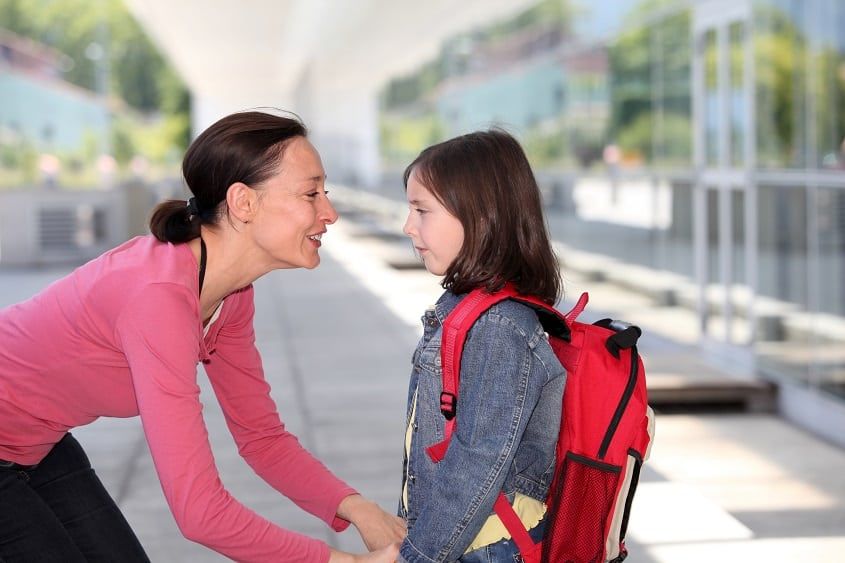


Moving to a new home can be exciting for the whole family, but changing schools may feel overwhelming for a child. They are not only leaving a familiar classroom. They may also be saying goodbye to teachers, friends, routines, activities, and a community where they felt comfortable.
A child starting a new school after moving may worry about making friends, finding classrooms, keeping up academically, or fitting into an unfamiliar environment. These concerns are normal. With preparation, patience, and consistent support, parents can make the transition easier and help their children feel secure in their new school.
This guide explains what to do before the move, how to prepare for the first school day, and how to support your child during the first weeks and months.
How Moving to a New School Can Affect a Child
Children react to school changes in different ways. Some may be curious and excited, while others may become quiet, irritable, anxious, or resistant to the move.
Common concerns include:
- Not knowing anyone at the new school
- Being separated from close friends
- Worrying about new teachers or academic expectations
- Feeling unsure about school rules and routines
- Being afraid of getting lost
- Concern about joining established social groups
- Missing familiar activities, clubs, or sports teams
Your child's reaction may also depend on their age, personality, previous moving experience, and the timing of the relocation.
Younger children may struggle to explain what they are feeling. Teenagers may understand the practical reasons for moving but still feel frustrated about losing their social circle. Neither response should be dismissed.
Recognizing these emotions early allows you to provide the right kind of support.
Talk About the Move as Early as Possible
Children usually adjust better when they have time to process what is happening. Tell your child about the move early enough that they can ask questions and become familiar with the idea.
Explain the move in clear, age-appropriate language. Avoid presenting it as either a disaster or a guaranteed adventure. Instead, acknowledge that some parts may be difficult while also discussing possible benefits.
You might say:
"Changing schools may feel strange at first, and it is okay to be nervous. We will learn about the new school together and help you get comfortable."
Encourage your child to talk about specific concerns. Instead of asking only, "Are you excited?" try more open-ended questions:
- What are you most worried about?
- What will you miss about your current school?
- What would help the first day feel easier?
- What would you like to know about the new school?
- Which activities would you like to continue?
Listen without immediately correcting or minimizing their feelings. Statements such as "You will make friends right away" may be intended as reassurance, but they can make a child feel unheard.
A more helpful response is:
"Making new friends can take time. We will look for ways to help you meet people who share your interests."
For more guidance on the emotional side of relocation, read our article about coping with change during a move.
Involve Your Child in the Moving Process
Children have little control over major family decisions, including where and when the family moves. Giving them small, appropriate choices can reduce uncertainty and help them feel involved.
Depending on their age, your child could:
- Choose the color or layout of their new room
- Pack a box of personal belongings
- Select school supplies
- Research clubs or sports at the new school
- Help plan a goodbye gathering
- Choose a few places to visit in the new neighborhood
- Create a list of questions for the school
These choices will not remove every concern, but they can give your child a greater sense of stability.
Avoid involving children in stressful financial or logistical discussions that they cannot control. They can participate in the transition without carrying adult responsibilities.
Visit the New School Before the First Day
An unfamiliar school can feel less intimidating when a child knows what to expect. When possible, arrange a visit before classes begin.
During the visit, try to see:
- The main entrance
- The child's classroom
- The cafeteria
- The library
- Restrooms
- The school office
- The gym or sports facilities
- The bus pickup area
- The location where you will meet after school
Ask whether your child can meet their teacher, counselor, or another staff member. Some schools also offer orientation sessions or student buddy programs.
When an in-person visit is not possible, explore the school's website together. Look at campus photographs, maps, calendars, lunch menus, bell schedules, and extracurricular activities.
You can also practice the route from your new home to the school. Knowing how long the trip takes can reduce first-day uncertainty.
Transfer School Records Early
Contact the new school as soon as your moving date is confirmed. Ask which documents are required and how they should be submitted.
The school may request:
- Academic records
- Transcripts or report cards
- Attendance records
- Immunization documentation
- Medical information
- Individualized education plans
- Accommodation plans
- Emergency contact details
- Proof of residence
- Birth certificate or identification documents
Requirements vary by school district and state, so confirm them directly with the school.
Completing the paperwork early gives school staff more time to place your child in the appropriate classes and arrange any necessary academic or accessibility support.
Parents planning a long-distance move should begin this process well before moving day, especially when relocating to another state.
Maintain Familiar Family Routines
A new home, neighborhood, and school create many changes at once. Consistent family routines can provide stability during the transition.
Try to maintain familiar patterns involving:
- Bedtime
- Morning preparation
- Meals
- Homework
- Screen time
- Family activities
- Weekend routines
Begin adjusting your child's sleep schedule before the first day if the move occurred during a school break. A predictable morning routine will also reduce stress when classes begin.
Avoid scheduling too many activities immediately after the move. Your child may need time to rest, unpack, explore the new home, and process the transition.
Consistency does not mean every part of life must remain unchanged. The goal is to preserve enough familiar structure that the new environment does not feel completely unpredictable.
Prepare for the First School Day
The evening before school, organize as much as possible. Rushing in the morning can intensify anxiety.
Prepare:
- Clothes
- Backpack
- School supplies
- Lunch or lunch money
- Transportation information
- Emergency contact details
- Medication or medical instructions
- Any required school forms
Review the day's basic plan with your child. Explain how they will get to school, where they should go upon arrival, and who will meet them afterward.
Keep the morning calm and positive without creating pressure to have a perfect first day. Avoid repeatedly asking whether they are nervous. A simple reminder that you are available to listen afterward is often enough.
Depending on school rules and your child's age, consider placing a short encouraging note in their backpack or lunch.
Help Your Child Make Friends
Friendships are often one of the biggest concerns when changing schools. Parents cannot create friendships for their children, but they can provide opportunities for connections to develop naturally.
Encourage your child to:
- Join a club or activity
- Participate in sports
- Sit with someone new at lunch
- Attend school events
- Introduce themselves to classmates
- Ask another student about a shared interest
- Participate in group assignments
Ask the teacher whether there is a student who could help your child learn the school's routines. Some schools pair new students with classmates during the first few days.
For younger children, parents may be able to arrange a short playdate with a classmate. For older students, extracurricular activities often provide a less pressured environment for meeting people with similar interests.
Do not measure success by the number of friends your child makes immediately. One comfortable connection may be more valuable than quickly joining a large group.
Help Your Child Stay Connected With Old Friends
Starting a new school does not mean old friendships must disappear. Staying in contact with familiar friends may give your child emotional stability while they build new relationships.
Possible options include:
- Video calls
- Text messages
- Online games
- Shared photo albums
- Letters or postcards
- Planned visits when practical
At the same time, try to maintain balance. Constantly comparing the new school with the old one may prevent your child from engaging with the new community.
Support old friendships while also encouraging new experiences.
Communicate With Teachers and School Staff
Teachers can provide valuable information about how your child is adjusting academically and socially.
Introduce yourself early and briefly explain that your child has recently moved. Ask the teacher to let you know about significant changes in participation, behavior, schoolwork, or peer interactions.
Useful questions include:
- Does my child participate in class?
- Are they completing assignments?
- Do they spend time with other students?
- Have you noticed signs of anxiety or withdrawal?
- Are there clubs or activities that may be a good fit?
- Is additional academic support needed?
Avoid contacting the teacher after every minor concern. Children need room to solve manageable problems independently. The goal is to create a supportive partnership, not to monitor every interaction.
Attending parent-teacher meetings and school events can also help your family become part of the school community.
Ask Specific Questions After School
The question "How was school?" often produces a one-word answer. More specific questions make it easier for children to share their experiences.
Try asking:
- What was the easiest part of today?
- What was the hardest part?
- Who did you sit next to?
- What made you laugh?
- Did anything feel confusing?
- Which class did you like most?
- Is there anything you want help with tomorrow?
Do not turn every conversation into an investigation. Some children need time to relax before talking.
Choose a calm moment, such as during dinner, a walk, or the drive home. Listen for patterns instead of reacting strongly to a single difficult day.
Support Academic Adjustment
Schools may use different textbooks, grading systems, schedules, or teaching methods. Even a strong student may need time to adapt.
Review assignments and school communications during the first weeks. Help your child establish a consistent homework routine and identify areas where the curriculum differs from their previous school.
Contact the teacher when:
- Your child does not understand assignments
- Important material was covered before enrollment
- Grades decline significantly
- Homework takes an unusually long time
- Your child is placed in an unsuitable class
- Existing educational accommodations have not been implemented
Avoid putting immediate pressure on your child to achieve the same grades they had before the move. Academic performance may temporarily change while they adjust socially and emotionally.
Age-Specific Tips for Changing Schools
Different age groups may need different types of support.
Elementary School Children
Younger children often benefit from:
- Visiting the classroom in advance
- Meeting the teacher
- Practicing the school route
- Reading books about moving
- Maintaining consistent routines
- Arranging playdates
- Bringing a familiar item when allowed
Use simple explanations and repeat important information when necessary.
Middle School Students
Middle school students may be especially concerned about fitting in, changing classes, and understanding social expectations.
Helpful steps include:
- Reviewing the school map and schedule
- Learning how lockers and class changes work
- Identifying clubs based on existing interests
- Talking about peer pressure and bullying
- Encouraging one or two manageable social goals
Avoid dismissing social concerns as unimportant. At this age, peer relationships strongly influence a child's sense of belonging.
High School Students
High school moves may involve more complicated academic and social issues, including credits, graduation requirements, advanced courses, sports eligibility, and college planning.
Parents should:
- Review transferred credits carefully
- Meet with a guidance counselor
- Confirm graduation requirements
- Discuss extracurricular opportunities
- Ask about advanced or honors classes
- Review college application implications
- Allow the teenager meaningful input in planning
Teenagers may need more privacy, but they still benefit from consistent parental support.
Watch for Signs Your Child Is Struggling
Some nervousness, sadness, or frustration is expected after changing schools. However, ongoing or severe difficulties may indicate that additional support is needed.
Possible warning signs include:
- Frequent stomachaches or headaches before school
- Refusal to attend school
- Persistent sleep problems
- Major changes in appetite
- Ongoing sadness or irritability
- Social withdrawal
- Sudden decline in grades
- Loss of interest in usual activities
- Frequent emotional outbursts
- Reports of bullying
- Repeated requests to return to the previous school
These signs do not automatically mean a serious problem exists, but they should not be ignored.
Start by speaking with your child and the teacher. A school counselor may be able to provide additional support. For persistent or serious concerns, consider contacting your child's pediatrician or a qualified mental health professional.
Give the Adjustment Process Time
There is no universal timeline for adapting to a new school. Some children feel comfortable within a few weeks, while others need several months.
Progress may also be uneven. A child may enjoy the first week and feel homesick later, or struggle initially and improve after joining an activity.
Focus on gradual signs of adjustment:
- Learning classmates' names
- Finding their way around the school
- Talking about a teacher positively
- Joining an activity
- Completing assignments more confidently
- Making one new friend
- Showing less anxiety before school
Celebrate these small steps without making your child feel observed or evaluated.
New School Transition Checklist
Before the Move
- Tell your child about the move early
- Discuss their questions and concerns
- Research the new school together
- Request and transfer school records
- Review registration requirements
- Explore activities and clubs
- Plan how to stay in touch with old friends
Before the First Day
- Visit the school when possible
- Meet the teacher or counselor
- Practice the school route
- Review the daily schedule
- Prepare clothes and school supplies
- Confirm transportation arrangements
- Restore a consistent sleep routine
During the First Month
- Ask specific questions about school
- Monitor homework and academic progress
- Encourage extracurricular participation
- Stay in contact with the teacher
- Maintain familiar family routines
- Watch for persistent signs of distress
- Recognize small improvements
Frequently Asked Questions
How long does it take a child to adjust to a new school?
The adjustment period varies. Some children become comfortable within a few weeks, while others may need several months. Age, personality, school environment, previous moving experience, and the availability of social support can all influence the process.
Is changing schools stressful for children?
Changing schools can be stressful because children must adapt to new teachers, classmates, routines, and academic expectations. Parents can reduce this stress through early preparation, open communication, predictable routines, and cooperation with school staff.
Should we visit the new school before moving?
A school visit can help reduce uncertainty. Your child may feel more confident after seeing the classroom, cafeteria, office, and transportation areas. When an in-person visit is not possible, review the school website, photographs, map, and schedule together.
How can I help my child make friends at a new school?
Encourage your child to participate in clubs, sports, group activities, and school events. Ask the teacher whether another student can help them learn school routines. Avoid pressuring your child to make many friends immediately.
Should my child stay in contact with old friends?
Maintaining old friendships can provide reassurance during the transition. Help your child stay connected while also encouraging participation in the new school community.
What should I do if my child refuses to attend the new school?
Listen to your child's concerns and try to identify the specific cause. Contact the teacher or school counselor to discuss possible academic, social, or safety issues. Persistent school refusal should be addressed promptly with appropriate professional support.
Make Your Family Move Less Stressful
A successful school transition often begins with an organized family move. When parents are overwhelmed by packing, transportation, deadlines, and unexpected delays, children may feel that stress as well.
Professional movers can reduce the logistical burden and give your family more time to prepare emotionally and practically for the change.
At Star Van Lines, we help families plan local and long-distance relocations with dependable transportation, professional packing options, and flexible moving solutions. Explore our moving locations and start planning a smoother transition for your household.
A new school may feel unfamiliar at first, but consistent support can help your child build confidence, develop new relationships, and feel at home in their new community.


Artur Shakhnazarov
PR Manager
I love my work doing PR and SEO for Star Van Lines. PR roles involve constantly brainstorming new angles and approaches to generate positive coverage. I am always exercising my creativity.