Thank you for your feedback!
We will contact you shortly

Free consultation
Enter your phone number and we will call you back for a consultation on any moving and storage services
Moving to a Cold Climate: Complete Relocation Guide
Are you considering relocating to a cold climate? Moving to a chilly destination can be an exciting adventure, but it also requires careful planning and preparation.
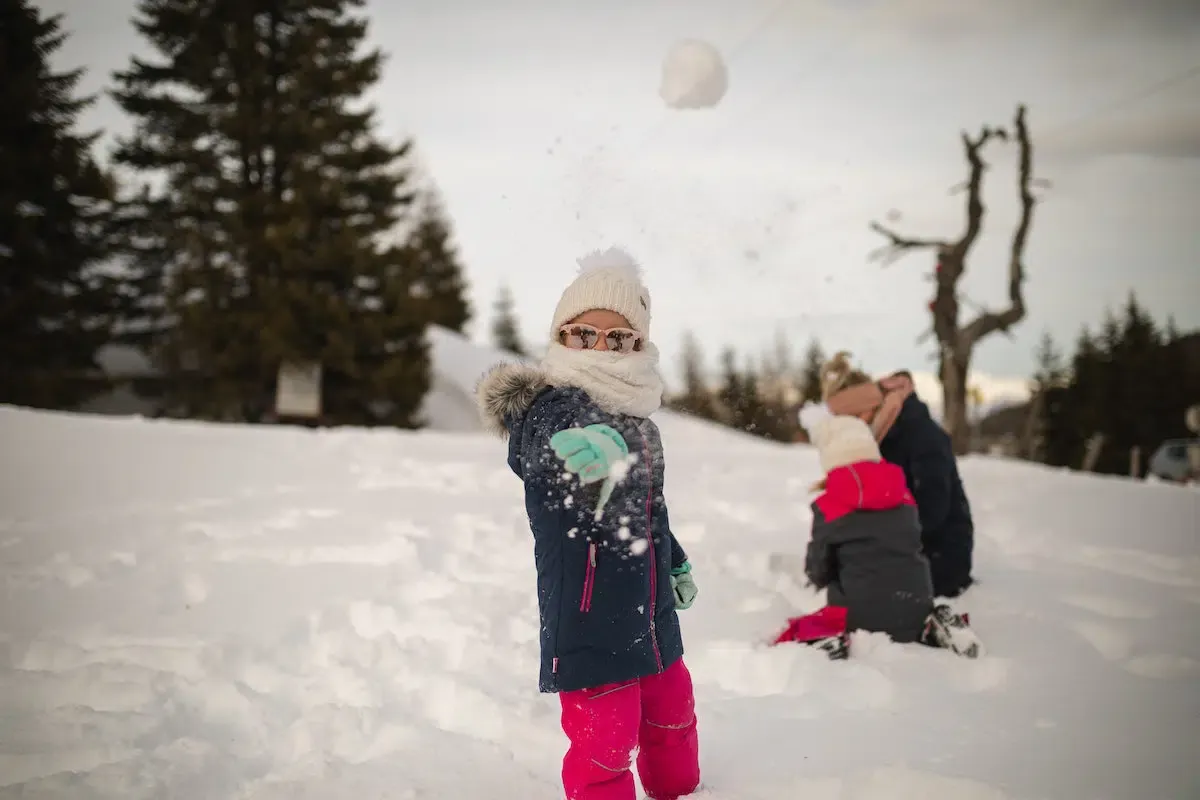


Moving to a cold climate can be exciting, but it requires more preparation than relocating to an area with mild weather. Snow, freezing temperatures, icy roads and higher heating costs can affect everything from packing your belongings to planning moving day.
Whether you are moving from a warm state or relocating between two northern regions, proper preparation will help you protect your household items, avoid weather-related delays and settle into your new home comfortably.
This guide explains what to expect when moving to a colder state, how to prepare your home and vehicle, what to pack separately and how professional long-distance movers can make a cold-weather relocation safer and more efficient.
What to Know Before Moving to a Cold Climate
A colder climate affects more than your wardrobe. It can change your monthly expenses, daily routine, transportation needs and home maintenance responsibilities.
Before your move, research the following:
- Average winter temperatures.
- Typical snowfall levels.
- Frequency of ice storms and blizzards.
- Winter road conditions.
- Heating costs in the area.
- Snow removal requirements.
- Local parking restrictions during snow emergencies.
- Availability of public transportation during severe weather.
Climate conditions can vary considerably even within the same state. A city near the coast may have wet, windy winters, while an inland or mountainous area may experience prolonged freezing temperatures and heavy snowfall.
Understanding these conditions will help you choose appropriate clothing, prepare your vehicle and estimate the real cost of living in your new location.
Benefits of Living in a Cold Climate
Cold-weather living comes with challenges, but it also offers several advantages.
Distinct Seasons
Many colder regions experience clearly defined seasons. Residents can enjoy snowy winters, colorful autumns, mild springs and warm summers.
Winter Recreation
Cold climates provide access to seasonal activities such as:
- Skiing and snowboarding.
- Ice skating.
- Snowshoeing.
- Sledding.
- Cross-country skiing.
- Ice fishing.
- Winter hiking.
Scenic Winter Landscapes
Snow-covered forests, frozen lakes and mountain scenery can make winter especially beautiful. Many cold-weather destinations also offer access to national parks, ski areas and winter resorts.
Strong Community Preparation
Communities accustomed to severe winters often have established snow removal systems, winter road maintenance programs and emergency procedures. Local residents can also be a valuable source of advice about heating, driving and home maintenance.
Cold Climate Moving Checklist
A detailed checklist can prevent important tasks from being overlooked.
Research Local Weather Conditions
Check historical temperatures and snowfall patterns for your destination. Pay attention to the expected weather during your moving week, but remember that forecasts can change quickly.
Allow extra time in your schedule in case snow, ice or high winds affect road conditions.
Arrange Utilities Before Arrival
Make sure electricity, gas and heating services are active before moving day. Arriving at an unheated home during freezing weather can be uncomfortable and may expose plumbing and belongings to damage.
Confirm:
- The heating system is operating.
- Water service is active.
- The thermostat is working.
- The utility company has your correct move-in date.
- Someone can access the property if an inspection is required.
Inspect the Heating System
Ask the property owner, seller or home inspector when the heating system was last serviced.
Depending on the property, the home may use:
- Natural gas.
- Electricity.
- Heating oil.
- Propane.
- A heat pump.
- A wood-burning system.
Replace air filters if needed and learn how to operate the thermostat before the first cold night.
Check Doors and Windows
Drafty doors and windows can make a home uncomfortable and increase heating costs.
Inspect:
- Window seals.
- Door frames.
- Weather stripping.
- Attic insulation.
- Basement openings.
- Garage doors.
Temporary window film, draft stoppers and insulated curtains can improve comfort until permanent repairs are completed.
Prepare for Snow Removal
Depending on your housing arrangement, you may be responsible for clearing sidewalks, driveways or entryways.
Consider purchasing:
- A snow shovel.
- Ice melt.
- A windshield scraper.
- A roof rake.
- Waterproof gloves.
- A snow blower for larger properties.
Do not wait until the first major storm, when local stores may run out of supplies.
How to Pack for a Cold-Weather Move
Low temperatures, snow and moisture can damage certain household items. Winter packing should focus on keeping belongings dry and protecting temperature-sensitive materials.
Protect Electronics from Condensation
Electronics can be affected by rapid temperature changes. When a cold television, computer or appliance is brought into a warm home, condensation may form inside the device.
After delivery, allow electronics to reach room temperature before plugging them in. Depending on the item and outside temperature, this may take several hours.
Keep smaller electronics with you when possible, including:
- Laptops.
- Tablets.
- Cameras.
- External hard drives.
- Gaming systems.
- Sensitive work equipment.
Keep Temperature-Sensitive Items Separate
Some items should not remain in an unheated moving truck for extended periods.
These may include:
- Medications.
- Cosmetics.
- Musical instruments.
- Houseplants.
- Batteries.
- Certain liquids.
- Artwork.
- Collectibles.
- Important documents.
Transport essential or valuable items in your personal vehicle whenever possible. Ask your moving company in advance which items cannot be loaded onto the truck.
Protect Furniture from Snow and Moisture
Snow can melt quickly when carried indoors, creating moisture that may affect wood, fabric and cardboard.
Professional movers may use:
- Furniture blankets.
- Plastic stretch wrap.
- Mattress covers.
- Waterproof floor protection.
- Sealed plastic containers.
- Moisture-resistant packing materials.
Cardboard boxes should not be placed directly on wet pavement or snow-covered surfaces.
Use Durable Containers
Plastic containers can provide additional protection for items that are sensitive to moisture. They are especially useful for:
- Seasonal clothing.
- Linens.
- Books.
- Documents.
- Shoes.
- Children’s items.
- Emergency supplies.
Clearly label each container so essential winter items can be found immediately after arrival.
Pack a Cold-Weather Essentials Box
Do not place everything on the moving truck. Prepare a box or suitcase that stays with you throughout the relocation.
Include:
- Winter coats.
- Hats and gloves.
- Waterproof boots.
- Thermal layers.
- Blankets.
- Flashlights.
- Phone chargers.
- Basic tools.
- Medications.
- Snacks and bottled water.
- Paper towels.
- Toiletries.
- A first-aid kit.
- Ice scrapers.
- Pet supplies.
You should also keep identification documents, financial records, moving paperwork and valuables with you.
Preparing Your Vehicle for a Cold Climate
If you are driving to your new home, prepare your vehicle before departure.
Check the Battery
Cold temperatures can reduce battery performance. Have the battery tested, especially if it is several years old or has shown signs of weakness.
Inspect Tires
Make sure your tires have adequate tread and proper pressure. Tire pressure often decreases as temperatures fall.
Depending on local conditions, you may need:
- Winter tires.
- All-weather tires.
- Snow chains.
- Tire traction devices.
Check local laws before purchasing or using chains.
Check Fluids
Inspect:
- Antifreeze.
- Engine oil.
- Brake fluid.
- Windshield washer fluid rated for freezing weather.
- Power steering fluid.
A mechanic can confirm whether your vehicle is ready for winter conditions.
Build a Vehicle Emergency Kit
Keep the following items in your car:
- Blankets.
- A flashlight.
- Jumper cables.
- A portable battery charger.
- An ice scraper.
- A compact shovel.
- Bottled water.
- Nonperishable snacks.
- Reflective warning triangles.
- A first-aid kit.
- Extra gloves and socks.
- A phone charging cable.
Tell someone your route and expected arrival time when traveling during severe winter weather.
How to Prepare Both Homes for Moving Day
Snow and ice can create safety risks at both the origin and destination.
Clear Walkways
Shovel snow from:
- Driveways.
- Sidewalks.
- Porches.
- Stairs.
- Loading areas.
- Paths between the truck and entrance.
Apply an appropriate ice-melting product where necessary.
Protect Indoor Floors
Wet shoes can damage flooring and create slipping hazards.
Use:
- Floor runners.
- Cardboard sheets.
- Plastic floor protection.
- Absorbent mats.
- Old towels near entrances.
Avoid placing unsecured plastic sheets on smooth floors because they may become slippery.
Keep Entryways Well Lit
Winter moves often take place in limited daylight. Check exterior lighting at both properties and keep flashlights available.
Confirm Parking Access
Determine where the moving truck can park. Snowbanks, parking restrictions and narrow streets may limit access.
Inform your movers about:
- Steep driveways.
- Unplowed roads.
- Apartment loading areas.
- Parking permits.
- Low-clearance structures.
- Long distances between parking and the entrance.
Accurate access information helps the moving company plan the appropriate crew, equipment and schedule.
Plan for Winter Moving Delays
Cold-weather moves require flexibility. Snowstorms, road closures and icy conditions may affect pickup or delivery times.
Build extra time into your schedule and avoid planning critical appointments immediately after your expected arrival.
Before moving day:
- Monitor the weather forecast.
- Confirm the schedule with your movers.
- Keep important phone numbers available.
- Save hotel information along your route.
- Maintain access to extra clothing and medication.
- Keep your phone fully charged.
- Prepare an alternative travel plan.
Safety should take priority over maintaining an unrealistic schedule.
Moving to a Cold Climate With Children
Children may need time to adjust to colder temperatures, shorter winter days and new routines.
Help them prepare by:
- Explaining what winter weather will be like.
- Letting them choose appropriate winter clothing.
- Packing familiar toys separately.
- Finding indoor and outdoor activities near the new home.
- Maintaining familiar bedtime and meal routines.
- Checking school closure and transportation policies.
Keep children away from loading areas, icy walkways and moving equipment during the move.
Moving With Pets in Cold Weather
Pets should remain indoors or in a warm, secure area during loading and unloading.
Prepare:
- A pet carrier.
- Food and water.
- Medication.
- Blankets.
- Veterinary records.
- Identification tags.
- Waste bags.
- A leash or harness.
Do not leave pets unattended in a cold vehicle. After arrival, inspect the yard for ice, deicing chemicals, damaged fencing and other potential hazards.
Budgeting for Life in a Cold Climate
Your relocation budget should account for more than transportation costs.
Possible cold-weather expenses include:
- Higher heating bills.
- Winter clothing.
- Snow removal equipment.
- Vehicle maintenance.
- Winter tires.
- Home insulation improvements.
- Emergency supplies.
- Seasonal storage.
- Heating system service.
- Increased travel time.
Ask utility providers or previous property owners for typical winter heating costs when possible.
Common Mistakes When Moving to a Colder State
Packing Winter Clothes on the Moving Truck
Coats, gloves and boots should remain accessible throughout the trip.
Turning Utilities On Too Late
Heating should be operational before you arrive.
Ignoring the Weather Forecast
Even a well-planned move can be affected by rapidly changing winter conditions.
Plugging in Cold Electronics Immediately
Allow electronics to warm gradually to reduce the risk of condensation-related problems.
Failing to Clear Snow and Ice
Unsafe walkways increase the risk of injury and slow down the moving process.
Underestimating Winter Expenses
Heating, clothing, vehicle preparation and snow removal can significantly affect your initial relocation budget.
How Professional Movers Help With Cold-Weather Relocations
Experienced movers can reduce many of the risks associated with a winter move.
A professional moving team can help with:
- Weather-resistant packing.
- Furniture protection.
- Safe loading in snowy conditions.
- Floor and entryway protection.
- Long-distance transportation.
- Temporary storage.
- Delivery scheduling.
- Moving large or fragile items.
- Route planning.
- Communication during weather delays.
When comparing moving companies, ask whether they have experience with winter relocations and how they handle delays caused by unsafe road conditions.
Star Van Lines provides professional packing, transportation and storage services for local and long-distance relocations. Our team can help you create a moving plan based on your destination, schedule and household requirements.
Frequently Asked Questions
Is it harder to move during winter?
Winter moves can be more complicated because of snow, ice, reduced daylight and possible transportation delays. However, proper preparation and an experienced moving company can make the process manageable.
What should I keep with me during a cold-weather move?
Keep winter clothing, medications, important documents, electronics, chargers, food, water, blankets, toiletries and emergency supplies with you.
Can electronics be damaged by freezing temperatures?
Cold temperatures and sudden temperature changes may affect electronics. Allow cold devices to reach room temperature before connecting them to power.
Should I turn on the heat before moving in?
Yes. Arrange heating and electricity before arrival so the property is warm and the plumbing is protected from freezing.
What items should not go in a moving truck during freezing weather?
Medications, plants, liquids, batteries, sensitive electronics, artwork, musical instruments and other temperature-sensitive items may require special handling. Confirm restrictions with your mover.
Do professional movers work during snowstorms?
Moving companies may operate during light winter weather, but severe snow, ice or road closures can cause delays. Safety conditions determine whether a move can proceed.
Start Planning Your Cold-Climate Move
Relocating to a cold climate can be a positive change when you understand the conditions and prepare in advance. Research the local weather, activate utilities, winterize your vehicle, protect sensitive belongings and keep essential supplies accessible.
A detailed plan will help you avoid unnecessary stress and settle into your new home safely.
Explore Star Van Lines moving locations or request a personalized moving estimate to start planning your cold-weather relocation.


Desten Musoni
Senior Manager
As a Senior Manager of Star Van lines, There is nothing that keeps me up at night more than thinking about being one of the best company in the nation and providing an impeccable service to each of our customers. With the unique experience of being responsible for the relocation of the many customers around the nation for 5+ years. Proven to be instrumental in developing processes that allow for timely and cost-effective project and move management. Through the many challenges that are presented in relocating people and their items the ability to manage any size project presented has been gained. Energetic and resourceful professional proficient in project management and team leadership. Innate problem solving abilities and customer service skills. We are providing an impeccable service with teams of movers that are experienced. We have customer service support available for any updates as soon as the job info is booked until at the delivery and most of the time I am involved as well to deal with complex issues if any occurs. Customers are our primary priority, so we do our best to get the jobs done properly with efficiency. We have more than 20+ trucks and trailers.
FAQ
Questions? Look here
Can’t find an answer? Call us
(855) 822-2722 or email
It’s important to prepare for seasonal changes, heating costs, and winter safety. Research local weather patterns, invest in proper clothing, and learn how to manage snow and ice for a smooth transition.
Insulate windows and doors, check your heating system, and keep emergency supplies like blankets and backup power sources. Cold climates often require winter-specific maintenance to keep your home comfortable and safe.
Layer your clothing, keep essentials like gloves and boots handy, and learn safe driving practices for icy roads. Staying active outdoors, even in colder months, helps you adapt more quickly.
Professional movers like Star Van Lines can safely transport your belongings in winter conditions, protect items from temperature changes, and ensure your move is completed smoothly despite challenging weather.