
Thank you for your feedback!
We will contact you shortly

Free consultation
Enter your phone number and we will call you back for a consultation on any moving and storage services

Missouri
Professional Missouri Movers for Local & Interstate Moves

Missouri sits at the geographic crossroads of America where I-70 meets I-44, making it both a top origin and destination state for interstate moves. More people moved into Missouri than left in 2024, driven by families and professionals from Illinois, Kansas, and Texas who found affordable housing, strong job markets, and shorter commutes than the coastal metros they left behind. Star Van Lines is a USDOT-licensed interstate carrier (USDOT #4176875, MC #1607491) that handles local and long-distance moves across all of Missouri. And we've been running these corridors since 2016, from I-70 between Kansas City and St. Louis to I-44 through the Ozarks toward Oklahoma, and north on I-35 into Iowa.
Our Missouri moving services cover packing, loading, transport, delivery, and short-term storage at warehouse locations across the state. Because Missouri is the only state where two top-30 metros anchor opposite borders, many moves here are cross-state relocations between Kansas City and St. Louis. A move between those two cities covers 250 miles on I-70. A move from Springfield to Chicago runs through the Ozarks and across Illinois. We handle both with the same coordinator and the same written estimate from pickup through delivery.
Want a price for your Missouri move? Call (855) 822-2722 or use our online quote calculator. You'll get an itemized estimate that breaks down every line item, so there aren't any surprises on moving day. We're rated 4.0 on Trustpilot, 4.5 on Google, and 4.75 on Facebook across 240+ reviews.





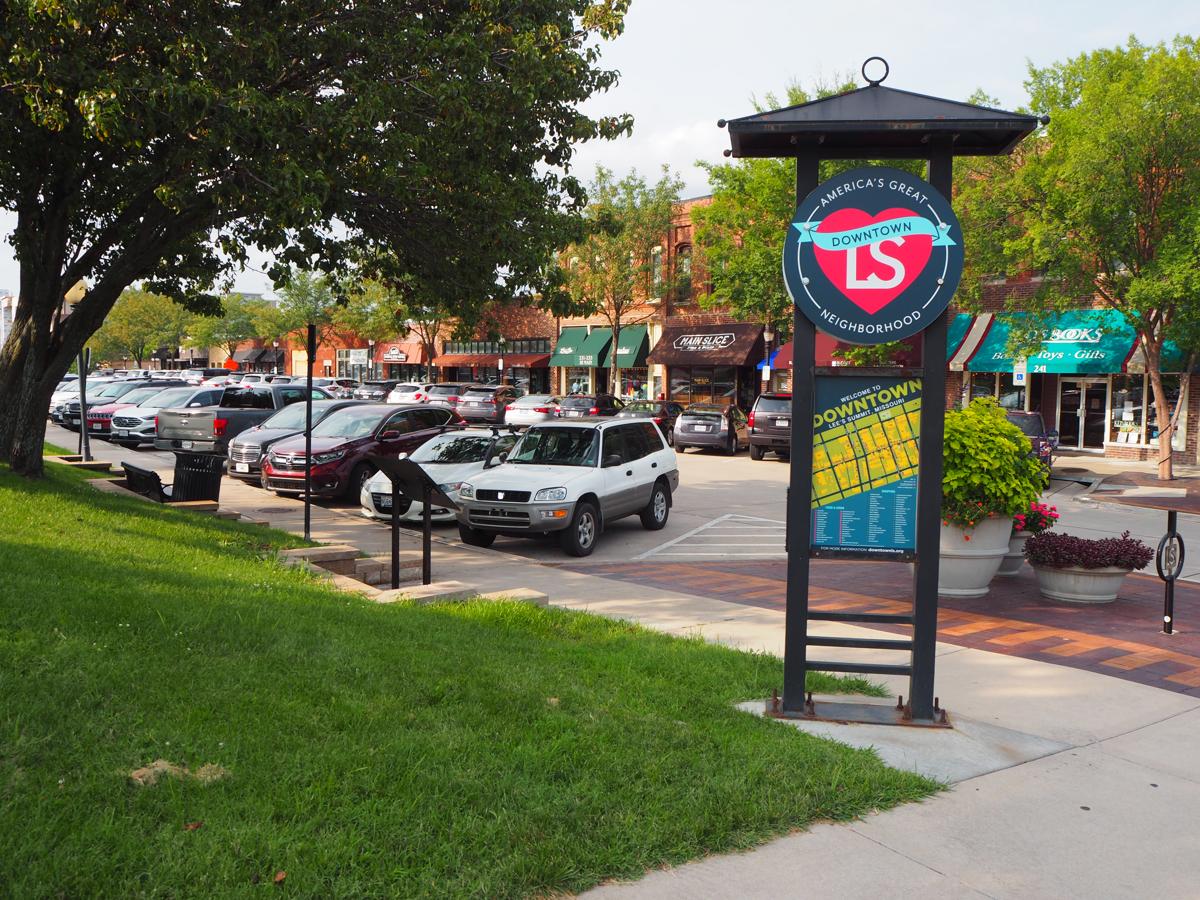
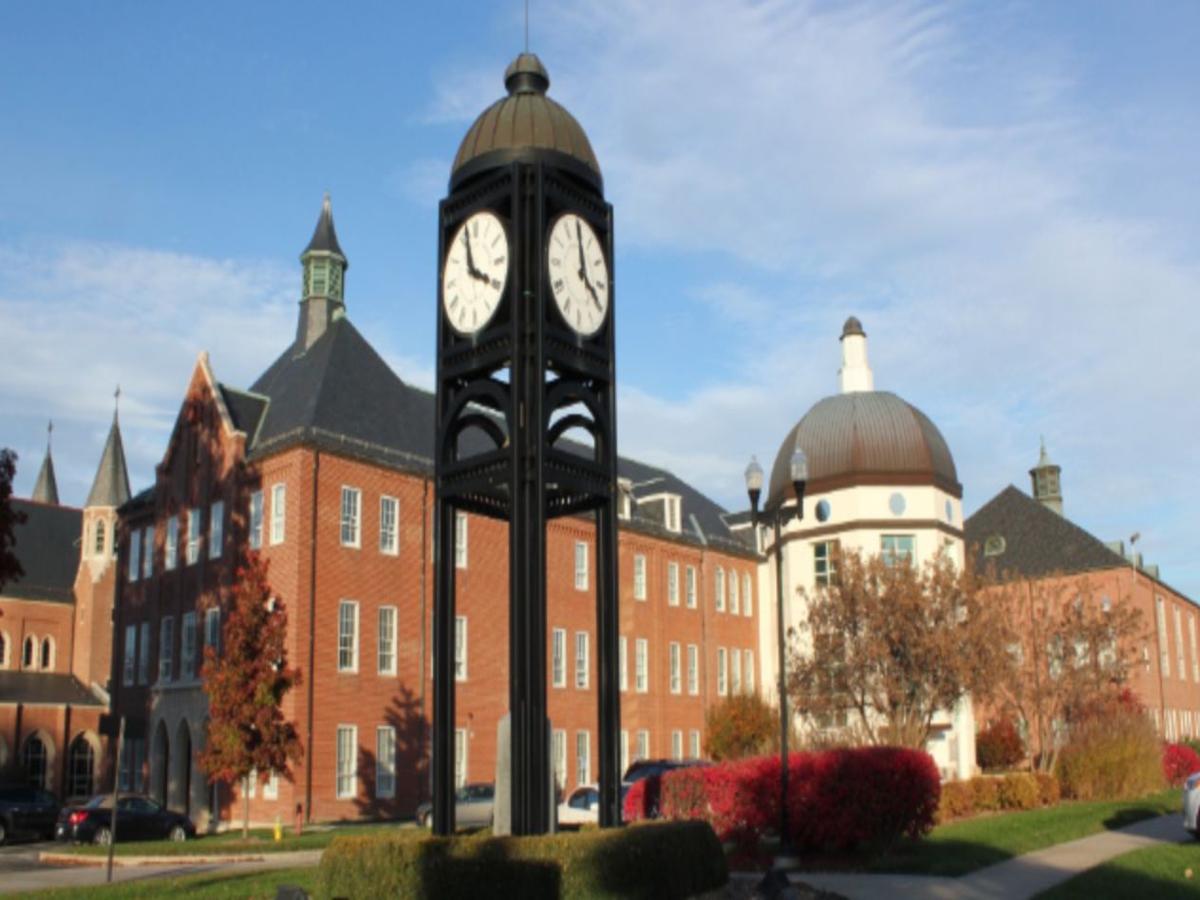

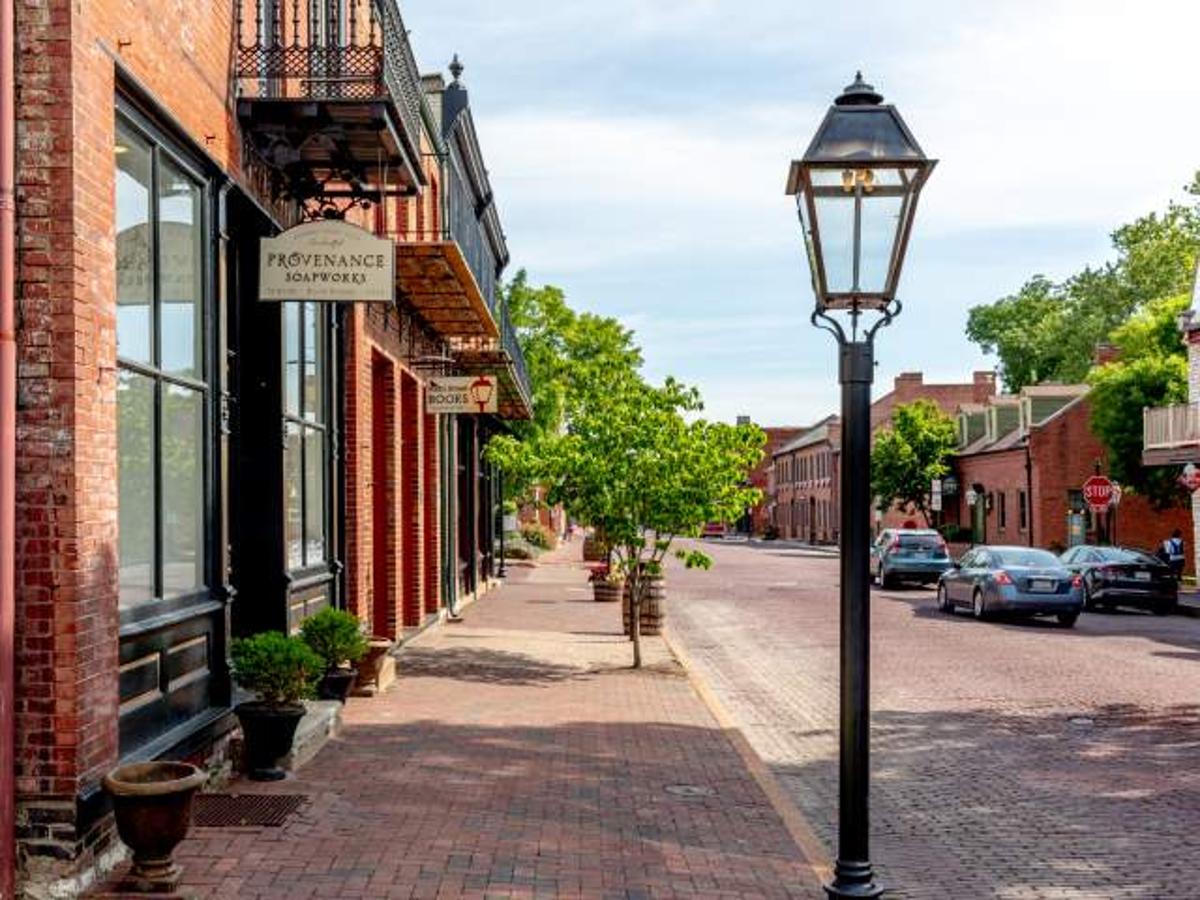


Moving services in Missouri
Star Van Lines provides local, long-distance, and interstate moving services across Missouri. We handle packing, loading, transport, and delivery for residential and commercial moves. Missouri's central location makes it a hub for cross-country routes. And its two major metros present different logistics challenges depending on which side of the state you're on. Every move includes a single coordinator, trained crew, and written estimate.
Local moving in Missouri
Local moves in Missouri are priced competitively with the Midwest average. A two-person crew costs $100-$155 per hour; three movers run $150-$275. We serve corridors within the Kansas City metro and its suburbs (Lee's Summit, Overland Park, Independence), the St. Louis metro and surrounding areas (Clayton, O'Fallon, Chesterfield), and smaller cities like Columbia, Springfield, and Joplin. St. Louis has many older multi-story buildings with narrow stairways and no elevators, which adds labor time for walk-up moves. Kansas City's sprawling suburban layout means longer drives between pickup and delivery. Although both metros have standard residential access, rush-hour traffic on I-435, I-270, and I-70 through downtown can delay crews if scheduling isn't planned around peak hours.
Long-distance moving from Missouri
Missouri's central location means most long-distance moves cover moderate distances. St. Louis to Chicago is 297 miles, Kansas City to Dallas is 500, and St. Louis to Atlanta is 554. We run regular loads on all major corridors: I-70 east to Indianapolis and beyond, I-44 southwest to Oklahoma City and Dallas, I-55 south to Memphis and New Orleans, and I-35 north to Des Moines and Minneapolis. Because tornado season runs April through June and ice storms can shut down I-70 for days in January and February, your coordinator monitors NWS forecasts and builds weather contingency into your schedule.
Packing and storage
We offer full-service packing, partial packing, and self-pack options. Full-service means our crew brings all materials and packs every room. Partial lets you choose which rooms we handle. Self-pack is the lowest-cost option. We have 43 warehouse locations nationwide for short-term and long-term storage. But in Missouri, extreme temperature swings between summer (100+ degrees) and winter (sub-zero) mean climate-controlled storage is essential for any items that will be in the state through a full season change.
Auto transport and specialty items
We ship vehicles via open or enclosed carrier. Most Missouri-origin vehicle shipments head to Texas, Florida, and Illinois. We also move pianos, antiques, gun safes, and large workshop equipment with specialty crating. Kansas City barbecue smokers and outdoor kitchen equipment are surprisingly common items on our Missouri manifests. And they require careful disassembly and padding.
How much does moving in Missouri cost?
Moving costs in Missouri are moderate, reflecting the state's affordable Midwest economy. Local moves within Missouri typically run $100-$155 per hour for a two-person crew with truck. Long-distance moves start at $800 for studio apartments and go up to $4,200 for large homes, depending on distance, weight, and access conditions.
Local moving rates
| Crew size | Hourly rate |
|---|---|
| 2 movers + truck | $100-$155 / hour |
| 3 movers + truck | $150-$275 / hour |
| 4 movers + truck | $205-$400 / hour |
Long-distance rates from Missouri
| Move size | Estimated price range |
|---|---|
| Studio / 1 Bedroom | $800 - $1,050 |
| 2-3 Bedrooms | $1,400 - $2,300 |
| 4+ Bedrooms | $2,400 - $4,200 |
Popular routes and pricing from Missouri
| Route | Distance | Avg cost (2-3 BR) |
|---|---|---|
| St. Louis to Chicago | 297 mi | $1,450 - $1,750 |
| Kansas City to Dallas | 500 mi | $1,800 - $2,200 |
| St. Louis to Nashville | 310 mi | $1,450 - $1,750 |
| Kansas City to Denver | 605 mi | $1,900 - $2,300 |
| St. Louis to Atlanta | 554 mi | $1,800 - $2,200 |
Pricing reflects market averages for moves in and from Missouri as of May 2026. Your final price depends on inventory weight, packing level, access at pickup and delivery, and scheduling flexibility. Call (855) 822-2722 or use our free quote calculator for an exact estimate.
What affects your moving price
- Shipment weight and volume are the biggest factors for any long-distance move from Missouri.
- Distance drives the base price. Kansas City to Omaha is 189 miles; Kansas City to Los Angeles is over 1,600.
- Access at both locations matters. Older St. Louis walk-ups, hilly suburban properties, and gated communities all affect how long the job takes.
- How much packing you want us to do. Full-service runs more than partial, and self-pack is the lowest option.
- When you move. Summer is peak season, and tornado season (April-June) can delay schedules. Fall moves typically offer the best combination of weather and pricing.
- Add-on services like auto transport, storage, and specialty item handling (pianos, gun safes, workshop equipment) come with their own pricing.
Moving routes from Missouri
Moving to Missouri: what you should know
A move to Missouri involves more than logistics. Missouri is the only state where two top-30 metros (Kansas City and St. Louis) anchor opposite borders, giving relocating families genuine options for job markets, school districts, and lifestyle without leaving the state. Below is a quick guide covering cost of living, access and logistics, climate and timing, and residency requirements that affect your move.
What it costs to move to Missouri
Missouri's cost of living index is 90.8 (US average = 100, BEA RPP 2024), making it one of the more affordable states in the country. Local moving labor reflects those Midwest rates, with a two-person crew running $100-$155 per hour. Building access in St. Louis can add cost because older neighborhoods have multi-story homes with narrow stairways and no elevators. Kansas City moves tend to be more straightforward since the metro is newer and more spread out. If you're relocating from a high-cost state like Illinois or California, the savings are immediate. Median home value is $230,300 (Census ACS 2020-2024), well below the national average, while median monthly rent is $1,033. Median household income is $70,702. And the low cost of living means that income stretches further than the same amount in neighboring Illinois.
Access and logistics
Missouri has one of the densest Interstate networks in the Midwest. I-70 runs 250 miles east-west from Kansas City to St. Louis, the state's primary moving corridor. I-44 crosses 293 miles from St. Louis southwest to Joplin. I-55 runs 210 miles north-south through St. Louis to the Arkansas border. I-35 and I-29 head north from Kansas City into Iowa. I-49 connects Joplin to Kansas City. The Kansas City and St. Louis metros both have complex beltway systems (I-435/I-470 in KC, I-270/I-255 in STL) that can be confusing for out-of-state movers. Southern Missouri's Ozark terrain has winding roads and steep grades that slow truck traffic on I-44 and US-65. And the Missouri and Mississippi Rivers create bridge bottlenecks during flooding season.
Climate and timing
Missouri has hot, humid summers with average highs around 88 degrees and cold winters with lows around 20 degrees. The state gets roughly 219 days of sunshine per year (NOAA), 42 inches of annual rainfall, and 17 inches of snow. But the real weather risk is severe storms. Missouri sits at the intersection of Tornado Alley and the winter ice storm belt. Tornado season runs April through June, primarily affecting the southwestern part of the state. Ice storms in January and February can shut down I-70 for days. Best months for a Missouri move: September through October or April through May, when temperatures are mild and storm risk is lower. Avoid peak summer (June-August) because of extreme heat, high demand, and the tail end of tornado season.
Residency and regulations
Missouri has no set statutory deadline for new non-CDL residents to obtain a driver's license. But you should apply at the Missouri DOR (dor.mo.gov) as soon as you're settled. CDL holders must transfer within 30 days. Vehicle registration has a 30-day deadline. Missouri requires a biennial safety inspection for all registered vehicles, and vehicles in the St. Louis metro area must also pass an emissions test. Since Missouri offers online voter registration at sos.mo.gov, that part of the process is straightforward.
What to know before moving to Missouri
Benefits of moving to Missouri
0,270,541
Population
$0,702
Median household income
0.8
Cost of living index
0/year
Days of sunshine
0.00%-4.70%
State income tax
Kansas City and St. Louis
Two top-30 metros
Missouri is home to nearly 6.3 million people, with population split between the Kansas City metro in the west and the St. Louis metro in the east, with smaller cities like Springfield, Columbia, and Joplin in between. The state's economy is driven by healthcare, financial services, manufacturing, agriculture, and defense. Median household income is $70,702, close to the national average, and the cost of living index of 90.8 makes that income go further than it would in neighboring Illinois. Missouri saw 12,000 more people move in than out in 2024, making it one of few Midwestern states with net domestic in-migration. Most inbound movers came from Kansas (20,692), Illinois (15,326), and Texas (9,322). And population grew by 27,000 residents from 2024 to 2025, a 0.43% increase.
Is Missouri a good place to live?
Missouri offers an affordable Midwest lifestyle with two genuine metro options, a growing economy, and easy access to outdoor recreation in the Ozarks. But the trade-offs include tornado risk, hot summers, and some of the nation's most notorious ice storms. Whether it's a good fit depends on your tolerance for weather extremes and which metro suits your career and family priorities.
Tax environment
Missouri's progressive income tax ranges from 2.00% to 4.70% (Tax Foundation 2026), with capital gains income exempt from state taxation. Average combined state and local sales tax is 8.4%, on the higher side nationally. Property taxes are moderate, generally lower than in neighboring Kansas and Illinois. For someone relocating from Illinois (which has a flat 4.95% income tax), the move to Missouri's top rate of 4.70% is roughly neutral on income tax. But the lower property taxes and cost of living often tip the overall tax burden in Missouri's favor.
Housing market
Median home value in Missouri is $230,300 (Census ACS 2020-2024), well below the national average. Kansas City and St. Louis both offer homes under $300,000 in many suburbs, and rural areas are even more affordable. Median monthly rent is $1,033. And 68.1% of Missouri households own their homes (Census ACS 2020-2024), reflecting a market that remains accessible to working families. Kansas City's market has heated up in recent years, particularly in the Northland and south suburbs, while St. Louis offers more inventory at lower prices.
Job market and economy
Missouri's economy is anchored by healthcare (BJC HealthCare, Ascension, Cerner), financial services (Edward Jones, Centene), and major consumer brands (Hallmark, Anheuser-Busch, Bass Pro Shops). Enterprise Holdings is headquartered in St. Louis. The state has a labor force participation rate of 62.7%, and 32.4% of adults hold a bachelor's degree or higher. Kansas City's tech sector has grown significantly. And Columbia benefits from the University of Missouri's research and medical campus. Springfield's economy is driven by healthcare, retail (Bass Pro), and a growing manufacturing base.
Safety and natural risks
Missouri sits at the crossroads of Tornado Alley and the winter ice storm belt. Tornado season runs April through June, with the southwestern Ozarks and Kansas City metro seeing the most activity. Ice storms in January and February can coat roads, down power lines, and shut down I-70 for extended periods. The state also faces flooding along the Missouri and Mississippi Rivers, particularly during spring snowmelt. Earthquakes are a low-probability but real risk along the New Madrid Seismic Zone in the southeastern corner of the state.
Who thrives in Missouri?
Families seeking the Midwest sweet spot
Kansas City and St. Louis both offer strong suburban school districts, affordable housing, and safe neighborhoods. Lee's Summit, Parkville, Clayton, and Kirkwood are consistently rated among the best family-friendly suburbs in the Midwest. Childcare and youth sports costs run well below coastal cities.
BBQ and food culture enthusiasts
Kansas City is one of the barbecue capitals of the world, and St. Louis has its own deep food traditions, from toasted ravioli to the city's signature thin-crust pizza. The state's culinary scene has national recognition. And food culture is woven into community life here.
Outdoor recreation seekers
The Ozarks offer some of the best freshwater fishing, canoeing, and trail hiking in the Midwest. Lake of the Ozarks is a major recreational destination. The Mark Twain National Forest covers over a million acres across southern Missouri. If your weekends involve being outdoors, this state delivers.
Cost-conscious professionals relocating from Illinois
Illinois-to-Missouri migration is the second-largest flow into the state (15,326 people per year). Lower income taxes, cheaper housing, and similar metro amenities make Missouri an easy lateral move, especially for workers in the St. Louis metro who simply cross the river.
Entrepreneurs and small business owners
Missouri's low cost of living, capital gains exemption, and central logistics location make it attractive for business owners. The state consistently ranks well for small business climate, and both Kansas City and St. Louis have active startup ecosystems.
First week after moving to Missouri: what to do
After your move to Missouri, several tasks require attention. Missouri has no set deadline for non-CDL driver's license transfer. But vehicle registration must happen within 30 days. Here is a prioritized checklist.
- Update your driver's license.
Missouri has no set statutory deadline for non-CDL residents to transfer their driver's license, but you should apply at the Missouri DOR as soon as you establish residency. CDL holders must transfer within 30 days. Bring your out-of-state license and proof of Missouri residency. (dor.mo.gov)
- Register your vehicle.
You have 30 days to register your vehicle at your local license office. Missouri requires a biennial safety inspection, and vehicles in the St. Louis metro area must also pass an emissions test. Get the inspection done first, then register.
- Transfer your auto insurance.
Contact your insurer to re-rate your policy for Missouri. Premiums vary between Kansas City and St. Louis based on local claim rates and traffic patterns. Missouri has specific minimum liability requirements.
- Register to vote.
Missouri offers online voter registration at sos.mo.gov, as well as mail and in-person options at your county clerk's office.
- Update homeowner's or renter's insurance.
Missouri's tornado and flooding exposure may change your coverage needs. Standard policies don't cover flood damage, and if you're near the Missouri or Mississippi Rivers, you'll need a separate flood policy. Tornado coverage is typically included in standard homeowner's insurance.
- Forward your mail.
USPS Change of Address is free online at usps.com. Mail forwarding starts within 7-10 business days.
- Transfer medical records.
Contact current providers before your move and find a new primary care physician in Missouri. Both Kansas City and St. Louis have excellent hospital systems with wide provider networks.
- Update school records.
If you have children, request transcripts from the previous school district. Contact your new district for enrollment requirements and deadlines. The Missouri school year typically starts in mid-August.
Missouri at a glance: schools, jobs, and things to do
Schools and universities
Metro Academic and Classical High School in St. Louis, Ladue Horton Watkins High School, and Clayton High School are among the top public high schools in the state. Missouri's university system includes Washington University in St. Louis (one of the top research universities in the country), the University of Missouri in Columbia, Saint Louis University, and Missouri University of Science and Technology in Rolla. For families, school quality varies by district. Clayton, Ladue, Parkway, and Lee's Summit school districts consistently rank among the state's best, while Kansas City Public Schools and St. Louis Public Schools face ongoing challenges.
Major employers
BJC HealthCare is one of the largest employers in the St. Louis metro. Centene Corporation (healthcare insurance) and Edward Jones (financial services) are both headquartered in St. Louis. Enterprise Holdings, the parent company of Enterprise Rent-A-Car, is based in Clayton. In Kansas City, Cerner (now Oracle Health) and Hallmark Cards are major employers. Anheuser-Busch operates its flagship brewery in St. Louis. Bass Pro Shops is headquartered in Springfield. Because both metros have diverse economies, job seekers in healthcare, finance, tech, and manufacturing find competitive opportunities across the state.
Attractions and recreation
The Gateway Arch in St. Louis is the tallest man-made monument in the country and the symbol of westward expansion. The Nelson-Atkins Museum of Art in Kansas City houses one of the finest art collections in the Midwest, with particular strength in East Asian art. The Saint Louis Zoo is consistently rated among the best in the nation and offers free admission. Lake of the Ozarks is one of the largest recreational lakes in the Midwest. Branson attracts millions of visitors annually to its entertainment shows, theme parks, and outdoor recreation. And the Mark Twain National Forest spans across southern Missouri, offering over a million acres for hiking, camping, and fishing.
FAQ
Questions? Look here
Can’t find an answer? Call us
(855) 822-2722 or email
Local moving in Missouri typically costs $100-$155 per hour for a two-person crew with truck. A standard three-bedroom home takes 4-6 hours, putting the total between $418 and $4,161. Add-ons like packing, disassembly, and long carries increase the total. Call (855) 822-2722 for an itemized estimate.
Long-distance moves from Missouri start at $800 for studio apartments and go up to $4,200 for four-plus-bedroom homes. The final price depends on shipment weight, distance, and access at both locations. Star Van Lines provides binding estimates so your price won't change after booking.
Search our USDOT number 4176875 on the FMCSA SAFER website (safer.fmcsa.dot.gov). This federal database confirms our operating authority, MC number 1607491, insurance status, and safety record. Any legitimate interstate mover should be able to provide a verifiable USDOT number.
Common surcharges include stair fees for St. Louis walk-up buildings, long-carry charges for distances over 75 feet from truck to door, and shuttle fees if a full-size truck can't reach your property. We disclose all potential charges in your written estimate before you book.
Federal law requires interstate movers to offer two levels: Released Value Protection (free, covers $0.60 per pound per item) and Full Value Protection (paid, covers repair, replacement, or cash settlement at current value). Star Van Lines is fully insured under USDOT #4176875 and can explain both options when you request a quote.
Both metros are affordable by national standards, but they differ in specifics. Kansas City's suburbs tend to have newer housing stock and slightly higher home prices in popular areas like Lee's Summit and Overland Park. St. Louis offers lower home prices overall, especially in the city itself and inner-ring suburbs. Sales tax rates vary by municipality in both metros. Overall, the cost difference between the two is modest, and both are significantly cheaper than Chicago, Denver, or any coastal metro.
Missouri sits at the intersection of Tornado Alley and the Midwest storm belt. Tornado season runs from April through June, with the highest risk in the southwestern Ozarks and the Kansas City metro. Joplin was hit by an EF5 tornado in 2011. Most Missouri homes don't have basements in the southern half of the state, so check for a storm shelter or interior safe room before buying. Your coordinator factors severe weather forecasts into move scheduling during spring.
Clayton, Ladue, Parkway, and Rockwood in the St. Louis area consistently rank among the top districts. In the Kansas City metro, Lee's Summit, Blue Springs, and the Park Hill district perform well. Columbia benefits from the University of Missouri's influence on local education. Rural districts vary widely. If schools are a top priority, research specific districts before choosing a neighborhood, because the quality gap within each metro is significant.
Missouri requires a biennial safety inspection for all registered vehicles. Vehicles in the St. Louis metro area must also pass an emissions test. Get both inspections done before visiting the license office to register. Vehicle registration has a 30-day deadline after establishing residency. Bring your out-of-state title, proof of insurance, and inspection results.
Missouri exempts capital gains income from state income tax, which is unusual and attractive for business owners. The state's central location, affordable commercial real estate, and access to major shipping corridors (I-70, I-44, I-55) make it a practical choice for logistics-dependent businesses. Both Kansas City and St. Louis have active startup ecosystems with incubators and venture funding.
The Ozarks offer affordable housing, natural beauty, and a slower pace of life. Lake of the Ozarks and Branson provide recreation and tourism employment. But job options outside healthcare and tourism are limited, and commutes to Kansas City or St. Louis from Ozark communities run two to three hours. Internet service in the most rural areas can be unreliable. The metros offer more career options, better schools, and urban amenities, but come with higher housing costs and traffic congestion.
September through October and April through May are the best windows. Temperatures are mild (60-80 degrees), storm risk is lower, and moving demand is moderate. Avoid June through August because of extreme heat (100+ degrees), peak demand, and the tail end of tornado season. Also avoid January through February, when ice storms can shut down I-70 and I-44 for days at a time.
Ready to Start Your Missouri Move?
Get a free moving estimate today. No obligation, no pressure.
Call us or fill out the form - we'll get back to you fast.
USDOT #4176875 | MC #1607491 | Licensed & Insured